


flanagaj
-
Posts
1349 -
Joined
-
Last visited
-
Days Won
5
Everything posted by flanagaj
-
Large van or dropside truck?
flanagaj replied to flanagaj's topic in General Self Build & DIY Discussion
Thanks all. Hadn’t really considered a tipper trailer. Was thinking that it will save money when collecting aggregate or disposing of spoil / waste that cannot go in a skip. maybe I should just a tow bar attached to my wife’s Seat Ateca 4*4 and use that. -
I was ear marked to purchase a Citroen Dispatch, but that fell through. I then thought a boxer size van, might be better, but now I'm considering getting a dropside tipper as they would seem super versatile?
-
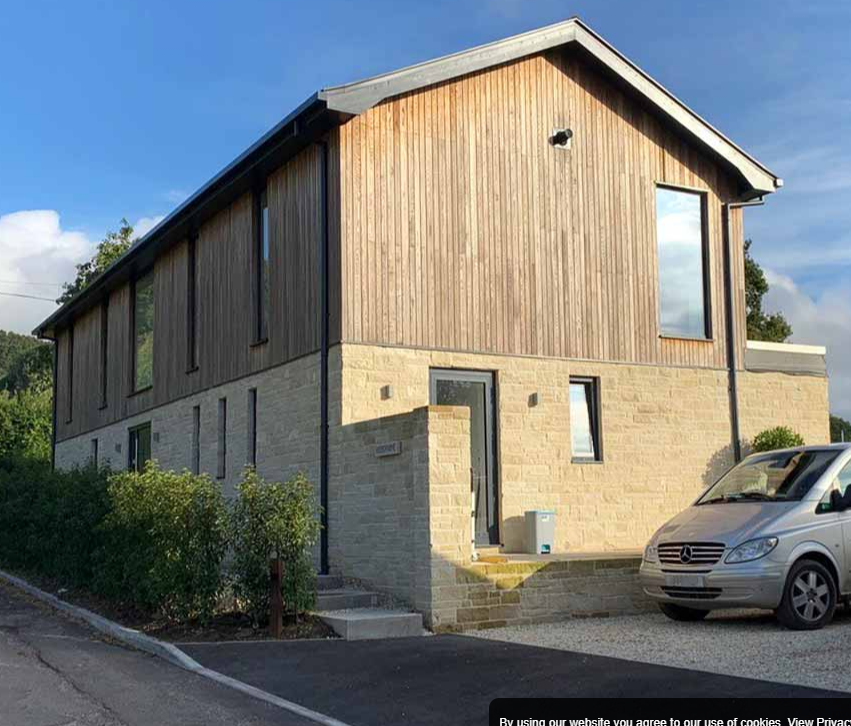
So our proposed design that we want to submit to the planners will be something along the lines of the below, but with a back to front sloping seam sealed roof (minimum pitch for solar panels). What I really like is the way the cladding and the stonework are at the same level on the vertical. If you were to a traditional structure with brick / cavity / block and then counter batten the upper section for the cladding, the cladding would project ~ 70mm proud of the stone, so I am unsure what construction methodology you would need to use? If anyone has a cross section diagram explaining how you achieve this to meet/exceed current building regs, could you please post. Thanks
-
Thanks Garry.
-
So did Rachel Reeves announce today that Labour are reversing the changes implemented by the Conservatives in December 2023 and therefore making it more difficult for LPAs to just refuse an application without providing a valid reason? I am hoping this is the case as we are about to submit a revised planning application which is modernist in design. Am I getting ahead of myself, or have Labour committed to doing this, and do people think LPAs will be more cautious at refusing applications?
-
We were speaking with a planning consultant re putting in a new planning application to instead build a two storey modernist designed property instead of the traditional single barn style dwelling that was granted to the previous owners. The consultant mentioned that the Conservatives made getting that approved difficult with their planning reforms of Dec 2023 and that Labour have committed to reverting those changes within 100 days of being elected. He said that it will make the likelihood of getting our application through easier. I have no idea what he actually means though.
-
I am trying to source 3 Heras fencing panels, but everyone seems to want collection only. I did consider hiring it, but given we are going to need it for 18 - 24 months, then it does not seems cost effective. Does anyone happen to know of a company that will deliver?
-
This sounds very interesting. So although the original application stated a clay tile roof / timber windows, could I then propose a seam seal roof and aluminium windows, or would that be a step too far?
-
The neighbour who sold us the plot and then insisted we met a couple of times in person, has now gone completely cold on me when I sent them an email of the revised house design we want to go with. They didn't even respond to my email. I wish I hadn't bothered now..
-
I did contact Basingstoke & Deane regarding CIL, and they replied. "As there is no CIL charge, In accordance with CIL Reg 67 (1A)(b) no Commence Notice is required and no further action will be required with respect to CIL."
-
I have just made a start dismantling the old cattery pens from the plot we have purchased. I spent sometime reading whether I needed to file a demolition request to the council before I started dismantling. I say dismantling, as a charity is taking the pens to reuse them. So I took it that as they are being dismantled and are basically wooden pens, that a demolition notice was not required. Now the next job I need to really do, is to to remove the hedgerow / trees that were marked for removal on the planning application (I understand that if birds are nesting, I cannot remove them). This is so that I can create a temporary driveway into the plot so that cement trucks / grab lorries can reverse into the plot as opposed to blocking the highway. The reason for the post is that I am rather confused as to what tasks I can just get on with, and what requires some sort of paperwork to be filed with the council. Eg, I don't know whether site preparation / clearance is deemed as building has started. My wife and I are also considering putting in a new planning application, and am unsure whether doing that is best done having not done any work on the site. The site clearance / temporary driveway works are required regardless of whether we build what is currently agreed or whether we get a new app approved. Any pointers welcomed, as I have become a bit of a nervous wreck when on site as I am continually worrying that the neighbours will be looking for any excuse to report me to the council.
-
Do you happen to know how the cost compares /m2 relative to a standard concrete block wall?
-
😂
-
I saw an interesting video on Skill Builder of them using Porotherm. I liked the simplicity and how easy it is for a novice to use them. Just wondering whether anyone has utilised them in their build and if so, what was your experience and how do they compare cost wise to standard blocks.
-
Do I need to submit a demolition notice for this structure?
flanagaj replied to flanagaj's topic in Demolition
They are already sold, but I was planning on dismantling them. I cannot see that constitutes the need for a demolition notice, and I'm probably worrying unnecessarily. -
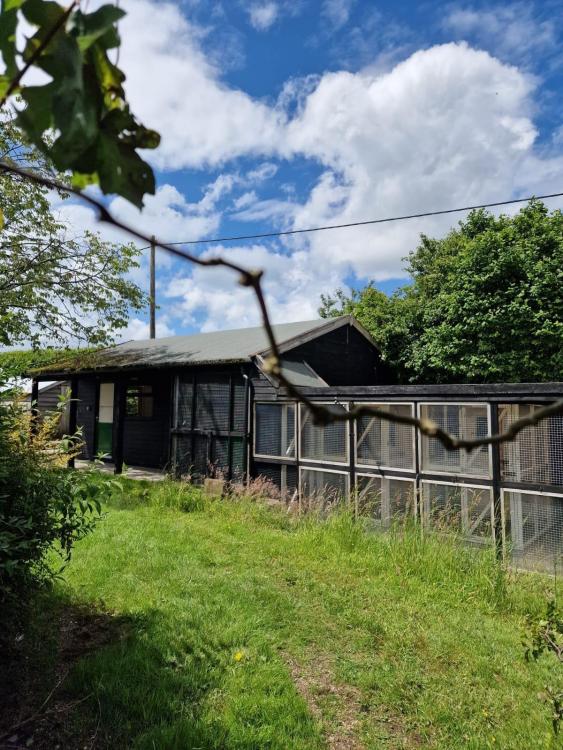
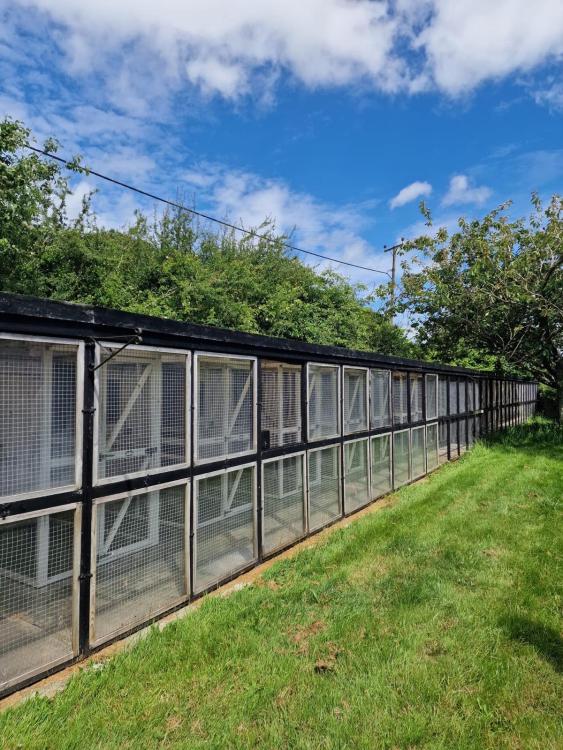
I have just taken a couple of weeks off to start taking down the old cattery business that is on the plot that we have bought, but have just discovered that you supposedly need to submit a demolition notice for taking a building down. I have just read the Approval Notice and there isn't any mention regarding notification prior to commencing demolition of the existing buildings. The buildings are shown below, and I am not sure whether I could simply just take these down or am I risking a fine?
-
Can anyone recommend an Architect in the Hampshire area who is good with contemporary designs, but also understands that not all clients have a bottomless pot of cash and are not looking for a full contractor managed build. I want someone who can either tweak the existing granted application to make it contemporary or who could utilise their planning consultant contacts to determine whether we could get a two storey dwelling on the site. The architect who did the original planning application doesn't do contemporary and isn't able to help.
-
So our site has full PP, but we want to put in a new planning application and only resort back to the current PP if the new application is refused. The site currently houses a load of fixed cattery pens and a wooden office block, which need to be demolished. What I want to understand is what site activity can I perform which will not risk a CIL breach.
-
Anyone have a recommendation for a good bombproof wheelbarrow that might survive the beasting of a self build project?
-
Can you do a contemporary self-build on a budget?
flanagaj replied to flanagaj's topic in New House & Self Build Design
The graph clearly states that it's using tender prices and main contractor. That is of course going to cost you considerably more than managing the contractors you need and doing the rest DIY. -
Can you do a contemporary self-build on a budget?
flanagaj replied to flanagaj's topic in New House & Self Build Design
If you are in the know, it's amazing what you can achieve using birch ply and vacuum bag veneering, all of which are something I am able to do. I have no intention of spending > 10k for a kitchen. Just no need. -
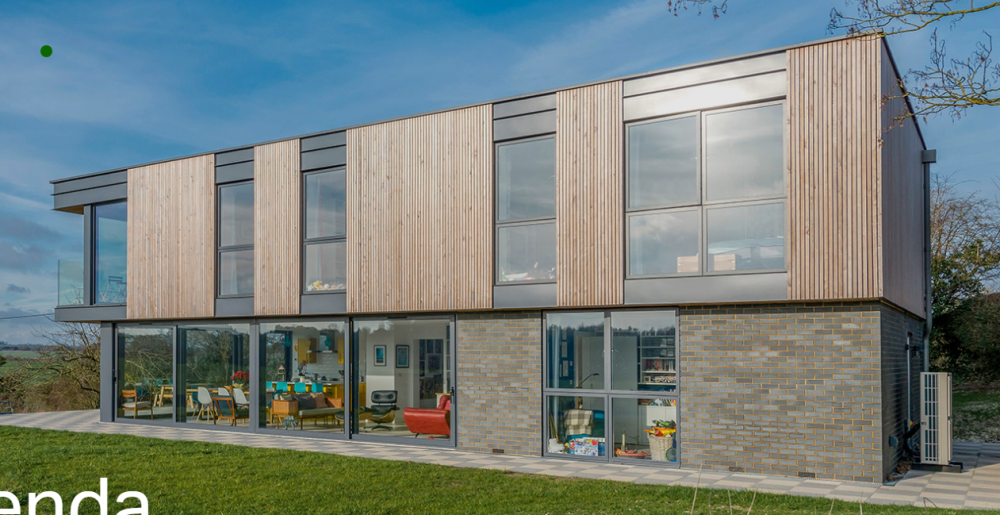
We are on a tight budget < £1500/m2, but I intend on doing a lot of the work myself. Kitchens / bathrooms, plumbing, carpentry... I was a cabinet maker in a previous life. I just wanted to add that, as I know some on this forum are banding around figures of £2500+/m2 for a self build, and I simply am not buying those figures. The reason for the post is to try and understand what is it that you need to avoid when trying to create a contemporary design. I assume lots of steel (cantilever) and glass will eat into the budget, but if I was to show the designs below Ignore the balcony and the fascia on the top as I wouldn't want those. Drop the cantilever on the left hand side Could these be done on a budget or is it simply impossible?
-
3Kw quiet site generator. Recommendations?
flanagaj replied to flanagaj's topic in Tools & Equipment
It was more to do with the sorting of the material post demolition. The digger will as you say rip it all down in no time, but then I'll have a huge pile of wood, metal, insulation, polycarbonate roof sheets which will need sorting? Or will a grab lorry company happily just load it as is into the truck? -
3Kw quiet site generator. Recommendations?
flanagaj replied to flanagaj's topic in Tools & Equipment
Cordless wouldn’t work as I wouldn’t have any means of charging the batteries whilst working on site. The digger is an option, but then I’m left with loads of trashed timber that I need to then load into a skip. I thought skip rules recently changed so that you cannot dispose of treated/painted timber in a general waste skip. -
I've got a massive amount of wooden building demolition to do, and am planning on using a 240v (I don't want 110v and will use an RCD) reciprocating saw. Only issue is that there currently is no electricity on site. So I am after a generator that is quiet to power said too.



