


flanagaj
-
Posts
1349 -
Joined
-
Last visited
-
Days Won
5
Everything posted by flanagaj
-
Water installation quote. Seems excessive.
flanagaj replied to flanagaj's topic in General Self Build & DIY Discussion
But where does the 2.5k on traffic management go. It's a no through lane, so traffic lights are of no use. They can maybe close the road. Does it cost 2.5k to request a road closure from Highways? -
Water installation quote. Seems excessive.
flanagaj replied to flanagaj's topic in General Self Build & DIY Discussion
Ok. Thanks for confirming. Is 25mm the standard size for a 4 bedroom property? -
Water installation quote. Seems excessive.
flanagaj replied to flanagaj's topic in General Self Build & DIY Discussion
I have just obtained the survey sheet from the quotation. I have explained that we want a temporary feed, but I don't understand the 15mm meter to serve the new house part. Does that mean that they propose a 15mm pipe to the house. I also assumed that the mains to the house would be a 32mm pipe?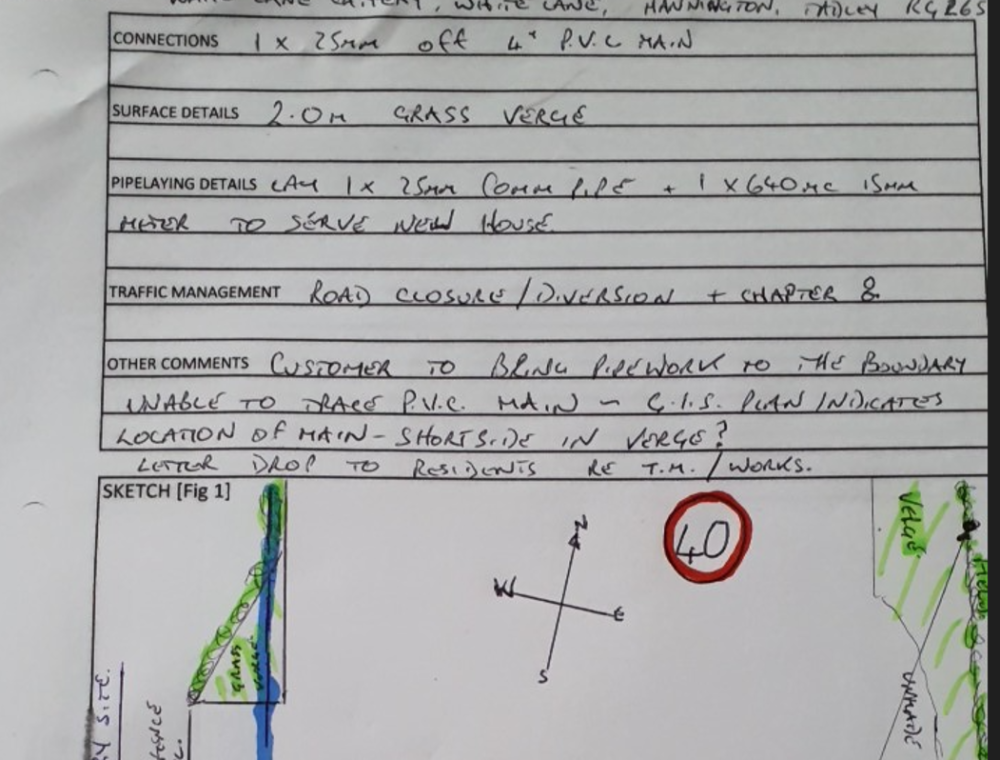
-
Water installation quote. Seems excessive.
flanagaj replied to flanagaj's topic in General Self Build & DIY Discussion
We do. That's our site entrance. -
Water installation quote. Seems excessive.
flanagaj replied to flanagaj's topic in General Self Build & DIY Discussion
Exactly. I think they are taking the **** -
Water installation quote. Seems excessive.
flanagaj replied to flanagaj's topic in General Self Build & DIY Discussion
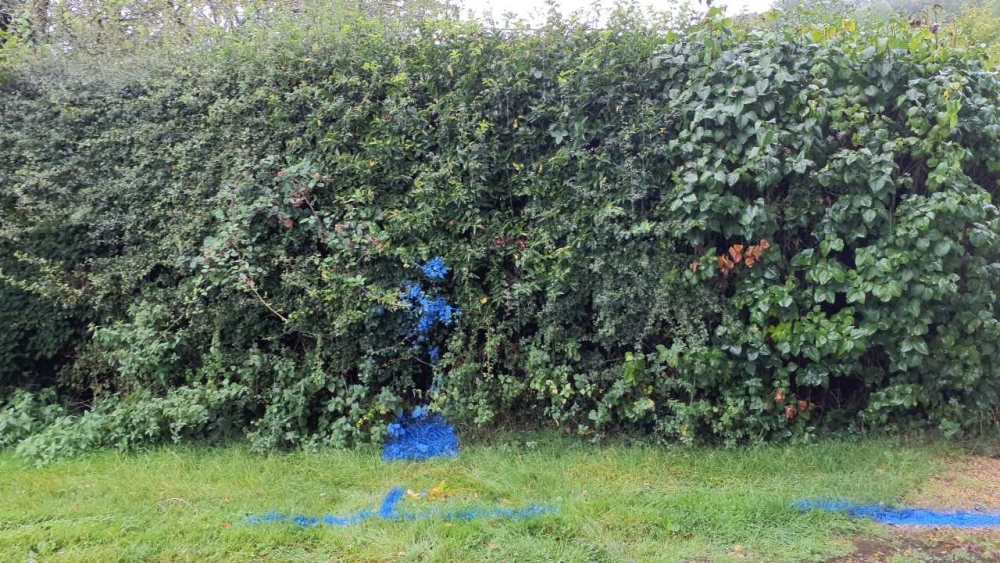
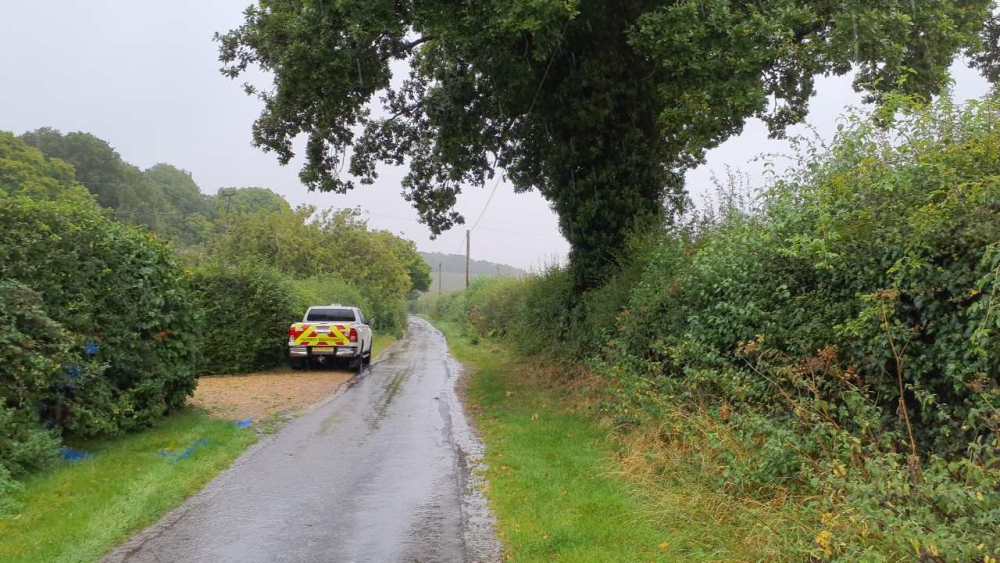
-
Water installation quote. Seems excessive.
flanagaj replied to flanagaj's topic in General Self Build & DIY Discussion
This road is exactly the same. It's a no through road with about houses further down the lane. -
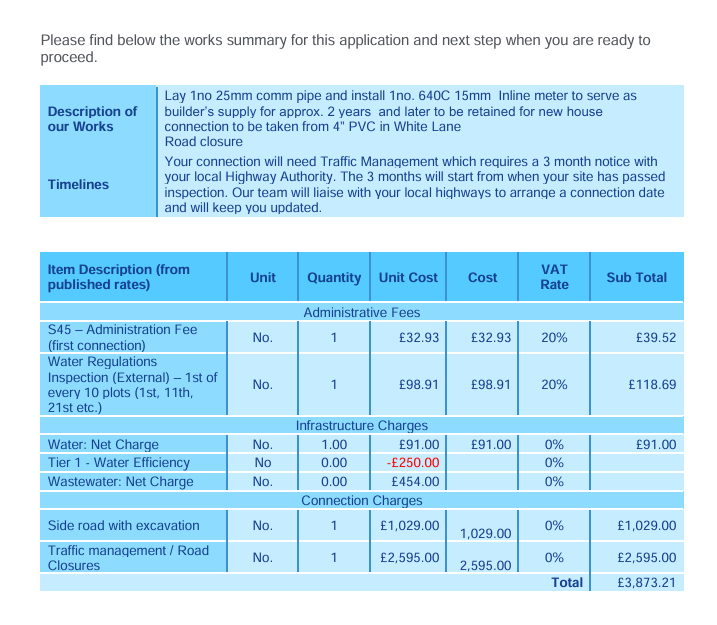
So I received a quotation today for having a new water supply put in. The main runs down the grass verge just outside of our house and requires no road excavation. So the road closure part seems very high. Just wondering if I have any other options here, or do I have to use Southern Water to do this?
-
So I purchased the cheap Hyundai brush cutter combi set a couple of years ago. It's always been a mare to start, and I've always had to use that rocket rule spray in the air intake to get it to start. However, today I literally gave up trying. It was cheap and did it's job for a bit. So I'm now considering buying something decent. If the Hyundai attachments are compatible with a brand of unit that is a reliable starter then that would be a result. So are people using Stihl, Echo ...?
-
Quick question. If I pull all of the hedging out with the excavator, how do you go about getting ride of it. It takes up a lot of volume, so not cost effective to skip it?
-
Can all but try. I have also tried to swing it, that it's in their interest to move the pole as they can replace it with ease whilst there is no building on the site. Previously, they would not have been able to access it as a result of the office building and hedging that surrounded the site. Now that has all gone, they can easily get a truck on the site to replace it.
-
I'm on a three day one on one course in October. On the basis of that, I'll decide whether I'll feel competent to do all the groundwork myself. Hoping, I do get on ok as I'm looking forward to doing it. I did groundwork and steel reinforcement when I was fresh out of school, and before I went to uni a few years later.
-
Thank you so much Garry! Your help on this has been amazing, and I really appreciate it.
-
Ok, thanks Garry. I am happy for the pole to remain on our land, but I want to get it moved close to the boundary and in the corner of our plot. Do you have any advice as to the best way to proceed. If I raise a request to have the pole moved, they will simply say "no problem, that will be 10k please". Do I do that, and then state well if you want me to pay then I request it be removed?
-
Here is the copy of the wayleave that they sent me. Our piece of land is the triangular section on the east of the diagram. WHITE LANE_Redacted.pdf
-
No. Seller made no mention of them. I suspect they didn’t know either. I didn’t pay for a utility search as I thought that just told you what services are available, not whether there is a wayleave agreement.
-
So the wayleave department have come back to me this morning. There is a wayleave agreement in place dated 1936. The address is to the large house nearby, which must have sold off land since then. So what options are there given a house that no longer owns the land is potentially receiving the wayleave payment. Can I insist that the pole is moved across the boundary onto their land? The plot we purchased was probably sold at least 40 years ago to the people we purchased it from. certainly don’t want to have to pay £££ to have it moved.
-
Our solicitor confirmed today that there is no wayleave agreement tied to the land
-
There were 28 cattery pens and an office building to get rid of. We really didn't want to have to pay to have this removed, so we put an advert on Facebook, and were inundated with calls. We sold the lot for 2.5k and after 3 days of removing the roof structure (didn't want to risk people falling through it), the buyers came and removed it. They left a complete mess, but I spent a further three days putting the remnants in one 4 yard plasterboard skip and 2 * 10 yard skips. This meant we were still up 1.5k, so not a bad result. Pictures of the site before clearance and afterwards. The next task is to hire an excavator and break up the masses of concrete slab. Hoping that it is not reinforced so that I can hire a crusher and recycle the waste into hardcore.
-
given there are hedges and tree roots to also rip out, hiring for a week is what I was planning. The difference in price between a 3 day hire and a week is not much, so makes sense. I'm struggling to find a 5T as most places are a 3T with a one tonne dumper.
-
Clever idea!! If in the event, it is reinforced and I cannot crush it for reuse, I can just pile it all up at the driveway end and the grab lorry can just reverse in and load it up.
-
That’s interesting. So SSE telling me I’ve got to pay to have the pole moved is strictly not correct.
-
Can anyone advise as to whether a 5 tonne excavator with a pecker will be notably quicker to break up the slab (100mm thick) than a 3 tonne one. I also have no idea as to whether it's a 1 day or 5 day job. There's in the region of 260m2 to break up and move to the site entrance for grab collection. If it's not reinforced, I am planning on hiring a crusher and to reuse it for the build.
-
Thanks Conor
-
So our plot has an electricity pole in the garden and it's about 6 feet from the boundary. The neighbour told us sometime ago, that the electricity company replaced all of them, except that one as there was a wooden office building next to it, and they could not easily replace it. Now the site is cleared, I contacted the electricity company to ask whether they could relocate it to the boundary, as it will make it easier for them in the future as it would be next to a field with much easier access. They said of course, but you can pay for it. I have read on this forum, that some people have manged to get them relocated for free, and I was wondering if so, what was the trick used to get it moved without having to pay?


