Ferdinand
-
Posts
12213 -
Joined
-
Last visited
-
Days Won
41
Everything posted by Ferdinand
-
Aha. The second law of programming. "The Last n% of a program takes (100-n)% of the time to complete". I have a Plan F for you. Prevent all the echoes thusly, and save the repair time: At this point I think I need to run and hide.

-

Help with kitchen renovation/ 1st house.
Ferdinand replied to zoothorn's topic in Bathrooms, Ensuites & Wetrooms
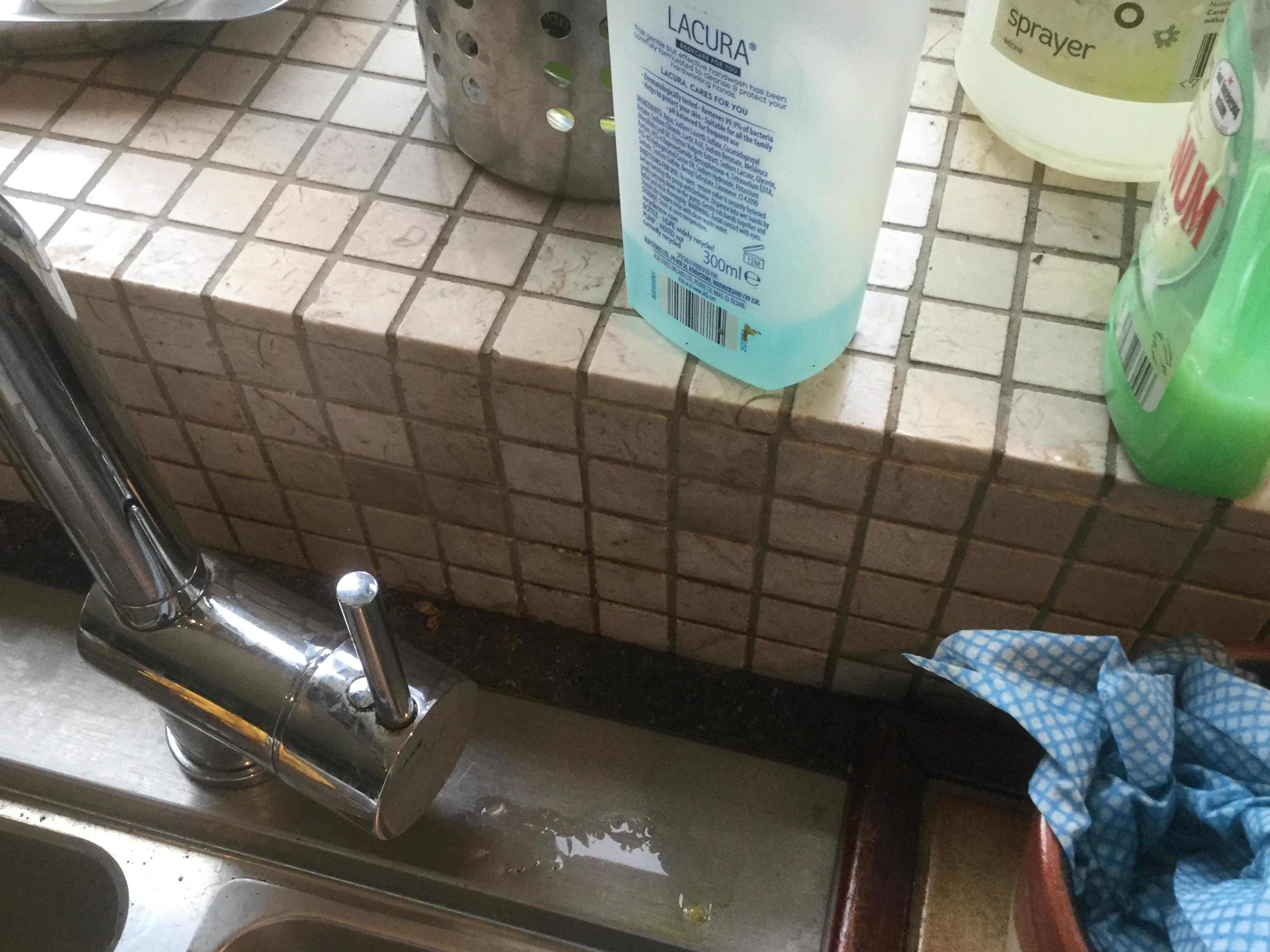
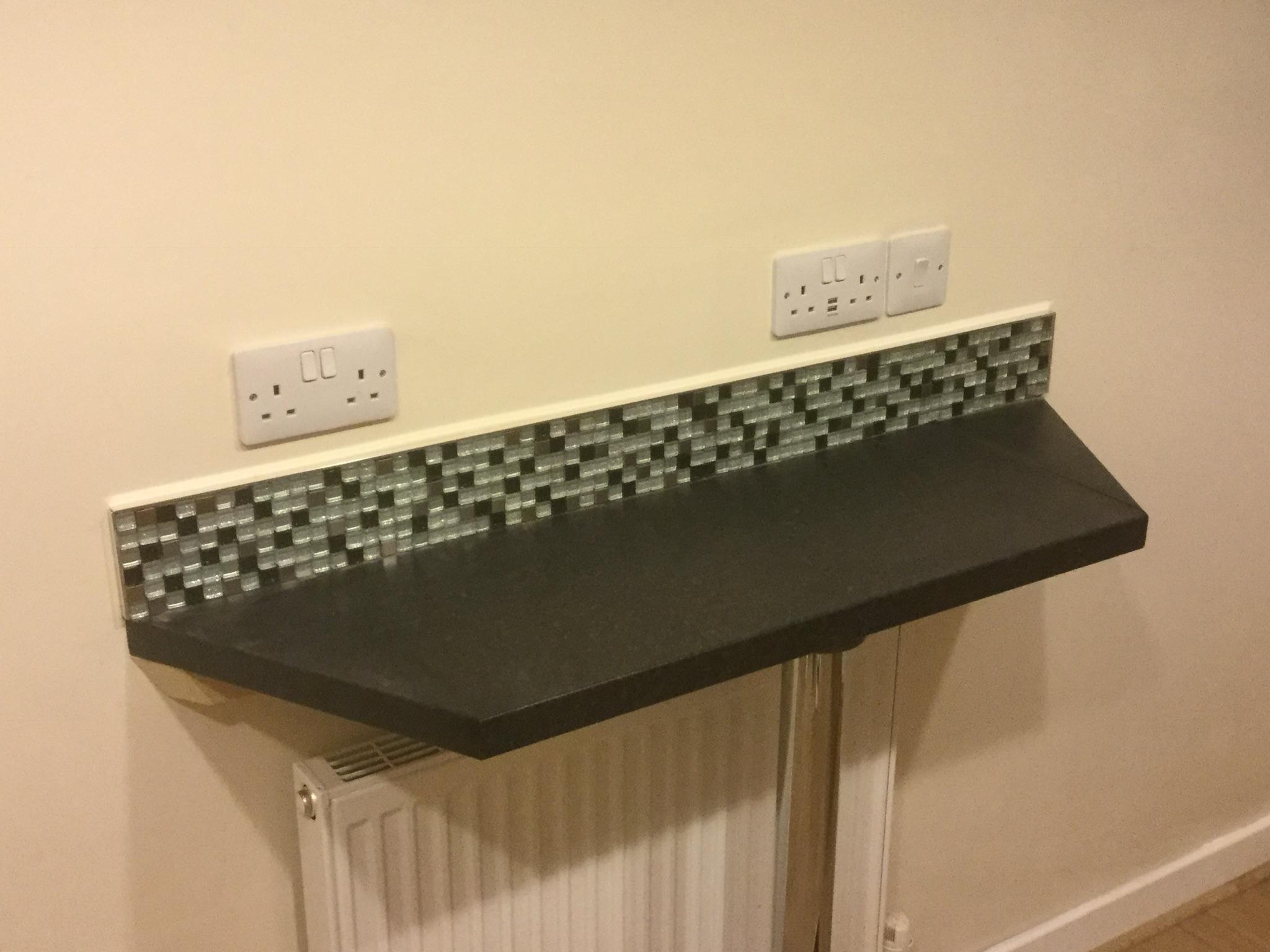
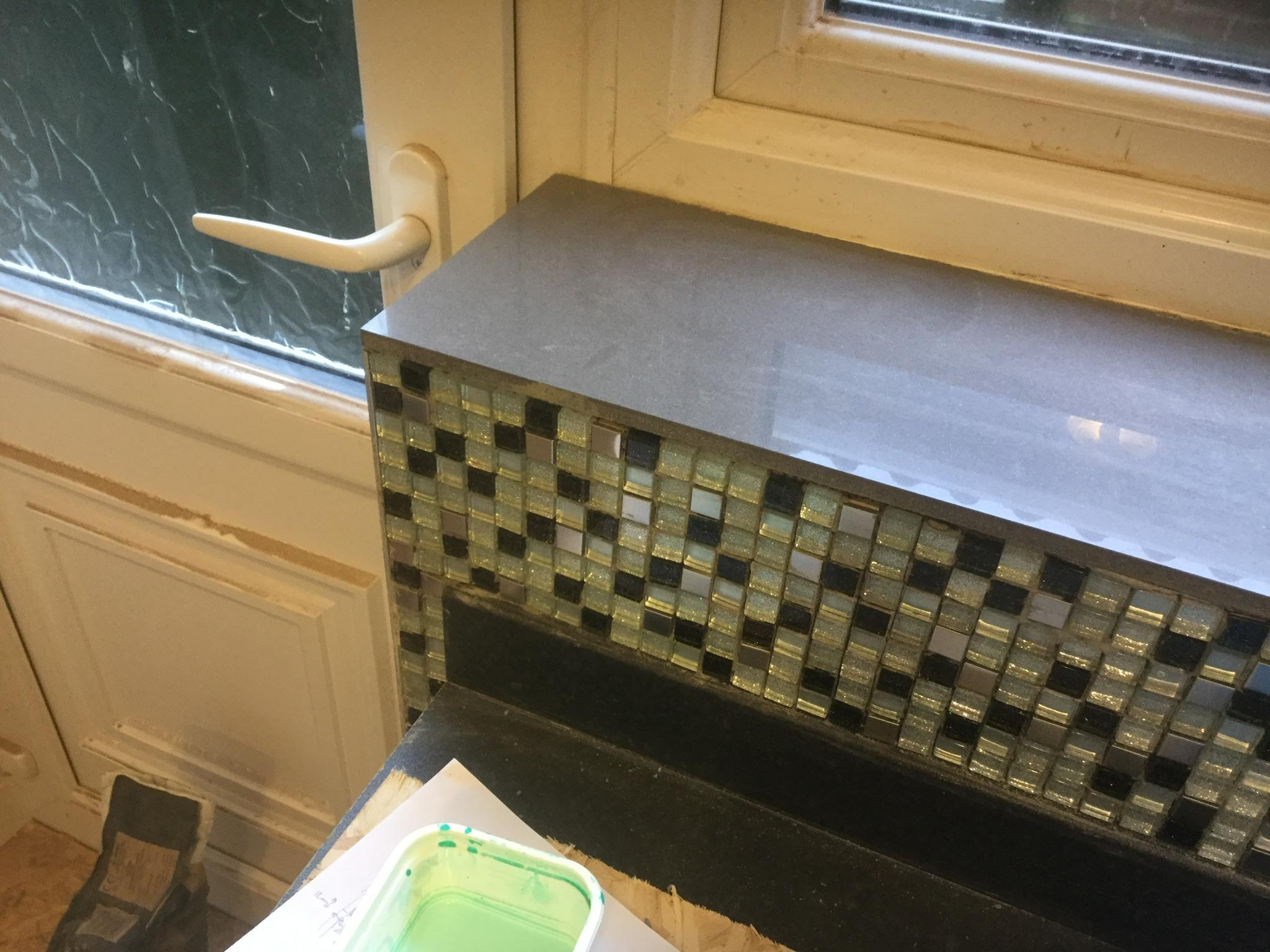
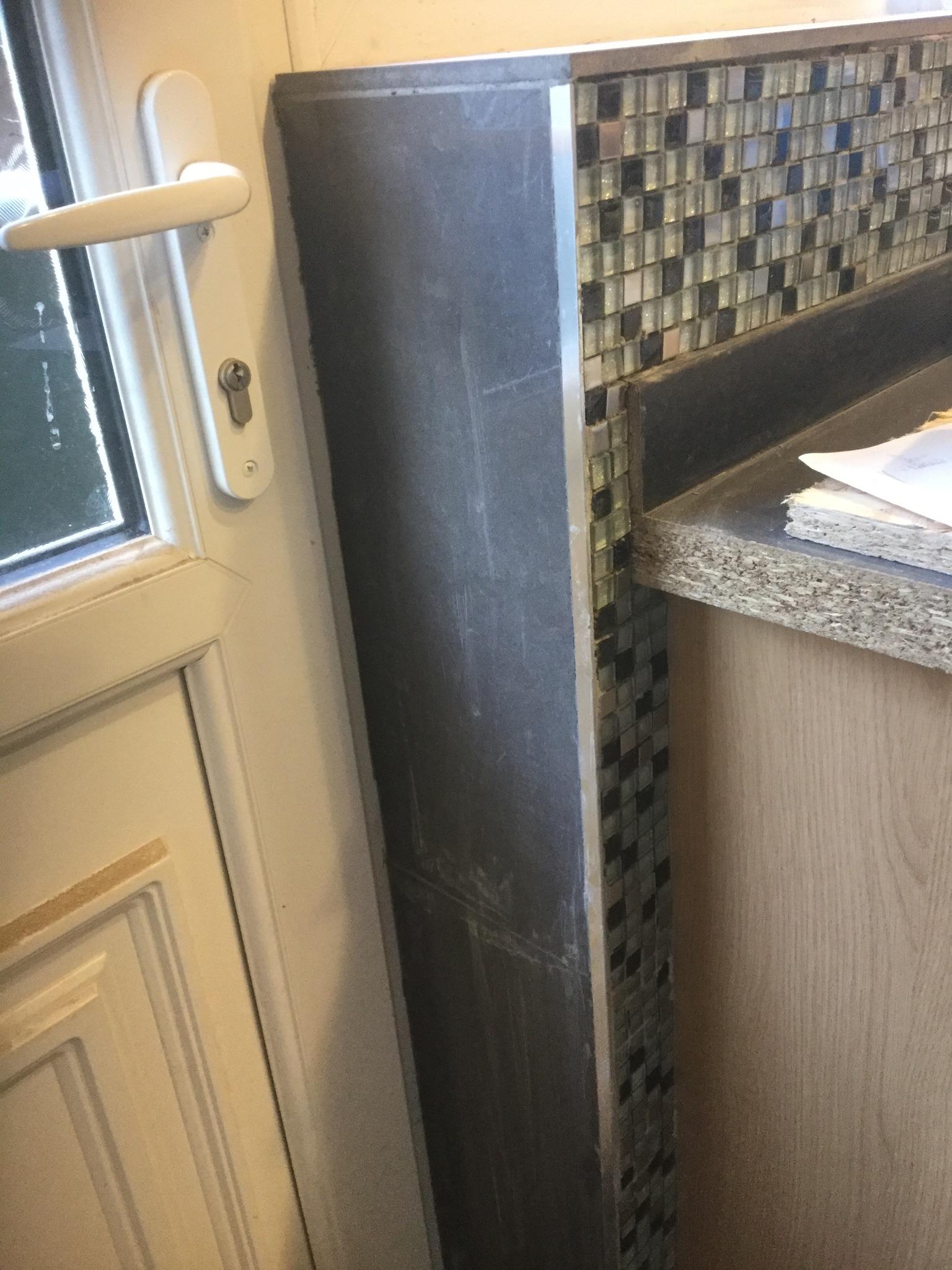
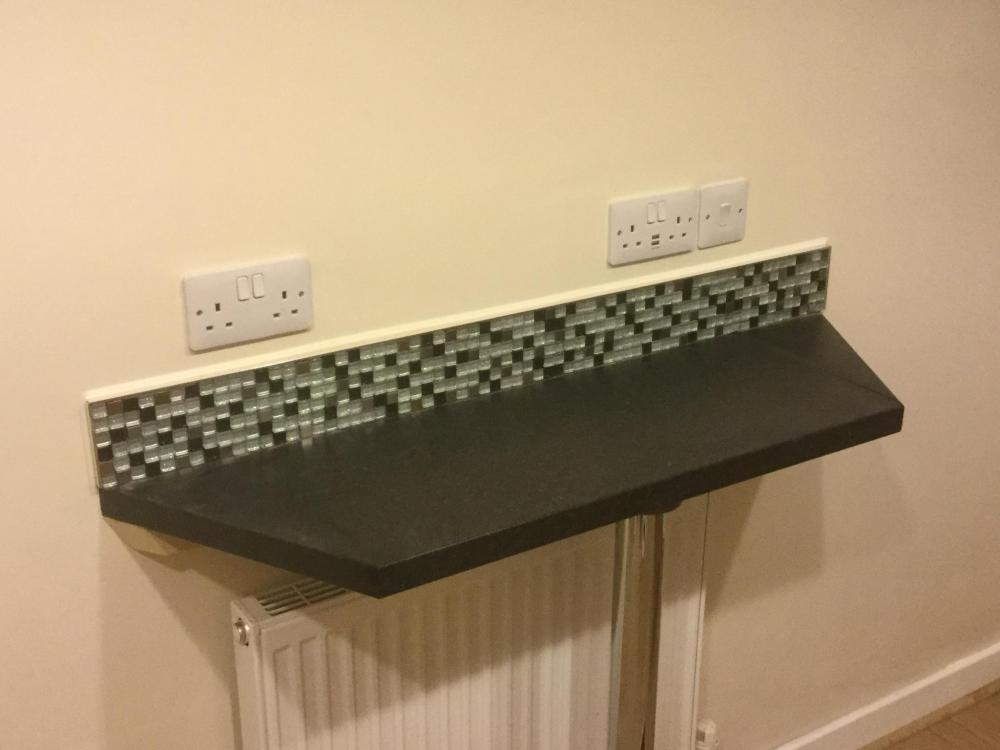
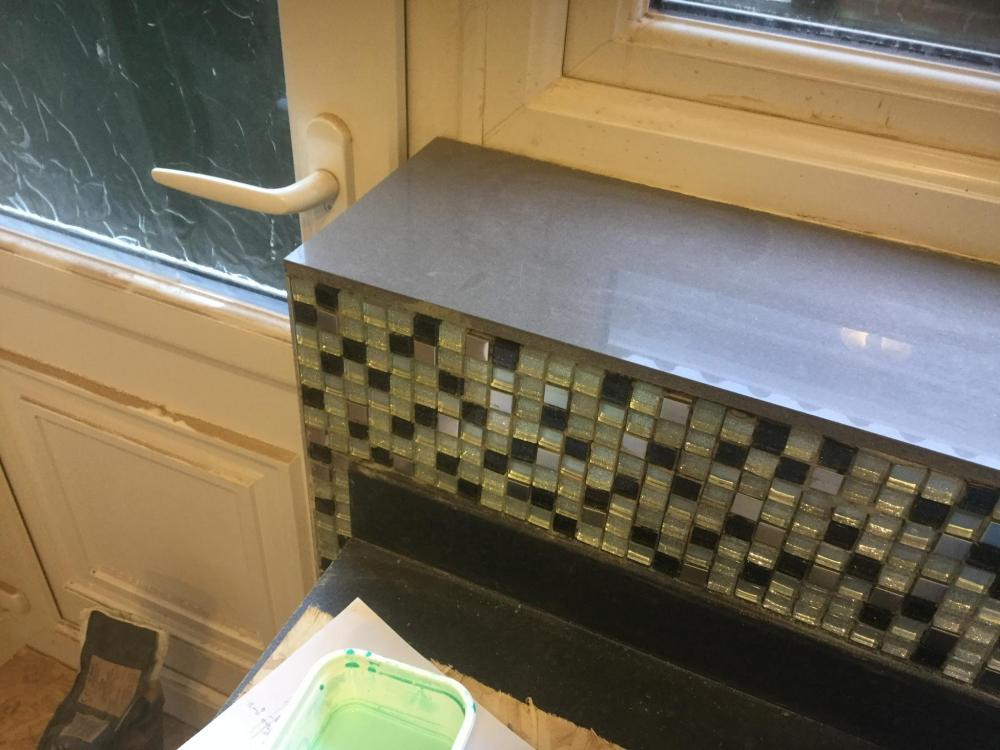
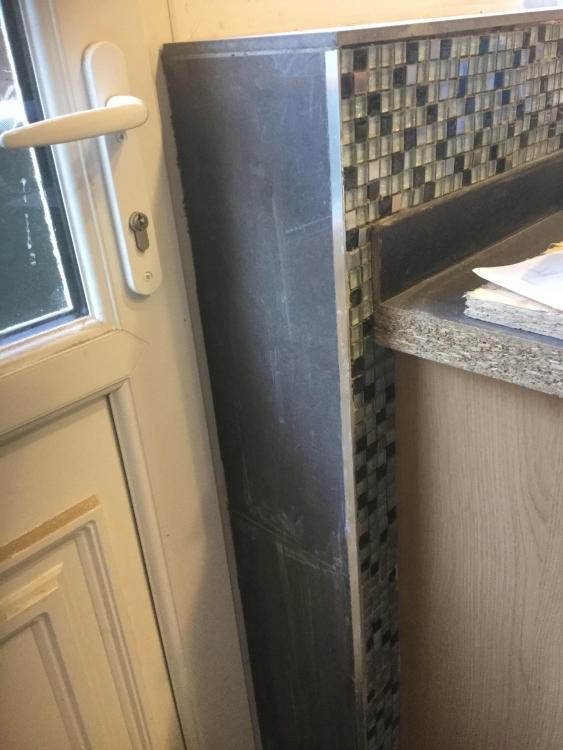
A couple of suggestions for your 3cm bit; you could use a mosaic-on-backing tile, and cut it into strips. This is my kitchen, which the prior owner did by butting these up to each other: And this is is the one from the Little Brown Bungalow, where we used mosaic tiles and a metal edging to sharpen off the corner, around the sink to cover smallish surfaces. You measure the gap and choose the right dimension of sub tile that multiplies up properly to your space. And on the breakfast bar. To to be fair, it is a bit tricky, so perhaps do it with a sheet or board material, and look at revisiting in the future should you wish. It needs an edging or slight overhang as we have done here with the windowsill tiles with slices of 600x600 gloss black porcelain tiles, as flaws show up. This has slight flaws which are not seen from head height. See piccie below. I think we may even have redone the ones below the sill, and reflattened the substrate ... was a renovation not new PB. Ferdinand Apols to mods for murdering the server with full size photos.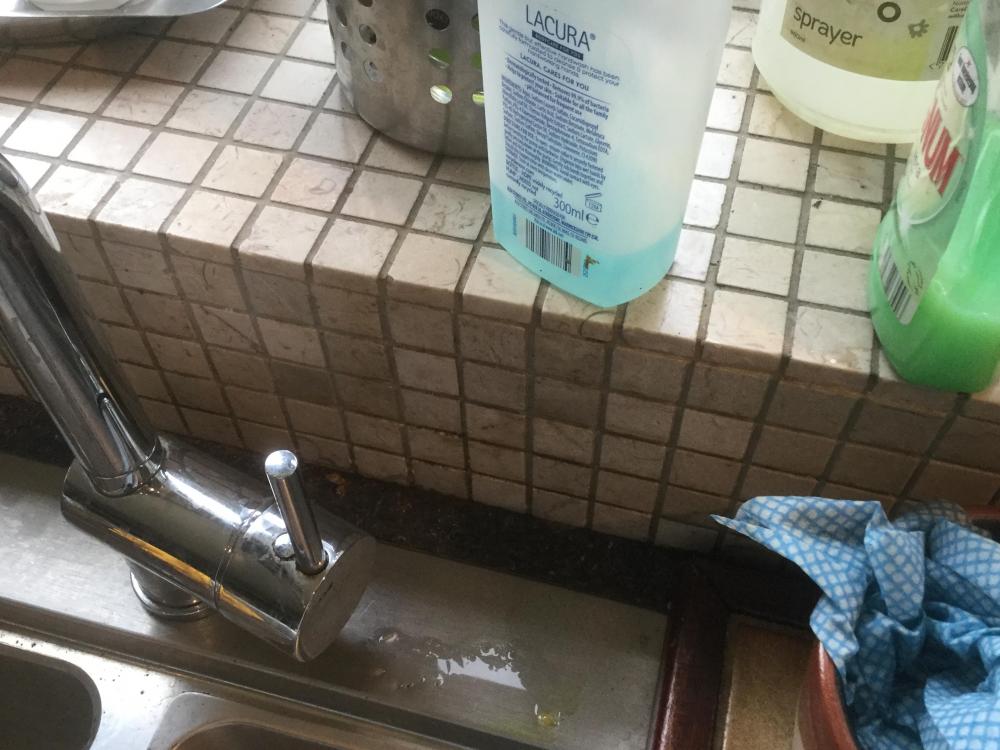
-
Help with kitchen renovation/ 1st house.
Ferdinand replied to zoothorn's topic in Bathrooms, Ensuites & Wetrooms
I agree it is probably rhetorical in part, but I think they will still be here. And it is a gorgeous sink. -
New build - heat and energy considerations
Ferdinand replied to Tyke2's topic in New House & Self Build Design
Start a thread and the forum will talk you through what you normally adjust, and that might do it. It helped me a great deal a at the start of this year .. I did not have my ufh circulating pump set properly so heat was not getting round Far enough. -
New build - heat and energy considerations
Ferdinand replied to Tyke2's topic in New House & Self Build Design
My answer to that would be a bed in 2 independently adjustable halves and 2 duvets... So she can have polar bear hide and you can have a bedsheet. I think they are called a Split King. -
New build - heat and energy considerations
Ferdinand replied to Tyke2's topic in New House & Self Build Design
DId you ever meet Mrs Recovering Academic? -
What is your situation on spares? My tiler said chip out the tile starting at the centre to avoid damaging adjacents when replacing tiles. But I am sure someone will have done it. This chap suggests a Multitool with the diamond faced blade, but that is in "I may be gone sometime" territory.
-
That's interesting. My MCS installer seemed to think it could be done. We even designed the strings etc and discussed the capacity of the Inverters, and the layout of future wiring, to facilitate it. I am all Solaredge, but do not yet have a veranda on the south side. Any move of panels for me would be large, potentially involving 12 or 16 panels. F
-
Have you taken the rules of your Council recycling centre into account? It is perhaps technical and honoured in the breech. In many places car + registered trailer is OK, whilst a van is not for a private person. A car version of a van or a people carrier whether 5 seater, 6 seater or 7 seater, swallows a lot of junk. Whilst 4wd tonkas have shorter load decks. On insurance I am not sure what happens for a van insured for social domestic pleasure; ie does self-build count as business? Sweet spots I would point out for secondhand are firstly a carefully selected diesel estate from between about 2015 and March 2017, which meets Euro 6 and will therefore not be banned from activist-towns In the current wave of panic, whilst being grandfathered in at £20 or £30 road tax and doing 50mpg+. Big estate would tow 2 tons. Alternatively a relative banger can be had for very little money with perhaps 100k ok life left in it. There seems to be a slight risk of govt policy treating diesels as one tax band higher. Not clear whether this would be retrospective, so I have left one band of leeway before mine will be jumping to the punishing tax levels. The way it has panned out for me is a new diesel estate - Skoda Superb - to hopefully be my long term car. The current version came in in 2015, But I have ordered options such as a fold down front seat for longer load length, which I think is quite unusual. Someone I know has bought a small diesel people carrier - Vauxhall Meriva - off eBay for under £400, with seats that vanish into the floor, vintage 2004 but only 120k on it. Miscategorised by the seller. That is now his work vehicle, with perhaps 2-3 years of life in it. Ferdinand
-
Help with kitchen renovation/ 1st house.
Ferdinand replied to zoothorn's topic in Bathrooms, Ensuites & Wetrooms
What sort of Franke sink is it? They are an excellent brand. Mine came with a 50 year guarantee, and I think they will still be around. On the tap, try turning the water pressure down a little. -
How to move, install and not smash hearth?
Ferdinand replied to Tin Soldier's topic in Stoves, Fires & Fireplaces
You could potentially use something filled with air sacrificially. A couple or inner tubes from a bike with the valves forward of the edge, and snip them off afterwards? Though ice would be a cool way to do it. F -
How to move, install and not smash hearth?
Ferdinand replied to Tin Soldier's topic in Stoves, Fires & Fireplaces
What cross-sectional area of ice cubes does one need to support half a ton? -
Help with kitchen renovation/ 1st house.
Ferdinand replied to zoothorn's topic in Bathrooms, Ensuites & Wetrooms
Elephant? They are excellent for catching your sanding dust, as long as you point it out of the window before it sneezes. Credit -
I have found OK people through MyBuilder, though I try to cross-check too. Our County Council has handed their entire Trusted Trader operation to CheckaTrade. CheckaTrade really clobber tradesmen - they charge getting on for £1000 per year. A hell of an overhead. Ferdinand
-
It would probably be useful to have some more information about your requirements. Do you mean furniture or a house? There is a thread yet with talk and some options: https://forum.buildhub.org.uk/topic/3059-need-quick-to-learn-cad-software-recommendation/ I use Sweet Home 3D, which is good for eg interiors, but not for eg plot surveys. Ferdinand
-
And he's building a stairway to decking
Ferdinand commented on Crofter's blog entry in Wee Hoose on the Croft
Just read your reviews - excellent. That must be a great satisfaction. Delighted that your guests all agree with the Hive Mind. -
I take it those are track-articulations rather than scoop teeth. Desperately hunting for consolation, did it happen to be in a useable position when it broke?
-
Do I have the wrong end of the stick? Thought this was on the roof. Is it an underground garage or similar?
-
New build - heat and energy considerations
Ferdinand replied to Tyke2's topic in New House & Self Build Design
I have that, but it is run as 2 systems with 2 controllers fed from one boiler. My house is OK rather than superinsulated ... 2010 regs then a bit. Ferdinand -
Reinstall it on a slight slope so it runs off . Patio cleaning brush? Or yardbrush?
-
I do not think there is a ‘best way’. You need to spend time finding out what you want / like, and develop the background to determine what that is and how to do it. Or communicate your requirements to a designer when you know what they are, and pay the appropriate. Comment here can help, but also eg studying other houses, staying in places eg Landmark Trust or AirBNB, Open House Weekend in London on 22-23 September etc can help. https://openhouselondon.org.uk/ Ferdinand
-
Skylights of roof windows bring in about 4-6 times as much light as the same area of window. May effect what you put where. Glazing bars can also have a significant effect ... do the calculations. If you end up needing to enhance it then things light pale surfaces near windows or mirrors in the reveals (or facing a window) can help a great deal. Ferdinand
-
My Advice for Self-Builders
Ferdinand replied to Red2000's topic in General Self Build & DIY Discussion
Good piece. I would add a number on the contingency - 15-20%. 10% for the usual slings and arrows, and te rest for the things that were forgotten about or are desired gold plating. -
So presumably you can get a caravan to be your haven of peace and quiet !
-
Re-using existing door/windows in new openings
Ferdinand replied to Rob99's topic in Building Regulations
My T who built a conservatory was planning to repurpose *my* backdoor as the new conservatory until I stopped him with a "no" and "if you do that it will have to meet Building Regs". Got one off ebay for £30 within the hour. F