


saveasteading
-
Posts
11094 -
Joined
-
Last visited
-
Days Won
98
Everything posted by saveasteading
-
A couple of IBCs up on a plinth. Or being retro, a proper header tank up in the attic.
-
Subconscious observation of environmental issues. That sounds much fancier than my words. My summary is, I think, that it is not a scientific principle, but a means (tool) for revealing the subconscious.
-
As of last night I realise how easy it has become to rely on the Internet. When it goes down, it is like the roads being blocked. The same can apply to electric supply. If the power is off, where does your water come from? So a large storage tank has that advantage. It also needs elevation for gravity or generator compatibility. Or lots of bottles. Meanwhile I should uncover the dvd player and a non digital radio.
-

Any ideas how to hide the Graf One2Clean control?
saveasteading replied to DownSouth's topic in Waste & Sewerage
It's for a wet purpose, I'd expect connections to be waterproof. I have only used Marsh, 3 times, and it goes in the tank and no box. Otherwise, as @Dunc suggests. A drain chamber former without the bottom would be easy. -
I know. But I used to be able to find drains using 2 welding rods bent to L. They would cross about 1m past the drain, each way. My dad did it regularly and showed me. No big deal, just matter of fact. Worked on drains, not pipes or cables. I can't do it any longer. If there was an electric field then a meter would detect it. So: Perhaps it is that 1. We were looking for an expected drain. 2. subconsciously we knew where it was likely to be. 3. The rods legitimised a good guess and excused any wasted excavation.
-
Concrete floor insulation retrofit - cold floor
saveasteading replied to gambo's topic in Heat Insulation
Good advice above. I have a feeling that Marmox board is better insulating in a thin board, and I remember it being nicely robust to work with. I received it on the highest authority that plasterboard joints don't need intumescent filler , but that may not be the understanding among lesser experts. -
I don't think it reaches. And the other end isn't detailed into the wall. So is is on a hanger? But yes, add another bit of wood at the left so it is the same section all the way. Not needed but tidy.
-
Concrete floor insulation retrofit - cold floor
saveasteading replied to gambo's topic in Heat Insulation
Getting building regulations would need lots of floor insulation. If only for comfort then just a layer of tile insulation for foot feeling will make a noticeable difference. Carpet and slippers complete this logic. There will be energy lost through the floor, but compare to thr cost and mess of rebuilding? -
6m is more likely to be stocked at a specialist timber merchant rather than a general BM. Phone around. 8 x 2 are not at every BM anyway. But I think you are over-thinking. This is heavy stuff. I would splice the lhs 4.8 and 3.0 and lift to place. Then the rhs 4.8. Then add the 3.6. Tweak for the best fit you can manage. Structurally any twists won't matter. in fact 2 timberz bolted could be stronger than one very wide timber. Levels for floor and ceiling could be a bit wonky but would with any solution. You will need some clamps and perhaps props. If you want to whack in some screws for control then just do it. That might make the drilling easier.
-
Starting a business helping Self-Builders, advice?
saveasteading replied to LDNRennovation's topic in Surveyors & Architects
I disagree. There are diminishing returns, and so I'd say design to the principles but be pragmatic. If the last 2% of performance adds 20% to the cost, stick with 98%. -
It's so easy to specify. I don't think planners are generally into such technicalities....eg that levels are easy to control. Even when the height was questioned during planning apps, numbers were not required. Show us a stick on site / show an artists impression.
-
That sounds rude. Sorry if it reads that way. It's a good question. Keep asking.
-
It is seldom clear and seldom questioned. I think I had an unhappy neighbour complain to the council once. We are talking 100mm or so. It was very easy to show whatever was needed as long as it isn't a lot. Reference to the origjnal ground makes most sense, and you could choose the highest point, esp as you of course usually build above that. But if you referred to floor level it would be OK. The condition is not about 100mm but any large increase.
-
It's a newly imagined set of worries. These things don't happen.
-
Oh yes there are. But very fine and invisible, due to being constructed with care. Reinforcement at mid depth, no added water, covered with polythene.
-
What will remove this paint?
saveasteading replied to ennogs's topic in General Self Build & DIY Discussion
It looks like an upside down utility paving slab. £4.20 at B & Q -
It applies to any slab thickness unless there is lots and lots of mesh, or other bars, carefully detailed and positioned. which will control the cracks to be multiple miniscule ones. I don't think I have ever been involved in concrete that thick ( other than heavy Engineering (Bridges etc).
-
Spain/Portugal blackout
saveasteading replied to Beelbeebub's topic in General Alternative Energy Issues
Do we know if the power imported constantly from France is listed here under imports or nuclear?
-
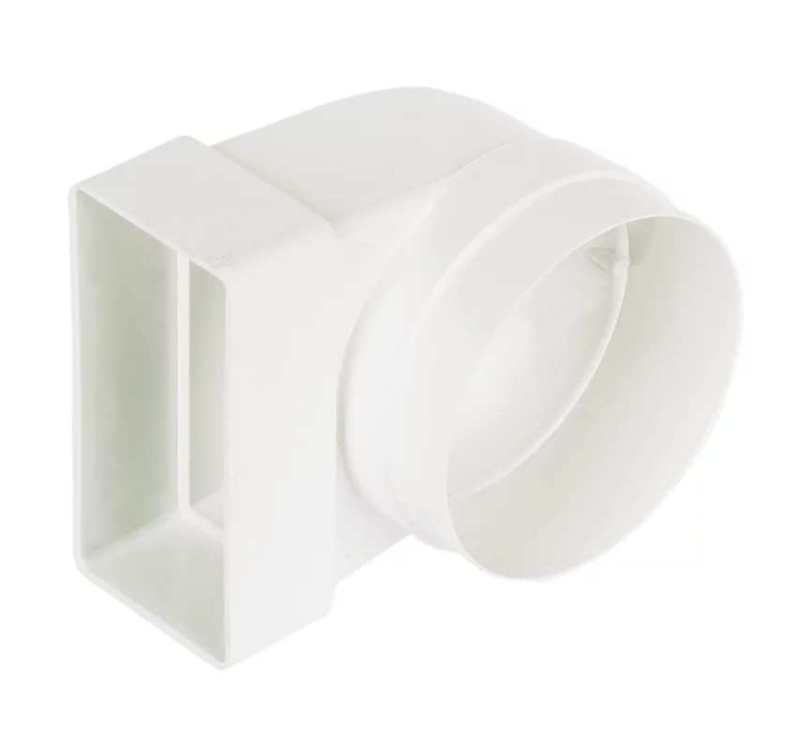
Is the duct rectangular? 99mm deep shown by maybe twice that wide? That is a big duct compared to the standard 110mm round ones. Maybe they can accept narrower like this.
-
Spain/Portugal blackout
saveasteading replied to Beelbeebub's topic in General Alternative Energy Issues
Could be interesting in Lincolnshire if Reform ban renewable energy. Or do they mean the production of it, while importing from elsewhere? That brings us back to the earlier point of whether it is fair to have areas with no production but the same prices. Silly question really, as they won't have thought it through. -
There are standard specifications, measuring the gap under a 3m long straight edge. You could ask the contractor if he is working to such a thing. I don't know what 'level to within 6mm' means. If it means that finished levels would have a range of 6mm from lowest to highest then it sounds good, but not if the -3 and +3 are close together. Concrete shrinks when curing. Are contraction joints proposed?
-
Sorry @SteamyTea. That isn't the impeccable standard we expect from you. I know it's not you but a source. A graph with no numbers or datum? Where even is zero?
-
Assuming the joists are as specified for a bathroom then the bath weight is accounted for. The joists are OK. But you could splice more wood on, or a ply plate on the side if it makes you more comfortable. It doesn't have to reach the supports. But, as above, the floor boarding is the weakness.
-
Spain/Portugal blackout
saveasteading replied to Beelbeebub's topic in General Alternative Energy Issues
Problem identified.
-
It works. Most are probably fixed properly. Because they haven't been sucked off the roof yet doesn't mean that they won't.




