markocosic
-
Posts
979 -
Joined
-
Last visited
-
Days Won
1
Everything posted by markocosic
-
Better yet use euro style rads that have bottom entry and the TRV in built. Spendier but easier to make look neat? e.g. https://www.stelrad.com/wp-content/uploads/2014/11/Radical-ME-Consultants.pdf https://www.stelrad.com/radiators/range/radical-series-radiators/
-
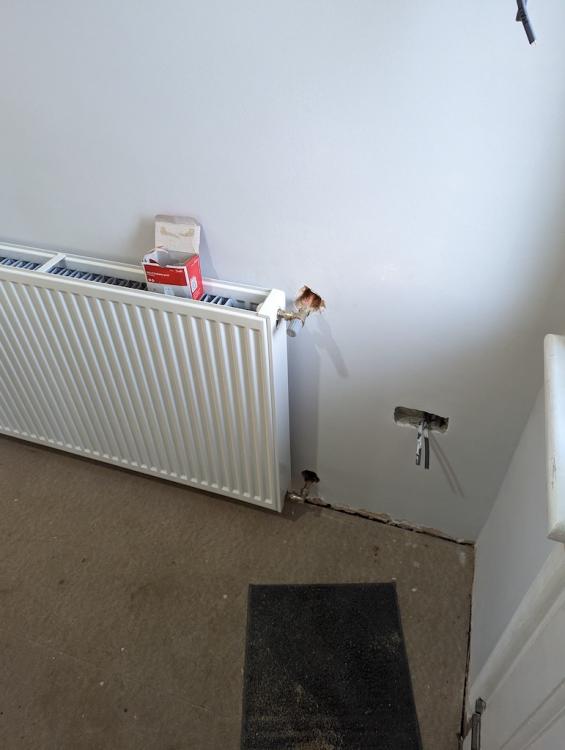
I would: (unless they're HUGE output) Run 15 mm Hep2o (completely idiot proof fittings) to each radiator Use 15 mm conduit so that it can expand / contract https://www.screwfix.com/p/jg-speedfit-15blk-con-25c-conduit-pipe-15mm-x-25m-black/72840 Chase the wall Use a Hep2o elbow converting to 15 mm copper where it pokes out the wall And have the pipework come horizontally out of the wall so that you don't get muck collecting around the rad pipes poking out the floor If the "drop" is some distance from where the rads go then just run the 15 mm in the conduit under the slab. No need to insulate per se. It won't lose much heat provided that it isn't' in direct contact with the concrete. Do protect with the conduit though. 1 kW on 15 mm Hep2o ought to be ok. That's about 3 litres/minute at a 5C deltaT (for heat pump use - worst case scenario), at 0.5 metres/sec, and will drop 0.4 kPa per metre run. You probably want to keep the head loss in the pipework below 2 metres head (20 kPa); so that gives you 25 metres of flow and 25 metres of return (equivalent length including fittings) if coming directly off a manifold. Plenty. 22 mm only if they're chuff off massive output (in which case you'll need DN20 TRVs and lockshields anyway...) or the runs are long. What do you say @Nickfromwales? Misc spreadsheet of nonsense attached that may be useful - it was for sizing a heat pump setup but includes some pipe sizing calcs and a link to http://www.pressure-drop.online that's handy. Knoll Pipe Calcs.xlsx
-
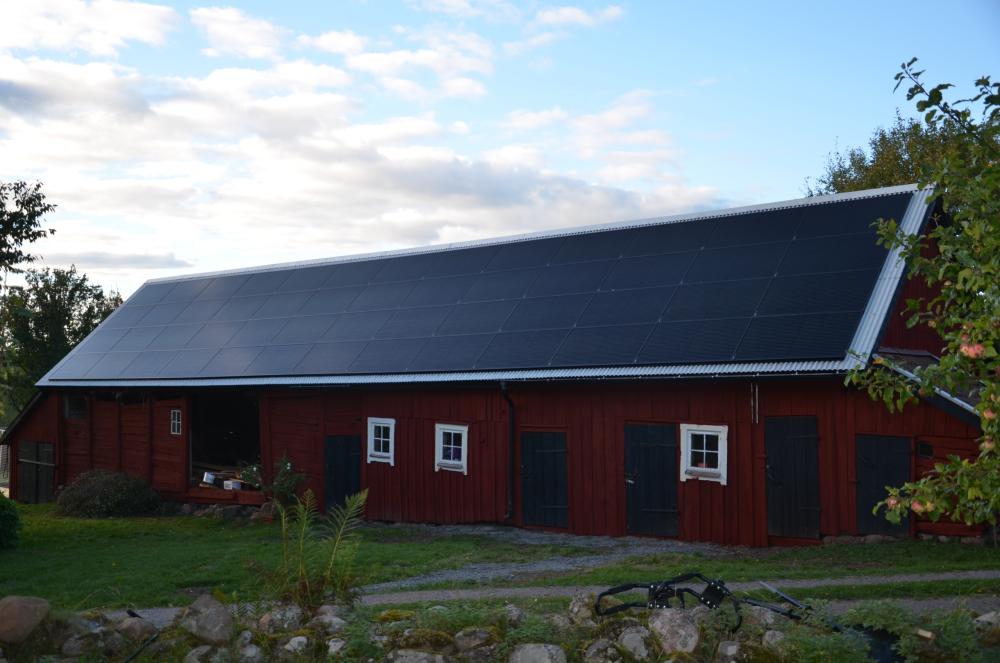
Anybody in the industry know roughly what K2 "insertion rails" for wriggly tin roofs cost? https://www.tritec-energy.com/en/pv-mounting-systems/trapezoidal-sheet-metal/ Any similar "black rail" or "insertion method" alternatives on the market? I think they'd look chuffing neat over a basic wriggly tin roof if you added some decorative slated edging to hide the wriggly tin: Pricing looks to be softening again too - from €120 per 2m^2 panel for at the moment; so €60/m^2 or €300/kWp if you prefer. https://www.secondsol.com/en/anzeige/33046//canadian-solar/cs6r-405ms-hiku6-mono-perc-bfr-405wp#gallery https://www.secondsol.com/en/anzeige/34332//longi-solar/lr5-54hpb-405w#gallery
-
Thank you! Panic over. My blood pressure thanks you both. 🙂 It's not my house, therefore didn't want any cockup, and woke up in a bit of a flap about why one pair of manifolds (with inserts) were just a touch further apart than the others (an insert further - oh poop I didn't add the inserts on those) Pipes were all marked up when inserted and depthed. Forgot to do that for manifolds as the depth was obvious right...
-
Do you need a support sleeve (will a support sleeve fit in the end of a hep2o reducer manifold? https://www.screwfix.com/p/hep2o-plastic-push-fit-reducing-2-port-closed-spigot-manifold-22-x-15mm/5243f There blank end of these above. I suspect yes but don't want to try demount it (impossible?) to check only to find that the answer is no. @Nickfromwalesdo you know from memory?
-
PAX feet are bloody useless anyway. You can't actually support a PAX on those feet without them shredding the bottom plate of the wardrobe. Set a strip of oly / OSB / chipboard down under each "side" of the PAX. Make sure those strips are dead level. (use packers) Screw 'em down. Slide the PAX directly on top of those. Also screw to the wall. I build the PAX without their backs so that your wall is ventilated. It's daft having a back to a wardrobe that's against a wall - especially an outside one that's cooler.
-
Cheaply covering a large area
markocosic replied to Nick Thomas's topic in Landscaping, Decking & Patios
Tip it on the street and shovel fast 😇 -
Before you *choose* to get there. I go on gut. Spent €2.5k on 3kWp of remote solar last year. (you can fund a share of a large solar farm in Lithuania up to the kW connection capacity of your home; and just pay the distribution charges for getting it to you) We absolutely overbought given our usage and the fact you get no export but I don't care it was the morally right thing to do. My father does what he's told by me. "Fill the roof with as much PV as will fit; use what you need to use; chuck the rest at the grid it won't go to waste." Spent £6k on 6 kWp fitted early last year. Meets 50% of annual load. 50% of production is wasted. My brother is a pathological cheapskate. Everything has to have a payback else doesn't happen. Spreadsheets galore. Spent £20k on 10kWp fitted late last year (partly the cost of dithering and over analysing whilst a war was on) and 10 kWh storage and PV divert etc. The payback for him is really fudge all different. You're pretty much as well off buying too much generation and chucking the rest into goodwill as you are investing in crap whose sole purpose is to fudge the market rules/play financial engineering. On the contrary. When you buy something expensive and efficient you should use it for everything. Rinse it for everything it's got. It will rust out before it wears out.or get replaced with a more efficient one before it wears out. This is like not driving an old Volvo because you're worried about putting miles on it. Heck no. You could be buried in the thing if you wanted to. Use the heat pump for everything it's the whole point!
-
Which true and is also of no material consequence. You do no waste enough in distribution to cancel out the benefit of reducing gas burn at the power station. If you did we would have far bigger problems. (electricity would be too difficult to transport long distances) it isn't a problem.
-
I could model that but Nick would need more beers to follow the maths so I omitted it for simplicity. There is an effect for distribution losses. They don't change the conclusion that it's TWICE as good to export than to divert though. Export limitation is the only one that really changed things. If you cannot export then do self consume as that's now the best option available to you. Short of saying duck those guys; exporting anyway; and fortifying then into the infrastructure upgrades that they ought to be doing anyway. Bit of civil disobedience for the greater good etc.
-
Thereby displacing more gas from power generation than it you'd voucher it in a hot water tank in your own home instead of burning gas. In the constrained grid / export limited scenario where the alternative is literally to waste it then it's indeed a different matter. Your best available gas displacement option is indeed to consume locally. Sorry Marvin but you're not doing the maths correctly on this one. The system boundary your looking at is your own four walls not the big picture. Putin does best in your scenario.
-
The numbers are easier after a jar or two. Want to save polar bears / eastern europeans? Create something (electricity) then use it to replace the most gas-intensive thing currently out there. At the moment this is electricity. Don't displace gas boiler use in your own home (80% efficient) by chucking it in a tank. Displace power station gas use in somebody else's home (40% efficient) by chucking it in the grid. It's a bigger win. Simple as that. Create something (heat) more efficiently than you could before. Don't burn gas at 80% to make heat. Burn gas at 40% then use the electricity to create heat at 300% for a relative efficiency of 120%. Ideally both.
-
Look at the big picture instead of looking within your own four walls. Mr & Mrs Loadsamoney have a gas boiler and PV Mr & Mrs Conscientious have a heat pump and PV Miss Miggins needs electricity to something non-discretionary (e.g. the fridge) Mr Sun sells sunshine to PV generators for £0.0/kWh Mr Putin sells gas for £0.10/kWh; so it's £0.125/kWh for heat from a boiler or £0.25/kWh for electricity (boiler 80% efficient; power generation and distribution 40% efficient) Option 1: Mr & Mrs Loadsamoney send 1 kWh of PV into their hot water tank Miss Miggins buys 1 kWh of electricity from the grid which gives £0.25 to Mr Putin for gas Option 2: Mr & Mrs Loadsamoney buy 1 kWh of hot water by giving £0.125 to Mr Putin for gas and sending 1 kWh of electricity out to the grid Miss Miggins buys 1 kWh of electricity from the grid. Mr Putin gets nothing. Option 2 halves overall gas use and payment of tribute to Putin vs Option 1. This is why many folks would consider you to be a selfish penny pinching piece of work if you're diverting PV to generate hot water. Option 3: Mr & Mrs Conscientious buy 1 kWh of hot water using 0.5 kWh of PV in the heat pump and send 0.5 kWh to the grid Miss Miggins buys 1 kWh of electricity from the grid which gives £0.125 to Mr Putin for gas Option 3 also halves overall gas use vs Option 1. The COP of a heat pump in summer is over 3 though. So Option 4: Mr & Mrs Conscientious buy 1 kWh of hot water using 0.3 kWh of PV and send 0.7 kWh to the grid Miss Miggins buys 1 kWh of electricity from the grid which gives £0.075 to Mr Putin This is why you should be using PV in heat pumps. There is a separate debate to be had about how broken our electricity markets are. The suppliers should not be charging you for electricity imported (with a half hour period) that you subsequently export (within that same half hour period). It really doesn't matter if a little electricity shuffles back and fort in the wires as the clouds pass or kettles boil. We should have what they call "net half hourly" metering such that you only pay for what you have, net, used at the end of each half hour. But that debate on the commercial terms is different to the debate about what the morally responsible thing to be doing is. The morally responsible thing to be doing is minimising overall fossil gas consumption. Reduce fossil gas consumption for electricity by generating PV. Then reduce fossil gas consumption for heating y using electricity to move heat more efficiently than you can burn gas to generate heat. Does this make the absurdity of PV diversion clearer? It absolutely categorically does not achieve the reduction in fossil consumption that you thought it did. It's for selfish people who miserably count every last penny. It's not for people who care about resource efficiency. But you'd be forgiven for thinking that it is "eco" given how it is greenwashed. BTW the reason that its useful to run for longer at a lower power level is clouds etc. Look at the actual data from PV installations. It's much easier to meet 100% of a 1.5 kW load for 6 hours than 100% of a 3 kW load for 3 hours. (clouds rarely cover 100% of the sky) You CAN actually steer heat pump power use with the appropriate controls; but only between ~50% and 100%; so in time there will be devices to offer this type of service; but in the meantime what you should if you really care is buy a 1-2 kWh battery; which charges in the morning before the heat pump hot water; infills the heat pump hot water when clouds pass; then charges again after it's finished ready for the evening. Alternatively buy an imperial duck tonne of PV; such that you're invariably generating over the required amount; and spill / curtail the rest as appropriate. It lasts much longer than house batteries; is less inclined to catch fire or get nicked etc; and like insulation is one of things that you really can't have too much of. (Generation is an investment that you buy to create. Batteries are just paying to trade.)
-
You can buy new cartridges
-
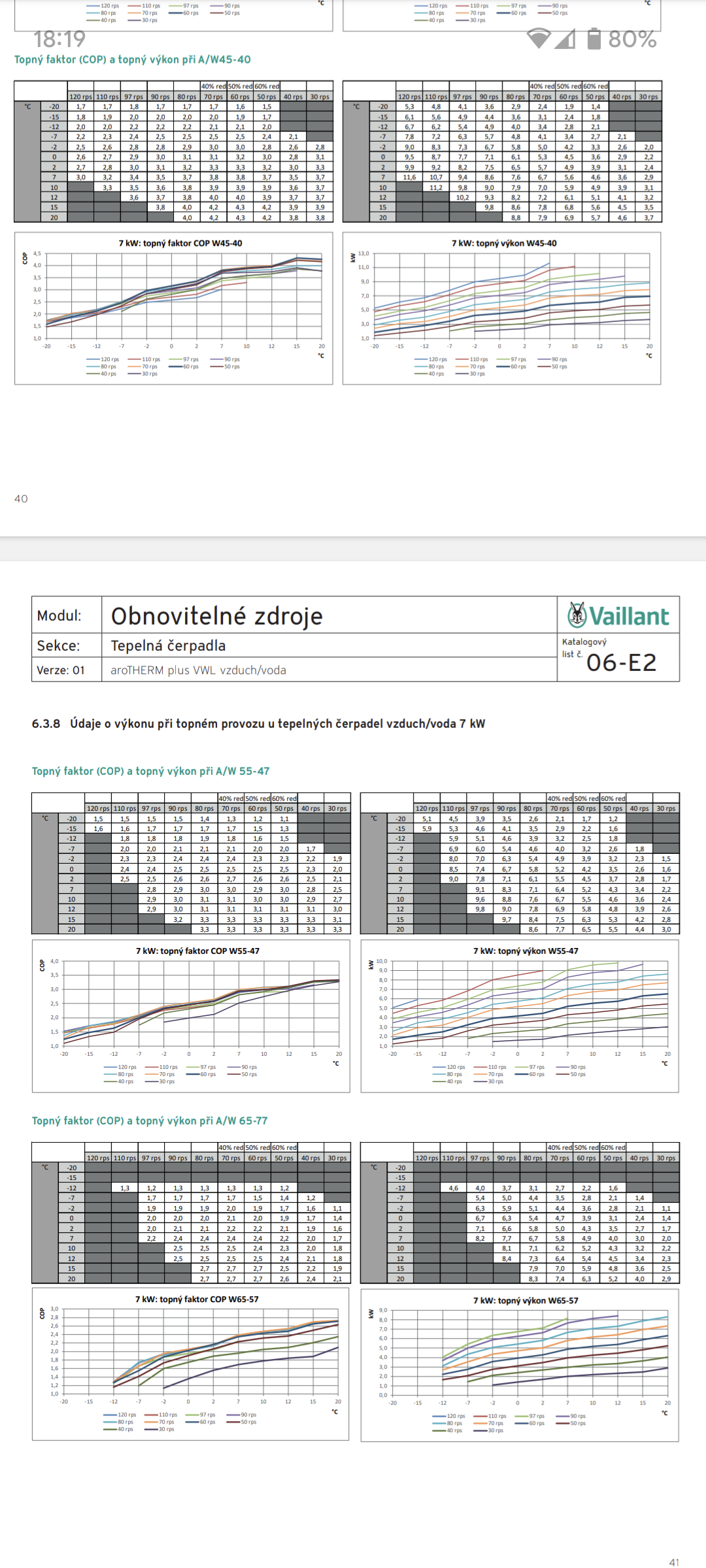
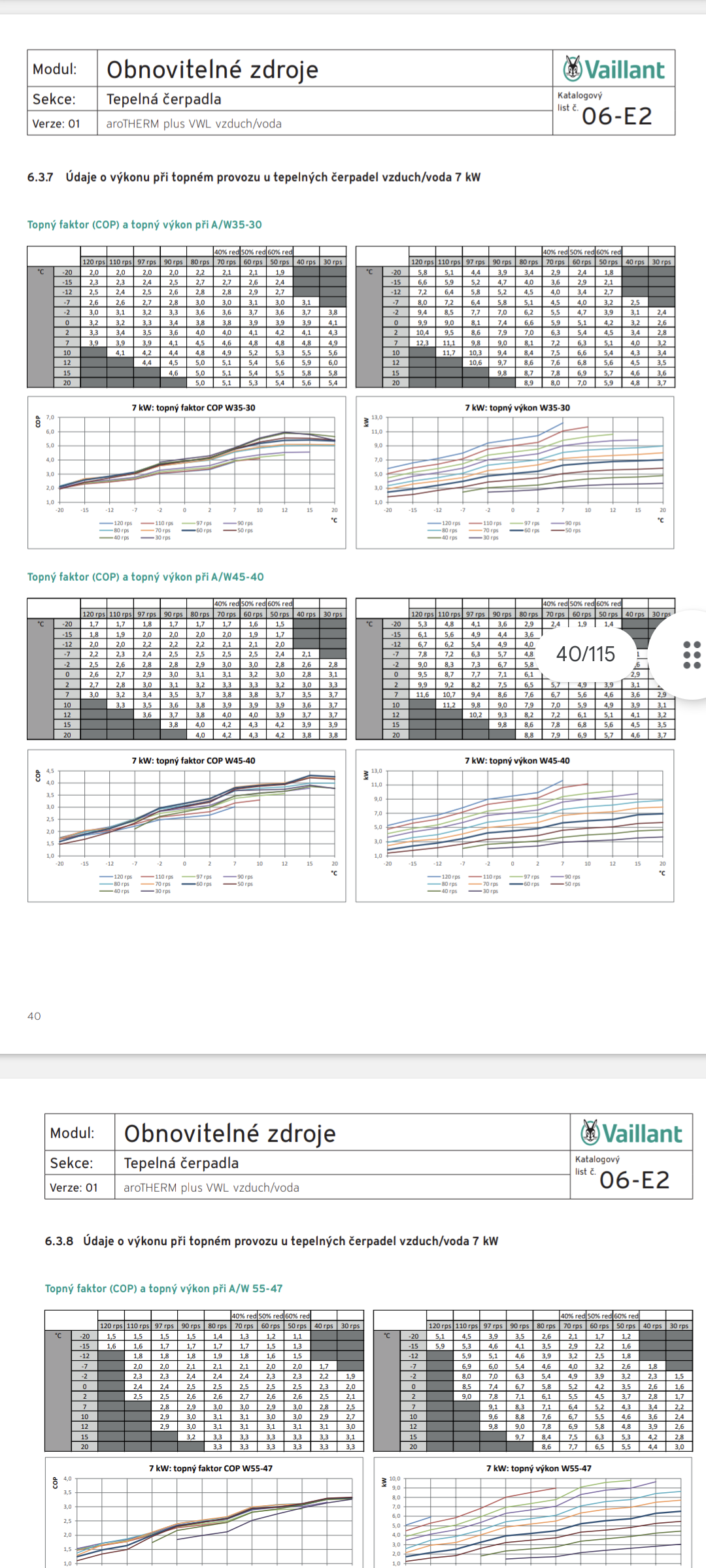
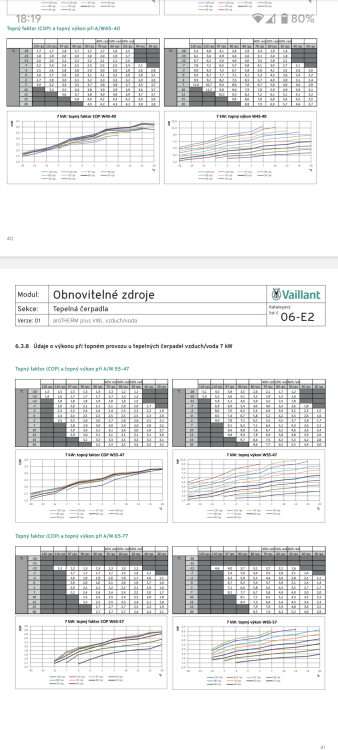
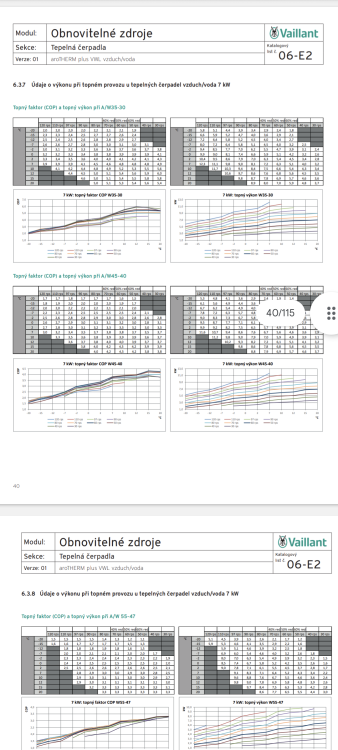
Not morally bankrupt: Export the PV to reduce the amount of gas burned in power stations to generate electricity. Import a smaller amount of electricity to generate hot water efficiently via the heat pump. Even burning gas in a combi results in less overall gas use/emissions than using pv to a cylinder instead of using that pv to reduce gas use at generation plant elsewhere. Depends what your objectives are. If you're the slightest bit thinking of the greater good then you wouldn't use pv diversion whilst there is still fossil generation on the grid. For others it's more important that their electricity is used for their water irrespective of economics; or that you maximise the economic outcome rather than the energy/carbon outcome. Personally I'm not a fan of what Putin or Xi represent; therefore minimising the gas use is the only "morally profitable" option in this day and age. Heat pumping: 3.6 kW is the max that unit could possibly run at given the 16A breaker. That isn't half power. In practice for this application you'd use the eco mode (50% reduction in compressor frequency) to minimise the draw / extend the runtime charging hot water. Per the charts below that's say 5.2 kW at 7C external and 55C flowtemp with COP 2.9; so an electrical draw of 1.8 kW. Most of that would come from PV if you have a sizeable array. Any time that there's enough sun to PV up a cylinder by immersion there'll also be enough sun to PV up the cylinder by heat pump. And when there's not enough sun to pv up a cylinder the heat pump will use 3x less import. At the last part of heating it'd be 4.9kW at cop 2.4 so 2.2 kW input. And at the first part 6.9 kW at a cop of 4.8 so 1.4 kW input. Look at actual production graphs. Draw lines at 1.4 to 2.2 kW. You'll be above that level for significant amounts of time on a 4 kW array; even moreso on an 8kW array. Use it via the heat pump into the cylinder instead of funding Putin by diverting PV and causing more energy to be used overall. Run some numbers on pv generation plots and compare letting a heat pump do it's thing all year Vs using pv diversion and being paid for the export. (Ignore some stupid legacy got very lucky arrangement where you're still paid for export even if you self consume - that's a very nice lotto win for an early player but it's not relevant to this NEW installation that the chap is asking for advice on)
-
Update on Timeshifting to Minimise Heating Costs.
markocosic commented on TerryE's blog entry in The House at the Bottom of the Garden
You spend money on a battery and you know what this amount is It lasts a certain number of cycles - say 10 years of daily charge/discharge If you use 100% of the battery capacity every day then you can work out how much each charge/discharge costs. The cost per shifted kWh is low. If you only use 10% of the battery each day, or you only use it once every 10 days, then the cost per shifted kWh is higher. If you do the math then the first 1-2 kWh of "always on" stuff that you shift into the cheap rate period (be this self generated PV or some artificial time of use tariff) has a good payback e.g. 10 years = 3650 cycles 3650 x 1 kWh = 3560 kWh 1 kWh = £1000 Shifting cost = £1000/3560 per kWh or you're spending 26p/kWh to move that electricity from one rate to another Only worth doing if the cheap rate is at least 26p/kWh lower than the high rate. If you try to shift more than this then you get into diminishing returns. Big batteries rarely pay off. It's only the load that your'e guarantees to shift day in day out for a decade that really moves the numbers. Most people would be better off going larger on their PV by the £5k it costs for a battery (e.g. installing 8kW not 4 kW); spilling most of it as export in the high season; but having double available in the shoulder seasons. Not that most people ever do the maths. -
Ask Telford for a tank with 28 mm or 35 mm inlets/outlets. And 2x 6 kW immersions for manual backup / stupid reheat when family of 9000 visits option. Allow the heat pump to reheat the water. The OEM controls allow time clocking should you wish. Using an immersion is dumb. Just let the heat pump do its job. It has nothing else to do in summer anyway. Don't do night setback in a newbuild. Waste of bloody time and leaves the heat pump working overtime when it's nasty cold first thing in the morning. Leave it at setpoint 24/7. No house stat. Again you let the heat pump's single zone stat manage it all. KISS. Cooling is perhaps the only one that needs any complexity. Chilling the UFH is straightforward enough again via the heat pump's standard controls. Adding the MVHR duct cooler in is a complication. I don't know how you would manage that. I would design it out if you don't need it. Less is more if the UFH is enough to cool. Running chilled plasterboard ceilings is also an option. More effective than chilled floors.
-
Being paid FITs is not an option for new installs. I'd you have FITs and are paid deemed the agree PV divert is economically sound if morally bankrupt. For new installs not the case. Better heat pumps can be configured to draw less when heating DHW. Something like a 7 kW Arotherm Plus draws less than 3.6 kW in any scenario (16A breaker supply) and can be set to heat dhw at 50¥ compressor frequency not 100%.
-
Not that Nick. You time DHW production for a set time (e.g. midday to 3pm) when sun is most likely. Sometimes it runs all on PV. Sometimes is runs on PV and import. Sometimes it runs in import only. With zero money for exported electricity If the ratio of PV is over 30% you come out as a net winner vs burning the PV directly. With some money for export then you perhaps only need to use PV 20% of the time for this to be more cost effective. PV diversion is dumb. If really fussed you install a battery and allow this to time shift the sun to when the heat pump in scheduled. But run the numbers. It's unlikely to pay for itself if you have the alternative option of going nuts overprovisoning pv instead.
-
Overthinking it. Buy a heat pump and matching cylinder package from a heating installer. Buy PV and (perhaps) an electrical battery from a PV installer. They don't need to talk to each other. Diverting PV via immersion at 100% efficiency is just plain stupid compared with using PV at 300% efficiency to heat water via the heat pump. Time the heat pump to make hot water when the sun is usually shining brightest and be done with.
-
The finances / income of self employed sole traders
markocosic replied to Moonshine's topic in Costing & Estimating
Second all of the above. Overheads are significant. If you can buddy up with somebody else you're nuts not to. Vans are a money pit. If you can get away with an estate car you're daft not to. Non directly chargeable time can be. A 2:1 ratio for nonsense:paidwork is about right for the trades that need to design stuff / procure stuff rather than just rocking up and supplying pure labour. Not worth getting out of bed for <£300/day gross / £150/day net if you can get an easy £30k job with paid holiday/sick leave and access to finance (good luck obtaining mortgages etc as self employed person) and zero risk (remember to keep a sizeable float for rainy days and late payments etc as a self employed person) as an alternative. It's a bitter pill for non-trades to swallow though given that they've gotten used to 20 years or artificially suppressed pricing for trades in the UK thanks to the availability of suitably qualified folks from eastern europe. Many have headed back east as, adjusted for living costs, there's more money to be earned in the east now as an (above averagely paid) skilled person. That and many older folks semi retiring or fully retiring as lockdown gave them an early taste and they realised they liked it. https://en.wikipedia.org/wiki/List_of_European_countries_by_average_wage -
Worth trying. Easy enough to revert. Let's answer that after you've decided whether or not you can do without all those valves that can randomly turn off so may zones that the heat pump has nowhere to put it's heat. They've put that in there so that the heat pump has something to do if all the zones shut down. The lady of the house wanting to run one towel rail and one bathroom floor even when it's 25C outside may dictate that you keep it. There's room for two vertical tanks up there though if you don't vomit equipment in like your average plumber.
-
I don't have UFH / a house decent enough to be comfortably heated by UFH as yet. 😉 Cambridge house is a piece of junk. Might as well be insulated using a colander. Radiators running TRVs not in use at the moment as heating via the A2A heat pump / AC as cheaper. Vilnius apartment is nice. Radiators running weather compensated district heat via TRVs and an A2A heat pump / AC though. Cabin build will be close; but wall/ceiling heating rather than underfloor heating as (1) we didn't scope-creep it in soon enough not to mess with finished floor heights; (2) we'll be having a pine floor that isn't amazing for heat transfer and she would only go cover it all with rugs anyway; (3) it's more suitable for summer cooling (ground source heat pump setup so can dump heat into the ground loop) than a cold floor as higher up and less damaged by potential condensation. That'll run as a single main zone (open plan space); with either return temperature limiters for the bathroom and the bedrooms or indeed a large TRV as an air stat to provide for consumer-facing balancing. This kind of thing: https://www.variotherm.com/en/products/modular-wall-heatingcooling.html But using the two small aubergines and a large bottle of vodka method. - insulation to the horizontally battened service cavity - 70 or 100 mm strips of plasterboard running vertically as spacers - 12 or 16 mm UFH pipework stuffed in the gaps - Plasterboard / tile adhesive to hold them in - Another piece of plasterboard as the finish layer / spreader layer A cross between these two methods if you will:
-
You: - Design the loops to meet the heat loads for the rooms (bedrooms will be designed to a lower temperature than bathrooms) - Adjust the (fixed) flowrate in the real world to adjust the slab temperature and therefore the temperature in each room (you can vary the average slab temperature by widening or narrowing the deltaT across the slab) - Adjust the overall input according to the weather (reduce the flow temp as it gets warmer to globally reduce the slab temperatures proportionate to the heat losses This is a "steady state" method of setting the room temperatures to work with the "steady state" preference of the heat pump; putting in the amount of heat required constantly. The other option is "pulse width modulation" or "running at full burn for long enough each day to put in the amount of heat required that day; as preferred by boilers. Heat pump efficiency will be highest if ALL the zones are as active as possible for as long as possible in order to meet the heat demands (as this results in the lowest flow temperatures The office situation can be handled partly by self compensation in a high quality build (if you are setting the average slab temperature then the slab stops transferring heat to the air if the room gets too warm) and partly by averaging (if you know that computers are always dumping in heat then you dial down the input to that loop) Crappy buildings really need thermostats. An insulated building with UFH and sensible glazing/shading generally needs stuff all. If your office equipment is overheating the room it's probably time to buy some new office equipment. The days of this being a major power draw are as over as the days of 15p/kWh electricity. A laptop will happily do 10 hours on 100 Wh; so 10W average https://support.apple.com/kb/SP854?locale=en_GB A desktop will do web browsing at about 10W and only peaks at about 50W if rendering video etc https://support.apple.com/en-gb/HT201897 Humans are the main issue. Humans and ovens.
-
That ought to work generally. You would lose the "trimming" of slab temperature zone by zone though. Perhaps. You could also have mixers set on 11 then widen the dT on the downstairs manifold and narrow it on the upstairs manifold in order to set the average temperatures. How not sure are you? A 250 L cylinder is ~1550 mm tall. A custom fattie could also be made. Horizontal cylinders don't really work. Their effective capacity is far smaller than their actual capacity because stratification within them during discharge is poor and you're more prone to get a bucket of lukewarm blended water.