


JohnMo
-
Posts
13296 -
Joined
-
Last visited
-
Days Won
200
Everything posted by JohnMo
-
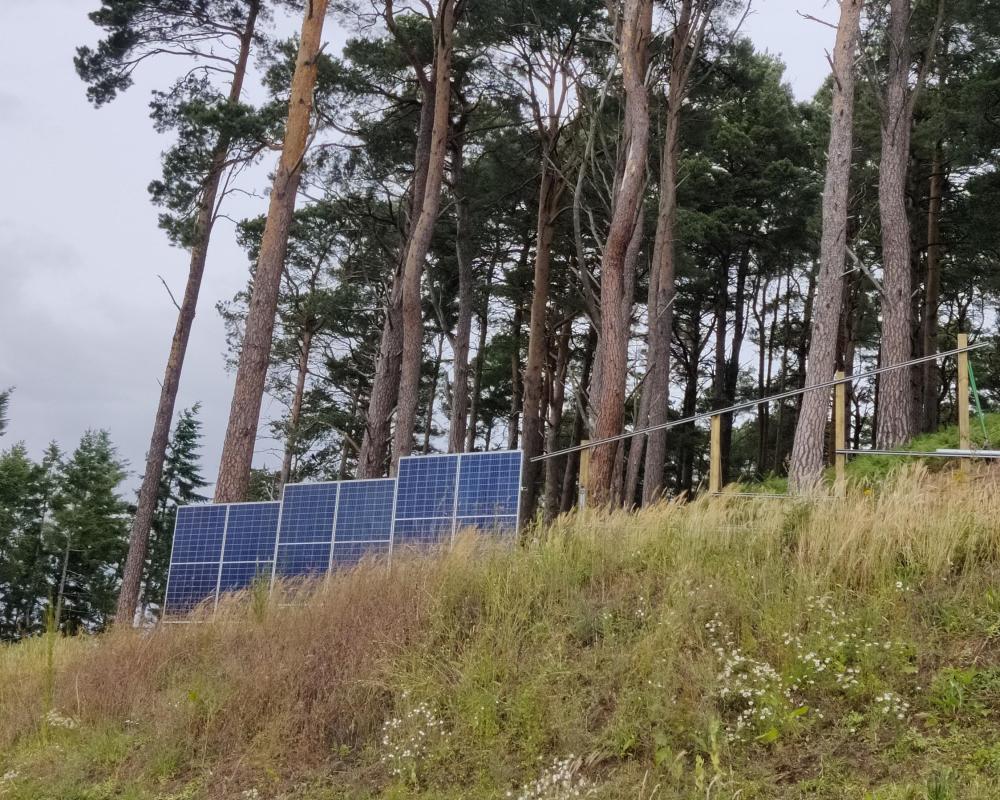
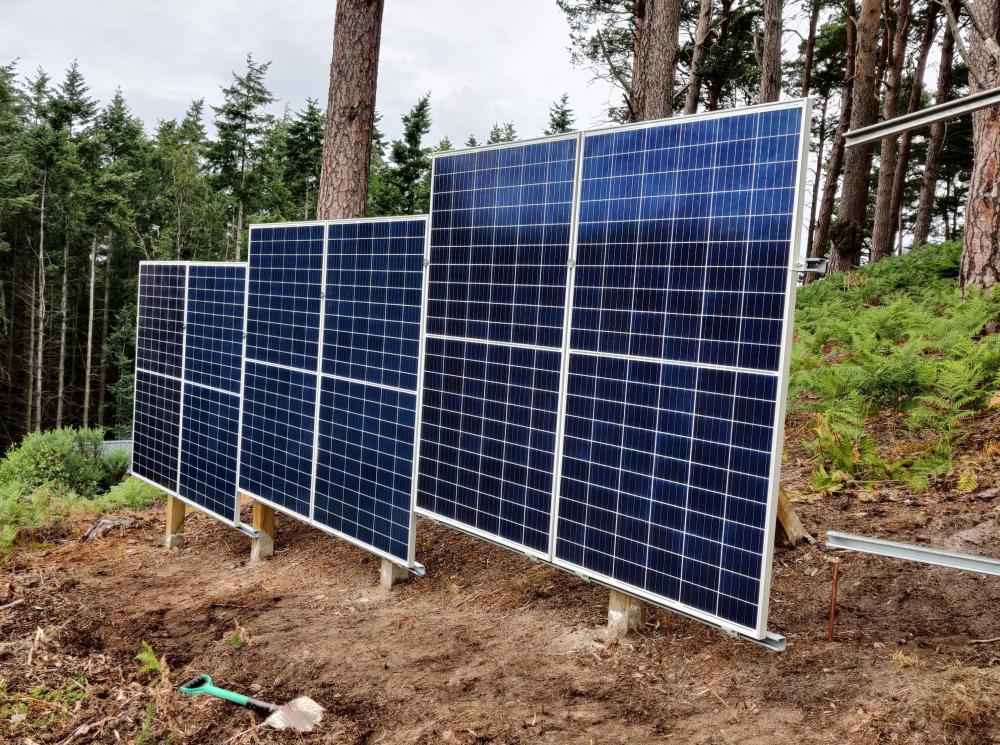
First 6 panels mounted
-
Water for drinking is main issue I see. Especially in coastal areas and especially small islands, where rising sea levels contaminate ground water etc.
-

PIV: no outlet in attic; how to make it less stuffy?
JohnMo replied to Garald's topic in Ventilation
PIV works by pushing air out, generating a slight over pressure, then the air finds leaks in the building fabric and/or trickle vents, so in theory the air should spread everywhere. If you have windows open it will exit there rather than having to work to escape. Could your attic just feel stuffy because it's super hot in there? -
If you are putting flow through the bathroom rads any time the boiler is running, if you don't have TRV's on those radiators, so flow never closes off, but instead balance them so they don't overheat the rooms, then you could delete the bypass valve altogether.
-
When should I repair minor cracks and screw pops?
JohnMo replied to amilio's topic in Plastering & Rendering
Your asking questions, but don't want the answers, you've obviously made your mind up want you want to do, so fill your boots. -
I think the press just look for or make out the world is going end now - everything is extreme. Listened to a news article the other day about mortgage rates and how loads of people are having to sell their homes... The interviewee let it slip that only landlords in his experience were choosing to sell, not general home owners.
-
When should I repair minor cracks and screw pops?
JohnMo replied to amilio's topic in Plastering & Rendering
Good point, I must of been skim reading and missed the word bought. Down to the builder to fix. -
Is really affected as many as the press would make out. Restaurants are full, supermarkets are full of people, huge amounts of cars on the road. Amazon can justify delivery on Sundays, so must be selling plenty.
-
When should I repair minor cracks and screw pops?
JohnMo replied to amilio's topic in Plastering & Rendering
Leave it as long as you can put up with it. Our house is pretty much white, and wife is now thinking colours, we have been in the house nearly 2 years. Worst case is you fix everything and a month or two later wife decides it time to add colour to the house - double work! -
I would get a full set of manuals, down load them for the heat pump - not the Joule one. Then get reading, it should be reasonably straight forward. There will be something it looks for to enable cooling, mine not the same as yours, has a switch contact that changes it from heat to cool. You will/may also need a thermostat suitable for cooling, unless you does that.
-
Toshiba Estia 300L heat pump cylinder
JohnMo replied to eniacs's topic in Air Source Heat Pumps (ASHP)
Just ignore him - he's not the post police. All responses are useful. -
Only really true for a high heating demand, not true at all if the heat demand is below about 20W/m2 and the lower it gets the smaller the difference becomes. The difference between 100m and 300mm centres is 1 to 2 degrees mean flow temp. The only real difference between 300 and 100mm centres is reaction time to a heating input. With 100mm being much quicker. Most heat pumps for example will only output 25 degrees flow at the lowest setting. With UFH due to the very slow reducing return temperature, controlling heat source can be an issue. At 25 degree flow mine for example would fire up and run for about 20 mins, then take a break, looking for a return drop below a set threshold, but lots of hours later the return never did, I had to up the flow temp to 26, then it all worked as it should. Nothing is black and white.
-
Sorry for the rant but I am just amazed, but not in a good way. This is plain daft. Why would you need two boilers on any new build even at 500m2. Have you done any heat loss calculations, or are you just making it up as you go on? It must be a poor quality build, that didn't comply building minimum requirements to require 2 of the smallest boilers a available. And why would you want the control issues and poor efficiency you are likely to see. Smart stats are just marketing bull, with UFH, you need a very low hysterisis thermostat. Why because UFH just reacts slowly the bigger the hysterisis the more the room temp fluctuates and less efficiency you get from the boiler. The ideal hysterisis is circa 0.1 degrees most smart thermostats will be 0.5 degs if you are lucky. Smart just means they connect to internet, which is not needed with UFH as reaction time is too long to make any use of switching the heating on when you are driving home. FYI - My 193m2 of UFH (225m2 house) has a single manifold with 7 loops and one thermostat.
-
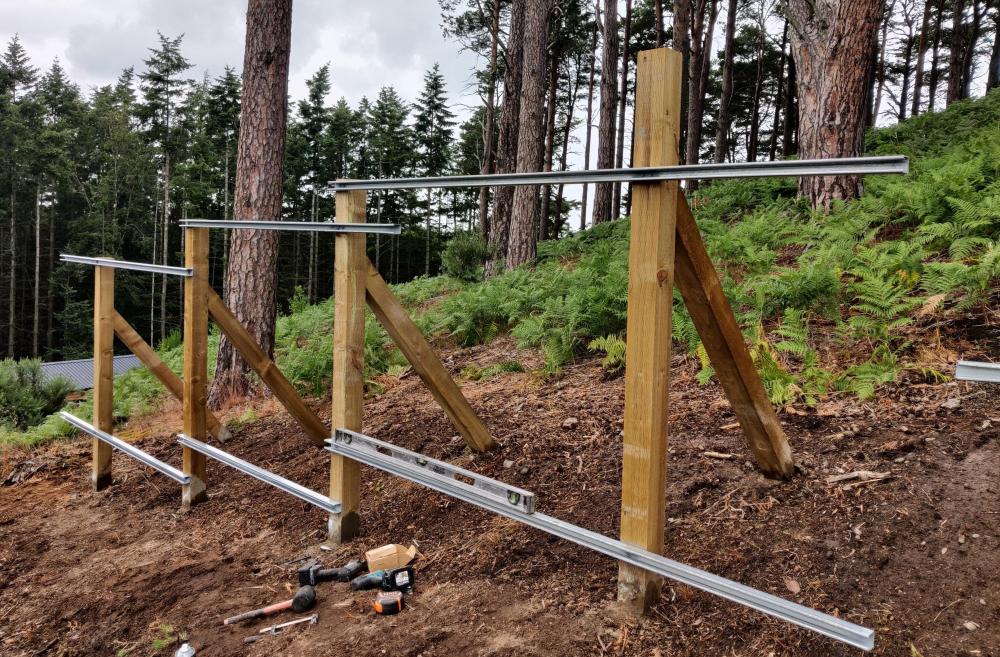
Did a bit more work on the frame over the last couple of days, between the rain and other jobs. All the posts are postcreted in place and the unistrut on the first array in place. Panels will be stepped up the hill in pairs. This array will consist of 6 panels.
-
We have bedroom UFH, if I was doing it again I wouldn't bother. I would instead do something that responds quickly if needed, such as an electric panel heater. Add the wires as @ProDave has done, then move on. Space and electric allocated should you feel the need at a later date. Your UFH is then just downstairs and in bathrooms. Operate as a single zone, no mixer or pump on manifold, no wiring centre and a single thermostat or heat pump controller if thermostat built in. No buffer needed either. Add an electric towel rail in bathrooms to dry towels and top up heat if required. Simple - as a passivhaus should be.
-
Howdens vs DIY Kitchens - which one to go for?
JohnMo replied to johnhenstock83's topic in Kitchen Units & Worktops
As @ToughButterCup says, unless your single, do what the other half says with regard the kitchen, you will live everyday regretting you didn't. Because it's wrong somewhere... and it's your fault! But to be honest I ( and other half driving the conversation) would go with a blank sheet of paper to a kitchen designer and see what they come up with, their design will be miles better than yours, and shouldn't cost you any more. -
Howdens vs DIY Kitchens - which one to go for?
JohnMo replied to johnhenstock83's topic in Kitchen Units & Worktops
I just bought a few flat pack units from Howdens, if you in off street you will pay way more than if you can find someone with an account. We mentioned a joiner and got 57% off the normal price. Both my sisters used DIY kitchens and were both happy with the result. -
I have one of these and it's still in use and looks as good today, as when it was delivered 2 years ago. It has a point of delivery bar code that Royal Mail and delivery companies can use to prove delivery, but as with most things delivery people don't know that, so they will still put a sorry you weren't home ticket in the mail box. But a good sized box. https://www.smartparcelbox.co.uk/
-
Toshiba Estia 300L heat pump cylinder
JohnMo replied to eniacs's topic in Air Source Heat Pumps (ASHP)
Not even certain it would be as good as you think. So good call cancelling order. My DHW cycle works like this - Call for heat, heat pump puts out enough heat to maintain a predetermined delta T between flow and return. As the delta T reduces it ups the flow temp. It continues to do this until it either it looses the call for heat (cylinder hot) or it gets to 60 deg flow temp. If it hits 60 deg stops heating, but continues circulation, it waits until return temp drops then keeps trying to heat. It will keep hitting 60 and keep retrying, that is my best bet for what would occur - would use loads of electric in the process. -
Bought some 6mm2 4-core armoured cable have laid that in to place roughly for now. Will run DC for what looks like about 52m from PV DC isolator to the inverter. Ploughs etc have no access as the PV will be located on a very steep hill, with trees to the rear.
-
Must say, my UFH and heat pump cost about the same or less than that.
-
I didn't, but I think more restrictions like that, are thing of the future. There are several calculation tools available online, sorry can't offer any links. Play the numbers, get low water use clothes washing, dishwasher etc to make the numbers work. And you only shower every other day etc. You don't water any plants etc. Also think rain water harvesting.
-
Basically yes, it's just adding system volume, to give the boiler something to work on, when just a zone or two is on.
-
Or does it just say something about the grant scheme? Plenty of here with or installing ASHP, not part of the scheme including me. So they don't appear on the statistics h shi** in sh**e out
-
Just tried the link I had on the email and the web page seems to have gone. Maybe stopped trading?



