Thorfun
-
Posts
4891 -
Joined
-
Last visited
-
Days Won
36
Everything posted by Thorfun
-
cheers guys. SWMBO was doing it and Googled a 4-to-1 mix so just did that. seems to have worked.
-
nice one. any guesses at PVA to water ratio for this type of application?
-
afternoon. qq. we want to seal the concrete screed before putting down our engineered wood to stop/seal dust. we were thinking of just watering down some PVA. would that do the job or should a 'proper' product be used. and, if so, what do folk recommend? cheers.
-
Choice of insulation for under rafters on attic trusses.
Thorfun replied to Chanmenie's topic in Heat Insulation
But surely the walls are insulated so the insulation to the eaves just carries on down to the wall? I’m still confused as to why you need to do it. Surely insulating the trusses finishes the wrapping of the whole building in insulation? -
sure but in a highly airtight house would a mouse/rodent get in? I'm hoping not!!
-
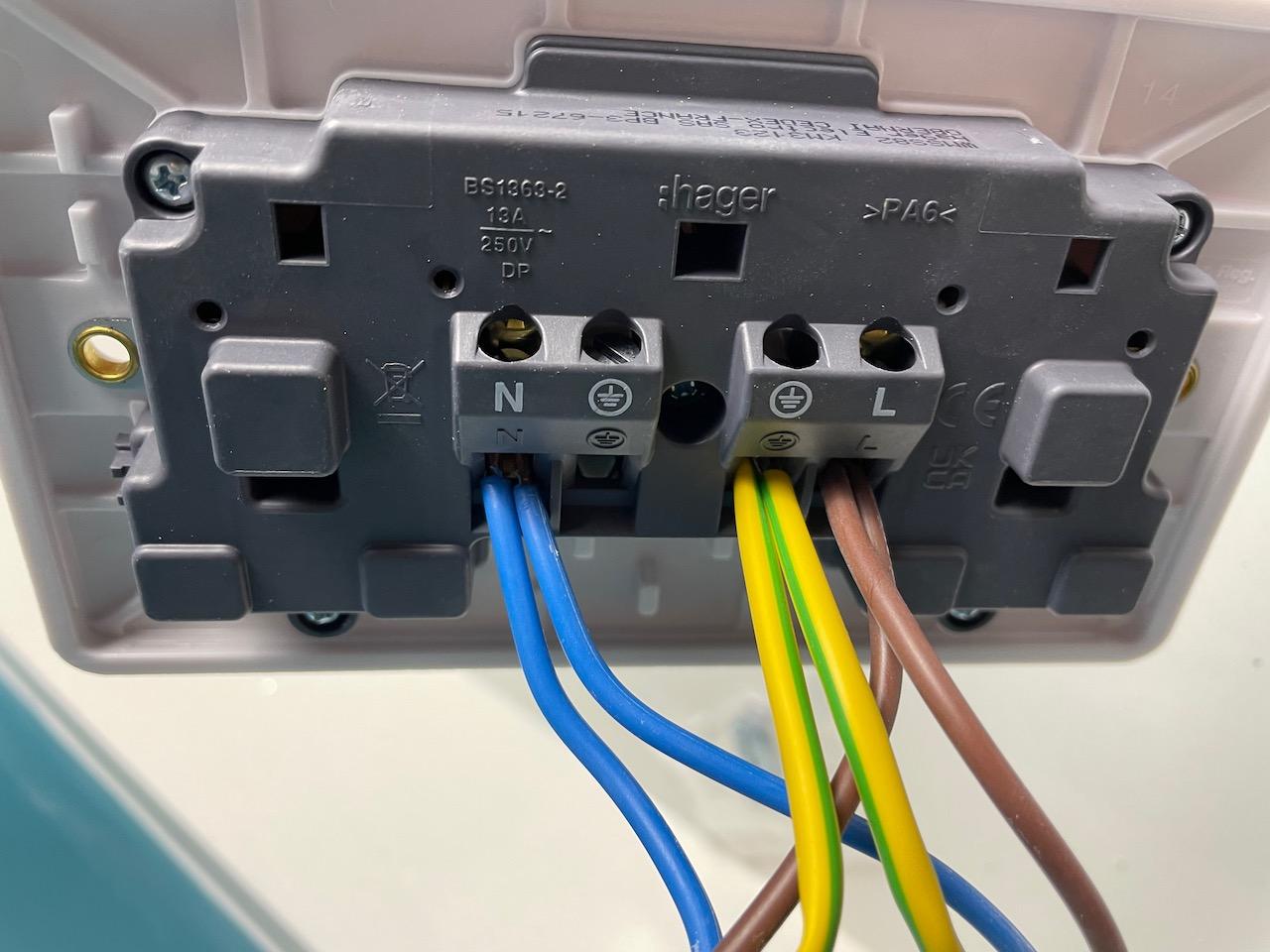
they look great but they are £6.50 each inc VAT. https://www.screwfix.com/p/mk-logic-plus-rapid-fix-13a-2-gang-dp-switched-socket-white-with-white-inserts-5-pack/313ph my Hager faceplates cost me £2.11 inc VAT and I had to buy 82 of them. so would've cost me £360 more. now, if I was paying a sparky to do the second fix I would recoup that in time saved on labour for sure but as I'm doing it myself then I can't justify that extra cost. don't get me wrong. I absolutely love the Wago connectors. if only these were a bit cheaper and I hadn't already bought 82 Hager ones I might've been persuaded. 🤣
-
most pipes will be behind plasterboard. I'd be interested to know how much heat from an uninsulated hot pipe would actually get through plasterboard and a skim! surely minimal, right? is this really the case? we've used plastic throughout anti was my understanding that these lose less heat than copper and so even with a cold pipe sitting next to a hot pipe I'd be amazed if either had a noticeable effect on the other. and for showers in a new build surely the showers would have thermostatic valves in them so as to regulate the temperature and stop the fluctuations? agreed. this is why I was suggesting using a PIR to run the HRC when someone enters a room. I guess as is argued above if the HRC is uninsulated then the tank temp could be affected by putting cool water back in the tank but if the tank is being heated twice a day then I still think we're talking minimal impact on energy use to maintain the tank temperature. btw, I have absolutely no data to back up any of my points! I'm just hypothesising. I'm also not that fussed. if I have to run my ASHP a little extra each day then so be it. during the summer it'll be powered by solar and in the winter it'll be on most the day keeping the ufh at temp anyway. 🤷♂️
-
that was what I thought. and as we're having presence sensors in every bathroom I'm confident I can get our HA system to circulate the HRC when someone enters the bathroom so that hot water is ready once they've finished their business. it might work, it might not! at the end of the day it's not a massive issue if it doesn't and not something I will lose sleep over.
-
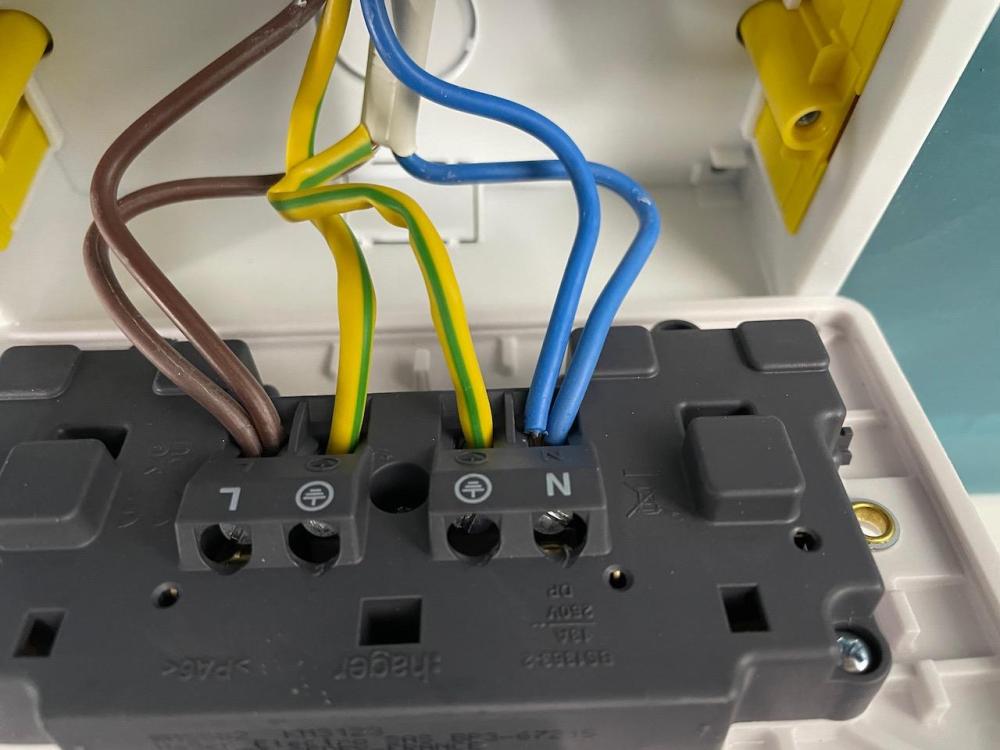
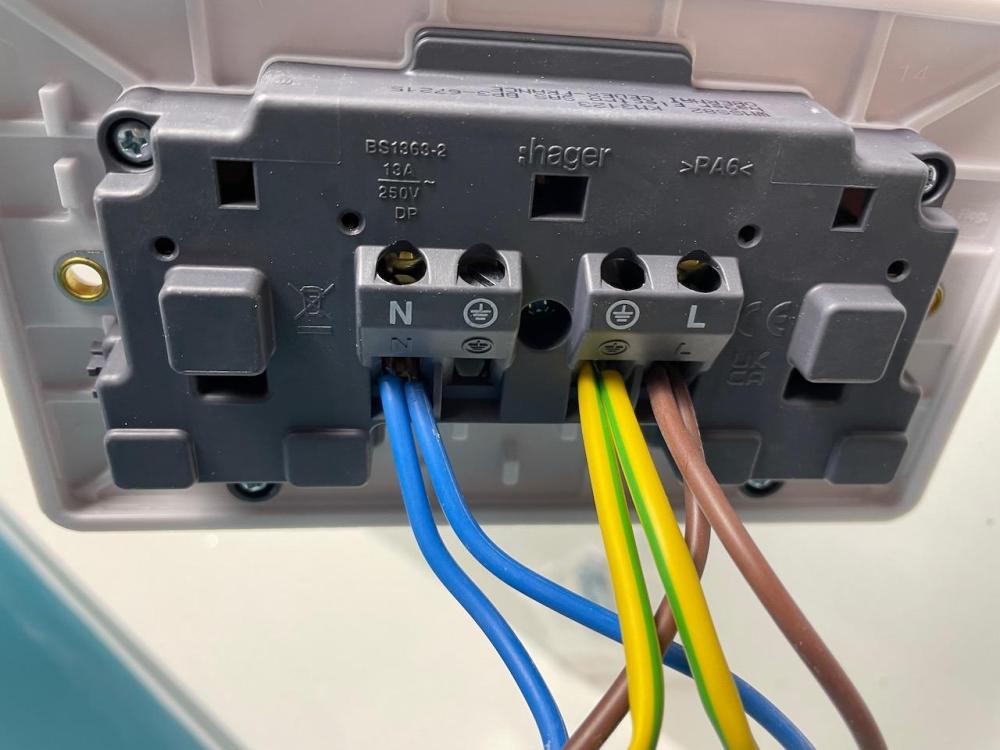
for completeness I prefer two wires in one too. I also double over a single wire so putting both in the single connector means I don't have to worry about folding each single wire. I was just curious what others thought. I did the separate one and then decided I didn't like it as much so all the others are two-in-one. glad I'm in agreement with the majority.
-
Plastic back boxes here so no link to the back box
-
this really isn't an issue I'm just curious as to what people prefer as I'm sure it doesn't make a difference! both earths in the same connector or split across them?
-
but as @Iceverge said he'd tried insulating hot pipes and it didn't really help. so I still fail to see the point as the water in the HRC pipes still won't stay 'hot' for long, although obviously longer than without. I get that the cool water is recirculated back to the tank which could cool the water in the tank but in a 300l tank how much effect would the little in the pipes have on the large amount of water in the tank? I didn't bother insulating my HRC so I might've made a mistake but, tbh, I only ran the HRC as a 'just in case' scenario as most of my hot runs are relatively short so my dead cold leg might not be too bad. I will only find out once we're in and have lived with it for a while. and then if it is bad we can get the HRC working. if that means I have to run the ASHP a bit extra to top up the DHW cylinder then so be it.
-
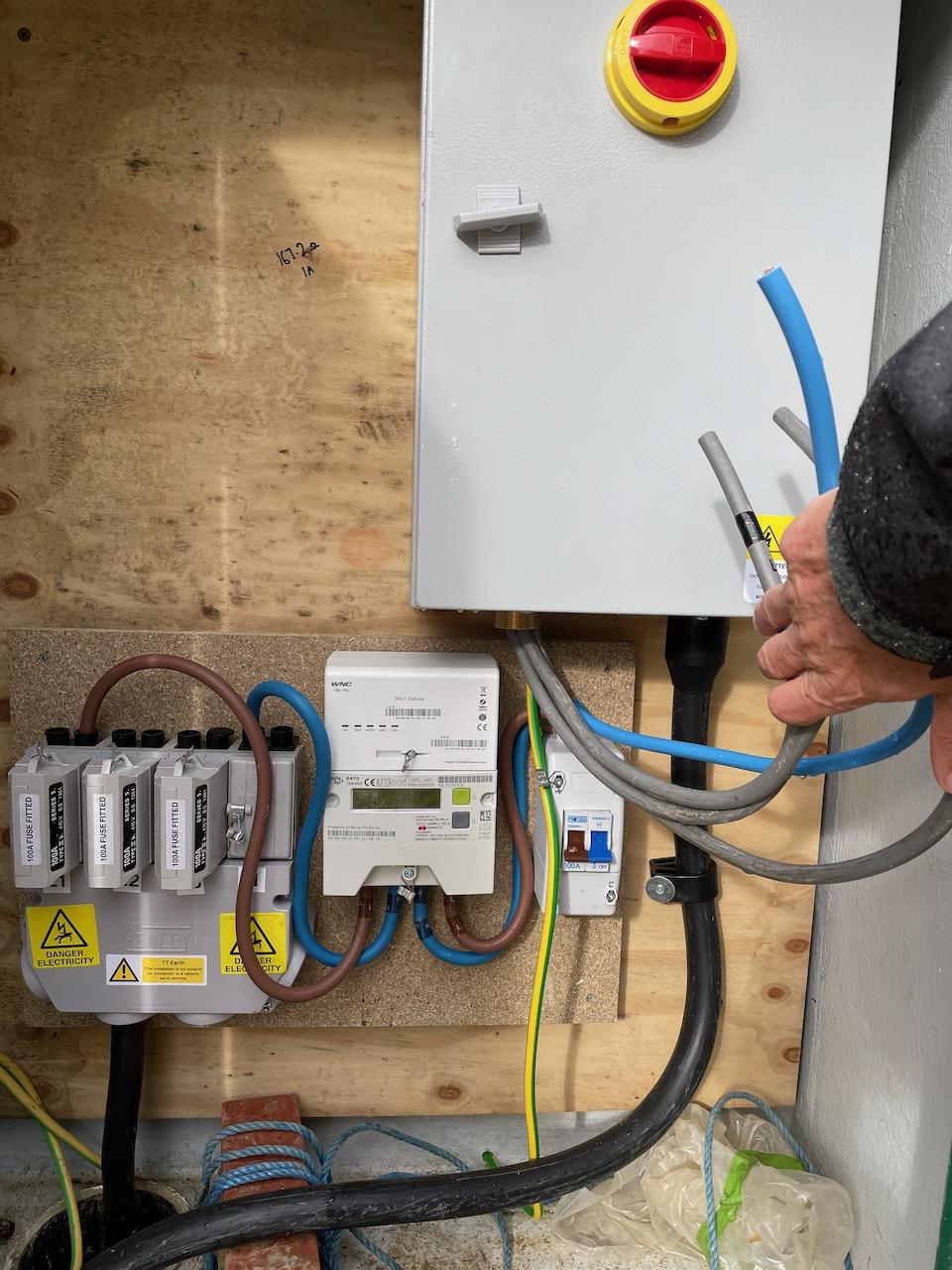
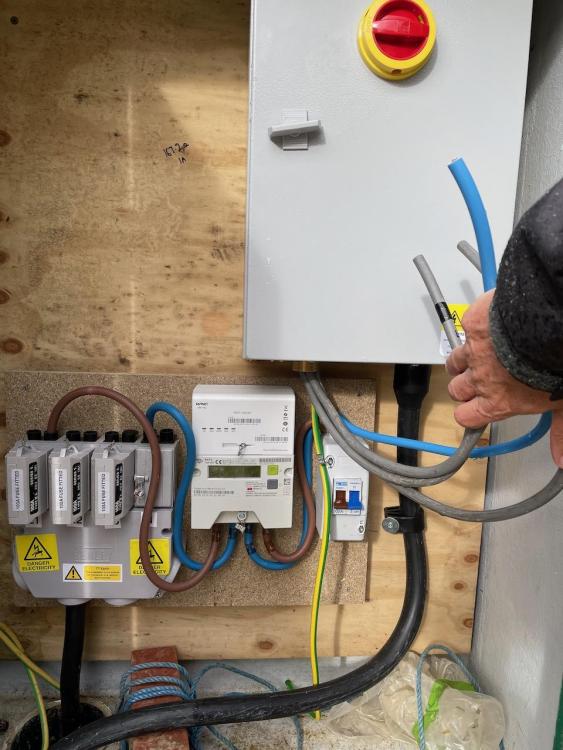
I'm not an electrician and don't know for sure if they'd allow separate fuses and isolator. I bought a 3-phased fused isolator. not cheap and not small either! https://www.cef.co.uk/catalogue/products/4920299-100a-tp-n-metal-fused-switch we only have a single phase meter and running the house at the moment but I didn't want to have to upgrade later so just put the 3P fused isolator in from the start. when/if we move to a 3P meter it'll just be a case of connecting the tails to the fused isolator.
-
I've read 'insulate the recirculation pipes' a lot but no one has every said why? if the HRC is turned on by some automated means, e.g. when someone walks in to a bathroom, then surely the insulation is not needed as the pump will turn on and get hot water to the tap for when the person who entered the bathroom needs it. unless that person is spending 15 minutes doing their business surely the water will still be hot by the time they need it?
-
Can't fix, won't fix...what's the alternative
Thorfun replied to Thorfun's topic in Doors & Door Frames
The lack of door requirements has come from the BCO from their technical department. So for our build it’s gospel and confirmed with the BCO and he’s going to put it in writing for me. -
Choice of insulation for under rafters on attic trusses.
Thorfun replied to Chanmenie's topic in Heat Insulation
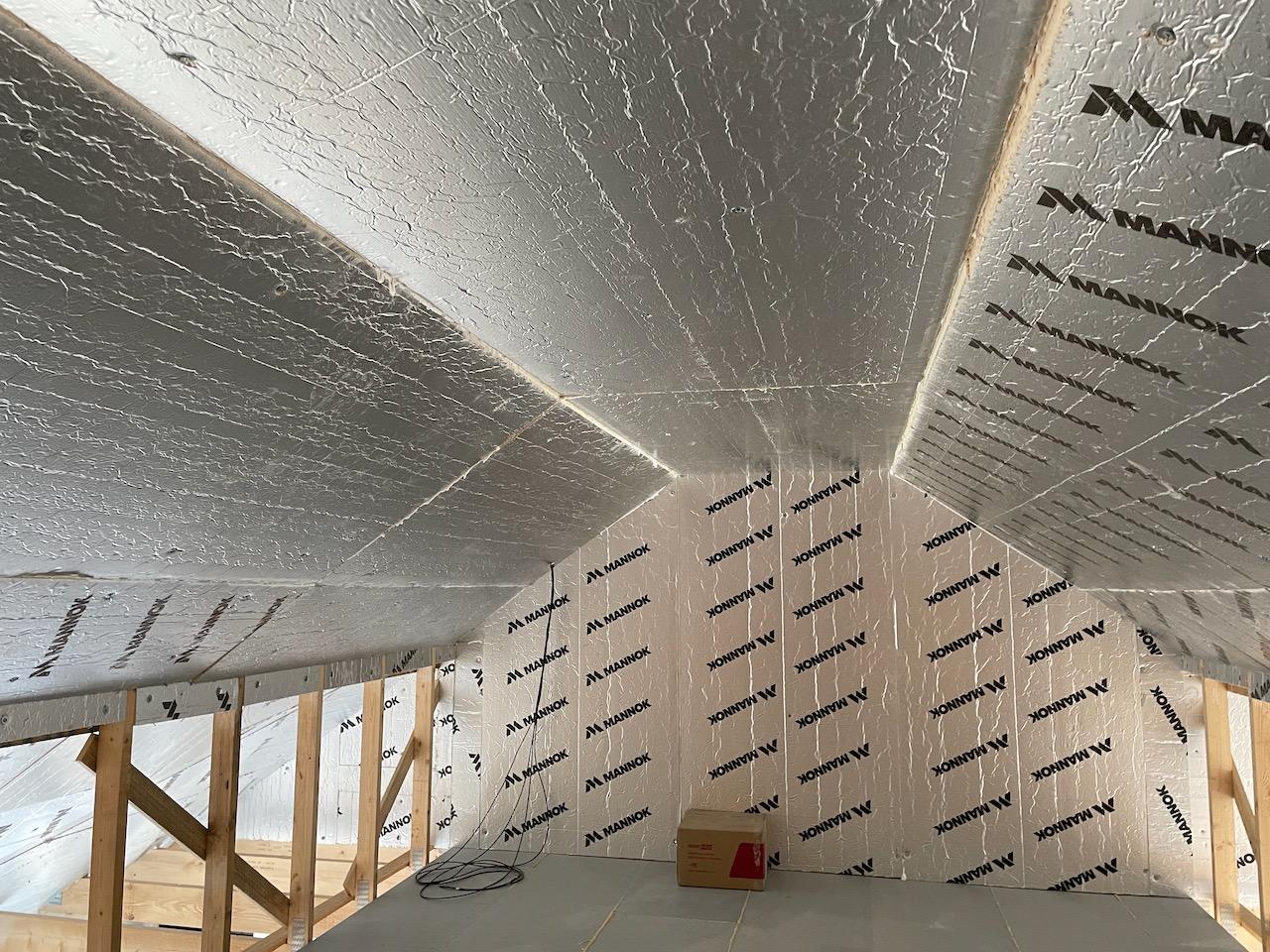
what do you mean by 'loft voids'? if you're insulating between and under the trusses why do you need to insulate anywhere else? here's what our loft looked like after insulating. we then fitted Intello Plus and service cavity battens in to the trusses. we don't plan to plasterboard the loft but the battens help hold the membrane in place.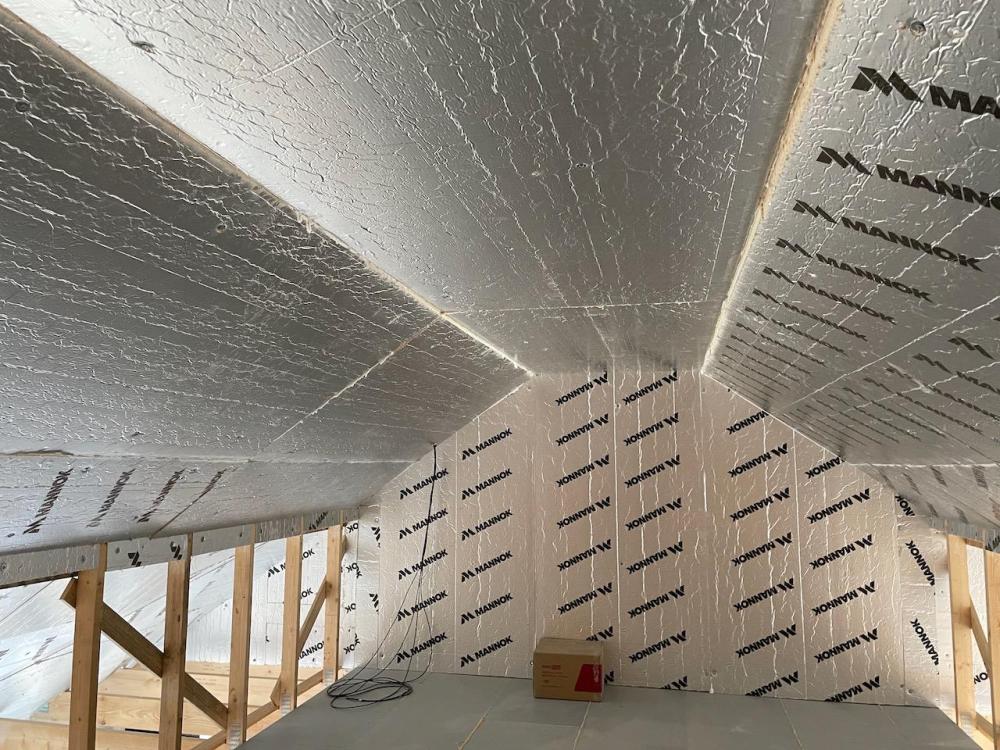
-
Can't fix, won't fix...what's the alternative
Thorfun replied to Thorfun's topic in Doors & Door Frames
I don't think they are inner rooms though? but as all first floor rooms have a secondary means of escape they're not considered inner rooms. that's my understanding
-
Can't fix, won't fix...what's the alternative
Thorfun replied to Thorfun's topic in Doors & Door Frames
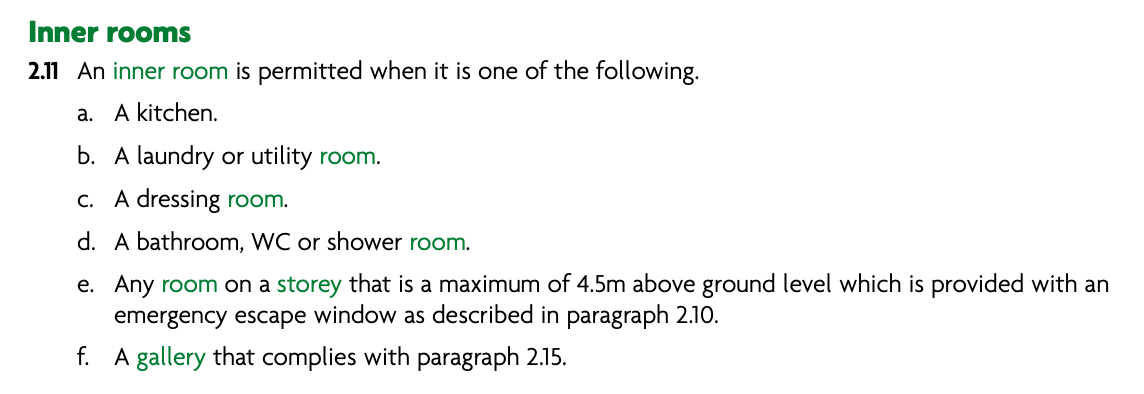
even if they are considered inner rooms they're allowed as they are a max 4.5m above ground level and are provided with an emergency escape window. see 2.11.e BCO said that we have one inner room in the basement that is an inner room and isn't permitted but that can be mitigated by fitting a smoke alarm in that room.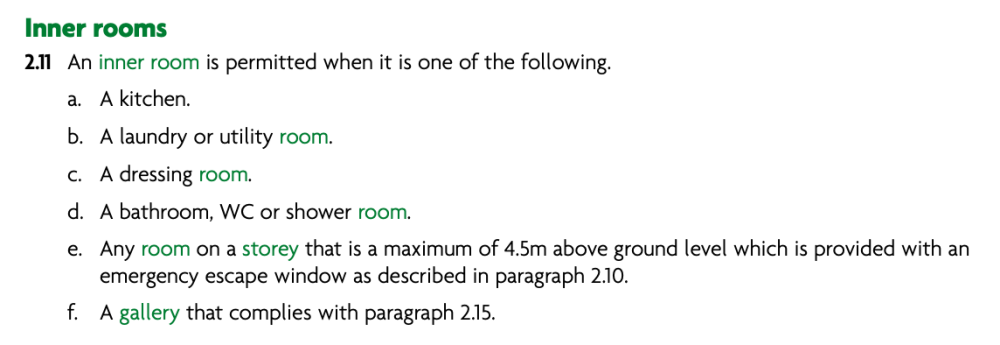
-
Can't fix, won't fix...what's the alternative
Thorfun replied to Thorfun's topic in Doors & Door Frames
just to close this thread out..... I've heard back from the BCO and I am correct with my research. because we have a secondary exit from the basement and emergency windows/exits from the first floor we do not need protected stairways. as such we don't even need the doors between the hallway and kitchen. we might fit something in the future for sound reduction but nothing for now. it's one less thing to worry about. -
I did quite a bit of research into basement u-value calculations as the surrounding earth means insulation levels don’t need to be as thick to get the same u-values. But it was so long ago I can’t remember the formula! the information was on here though in a post/thread of mine. You can try searching by author and if I manage to find it I’ll post it up for you.
-
i can try and take a photo of ours for you if you want? but won't be able to until Friday.
-
Afaik it’s the DHW tank. I would’ve thought your buffer tank wasn’t Mitsubishi? Ours is a generic 3rd party buffer tank so the temp should be the cylinder. Yes
-
Best model acoustic insulation for studs and joists?
Thorfun replied to ashthekid's topic in Sound Insulation
might be worth a read as it's been asked before -
(Expletive deleted) me @Pocster . This is starting to sound like progress!
-
I’m amazed you haven’t bought a Festool track saw. I have one and it’s ace.