Russdl
-
Posts
1722 -
Joined
-
Last visited
-
Days Won
6
Everything posted by Russdl
-
Who has used, is using, PHPP?
Russdl replied to Dreadnaught's topic in New House & Self Build Design
@JSHarris Certainly can, off to look at windows now ? The nail plates in my model have very little impact but they are not as accurately modelled as yours. -
Who has used, is using, PHPP?
Russdl replied to Dreadnaught's topic in New House & Self Build Design
@A_L Some very interesting observations there and thanks for the attachment, and yes 'twin stud' construction. -
Who has used, is using, PHPP?
Russdl replied to Dreadnaught's topic in New House & Self Build Design
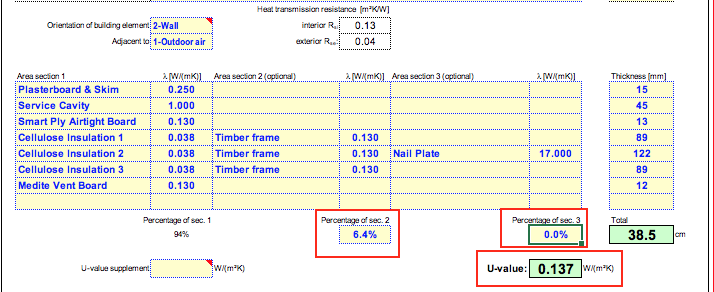
@JSHarris I've modelled the nail plate over the central 122mm noggin (it would of course extend either side of that, as per your CAD drawing) but I found that an easy way of modelling it. I didn't consider the fact that it's full of holes but I guess I could just reduce my % of metal in the frame to account for that. -
Who has used, is using, PHPP?
Russdl replied to Dreadnaught's topic in New House & Self Build Design
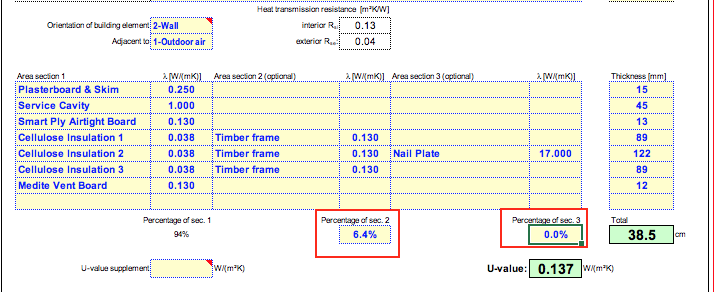
@JSHarris I've no doubt that is accurate, and much different to the figure I've achieved in my PHPP. Can you see any glaring errors in the data I've put in to my spread sheet that has resulted in my U value of 0.137?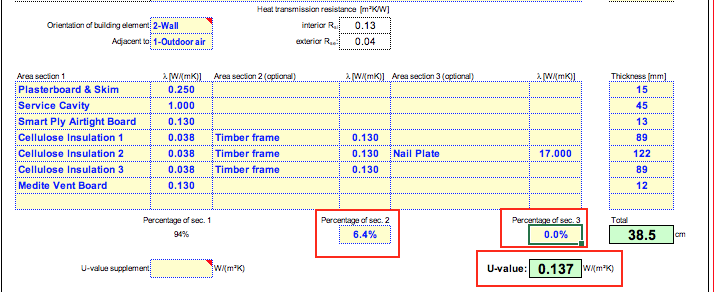
-
Who has used, is using, PHPP?
Russdl replied to Dreadnaught's topic in New House & Self Build Design
Wow! ? I should have guessed! I'm just scratching the surface, clearly! -
Who has used, is using, PHPP?
Russdl replied to Dreadnaught's topic in New House & Self Build Design
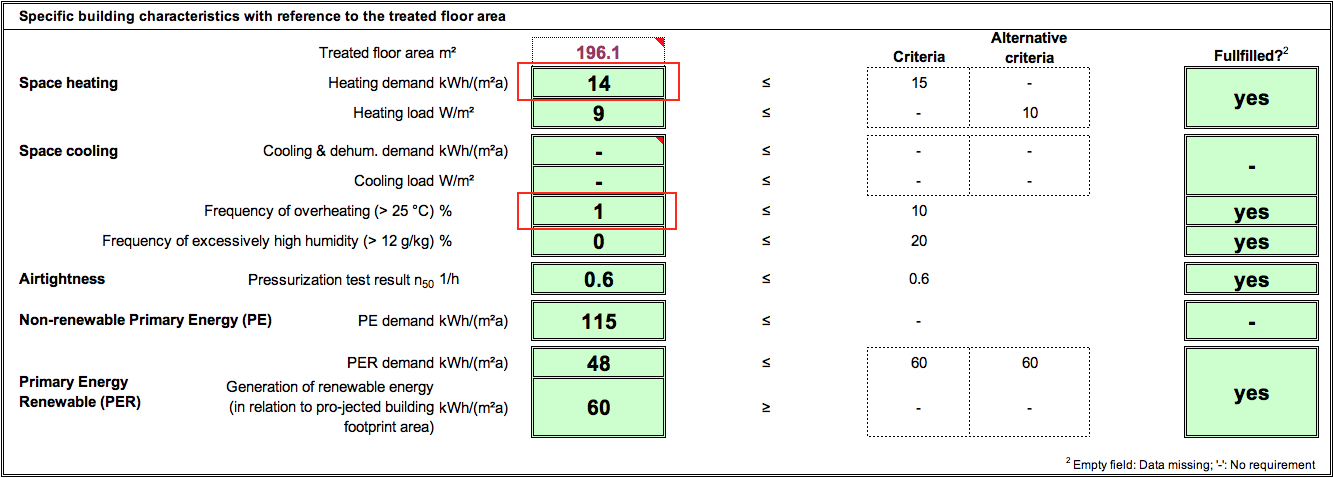
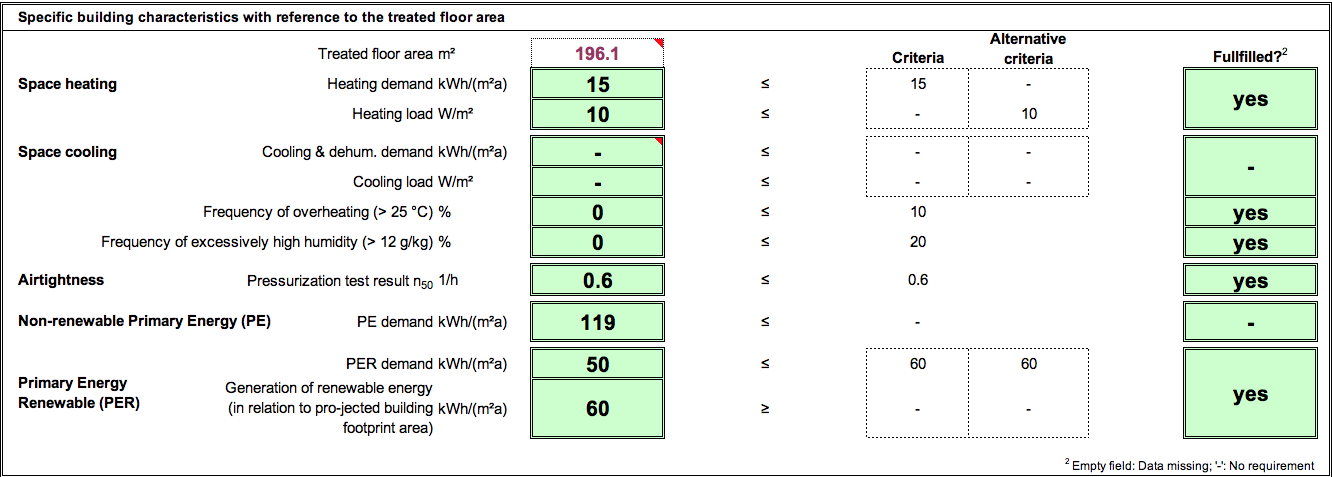
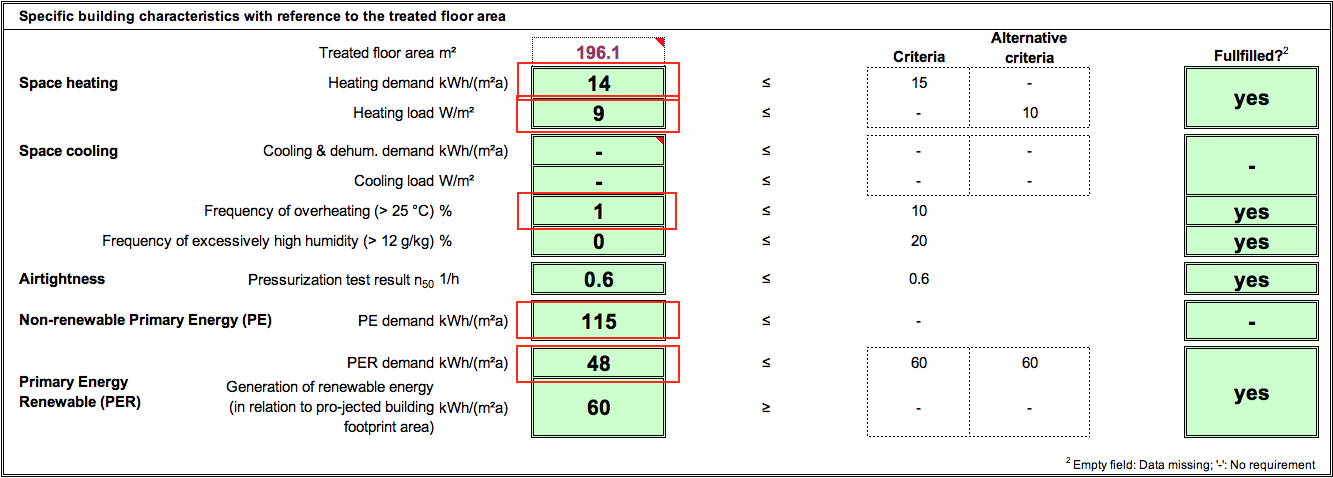
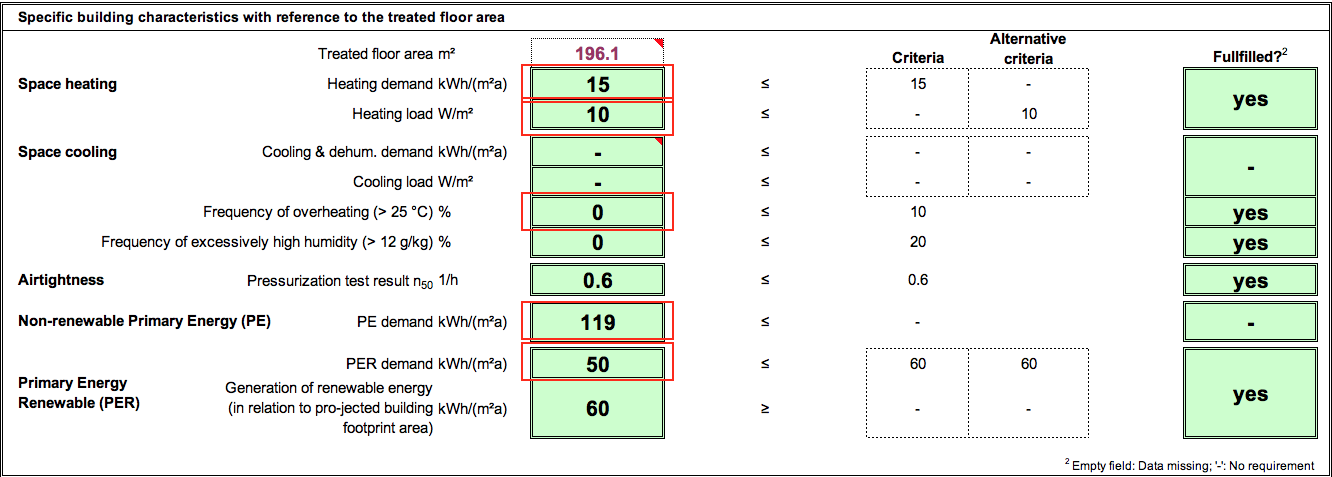
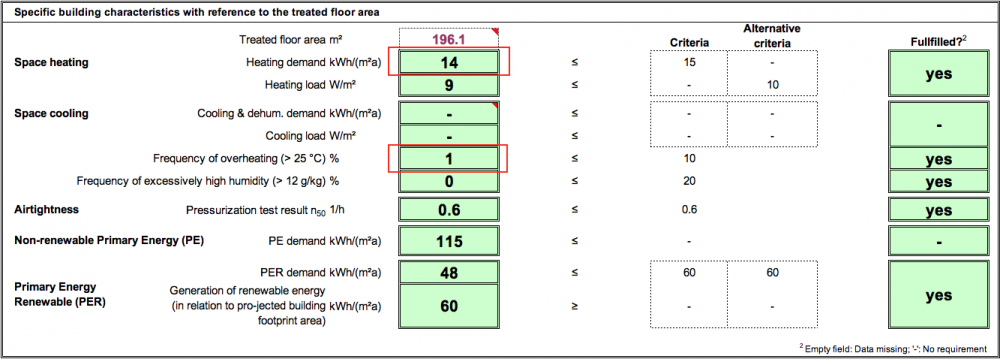
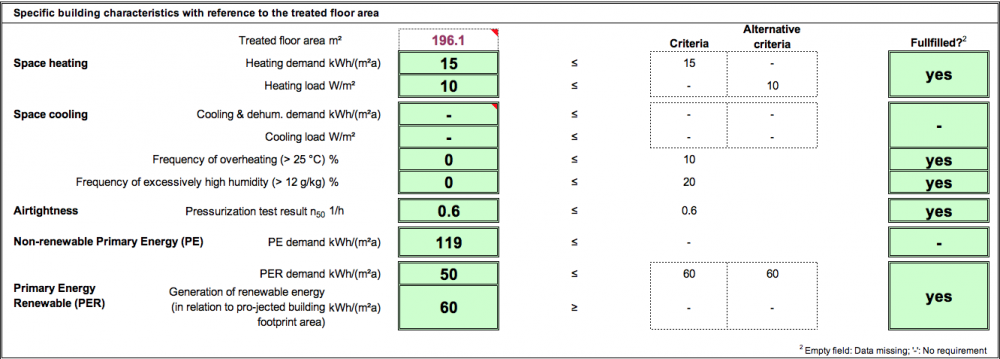
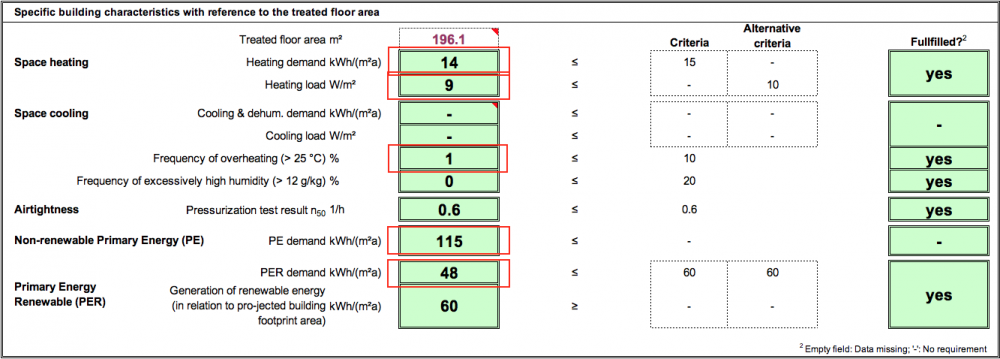
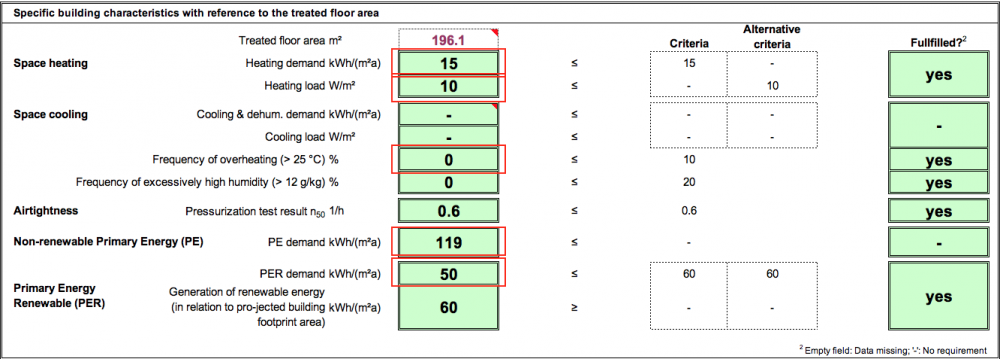
We're planning to use the same timber frame as @JSHarris (and many others) and if I enter the wall construction into PHPP with a U value of 0.12 I get this: If I then add the % of timber frame (6.4%) and nail plates (0.016%) in the wall (as explained to me by a PHPP expert) it changes the U value a fair amount and pretty much everything else on the verification page: The difference between those 2 verification screen shots is purely down to the 6.4% timber frame in the wall construction and the 0.016% of metal nail plates, I find it quite amazing the changes that produces and, as I said earlier, I've not even started on modelling the roof construction into it's component parts. Has anyone else modelled a timber frame wall construction in such fine detail? Is this going over the top or a useful exercise?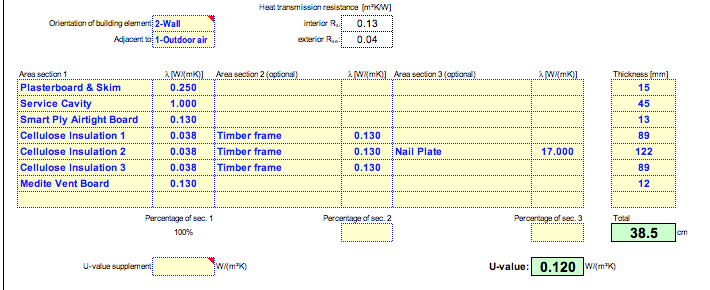
-
Who has used, is using, PHPP?
Russdl replied to Dreadnaught's topic in New House & Self Build Design
In case we had to get shot of it before we popped our clogs is the main reason. Or maybe lack of faith in me getting it right ? Probably the latter. Probably justified, time will tell. -
Who has used, is using, PHPP?
Russdl replied to Dreadnaught's topic in New House & Self Build Design
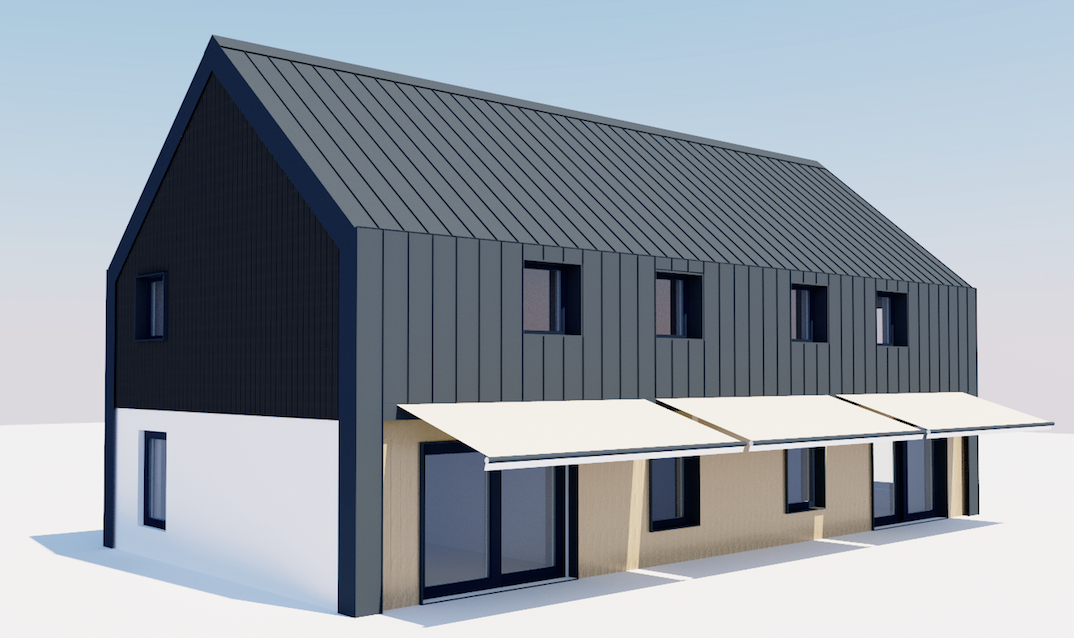
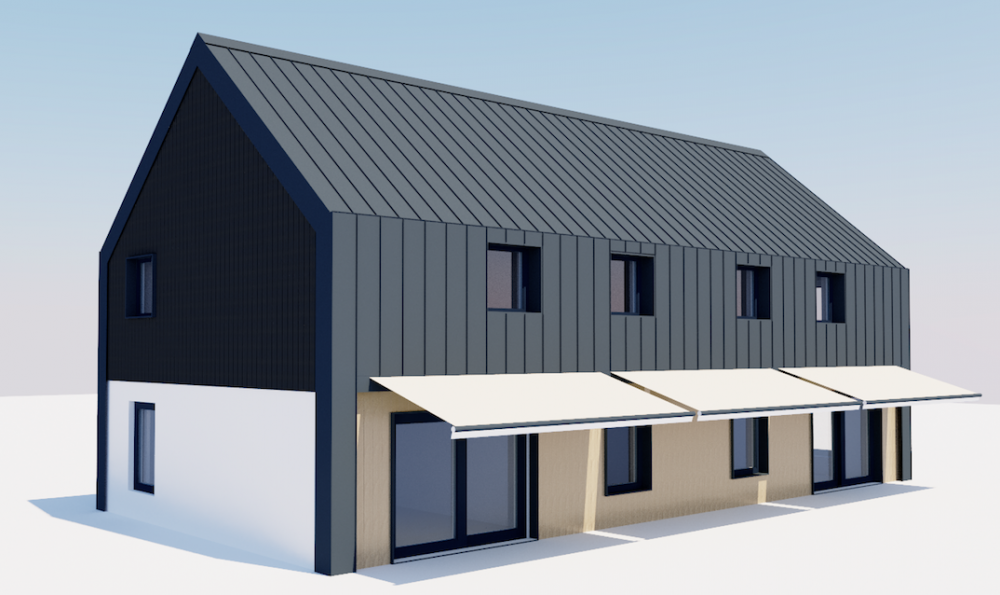
Still on the fence, but falling towards 'not' (if permitted, we all know the rules) I've loved and loathed messing with the PHPP in equal measure. My geo-located Sketchup model has probably guided me more than the PHPP as you can produce the sun/shadows for any time of the year/day and it really reinforces that gut feeling. It's around 190m2 and may look something like this.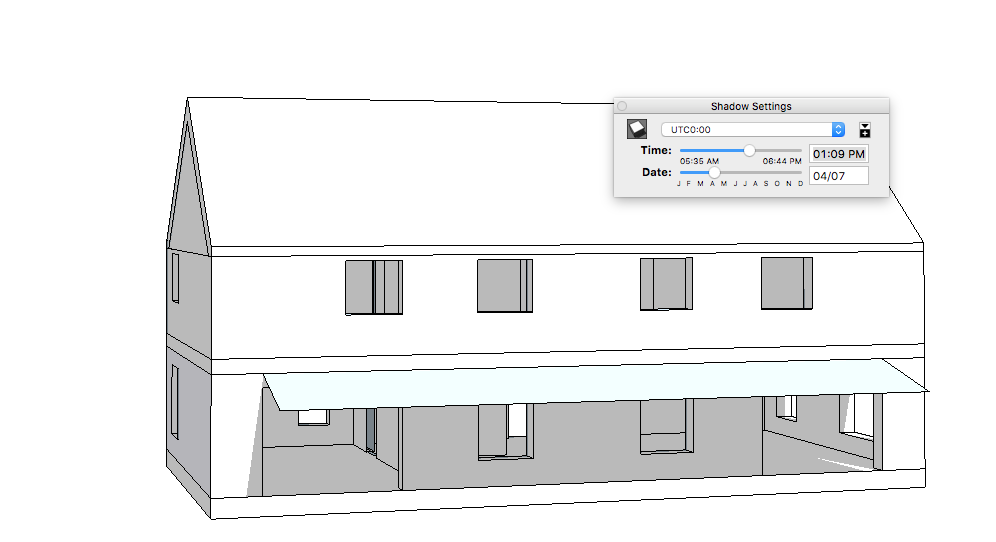
-
Who has used, is using, PHPP?
Russdl replied to Dreadnaught's topic in New House & Self Build Design
I think you've hit the nail on the head there. The thing is Mike, mine looked like that (without any shading) but I'd made a mistake in the data, which wasn't spotted by my second PHPP expert (and his credentials put him right up there - expert that is), and when I corrected my error it was 10% 'frequency of overheating'. I'd always planned on shading for the SE and SW elevations because I reckoned it would need that by just 'eyeballing' it. After fixing my error and putting the shading back in I'm down to 0% overheating. I think. That's what my PHPP says at the moment anyway. -
Who has used, is using, PHPP?
Russdl replied to Dreadnaught's topic in New House & Self Build Design
Out of interest @Dreadnaught are you going for certification? I was on the fence but very happy to use PHPP to guide me. The better half was/is very keen that we get certified but after our last meeting We are now not so sure. -
Who has used, is using, PHPP?
Russdl replied to Dreadnaught's topic in New House & Self Build Design
That's it - it's out in the open! Here's my post to @Dreadnaught to add to the debate. ~~~~~ Hi Dreadnaught. So as not to drift the thread too much from the 'house cooling ideas' I thought I'd message you directly. Are you doing the PHPP yourself and if so, how are you getting on? My first dealing with PHPP was with an 'expert' who was a complete clown so I bought my own copy of the PHPP and started entering the data myself - and, if I'm honest, I've been struggling with elements of it. After a while I went to see another 'expert' who agreed to review my attempt, he was definitely much much better but he'd still missed some school boy errors that I'd made, which I discovered after learning stuff from my meeting with him. Also he was going into minutiae that I hadn't for one moment considered. For example, the timber frame company we will most likely go with use nail plates to join elements of the timber frame, his modelling of this in the PHPP proved that the claimed U value was incorrect (if you factored in the amount of timber in the walls and the metal nail plates), so I've taken that on board in my PHPP but not even started on the roof construction! Despite that I've managed to get my overheating down to zero using awnings on the southern elevation of our planned house, but I wonder, have I? What else have I missed... I'd appreciate your thoughts. Cheers. Russ. -
Thanks @Simplysimon & @PeterW, I’d found those sorts of things but I was looking for something much older, I don’t really know but maybe a circa 1960’s - 70’s one (or much older) with a few more curves and maybe a bit more character, they’re probably out there with the old post boxes and telephone kiosks but I’m buggered if I can find any. Failing that I think I’ll probably plagerise @MikeSharp01‘s design.
-
@Simplysimon (right, lets see if I can do this, quote from another thread that is) In another thread where I asked about Service alterations prior to demolition @MikeSharp01 posted pictures of a 'block house' he'd built on his boundary for all his service, and IIRC from @JSHarris's blog he did something not too dissimilar, but closer to the new property. I 'm leaning towards @MikeSharp01's solution for my own plot and was searching eBay the other day seeing if I could find a second hand roadside electricity enclosure, those big old green metal things, and make that work, but I couldn't find any perhaps because I don't really know what there called. Any way, here goes with Mikes picture. (Crikey it worked!)
-
@PeterStarck as Nick say's "thats a very long time" but does it present any issues in use? How was living with the Genvex through the winter?
-
That makes sense. Thanks for that.
-
Ah, I think I've spotted where we are diverging here. My theoretical system is a: Genvex Combi producing hot water at a suitable temperature for the UFH whilst also dealing with the MHRV requirements of the house. Sunamp being charged by Solar PV and off peak electricity. The Genevex providing pre heated water to the Sunamp (instead of a cold supply) so that the Sunamp has less to do to get the temperature up to that required for DHW. Is that what you understood by my original question?
-
@Nickfromwales Doh! Thanks. @PeterW But would it need a massive heat output as the Sunamp (in my theoretical set up) would be boosting the DHW temperature?
-
Sorry @PeterW, 'small mono' what is that?
-
Thanks for that information @PeterStarck. Good question @Nickfromwales. If a Genvex Combi feeding a Sunamp isn't a ludicrous suggestion it seems to me that it would be quiet an elegant solution to all the DHW and ventilation needs of a home.
-
Back to Sunamps (ish) and working on the assumption that the only stupid question is the one that wasn't asked ? Would the combination of a Genvex Combi and a Sunamp be ridiculous (price alone?) The Genvex prioritises hot water with the heat pump and then gets on with its MHRV job, as I understand. Can the Genvex hot water temperature be dialled down to make it more suitable for UFH and as a pre-heat to a Sunamp and if so what are the reasons why such a set up would be ridiculous (price alone? I bet there are more) I guess the Genvex would have to go to a higher temperature every so often to prevent Legionella? Standing by...
-
So it seems my mind is made up in one aspect; rodding access from the start of the drainage run, but can I ask (especially you @epsilonGreedy) how exactly did you do it?
-
? Two very good points there @PeterW along the lines of my concern over the pong but much more tactile. Outside rodding it is!
-
@PeterW I like the idea of a rodding eye on the end of the main run, however it would appear simpler to having a rodding access point at the base of each stack. Apart from ensuring they were easily accessible what are the draw backs with such a solution? (Stinking the house out when it comes to rodding just sprung to my mind). Any other reasons why the rodding access shouldn't be inside the house at the base of the stack?
-
You've clearly had plenty to deal with in the last two weeks Vivien and kept things on track. Well done you. I may well be free on the 30th & 14th, if I am I'd appreciate the opportunity to visit when the foundation is started and the frame arrives. Russ.
-
@MikeSharp01 No problem! It got me looking at things I hadn't properly considered and hopefully my interpretation is correct.