
Radian
-
Posts
2586 -
Joined
-
Last visited
-
Days Won
15
Everything posted by Radian
-
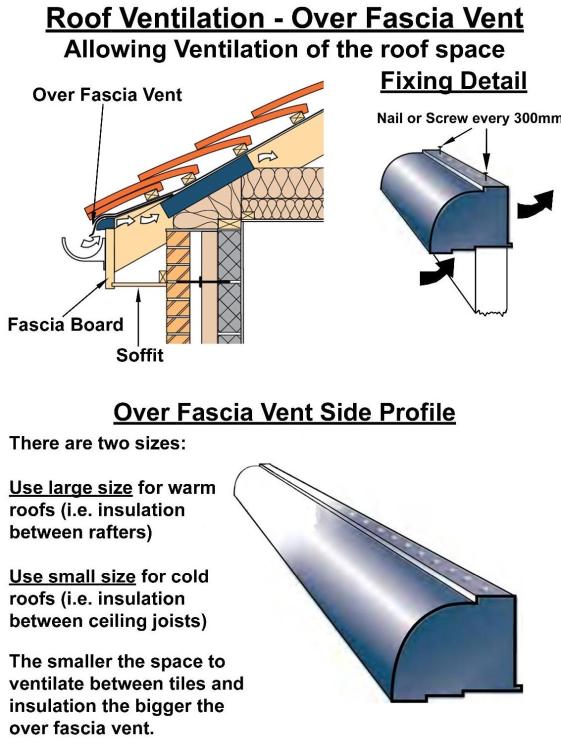
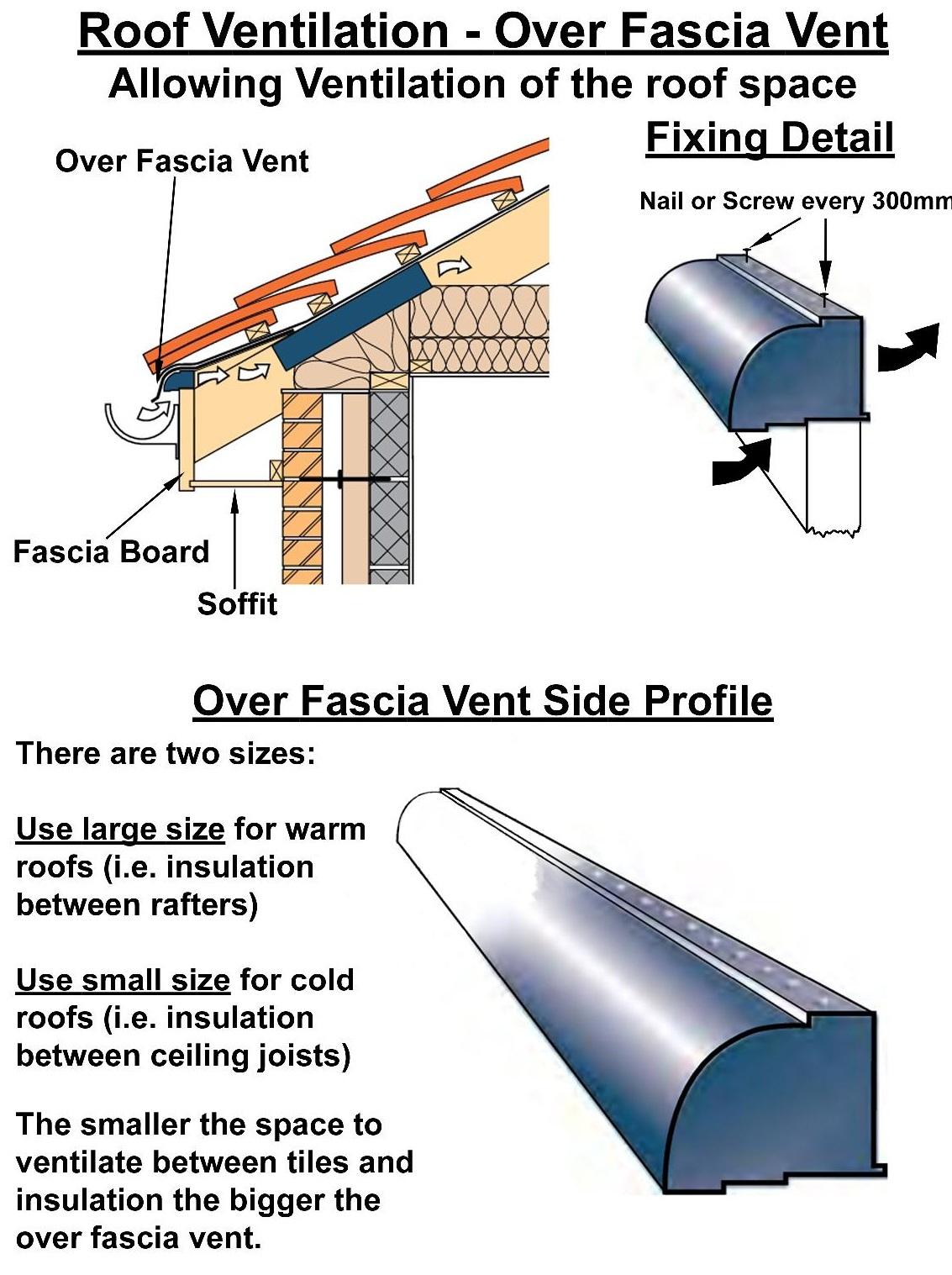
There are some discrete eaves vents that sit on top of the fascia, we have those to ventilate our house (cold) roofs. These have a fine-pitched insect grille that no mouse would get through. But I was just wondering about this wonkeedonkee description of them here : Use larger ones for warm roofs? What are they talking about? Our new garage extension has a cold roof but a breathable membrane so the 50mm air gap between the insulation and membrane apparently makes it unnecessary to have any additional vent openings. The foil backed plasterboard inside is meant to control vapor getting to the insulation layer but will be full of holes for electrical stuff. Next stop for the vapor; the the un-taped insulation. On the bright side, at least the vapor has an exit route, on its way past the cold outside air that's replacing it 😭
-
I think it got in the floor before the building work was finished (found a few droppings when putting in some pipework) but there are a few places I can think of where PIR will be the only barrier and as it's now been demonstrated to me that they can nibble through it, I don't think I stand a chance of keeping them out now. Not now they know how cosy it is in the interstitial regions.
-

How do I calculate the 'R' value of air gap in a cavity wall?
Radian replied to Richard Marin's topic in Heat Insulation
I might be wrong, but it sounds to me like it's 100mm rigid PIR packed in tight as 97mm doesn't strike me as being a manufactured item. Is there a bigger story behind this? -
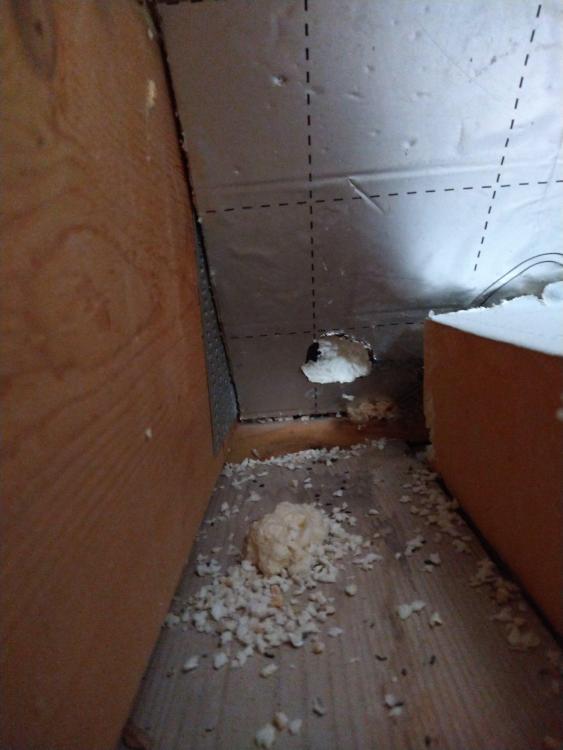
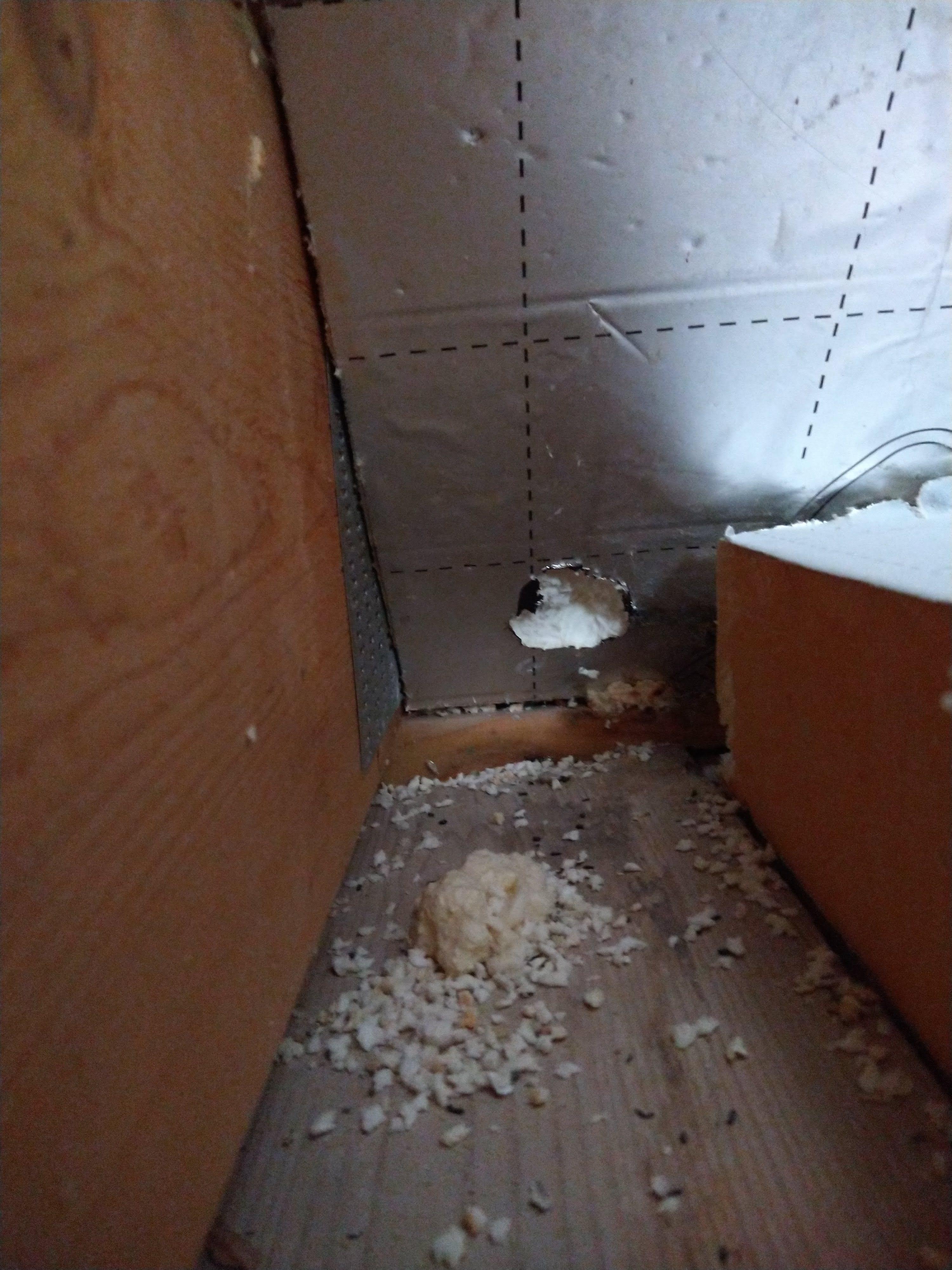
About 30mm by the looks of this hole: I just cut out a plasterboard panel to access the eaves of our garage extension upstairs room to establish a cable run for our solar PV installation next week. Good to see the builder didn't tape the PIR to the wall plate and rafters 🙄 Nor did they extend the PIR between the bottom chord and the timber that closes the top of the intermediate cavity wall below. Anyway, a mouse has been running around in the floor space and has had a go at making an exit tunnel to the soffit. He shouldn't have given up - he only had another 120mm to go 😂
-
Sorry, my reply wasn't meant to be unpleasant in any way. It was my way of saying it looked as though you didn't understand the relationship between RH and temperature because 72% RH is not normal for a properly constructed/heated/ventilated house and this point is crucial. This is because, regardless of your inside temperature, the temperature margin between non-condensing and condensing surfaces is too small to prevent mould growth in any realistic heating scenario. Let me put it another way, had you said all these problems were happening and your typical RH was 50% or below, I'd be lost for any suggestions - other that you have serious cold bridging because problem surfaces would have to be around 10oC below your typical ambient temperature. But if the air in the valley where you live is unrelentingly humid all the time such that RH is always > 70% you would have to resort to the methods used in the tropics. Maintaining positive pressure internally and the dehumidification of incoming air or full air-tightness and conditioned air are the kinds of measures used.
-
External Insualtion - How to calculate U-value for 1930's house
Radian replied to lstevensuk's topic in Heat Insulation
You could try using this online calculator as a second opinion. It also shows the condensation risk (interstitial means between layers). -
It will only purge air in the pipes local to it, i.e. at a known high point. This is why I spoke of local maximums... pipe runs that have a discontinuous rise. Does your pump have an automatic purge mode? Most modern pumps have some setting that is optimised for getting rid of air locks by shunting them around and out through the automatic bleed valves. My system boiler nearly craps out within seconds of starting after a drain-down so I have the pump on a changeover switch which means I can run it in purge mode independently for 10 minutes or so. This usually does the trick but sometimes it takes a couple of goes.
-
I'm wondering if@zoothorn really understands the relationship between temperature and humidity? I'm sure @SteamyTea will have given him a thorough education on it. It's really straightforward though. In an extreme practical situation, a meter simultaneously showing RH and temperature is going to be dripping with water if it shows 100% RH. It means that the air is fully saturated and the dewpoint (a temperature) will be the same as the ambient temperature reading - whatever that might be. Anything less than 100% RH will have a corresponding dewpoint at less than the ambient temperature shown. The lower the RH, the lower the dewpoint. If the meter is in a room which feels to have a comfortable ambient temperature overall, there will inevitably be areas that are cooler. If the dewpoint is lower than the surface temperatures in these places, the ambient water vapor will condense on these surfaces. You can play around with temperature, humidity and dewpoint with any suitable online calculator like this to see what happens.
-
If your house is nominally at 20oC with an RH of 73% then the dew point is 15oC. At 50% RH, the dew point drops to 9oC which is much less likely to occur indoors. Even though your room thermostat might be giving you 20oC, 15oC is the sort of temperature that you would find low down around doors and skirtings, and also on poorly insulated walls and... ...Draining boards often sit atop kitchen cupboards, the insides of which don't benefit from the general air circulation outside. They also sit on outside walls where the drainage outlets are located. Even if these are well sealed around wall penetrations, the air inside the pipe can be the same temperature as the outside air and similar in the case of the cold water pipes. Lots going on under sinks. But draining boards (especially stainless steel ones) are a great place to mirror the thermal goings on. For sure, yours and you neighbours are all developing a thin layer of condensation and feeding your localities special fungi.
-
AIr lock? Mine does similar after a drain down for repairs. Got some awkward "local maximums" in the pipework leading to/from the boiler. Takes a few goes at bleeding everything before it runs normally.
-
Have you tried that @zoothorn?
-
Your attention is inevitably drawn to those areas that show mould growth. But the entire reveal, all the way to the top, may be a cold bridge and it's only the nature of cold dense air that causes it to sink down low, and pool there in the corners where it's less disturbed by general air movements in the room. Think of it like a gloop that runs down the walls and is hard to scrub out from the corners. The analogy I'm thinking of is that it's like you're trying to get tea stains out of the corners of a square cup. It may be the head of the reveal that's got the bridge (i.e. treatment of the lintel) and the cold air falls evenly to the floor but is only showing up at the edges. You need a way of visualising the invisible. Do you have a non-contact IR thermometer? e.g. £13.99 on Amazon
-
It may not be cold bridging in those areas per se. Cold air tends to pool and accumulate low down in corners where airflow is at a minimum. See a thermal image I took of our front door while looking for drafts: The bottom left corner of the image matches one of your photos. The other dark blue (coldest) areas are the drafts I was looking for coming from poor sealing around the door and letterbox.
.thumb.jpg.87048ddeb4391d2858932b72c737b508.jpg)
-
Wrong insulation used, Small claims court or not ?
Radian replied to GaryM's topic in Party Wall & Property Legal Issues
It's quite common to mitigate cold bridging by having another layer of PIR (e.g. 50mm) over-boarding the underside of the joists. Was this not on the drawing? -
If you go up into the loft of just about any regular house built before the 21st century (and plenty now), there will be no vapor barrier. Just a layer of horrible pink glass wool directly over the plasterboard ceiling. The ventilation takes care of the vapor that makes its way through from the house below. So long as the ventilation isn't compromised in any way... I had chucked a 2.4m x 0.6m x 0.1m slab of PIR up into our loft last year meaning to cut it up further and fit to the back of the loft hatch. I didn't get around to it until now and when I lifted it up off the glass wool, there was a distinctly musty smell to it all. The vapor was obviously trapped in the glass wool and condensing on the underside of the PIR despite it's 'fabulous' U-value. This is why I despaired at the non-breathable space blankets that Aldi were selling earlier this year for people to put down in their attics.
-
Not paying by DD incurs a penalty. Paying by DD incurs the energy companies taking the piss.
-
Was it this one? But that was to do with refusing to supply a meter. Haven't got time to read it all now. Maybe later.
-
I wish you luck - you'll probably need it just to get through to them on the phone. I was reading how energy suppliers were turning people away from switching citing supposed advice from ofgem that people should stay put while prices are volatile. When asked, ofgem denied handing out any such advice and instead said the suppliers would be in breach of their Supply Licence conditions if they did turn people away, however I can't find any reference for this particular condition.
-
So let me get this straight, you currently don't have dual fuel and are on a multi-rate plan? What would it be with your current supplier if you were on a single rate?
-
But surely any container would defeat the airflow around items being cooked? I can understand it working with cake mixes though as the outside of the baking tin is the outside of the cake.
-
We get big mounds of earth everywhere in our garden due to ants. Any hollow ornaments outdoors are guaranteed to be full of them as well. But after opening the house and garage cavities for extensions there has been no sign of such an invasion which, now this topic has come up, surprises me.
-
BBC "Wood in Finnish Construction" programme
Radian replied to Ferdinand's topic in General Self Build & DIY Discussion
We're all getting closer to that place. I heard there were less flies in the UK after the summer heatwave. I can assure the environmentalists that they're all here still. Just hiding out in my attic. -
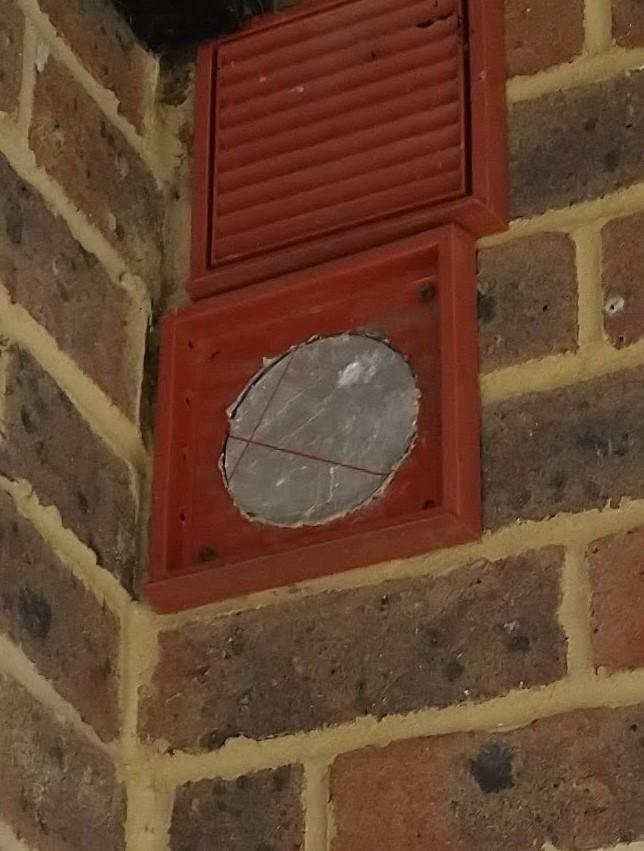
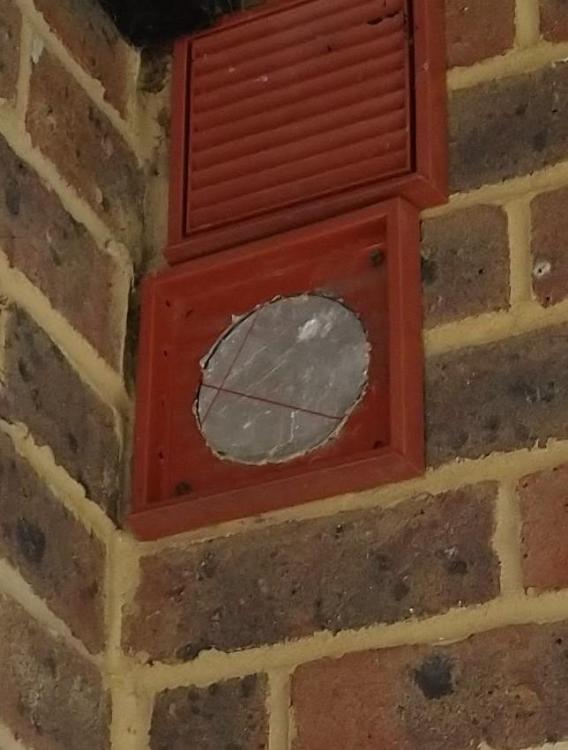
Addressing the extractor in the utility room, discussing the matter with SWMBO has resulted in an alternative solution: 100mm thick plug of rigid PIR. It transpires that the last time the extractor had significant use was probably in the latter part of the 20th century. The tumble dryer is a condensing one and in the Winter there will be a dehumidifier to assist with clothes drying. Anyway, this is an experiment that's easily reversed if it proves problematic.
-
Hopefully zoot has stopped reading this now to preserve his blood pressure but I'm afraid it would be a case of "magical thinking" to contend that no matter what type of house construction is subject to these conditions, they will all suffer the same fate. While it may seem this way, it can be shown to be physically impossible by considering extremes: For instance if we build a habitat on Mars it would have to behave exactly the same on Mars as it would when transplanted to zoot's location. From there we can gradually widen the constraints and uncover the failings in construction and operation that lead to an exchange of indoor and outdoor environments. Of course it might take a considerable budget to achieve it. More than is commonly deployed for domestic dwellings.
-
I bet you'll sleep better for having done it in conduit 😇



.jpg.bc27fb22493c5386bd9c4dfdbd5b96a9.jpg)