
Radian
-
Posts
2586 -
Joined
-
Last visited
-
Days Won
15
Everything posted by Radian
-
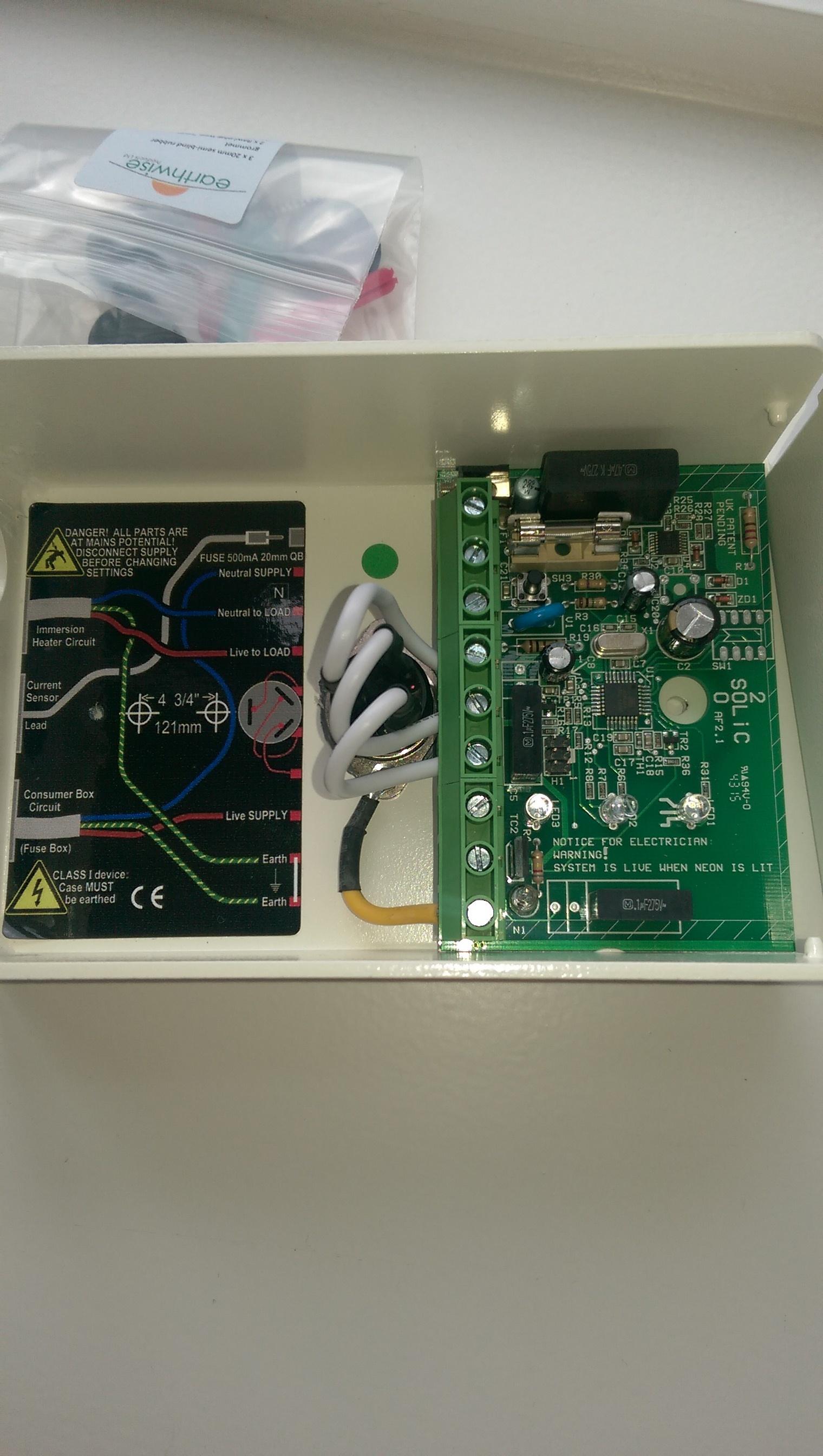
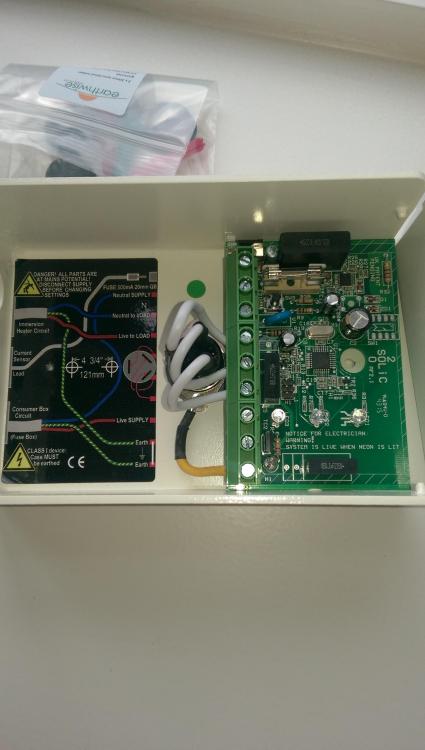
Yes. I can't see any magnetics at all. The label inside says it all - DANGER! ALL PARTS ARE AT MAINS POTENTIAL! - which is absolutely true... Including, I suppose, the CT which is on a thin lead terminated with a 2.5mm jack plug. Hmm.
-

Raising the roof, scissor or raised tie truss...
Radian replied to bobbert's topic in Lofts, Dormers & Loft Conversions
So dormers face south. You could do with working out the solar gain from those windows. Rooms in roofs suffer from overheating in the summer. One way to estimate the solar gain is to pretend the windows are solar panels and put their details into PVGIS That will give you a feel for the kind of energy input each month - bearing in mind that PV generally converts only 20% of solar radiation into electrical power.- 10 replies
-
- 1
-

-
- scissor truss
- raised tie truss
- (and 2 more)
-
That's on my list of things to do. The 15mm gap at the top and bottom of the doors will be a challenge though.
-
Notice there's no transformer, just some caps and diodes. Looks to me like a capacitive dropper supply so everything is effectively live. Go careful. Edit: added link to openenergymonitor.org where I got the PCB photo
-
How hot did it get in there?
-
Sorry to say the power factor may be such as to make VA look ten times as much as real (actual) power. A clamp really isn't good enough. A revenue grade meter like @Marvin uses is perfect but a bit of an overkill. Any meter that displays PF (possible example) should also report real power.
-
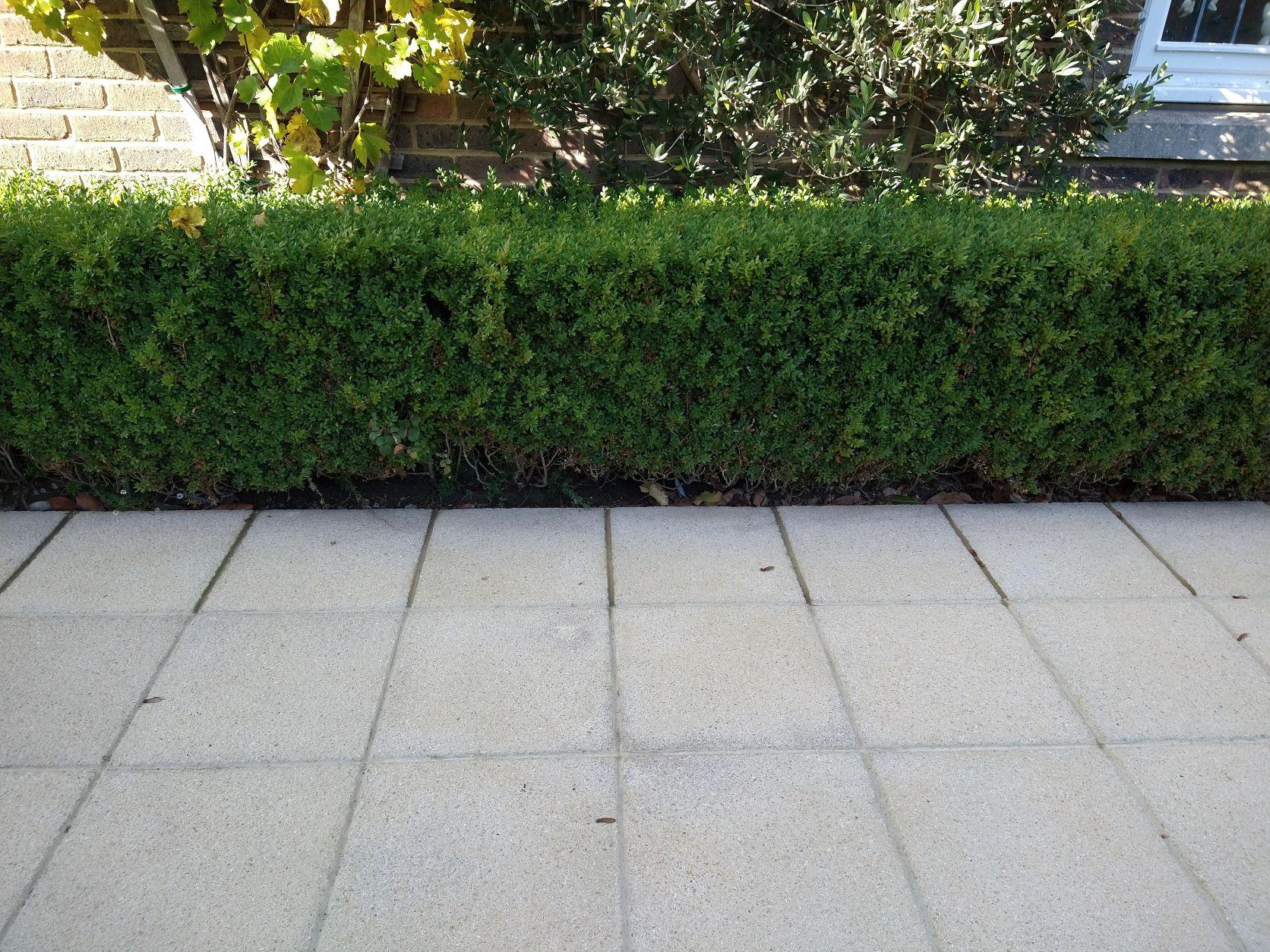
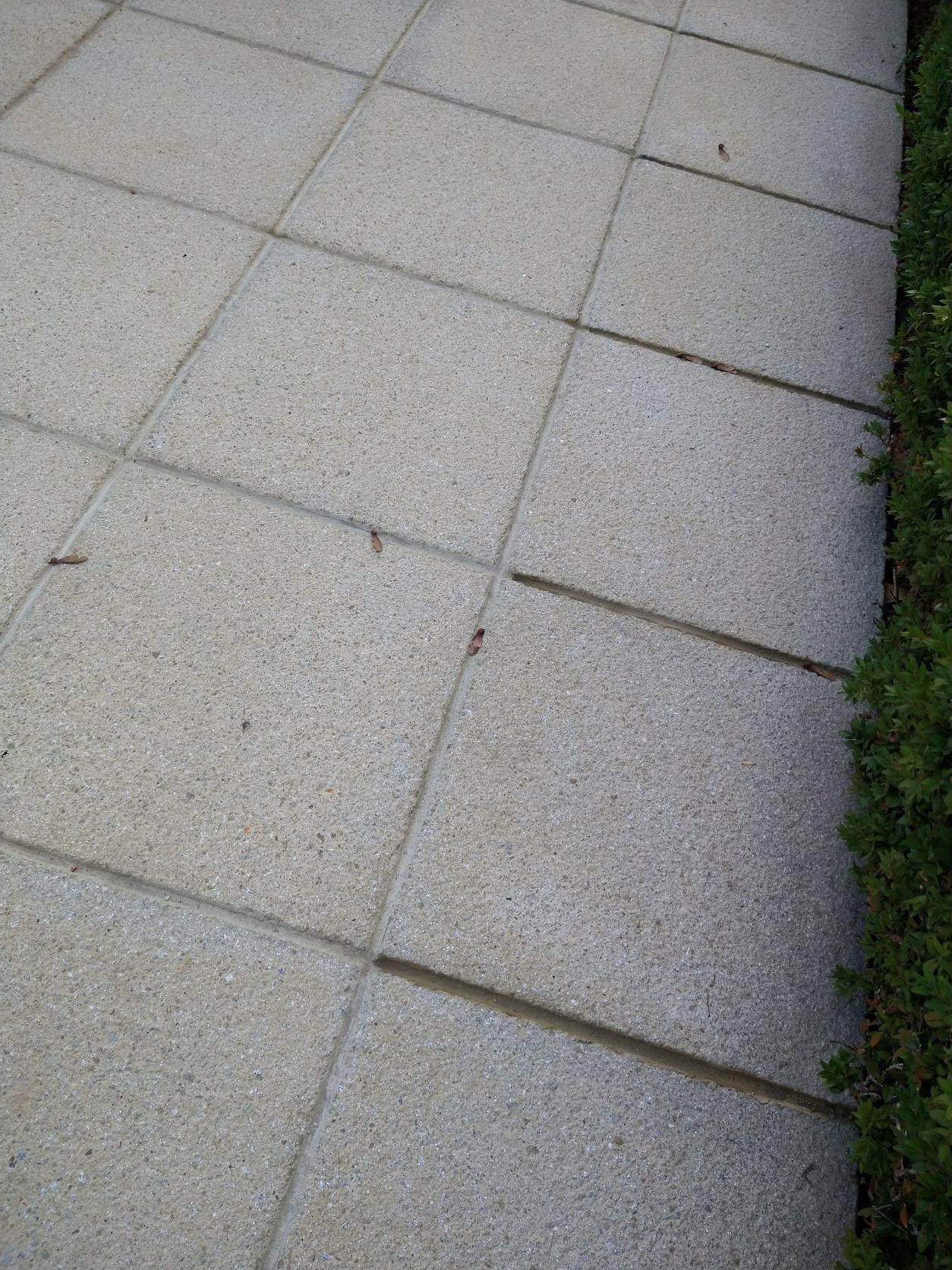
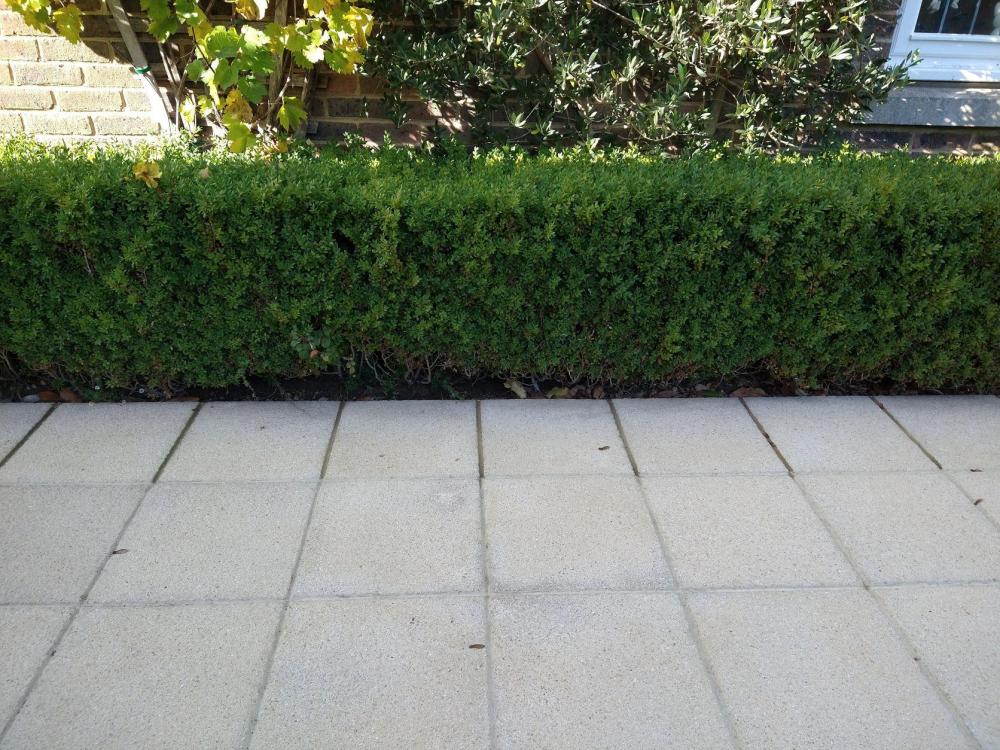
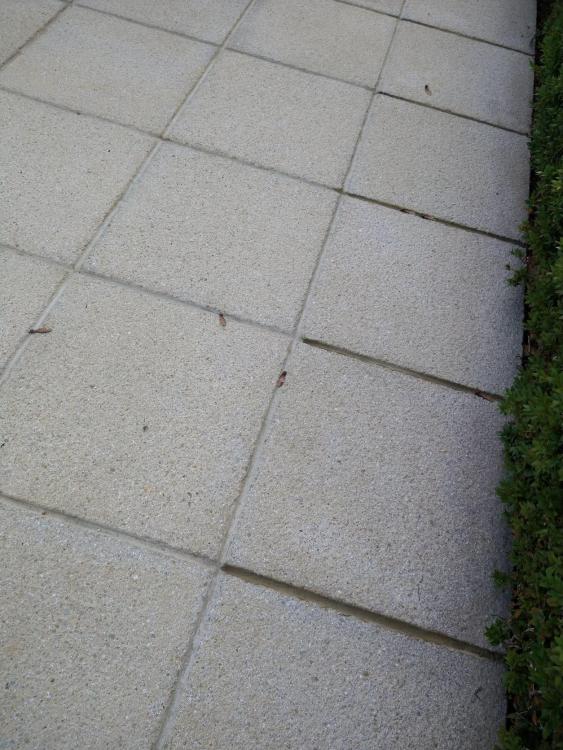
Coming up for one year on and I have some more to add to this topic. When I started pointing by hand, before I got the gun, I hadn't used any SBR addmix in the mortar. Now it's very evident which bits were done without SBR: The perpendicular joints on the first row of slabs by the hedge remain saturated for much of the time while all the other pointing with SBR in it dries at the same time as the concrete slabs. I can't imagine a better demonstration of the value of using a drop of SBR in the mix. I expect these joints to blow with frost first. Thankfully its pretty much just this initial row that missed out.
-
You're grumpy today 🤣
-
We will always have to pay for our energy so given the other benefits that come with reduced demand I see it as the main objective. So long as it's increased efficiency we're talking about and not reduction through abstinence.
-
The UK Green bank was sold to Macquarie for £2.3 billion in 2017. Goodness only knows what it does now. The principle of funding by a small surcharge on energy bills is no longer a runner but the energy generating companies would be the obvious source of investment were it not for the fact that the entire objective is to reduce overall demand for energy 🙄
-
I would like to see a low interest loan scheme for financing energy saving measures that is applied to a property rather than an individual. Many measures have paybacks that take years to achieve and with people moving on average every 7 years, there is little incentive to invest. People of pension age also have other time related issues to contend with. But by enabling the self-financing of energy improvements the governments long term commitments can be met at minimal cost.
-
I thought that was for modelling dynamic stresses? Maybe it can be used for simple static temperature distribution. I now see it seems you can set surface temperatures to model their affects on material properties. A couple of common test cases would seem to be informative. Even if simplified to model an infinite plane with conduction only in Z. I was also wondering how convection would affect the case of block and beam construction where a layer of warmer air should pool just below the blocks, and how this would compare with a solid raft sat on the ground which would have continuous conduction but over a potentially lower delta. Obvs. no help if a howling gale is blowing across the beams!
-
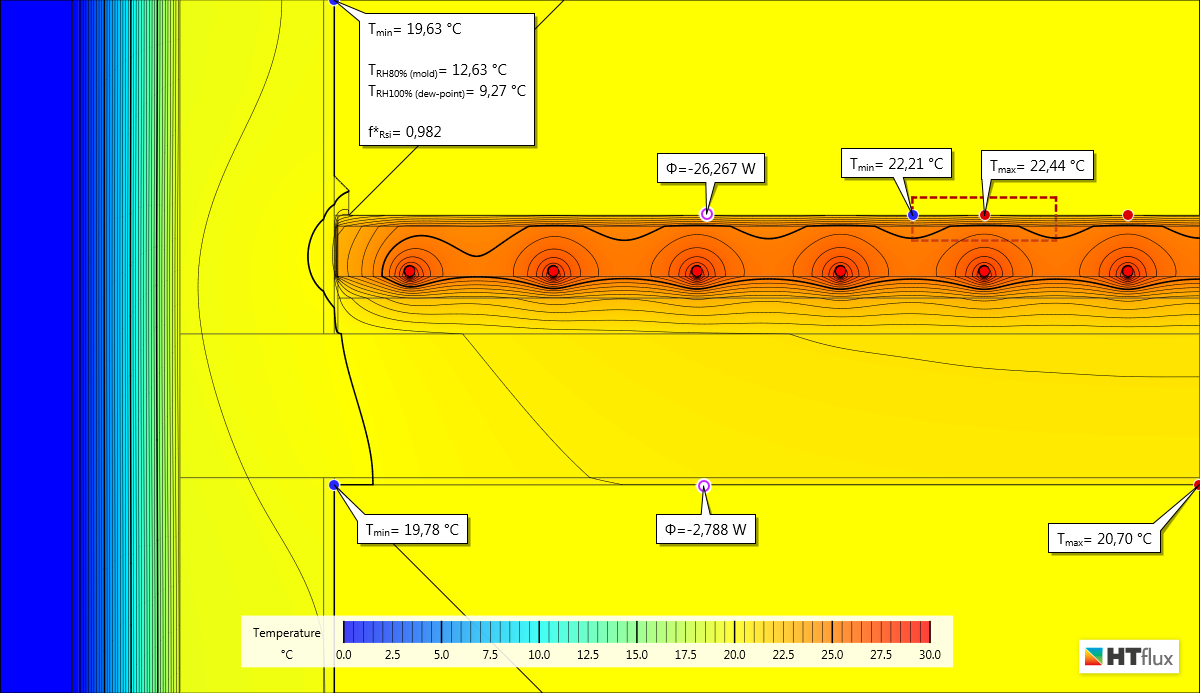
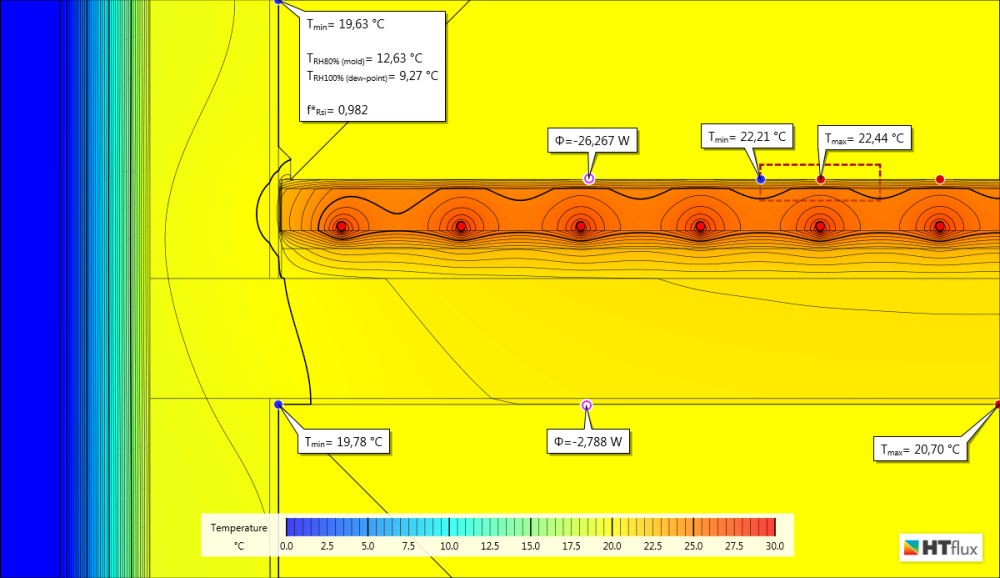
Have we seen a thermal model to support this? Y'know, one of those thermal modelling apps like HTflux? All the decent free trial versions I've downloaded have long since expired and the only web images I can google up don't show relevant examples of ground floor loops e.g. this first floor example:
-
That'll be the day. New thread if he does though.
-
This would work although I'd say the electrical knowledge needed to accomplish it would be similar to that needed to investigate whether a simple parallel switch connection was a safe option or not.
-
Not automated though.
-
I think the Solic 200 uses simple burst firing control which makes this possible. Looking at the PCB and case there are no fancy inductor filters like the Eddi uses to provide its PWM varisine voltage control. If it was an Eddi, this modification would go bang. In the case of the Solic 200 being burst control, a parallel connection from a timer supply might be OK, but you should first confirm that the Triac is switching the Live side, not Neutral. It would be best if you contacted Solic and presented the question to them. Inside the Solic 200
-
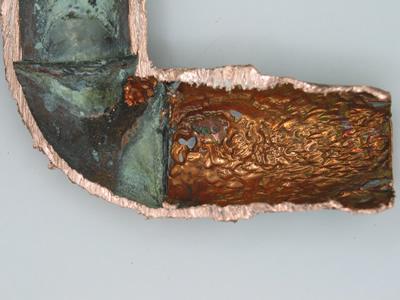
But why risk it if you're not on the clock? Yes, it's an additional step to save if you're doing it every day as a plumber but BH forum users are typically self-builders so can afford to take a little extra care. Cavitation is a real issue, not an imaginary one. In my time I've seen it cause problems in car cooling pumps, ship propellers and my own heating system first hand. Oddly, I'd expect it to be most critical near a circulating pump but I had a pin hole leak from a bit of pipe off a T that looked very much like the above photo on the inside - and it was in concrete ground floor just about as far away as it could have been. Not worth the risk IMO.
-
Very atractive stonework there! I wonder how far away it was originally quarried?
-
It's not a waste of time deburring pipe cuts if it prevents Erosion corrosion
-
Wouldn't bother. But feel free to wrap PTFE tape OVER the olive and just past it.
-
It can work very well. When our house was being built we were on site with the architect one day and suddenly a huge racket errupted from over the boundary about 10m away. It turned out to be a large swimming pool behind a blockwork wall, in a building at the bottom of an adjacent garden. It had been built in the field on which our house now sat (and it turned out they also emptied the pool once a year into the field - now our newly turfed lawn, but that's another story). Anyway, archy immediately specs up secondary glazing on that elevation, a simple batten frame put up just inside the window reveals with a plastic framed glass pane with rubber gasket on plastic hinges at one side. and with a little sliding latch on the other. Very effective with a gap of about 10cm to the original DG unit. The noisy family dissolved away and we have since taken the secondary units out as new owners of the property are much more considerate.
-
That looks like a hard brass olive. I prefer copper when mating speedfit to metal fittings - which is what used to connect up my single zone UFH.
-
How on earth did you know there was more to complain about? 🤣
-
Just checking. Like you do when you're not sure. The subject of loose cables has come up before on electriciansforums.net and the general consensus seemed to be that they should be secured to prevent them rubbing on the roof. But that was 10 years ago so maybe practice has changed to be more pragmatic since then.