BotusBuild
-
Posts
1461 -
Joined
-
Last visited
-
Days Won
10
Everything posted by BotusBuild
-
Bump - anyone provide an insight? TIA
-
Back to the garage floor. It got poured direct from the truck on a relatively warm day (down here) of 28C. The driver poured a dryish mix "wall" about 2m out from one corner, then upped the water, and we got a wet mix that flowed better to the far corner about another 5m further away. Once poured, spread and tamped, we covered it with plastic sheet to slow the curing. This worked and has left a lovely pattern all over the floor. At some point I will hire a grinder and flatten out the pattern. However, we've had rain since then, and as it has dried out the inevitable low spots are evident. Weirdly its lowest at the side closest to where the concrete truck was when it poured. What is a bit galling is the fact its about 25-30mm lower than the high point (eyeballed, not measured, but I have a very good laser eye). Overall there is about 15m2 that is low. Assume I'm going the epoxy floor route. What is the best approach (most DIYable) to getting a reasonably level floor to start?
-
@Susie, I've been in that garage 🙂 I should have paid more attention to the floor, and not the cars 🙂
-
You've missed the point of what was being proposed (not by me I should point out - refer to post). You imply there would be multiple taxes. One single rate, applied in different ways. Income tax, Sales Tax, Profits Tax etc, etc, etc. If its a sales tax, yes. Every business, no threshold. You wouldn't With no threshold, this is a moot point. What would the single rate be? Variable from year to year. One calculation showed a rate of only 12% was viable for one of the countries my friend consulted on. One of the suggestions was holding referenda for certain capital investment when such things are required
-
Tax does not have to be complicated. Everything at the same rate, applied to what you want to tax. A friend of mine worked for The Treasury years ago, and became a consultant on their behalf to new and emerging nations (think ex Yugoslav etc.). The main push was to encourage a simple tax regime to minimise bureaucracy, evasion and avoidance. Basically it was "we made these mistakes, learn from ours, don't make your own". I asked why we weren't working towards correcting our own mistakes. "We'd need an autocracy to be able to do that".
-
Don't go into business without a very good accountant 😀
-
This might do the job but there is an ambiguous picture in the listing. The phone call is needed to clarify whether it will work before forking out a sh1t load of wonga https://www.drainagesuperstore.co.uk/product/accesso-ic160-600mm-reduction-cap-350mm-circular-access.html
-
@Mike, either would do, as long as there is some reduced diameter riser before the cover goes on
-
Talk to someone. That's a radical solution. Hope I'm not met by a bot!! 😉
-
Mike, the 600mm Risers are already there 😀 Thats what I want to reduce from
-
Yeah, seen those, but it seems there is no ability to then add 320mm or 350mm riser on top of it. Something like this: https://www.tradepipes.co.uk/320mm-diameter-chamber-riser-135mm-high?source=googlebase&msclkid=d5cfa3ce6b6b1d0776b3c94ae6007d73&utm_source=bing&utm_medium=cpc&utm_campaign=Shopping Campaign&utm_term=4577816667752085&utm_content=Underground Drainage
-
I have two installed inspection chambers of 600mm diameter both of which are to be reduced in height following a landscaping design change. As part of that change we're also looking to reduce the drain cover size to 320 or 350mm still allowing access for any required clearing. I can find plenty of access restriction or shaft reducing caps, but none of these look like they are designed to allow a change from one riser diameter to another e.g 600mm to 320/350mm (hope the next diagram explains it a bit more) | | ___| |___ | | | | Anyone know of a suitable "riser diameter changer" product?
-
Love the exhaust and radiator setup on the orange triumph 😀
-
What is this talk of only using at weekends? Blasphemy! Probably just have a Willis heater and timer setup on a 12C setback temp, with a 15C working temp. Did I mention the proposed 4 post lift 🙂
-
UFH loops in the slab already with 100mm PIR underneath 😀
-
For clarity, currently the floor is the foundation slab, poured with C25 concrete. It was covered with plastic sheeting in the warm weather, and will need grinding and levelling (or the other way round) before I do anything. Tiles? I'm bound to drop a hammer or spanner when working in the car/s 😀 probably give this a miss. Which i think narrow MY choice to a 2 part (2k?) epoxy. So, any preferences on 2 part (non slip) epoxies?
-
@Great_scot_selfbuild, curious about what the 110mm pipe coming through the wall is for?
-
Which make? We used one as a temporary measure and parts of it are still tacky after 3 years
-
Its getting close to the time for the garage to get its floor covering 😀 Epoxy resin. Product recommendations please. Can it be DIY'd?
-
But then I wouldn't have had the headroom I wanted inside
-
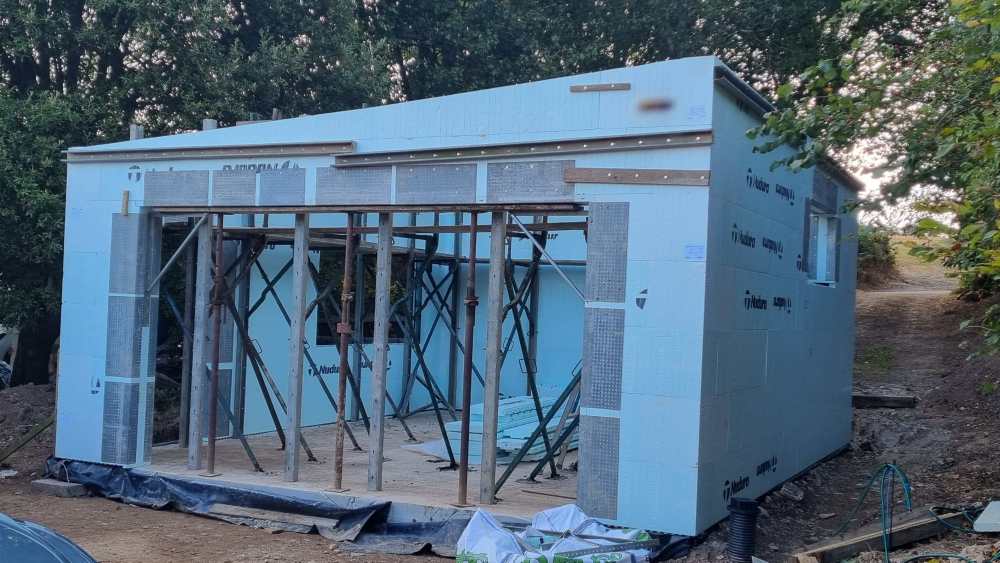
FYI - nearly ready for concrete pour
-
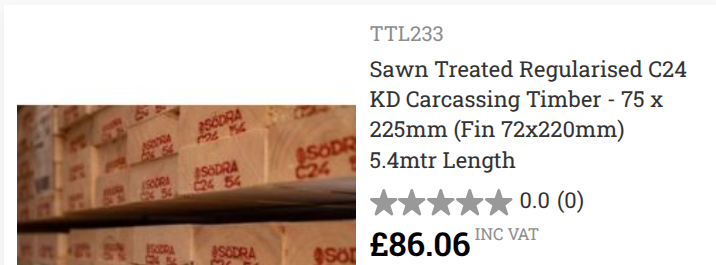
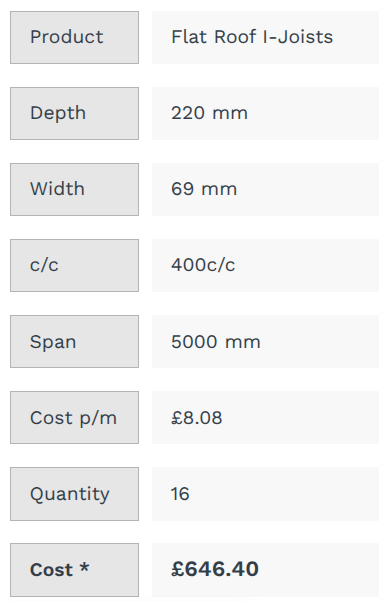
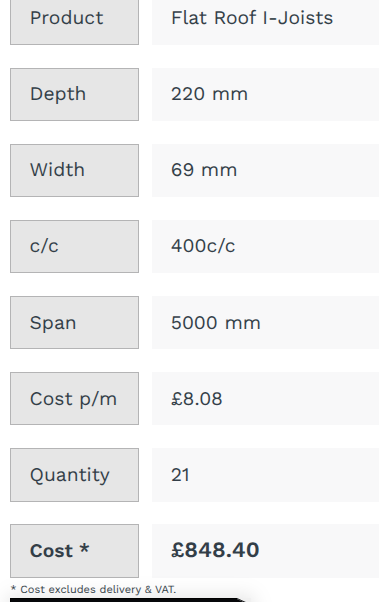
JJI's are cheaper based on short research 16 x 86.06 = 1376.96 or
-
It will 😀 and thanks
-
Yes
-
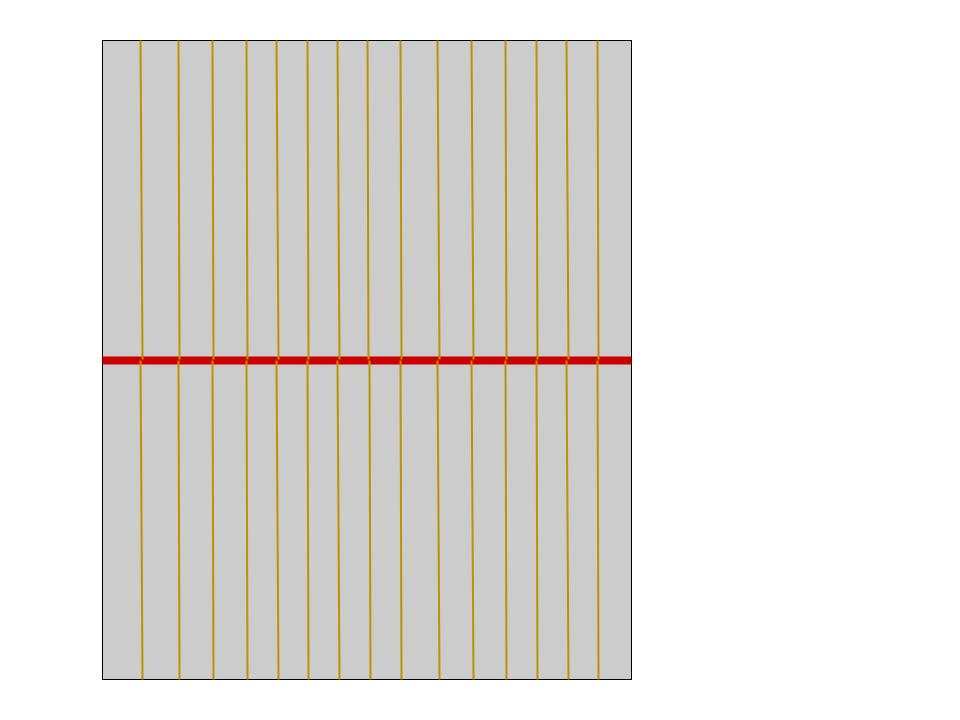
A quick bit of research show the Glulam to be about £50-70 cheaper, but would as @Mr Punter says would be deeper. For clarity, this is an approximation of the proposed layout described above (ignore the uneven spacing of the 3m joists)