

Super_Paulie
-
Posts
653 -
Joined
-
Last visited
-
Days Won
2
Everything posted by Super_Paulie
-
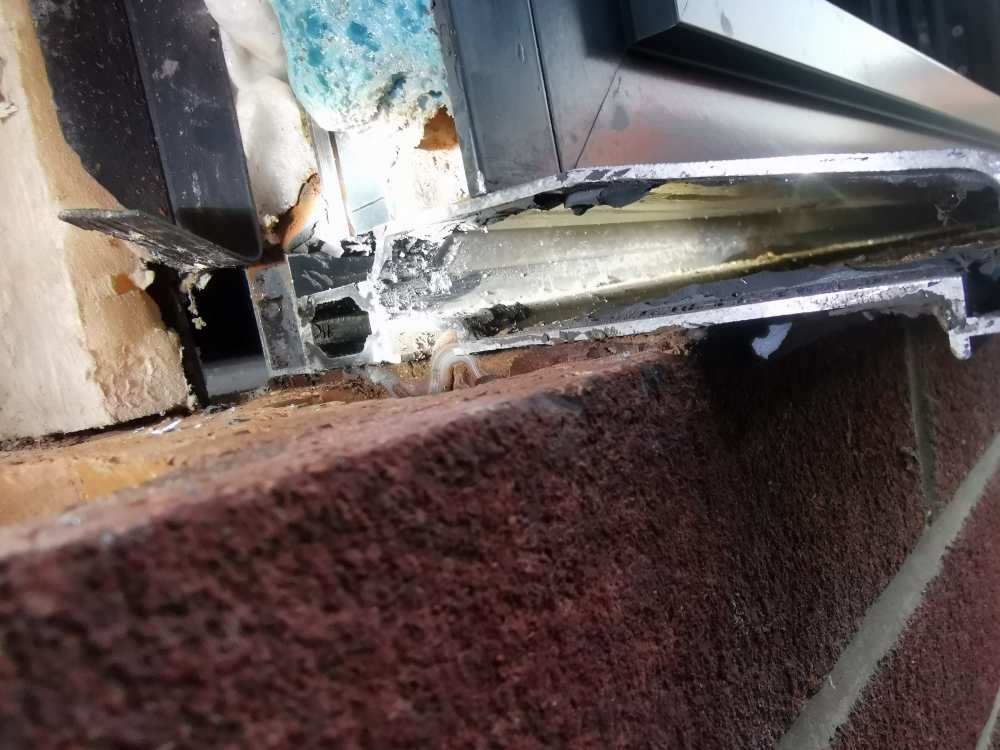
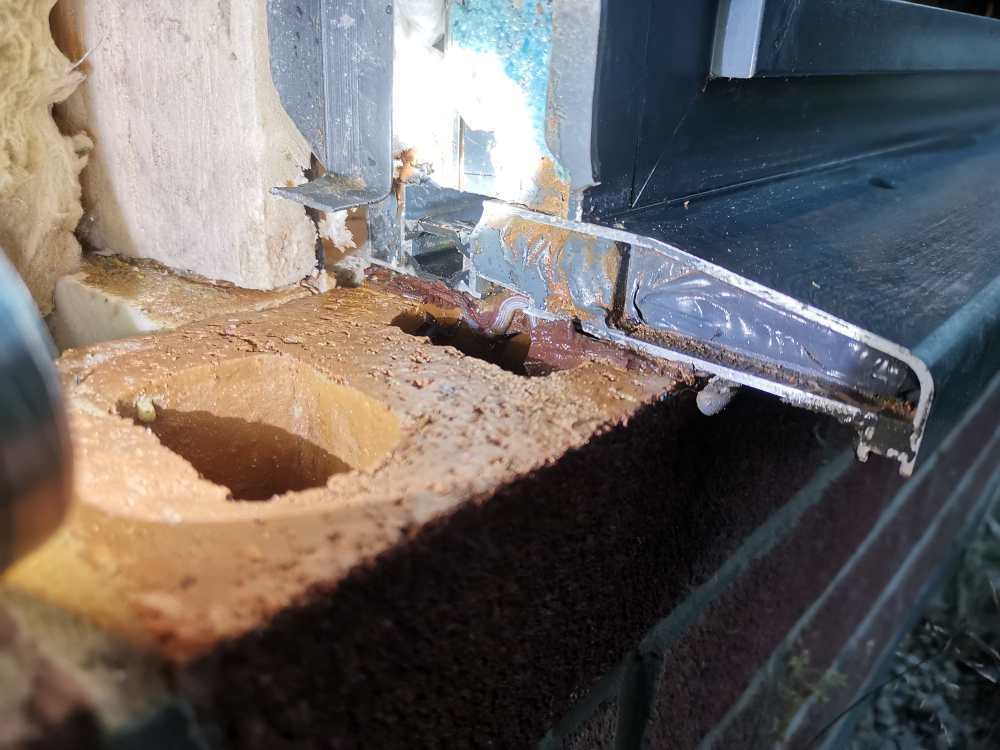
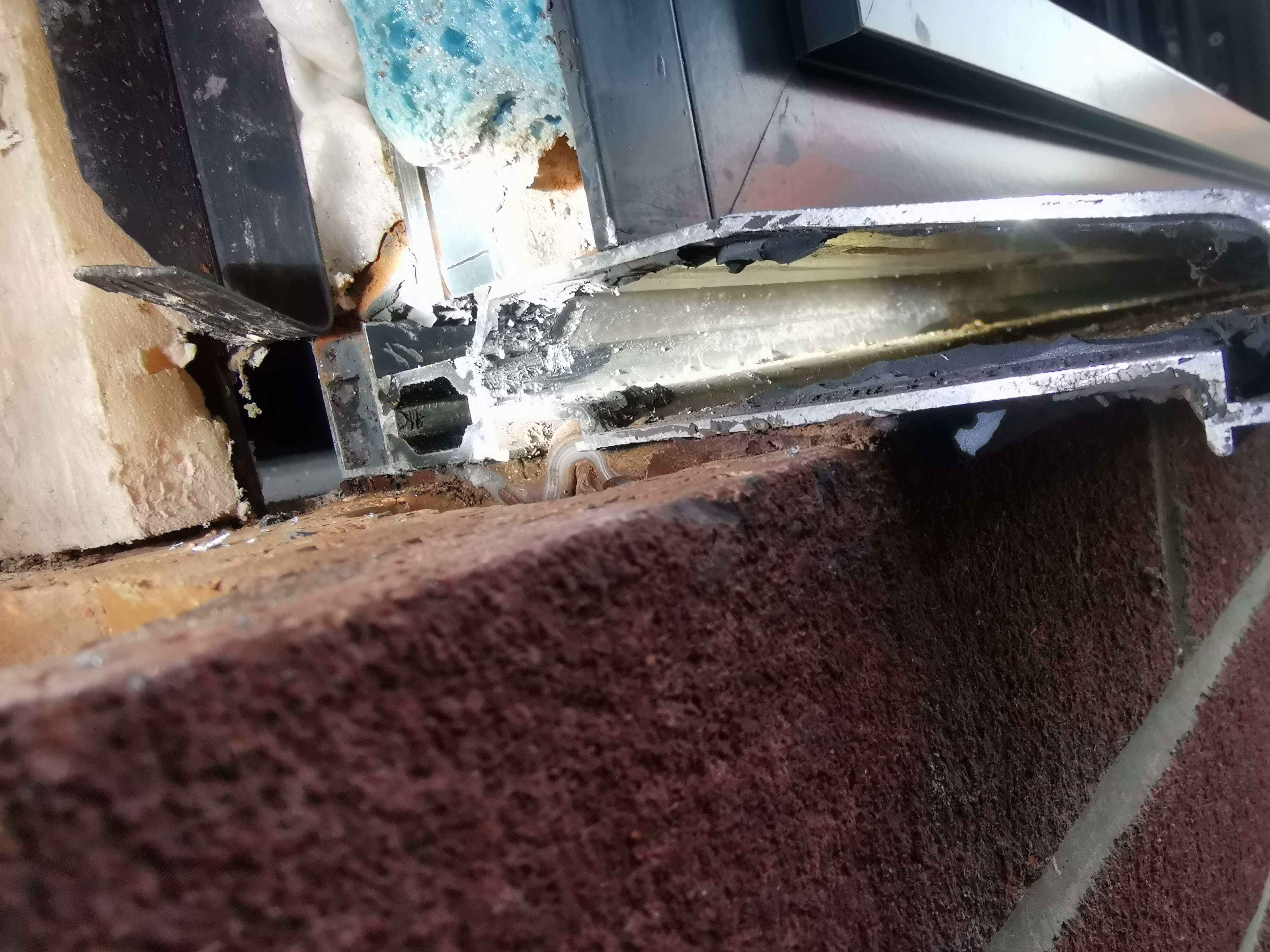
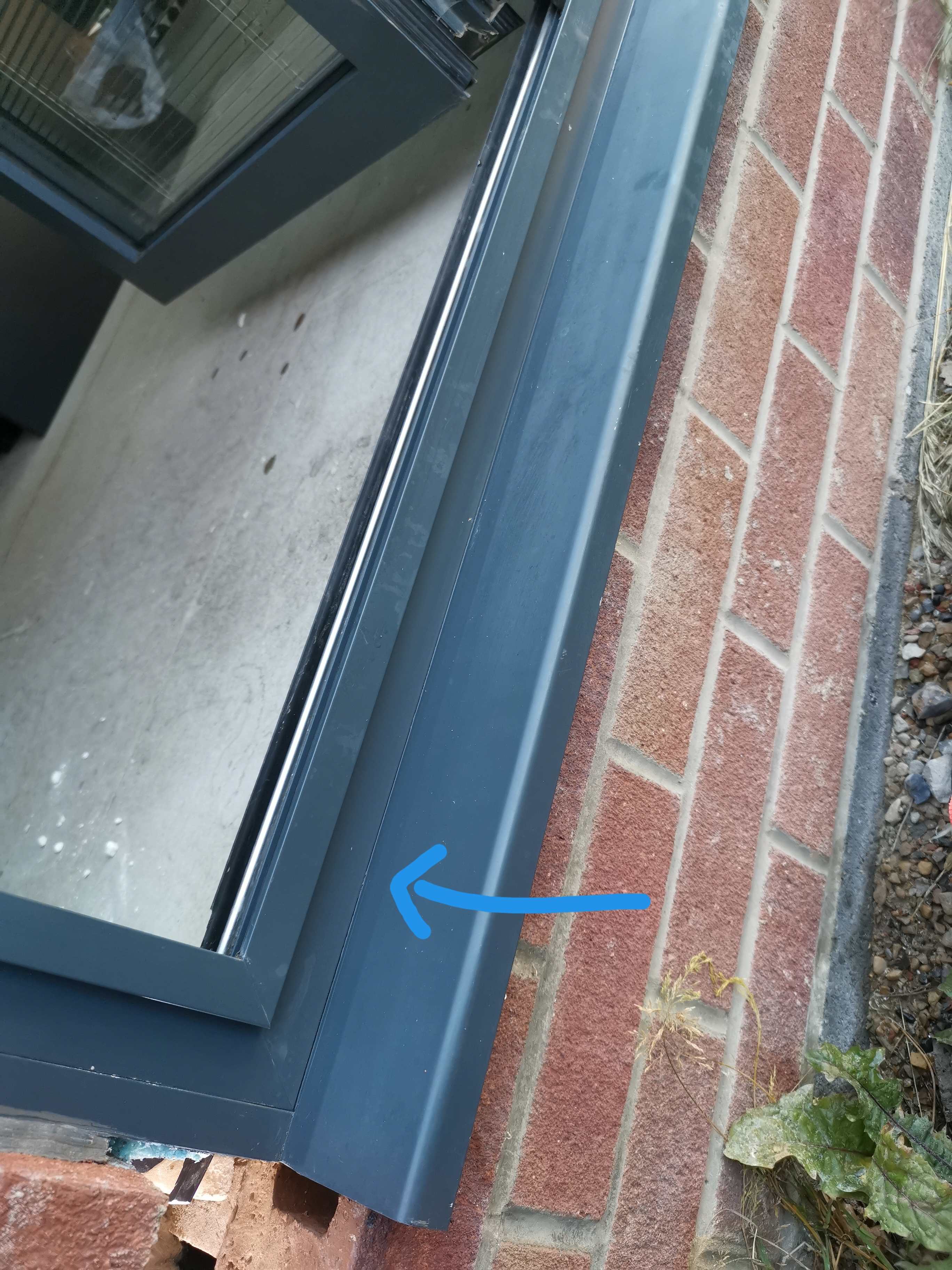
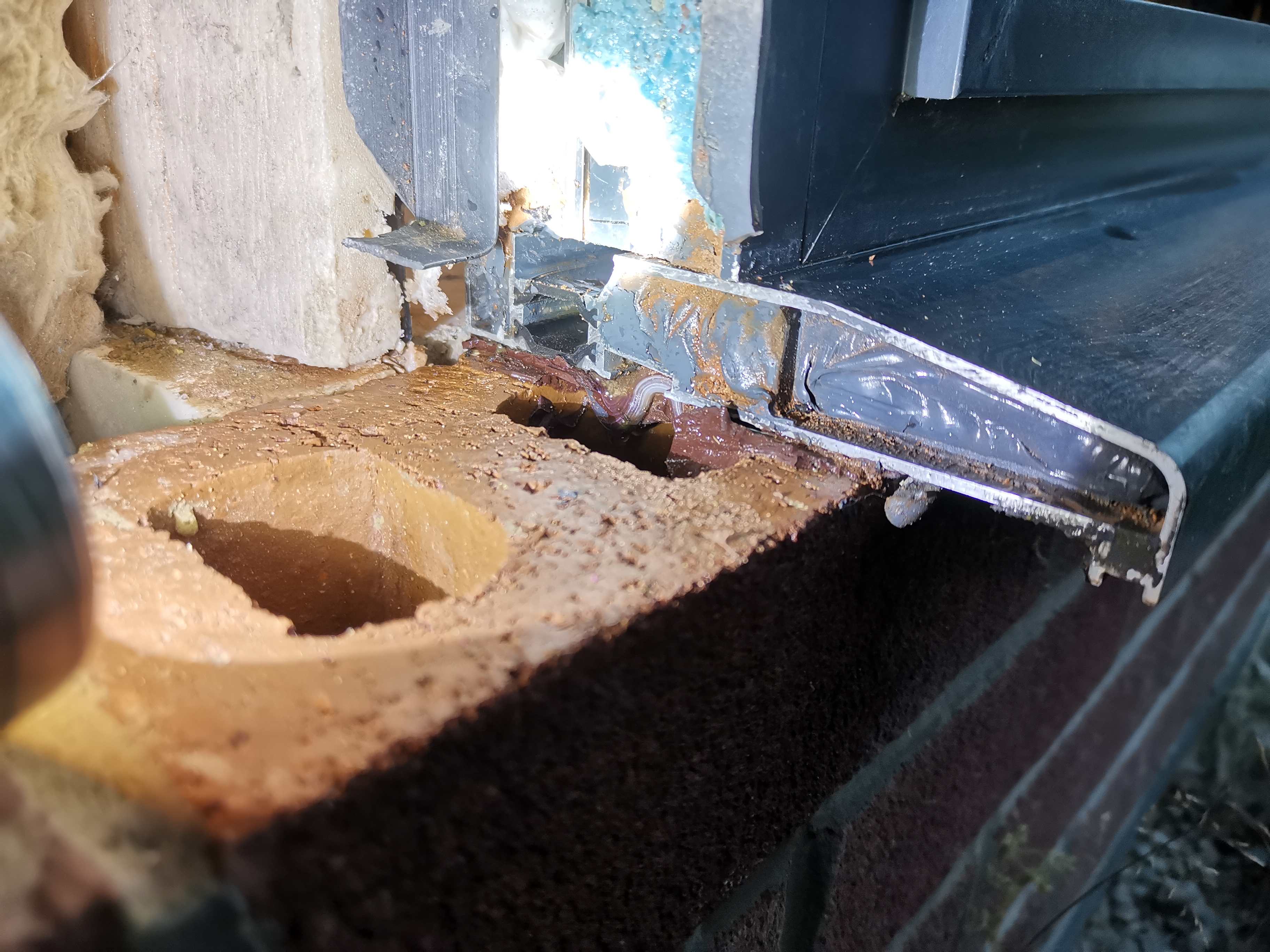
It's an end cap but with sealant, I'll replace. But the fact remains that water getting under the cill is entering somewhere where I can't see a drain and it's sitting there for god knows how long with no where to go. Interestingly there are drains in the door track that lead to it, again with no where to go. When you look into them you can see standing water. Difficult to see, but the angled section of the internal cill can be seen here and it doesn't have any drains along it from that inside section. I'll clean it off and seal all along the front I guess?
-
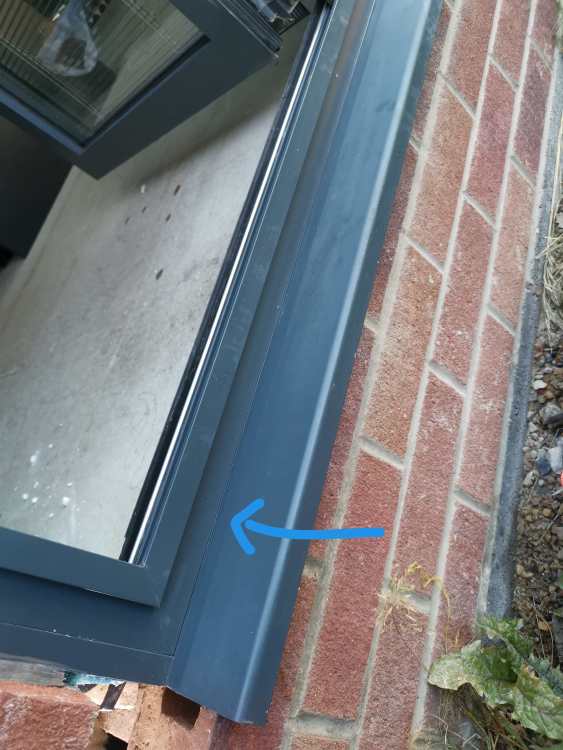
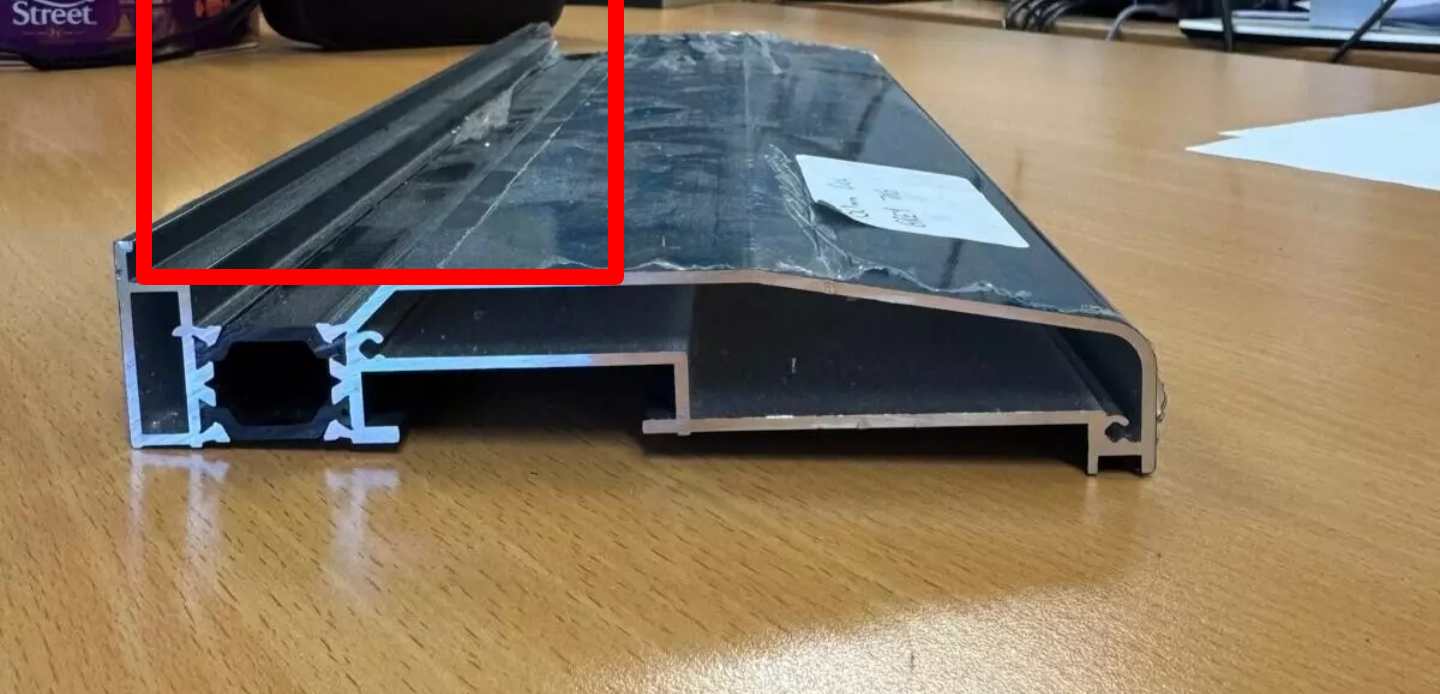
It looks to me like water is getting in between the cill and the door. When I spray water there you can see it via the drain hole from inside the track. However, there is no where for it go once it's in there, there is seemingly no way for it to exit the internal structure unless anyone can shed some light on it? Looking down the length on it I can't see any way for it to enter the cill lip and thus drain away. Should I silicone all along the front edge to stop this penetrating rain?
-
This has been ok for 8 years but since it was moved to the new outer wall of the extension I'm getting this situation. Really there shouldn't be any water getting into it, the seals are sound.
-
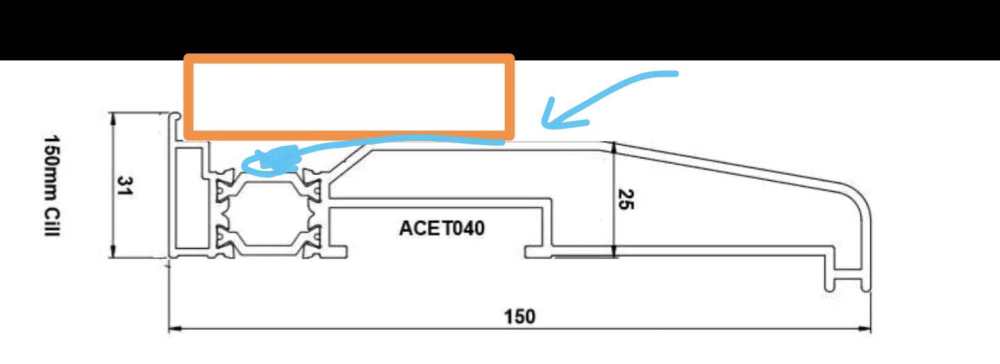
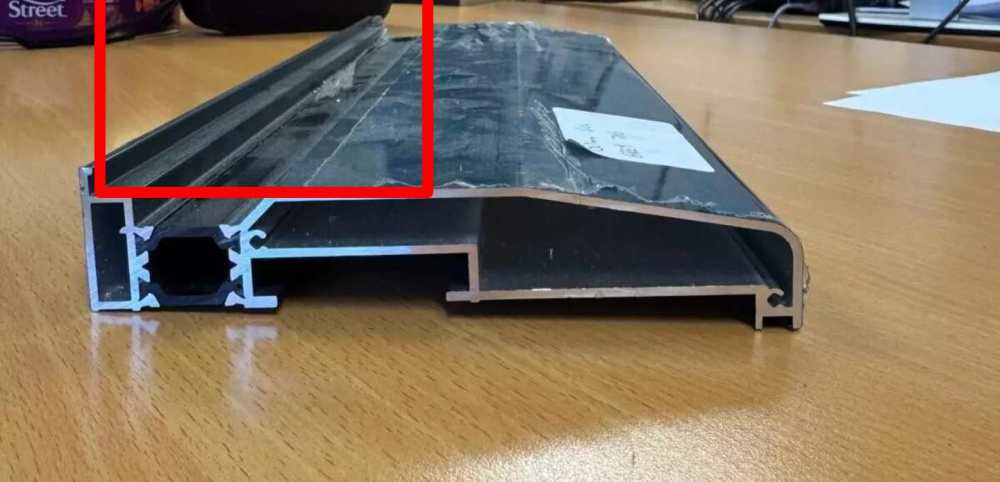
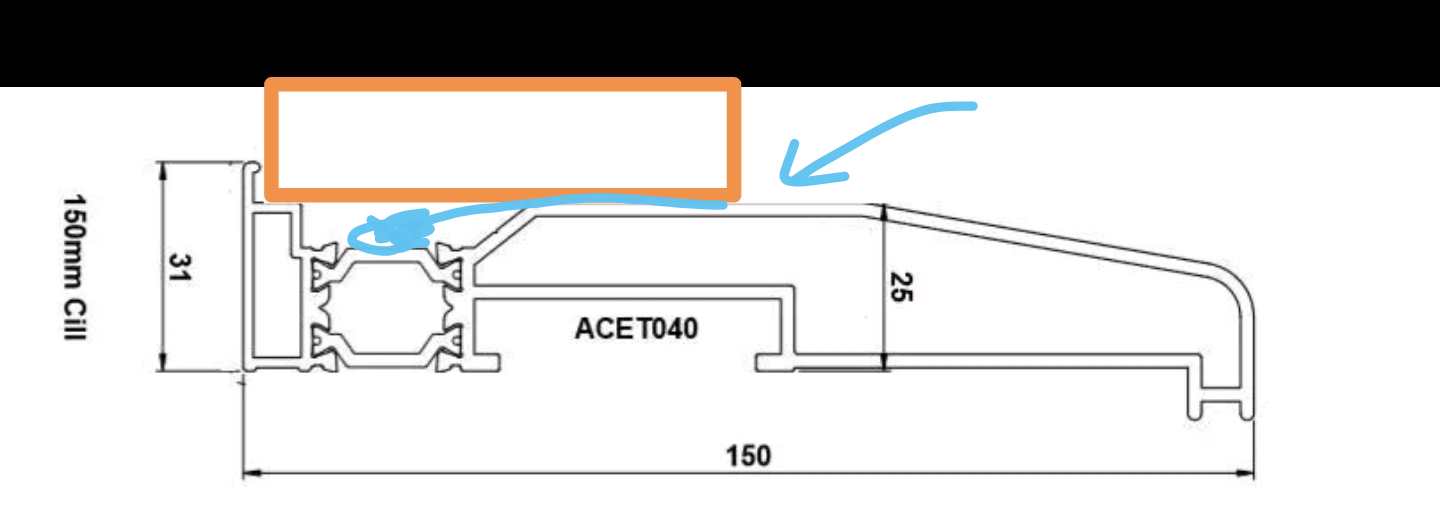
Hello everyone. One set of my bi-folds leak in the corner(s). The obvious suspect is behind the end cap not sealed correctly, to get to it I had to remove a brick from my (almost) new wall. I poured a pan of water in the drain, barely anything came out of the drain so I stabbed at the silicone and it all came pi££ing out. Sure enough the silicone was a bit flakey, it took no persuasion to breach. Now, when you open the door the track is basically bone dry, so the seals are all ok. Where is the water coming from...? It is open to the elements so I suspect the driving rain is going in-between the cill and the door, into the lower drainage and that's either blocked or the end cap silicone is happy to let it out right above my damp course instead. The drain and thus water is above the thermal break in the below image. Would I be on the right lines to fill that miniscule gap between the door and the cill? I tested the drainage and must of the water came out at that point rather than through the "official" concealed drain. If so, what sealant is recommended, OB1, CT1, bog standard silicone?
-
nah. Worse in my own house by a mile.
-
 I've got Integras and going to add blinds sooner rather than later. I was under the impression they just plug into the frame and get their power from the already wired up window?
 -
Condensation risk?
Super_Paulie replied to Super_Paulie's topic in General Self Build & DIY Discussion
Thanks guys, mind put at ease. -
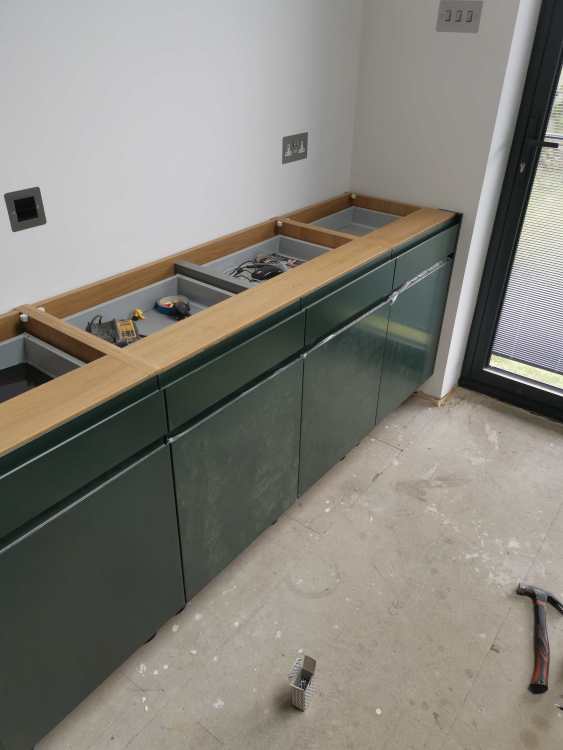
Happy Sunday. I've just got round to installing cabinets on the far side of my ground floor, however the builder didn't leave me enough of a return to just slot them in so I've had to remove the service void to leave enough of a gap between the doors and the units. However it's just dawned on me that as this is an external wall and the units rear board is bang up against the wall (no gap), I may have made a mistake in that condensation will collect at this point. The wall is block with cavity batts and the plasterboard is attached with foam. Any thoughts on this? I could potentially bring them off the wall but not by a lot. Cheers guys.
-
Aluminium Gutters / Soffits - Who to use?
Super_Paulie replied to boxrick's topic in Roofing, Tiling & Slating
some gaff that Badger. -
this is why i have trust issues with trades and do the majority of stuff myself if i can. And the associated 3 years build time... I just wasnt going to trust a company to make my place tight enough for the underfloor to work to any degree.
-
i used a GoPro 7 in a custom made "birdhouse" with a solar panel, but i was only recording a still every half hour. Lasted my entire build, apart from one week at Christmas were i think it got too cold.
-
stainless downpipe would like quite fitting in that space i reckon.
-
Insulated ducting for hob, suspended floor
Super_Paulie replied to Super_Paulie's topic in Kitchen & Household Appliances
Yep, confirmed with the man himself. I need a vent or extraction to a certain level, either on the wall venting out or within the hob, which is what I've gone for rather than a dMev. Just because they looked fancy and I wanted to try it. -
Insulated ducting for hob, suspended floor
Super_Paulie replied to Super_Paulie's topic in Kitchen & Household Appliances
My previous timber deck was looking tatty after 10 years on the coast and that's with oiling every year. It was made with new scaffold planks. Anyways that's not my concern at the moment. I've ordered a back draft flap and I'll put it in, can't see it doing any harm. -
Insulated ducting for hob, suspended floor
Super_Paulie replied to Super_Paulie's topic in Kitchen & Household Appliances
No MVHR. Need extraction for BC signoff and I've already got the venting hob. I'll extend the duct to the end of the deck when I've built it, but I'll only get 10 years from the deck at best anyways. -
Insulated ducting for hob, suspended floor
Super_Paulie replied to Super_Paulie's topic in Kitchen & Household Appliances
Just looking to order the bits I need tonight. Should I be looking to put a shutter or back draft flap on this? The vent will exist low down at the same height as the existing air bricks which will in turn be under a suspended wooden decking eventually. -
How best to cable for Washer and Dryer ?
Super_Paulie replied to Spinny's topic in Electrics - Kitchen & Bathroom
i'll see if i can capture it in a recording. Doesnt bother me to be honest, its just a sound that id never heard before with an open-ended standpipe. -
be money well spent.

-
hi gang. Im starting the work on my kitchen island this week, more specifically the downdraft hob. As my floor is suspended, (UFH in biscuit on 170mm PIR) i have left an opening where the hob is to go so i can bring the ducting up into the cabinet from the outside wall. Its a 2m straight run from the double airbrick so i can simply pass a 2m 220x90 duct through from outside, my joists go in the right direction, no biggy. But it just dawned on me that this duct should be insulated as it will be pulling hot air down into the cold void below the insulation. Am i overthinking this or should i be looking to insulate the rectangular duct? if its at a slight dowanward angle away from the entry point under the cabinet then would it matter that there is condensation? - should i insulate the ducting somehow? https://domusventilation.co.uk/catalog_products/megaduct-220x90-insulation-1m/ - should i be putting a shutter or butterfly inline somewhere to stop backdraft into my warm house? Be interested in what other people have done here.
-
How best to cable for Washer and Dryer ?
Super_Paulie replied to Spinny's topic in Electrics - Kitchen & Bathroom
it really seems like its complicating matters and losing space for no real gain. It'll work for sure, but id prefer the space not be lost behind a cabinet and the socket in a neighbouring unit, its pretty standard stuff. Good luck to ya. -
How best to cable for Washer and Dryer ?
Super_Paulie replied to Spinny's topic in Electrics - Kitchen & Bathroom
i took guidance from @Nickfromwales so i dunno, any thoughts Nick? i assume when the machine discharges its airtight in the standpipe so has to push that air out. Only noticed it when its on the drying cycle, cant confirm it does the same on the washing cycle so im guessing its pushing hot air through the waste. Can easily remove the spigot and just push the hose in, but id like to understand. When it exists the cabinet it goes directly into the stack..thumb.jpg.f0e11f1a42a7a7159560f7a3edaf0017.jpg)
-
How best to cable for Washer and Dryer ?
Super_Paulie replied to Spinny's topic in Electrics - Kitchen & Bathroom
i couldnt get a plug behind my machines unless they are way down at floor level, my machines are like 5mm from the wall when pushed home. -
How best to cable for Washer and Dryer ?
Super_Paulie replied to Spinny's topic in Electrics - Kitchen & Bathroom
as you have the 2 appliances side-by-side you are going to still have to remove the hoses if you need to pull one out, so its not a huge difference to have to pull the plug out as well as the hoses. Id personally have the 2 single sockets under the sink. If you are worried about pulling the plugs for whatever reason then cut the plugs off and hard-wire to 2x FCU's and then all you have to pull through will be a skinny cable. As for the plumbing i went a standpipe with a sealed top per appliance. Seems to work just as well as an open top one to be fair but there are no chances of any leaks from an overflow. I have noticed it makes an "air bomb" noise when emptying into the trap, but im happy with it. If this is a utility room then id probably just put both hoses into spigots from the sink and close the door. Im open-plan, so need it quiet.
-
Its true what you lot say!
Super_Paulie replied to mjc55's topic in General Self Build & DIY Discussion
id swap it for anything. 3 years in and im goosed. -
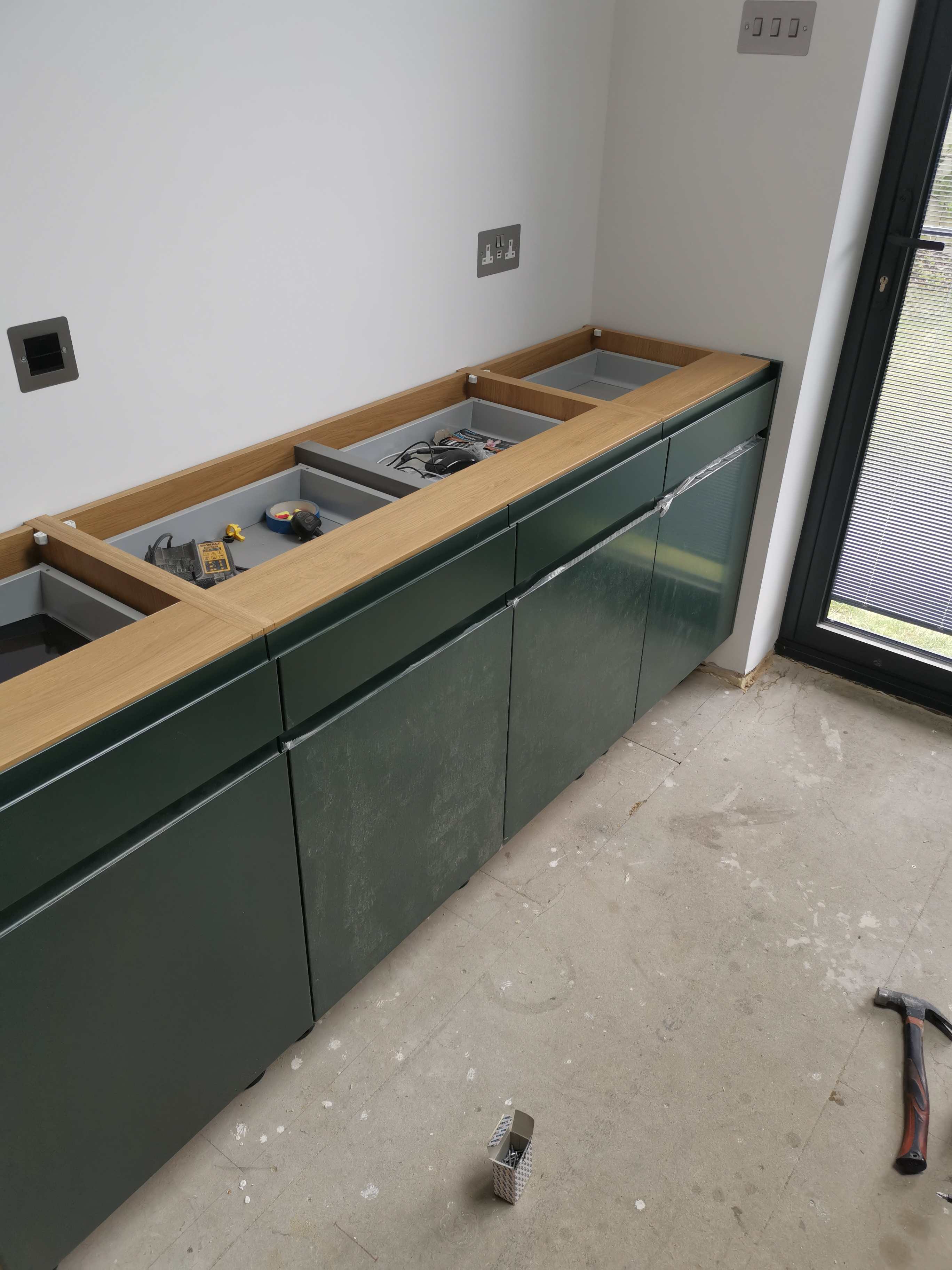
I've got a situation where I need to add a socket for a warming drawer half way up a tall unit. My original ring final wiring into the neighbouring "normal height" cabinet is only long enough to go into a single low socket, so I'd have to spur from this. However... The cabinet plumbing now doesn't allow me to get a socket in there at all, so my question is: Would you add a Wago/Wago box underneath the plinth to keep the ring intact and spur from this up to the warming drawer? I assume this is more legit then having a daft socket underneath the cabinets.

.jpg.1fe3f59574134517fad5755d1996c868.jpg)