


MikeSharp01
-
Posts
5693 -
Joined
-
Last visited
-
Days Won
16
Everything posted by MikeSharp01
-
 Just plumbing in the heat pump and am trying to keep all pressure drops to a minimum. Here are two possible configurations of one part, assume the plastic segment will be copper, which of them is going to have the lowest pressure drop I wonder and how would I work it out? It is all 28mm pipe.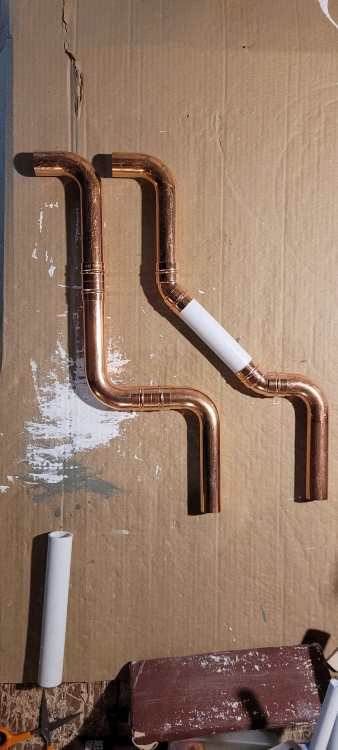
-
Looks like the party is over....
MikeSharp01 replied to Beelbeebub's topic in Air Source Heat Pumps (ASHP)
Yes but there are 35 million cars registered in the UK! -
Looks like the party is over....
MikeSharp01 replied to Beelbeebub's topic in Air Source Heat Pumps (ASHP)
You do wonder a little tiny bit why not - as it would encourage people to move away from gas and towards electricity. The downsides are relatively unthinkable and the elephant in the room problem is that we don't have enough electricity to move to and too much of what we do have is made by burning gas. -
Looks like the party is over....
MikeSharp01 replied to Beelbeebub's topic in Air Source Heat Pumps (ASHP)
Phew - we got our approval through 3 weeks back via the Cool energy umbrella scheme and I hope they will allow that through! The HP has arrived as has the tank ( from Telford - via Trevor at cylinders to go) but it won't be commissioned for 6-8 weeks. -
MBC is very well regarded in the timber frame space and they are national.
-
Another 'Cool Energy' heatpumps thread
MikeSharp01 replied to HughF's topic in Air Source Heat Pumps (ASHP)
No buffer just three loops in parallel as one zone. -
Another 'Cool Energy' heatpumps thread
MikeSharp01 replied to HughF's topic in Air Source Heat Pumps (ASHP)
The heat pump from Cool arrived this morning so now comes the interesting bit!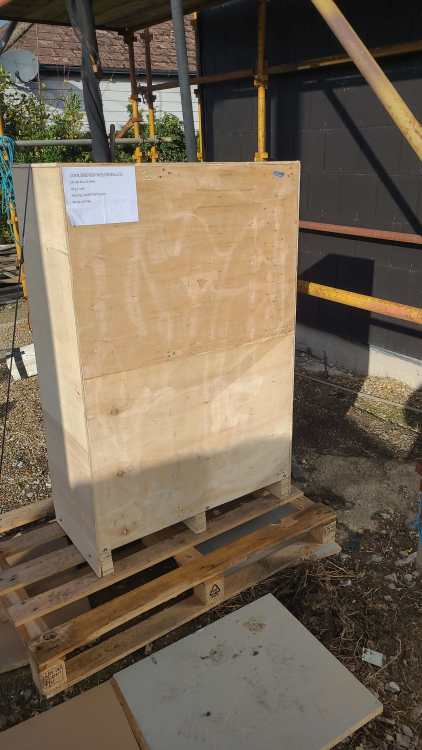
-
Another 'Cool Energy' heatpumps thread
MikeSharp01 replied to HughF's topic in Air Source Heat Pumps (ASHP)
Yes got to order one of these Level 3 kits but so many options - will need a phone call to them I think. -
Another 'Cool Energy' heatpumps thread
MikeSharp01 replied to HughF's topic in Air Source Heat Pumps (ASHP)
I think the attached spreadsheet document, from Cool Energy, might help but have not looked carefully. Its the BMS Modbus link.(Unit Information and AI tabs). R290 heat pump X1.HL092H.K05.001-1.MODBUS_RTU.V100A07 - 2025-4-16.xlsx -
Makes sense @Big Jimbo thanks.
-
See pics. Our boy has given me the job of fitting their vanity unit. Getting there is a mission but I have hit the problem of fitting the basin to the cabinet. There are no fixing points on either without some form of fixing the sink slides about! How is the connection made in these circumstances I ask myself and so the team here. Silicone? Mirror pads? Velcro pads?
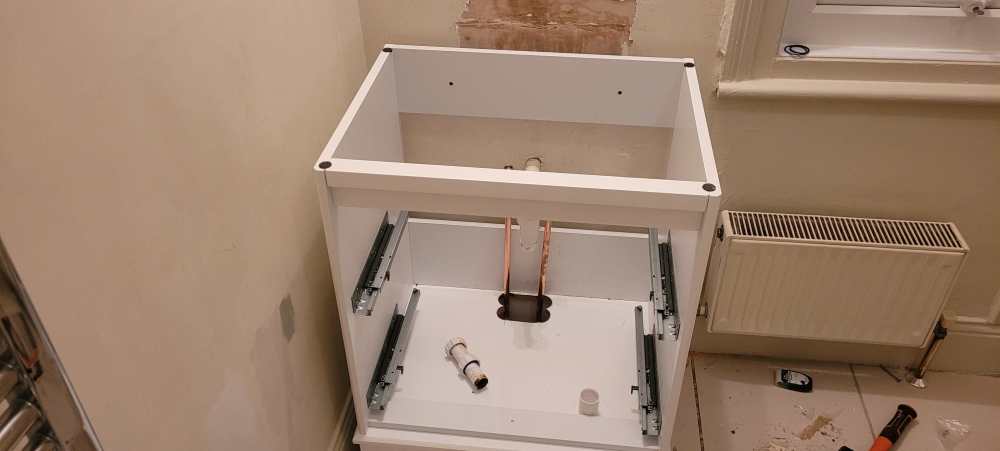
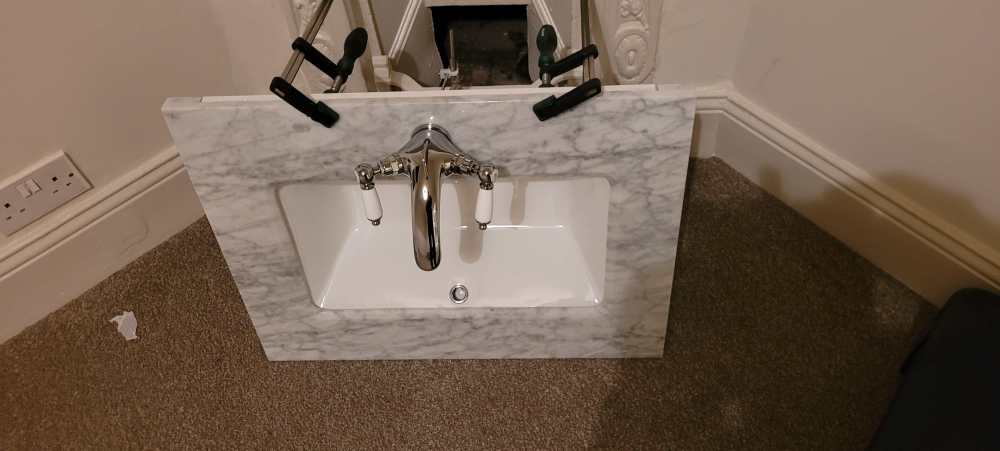
-
See pics. Our boy has given me the job of fitting their vanity unit. Getting there is a mission but I have hit the problem of fitting the basin to the cabinet. There are no fixing points on either without some form of fixing the sink slides about! How is the connection made in these circumstances I ask myself and so the team here. Silicone? Mirror pads? Velcro pads?
-
Another 'Cool Energy' heatpumps thread
MikeSharp01 replied to HughF's topic in Air Source Heat Pumps (ASHP)
Is that the wiring center? I chose not to have that assuming there was a screen on the unit somewhere and I would be controlling via the BMS anyway - perhaps it would be useful to have anyway. -
Where are all the Blown Cellulose Installers?
MikeSharp01 replied to SBMS's topic in Heat Insulation
If you are employing a professional then they should sort the filling compaction. What is beneath the joists is it membrane or board as they behave differently when filled. We did it ourselves borrowing a machine looks to have worked well given the way the house performs insulation wise. -
Yes. I don't, so tomorrow I will get some hep2 inserts. Until then I have done a temp job with some JG speedfit bits I had.
-
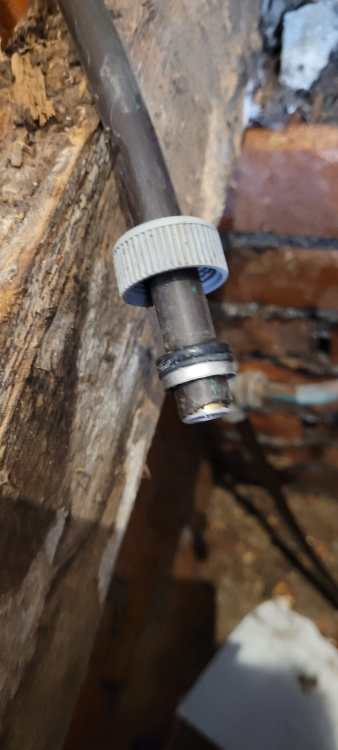
Just fitted a compression 15mm end cap and that worked so next trick get some hep2 and go from there.
-
Outside is 15mm inside about 10.5 brown in colour.
-
Just hove to ar our sons new house and found a leak in the pipe feeding the sink. I have not come across this system anybody know what it is and if I can go along to Screwfix and get some other plastic pipe and fittings to splice a bit in where the leak has happened.
-
MCS requirements for whole home UFH
MikeSharp01 replied to cmdrawesome's topic in Underfloor Heating
So what should we be filling our UFH with: With or Without Glycol. (We have done that one to death elsewhere) Tap water + appropriate inhibitor. Softened water + appropriate inhibitor. De-ionised water + appropriate inhibitor. Filtered water + appropriate inhibitor. Others I may not have listed. -
Hi Bob and welcome to THE forum for people like us.
-
I wondered about that but I think I can fit the extra one to the current setup and fit gauges on the input and output pipework
-
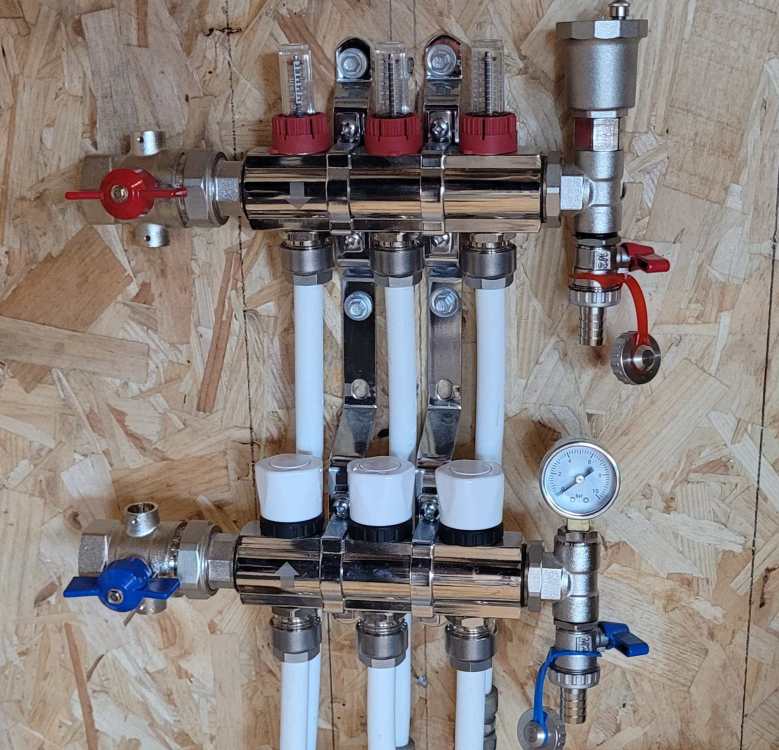
So in a no mixing ASHP install that I am putting together the flow does go in the top and out the bottom which makes perfect heat flow sense to me? This how it is set up here based on the manufacturers details, but I feel the air trap and pressure gauge are mixed up surely any air will get pushed to the outlet and you might want to know what the input pressure is - although not sure it matters.
-
Just poking this thread as it came up in a GPT chat today as a reference. I think the flow and returns are mixed up here. Should the flow go in at the top and out at the bottom - well at least that is how the arrows point on ours and judging by the annotated photo same as for the OP. I guess my question is does it matter given the image above does it the other way around. I would have thought the flow meters would be single direction or is the image wrong?
-
MCS requirements for whole home UFH
MikeSharp01 replied to cmdrawesome's topic in Underfloor Heating
We have done this and I have found that it works but only up to a limit - once temps are at 30+ it is not able to make things comfortable, so after this summer I am fitting fan coil units in the bedrooms so I can cool them if I need to. -
MVHR external vent placement?
MikeSharp01 replied to Alan Ambrose's topic in Mechanical Ventilation with Heat Recovery (MVHR)
Shame I bought two of these 3 months back ready for the roofer to fit!!!!




