Sparrowhawk
-
Posts
559 -
Joined
-
Last visited
Everything posted by Sparrowhawk
-
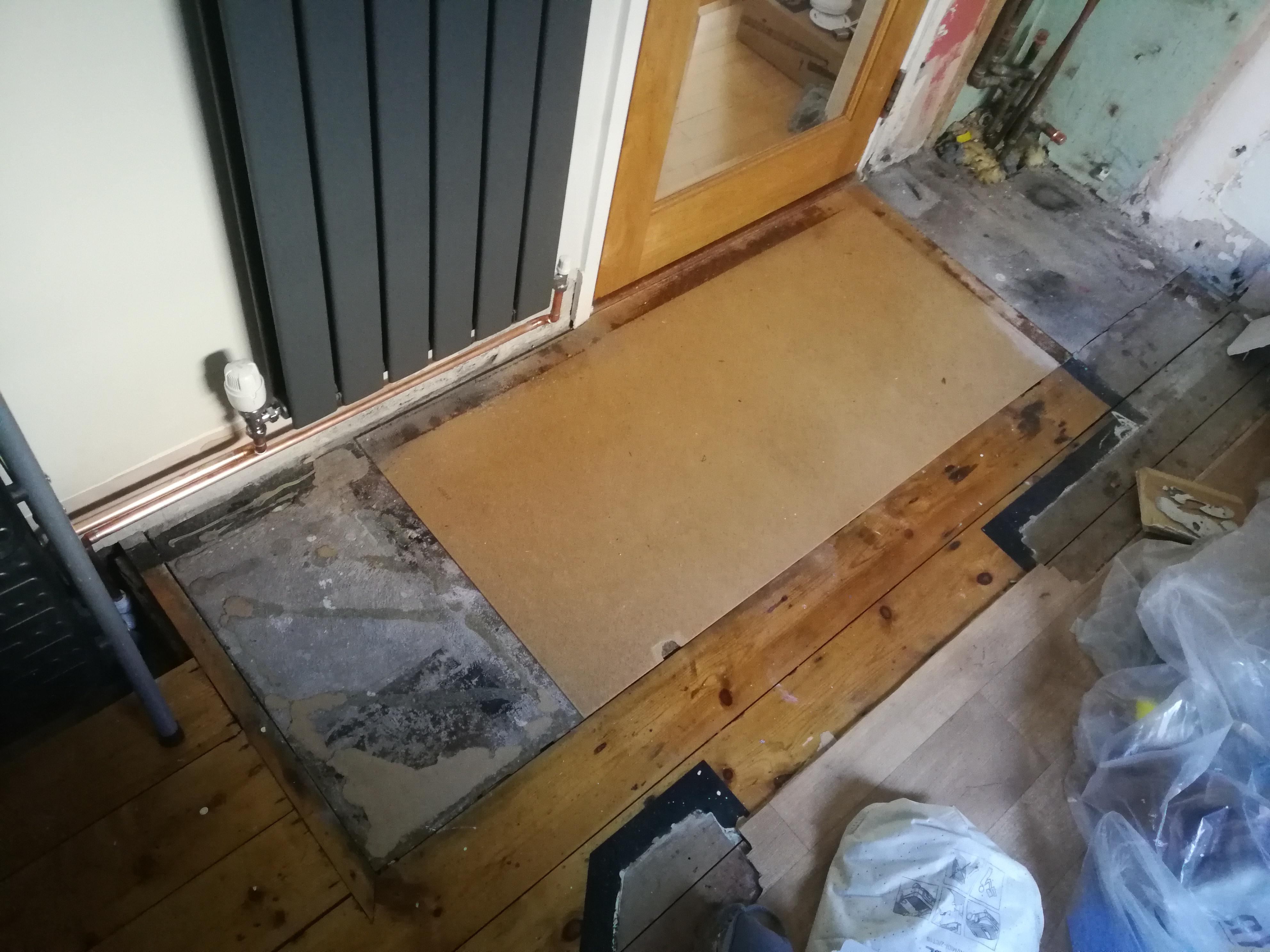
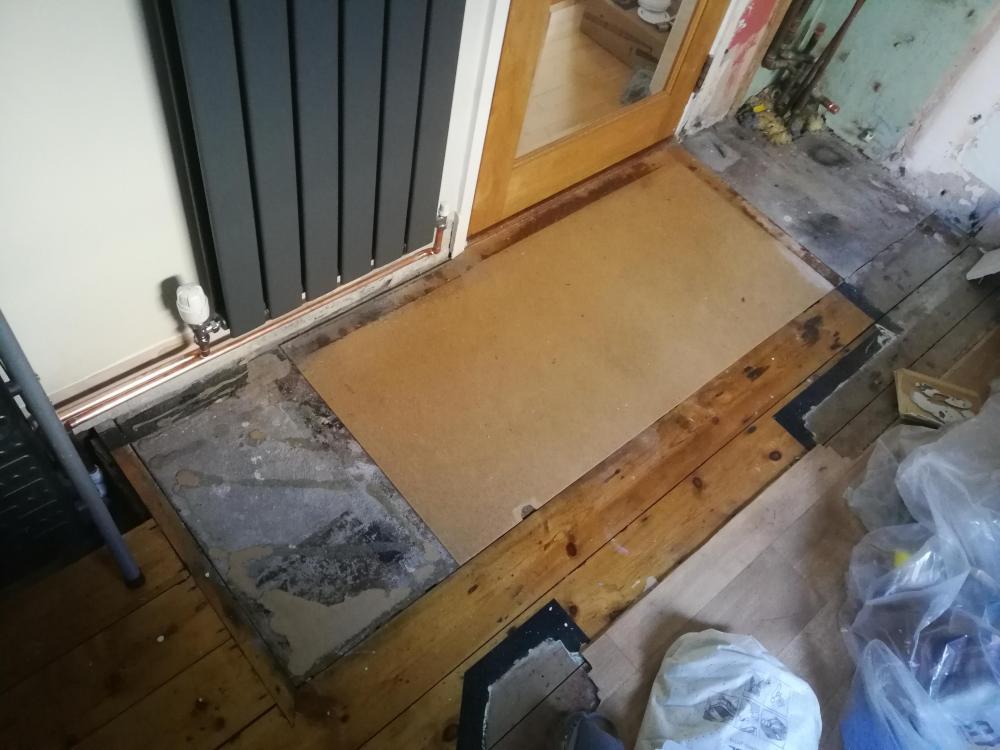
We lifted some hideous vinyl to get a radiator plumbed in, to find a varnished wood floor (nice!) and a slab of concrete exactly where the pipes needed to go. We think the concrete was where the cooker stood in the 1920s kitchen. The slab is about an inch thick and seems to rest on hardcore. The rest of the floor is suspended timber. It would be nice to have the whole floor as wood and to insulate the entire floor. As we're living here, how could we break it out making the minimum mess, particularly keeping dust down? An inch seems thick to break up by hand, but I can see a kango turning the hallway and rooms grey. And is there anything to watch out for in the makeup of slabs like this e.g. asbestos?
-
Welcome @Steves, it sounds a good crossover. You'll get lots ofhelp on here about the building side, while many new builds would *cough* benefit from a bit of advice on landscaping 😁 Me, I'm renovating and neglecting the garden at present. What's the current answer to ivy/wild strawberries/creeping buttercups that's not glyphosate?
-

MBC Timber Frame Open Day and Factory Tour 13th July 2024
Sparrowhawk replied to garrymartin's topic in Timber Frame
As it wasn't on the form, or the "News & Events" page, the location of the open day is Quedgeley Court, Shepherd Rd, Gloucester, GL2 5EL. -
Interesting I've got some walls like that too which look to be distemper onto lime plaster. @nod can distemper be plastered over?
-
Barn Paint. Anybody know anything about it?
Sparrowhawk replied to saveasteading's topic in Decorating
Tangential but I learned recently that the Scandinavian red coating is called Falun / Falu and comes in red or black. It seems to last well - I've seen a wooden clad house in Scotland painted 5 years ago with Falun and it looked like it had been painted this year. The owner was going to give it another coat this year to top up the protection. Shame it doesn't come in more colours. -
If you've got a principal contractor appointed and they have to meet the certification standards to get fully paid, it gives a well defined target to measure performance against. There's enough stories around of people who requested a "Passive house" (no certification) and didn't get the airtightness or thermal performance they were expecting. And I've seen the build cost difference put nearer 5%. For self-builders I think closeish works fine, because we're motivated to keep up quality and do the best we can.
-
Hi Sarah and welcome to the forum, great to see someone else here from Hampshire! We're renovating but if we had the option to knock down and rebuild I'd have jumped at it. Any reasons not to seek PH certification? It means that the trades you get are held to working to a standard because their work will be measured, rather than "Yeah it's closeish and that's good enough".
-
If you decide to keep the panelling and make access cuts as needed, check if there's lead paint under the layers of paint before you begin. It's not a massive problem, but you will need to take sensible H&S precautions when dealing with it https://www.hse.gov.uk/pubns/cis79.pdf
-
Fabric and ventilation heat loss calculator
Sparrowhawk replied to Jeremy Harris's topic in Heat Insulation
No. Airtightness is how much can come in/out without your control. Air changes per hour is the rate you expect to change the air in your house at (via MVHR or other means). Try 0.3 as a starting point (see Approved Document F or the Passivhaus guides for why) -
What route would you pick instead?
-
MVHR design
Sparrowhawk replied to galleon87's topic in Mechanical Ventilation with Heat Recovery (MVHR)
I'll message you directly with a list and indicative costs. -
MVHR design
Sparrowhawk replied to galleon87's topic in Mechanical Ventilation with Heat Recovery (MVHR)
Hi @galleon87 I say it's worth doing, even if your airtightness isn't as good as it could be. It means you can get rid of the bathroom/kitchen extract vents (a big source of air leakage which is excluded from the airtightness test figures), gives you enough ventilation on still days and - most importantly for some - filtered air. Plus you get the chance to improve airtightness in the future (new doors, windows etc) but running ducting in a finished house is seriously hard (I'm doing it now in a 1920s detatched house). If you can work out routes, fit the ducts now, it'll only be a few hundred pounds of plastic tube and you can decide later. If you haven't considered some airtightness measures yet, like a VCL over the insulation between joists and taped to the walls, or over upstairs ceilings, you're at the right stage to improve the airtightness of your renovation. I'd recommend reading pages 4-8 of https://www.passivhaustrust.org.uk/UserFiles/File/research papers/MVHR/2020.04.27-The Case for MVHR-v7 new cover.pdf and also https://www.passivhaustrust.org.uk/UserFiles/File/Technical Papers/Thermal bypass risks v1.0 222909.pdf for ways insulation can lose effectiveness that you might not have yet considered. -
Sorting drainage between patio and house
Sparrowhawk replied to Sparrowhawk's topic in Landscaping, Decking & Patios
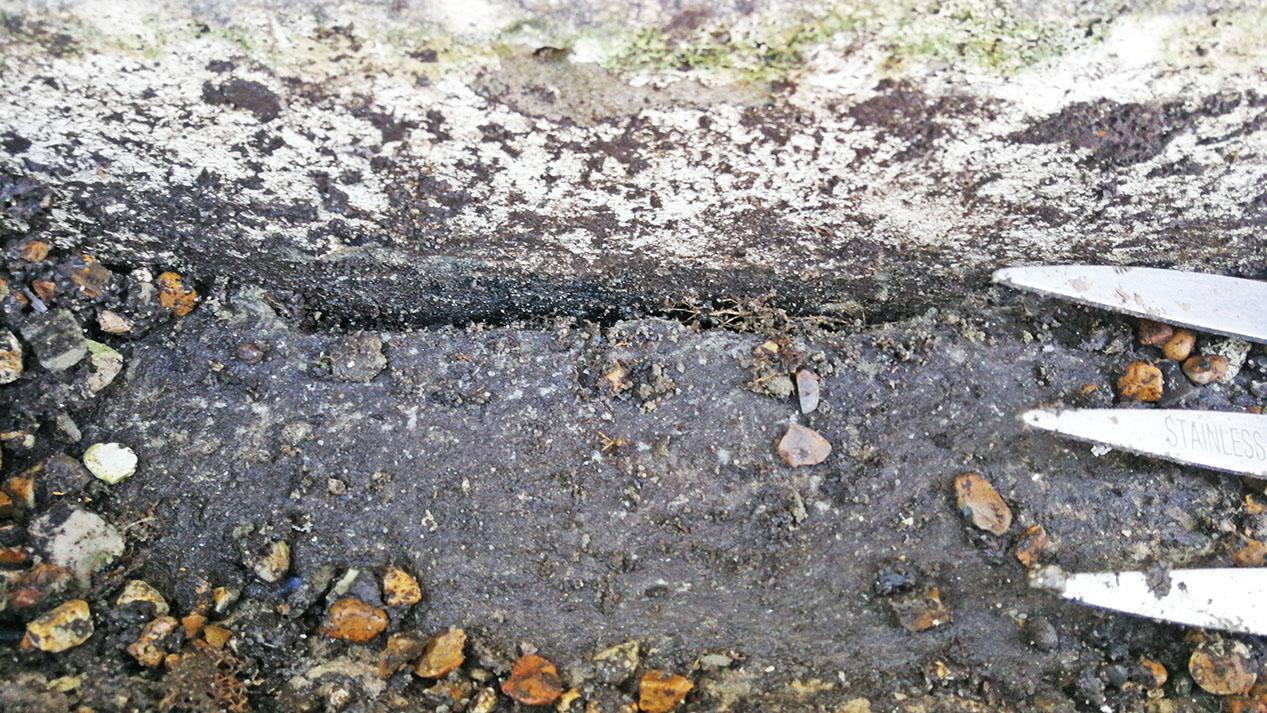
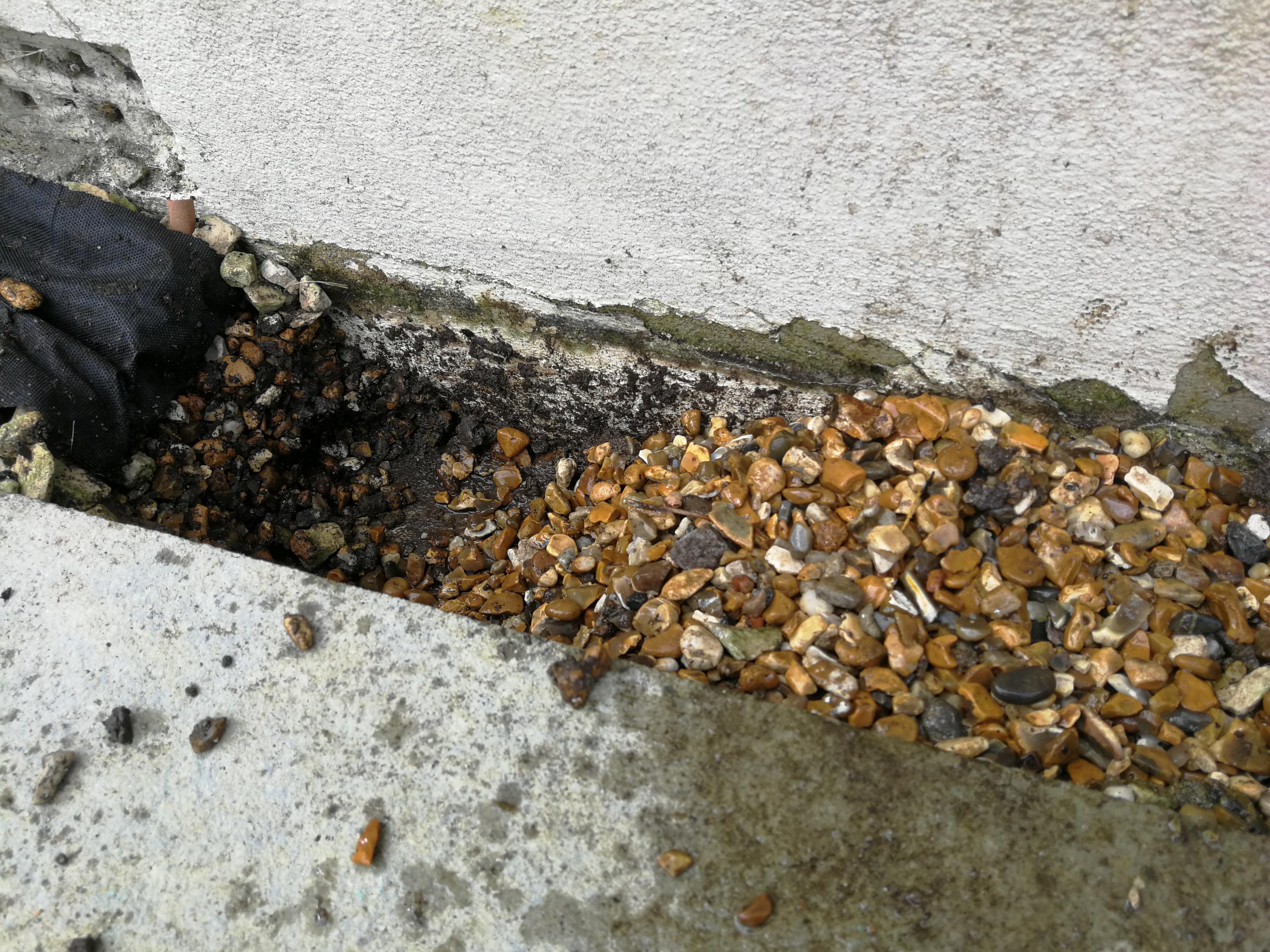
In one place it looks like roots have come through, against the house wall. Do I pressure wash this, push the small roots back through and then pack the hole with mortar? Or does it need more than this to sort?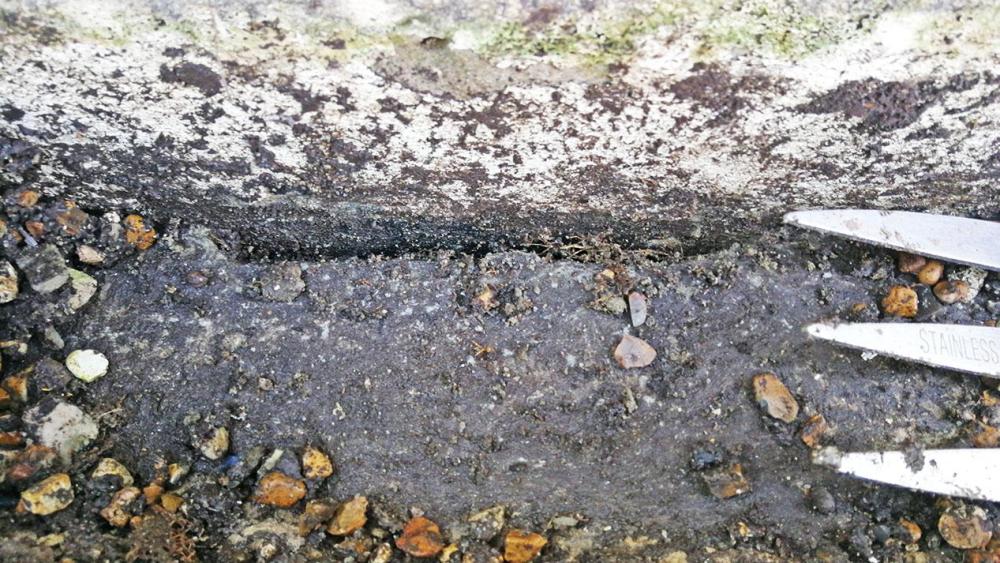
-
Have we got a good (definitive?) thread on Buildhub re 'mass', as I was going in circles over this picking glassfibre insulation. E.g. for loft insulation will 40kg/m2 make a difference over 11kg/m2, which will be better than 8kg/m2? Don't want to derail this thread so if there isn't one to point to, let's start a new thread on the subject.
-
Sorting drainage between patio and house
Sparrowhawk posted a topic in Landscaping, Decking & Patios
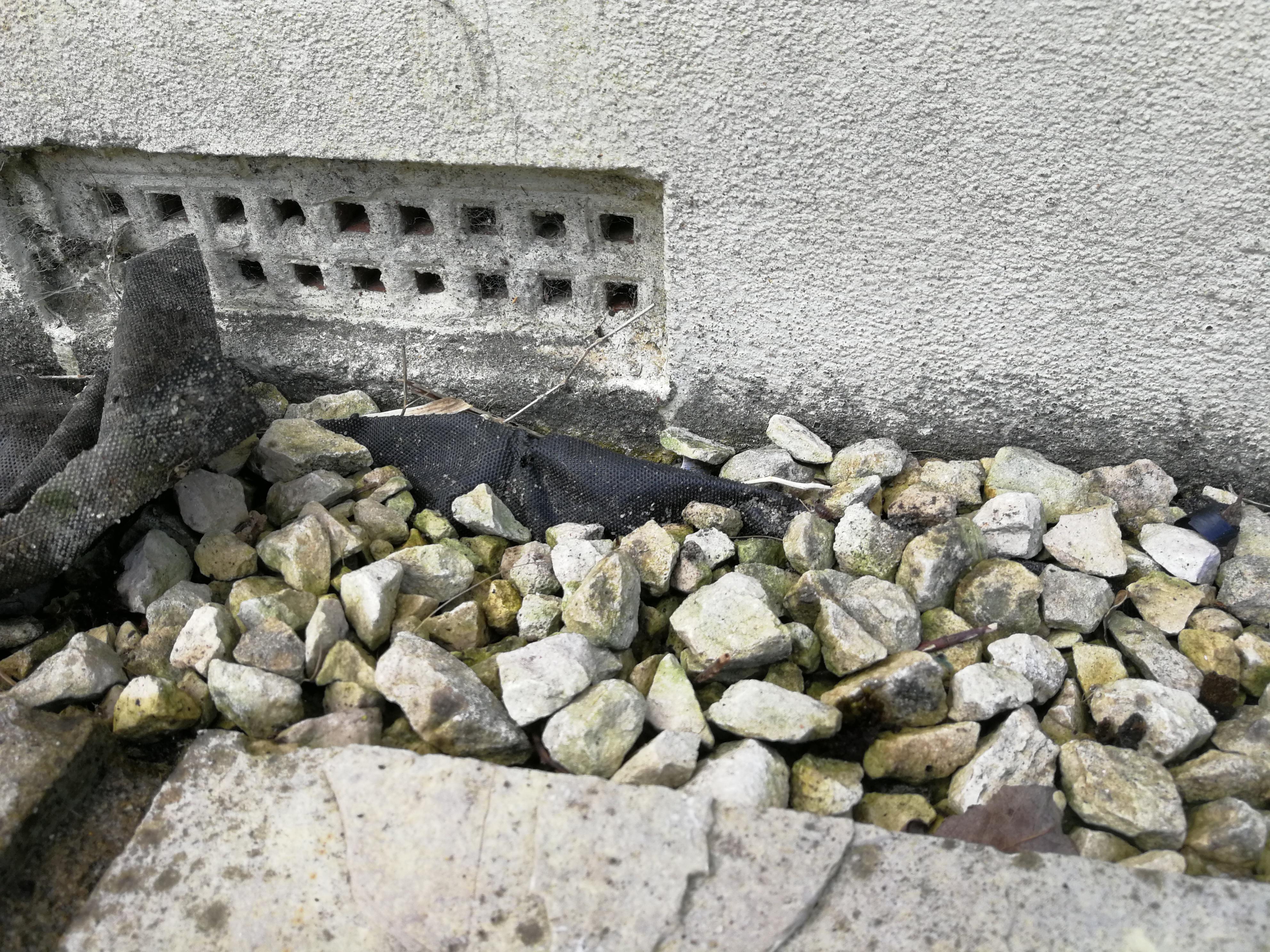
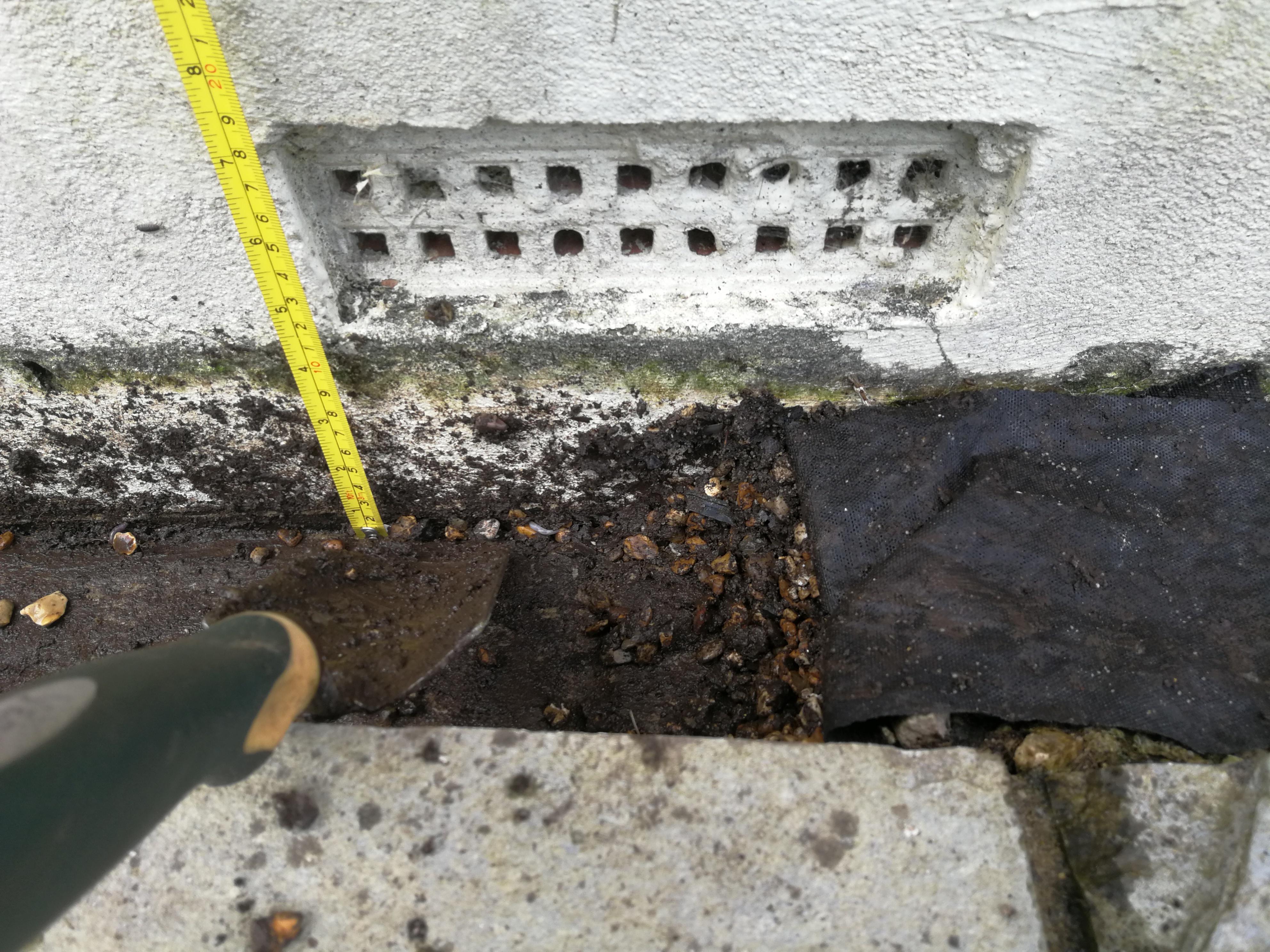
The patio laid to sell the house is level or slopes gently towards the house, and between the house and the patio is a 10cm x 10cm shingle filled drain, that at one end is connected to a soakaway. The wall is getting more stained and the paint coming off the render, and in heavy rain I've seen water reach the airbrick. Water sits on top of whatever this membrane is and drains slowly, usually off the edge by the house. I dug a section out today and the shingle was pretty full of earth and earthworms. I washed this shingle and put it back in without the membrane on top. I'm guessing I need to clean all the shingle in this way so it will let the water drain quickly. Is there anything else I should be doing? Do I need to put strips of membrane back down? And what about the render? I understand it's unusual to have render across the DPC.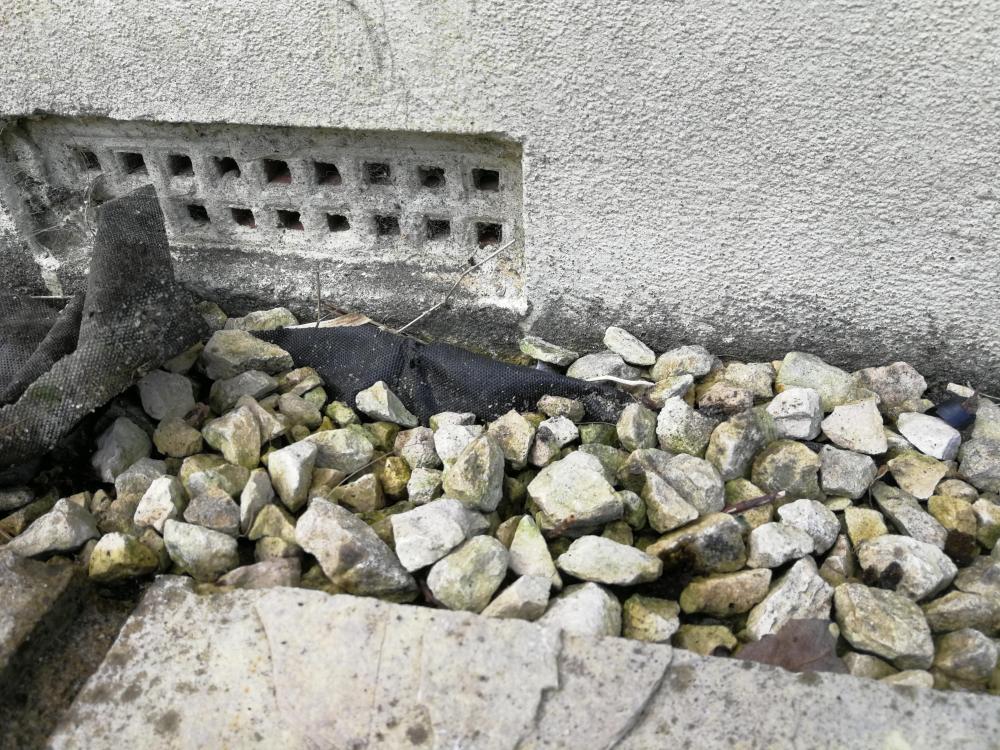
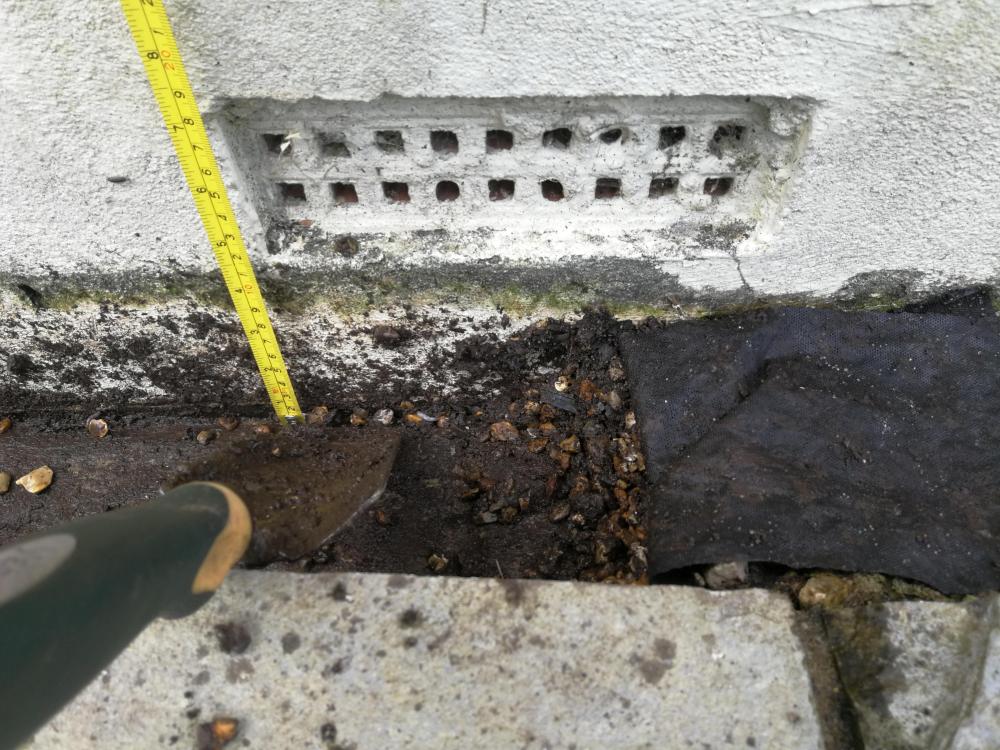
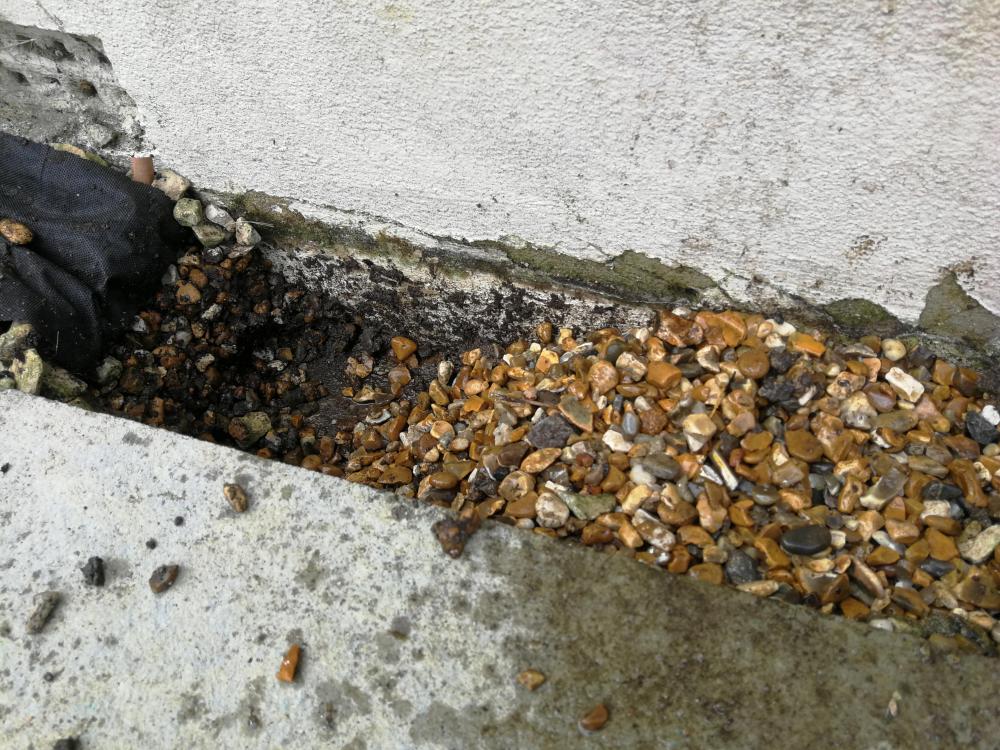
-
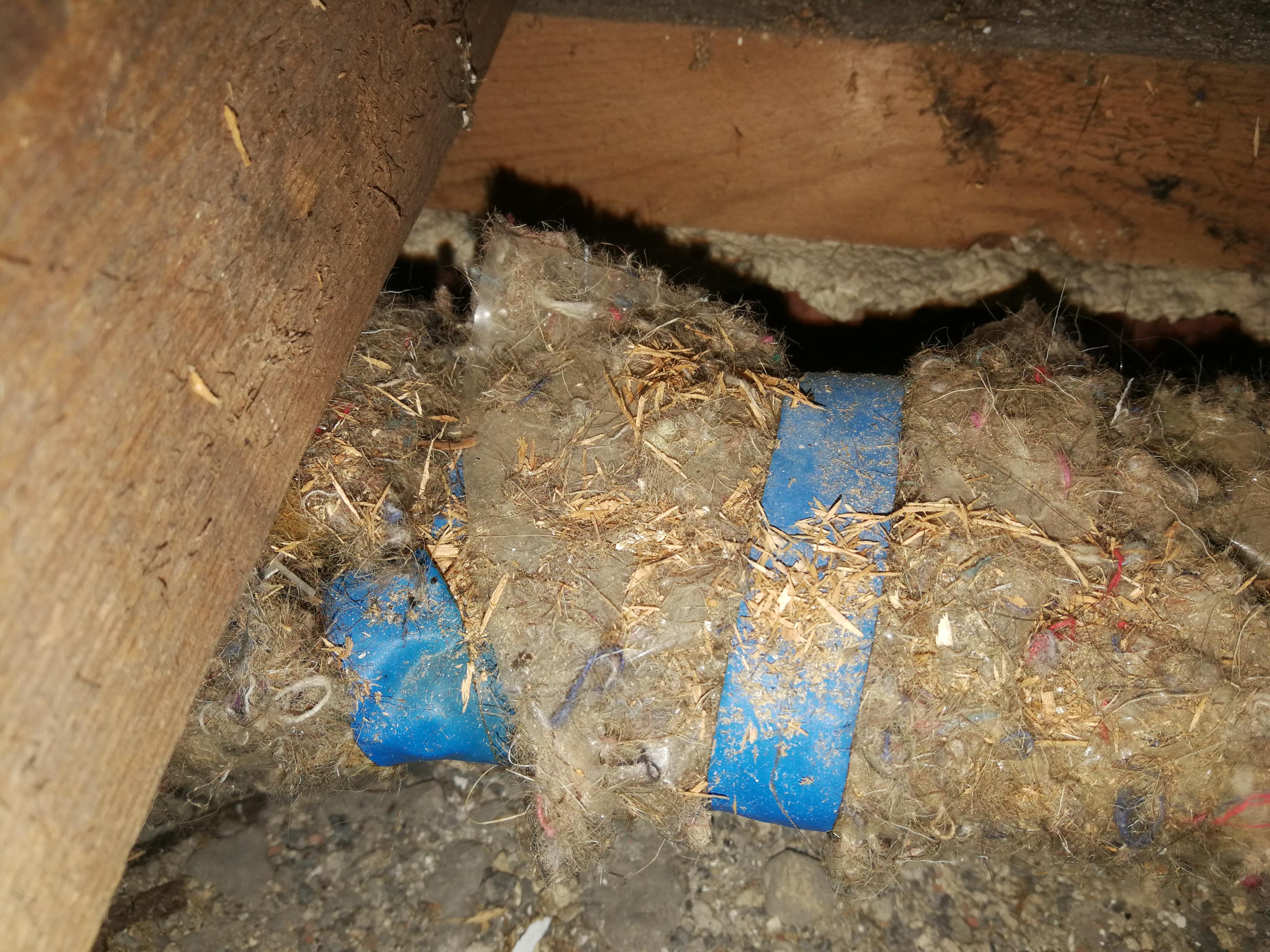
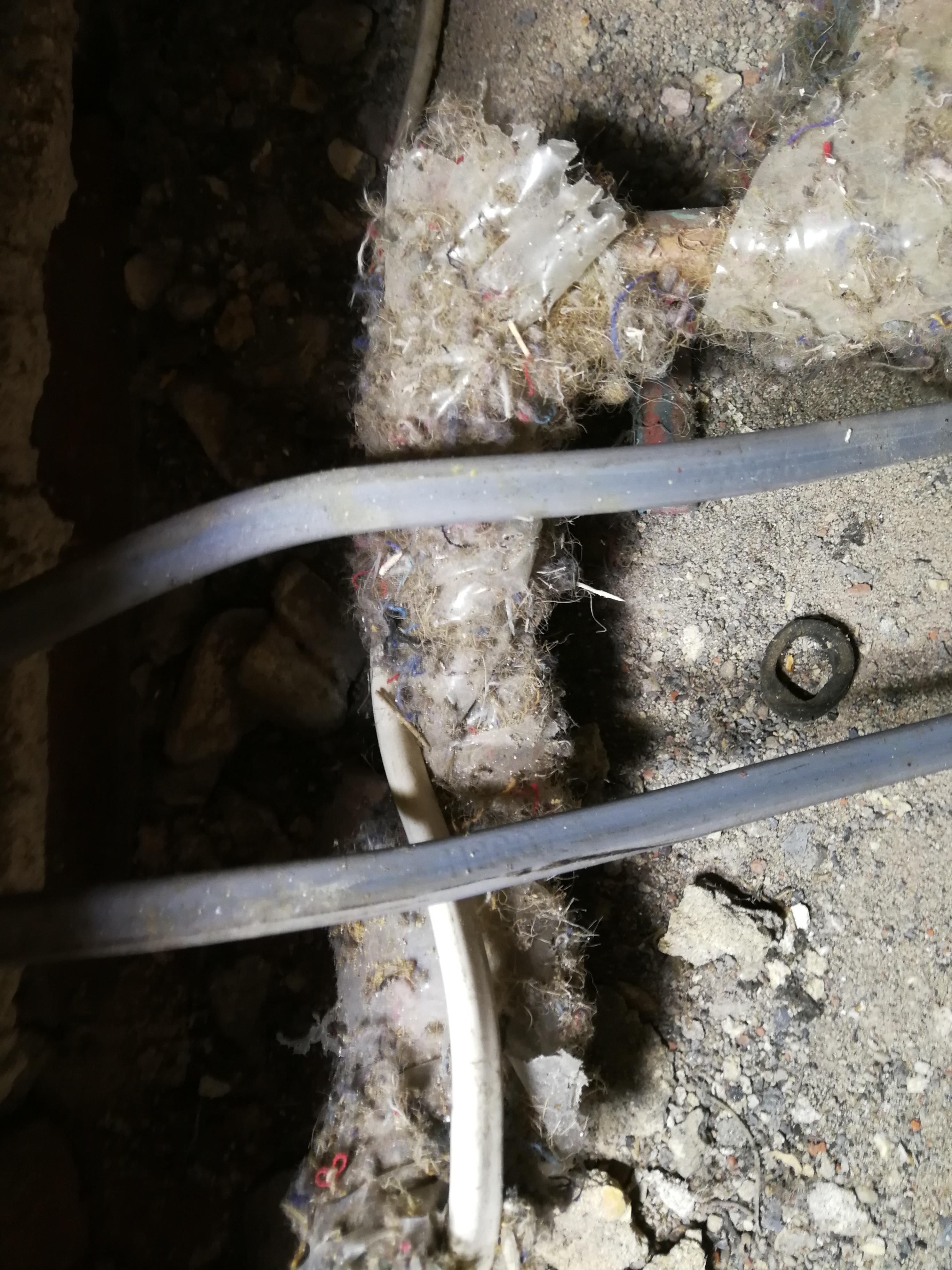
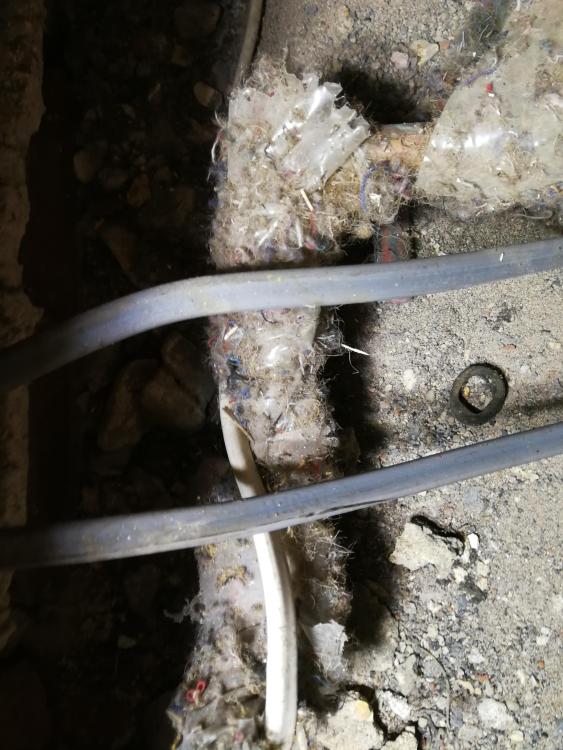
I've lifted my suspended floor to insulate and the heating pipes are wrapped in something that looks like felt or cotton waste with a plastic layer in it. I'm guessing this doesn't do much for insulation in the vented floor void, but is it worth replacing, and if so with what?
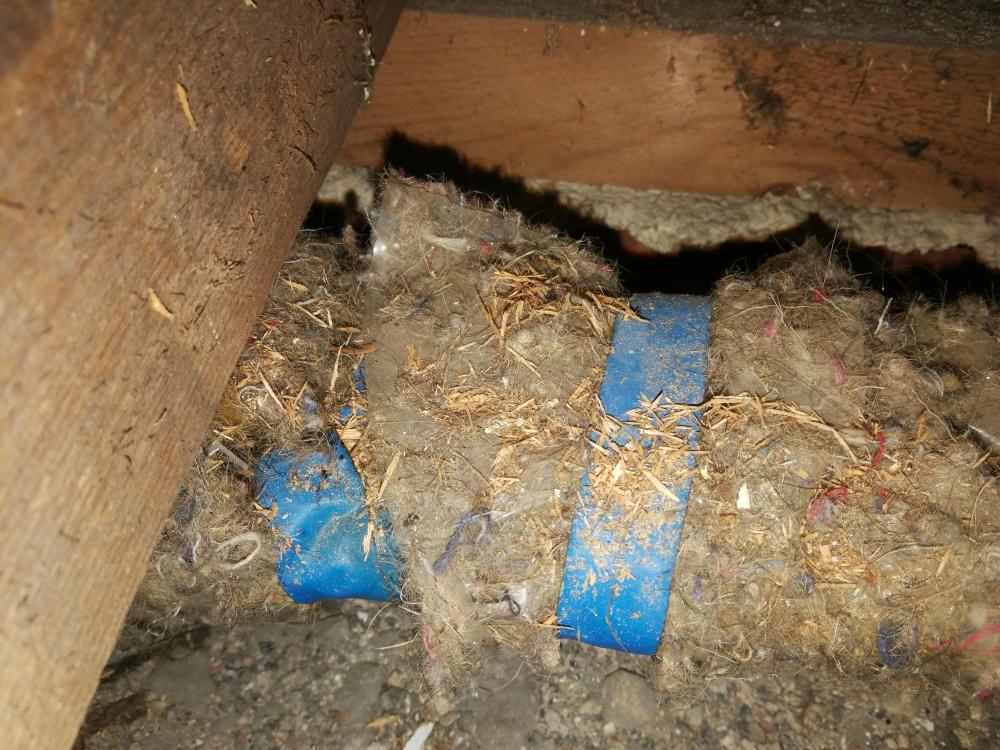
-
That's my guess too. If true it makes the unit less good value, as after 14 years' operation the fans must be getting knackered.
-
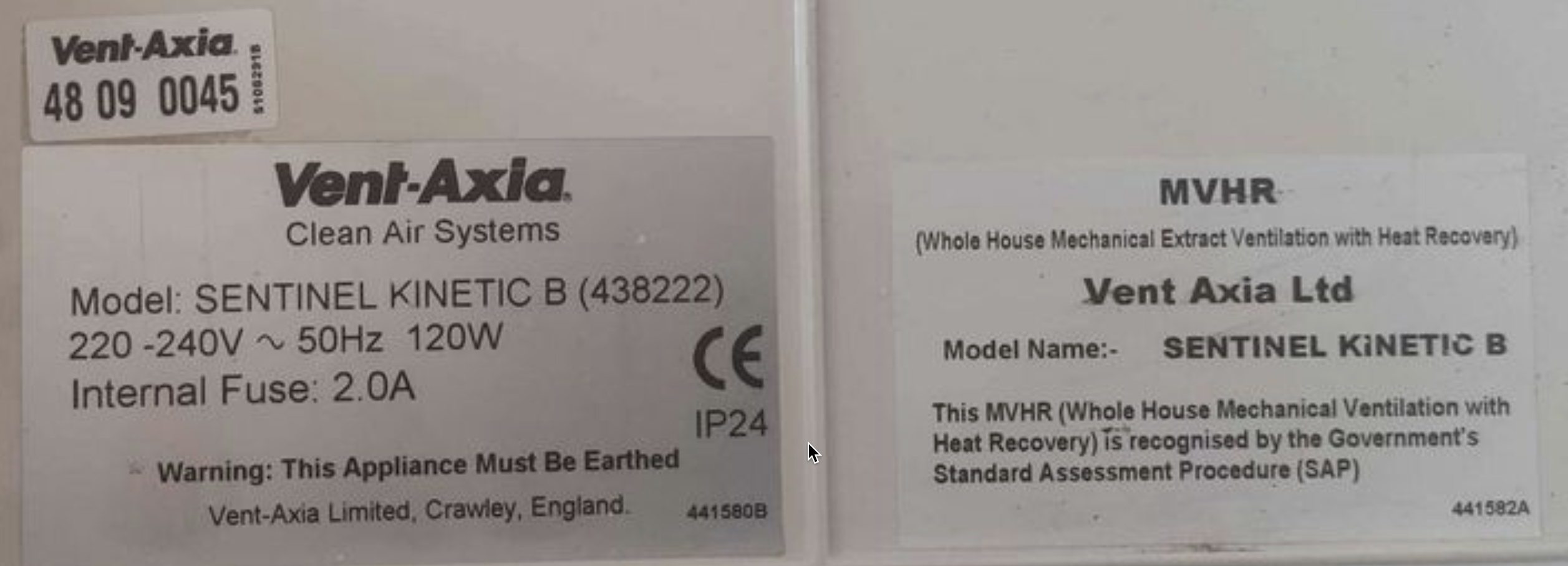
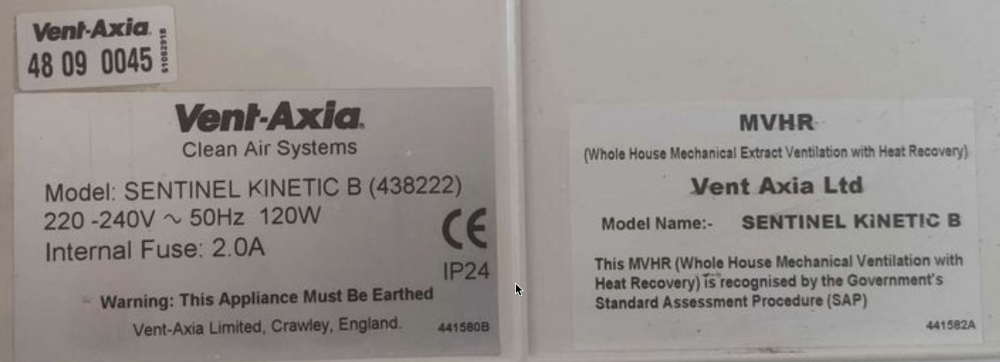
I've found a second hand Vent Axia Sentinel Kinetic B going cheap. Do any of the codes give a clue to its age?
-
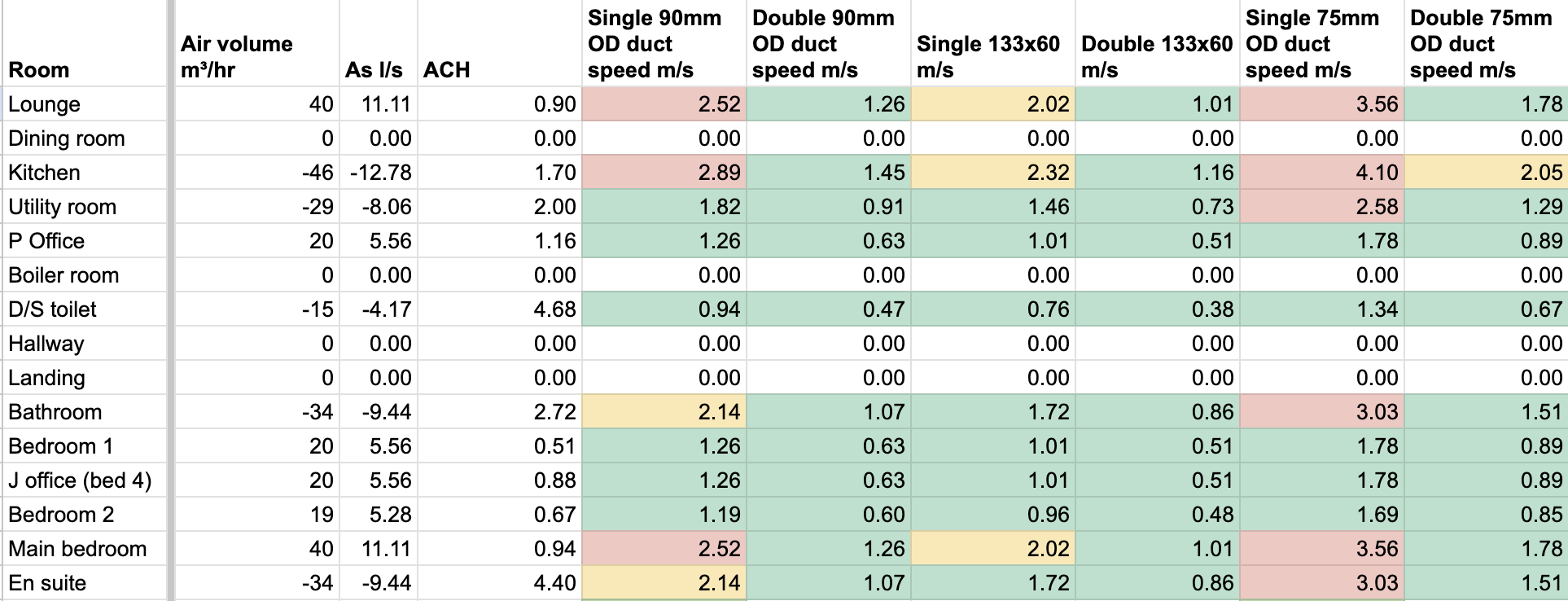
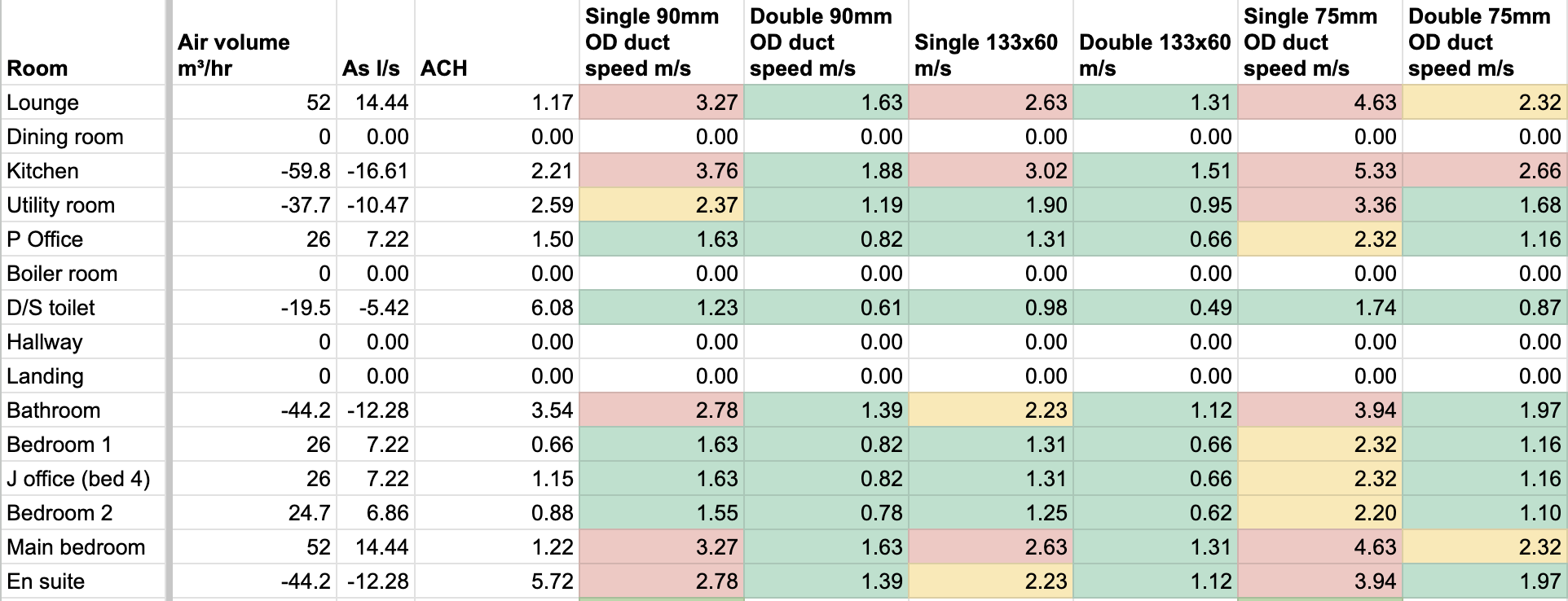
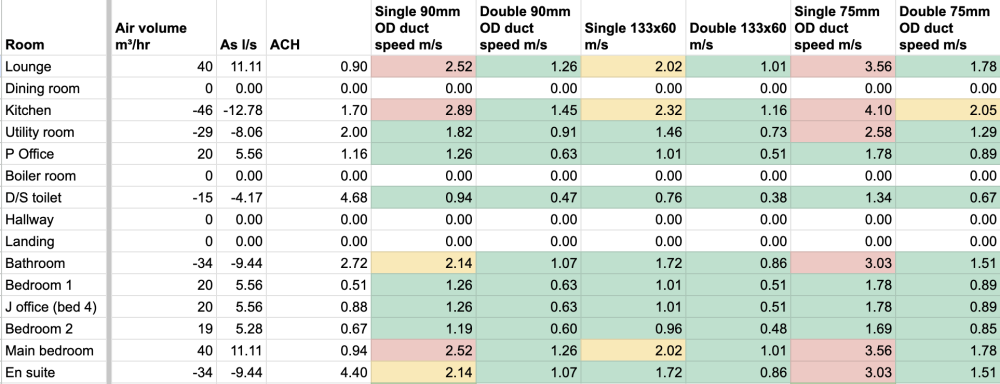
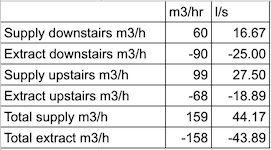
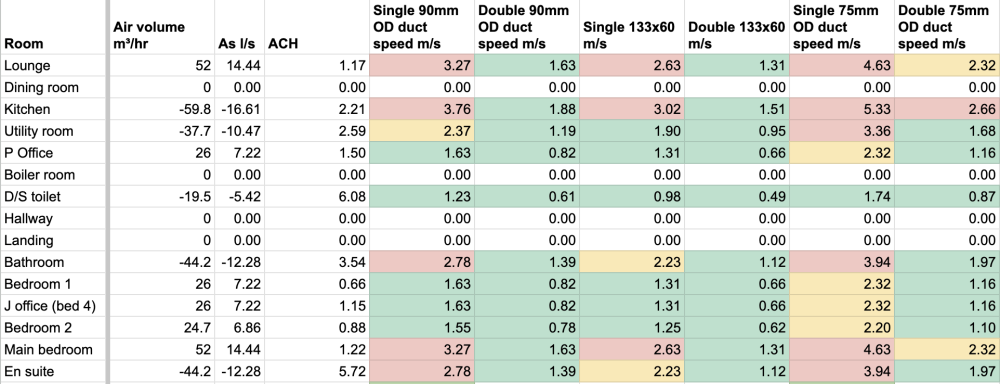
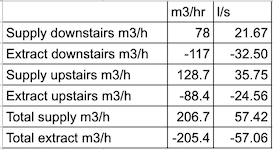
Latest update: I've redone the floor area reducing it for the skeilings, excluding areas under 1m in height and taking 50% of the floor area for areas 1m-2m high. 50% seems to be the done thing, but makes that part have an effective ceiling height of 3m instead of the 2.5m elsewhere 🤷🏻♂️ That gives a floor area of 142m² (previously 162m²) ADF for a 4 bed (Table 1.3) = 133.2m³/h ADF on floor area (1.24a): 154m³/h ADF boost extract rates (Table 1.2): 156m³/h And 0.33ACH of the volume is 120.6m³/h So designing for a minimum ventilation rate of 154m³/h: This gives distribution of (downstairs = lounge/P office, upstairs = bedrooms) For 2 of us in the house I expect to need to turn this down (based on forum members' experiences), but I think we should still have 40m³/h into our bedroom which will need it rebalancing. We will see. Nevertheless, I thought I'd best calculate a boost mode. I arbitrarily chose 1.3x (the Passivhaus figure is 1.42x). This results in: with distribution as Should I keep boost mode under 2.5m/s? If I should, Boost mode means doubling more duct runs. This leads to unit size. Blauberg talk about a 40/70 rule, where "The trickle rate is no more than 40% of the MVHR units full speed. The boost rate is no more that 70% of the MVHR units full speed.". Is this a common rule of thumb? 159m³/h is 40% of 397.5m³/h. 207m³/h is 70% of 295m³/h. I'd been thinking to use a Zehnder Q350 (rated by PHI for 270m³/h) or Brink Flair 325 (rated by PHI for 251m³/h). Given my floor area's only 142m² getting a result that says "increase unit size" sends me looking for a mistake. Looking at the initial quotes I got based on 155m2 floor area, BPC specced an "Up to 425m³/h" unit (will be less once F7/G4 filters are added), GBS a Zehnder Q350, HS&L a Zehnder Q350, and CVC a Brink Flair 400 (rated by PHI for 313m³/h). So a bit of a spread.
-
Full house renovation with MVHR
Sparrowhawk replied to Pappa's topic in Mechanical Ventilation with Heat Recovery (MVHR)
Hi @Pappa and welcome. First question, are you planning, designing and installing the system yourself? Do you want to pay someone to plan and design the system and then you installed it yourself? Or are you looking for everything to be taken care of for you? This forum is full of tips and advice. It's interesting to see how much people's practices have evolved over the last five years if you dig back into the older archives in the forum. People's ideas of what ducting should be like and machines they use have changed a lot. One big decision to make is how much you want to spend. A lot of people use cheaper MVHR units like the Ventaxia Kinetic Sentinel. While others use passivhaus quality machines like those from Zender or Brink. I'm in the middle of doing calculations for my retrofit (see https://forum.buildhub.org.uk/topic/38091-critique-my-mvhr-plans-round-2/ and other threads). For me getting the ducts from ground floor to first floor is taking most of the brainwork. I'm leaning towards using one of the more expensive passive house quality machines. But honestly just having the ventilation will probably make the most difference rather than the machine used. -
I've seen it quoted on MVHR supplier sites and here, but where does it come from and why? Is it draughts, or air moving faster than this is audible (in any diameter pipe)?
-
Airtightness approach for suspended floor PIR insulation?
Sparrowhawk replied to Sparrowhawk's topic in Heat Insulation
Which side of Glidevale VP400 lets moisture out - the printed side? Or it doesn't matter which way up it's installed? -
Cost comparisons - Aluminimum Clad Windows
Sparrowhawk replied to DavidG's topic in Windows & Glazing
Where would you say NorDan and Norskken sit? I ask as their windows looked similar to me but their quotes are quite different. -
Lifting first floorboard without damaging others
Sparrowhawk replied to Sparrowhawk's topic in Wood & Laminate Flooring
Heed this man. I've finally bought one of these (the Faithfull one off Amazon) and it's a gosend for L cleat floorboard nails which are rusted and stuck in the joists. -
Airtightness approach for suspended floor PIR insulation?
Sparrowhawk replied to Sparrowhawk's topic in Heat Insulation
Cheapest breathable membrane I can find to go over the joists and hold the mineral wool in place is https://www.fixdirect.co.uk/product/breathable-membrane-100gsm/ at £35.50 for 50m. Will that do the job or at 100gsm tear too easily? They also do 140gsm which is still a hell of a lot cheaper than Pro Clima Solitex Plus (170gsm).