Iceverge
-
Posts
4485 -
Joined
-
Last visited
-
Days Won
32
Everything posted by Iceverge
-

Bungalow knock down and rebuild in Worcestershire
Iceverge replied to mads's topic in Introduce Yourself
Fabric first. This really means a good form factor, good insulation (including thermal bridges) and AIRTIGHTNESS!!!!!!!!!! Get these right and you can burn baby Panda's and still have a very low impact house. Congratulations on the decision to knock and rebuild, It's absolutely the right one. I too had no experience in building but like @jack says you'd be surprised how quickly you'd pick it up, especially as you have a technical mind already. Plumbing, MVHR, Airtightness are all jobs that can save you £1000's and with the products available don't require any extraordinary skills. Have you decided on a build method you'd like to use? The best one of course will depend on the house design, location etc. At the moment my favourites are Stick build on site Masonry Maybe ICF but I'm still reading about it. -
Most builders would who supply would just quote for the whole thing eg "extension" not the "extension + pile of unused crap in the garden" so I would say the material not used is rightfully theirs. In theory these who are better at reducing waste and taking the offcuts to the next site can offer a more competitive price in the first place so I don't think you're really loosing out.
-
ICF How much more expensive ?
Iceverge replied to Dave Jones's topic in Insulated Concrete Formwork (ICF)
I think I actually worked for a company that his company eventually bought, but that's neither here nor there! Are those metal webs the same as the ones @Jenki has? -
By the time you've paid someone to do it properly spray foam would be just as economical. @JohnMo used it in his roof. Maybe he could review my idea and comment.
-
Roughly how much per m2 are the blocks? Did you use them for internal walls too? The idea of screwing to the metal webs is a great one. Someone in here was faced with drilling and concrete screwing hundreds and hundreds of holes for battens for cladding insulation. Different EPS ICF. Can't remember who. As an idea one could use the thinnest EPS ICF as a structural wall. Then using timber frame cable ties add an external masonry leaf and use EPS blown beads for the cavity. It might be a relatively economical method of getting to very good U values and Airtightness with a durable external finish. It'd be also excellent for thermal bridging with the ICF.
-
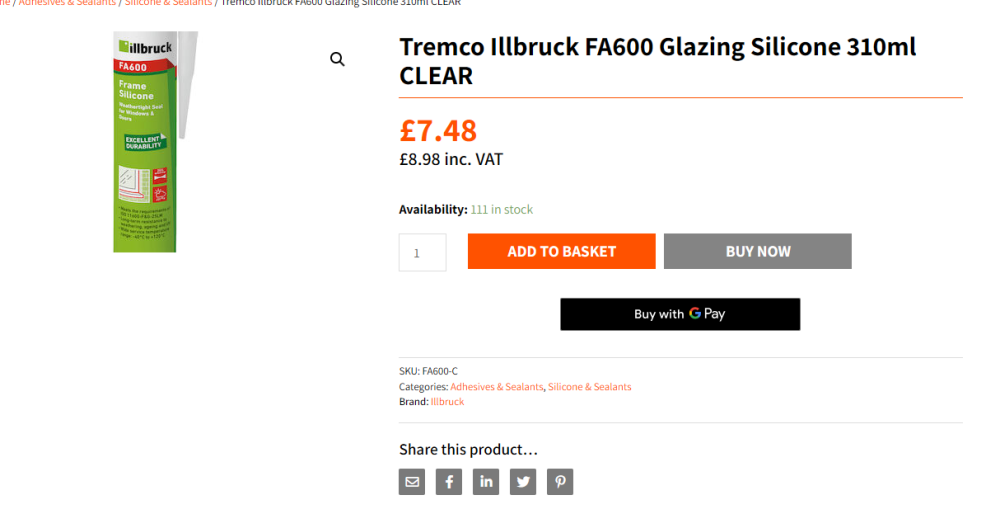
If you pop the plastic on top of the hinges off there should be a cam type adjustment in there similarly on the frame there should be adjustable recesses for the door catches. Get a piece of paper and slide it into all the gaps between the door seal and the frame and adjust until the paper is trapped with a nice seal ( no too tight) Get some of this and use it to seal up the gaps between the frame and the brickwork. Do the same internally if there's any gaps. Trim it level and cover the joint with something like this. Be careful here, you may need to mask any of the frame you don't want to be touched. You can repeat inside too. Get some silicone spray like WD40 and give the rubber seals a good going over. Finally get some clear spray grease and lightly grease the hinges and all moving parts. If all this doesn't help get new seals or else a new door.
-
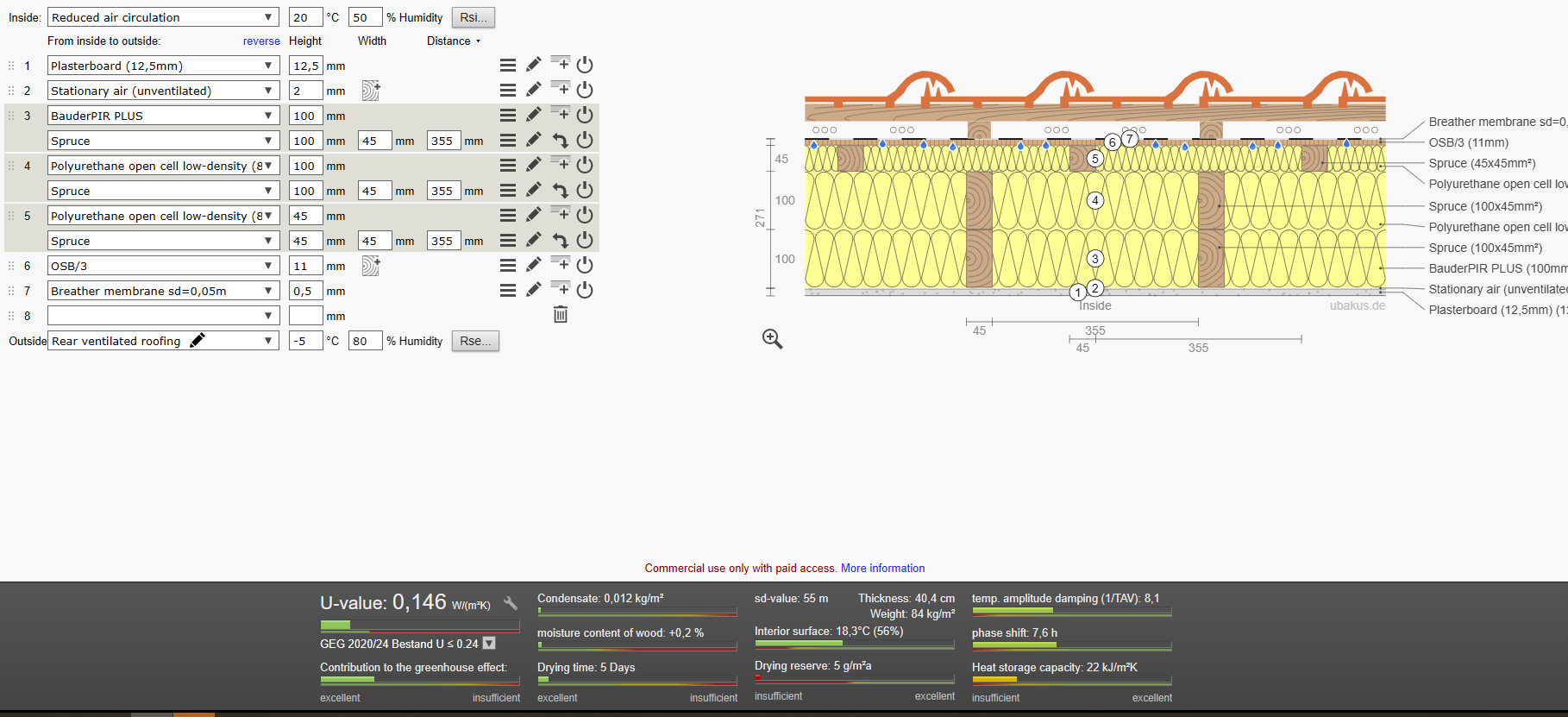
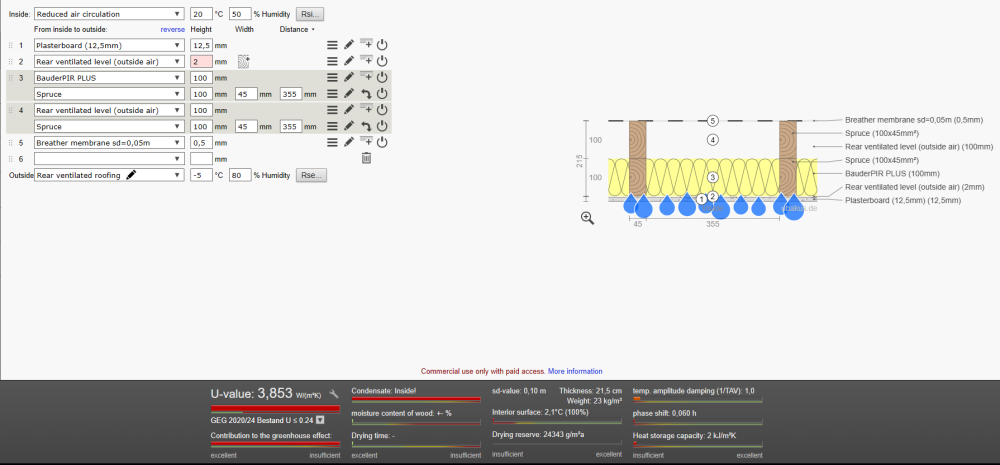
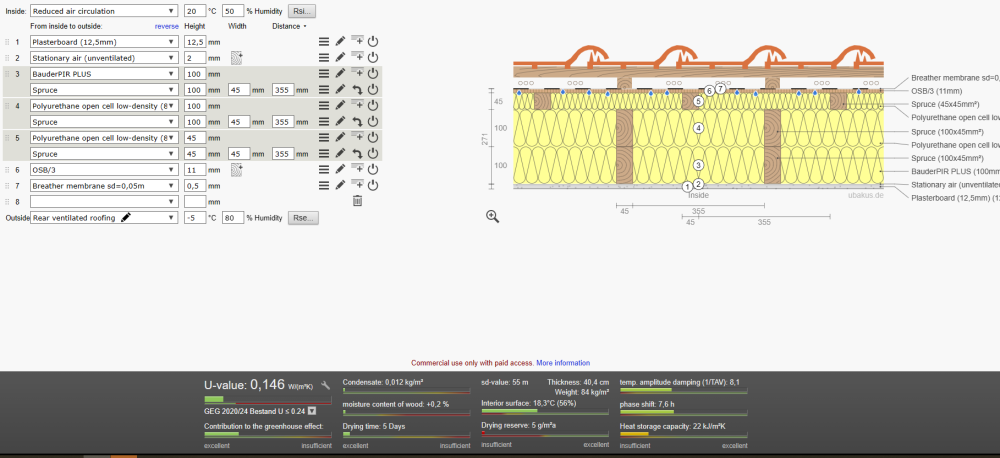
This solution is unlightly to fix your issue as you'll still have lots of bulk air movement. Like I said AIRTIGHTNESS is the huge issue here. If I was doing it myself (literally DIYing) I would consider having an external airtightness layer and full fill insulation. However I wouldn't hand this task off to anyone short of an OSD watchmaker in a cleanroom, and even then I would make sure I had mechanical ventilation internally. A dMEV like this would be fine. Open cell spray foam would be an (almost) idiot proof way to give excellent airtightness. You could omit the layer of 45x45 timbers building up the roof and settle for a U value of 0.17W/m2K. This is probably a worthy compromise as an airtight build with any even any hint of insulation ( say a U value < 1W/m2K) will be able to be warmed to a satisfactory level. In your case you could have passivhaus U-values but the drafts will make it unheatable as you've found out. However I would keep the OSB sheathing. Spray foam involves a lot of trimming if done in an open cavity. Also I'm coming to the conclusion every roof should be sheathed for rodent protection, noise and durability in worsening weather. ( I wish I'd done ours) .

-
Closed cell foam is watertight so ingress isn't really an issue. Not 100% sure for foam. We closed our cavity with a 500mm strip of held under 2 x wall plates but that was for EPS beads.
-
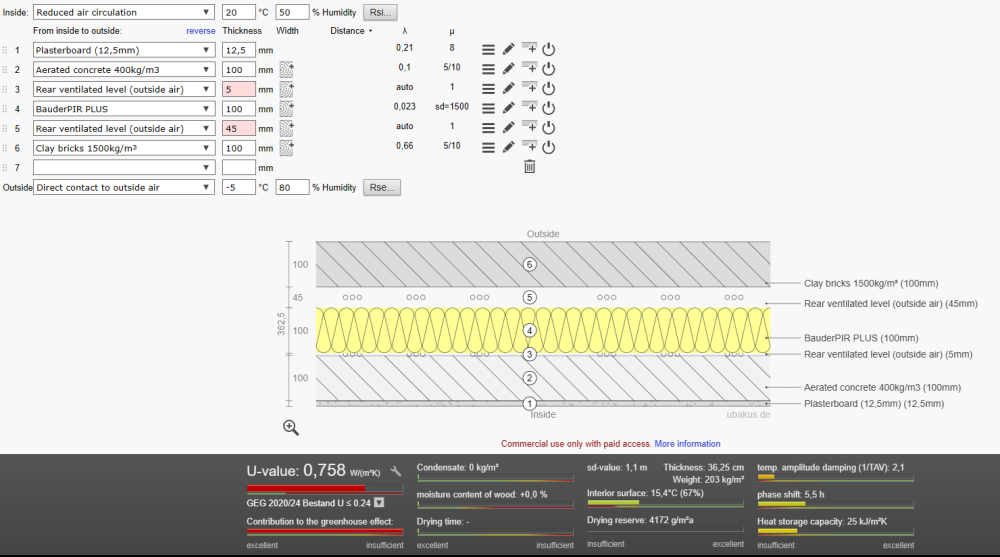
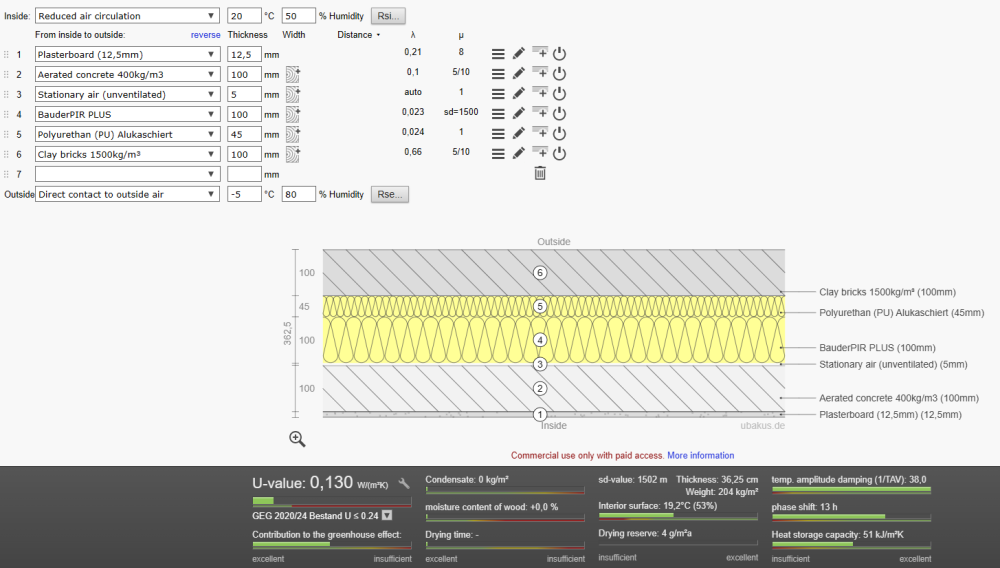
I have never ever seen PIR boards fitted properly between timbers or in a cavity wall. I actually don't think it can be done. This of course was a poor effort but sadly I've seen worse.
-
Before AFTER
-
Before After
-
Cavity external doorways- returning blocks inside to out?
Iceverge replied to daunker's topic in Brick & Block
It certainly does, How wide is your door frame? If its say 80mm you could easily have the door supported on 40mm of concrete externally and floating over 40mm of PIR internally. So long as there was a continuous line of insulation this would work fine. -
How to space two parallel reinforcement bars vertically?
Iceverge replied to AartWessels's topic in Foundations
I've been pouring some 2.4m long 220x220mm concrete gate posts recently for the farm. I included 4no 12mm rebars inset about 40mm from each corner for strength. I racked my brain about a satisfactory method to hold them in place and settled on shoving in some bars from the sides of the form to support them until the concrete set and hammering them out again. I wouldn't have even imagined your method could work I assumed the bars would just settle out of place when i vibrated the forms ( AKA hitting with a lump of timber). Its reminded me I need to seal the holes left by the supporting bars now. -
ICF How much more expensive ?
Iceverge replied to Dave Jones's topic in Insulated Concrete Formwork (ICF)
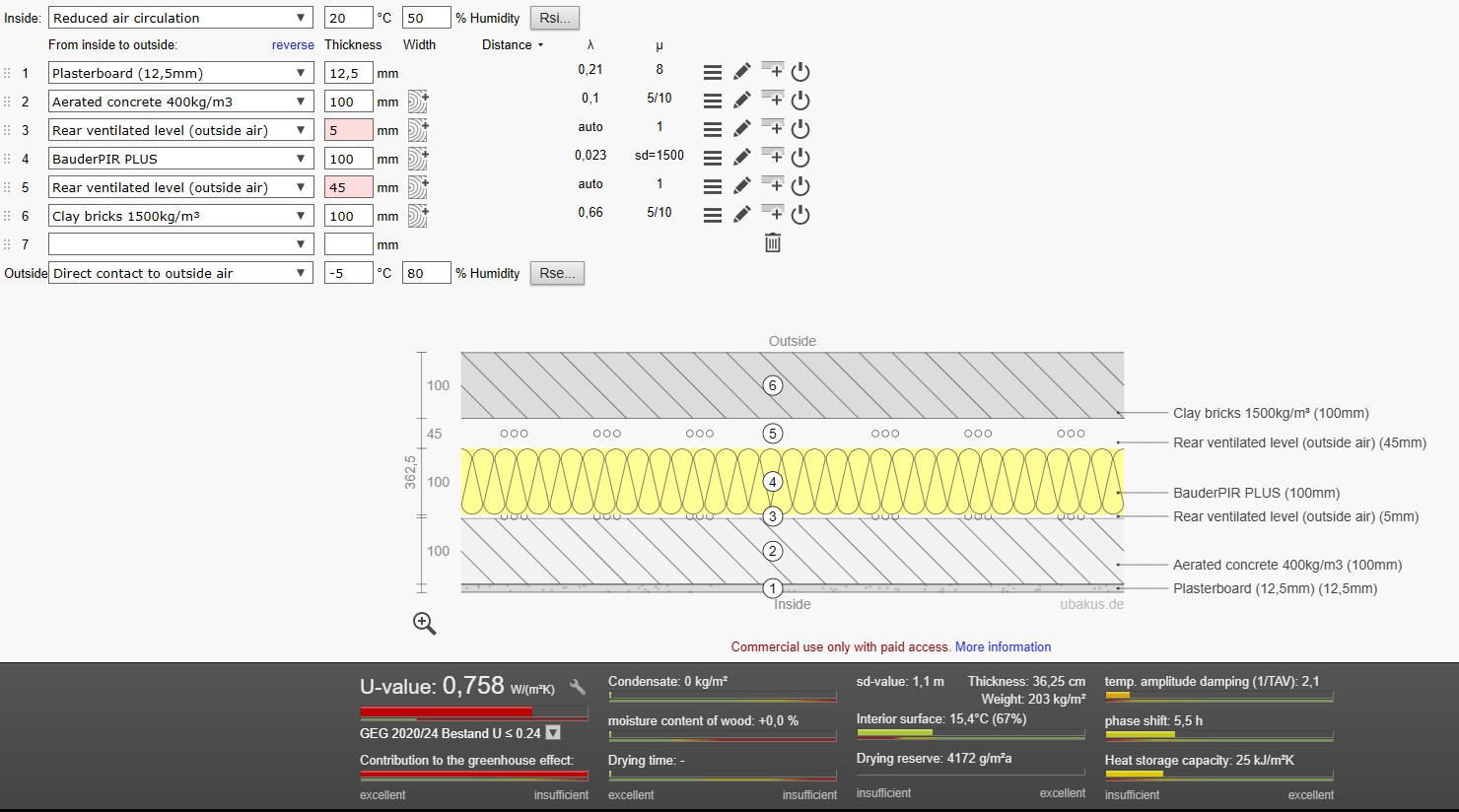
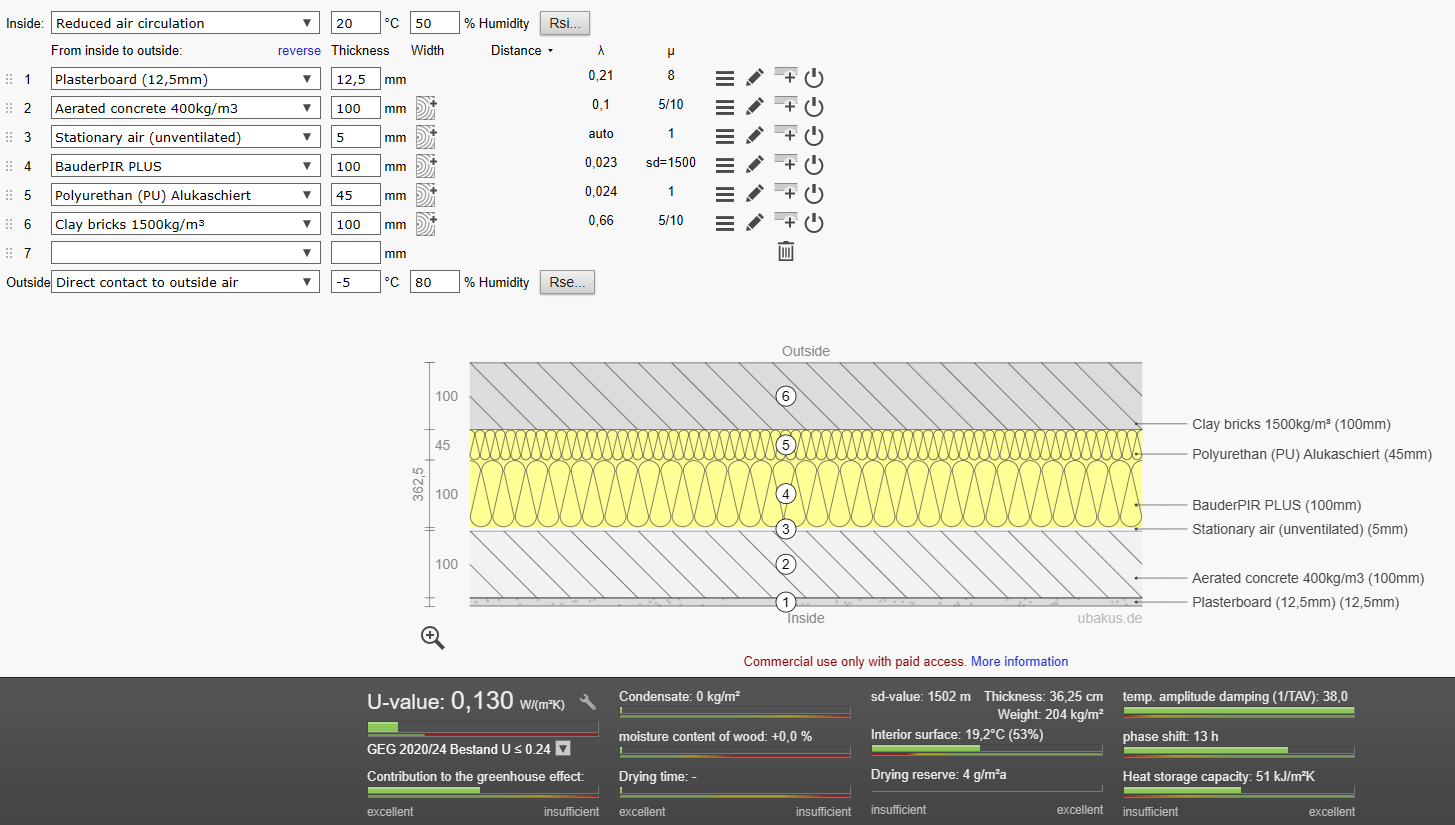
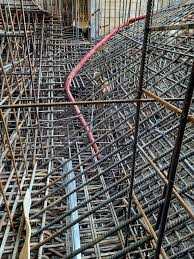
Resurrection of a dusty thread here. Do you have any sketches/snaps of the overall rebar quantities in your wall? I'm basing my ICF knowledge on EPS systems that seems to incorporate Yangtze dam levels of steel. Here's What's in my head.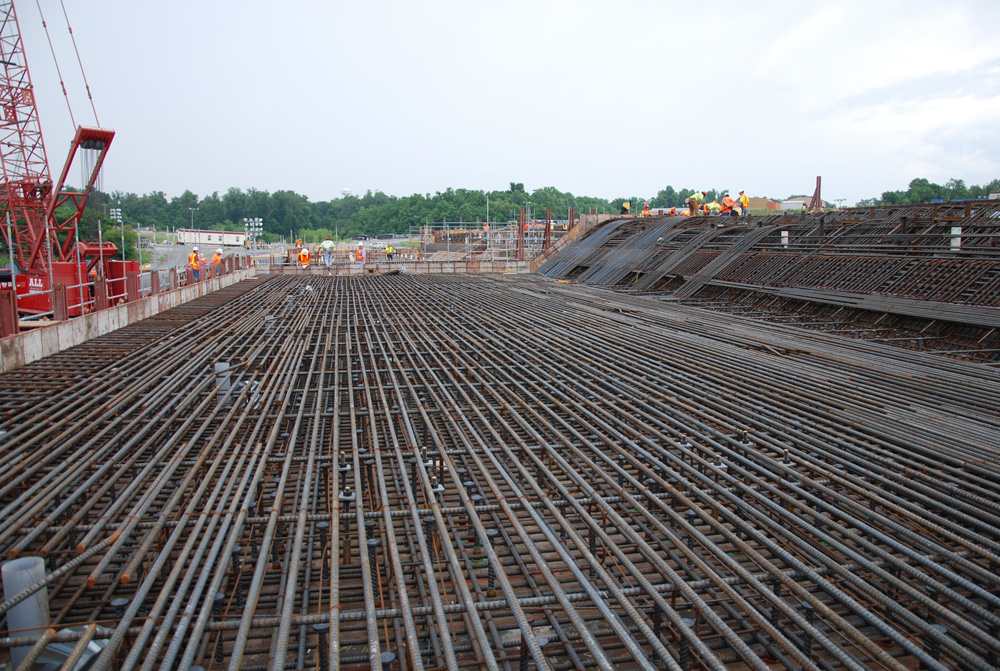

-
Spray some normal Delux weathershield paint on it. You could do it with a brush but it'll take you until the end of time and infinite quantities paint.
-
Sounds like a good system. I'm assuming the walls now feel "solid" to tap with your hand? How do you fix stuff to the wall? Did you add ply/Osb for the kitchen? How about hanging pictures etc? I've not considered it but I suppose insulated plasterboard (as much as I normally hate the stuff) could be a reasonable option for ICF for easily boosting the U value .
-
The mineral wool is almost certainly wet because of airborne moisture condensing as it makes its way outside and condensate. Wool is NOT airtight! If you are sealing this I would recommend you use some Airtight tape or sealant or foam.
-
Airtightness and vapour permeability are two different things. Airtightness is to do with literal holes and gaps that wind can blow through. This is how almost all airborne moisture (originating inside the house) gets into a structure and causes damage. This is the BIG one in preventing interstitial condensation. Like hundreds or thousands of times more than Vapour permeating through the fabric of a structure. Vapour permeability is essentially microscopic holes in the material itself. Something like paper or wood fiber insulation will be relatively vapour open (plenty of microscopic holes) Something like a sheet of polythene or the foil facing on PIR is very vapour closed (very few microscopic holes) . These microscopic holes are much too small to make any difference to airtightness but they do allow some drying of the material inside. The most tangible example of this is to put some damp leaves in a paper bag and seal it and similarly in a plastic bag. Put them in a warm cupboard. Both bags will hold air but the paper one will gradually allow drying Vs the plastic one which will end up with a rotten sticky mess. This matters for all buildings regardless of material but especially where organic products are used (eg timber). TLDR. 1. Pucker job on Airtightness 2. Don't sandwich stuff between two layers of impermeable material.
-
The 50mm ventilation in this case is above the membrane. Hence the extra batten running up the line of the rafters. Completely fine. We did it on our house. Open cell is more vapour permeable. It won't trap moisture in the roof timbers and cheaper, preferred for the roof. Closed cell is quite dear and has much lower vapour permeability. How's it may be subjective to driving rain seeping through the bricks so being waterproof is preferred in this application. 2 neighbours have done this exactly buildup on their walls on purple and have had good results.
-
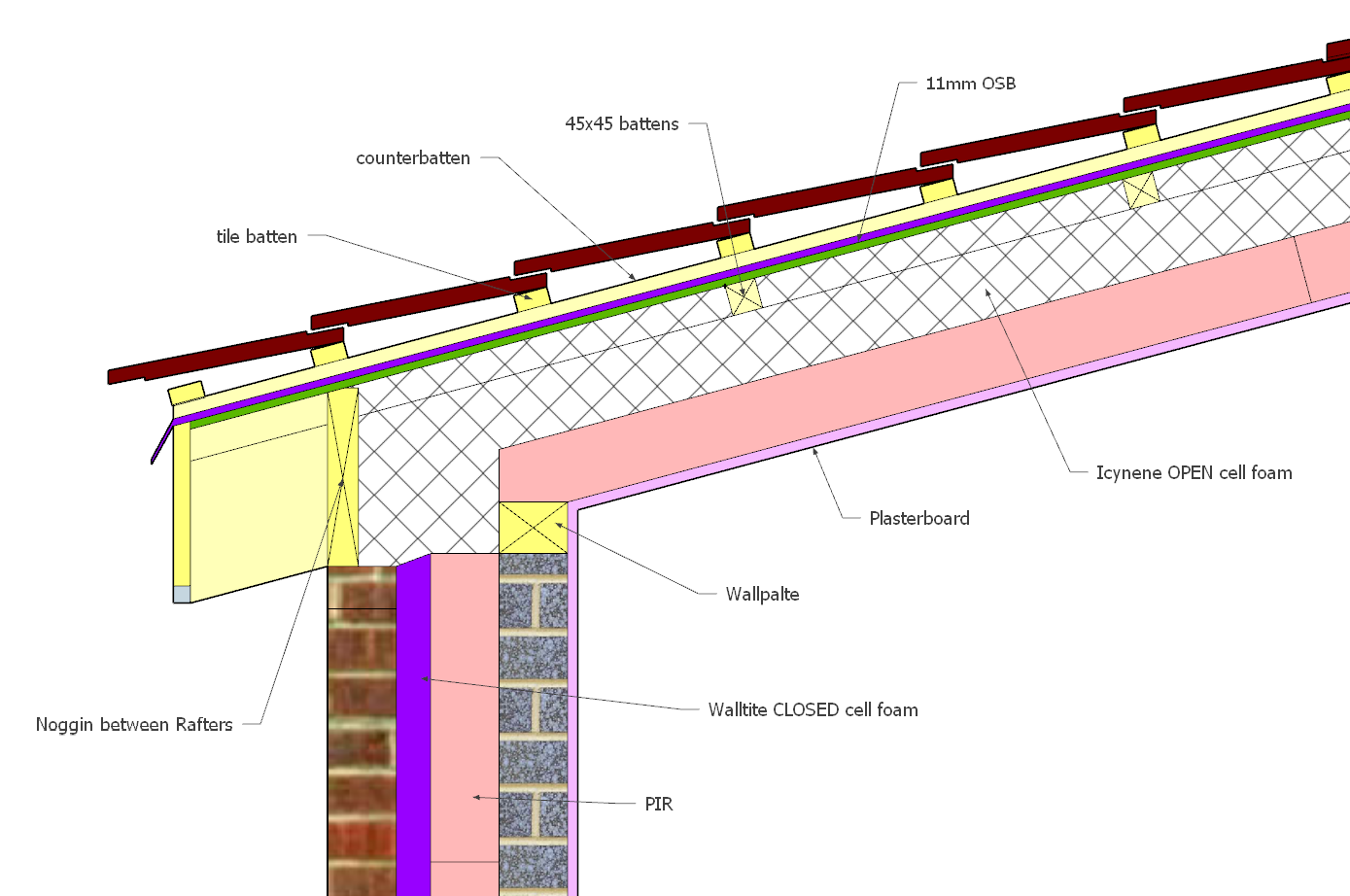
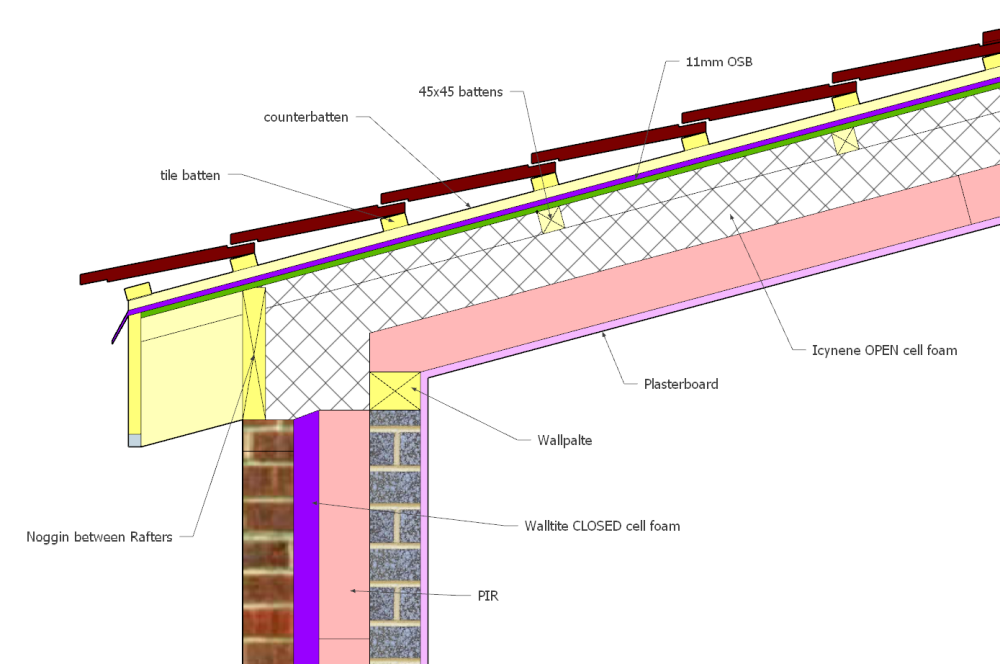
There we go. That should prevent any drafts. @Gone West used Icynene for airtightness on his passivhaus project. There's vastly improved bridging qualities through the rafters and at the wall roof junction too.
-
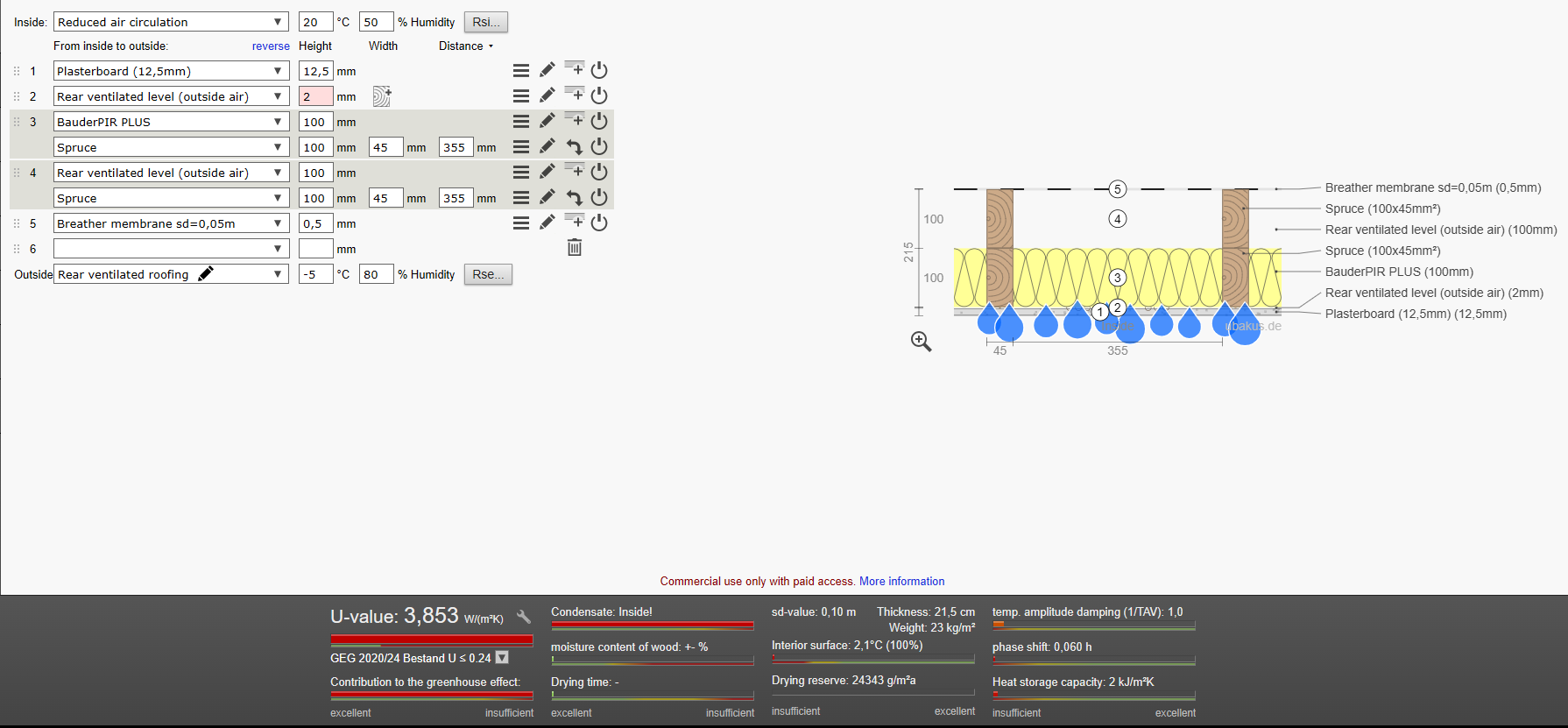
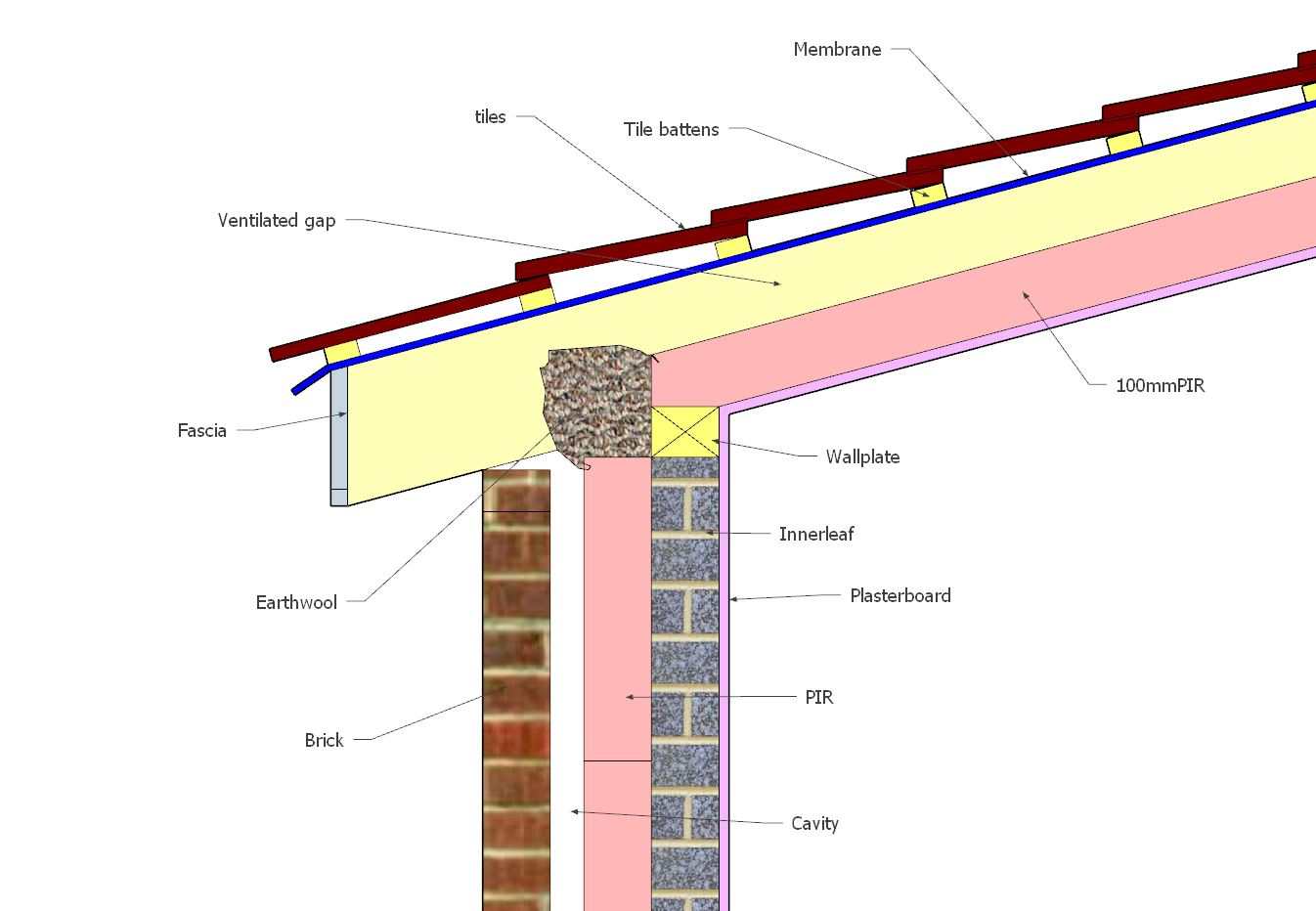
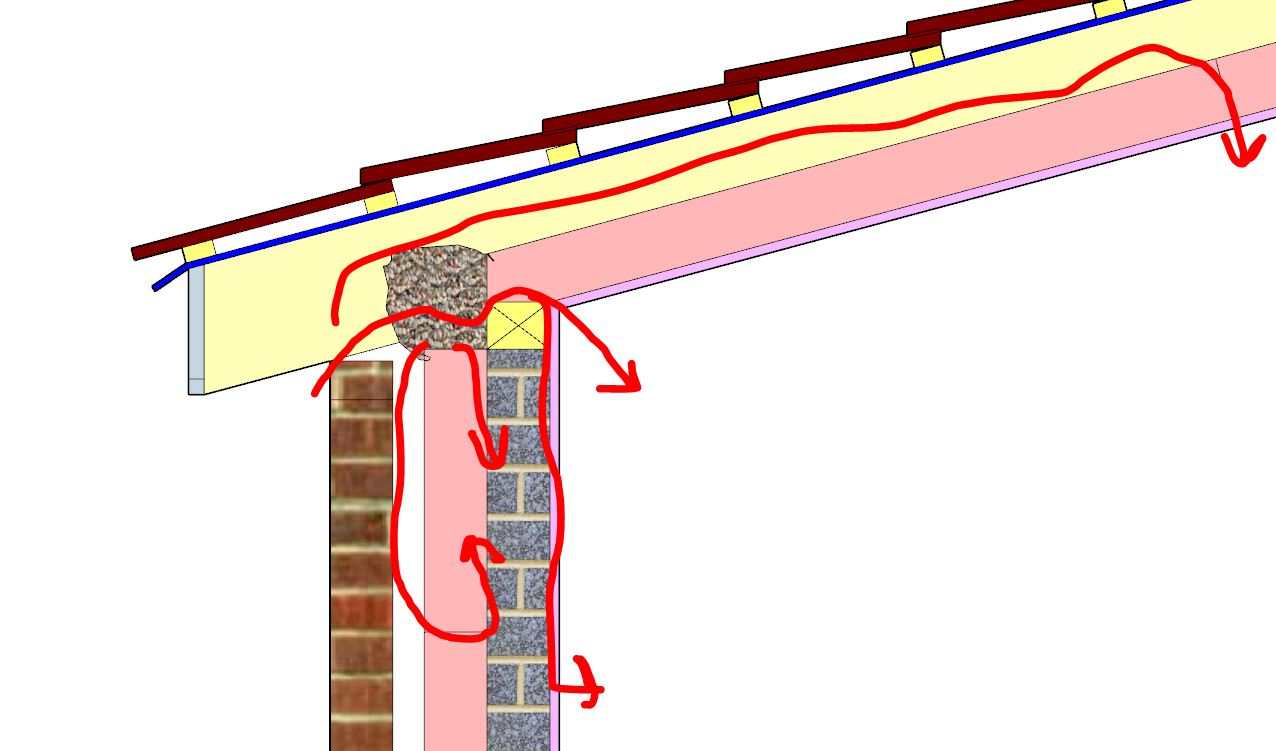
Here's what you have Here's what the air is doing.
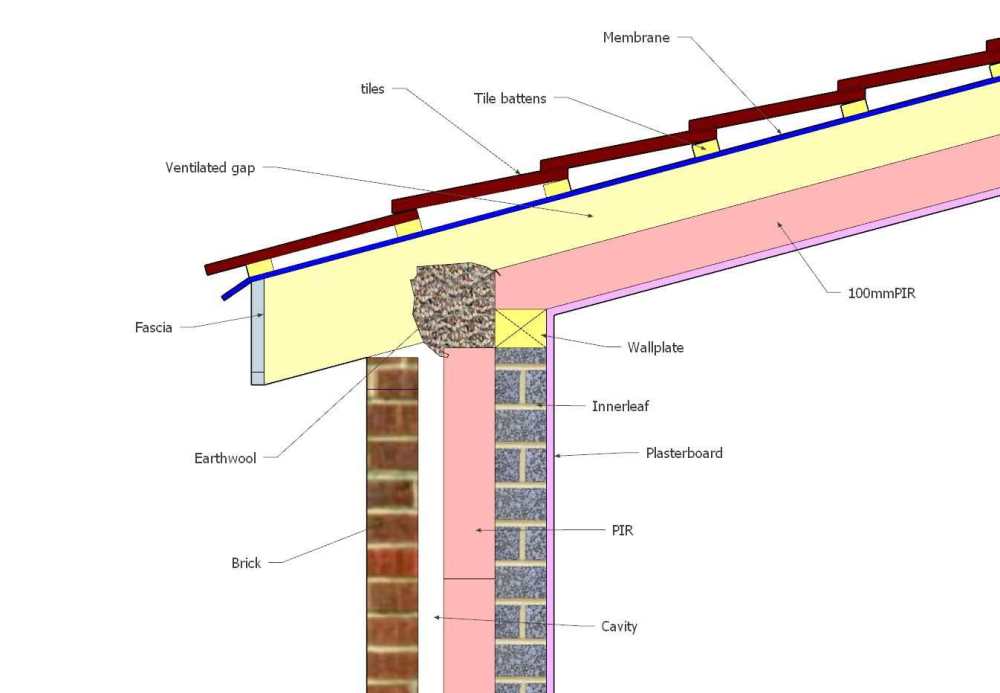
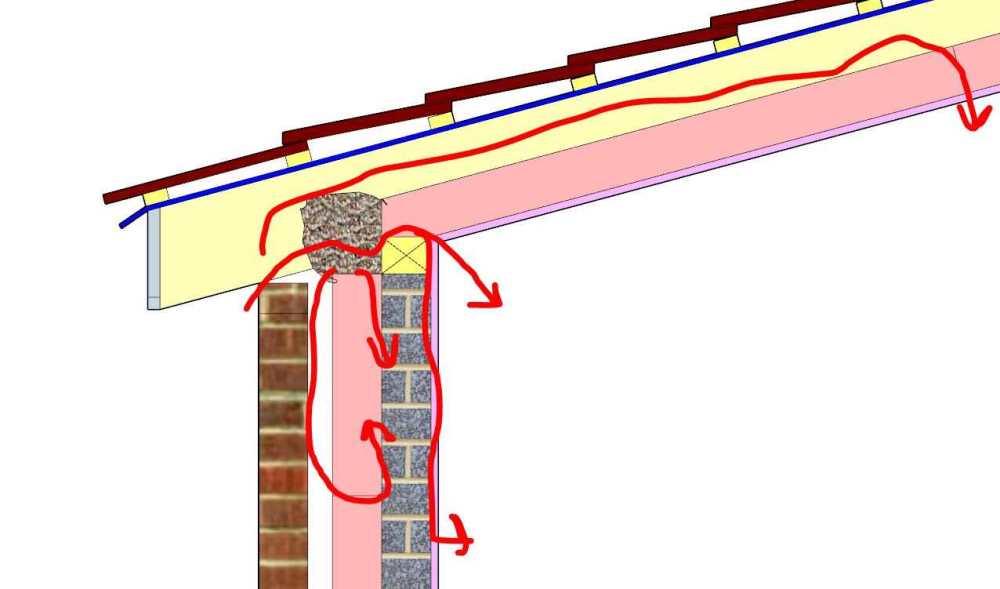
-
2 major problems, AIRTIGHTNESS. I cannot emphasise this enough. It's massively more important than insulation. Continuity of Insulation, obvious to see. Thermal bridges. Ok you have lots of options. The cheapest one is just to get a few boxes of IL330 and the thermal camera and drill holes and give a good squirt anywhere it's cold. Evenntually you'll have a reasonable job of the airtightness. However as you're prepared to take the roof off and have clearly got the bit between you teeth here's my suggestion for an absolutely pucker repair. ROOF Strip the roof. leave the PIR in place. Add 45x45mm battens at 90 deg to the rafters on top Sheath the roof with 11mm OSB. Add Noggins between the rafters to close the gap in line with the external leaf of the wall. Inject Open cell foam like ICYNENE into the 145mm space above the PIR allow it to fill the gap in the eaves outside the wall plate and above the wall too. Breather membrane on top. Batten along the line of the rafters for ventilation. Batten across the rafters for tiles. WALL Inject closed cell foam into the cavity from outside. it will completely expand pushing the PIR boards against the inner leaf and prevent any air movement in the cavity.
-
Skimmed this thead. Airtightness is the main culprit although the insulation details aren't anything to write home about either. Thermal camera, drill and squirt in some illbruck FM330 any cold spots. Isolate the electrics, take off the socket face plates and seal the back of the boxes with acoustic sealant too. Keep at it every night for a week it'll make a big difference.
-
Cavity external doorways- returning blocks inside to out?
Iceverge replied to daunker's topic in Brick & Block
I'm a fan of insulation external to timberframe but I'm not sure how you'll fit it? What's the door going to be sitting on? Sketches would help. -
Fire protection is deffo an advantage. It's the airtightness that I'm disappointed by. Also they don't appear to be inherently sealed against water ingress either, necessitating extra rain screens. The apparent difficulty chasing services (watch this space) also has left me scratching my head a little. TF would be just as easy to DIY and as you need a rain screen and service cavity anyway I think I'd be going that route. Having heard tales on here of folk getting shafted and losing deposits to dodgy manufacturers of ICF and offsite timber frame I'd be cautious of that too. Stick build or masonry tends to be less financially risky in my opinion.