Iceverge
-
Posts
4487 -
Joined
-
Last visited
-
Days Won
32
Everything posted by Iceverge
-

Insulating window reveal timber frame new build
Iceverge replied to benben5555's topic in Heat Insulation
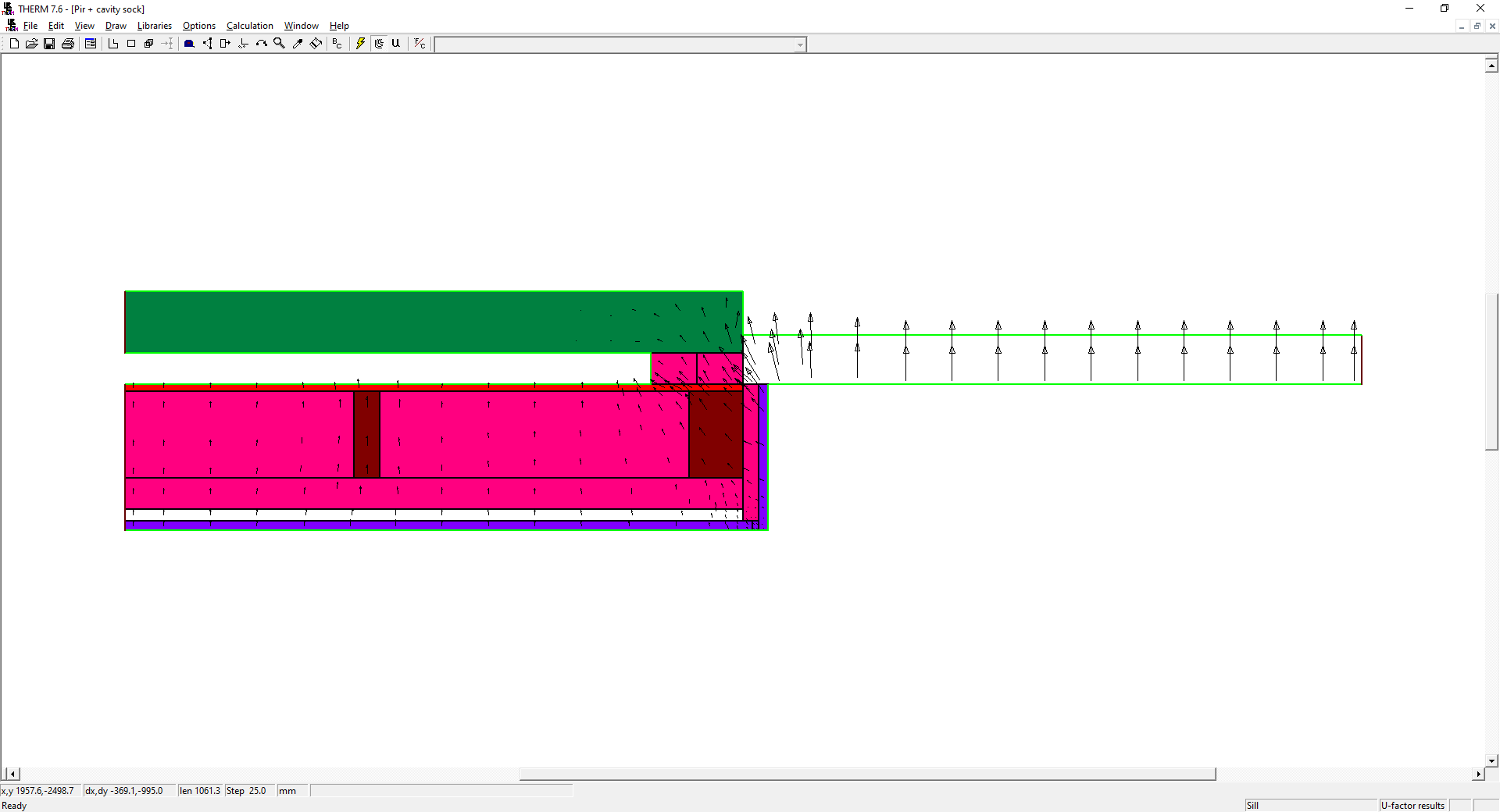
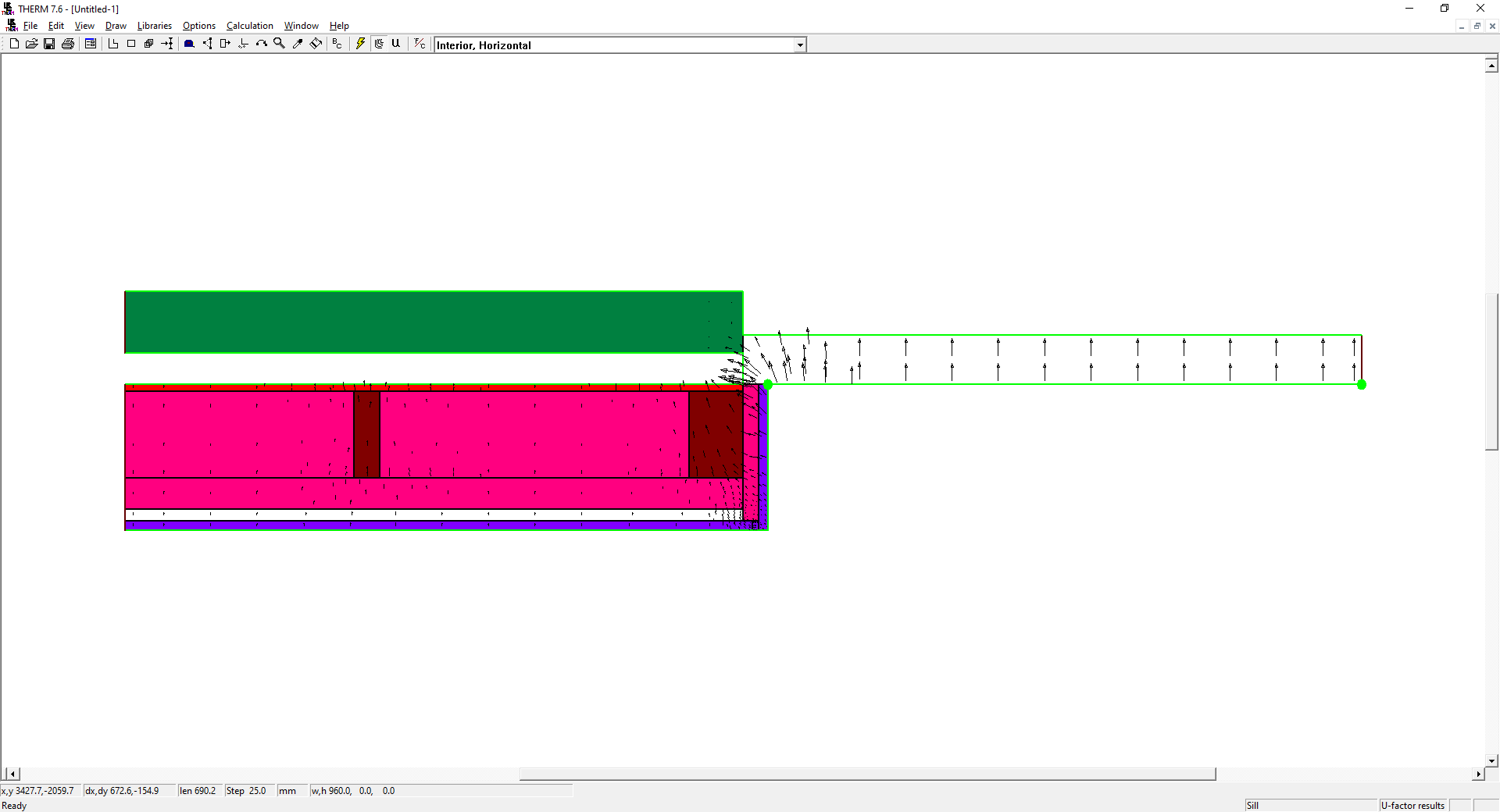
THERM. It's a PITA to setup and use but it is free for PC's. it gives a good idea graphically of what actually makes much difference if nothing else. From above from best to worse. 1. 150mm sock and pir cheek. 0.5946 2. 75mm sock and pir cheek. 0.6037 = best - 0.0091 3. pir cheek only 0.6285 = best -0.0292 4. 75mm sock only. 0.6275 = best -0.0329 5. Nothing. 0.6985 = best 0.0091 -0.1039 All figures in W/mK. So if you have 100m of window perimeter to consider on a cold day with temp outside of 0 and inside of 20 Your difference in heat loss will be 100m*20deg*0.1039W/mK = 208watts of extra heating. At a guesstimate using 100 heating days per year and an average outside temp of 9 deg and gas heating It'll equate to. 100days*24hrs*9deg*208*15p per unit *80 % boiler efficiency........ = £93.60 extra per year going from no insulation to best insulation. -
Insulating window reveal timber frame new build
Iceverge replied to benben5555's topic in Heat Insulation
Exterior 75*50 cavity sock only. U value 0.6275

-
Insulating window reveal timber frame new build
Iceverge replied to benben5555's topic in Heat Insulation
Double cavity barrier. 150mm *50mm . U value 0.5946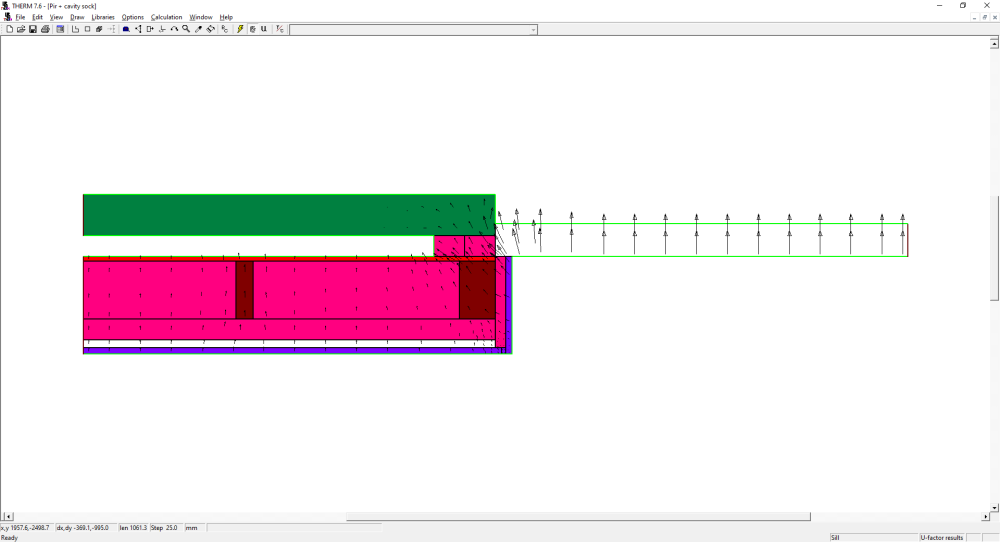

-
Insulating window reveal timber frame new build
Iceverge replied to benben5555's topic in Heat Insulation
With a 75*50mm cavity sock added. U value 0.6037 You can see the flux is becoming more dissipated. This is better.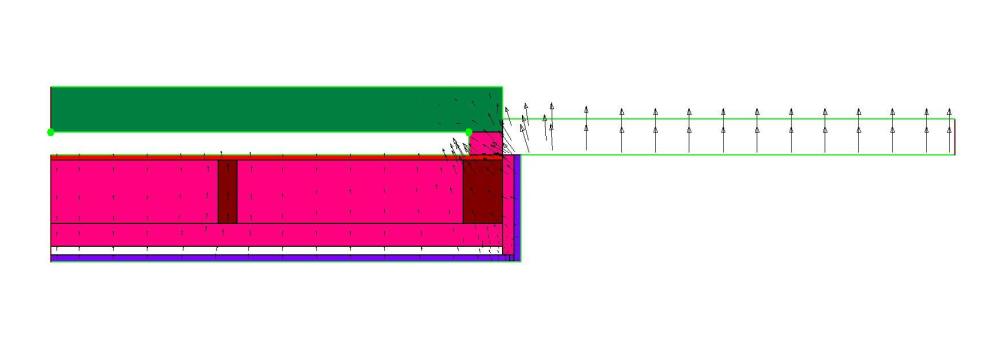

-
Insulating window reveal timber frame new build
Iceverge replied to benben5555's topic in Heat Insulation
Additional 25mm PIR to reveals. U value of 2m section this time. 0.6238. You can see more of the heat is being forced out through the wall and centre of the window. Better.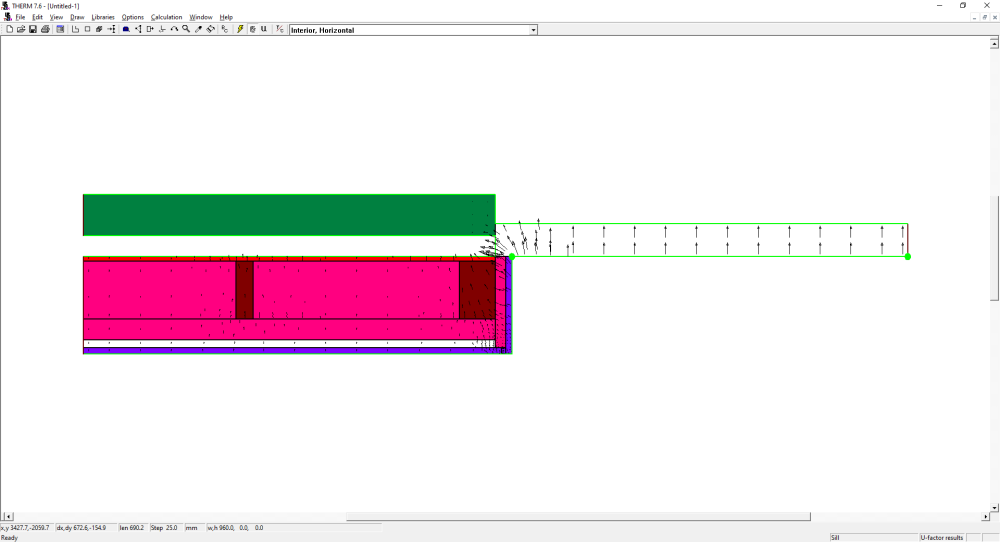

-
Insulating window reveal timber frame new build
Iceverge replied to benben5555's topic in Heat Insulation
Here are some mock-ups. 80mm thick simplified window. 30mm in the brick, 50mm in the cavity. No insulation inside or out. U value 0.6985. Lots of heat loss at the corner. No insulation inside or out.

-
Insulating window reveal timber frame new build
Iceverge replied to benben5555's topic in Heat Insulation
Have a look at this entry from @TerryE The detailing of the Cavity Sock stuffed with rockwool is pretty good. -
Insulating window reveal timber frame new build
Iceverge replied to benben5555's topic in Heat Insulation
PIR to the reveals and then plasterboard on top. Much better chance of getting a continuous insulation layer and less waste too. Airtightness trumps any thermal bridging however. Have you committed to this wall build-up? @Thorfun did similar recently and I think would have changed their mind given the labour involved. I'll have a pop at a therm model tomorrow if I get a chance. -
What energy rating is your HW cylinder?
Iceverge replied to Adsibob's topic in Boilers & Hot Water Tanks
Larger cylinder = Lower losses. We have a 300l cylinder which gets heated to 70deg by overnight electricity. Storing approx 14kWh of juice. It looses an average of 68w over 24hrs. If we had a 500l cylinder we could drop the storage temp to 57 deg for 14kWh. Although there is more surface area to loose heat it is more than compensated by the lower delta T to the room temp as it's standing losses are only 30w for the same amount of insulation. -
Insulating window reveal timber frame new build
Iceverge replied to benben5555's topic in Heat Insulation
In or out opening windows? -
Insulating window reveal timber frame new build
Iceverge replied to benben5555's topic in Heat Insulation
What are your window frames made from? If it's something thermally good like UPVC or a properly thermally broken Wooden frame the gains are very marginal if not negligible. Increasing the opening size, you'll end up with a slightly better psi value at the window wall join at the expense of a larger area of structural headers, jambs, and sills. I would concentrate on making sure all headers are thermally broken and all jambs and sills are continuously externally insulated or internally insulated. -
I used a circular saw and cut from both sides to max depth. It required 2 x parallel cuts from both sides. Then I carefully used a chainsaw to finish the cuts. Not joinery quality but good enough for a shed. Macrocarpa does cut nicely however.
-
Critique please! New Build Floorplans
Iceverge replied to hinge and bracket's topic in New House & Self Build Design
Very nice @ETC. I'm unfamiliar with the requirements for a Scottish National park but I assume it's along the lines of a HebHomes catalogue. Maybe @hinge and bracket could weigh in with some thoughts? -
Which appliances for kitchen
Iceverge replied to Coffeepotclaire's topic in Kitchen & Household Appliances
Mix and match. Bosch fridge, induction hob and dishwashers. Electrolux oven and microwave. All fine. Zanussi dryer and washing machine. Fine too but very "beepy" when they're finished. I was a bit sceptic of differing brands but glad we did. They all match just fine in black/stainless. It made the purchasing very simple too as we took what was in stock from a local shop who beat the lowest internet quote by €200. -
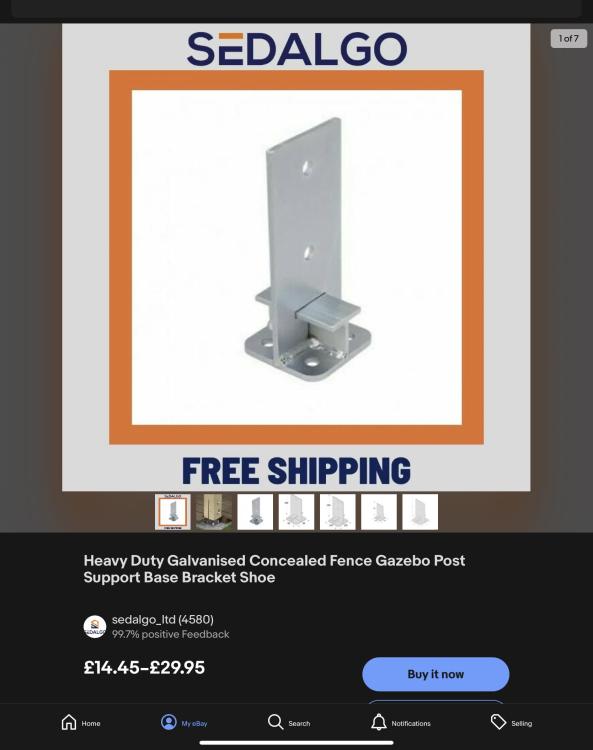
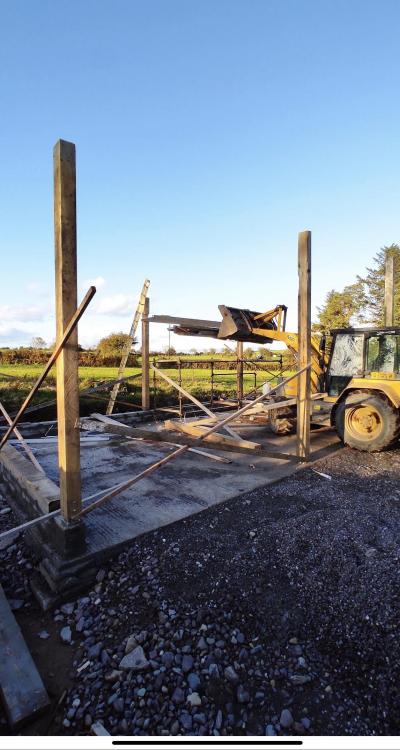
I used these for my garage. Quite robust. would recommend.
-
Critique please! New Build Floorplans
Iceverge replied to hinge and bracket's topic in New House & Self Build Design
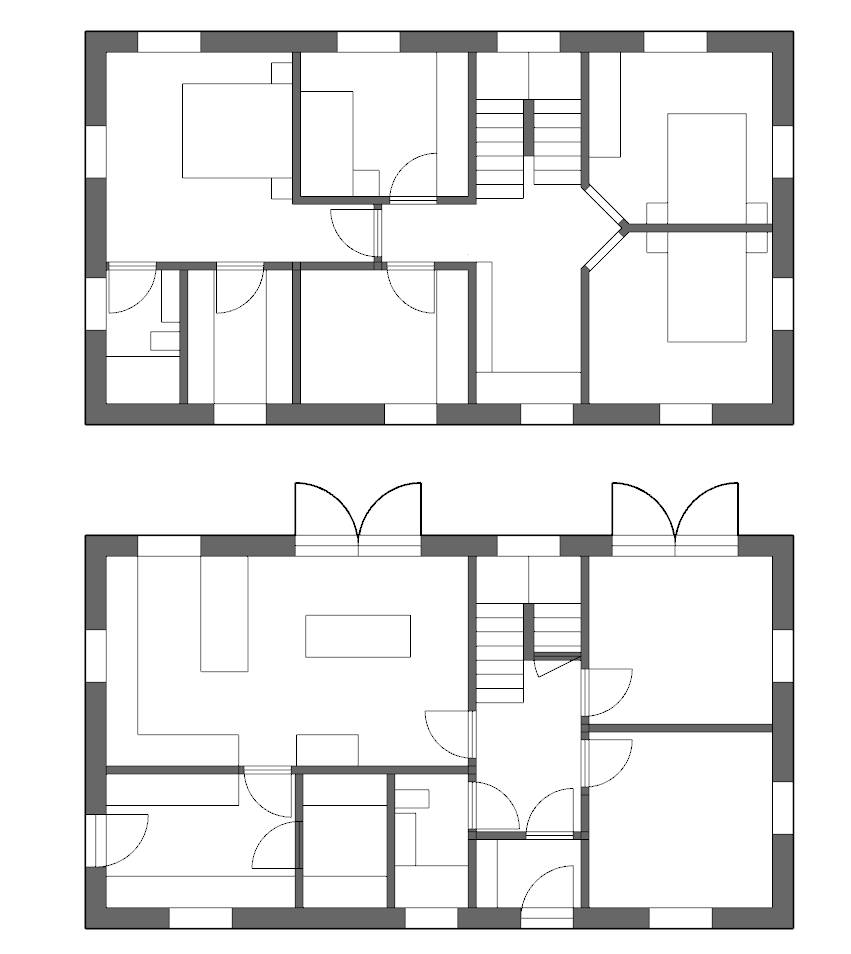
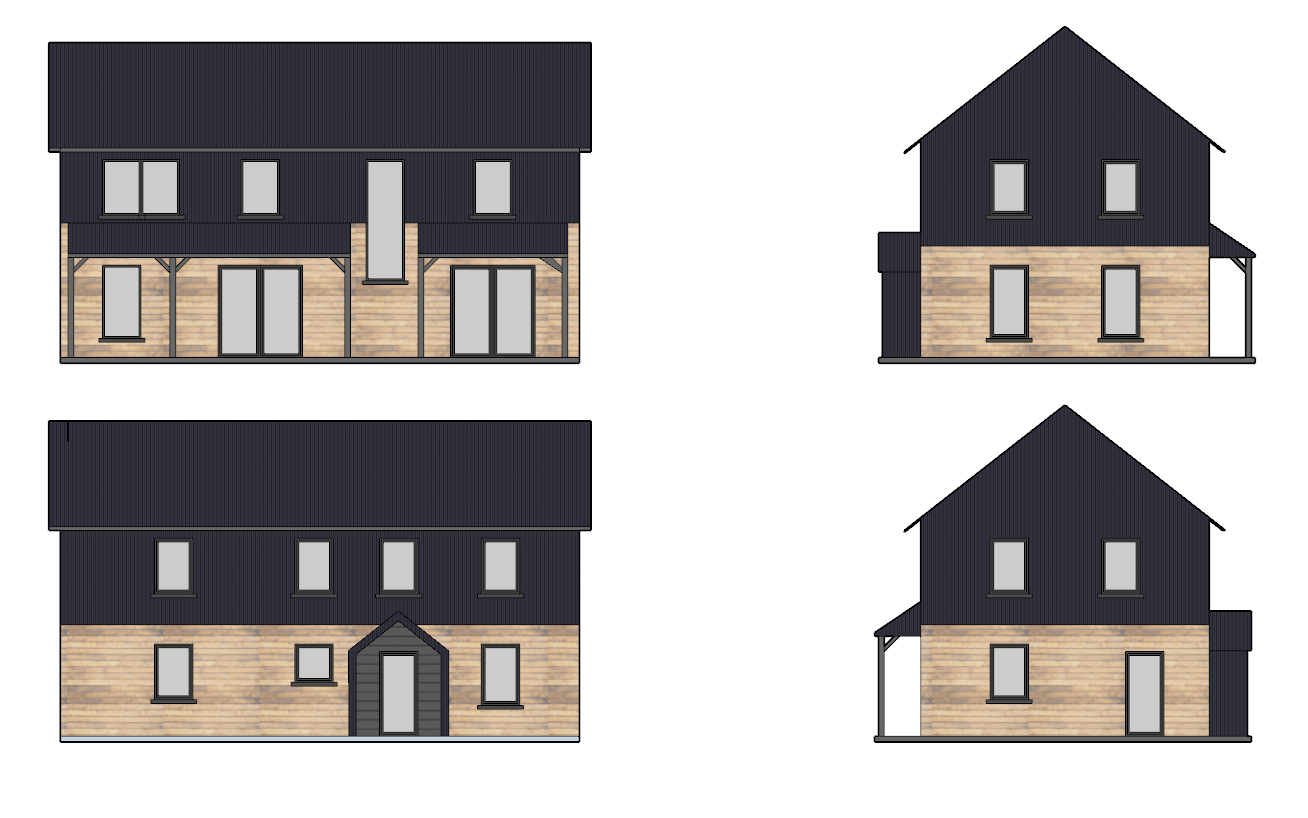
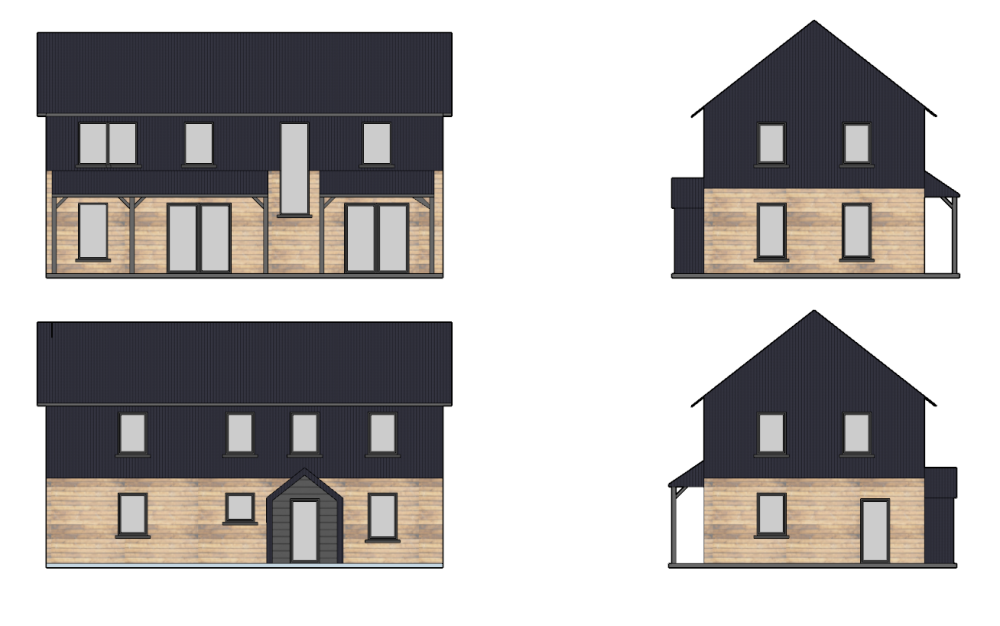
Much a copy of @ETC Mirrored the plans. Omitted the UVC from the first floor. Tried some new materials, Corrugated metal and Timber Cladding. Corrugated metal looks good on its own too I think, especially in a rural setting. 170m2 Footprint 13500*7500 Added an external porch and also an external porch with coats area for catching drafts. Revised the kitchen with a peninsula. Added some South facing Verandas for shading and some roof overhangs for same and weathering. Omitted Void and created space upstairs for office. Food for thought maybe? PS forgot to draw in bathroom items. Woops.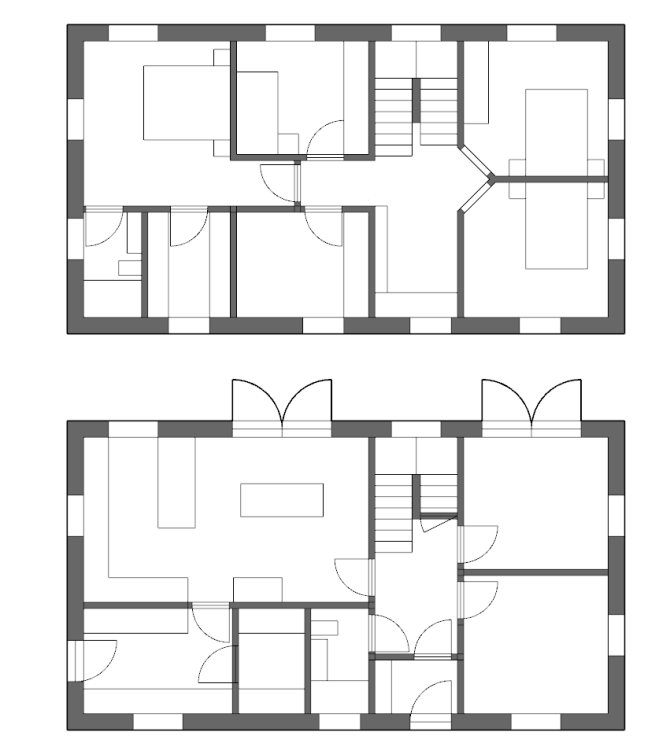
-
Critique please! New Build Floorplans
Iceverge replied to hinge and bracket's topic in New House & Self Build Design
I'm liking this. Is it South Up in your plans? How about mirroring it to get the morning sun from the east in the main bedroom and kitchen and evening sun in the snug? -
Jerry-rig an MVHR unit - how?
Iceverge replied to Dreadnaught's topic in Mechanical Ventilation with Heat Recovery (MVHR)
You could just put it on the floor and use some flexible connectors to the manifolds. Make sure nobody kicks it however. We put ours in just after I'd painted the skin coat. It really dried out the house. I would beware of dust getting into your ducting however. All cutting should be done outside, especially MDF. The bloody dust gets everywhere. We went through 2 sets of filters sharpish. I love the sound of your I beam walls. Any pics? -
I've moved this on just a little since. Collected a 250 Maxipod thermal store from CopperIndustries/LB cylinders yesterday. It wasn't cheap at €2k but hopefully it'll do the trick. Also bought a galvanized F+E tank for the attic. Hopefully I'll get around to install sometime in the next few months. The gravity pipework from the Rayburn and the F+E tank will be done in 1" copper. Reading the various regs and MI's I can't see anything prohibiting me fitting the heating circuit in 22mm Hep2o and the oil boiler feed in same. (1 Meter need the boiler needs copper i know) Anyone know much better? Also I know Hep2o can be push fit to metric copper. Is this acceptable or is it preferrable to use a compression fitting and then a brass to Hep2o? VS PLUS Noted. Hopefully the elevation of the TS will prevent this? About 3-4m, I'm going to try without a laddomat. The current cylinder functions fine at the moment.
-
UVC in basement plant room but no drainage for overflow
Iceverge replied to Thorfun's topic in Boilers & Hot Water Tanks
Sump and pump is your way out I think. If you have MVHR you'll need a condensate drain from that too. As you're at it I would raise the UVC+plumbing over a drip pan like the Americans do. That way if you have any leaks or burst pipes it'll fail to a safe situation and notify destroy your basement. It's firmly near the top of "I wish I'd done that" list. -
It'll need to be accompanied by a spatula. Tricky not to scrape the frames.
-
Critique please! New Build Floorplans
Iceverge replied to hinge and bracket's topic in New House & Self Build Design
Congratulations and welcome. Well done for sharing with the crowd. I wish I had. So much knowledge here. I'll keep it brief. Good. 1.Layout. 2. Form factor. 3. Simple shape( Only one sticky out bit and one sticky in bit ) 4. Elegant overall proportions. For further consideration. 1. OVERHEATING!!! Large SW Windows with no shading will bake you not to mention the skylights in the living room. 2. Stone facade. A bit disengenious looking, not to mention far more expensive compared to other cladding on a TF. 3. Window jumble sale. To paraphrase Goldilocks, they're either -too small ( lots of thermal bridges and no light) -too tall(poor views) -too large (overheating and heat loss) -too wide ( structurally expensive if done well thermally) 4. Flat roof on sticky out bit would be better off pitched and ditch the parapet. It's a recipie for long term trouble. I really like TF but you need to be doubly defensive about weathering. Good luck! -
Careful with abrasives agents. You may end up staining your frames. Careful try a hot pressure washer or a steam cleaner. Should do the trick.
-
As a general rule wrapping anything in impenetrable plastic isn't a good policy, unless you're planning on ensiling it. You're lightly to trap moisture between the IBC and polythene if you don't leave a ventilation gap. Mould fungus etc will like this and the metalwork of the IBC will be more lightly to corrode as it'll be permanently damp. A ventilation gap would help but don't be surprised if you get little visitors becoming resident. Black plastic IBC's and a black plastic DPC sound like a recipe for lukewarm water, prime for microbial activity, even in the dark. I'd be keener to shove the IBC's in a well ventilated shed to protect them if you have one suitable. Do you have any good tree canopys that would substitute for a shed? HDPE expands and shrinks in the sun so paint doesn't stick very well. The internet suggests latex paint might do the trick. A light coloured one would be best to control temperatures.
-
How large a boiler do I really need?
Iceverge replied to Garald's topic in Boilers & Hot Water Tanks
Well if you had fixed a price you're architect needs reminding on the meaning of fixed. I'd get on top of this sharpish and part company unless it's sorted out. On the cylinder issue. Bigger is always better. And the price step is small. Only about £80 to go from 200l to 300l. The larger it is the more off peak electricity you can use. The more excess PV solar you can store. The lower temp you can get away with for the ASHP and the better efficiency it'll run at. If you have too much water you can turn down the storage temperature and you'll reduce the storage heat losses.