Jeremy Harris
-
Posts
26430 -
Joined
-
Last visited
-
Days Won
360
Everything posted by Jeremy Harris
-
Thanks for that Peter, especially the tip about the species. We're not fussed about getting fruit, if we do it would be a bonus. The main reason for looking at olive trees (apart from price!) is that the taller specimens with a clear trunk fit our need to screen at high level well. The fact that they develop a spreading canopy is also useful, as a wider area of screening would improve the overall outlook in that direction a lot, yet the trees are likely to stay low enough to not hide the view of the hill on the other side of the valley.
-
 You have to remember the mantra of the government of the day, which boiled down to "be as selfish and possible, grab what you can by any means, and don't give a damn about those that don't make it". This was at the time when banking started to seriously go off the rails, where the financial sector was creating ever more ephemeral ways of making money by selling invisible assets and it shaped the thinking of a whole generation that went on to become some of those that ripped off millions from people less well off, by asset stripping, pension fund raiding, you name it, someone was doing it.
 -
So just where can I but a 40mm SW stop end?
Jeremy Harris replied to ProDave's topic in Waste & Sewerage
I'm pretty sure they don't make them, as I've not seen one around. If you get stuck, I have some 50mm round PVC bar and could quickly turn something up for you, perhaps a plug of PVC bonded into a straight coupler? The only snag is that I have a sneaking suspicion that not all solvent weld pipe is the same diameter, I have a feeling that it varies slightly with the manufacturer. If you let me know if you want me to turn up a plug that will fit a coupler then I could knock one up in ten minutes this evening and get it in the post tomorrow. Edited to add: I have a bag of white FloPlast 40mm to 32mm solvent weld reducers in my hand, and could very easily just turn up and solvent weld in a PVC plug to one of these right now if that would help. You could then just solvent weld that into the end of a straight coupler (I don't seem to have any of those around that I can quickly lay my hands on) -
So just where can I but a 40mm SW stop end?
Jeremy Harris replied to ProDave's topic in Waste & Sewerage
You have to cap it with a solvent weld rodding point, with a screw on end cap. If you can't find one locally I have a few spare, I'm sure, as I needed one and had to buy a bag of them from Screwfix, as they didn't sell them separately. -
Yes, we've rarely seen sub-zero temperatures, and then only down to about -2 deg C. At our old house we've seen -4 deg C to -6 deg C a few mornings this winter, so the new house is in a bit warmer location. From what I've been reading the frost tolerance of olive trees seems variable. Some sites say -7 deg C is OK, some say they are OK down to -15 deg C. Probably academic, as I doubt we'd see temperatures as low as -7 deg C anyway. A bit like the Greek proverb: “A society grows great when old men plant trees whose shade they know they shall never sit in.”
-
We were plot hunting during the peak of the house market depression and saw very little sign of plot prices decreasing, or more plots coming on to the market, during that time. I have a feeling that the self-build market is well-insulated from the general housing market trend, as it doesn't seem to change much in any given area. There are massive variations between one area and another though, which match, or exceed, the ready-built house price variations. There are also some exceptions, for example we had a brief look at some plots in inland Cornwall, and they were priced lower than I would have expected given the price of houses in the same area. Around here (West Wiltshire/Dorset border) plots are very expensive compared to house prices, so much so that I doubt that it's cheaper to self-build for the majority of people. I did a great deal of work on our build (plumbing, heating, half the wiring, internal joinery, MVHR and ducting, fitting the kitchen etc) and came it at a build cost that wasn't much less than the market value. Others here have managed to self-build for very low overall prices, well into the region where it makes financial sense to self-build, so it seems to be very dependent on region, perhaps even with some fairly big variations within a given region, from area to area. One big impact of the main housing market is the availability of sub-contractors. The housing market started to pick up part-way through our build and we suddenly found it much harder to get hold of good contractors.
-
Thanks Peter, that helps to confirm what I've read so far. We're very well sheltered, right at the bottom of a deep valley, facing more or less South, with a stream running along the side of the lane that helps to keep the air temperature up in very cold weather, I think, as the stream rises from springs only a short distance away, so tends to always be around 5 to 6 deg C, even in very cold weather. We can get a bit of wind funnelling down the valley from the West, but we are planting more trees on the windward side of the place where we wish to put the olive trees, so I think they should be pretty well sheltered.
-
Yes, this is the advice I've been getting from lots of people. It is possible to keep them in check, but it needs a fair bit of regular trimming by someone who's competent. The latter seems to be a bit of a local issue, I've been warned! I've spent much of this afternoon reading up on olive trees and looking at what's available, and although they wouldn't have been suitable for direct planting in the clay bank, it looks like they might do quite well in the raised planters that I've sketched up, as I can put a layer of gravel at the bottom and being on a steep slope the soil in them should drain very well. The fact that the big hedge opposite has come down actually helps a lot, as means anything in the spot will get full sun for a lot of the time, plus the areas around our house seems to be a warm microclimate anyway, with air temperatures that are generally a bit higher than the surrounding area.
-
My wife had to deal with this every year for around 10 years or so, as her grandmother used the maximum gift allowance every year to reduce her cash assets, both because she wanted to help her grandchildren but also because she wanted to avoid as much inheritance tax as possible as she hated the thought of all that money going to the government (a bit curious given that her late husband had been a Tory MP for some years.........). We used to keep a running spreadsheet going of how much was still liable to inheritance tax under the 7 year rule, keeping the capital in the most tax-efficient investments we could, bearing in mind the possible need to pull some of it relatively quickly out to pay inheritance tax. In the event, her grandmother lived to 96, and managed to get her estate down to around half a million, by a combination of having gifted the maximum every year to her grandchildren and then choosing to spend her final years in a pretty expensive home for the elderly. Her plan was to spend the lot before she died, leaving just enough for her funeral, but she was in a position initially where the interest on her capital was more than she could spend each year. Not something that would happen with today's interest rates.
-
Glad to help. I can't remember where I got them from, now, but I think I also have a copy of the old version of Part A around somewhere if you need it.
-
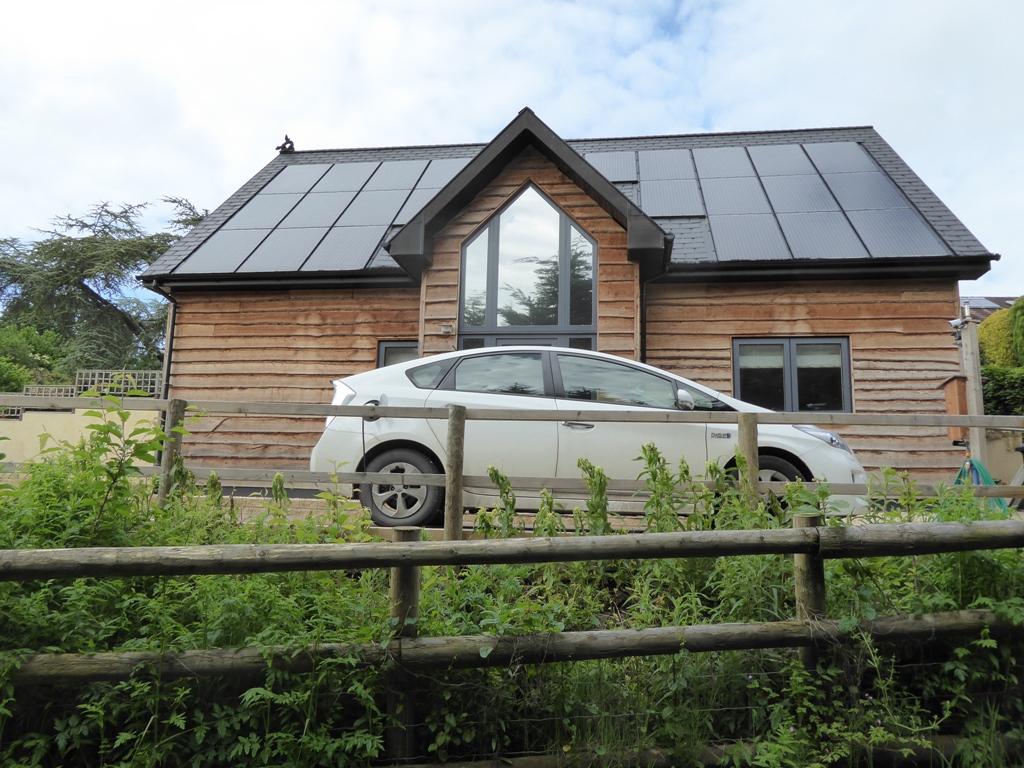
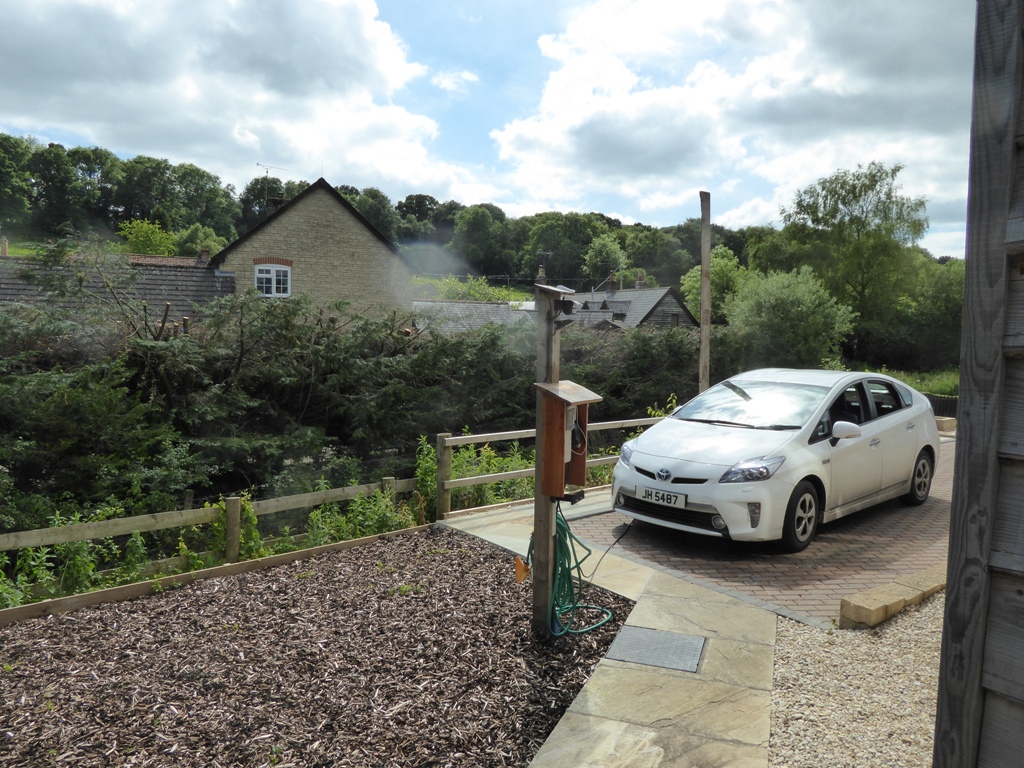
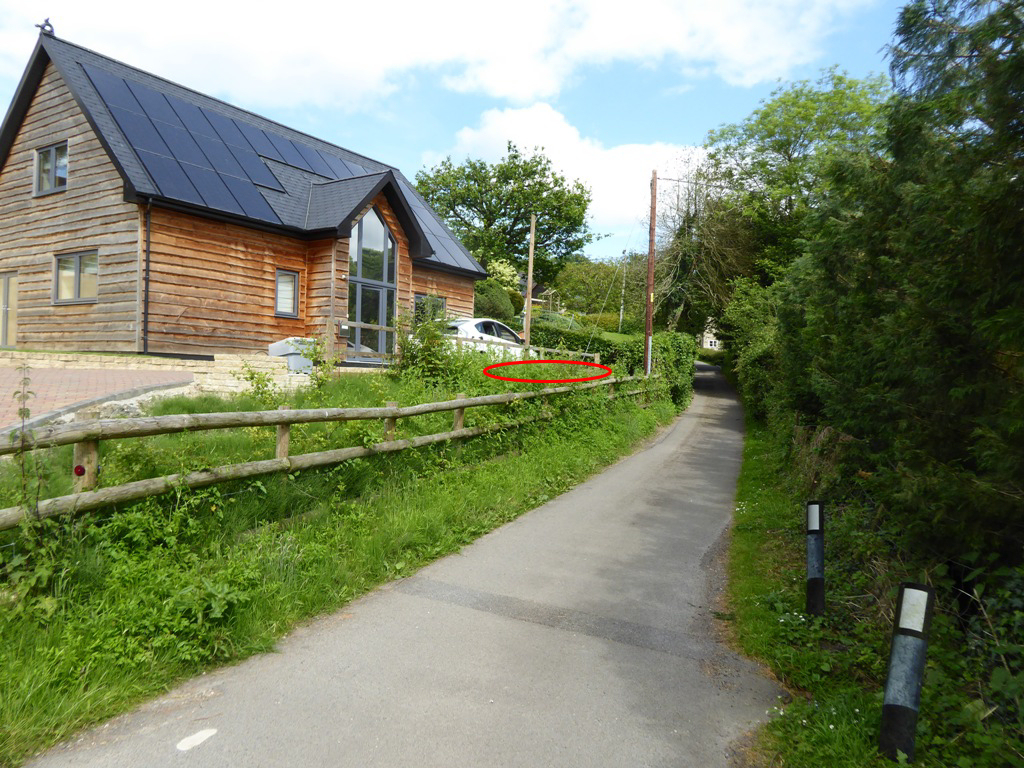
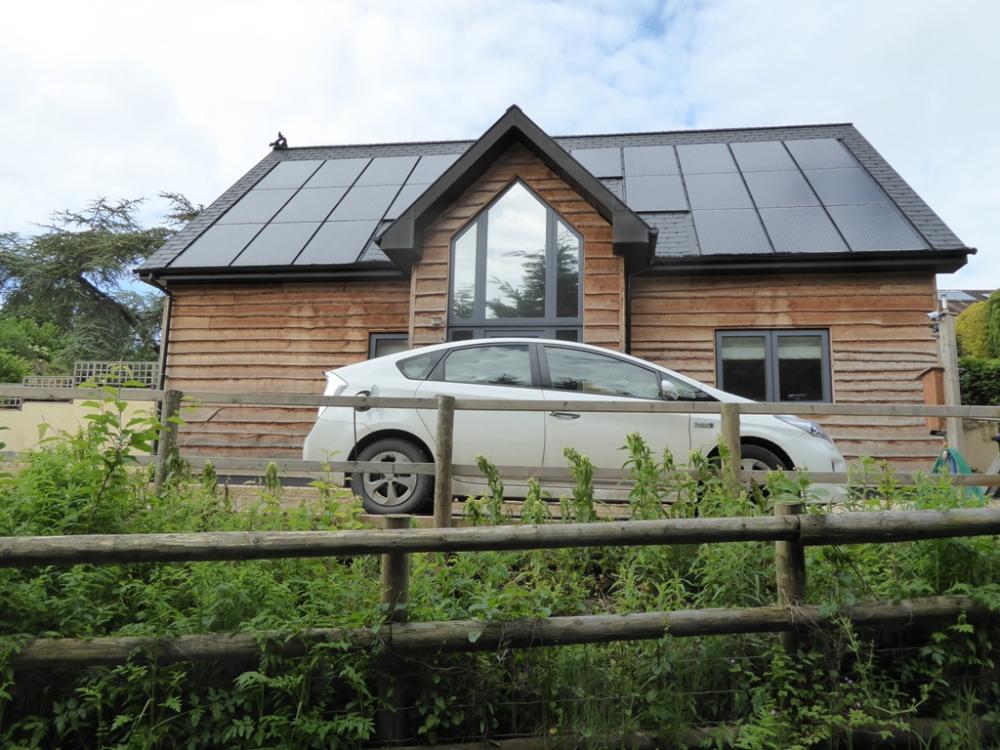
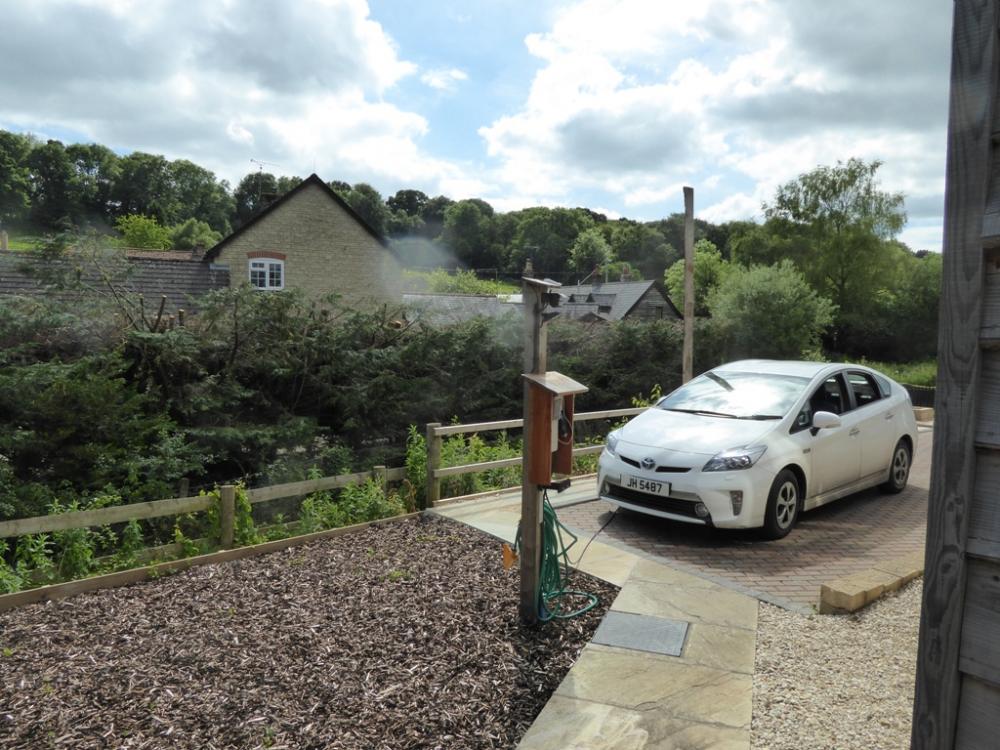
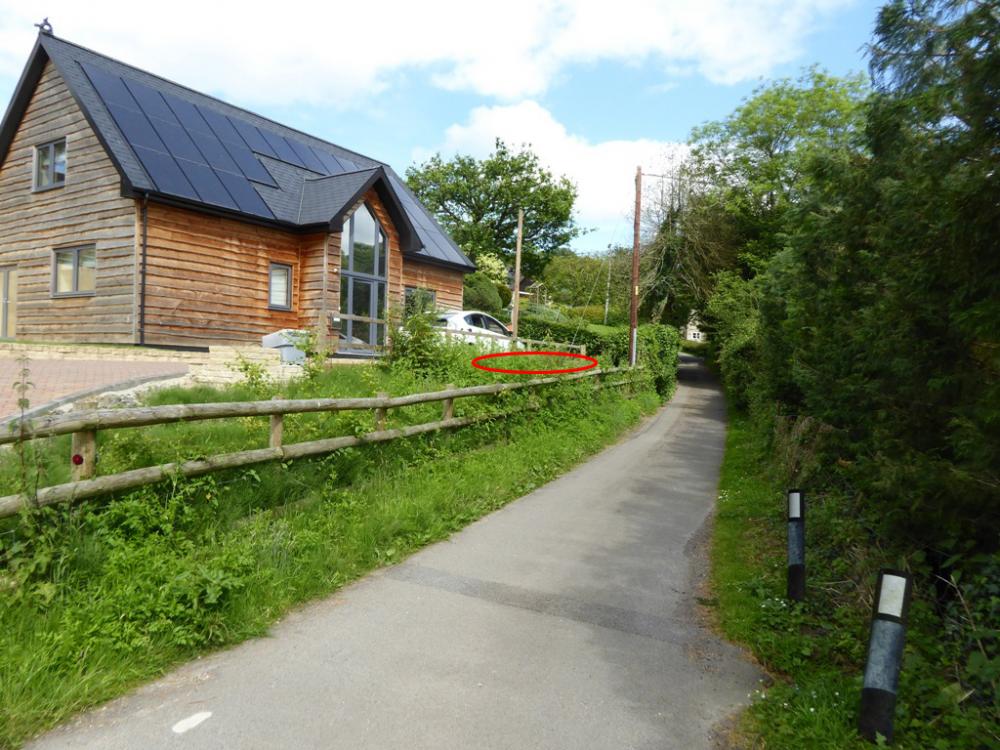
Now I've got over the flu I'm back on this, it being tree planting season! I've spent many hours looking through tree supplier catalogues and ringing around to find what's available, and have also been put off from planting a red cedar by several people locally, on the grounds that it will need a fair bit of maintenance to keep it at the right size and shape, and there seem to be a fair few tales of the lack of expertise in trimming these that have led to disasters. One major problem has been both finding a supplier that has big holly trees in stock and at an affordable price. The costs are eye-watering for the few places that have large specimens, it looks as if demand has outstripped supply over the past year or two, and because hollies only grow slowly it will be a couple of years before most of the tree nurseries have larger specimens available. The tree place we looked at last summer doesn't have the most efficient office, as we went back there in late October to both finalise the order (asking them to give us a price including delivery) and look at the trees we'd selected (from this post: https://forum.buildhub.org.uk/topic/2850-privacy-screening/?do=findComment&comment=63532 ). They finally got back to me on Friday, after much pestering, and they can't get hold of large holly trees either. Another problem that's come up is the steepness of the bank where we need to plant these. These photos illustrate what it was like before I cut back all the weeds etc - it's now basically a muddy bank with a few hedging plants at the bottom: The main screening trees need to go where the red oval is. This is the view up from the lane. Essentially we need to screen the small window at the rear of my car, the gable around the centre of my car and the kitchen window at the front of my car. The bank is pretty steep and gets steeper towards the front of my car, which looks like being a problem. This view shows just how tight we are for space at this end. There is about 1.2m between the two fences at the end of the upper fence, and the screening tree for the kitchen window needs to be just behind that first upper fence post. The solution I've come up with involves some engineering. When I built the stone box for the air pump and the platform for the grey salt container (just visible by the drive at the left of the first photo above), I was faced with having to build on to a steep (around 40 deg) slope on clay. The method I came up with to make a stable foundation was to bore a couple of holes with a post borer, poor some wet concrete in, then hammer in some galvanised 4" diameter tubes, leaving them sticking up and filling them with concrete. I have loads of this tubing left, and as this piling solution worked well, I'm planning to do much the same along the edge of the drive, just on the bank side of the upper fence. I can't easily do this at the bottom, as our services trench runs along there, so I couldn't go very deep without risking hitting a power cable or phone duct. The idea I've had is to put in a deep row of piles at the top, with the tops about level with the drive (so around 200mm poking above ground level). Each of these will have a horizontal hole and be bolted to big galvanised steel angles, one that runs down the slope, the other that runs horizontally out to a vertical angle that is driven down a bit into the ground about 800mm away from the upper fence (so clear of the services run at the bottom) I have some 5m lengths of 4 x 2 galvanised channel, so the plan is to put one of these along the base, bolted to the vertical angles. I'll then bolt some sturdy treated timber to all this ironwork that's hanging off the piles at the top, to create a 5m long by 800mm wide planter, in effect. The advantages of doing all this seem worthwhile, as I can knock this up quickly, using mainly stuff that I have lying around and that would otherwise probably end up as scrap. The piles will also stiffen up the area around the upper fence, I think. I can then plant the three really important trees a fair bit higher, as they will be pretty much at drive level. This makes a very significant difference to their price, and makes planting a great deal easier, as we can fill that planter up with really good soil around each tree with much smaller holes needed dug into the bank itself. It also leaves a narrow gap at the bottom where I can re-plant some more mature hedging to fill in where a lot of it died off. There's no problem where we want to plant the other trees along this front area, they can just be planted in the wider, less steep, part of the bank. The question I have relates to substitutes for the big holly trees. We're still going for a smaller holly, Ilex Nellie R Stevens around 2m high, pot grown, in front of where my car is, but just on the top of the bank, along with probably an Acer at the top of the bark covered area (that's not yet finalised). This area now gets full sun from around mid-morning through to sunset, as the house faces 20 deg W of due South. As it gets so hot and sunny in this area, we've been thinking about planting olive trees as the primary screening trees, in place of holly. They are a lot cheaper than holly in large sizes, tend to have a wider spreading canopy that would be better suited to what we're after and like sunny spots. The planter will be pretty well-drained too, as I can chuck some gravel in the bottom and make sure all the clay is dug out to drain down the slope. The question for the tree experts here is, would olive trees be a good choice in this location? I can buy 4m high pot grown olive trees that look pretty good for around 1/4 the price, or less, than holly, so that is tending to influence my decision making just a bit!
-
Here you go: BC_Trada_Span_Tables _2008.pdf
-
It does sound as if your neighbour may be involved in this. She will still be recorded on some address databases as the resident, I'm sure, so it would be relatively easy for her to do stuff like this. I suspect you may well find that she's committed one or more criminal offences if this does turn out to be the case. People like energy companies usually keep records of phone calls, for example and the VOA will have a copy of the form requesting a change to the register, for sure. Definitely a case of gathering as much evidence as to what's been going on as possible to see if it does look like your neighbour has been going out of her way to cause you inconvenience by tactics that may well be unlawful.
-
The account is correct. It was diabolical, but inevitable given the circumstances of the time. Holmans had grown up around meeting a specific local requirement, manufacturing hard rock mining equipment (drills, compressors, rigs etc) and didn't have the foresight to diversify into other markets fast enough when the local tin mining industry collapsed and the world wide tin mining industry shifted to large open cast mines in the Far East, where hard rock mining equipment wasn't needed. They did have some of the very best technology in the world, particularly their high capacity air compressor designs and rock drills, but that was where most of the company value was. They were a perfect target for asset strippers, really, and there was, at that time, little or no support from outside the county - central government was focussed on monetarism and if a company effectively folded then the government didn't really intervene. The impact locally was massive. The mining industry pumped tens of millions into the local economy and practically every family in Camborne - Redruth had someone who either worked at South Crofty mine or Holmans. That impact is still plainly visible today, many years later, as @SteamyTea will probably verify. When we left Cornwall in 1992 things were pretty bad in that area, with high unemployment, low wages and little or no inward investment.
-
Someone must have asked the VOA to value your house and put it on the register, as they don't do this automatically. Normally it would either be you filling in the VOA form and asking for a valuation and to be put on the register, or the council sending you a notice of intended completion and then them notifying the VOA. In your case, I've a suspicion that your neighbour might have asked the VOA to value your house, perhaps as a part of her process for getting her own house banding reduced. I can't see how she could do this without pretending to still own your plot, so there seems to have been something dodgy going on. My experience of dealing with the VOA was pretty positive. They don't seem to have an axe to grind about valuations, and just try to value it as accurately as they can from the data that's available to them. Some of that will be physical things, like the external dimensions, number of bedrooms etc, some will be a bit ephemeral, like the sale prices of similar properties in the immediate area, adjusted back to the 1st April 1991 value datum they use.
-
Often the VOA won't actually visit the property at all; they didn't visit ours but valued it using the plans that were on the local planning website. As I'd filled the form in, I pointed out that we had very thick walls, so the internal space was less than for a conventional house (the VOA use the external dimensions to estimate the internal area). I also suggested the Council Tax band I thought the house should be in, and pointed out that there was no central heating upstairs (the valuation rules date back to when full central heating was seen as adding value to a house). What seems to have happened is that by completing the VOA form far too soon, your new build has been valued and put on the register as a completed new house. The council will then backdate council tax to the VOA valuation date, or possibly the date that was on the VOA form, and that's why you've had a bill. I suggest you try and talk to the VOA first, explain that the house is far from completed, isn't habitable, has no potable water supply etc and see if they can take it off the register, or suspend it. Then talk to the council, explain the cock-up with the VOA and the state of the house and they should withdraw the council tax demand, with luck.
-
The fan seems to be inside the case on the PMS5003:

-
When learning to fly, I remember being told of the three phases of competence as a pilot after having passed all the exams, GFT, etc. The first was that you would be a cautious pilot for a time, aware of your limitations, lack of experience and limited expertise. You were likely to be a pretty safe pilot through that phase, that was generally estimated to be around the first 100 hours or so. The second phase was the dangerous one, where confidence tended to exceed ability, and looking at the statistics that's where most accidents occur, in the 100 hour to 1000 hour band. The third phase was where depth of experience tended to compensate for any over confidence, so accident probability reduced again. This latter phase was interesting as it levelled out, in terms of competence, after around 2000 hours and then stayed level right up to the maximum most pilots are ever likely to achieve, perhaps 30,000 hours or so. Unlike other activities, age tends not to cause a drop off, as strict medical requirements tend to filter out age-related loss of competence. I pretty much fitted the pattern. My first accident was at around 180 hours, my only other accident was at around 300 hours, and from then on I flew for another few thousand hours incident-free. As for learning a skill in a given period of time, I went from non-flyer to pilot in one month at Farnborough. That was the standard course, 4 weeks of intensive ground school and around 25 hours or so of flying training, and pretty much everyone on the course passed. We were all pre-selected though, and had been through assessments at Boscombe Down and Biggin Hill before the course.
-
I was surprised how small the Plantower particulate monitor is. Looks easy enough to interface too, though, just a matter of reading serial data. I went for the PMS5003, not sure whether it's significantly better/worse than the PMS3003, I just went on a review comparing the three main models that Plantower produce.
-
I used to teach at a technical college, very close to where @SteamyTea lives. Many of my C&G/ONC/HNC students were apprentices, and there were definitely a few that fell into the category of never being able to learn, no matter how much time and effort I'd put in to try and help them understand the topic. Occasionally one of these would suddenly turn the corner, and then get better and better at being able to learn things, and, TBH, these are the students I remember. I have a strong suspicion that a lot of the problem students may well have had little of no proper education before starting college. That part of Cornwall was a bit notorious for having very poor educational standards at the time, possibly because there were a lot of manual labour jobs around that paid very well (tin mining was still booming, the big engineering companies, like Holman's, were always recruiting, and failing that there was always the fall back of fishing).
-
I'm not sure, Peter, but I seem to remember that there is a part of the VOA form that asks whether the application is a change to an existing register entry. We received a letter from the VOA notifying us of the banding, and advising that they had copied this to the local authority, but that we could appeal the banding if we wished. The letter gave details of how to appeal, together with the time limit. In our case I was happy that they had taken the points I'd made on board, about the thick walls reducing the internal volume and there being no central heating on the first floor, and had put us in the lowest band I could reasonably have hoped for. I didn't deal with the council until several weeks later, when they wrote to us asking how we would like to pay the Council tax for the part of the year since the valuation date to the start of the next financial year. As far as I am aware, council tax can only be levied on a house that has been valued by the VOA and put on to the register, as a new entry. I believe you can ask to see the register. It seems possible that the council may have asked the VOA to value the new house without telling you, just to give them a way to collect council tax from it. I'm pretty sure they are supposed to give you notice of this, by issuing a notice of intended completion to you, with the date on it from which council tax will be charged. It looks like you'll have to try and find out what has been going on, then challenge the VOA and the council. The VOA were quite helpful I found, the council far less so.
-
After trying several jobs, all of which he left just before being sacked (one of which his colleagues, some of whom I knew well, held a party the day after he'd gone to celebrate his leaving - without his presence), the chap I mentioned earlier eventually ended up as a university lecturer, and may well still be, if they haven't sacked him yet. He was the bane of my life for a few years, as he used to give his students my contact details, telling them I could help them with their research. No matter how many times I told him that I just didn't do professional pro bono work, he carried on doing this, so in the end I had to take it up with the university, telling them that if another one of their students contacted me, I would bill the university for my time, sending them a copy of my Ts and Cs, plus my current rates with the letter.
- 56 replies
-
- 1
-

-
- communication
- trades
- (and 1 more)
-
Point out there is no water supply connected, ask them to check with the water company if they don't believe you, and quote the relevant bit of case law that says that a building without a water supply cannot be lawfully classed as a rateable hereditament. I'd delay getting the water connected if you can, until you've resolved this. If you agree to notify them when you feel that you've met the requirements for habitability, then the chances are you may get the same reaction I did. They backed right off when I did this, we had no more snoopers coming around, and they didn't even use the statutory powers they have to issue us with a notice of intended completion date. I think they thought that I was likely to give them pain and grief (which was spot on) if they tried to get us to pay up before we were ready, so just backed off. A few weeks after completion I wrote a letter to the VOA, requesting that our new build be valued and put on the register. If you want to delay things further, you can, as you can appeal the banding, and that adds a few weeks delay. The Council cannot charge you Council Tax until the VOA have put the house on the register. My guess is that your house has been put on the Council Tax register now and that the VOA have done the external inspection (done from the roadside, or even just the plans). You need to get it off the register ASAP, by highlighting that it is is on there by error with the VOA (not the council). No building that is not a rateable hereditament should be on the register, as by definition the register only holds details of buildings that are - it goes back to the old Rating Act again.
-
I'd advise contacting them ASAP, with a list of points as to why it does not meet the rateable hereditament tests in the case law quoted in the links in this post: If you're methodical you should have no problem in making the case that it does not meet the legal requirements, but I suspect you will be dealing with people who are inflexible and not particularly well-versed in the law. Certainly the first person I spoke to at the council was pretty aggressive and bullying, and passed me on to her manager. The manager didn't understand the law at all, and I managed to get her to refer my points to their legal department, and quoted the relevant items of case law. The moment their legal eagle was made aware that there was no potable water on site, the whole thing just went away, with a request that I call them when the house met the legal requirements to be habitable. They will try it on, as these people have learned that being bullying and aggressive, with the authority of the council, makes most people back away. The hardest part for me was staying calm and civil when dealing with them, as I was steaming mad. I can clearly remember being on the phone to them at the top of our lane (there's no signal at the house), finishing the calm conversation with one of the morons and then shouting and swearing with pent up rage. The lady walking her dog that passed me at that moment just smiled at me and said "was that telephone call a little tiresome?". Calmed me down better than a bottle or two of wine.........
-
I charge by the hour for consultancy work. The fees are laid out in my standard Ts and Cs and form a part of the contract. I bill in 15 min increments, and answering phone calls and emails are specifically listed as billable work. I've never yet had a problem with an invoice being questioned, and I do itemise the sub-totals of all work done, by type.