Garald
-
Posts
1113 -
Joined
-
Last visited
Everything posted by Garald
-
I imagine it's there in part to hold the insulation up and in part so that one can set the fire-barrier panels against, well, something. What additional fixings? > Would love to know how they got your cornice down in one piece! I know! Polish contractor magic!
-
It's BioFib Trio - no idea whether it is similar (as I don't know NatraHemp).
-
Well, I hope the workers doing this know that - or do you see spots of adhesive on surfaces that won't be covered up later?
-
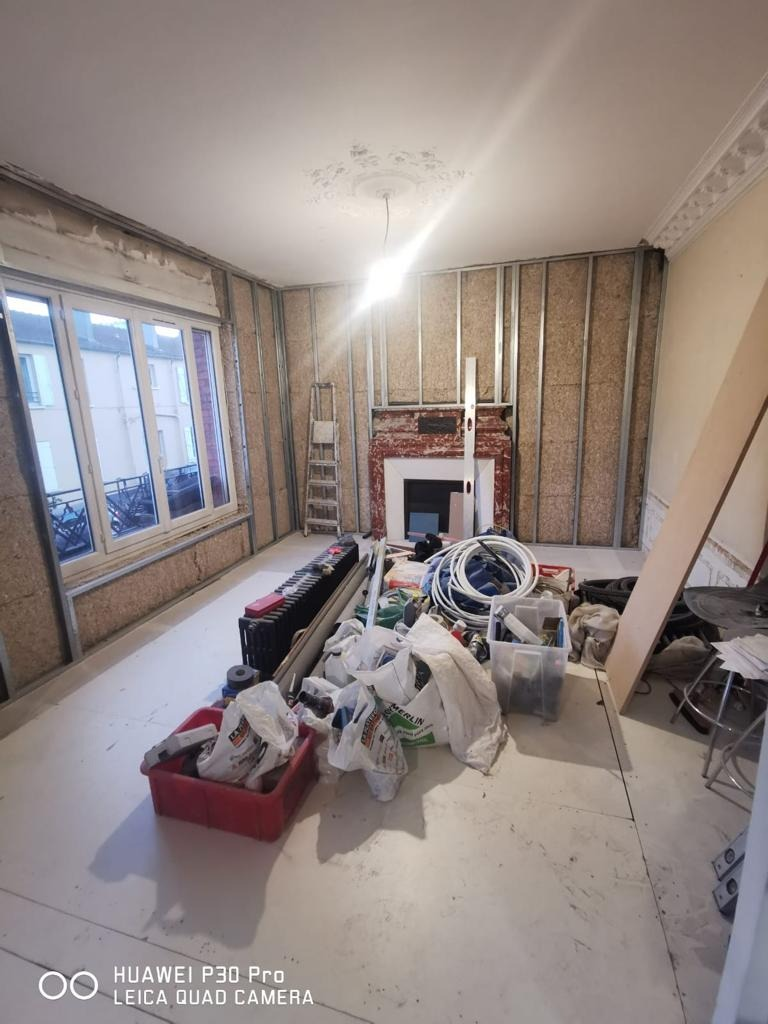
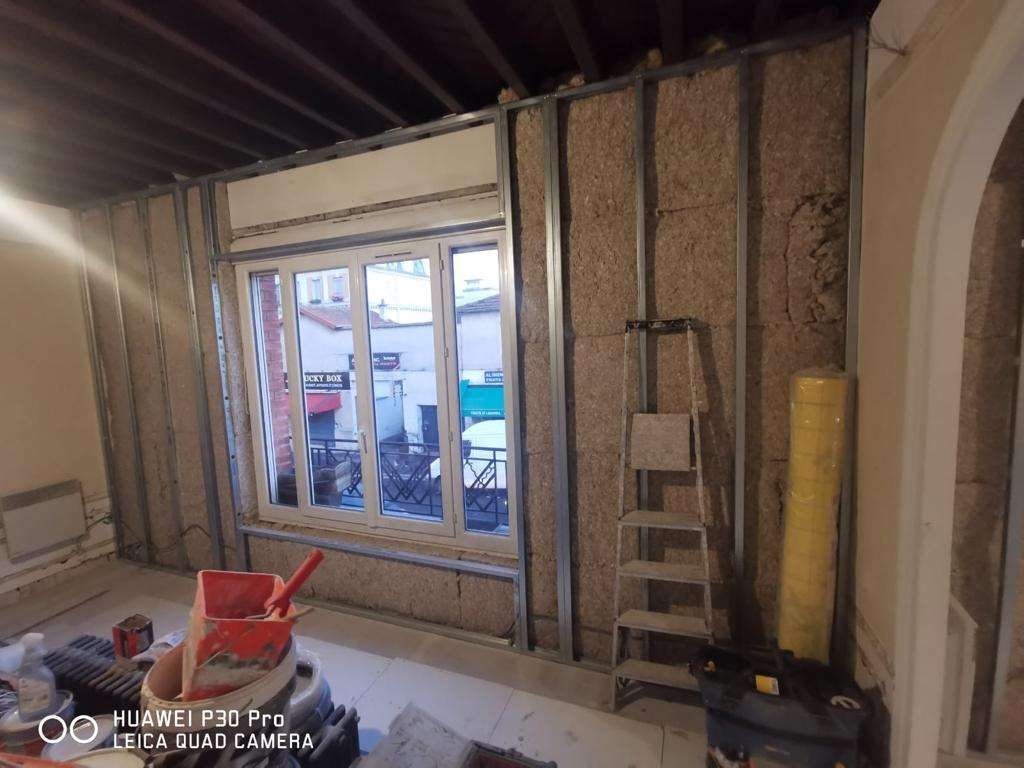
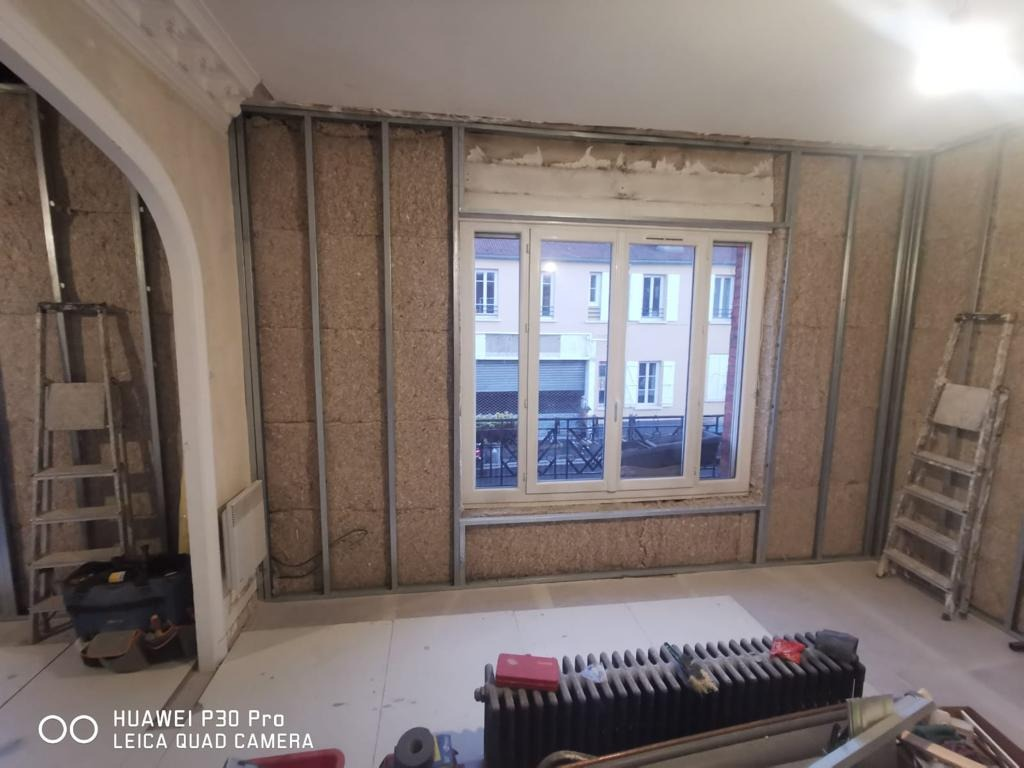
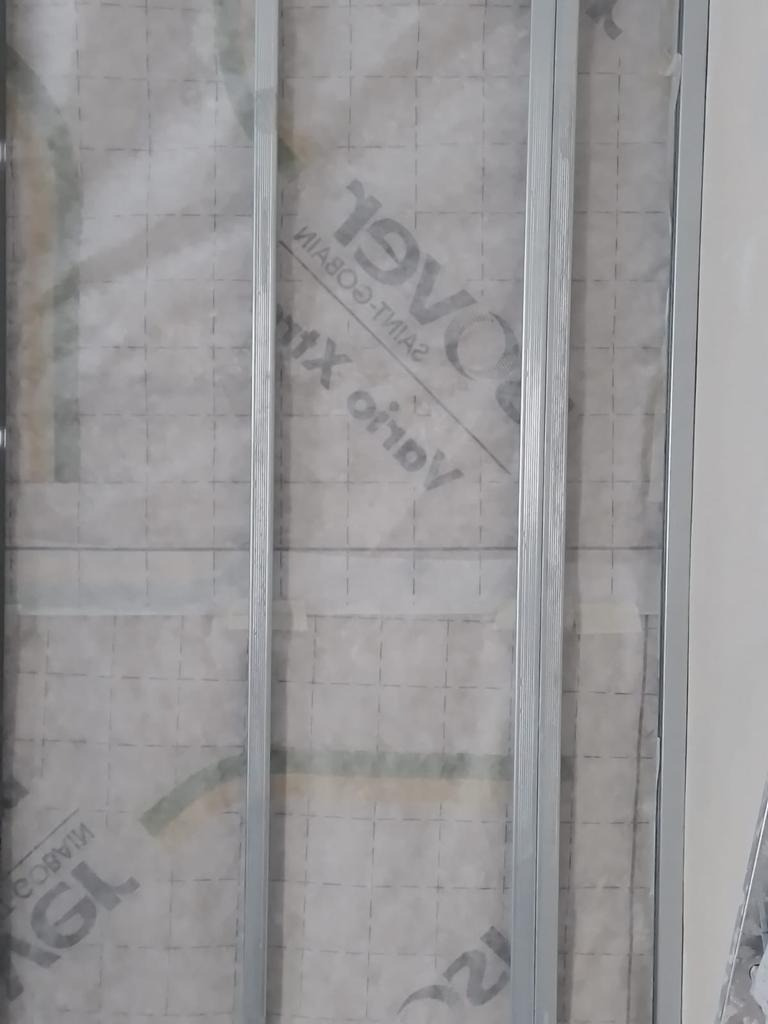
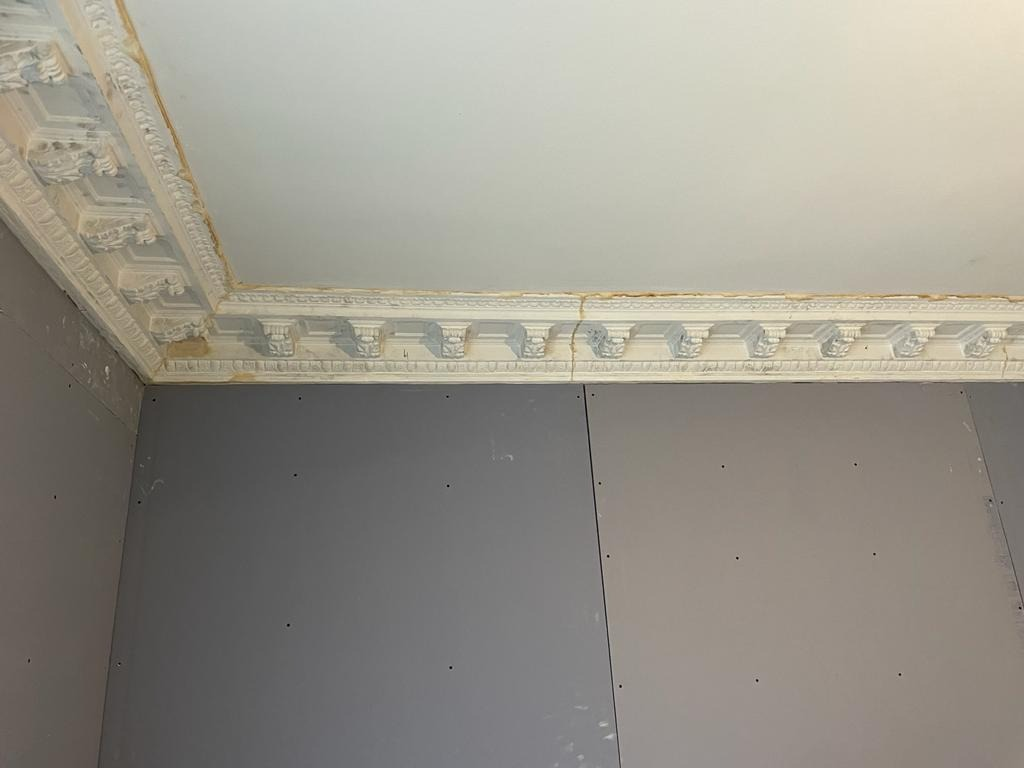
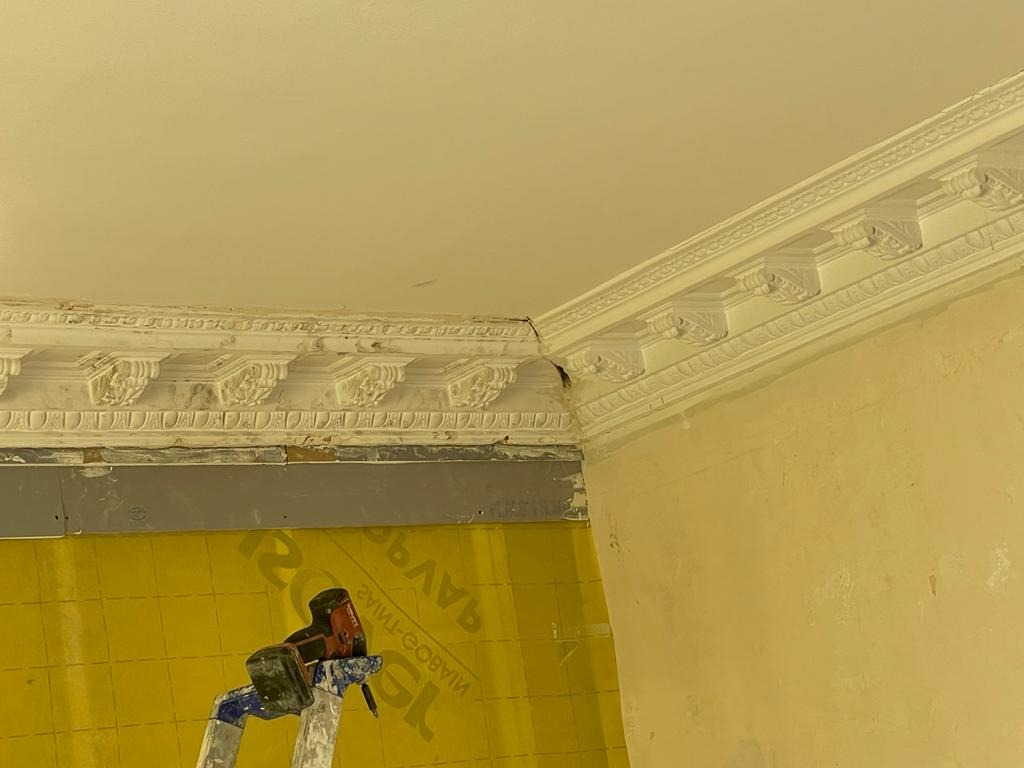
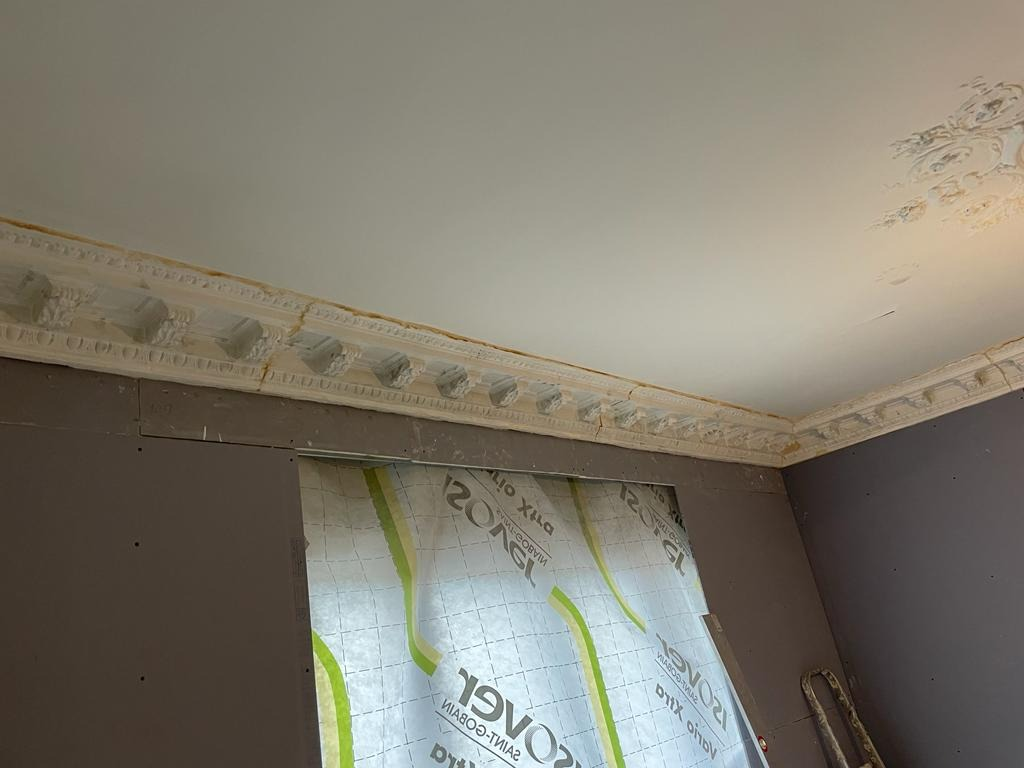
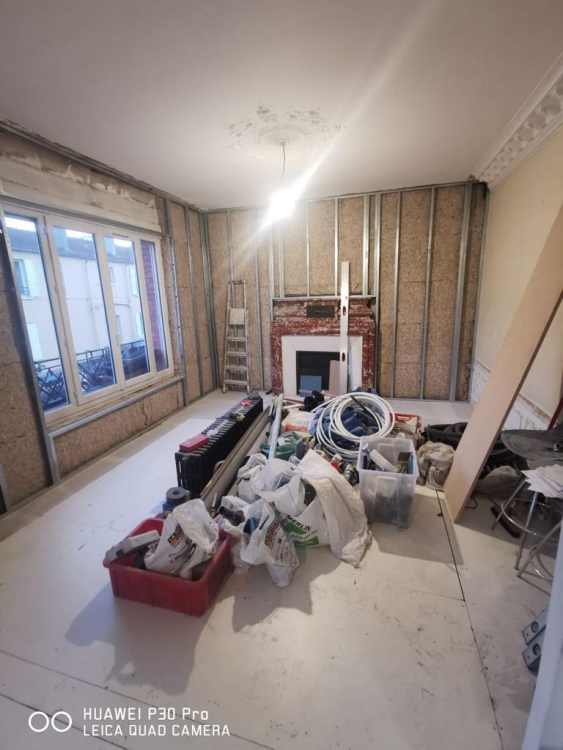
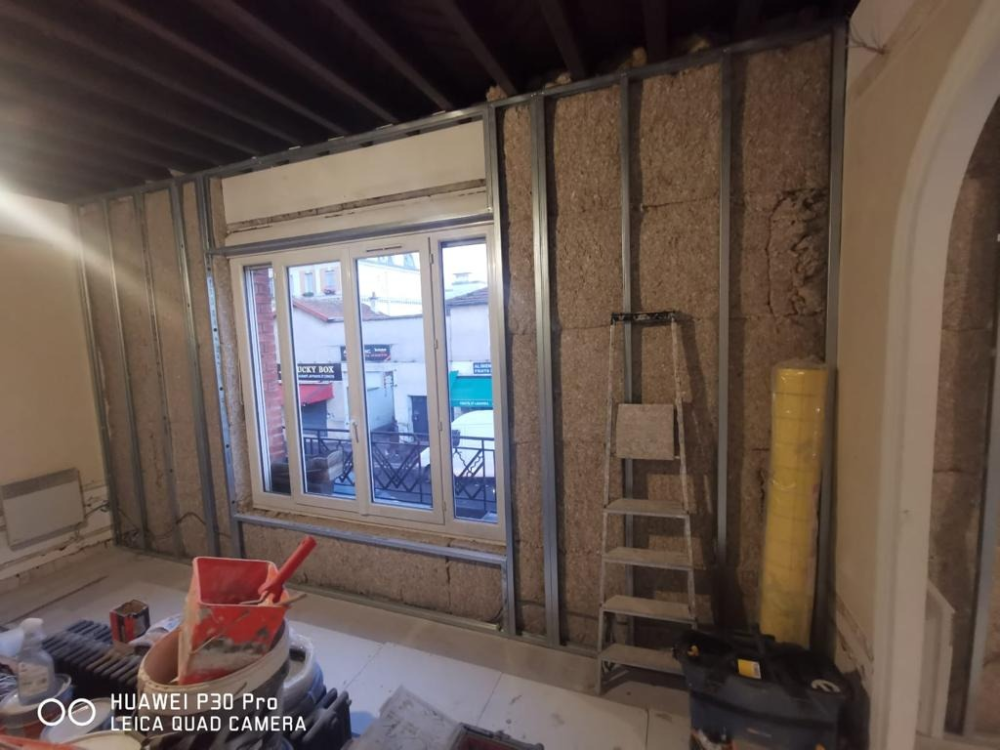
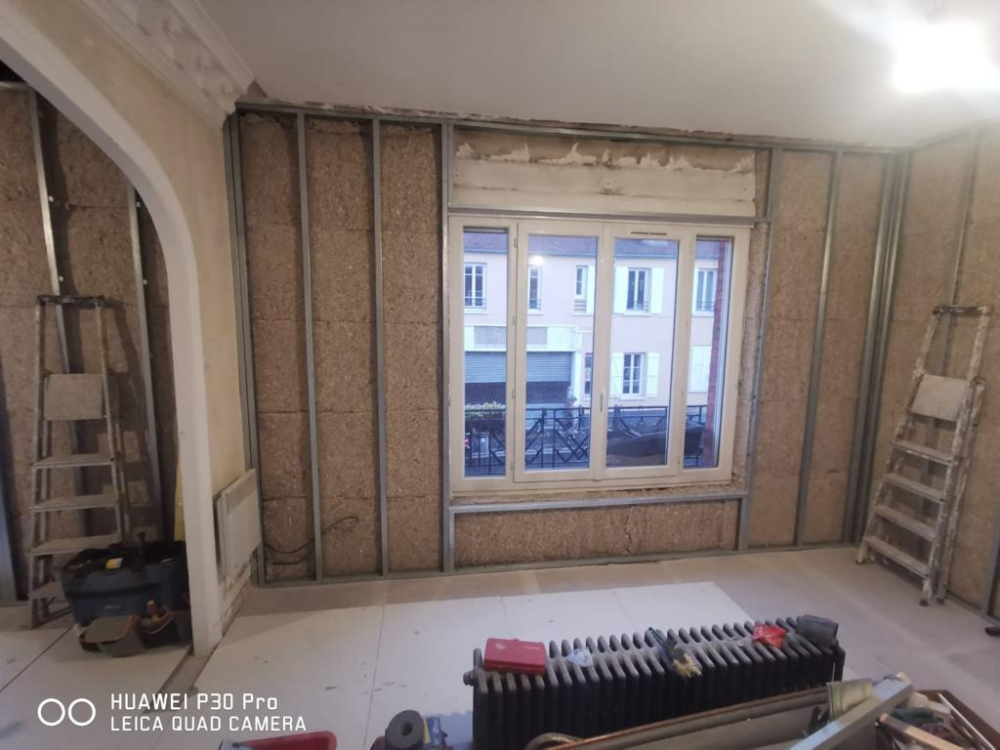
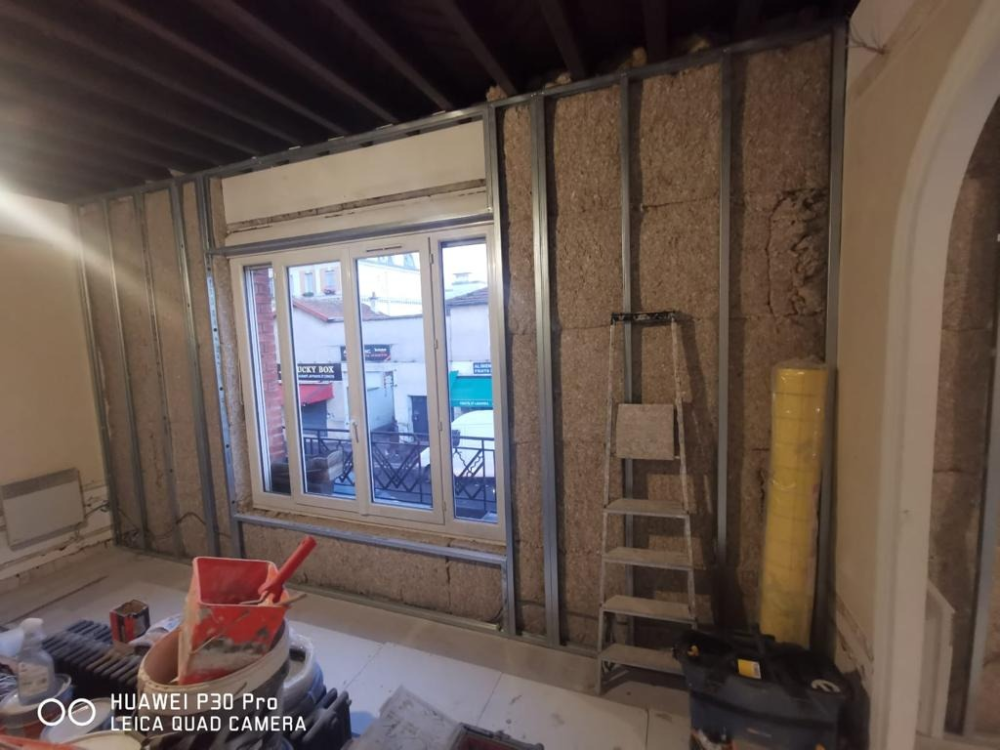
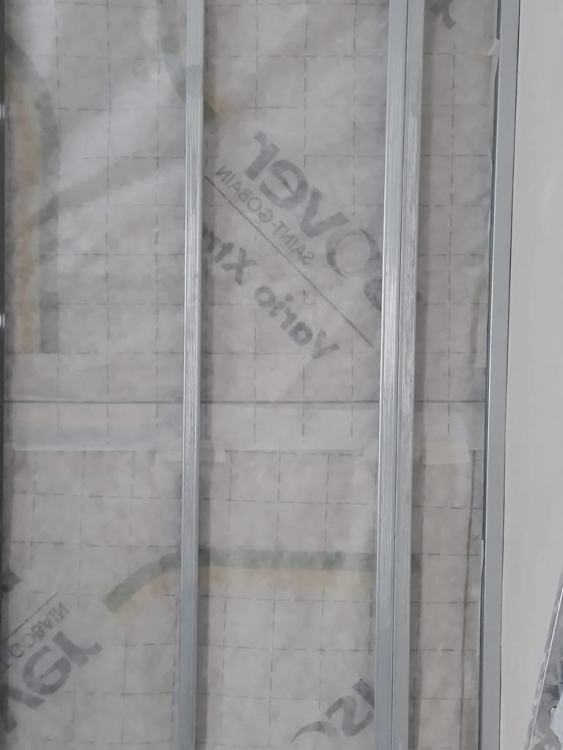
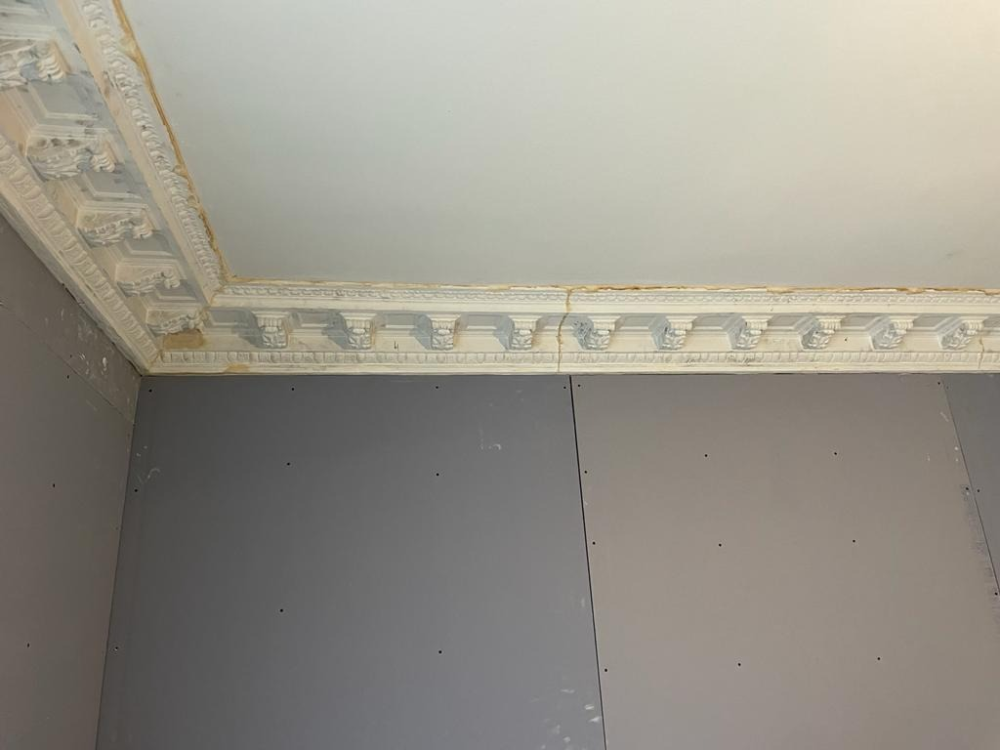
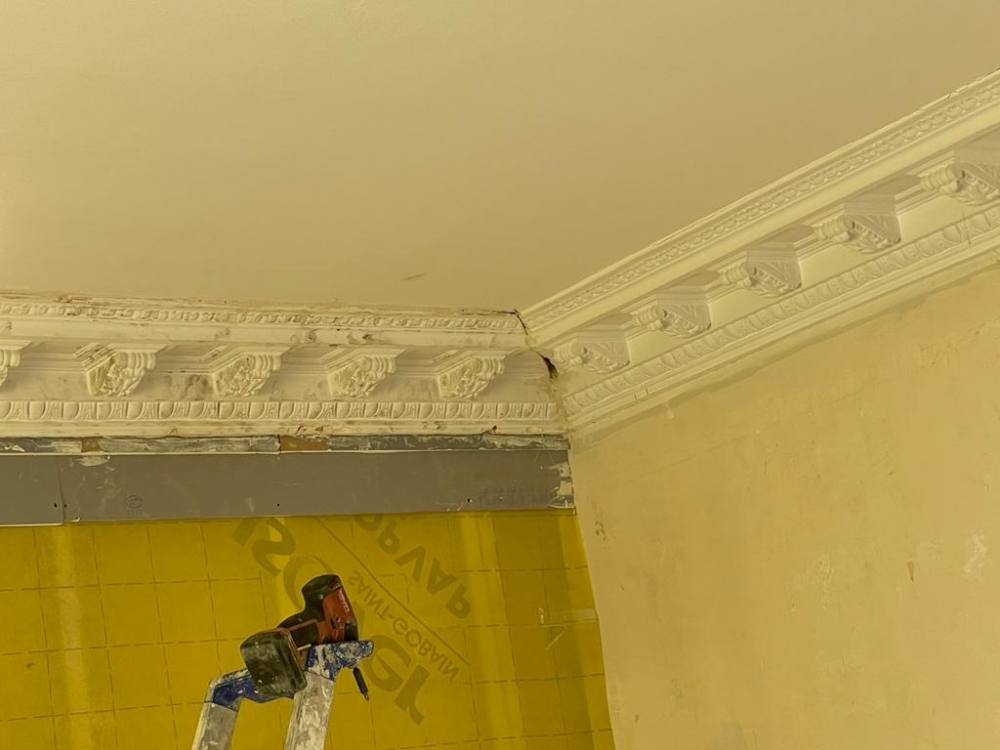
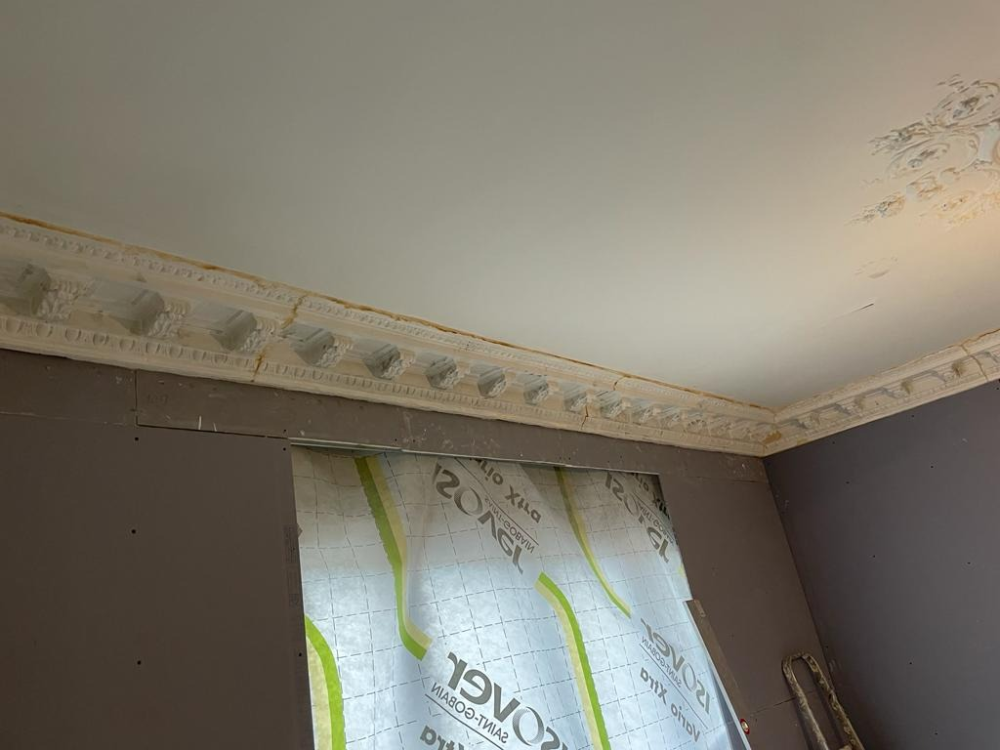
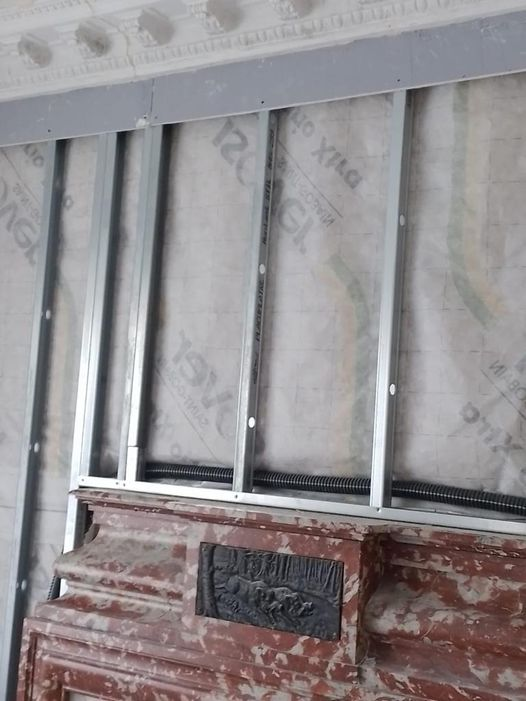
This is just a visual update for people who are following my insulation saga. As you know, we are insulating the streetside wall with a good thick layer of cellulose-based insulation (cotton/linen/hemp). Of course I mean: insulating material, air, fireproof panel. I think this duct is for the stereo speaker cable: I didn't know one could simply remove the decorative mouldings and then reattach them, but that's what the workers have just managed to do. Does it all look good? Any comments?
-
Non-slip tiles? Non-slip treatment? What is the solution?
Garald replied to Garald's topic in Bathrooms, Ensuites & Wetrooms
The manufacturer says that an anti-slip treatment would cost about 720 eur for surfaces up to 25m^2. Since my shower room is less than 6m^2, it doesn't seem to be worth it! Better get anti-slip tiles, no? -
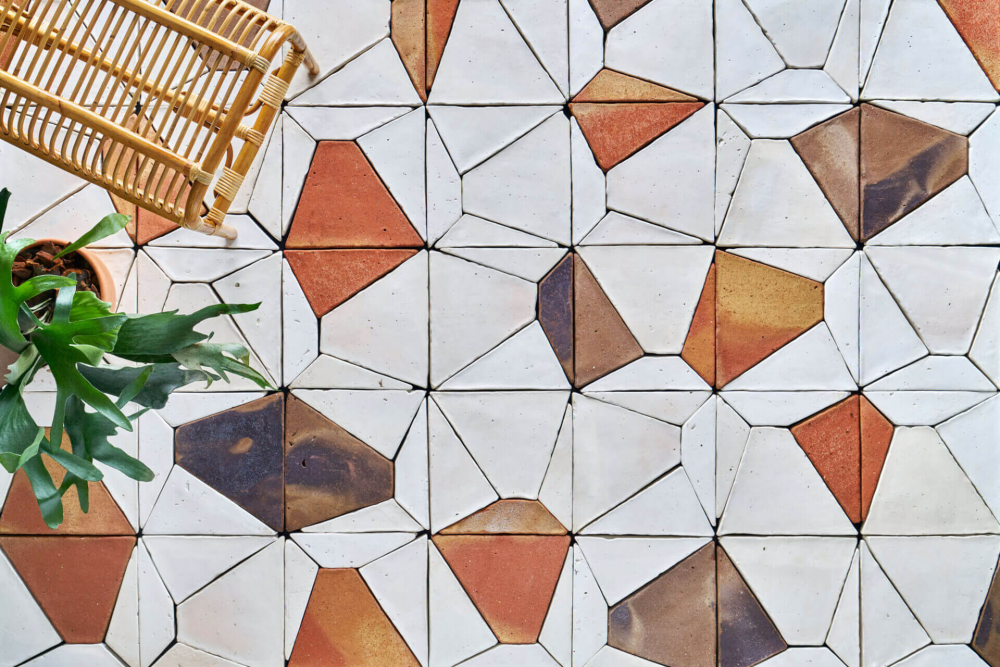
So, time to choose the tiles for the shower room (as in, Italian shower). As some people know, there will be an interesting (aperiodic) pattern with squares and equilateral triangles on the shower walls. The original plan was to continue that pattern on the bathroom floor. Problems: (a) unglazed terracotta (what my architect preferred) is not suitable for wet floors (in fact, the manufacturerś representative advises against it). (b) glazed terracotta is not in general non-slip. Possible solutions: (a) Treat the unglazed terracotta so that it becomes waterproof (b) Treat the glazed terracotta so that we won't slip on it and die (c) Get anti-slip, waterproof tiles that are actually designed to be used on shower floors. Objections to possible solutions: (a), (b): Does it work? Will it last? (c) Do they work? Also: where on earth can I get anti-slip shower tiles that are equilateral triangles of side equal to 10cm? Compromise variants of (c): (c1) Half of the area in the tiling is made of squares. Get anti-slip tiles for the 10cmx10cm squares, glazed terracotta for the 10cmx10cm, and rely on the fact that adult human feet are longer than 10cm. (c2) Just have the floor made out of some anti-slip material, and keep the pattern on the walls. Hope things don't clash too much. Opinions? Reality check?
-
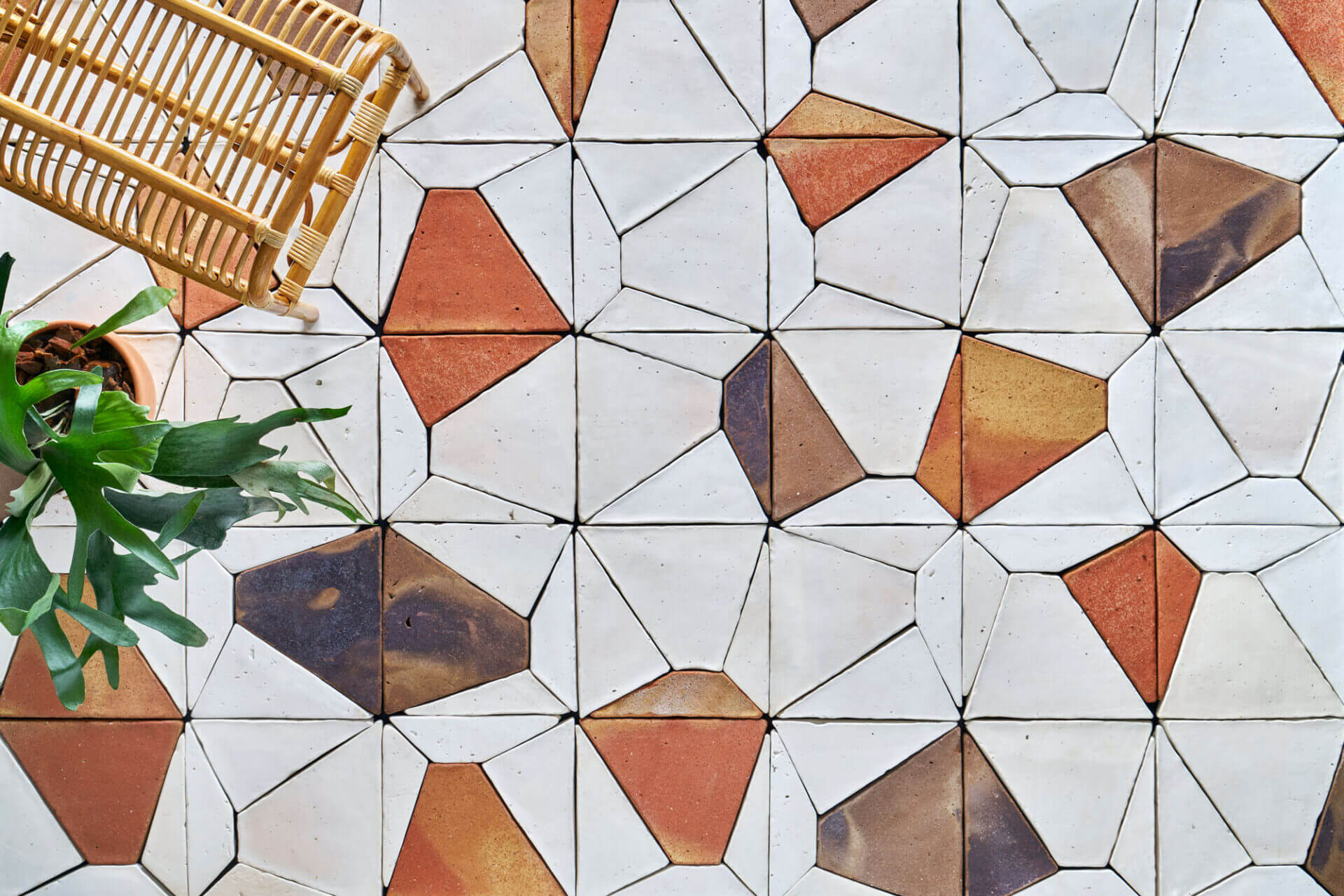
Flooring adventures in my ongoing renovation project! There's a Spanish company (todobarro.com) that makes tiles I rather like - it's pretty clear that they cater to mathematicians and adjacent creatures. They are not cheap, but they are not extremely expensive either. The architect didn't know them and grew to like them quite a bit. Yes, she's seen samples. I don't think I'll use them in the kitchen, as they conflict with the ultra-modern style of the existing cabinets too much. So, let's talk about the shower room and the WC. We've already decided that we will do an aperiodic triangle-and-square pattern in the WC walls with (relatively expensive) glazed tiles from todobarro; we'll cover the WC walls with some inexpensive zellige-like white tiles. That leaves the floors. Unglazed tiles are preferable in so far as they are (a) cheaper, (b) much less likely to lead to slipping. The architect was upset when I suggested that unglazed tiles when I suggested unglazed tiles might not be the most hygienic flooring in a WC. (I let it be implicit that many men have poor aim, at least on occasion; I imagine this is a universally known fact.) Then she was even more cross when the manufacturer recommended against using unglazed tiles in the bathroom, as verdín (green mold) and salitre (saline deposites) can form unless they are very carefully treated. Is there a standard treatment that (a) prevents all these issues, (b) my architect likely knows, and is upset that we do not realise that she knows? (I know you cannot read her mind, but neither can I, and of course I don't actually know the first thing about bathroom flooring.)
-
Heat pump+PIV: enough? Or are fan coil units necessary?
Garald replied to Garald's topic in Air Source Heat Pumps (ASHP)
Well, the alternative is getting everything ready so that we can get them later and install them painlessly if needed. Is this naive? What needs to be done? -
Heat pump+PIV: enough? Or are fan coil units necessary?
Garald replied to Garald's topic in Air Source Heat Pumps (ASHP)
True. But what do we need to do now so that we can fit them in later if needed? -
As people who are following my house saga know, we are planning on having a reversible air-water low-temperature heat-pump, with (a) radiators (a mixture of some existing ones and taller ones adapted to low temperatures), (b) a ducted PIV system, providing cooling, supplementary heating, air filtration, etc. https://www.vmi-technologies.com/wp-content/uploads/2020/09/aquarea-purevent-visionR.pdf The PIV is Panasonic, the heat pump is Hitachi, hopefully they won't hate each other. (We are currently going for Hitachi because that's what the installer says. Why that person in particular for the installation? Our situation is a bit funny (I've bought an outhouse adjacent to my place, and undone the internal wall separating the two, so that I can install the heat-pump there and not annoy the neighbors. That constrains us to either (a) a heat-pump designed to be used in the inside (the pickings are slim; we've basically gone down to a single, relatively little-known manufacturer (Amzair) and the installer isn't getting back to us) or (b) a heat-pump designed for the outside, and an installer willing to install it in the ambiguous place we've got now (basically a normal-sized door leading to the outside and the space immediately behind it). If you know of someone knowledgeable in the Paris area willing to install a Panasonic heat-pump in such circumstances, please tell me.) OK, to the point. It sounds like I will be very cozy in winter. However, as the manufacturer's manual itself says, while this system provides pretty good cooling, it doesn't provide a _lot_ of cooling. Fine - AC users are seen as antisocial elements in France anyhow. But what about when the temperature heats 40C? I'm less concerned about the long, south-facing library (which will be protected by shutters and awnings) than I am about the attic where we will likely be sleeping, in part because there will be plenty of skylights - with shades from the outside, but still. So: given that we are sprucing up the heating system in general (installing new radiators, getting a good clean-up, fixing any irregularities, etc.), is it a good idea to install an FCU unit or two, or to at least prepare for the eventual installation of such? I'm a newbie, so please instruct me. Would cold water flow along the same heating ducts as hot water does in winter? Or would an entire supplementary system of pipes be necessary? Is installing FCU when one already has VMI with cooling something completely backwards - a waste of energy and/or money? (I realise there are several interrelated questions - tease them apart all you want.) There's a fan coil unit by Panasonic itself (https://www.aircon.panasonic.eu/GB_en/product/aquarea-air-radiators-1-1/). No idea what the appropriate power is.
-
Perhaps having a small FCU (instead of a radiator) would be a better idea? Kitchens can get hot during the summer.
-
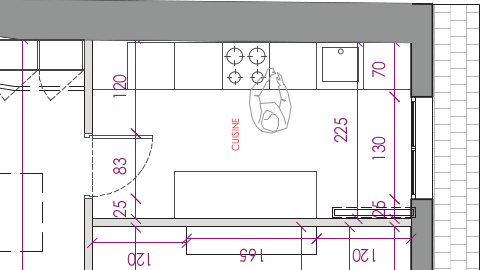
Yet another chapter of my house adventures! The place I've got has a smallish galley kitchen (225cmx405cm, before insulation). It was set up in 2015, with medium-range furniture that my girlfriend rather likes though the architect does not. (It's Mobalpa - the sort of thing that is (I believe) quite a lot more expensive than IKEA without being twice as good; it's not solid wood. The counter is some sort of sturdy black laminate - thank goodness, as I am largely the one who cooks, and I can be messy, apparently, or so have I had it screamed at me. I most definitely do not want to prepare food near somebody else's granite countertop ever again.) Our original intention was not to touch the kitchen, and to insulate the floor from below (it's right above a coop corridor). However, the walls were uninsulated, and the architect was particularly concerned about the overall soundproofing of the streetside wall being compromised if the part corresponding to the kitchen wasn't. So, in the end, the workmen carefully took the kitchen apart - and noticed the long wall was in rather poor condition; we will insulate it after all. In the process, they also had to destroy the current floor - a good thing, since it was vinyl poorly laid on damaged old tile. I will spare you all the things I have been told about how anything I could do to the kitchen decor can only make it worse - I will probably just (a) raise the cabinets and (b) install some extra shelving on the other side. The question now is: given that I have the freedom whether to put the insulation under the floor rather than on the corridor ceiling, what should I do?For that matter: given that I'll get a reversible heat pump, does it make sense to get under-floor heating that can be used also for cooling? That would free up space currently used by a radiator. Or is getting UFH in only one room impossible/too expensive? Or unfeasible (in that it would necessarily create a height difference - though we would presumably insulate the corridor ceiling, as originally planned, as opposed to insulate above)? If we do put in UFH, what we should put above it - synthetic flooring, since it is thinner? I include both the floorplan and an image of the kitchen before renovation.
-
Yet another chapter of my house adventures! The place I've got has a smallish galley kitchen (225cmx405cm, before insulation). It was set up in 2015, with medium-range furniture that my girlfriend rather likes though the architect does not. (It's Mobalpa - the sort of thing that is (I believe) quite a lot more expensive than IKEA without being twice as good; it's not solid wood. The counter is some sort of sturdy black laminate - thank goodness, as I am largely the one who cooks, and I can be messy, apparently, or so have I had it screamed at me. I most definitely do not want to prepare food near somebody else's granite countertop ever again.) Our original intention was not to touch the kitchen, and to insulate the floor from below (it's right above a coop corridor). However, the walls were uninsulated, and the architect was particularly concerned about the overall soundproofing of the streetside wall being compromised if the part corresponding to the kitchen wasn't. So, in the end, the workmen carefully took the kitchen apart - and noticed the long wall was in rather poor condition; we will insulate it after all. In the process, they also had to destroy the current floor - a good thing, since it was vinyl poorly laid on damaged old tile. I will spare you all the things I have been told about how anything I could do to the kitchen decor can only make it worse - I will probably just (a) raise the cabinets and (b) install some extra shelving on the other side. The question now is: given that I have the freedom whether to put the insulation under the floor rather than on the corridor ceiling, what should I do?For that matter: given that I'll get a reversible heat pump, does it make sense to get under-floor heating that can be used also for cooling? That would free up space currently used by a radiator. Or is getting UFH in only one room impossible/too expensive? Or unfeasible (in that it would necessarily create a height difference - though we would presumably insulate the corridor ceiling, as originally planned, as opposed to insulate above)? If we do put in UFH, what we should put above it - synthetic flooring, since it is thinner? I include both the floorplan and an image of the kitchen before renovation.
-
That's good news. That's good news. We can't use the same oak as in the hall and library (because we can't go back in time 90 years) but we could use the same solid oak that we'll lay on the attic (Grzegorz has got it for a very reasonable price); see appearance above. Uf, I really can't promise that. What I could ask is for the oak floor to get synthetic protection (we'll go with oil for the attic).
-
Not really; what I have in the kitchen that has any value is either (a) indestructible (Dutch oven, etc.) or (b) something that I handle with care (Roemertopf, tajine,... ah wait, the tajine is already cracked, though not smashed). No, my girlfriend and her parents are going on about how it is important to have soft floors in the kitchen (where "soft" includes wood) so as to avoid problems later in life. Her brother is actually in orthopedics, so his input would be valuable, but they haven't actually asked him. In the meantime, my family and I are scratching our collective head; we've never even heard of health problems or even just discomfort caused by tile, we've been cooking while standing on tile floors since time immemorial (unless grandma first cooked on a dirt floor; never asked her) and, yes, I am the one who cooks.
-
That product is my architect's favorite synthetic flooring - apparently it looks very realistic.
-
(Hitachi) Air-water heat-pump: use for cooling?
Garald replied to Garald's topic in Air Source Heat Pumps (ASHP)
PS. If we were to go for underfloor heating in the kitchen, how does that restrict our choice of flooring? (Restrictions in the choice of flooring (wood vs. stoneware tile vs. geometric patterns in rustic multi-colored terracotta vs ecuran) would be welcome; as you may know from another thread, this is right now a case of Buridan's ass getting screamed at by the other animals in the barn.) PPS. How would the system work overall - is it simple to set up things so that water would circulate to all radiators and possibly to all FCUs during the winter, but only to the FCUs during the summer? -
(Hitachi) Air-water heat-pump: use for cooling?
Garald replied to Garald's topic in Air Source Heat Pumps (ASHP)
The destructive phase of renovation is coming along wonderfully. If you want recent pictures of things being taken apart, please tell me. That's an issue. Some of the Panasonic ones do not seem too bad: https://www.aircon.panasonic.eu/FR_fr/product/aquarea-air-radiators-1-1/ (Alternatives?) Would one be enough for cooling a long 40m² library(/piano room/dining room/everything else) with southern exposure? I might place it above the fireplace that doesn't work (putting it above the fireplace that does work would seem a bit bizarre, particularly since, if it ever gets under -10 C again, I might have to recur to using both the FCU (for heating) and the fireplace). BTW, might try to ask someone who sells Panasonic heat-pumps to provide a quote for a heat-pump while we are at it. All the Hitachi FCUs I see are ugly, industrial and extremely expensive. Of course I don't foresee any problems combining a Hitachi heat pump with a Panasonic FCU (should I?). Well, that would be - the library - the attic (no idea where to put the unit then!) - come to think of it, the kitchen, whose floor we have just taken apart (should we consider putting underfloor heating and cooling there? would it be very expensive? If it replaces the radiator, it would free up a cabinet's worth of space in what is after all a small kitchen. Note it is right above a coop corridor (whose ceiling we are or were about to insulate). -
(Hitachi) Air-water heat-pump: use for cooling?
Garald replied to Garald's topic in Air Source Heat Pumps (ASHP)
PS. So, a radiator cannot be used for cooling - but can a FCU be used for heating as well as cooling? That could save us some space and money. Of course there's still the noise issue. The French term for "fan coil unit" I am finding is "ventilo-convecteur", and it seems to be used mostly for heating. -
(Hitachi) Air-water heat-pump: use for cooling?
Garald replied to Garald's topic in Air Source Heat Pumps (ASHP)
Nice - mystery solved! Where does one install a fan-coil unit? Near the ceiling? (Does it make sense to install one above the chimney?) Is one enough for cooling a rather long room (40m² total)? I don't think I've ever seen a fan-coil unit. Seems to take quite a bit of space (one of the reasons why we decided against getting an air-air heat pump to begin with). Is noise an issue? I guess I can put one in the library and one or two in the converted attic. I wonder where in the attic such a unit can go! (We are redoing the floors, but I think the architect will freak out if I suggest UFH for the attic - there already isn't a lot of space where one can stand upright. Is UFH something one can choose to have on a single floor or even a single room and not elsewhere, within one and the same low-to-moderate-temperature heating system?) I've found the long thread here: In the end, what are some units available within the EU that have a good quality/price ratio and are not noisy or bulky? (Hitachi does seem to make a FCU itself, but it seems evident (from size, price, etc.) that it is meant for the industrial sector.) -
Another chapter in the renovation saga! (As some people know, we are carrying out a major renovation of a duplex near Paris dating from 1930. Proper cellulose and reflective insulation everywhere, new radiators adapted to low-temperature heating (keeping some of the old ones), ... We already cut off the gas, and are trying to choose an air-water heat pump. We've bought a broken-down courtyard outhouse from the coop so that we can put the "outside" part inside and not bother the neighbors.) We are now inclined towards the Hitachi Yutaki S 2.0 heat-pump, as opposed to the Amzair Optim'Duo, mainly because the company that was going to sell us the Amzair dropped the ball and didn't get back to us with a precise quote. (There's also the fact that the parameters for the Yutaki are somewhat better. It also looked originally as if it was going to be a lot cheaper, but given how much the installer wants to charge us for this and that, I am not sure that this is still true.) Now, the website for the Hitachi Yutaki 2.0 emphatically states that it can also be run backwards, for cooling in the summer. How would that work for an air-to-water heat-pump? Is that only for people who have underfloor heating (I am not one of them)? Or can the heat-pump really cool water (up to what temperature? not clear from the documentation!) that can be simply circulated around the radiators just as one circulates hot water? What measures do I have to take in practice?
-
Is Wineo (https://en.wineo.de/inspiration/living-worlds/flooring-for-kitchen) an example of LVT? (It's what we were going to put as flooring before the decision to insulate the kitchen as well - something that led to more destruction and more freedom.) How long do such artiificial floors last? Is (properly treated) oak too delicate?
-
Another kind of tile (porcelain), sent by a friend: https://www.etoffe.com/de/fliesen/33500-porzellan-steinzeug-hanna-nanda-tiles.html?fbclid=IwAR3m_cjJaUdk-0e5-AebPs7UL2bm3p6eLOG9O4KqAjMLT9t7cwdxi4XDki8
-
> I assume you have insulation in the floor..... Right - before we decided to redo the kitchen, we were going to insulate from below (the kitchen is above a coop corridor), but now I assume we'll put insulation under the floor as well; let me ask the architect. How does that affect our choices? You mean we may not be able to use thick material? >The terracotta tiles you show are a softer product and I think will chip. I think the architect's reasoning is that, since the terracotta tiles are somewhat irregular to begin with, stains and small chips won't show, or rather will just form part of the "weathering" of the product - whereas cement tiles often show stains easily, and stoneware can be more fragile than it looks. Does this make sense? Is terracotta easier to stand on than hard tile?
-
I see - thanks. But what about the issue of terracotta tile vs stoneware tile (i.e. high-temperature ceramics; the French term is "grès")? Is porcelain tile a different category, or does it fall under stoneware? Issues, as I said: durability - the floors' and my knees'. (I have no idea of whether "tile floors are bad for your feet" is a real issue, or just something that Martha Stewart and her friends made up; I had never heard of it, but now someone in my life - who largely isn't the one who cooks - is stating it repeatedly as if it were Carthago delenda est.) Here are some links that the architect has given me. (Well, I gave the first one to her, but she's now an enthusiast, though she hasn't tried it yet.) https://todobarro.com/suelos-barro/ https://www.comptoirducerame.com/fr/cabourg/5392-carrelage-sol-et-mur-ag2208004.html https://www.leroymerlin.fr/produits/carrelage-parquet-sol-souple/carrelage/carrelage-cuisine/carrelage-cuisine-sol/1900-comillas-patchwork-20-x-20-cm-carrelage-aspect-carreaux-de-ciment-89163825.html https://matcarrelage.com/fr/mur-sols-interieur/702115-carrelage-1900-decor-20x20-vives.html https://www.portugres.com/faenza/centro-faenza/ https://www.portugres.com/alcazar-barroco/ As you can see, these are really different kinds of tile, but the meaning of the differences is still lost to me. What are the differences in material and how do they matter? PS. I'll mention the grout to the builders, but that's just for reassurance - I'm pretty sure they know all about it; Grzegorz seems very competent. PPS. The architect assures me that Wineo (ecuran) is a high-quality synthetic flooring that is relatively eco-friendly. Perhaps I'm behind the times, but I still think of that as something to use when a traditional solution doesn't work (i.e. on the ground floor, where the fact that we are adding insulation apparently means that we can't put thick flooring or else incomers will stumble). I see online that wineo does meet AC4 norms, whatever that means. PPPS. Then there's the wall tile, for the backsplash (I *am* a messy cook). I suppose there we can just go with aesthetic criteria? Again, links from the architect: https://www.ondacer.com/en/livorno-ma/84059-decor-savona-20x20cm.html https://www.mainzu.com/es/producto/serie/livorno