jayc89
-
Posts
1389 -
Joined
-
Last visited
-
Days Won
1
Everything posted by jayc89
-
Agreed, you hinted at something interesting. If I was to get someone in to do this work, they'd probably slap 75mm PIR everywhere, batten out, PB and be on their merry way. Whereas home owners generally take more care and attention in work they DIY. I'd be more tempted to apply 2x layers of 25mm PIR taped and overlapping each other, an additional VCL, batten out, 25mm PIR infill (taped) and then PB. So you could certainly see which one would be more likely to incur interstitial condensation. I'm even considered rigging up some Temp + Humidity sensors behind the PIR, to see what really happens during the coldest/wettest months.
-
I'm leaning towards the other camp. Mainly because going down the breathable route 1) further decreases floor space and 2) forever limits you to breathable finishes (lime plaster, breathable paints, non-vinyl wallpapers etc). I'd love to have an informed conversation about this though, as I hope to make a start on ours towards the end of summer, ready for winter. My current opinion is; breathable IWI is preferable non-breathable is acceptable, but great care needs to be given to the VCL detailing there's a limit to how well you should insulate to allow some heat still to escape and help dissipate any moisture in the wall - so forget PassivHaus levels, Enerphit propose a u-value of 0.35 when using IWI which is higher than building regs now require of a renovation, so I don't know how that works. the external face of the wall must be breathable - no cement render, well pointed with lime mortar, no ground build up etc. some suggestion that a water repellent should be applied to the external face to reduce the risk of moisture ingress. If I was to go the breathable route, I'd probably use this - https://www.ecologicalbuildingsystems.com/product/diathonite-evolution - to provide the insulation and airtight layer all in one.
-
Surely the PIR will only lift if screed is allowed to pass through the membrane? I didn't glue our PIR, just fitted it friction tight, taped up and membrane over.
-
I was pretty tempted. I have a pretty good idea what our heating and hot water demand should be once we've finished the renovation (approx. 8kw) but until it's physically done (or at least nearer to it). I didn't want to risk it.
-
Ours were stapled into the insulation after it'd been taped and covered in polythene. Once the screed when off, the majority pulled out pretty easily.
-
I guess location is a big factor. Around here I've seen houses with pools for sale in the 500k region. You can't get a flat for that money in some locations!
-
How much would these generally cost?
-
Our refurb was 65m2. We have 100mm C35 conc, 100mm PIR (you could argue this isn't enough but we were battling against Victorian foundations so increasing the depth became the limiting factor) and 60mm liquid screed. It's been down nearly a year now and so far so good.
-
Bump. Any ideas?
-
Is there any difference in thermal conductivity between slab and screed?
-
How long has insulated plasterboard been around for? People have been slapping that on to solid brick walls for years now.
-
That's what we plan to do for the extension. I did wonder why so many decide to use a screed too. It was spec'd in our renovation and we blindly went along with it.
-
I'm not convinced IWI (Internal Wall Insulation - Mod) is fully understood yet. So many differences of opinions, so many reports of people fitting IWI in ways that should cause problems, yet there's very little evidence (on the internet) of actual people having actual problems. My current conclusions, which may also be entirely wrong, are; - Moisture cannot be allowed to escape the warm rooms, through the insulation, reaching the now cold wall. - Every effort should be made to keep the wall dry from the outside (well maintained pointing/gutters/drains, avoiding build up of external ground level etc) - The wall needs to be able to dry if it does absorb moisture (pointed in lime, no sand/cement renders etc)
-
Regs change that often you're never "good" for that long. IIRC, the general recommendation is a rewire every 30 years.
-
Build up hardcore in layers of ~ 100mm. Scrap the sand blinding for a layer of EPS and given you have the depth, I'd use EPS rather than PIR.
-
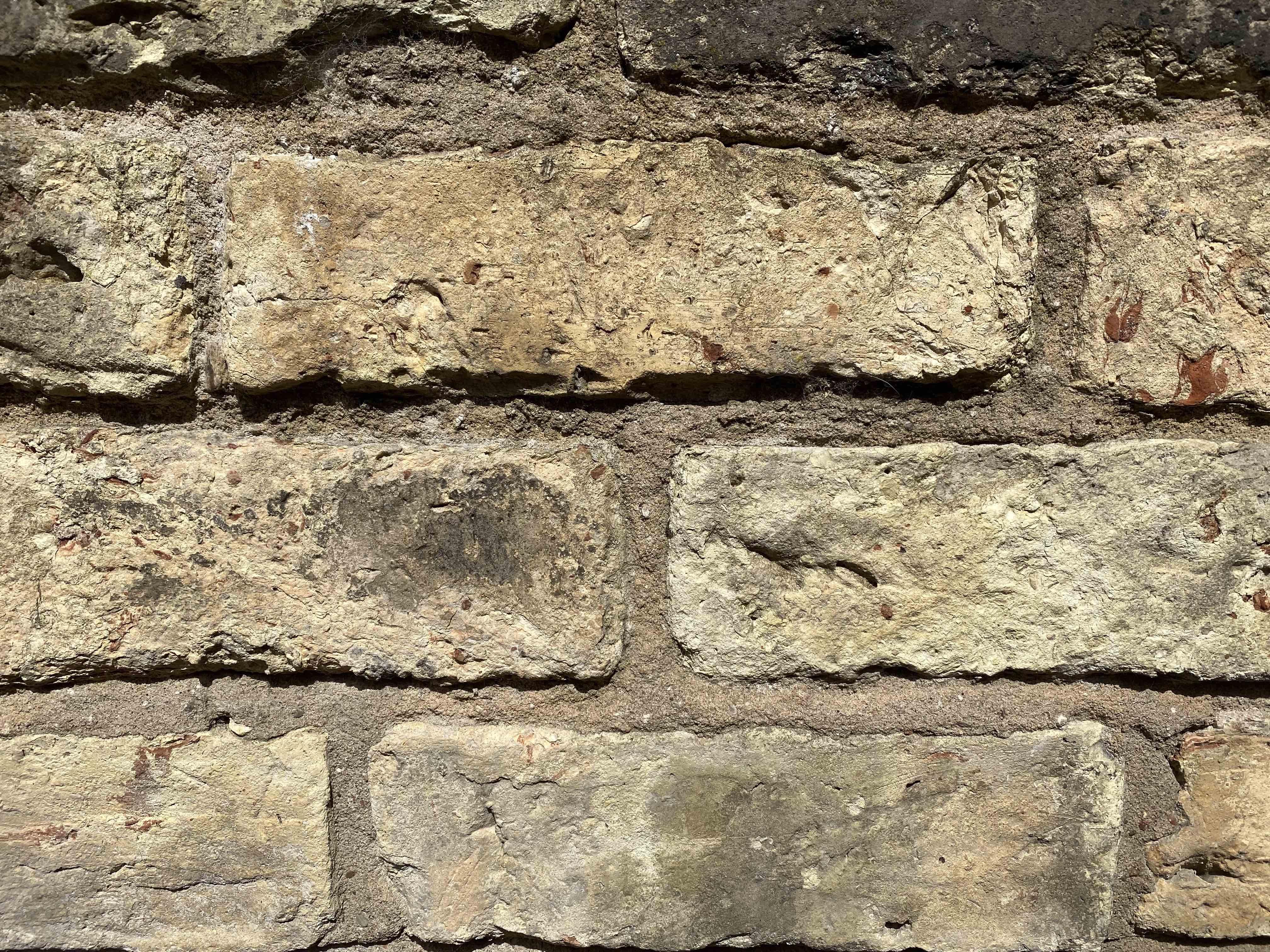
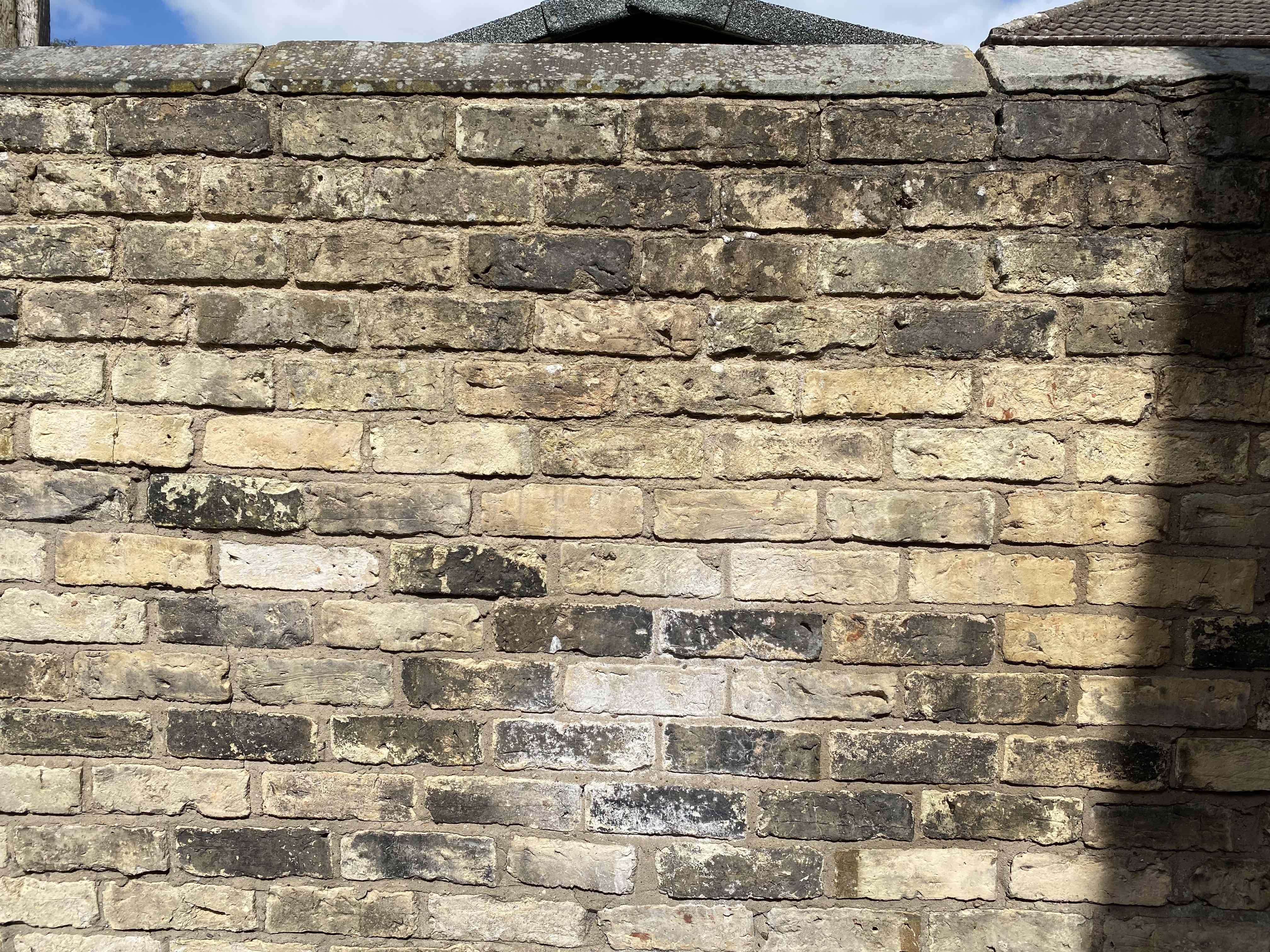
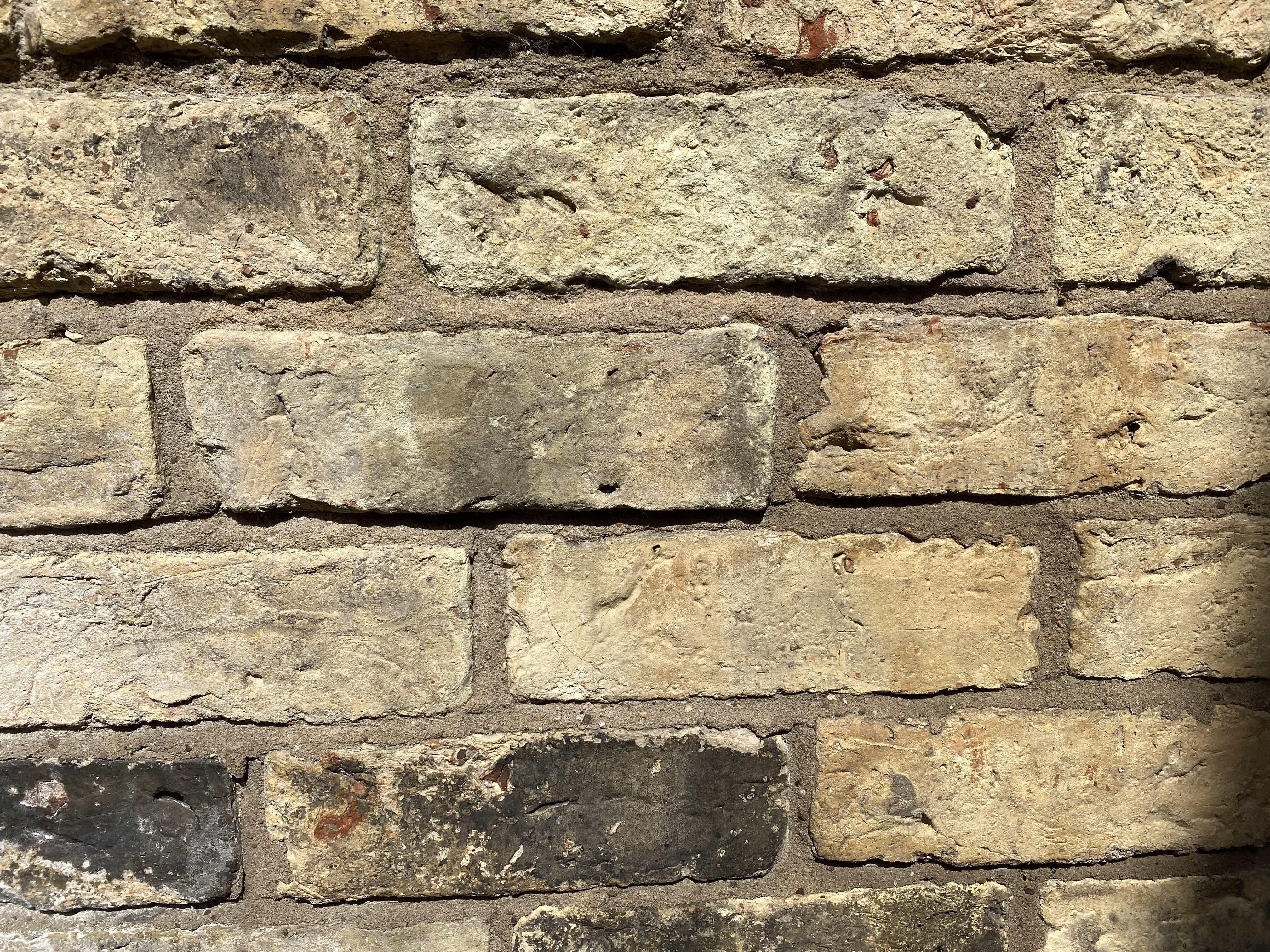
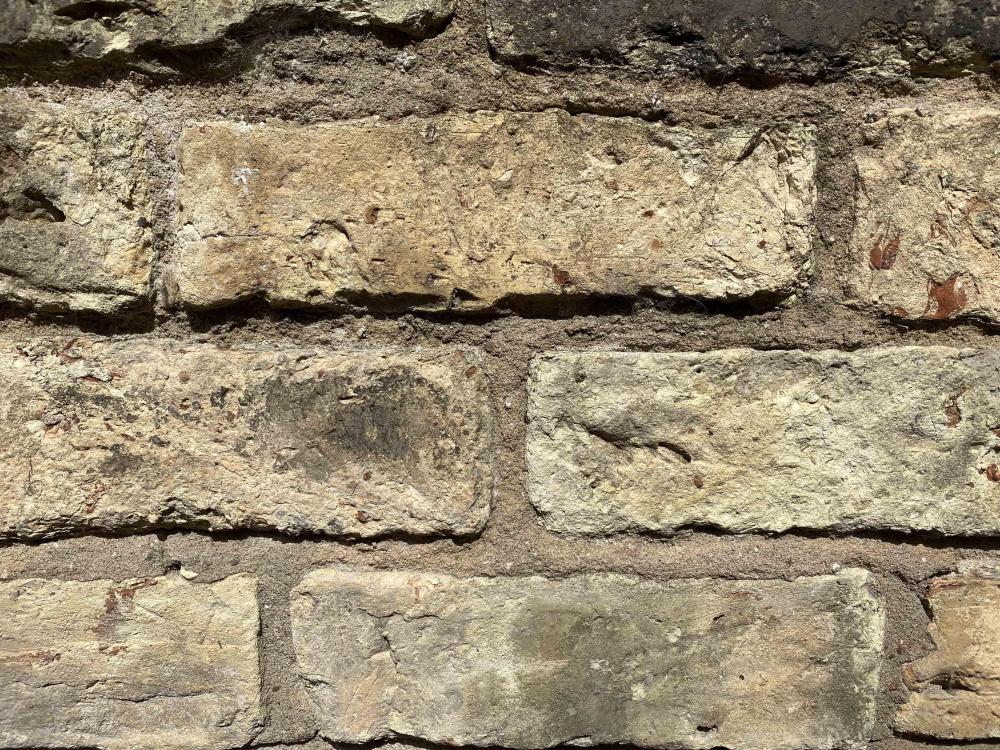
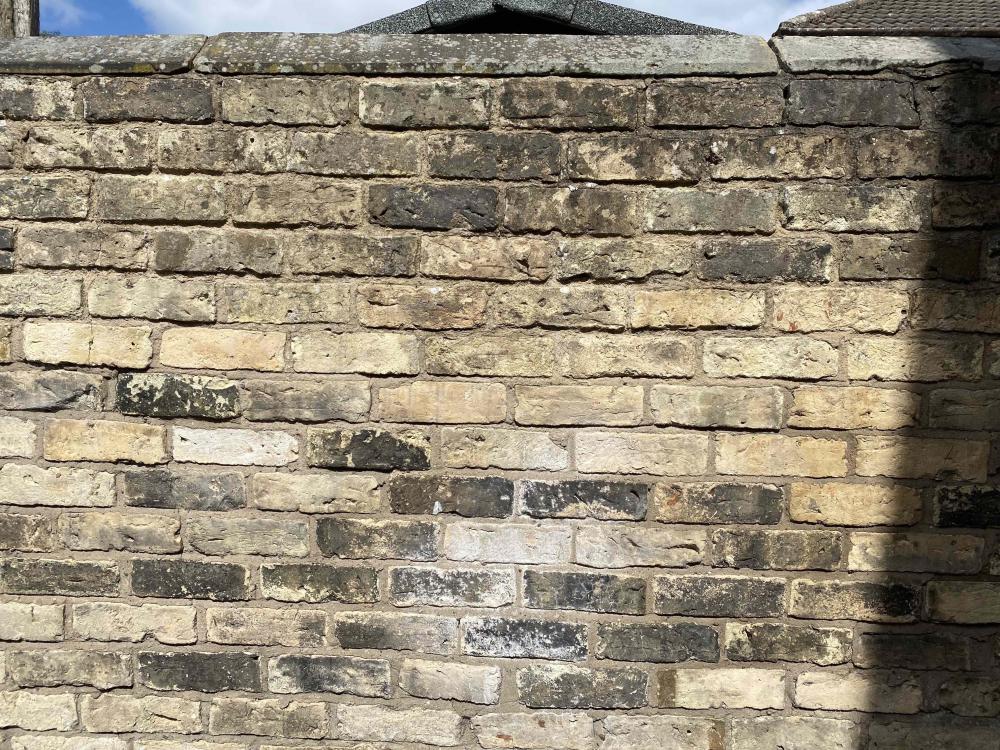
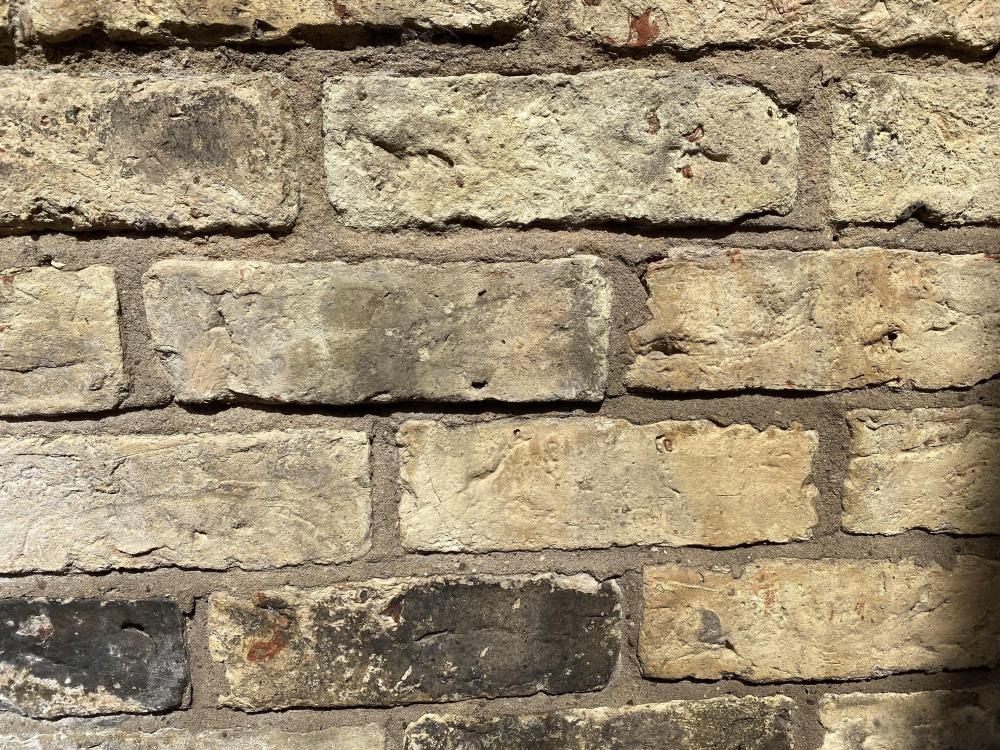
Knocked a load of render off a garden wall, expecting to find the buff brick to continue beneath the render. I was wrong. Looks like once upon a time the cowboys where in town and used any odds and sods they had left in the back of the van then hid the atrocity with sand and cement. Any suggestions where I can get these bricks matched?
-
All solid floor slab, no ventilation.
-
Our meter is on the NE corner of the house, from there we have a copper pipe running west, entering the north wall for the GCH and continuing around to the west wall for the gas hob. It's a bit of an eye-sore and I'm constantly worried the kids will end up knocking the pipe with their bikes etc. as they're coming/going. Would it be possible to re-route the supply, from the meter, underground, entering the house where required, through the slab. If it's possible, I assume we'd use perforated ducting and yellow MDPE? There are no other services, that I know of, in this area.
-
https://www.insulationhub.co.uk was the cheapest when I last ordered. http://secondsandco.co.uk can also be useful if you hit it at the right time (their stock moves pretty quick).
-
decorative Cat 6 LAN cables
jayc89 replied to Adsibob's topic in Networks, AV, Security & Automation
Your bottleneck would still be your broadband. Even at 350Mbps you're only at 35% capacity of a 1Gbps (CAT5E) LAN. What spec router do you have from your broadband company? Most provided still only come with a 1Gbps port too. -
decorative Cat 6 LAN cables
jayc89 replied to Adsibob's topic in Networks, AV, Security & Automation
Can't really help with the original question, but CAT5E (and CAT6) is good for up to 1Gbps. The average broadband speed in the UK is 79.1 Mbps (or 0.0791 Gbps) so there's still plenty of mileage in it too. Unless you plan on operating a data centre from your house, you'll see no benefit from CAT6E or higher. -
I'll certainly be tackling rooms one by one (well, probably a room downstairs and the one directly above it), but I'd be aiming for a full house approach. - When using PIR, taped etc, for IWI, is an additional airtight membrane, recommended too? Warm or cold side? - If so, should the membrane be carried around any internal wall returns, or just sealed and taped to them? - The ground floor slab has 25mm PIR up stands around the perimeter, how should any membrane be detailed there? - There are gaps on the cold side of the up stands, where the PIR doesn't sit exactly flush with the brickwork. Should these also be filled with foam, or something else, first (I understand foam can shrink so general avoid it)?
-
Negligible in the sense, if a house's airtightness is poor, there's no use having an MVHR. Is it really that simple though? I assume, when applying the airtight barrier internally, there will become added complication where internal walls are tied into external ones etc?
-
A lot has been said about the negligible benefits of MVHR in a house with substandard airtightness. So what's the key to making a house airtight when renovating? - Airtight membrane across ground floor joists? What about solid floors? - Airtight membrane across external walls, with correct window/door detailing? - Airtight membrane across top floor ceilings/roof? There must be more to it than that though, no? What about fireplaces? Letterboxes? Drains, or anything else, that exits through the walls rather than through a slab?
-
Introducing Experienced construction volunteer for 3m mainland UK
jayc89 replied to NatHealth's topic in Introduce Yourself
Welcome! There are plenty of interesting projects ongoing, I'm sure someone will snap your hand off with an offer like that