SteamyTea
-
Posts
23866 -
Joined
-
Days Won
200
Everything posted by SteamyTea
-
Or do we want the video
-
Over at the other place I used the term WTF Someone had to ask what it meant I feel a case of the Malcolm Tuckers coming on https://en.wikipedia.org/wiki/Malcolm_Tucker
-
I am willing to put up any picture or bad language, I get posts deleted on a regular basis. I blame it on my mute tourettes syndrome https://www.johns-jokes.com/mute-tourettes-syndrome
-
@Russell griffiths You and your pictures

-
There used to be a really hopeless food van in Aylesbury called 'Tuckwits'. It was doomed to failure.
-
I am still reading it
-
I think I have mentioned before that for every rule we have that says you must do something, there is at least one other that says you can't do it. Maybe some good will come out of it as it will clear up some confusion. I am an optimist by nature.
-
The needles will fall off if it is too hot
-

Do low energy houses really need heating controls?
SteamyTea replied to pdf27's topic in Boffin's Corner
Was this a generic formula, or one created from measurements at @JSHarris house? -
Internet in the US shifts out of Neutral
SteamyTea replied to MikeSharp01's topic in Boffin's Corner
How hard can if be to make a 'citizens' network. We carry around the technology these days, just needs someone to come up with a simple way for people to connect all the routers and phone wireless hotspots together. It still amazes me, that were I live (6 houses) that there are 5 wireless routers permanently connect to the internet and probably 9 phones that are capable of being connected. So how much does that all cost, £3000/year for 11 people to have access. There just has to be a better way than relying on phone companies. -
Something to think about Christmas Day, not a lot happened then
-
Not sure if it is just a bonkers idea or there is some mileage in it. I think that it is only suitable for induction hobs, and probably not got gas as it could blow the flame out. But people really should not be considering anything but induction hobs these days. I was not thinking along those lines, but does make the whole thing a lot easier, good call. I may have to get the jigsaw out and that old hardboard I have kicking about.
-
After looking at that hob extractor thread, I was thinking, why not have an extractor that draws in cold air from outside and then the extractor just sucks up that air, with the fumes and flames from your cooking. That way it may not unbalance any other extraction system the house has, and there should be enough 'leakage' of kitchen air to help get rid of excess smells. Not the most energy efficient extractor, though a heat exchanger could be incorporated, but for the relatively short time a hob is used it should not matter. Also. Fitting an extractor at hob level and with the gubbins in a floor mounted kitchen unit would cure my problem of fitting an extractor i.e. I have no wall to put a pipe though, it is all window.
-
By about 50m2. Just teasing really
-
I once saw, on the internet, someone that used pen drives to make a RAID for his Mac. Says it all really. But I found this:
-
You can take the boy out of Essex, but you can't take the Essex out of the boy, or a Crappy, Grandad, Fordina...
-
Designing a rapid reacting 'real' air temperature sensor
SteamyTea replied to MikeSharp01's topic in Boffin's Corner
If you have less air pressure, there are less molecules. Temperature is the mean speed of those molecules (with some caveats). So less molecules there are, the less likely they are to hit the probe, regardless of the absolute temperature. Then there are radiative forcings, but that is a whole different thing for normal temperatures in normal air. -
The best handling one, but that should be first choice anyway. Called St Awful. There are more run down places, I live in one of them. So bad that it is recognised as one of the poorest parts of the EU (that problems is solved by BREXIT, well done Britain). http://inequalitybriefing.org/graphics/briefing_43_UK_regions_poorest_North_Europe.pdf Cornwall has about half the GDP per Capita than Buckinghamshire. There are two Cornwalls, the nice coastal part and then the really large part in the middle. Not many people ever stop in the middle bits.
-
Designing a rapid reacting 'real' air temperature sensor
SteamyTea replied to MikeSharp01's topic in Boffin's Corner
Isn't it the plastic case of the DS18B20 that slows the reaction time down. Car fuel injection uses a hot wire and a Wheatstone Bridge, they work very quick. Or how about sensing the pressure inside a sealed vessel. A mate of mine who paraglides has an altimeter that can sense less than half a meter of movement and issue a warning i.e. up or down. Only cost a few quid. (I bought some temp/humidity/pressure sensors for my RPi, but not got around to playing with them yet. -
I have only had a quick read of this, but my thoughts about the basement insulation are that you can fit it on the inside, it will not really make any difference thermally. Ground temperatures do not change too much over a year, so easy to calculate the losses. Then you can build your house on top with something similar to the MBC design, which is basically a timber frame house with a mixture of internal and external insulation. As far as I can work out, they do this to reduce thermal bridging when combined with the foundation design i.e. part of the house is thermally isolated by the slab design, the rest is thermally isolated by the Larson Wall. But too be honest, if you build the main house from block and added 300mm of insulation on the inside, it would be pretty cosy, though you could get nearly 400mm with a timber frame, so even better. I would not worry about your construction type too much. Just get some quotes and run the numbers about thermal performance. As you seem to have natural gas on site, go for that, your largest 'bill' will be domestic hot water, not heating (unless your cheap labour is really dreadful). MVHR is probably beneficial as you can keep more windows closed, reducing noise and dust, and increasing security (possibly). May even save something on the windows as less need to be opening. Your interior design is the thing that is going to add most value. Something that looks big is worth more in the capital than something that is bigger but feels cramped. See the conversation about small housing that @caliwag started. His idea of small and mine are different. The above is just mental rambling as without seeing the site and your plans, I can only comment on what is in my mind, not yours. Does sound a fun project and your Bulgarian works are probably easier to train and monitor than the shower of shit that is UK builders.
-
Solar PV DNO Engineering Recommendation Code
SteamyTea replied to MikeGrahamT21's topic in Photovoltaics (PV)
Is it an SMA, or a clone of one. TL4000 or similar? They should be set up correctly and there is a risk, though a small one, of a large fine. -
I am 100 miles from civilisation, nearly 200 from culture and 300 from both. Would not swap now though, I have kind of got used to the horror that is Cornwall.
-
Just checked my email and ERSI have told me that they get the data from www.here.com I have no idea what they do.
-
First snow view of the winter at my house...
SteamyTea replied to Ferdinand's topic in General Self Build & DIY Discussion
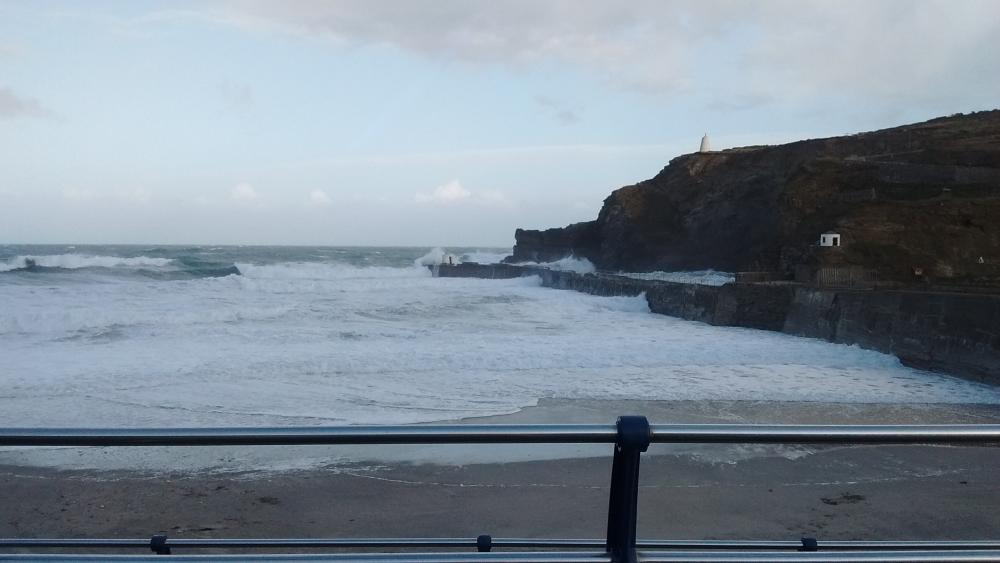
First picture is North Coast. -
First snow view of the winter at my house...
SteamyTea replied to Ferdinand's topic in General Self Build & DIY Discussion
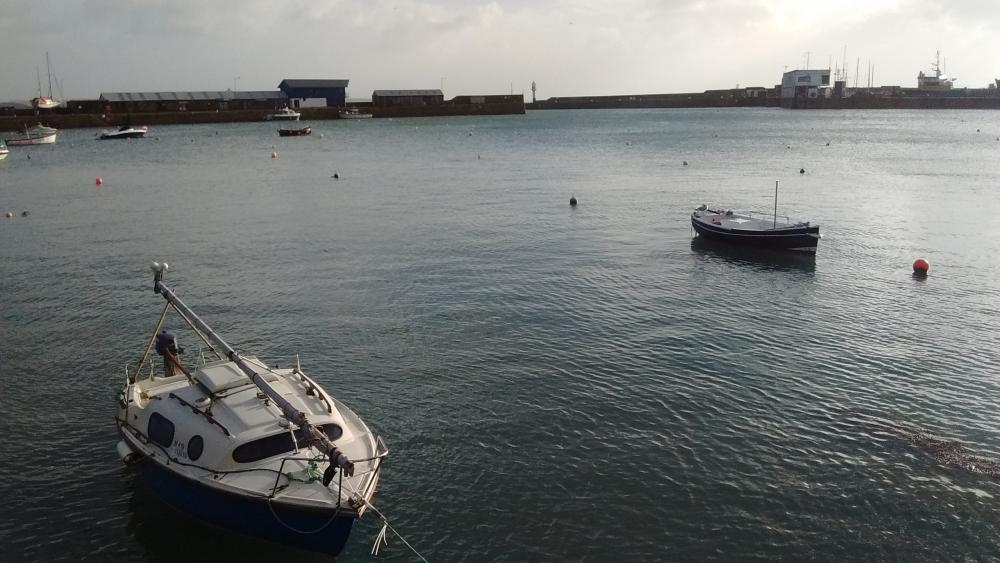
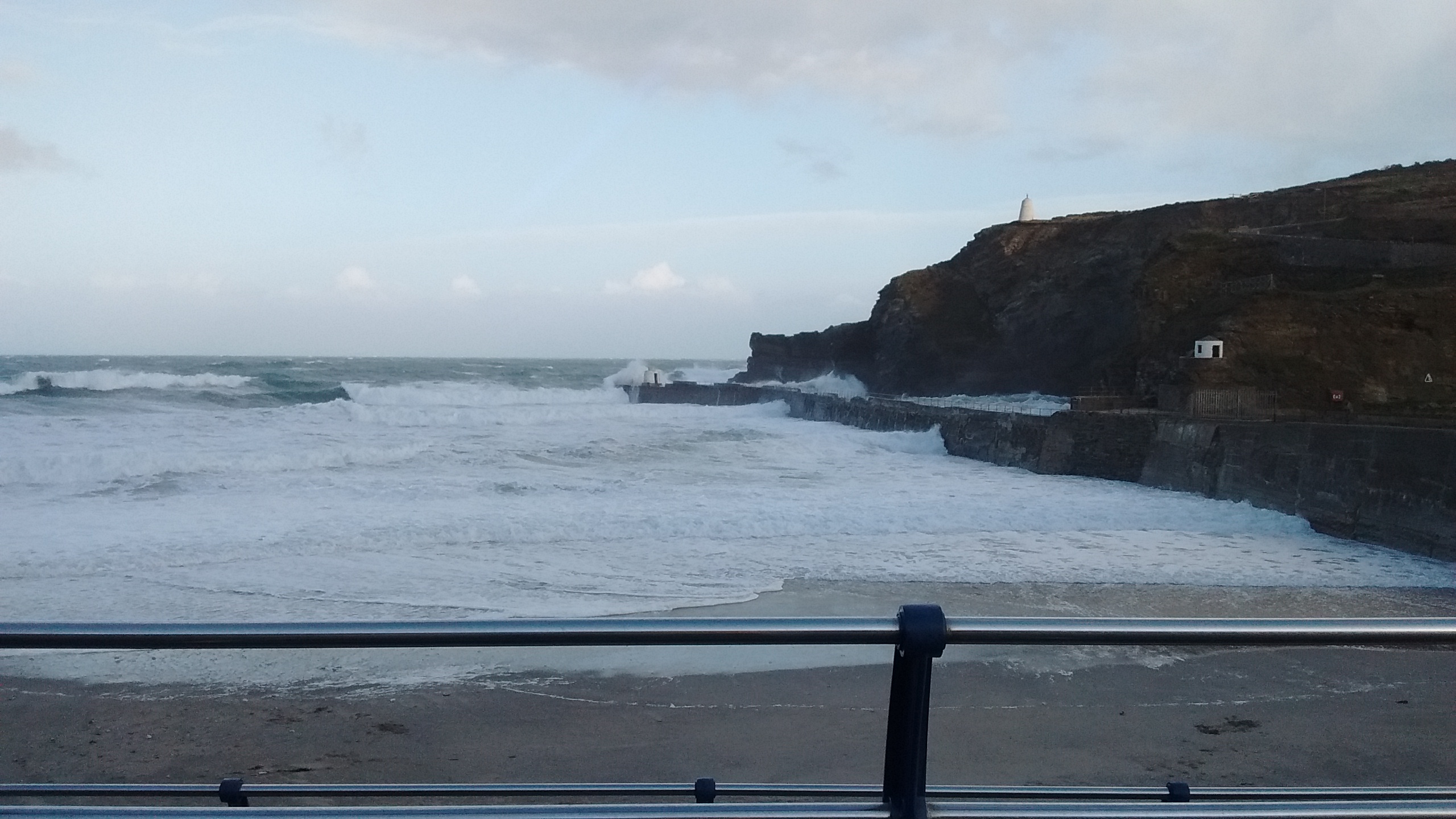
Two pictures, neither of my house, but shows the difference between the north and south coasts. They were taken an hour apart. First is cold, very windy and rough, second is warm, calm and really quite nice.