SteamyTea
-
Posts
23848 -
Joined
-
Days Won
200
Everything posted by SteamyTea
-

Passive House, storms and power cuts
SteamyTea replied to Russdl's topic in Energy Efficient & Sustainable Design Concepts
The 600W one shows that it has 2 12V/7AH batteries. That is a total capacity of 288Wh. I tend to work on half of the stated capacity, it is safer. -
Didn't Sunamp enter into a sales agreement with Fischer a few years ago. I may be wrong, and quoting the wrong company they did a deal with. https://www.asa.org.uk/rulings/fischer-future-heat-uk-ltd-G19-1023772.html
-
Yes. Insulation is not very glamourous, but it works. And never trust a builder to get it right.
-
Passive House, storms and power cuts
SteamyTea replied to Russdl's topic in Energy Efficient & Sustainable Design Concepts
Yes. Probably not that bad a price, £1/Wh. -
Passive House, storms and power cuts
SteamyTea replied to Russdl's topic in Energy Efficient & Sustainable Design Concepts
If it was just for the MVHR, I would be tempted to buy a cheap inverter that runs of a leisure battery, which is on a trickle charger. But that is probably £200 quid in reality. -
Passive House, storms and power cuts
SteamyTea replied to Russdl's topic in Energy Efficient & Sustainable Design Concepts
There is a purely unpowered, mechanical, solution, but looks dreadful. And rattle.
-
Passive House, storms and power cuts
SteamyTea replied to Russdl's topic in Energy Efficient & Sustainable Design Concepts
256 [Wh] / 23 [W] The watts cancel out leaving the hours. 256 / 23 = 11 [h] Yes How much is it? -
If the closed cell is on the cold side, and the open cell on the warm side, at least the water vapour once condensed, will be sponged up. With PU the two biggest problems are shrinkage and moisture. Both cause I consistency problems.
-
Would need to know a lit more details. Insurance companies and money lenders have a big downer on sprayed insulation.
-
Site Visitors: tolerate, welcome, avoid?
SteamyTea replied to ToughButterCup's topic in Planning Permission
Only because your git of a neighbour had his house taken off him by the receiver. -
And you believed her
-
You will barely be able to walk, and won't be sitting down for a week.
-
Tonight's supper. I have poisoned my own cheesecake. https://www.google.com/amp/s/www.bbc.com/news/world-us-canada-64595317.amp

-
Diversity. Patio heating, FFS. As if climate change is not enough. Be cheaper to drive down to Spain every 2 months.
-
Won't the power come back on first.
-
Many people do. The AA used to have a service that calculated the true running costs of different vehicles. How I got £0.38p/mile for my Peugeot 309 GLDT in 1990. Worked out better than have a company car. https://www.thisismoney.co.uk/money/cars/article-1633412/Calculator-True-cost-running-car.html
-
Nope Pretty useful then. Have you worked out the combined costs? So the total cost of the two systems, price of imported energy that goes to the batteries, price of the PV etc etc. And get your (expletive deleted)ing units right this is to work out the £/kWh (you can copy and paste that if you have to).
-
Have you modified your bad behaviour because of it?
-
To Raspberry Pi or not, that is the question.
SteamyTea replied to TerryE's topic in Boffin's Corner
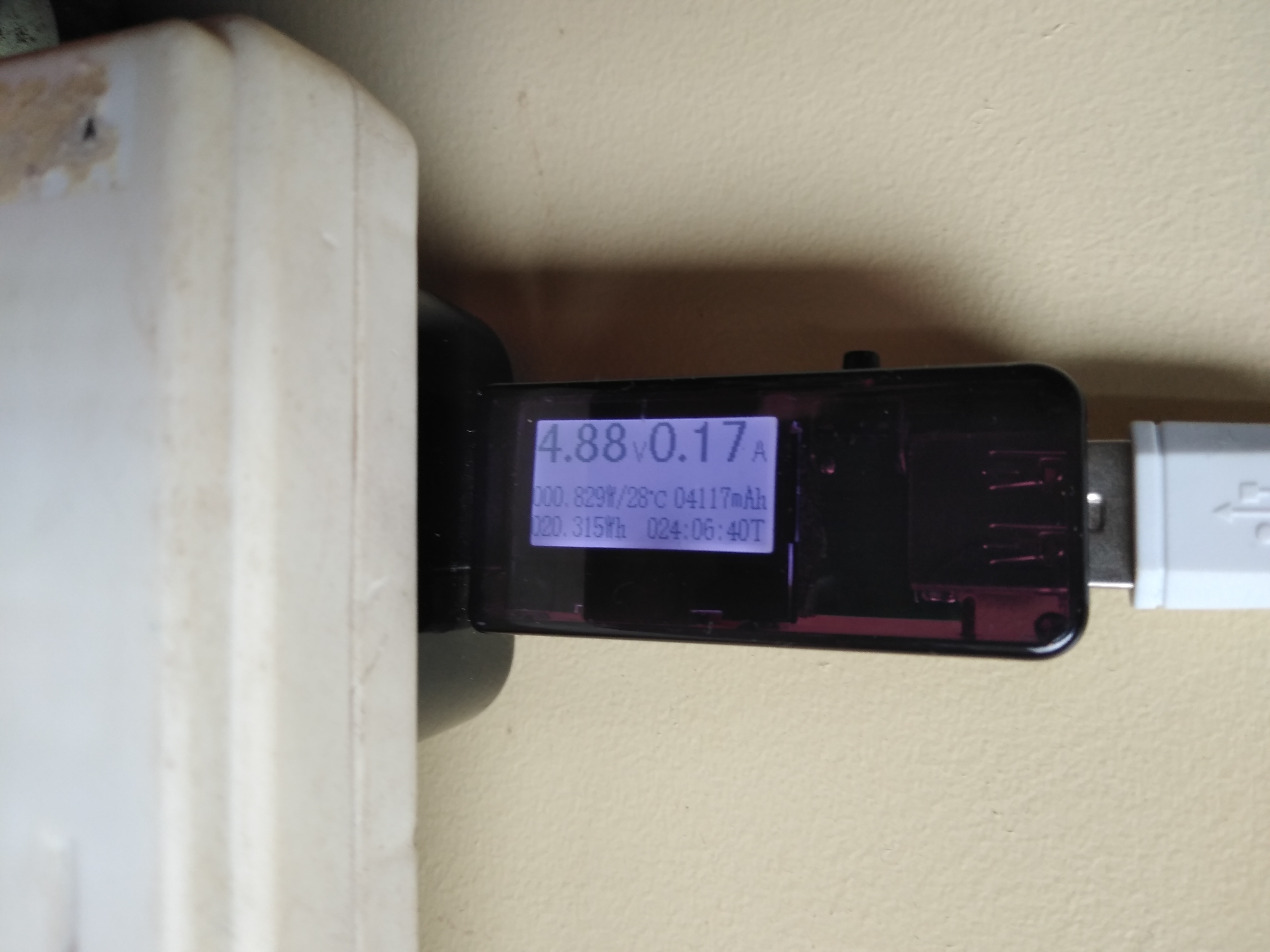
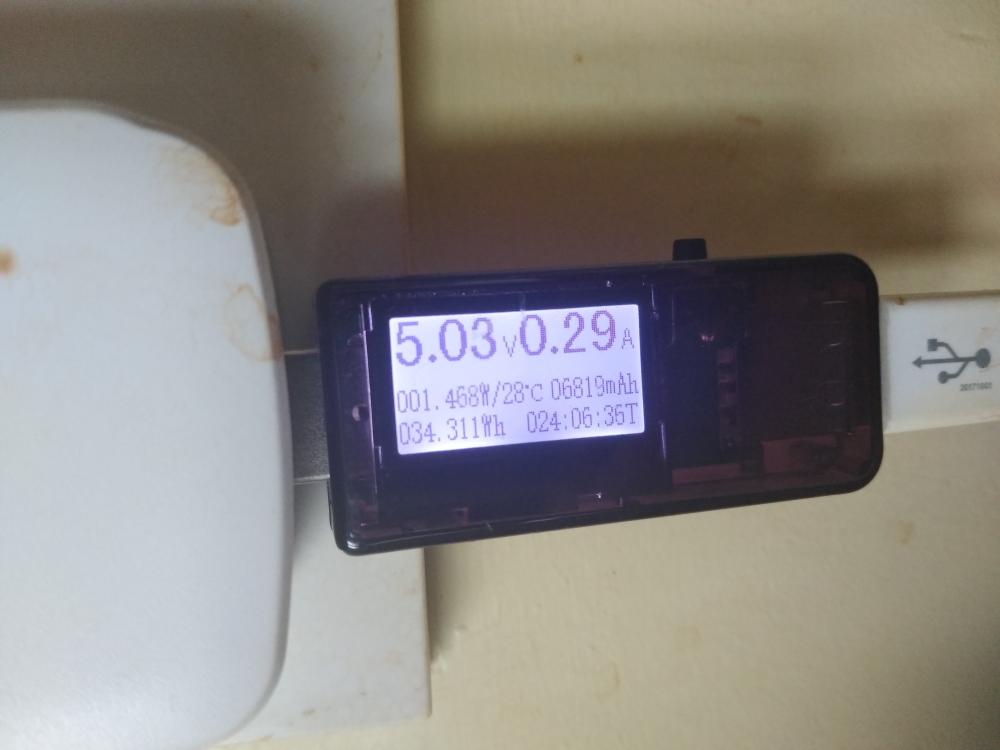
Update after another day of my life has vanished. 20.3 Wh in 24.1 hours, so 0.84W
-
To Raspberry Pi or not, that is the question.
SteamyTea replied to TerryE's topic in Boffin's Corner
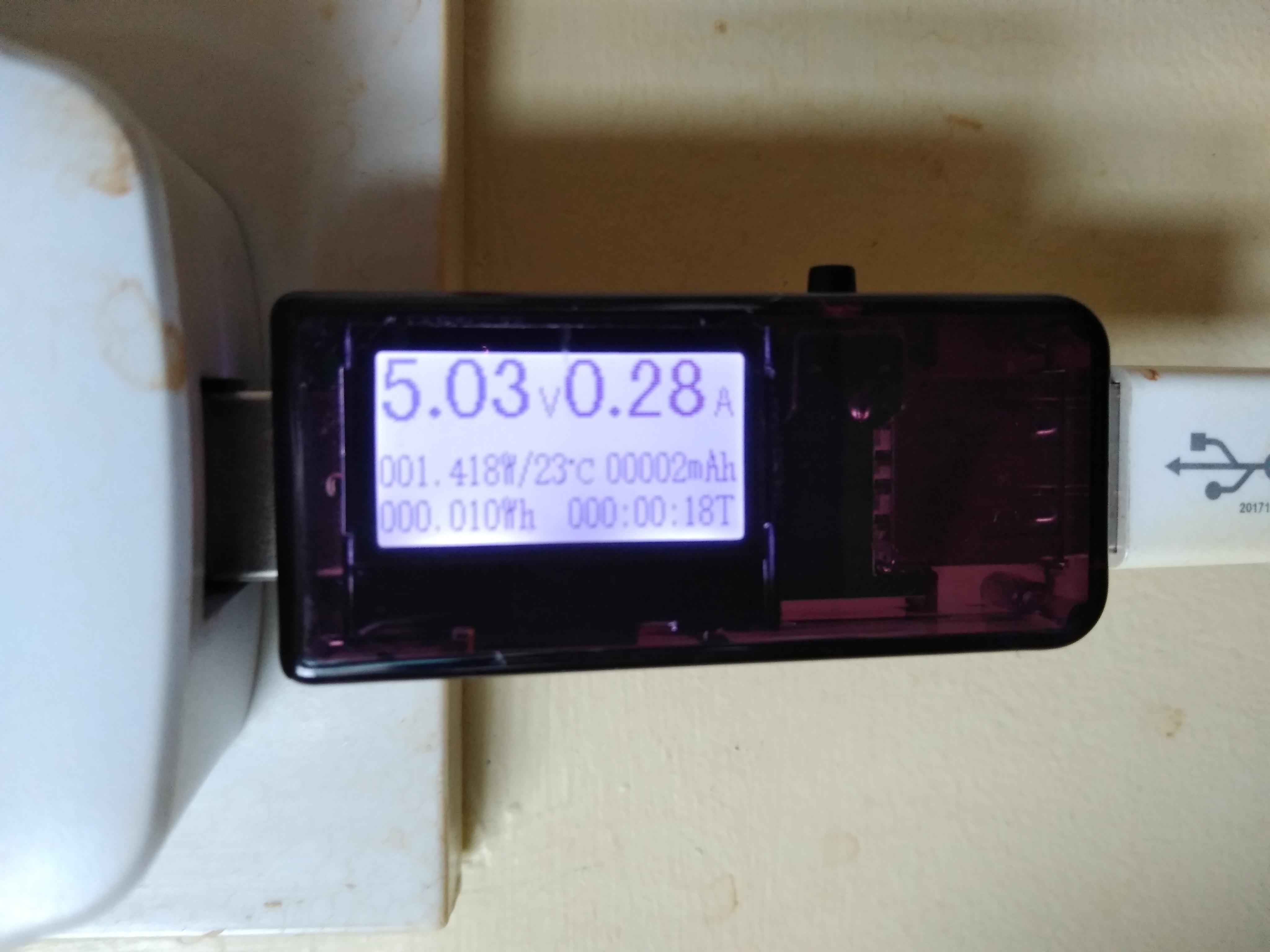
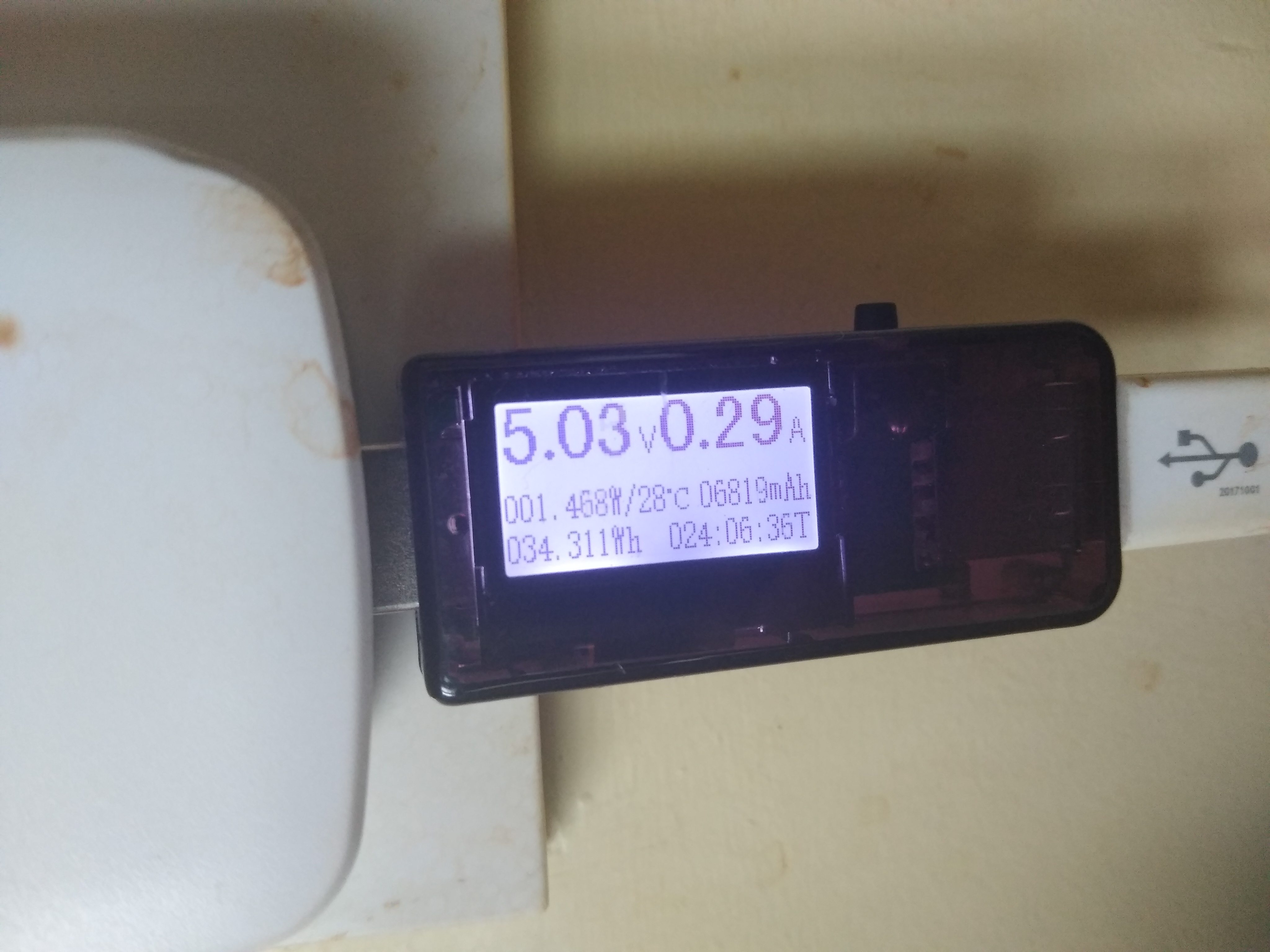
Part 2 Works out as 1.42W for an early RPi Zero W and the CC energy monitor. Going to pop it on the other RPi that is just logging one temperature and uploading it to the dark web via a small webserver.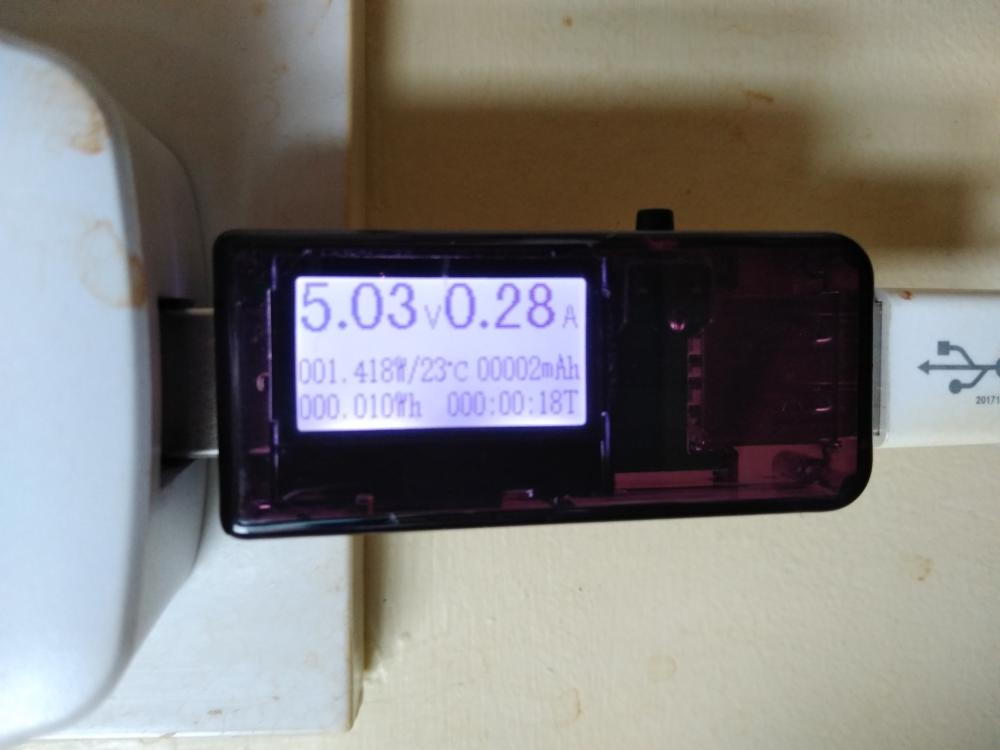
-
Done, added it in
-
No. You have to count all your energy usage. So take your drive to the gym to use there showers, as an example. Pro Rata the energy used in the journey, the energy used to power the gym, extra clothes washing, the extra food calories you need to replace the expended energy. You also have to Pro Rata the societal energy costs, so just about everything except 'you'.
-
Which link, will see what I can do. Maybe worth pointing out to the academics that if the information they 'discover' was open for public scrutiny, messages may be though faster. Was it this one? Climate targets at risk as green tech triggers higher energy demands ENVIRONMENT 2 March 2021 By Adam Vaughan Efficiency improvements in the technology at steel plants can lead to a greater demand for steel Sebastian Kahnert/EPA/Shutterstock The world is failing to account for a “rebound effect” that could wipe out more than half of the savings from energy efficiency improvements like cleaner cars, making the goals of the Paris Agreement even harder to hit. Improvements to energy efficiency, from LED lights to better steel-making arc furnaces, are seen by many authorities as a top priority for cutting carbon emissions. Yet a growing body of research suggests that human behaviour and economics mean a major chunk of anticipated efficiency savings are lost. A team led by Paul Brockway at the University of Leeds, UK, looked at 33 studies on the economy-wide impact of a phenomenon known as the rebound effect. First comes the direct rebound: for instance, when someone buys a more efficient car, they may take advantage of that by driving it further. Then comes the indirect rebound: fuel savings leave the owner with more money to spend elsewhere in the economy, consuming energy. This contributes to the macro effect of growing the overall economy. Although the 33 studies used different methods to model the rebound effect, they produced very consistent estimates of its impact, leading Brockway and his colleagues to conclude that the effect erodes, on average, 63 per cent of the anticipated energy savings. “We’re not saying energy efficiency doesn’t work. What we’re saying is rebound needs to be taken more seriously,” says Brockway. The idea that increased efficiency may not deliver the hoped-for savings dates back to the Jevons paradox, named after the economist William Stanley Jevons who, in 1865, observed that more efficient coal use was leading to more demand for coal. The last review of the economy-wide rebound effect was in 2007. The new analysis is the first to pull together the explosion of research since. Worryingly, the influential energy models that governments and companies rely on to examine how future emissions and energy demand may unfold aren’t good at capturing the rebound effect. The team looked at 17 scenarios from energy models, including ones used by the International Energy Agency, the UN climate science panel, BP, Shell and Greenpeace. “Most of the models missed out large numbers of the channels which contribute to rebound effects,” says Steve Sorrell at the University of Sussex, UK, a co-author of the new study. One scenario assumed a rebound effect of just 10 per cent. “The message is these rebound effects do definitely need to be incorporated in any scenarios. If they haven’t been incorporated, emissions are likely to be even greater,” says Roger Fouquet at the London School of Economics. If the rebound effect does prove to be as big as suggested, it means future global energy demand will be higher than expected and the world will need far more wind and solar power and carbon-capture technology than is currently being planned for. “It’s fair to say it will make it harder to meet the Paris targets if we don’t properly account for rebound effects in modelling and policy,” says Brockway. But that doesn’t mean nothing can be done to limit the rebound effect. One answer is to double down on energy efficiency and do twice as much to achieve the same effect, says co-author Gregor Semieniuk at the University of Massachusetts Amherst. Sorrell says more carbon pricing, as well as more ways to capture the financial savings from efficiency and force them into investment in green technology, could also help us tame the rebound effect. Journal reference: Renewable and Sustainable Energy Reviews, DOI: 10.1016/j.rser.2021.110781
-
Change your friends.
-
Physics isn't political. The Laws of Gravity apply equally to dog turd as they do a 747. But it is interesting that the Right Wingers tend to think that the Laws are wrong, and they know how to cheat then.