SteamyTea
-
Posts
23843 -
Joined
-
Days Won
200
Everything posted by SteamyTea
-

Secondary glazing + double glazing: sound insulation?
SteamyTea replied to Garald's topic in Sound Insulation
Just make an imaginary one, you lot are good at that. Get them to make one. Applied mathematics is only using a simple rule, rather than complicated algorithms. -
@Pocster is already 'out'.
-
Secondary glazing + double glazing: sound insulation?
SteamyTea replied to Garald's topic in Sound Insulation
Have you got two phones, then you can download a decibel o meter app, play around with a sheet of clear plastic or glass and see if the readings change. Not perfect, and uncalibrated, but will give you an idea of what is going on. Unlike mathematics, physicist don't let the better be the enemy of the best. -
Secondary glazing + double glazing: sound insulation?
SteamyTea replied to Garald's topic in Sound Insulation
A rule, hand saw and a sharp knife is all that is needed. I have a legit copy of TurboCad, been using TurboCad for 25 years, never got on with AutoCad. Shall have a look at OpenSCAD. -
Secondary glazing + double glazing: sound insulation?
SteamyTea replied to Garald's topic in Sound Insulation
-
Secondary glazing + double glazing: sound insulation?
SteamyTea replied to Garald's topic in Sound Insulation
Try WINE -
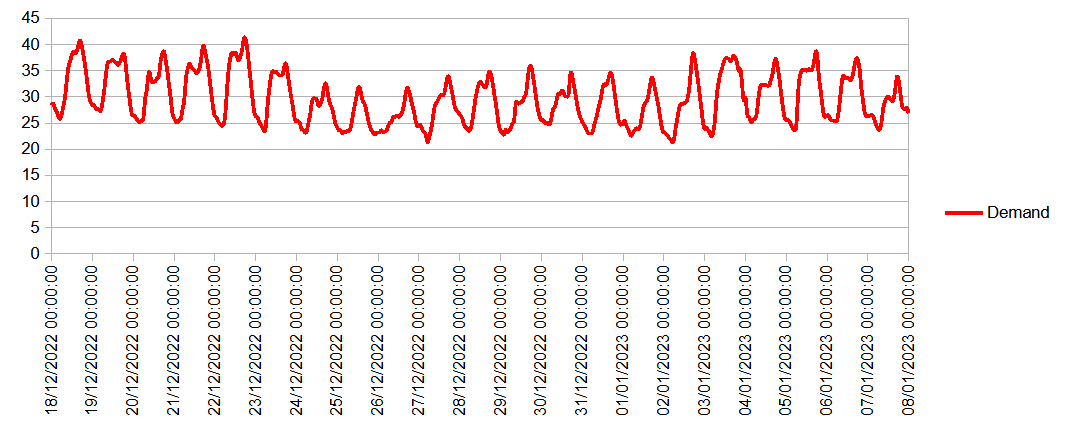
Well that is based on a heat load of 11.7 MWh. We have had a warm year so far, next year probably warmer still.
-
Shutters *other* than roller shutters for sound and heat insulation?
SteamyTea replied to Garald's topic in Sound Insulation
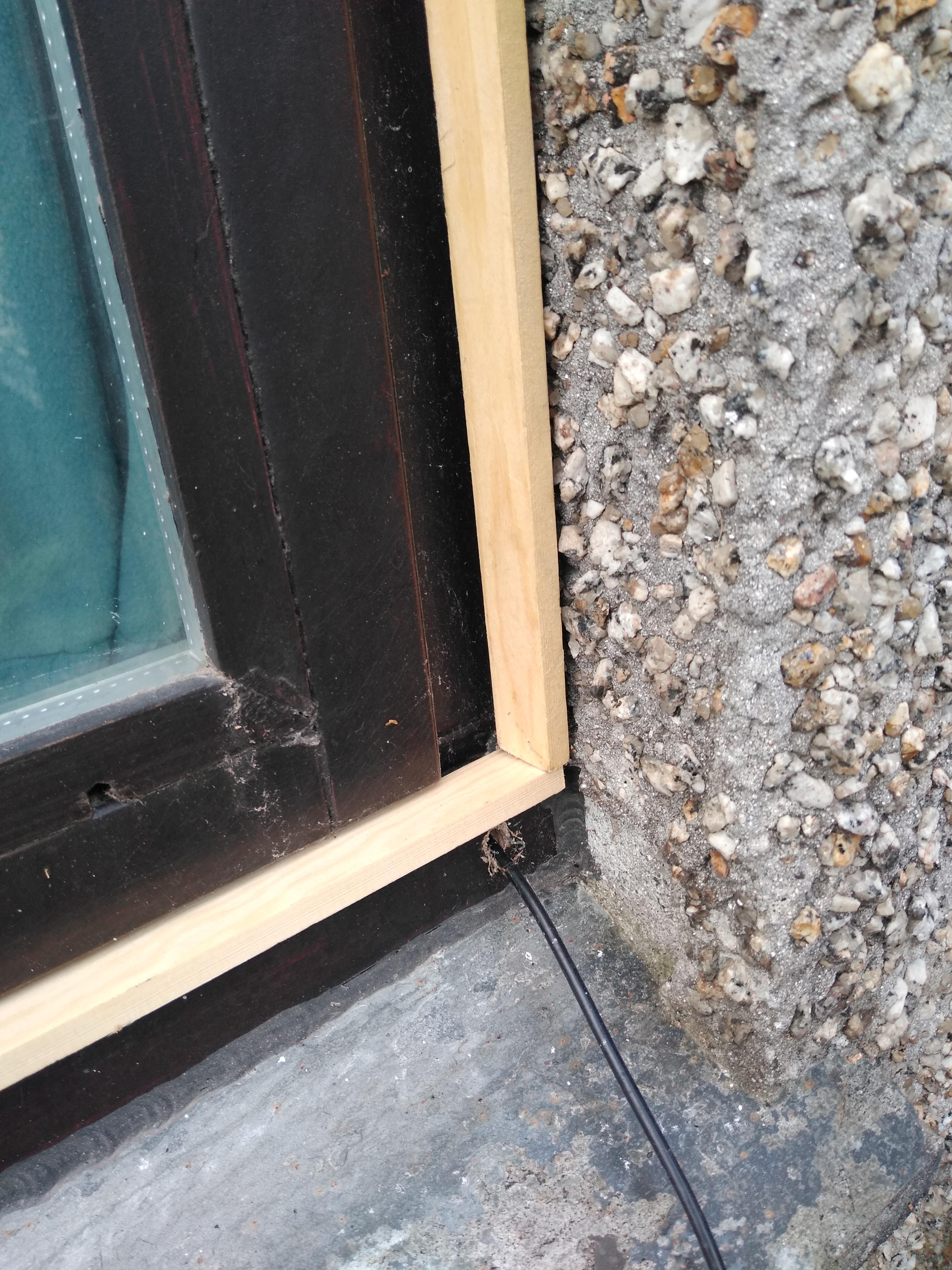
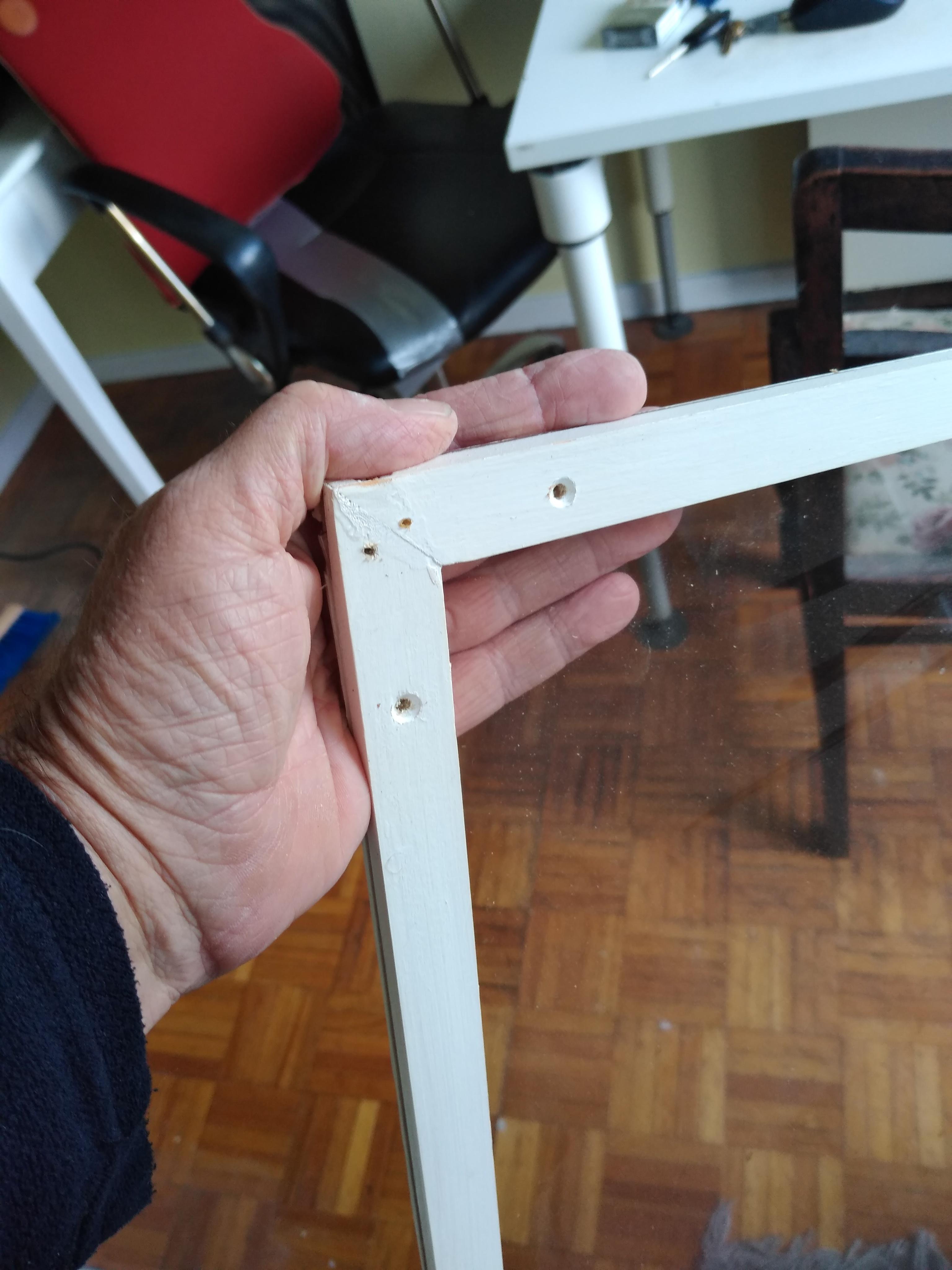
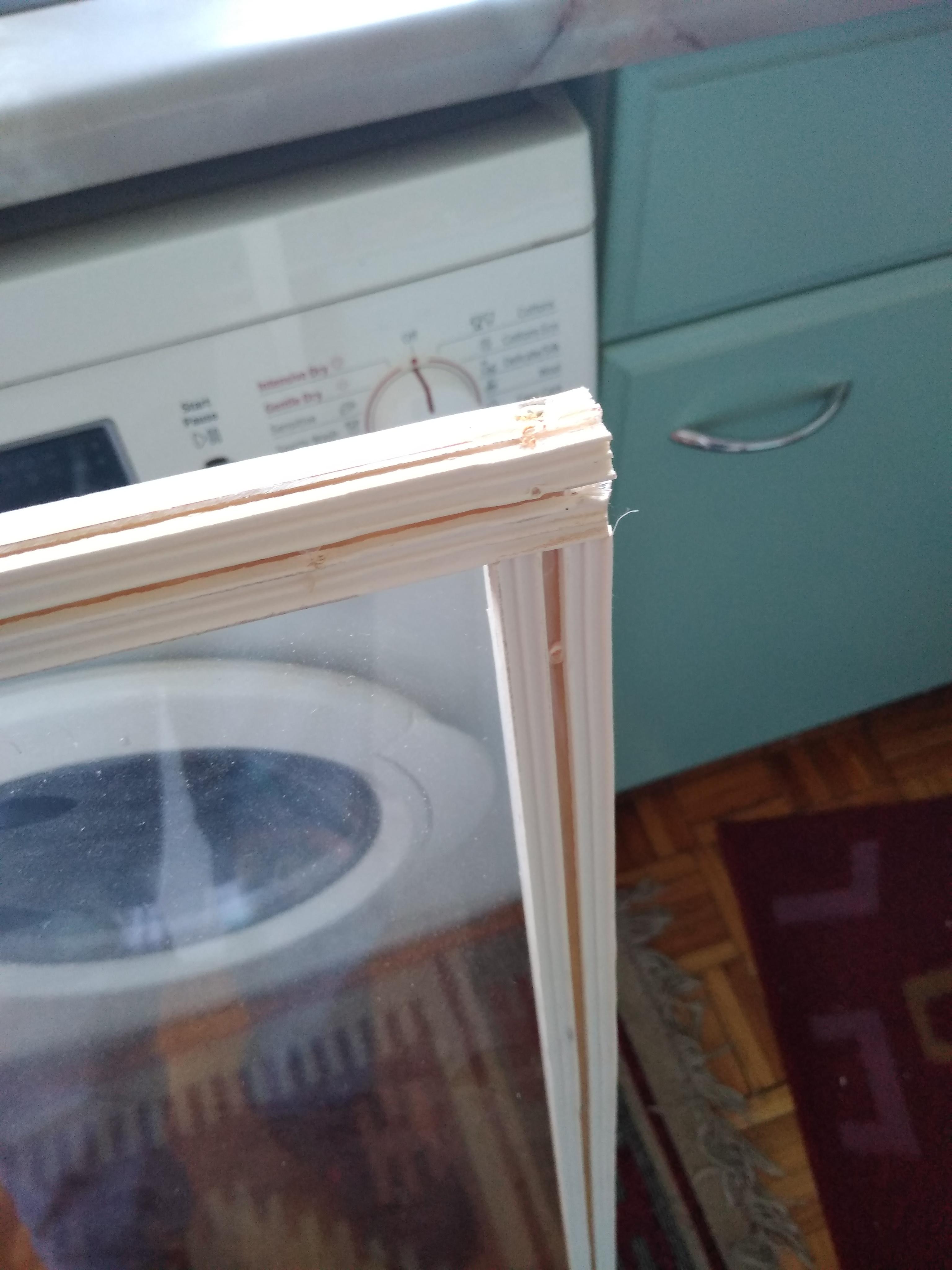
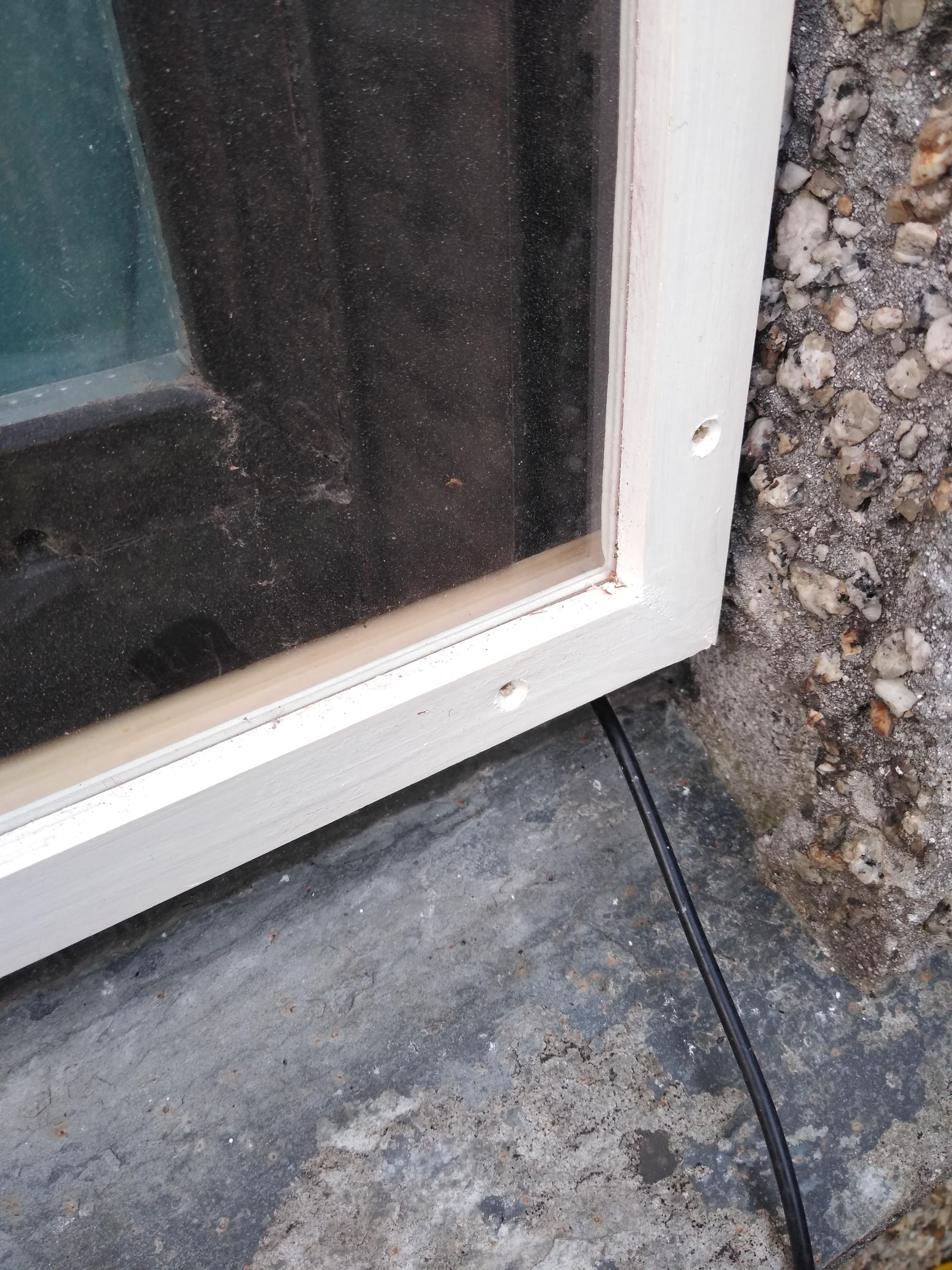
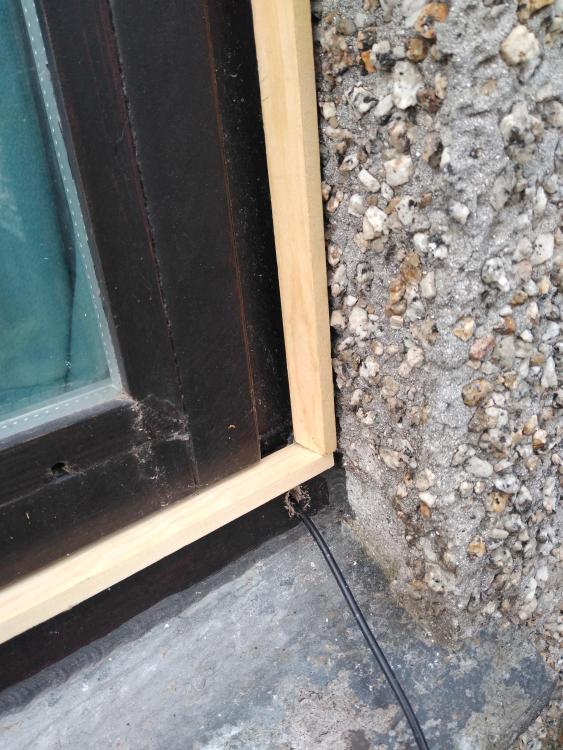
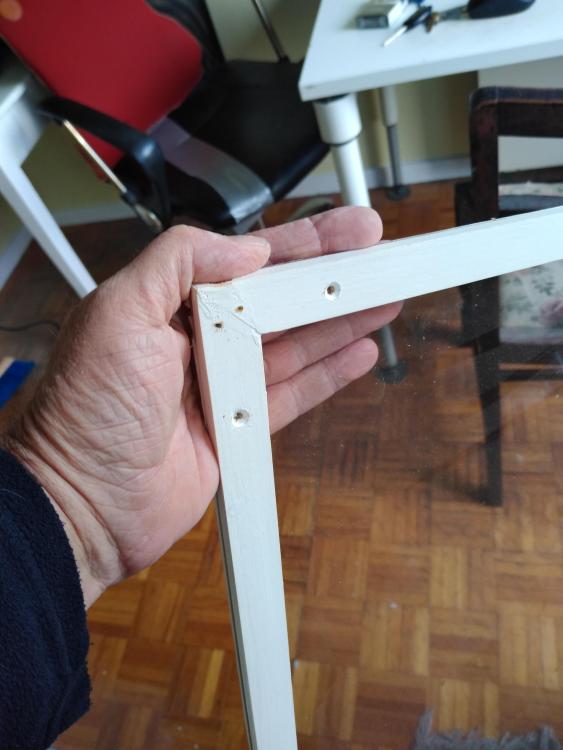
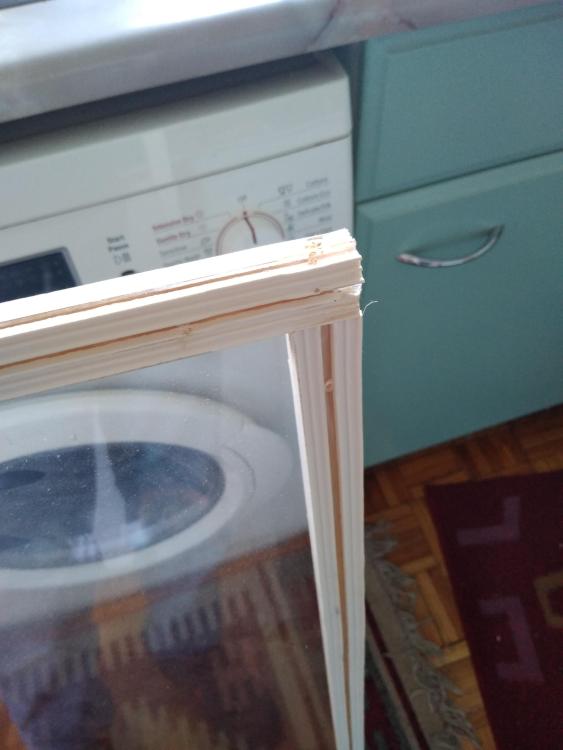
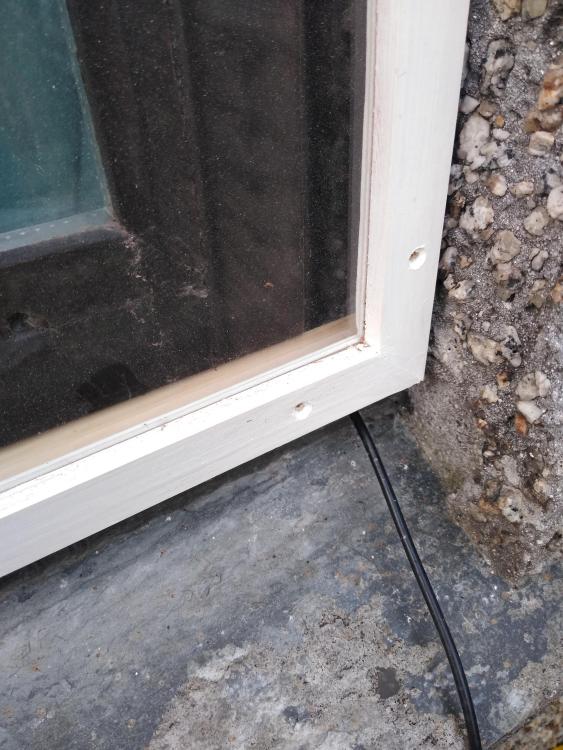
Right, rather than get my old PC out and boot up the CAD, some pictures instead. I used the outside of my window as it more closely resembles the inside of yours. Having said that, is fitting secondary glazing outside a viable option. One thing to remember is that it should be easily removable, in a hurry, in case of a fire. First picture is how a new frame would be fitted. This can be screwed, bonded or just double sided adhesive taped. Paint will match the colour. Then make up a glazed panel. Mine are cheap clear styrene, but of painted moulded timber, stuck to the styrene with double sided tape, with some foam draught seal stuck to the other side. Now I used a cut of saw to cut the mitres, but a hand saw, and a butt joint (with some filler maybe) would do. Then drill some screw clearance holes through the timber and styrene sheet. Screw into secondary frame.
-
Jeremy's spreadsheet calculates the heat load I think, not the CoP of the energy source. Your CoP is around 3.6. Good but not exceptional.
-
Secondary glazing + double glazing: sound insulation?
SteamyTea replied to Garald's topic in Sound Insulation
You could try modelling it in LISA. https://lisafea.com/ Pretty sure it does acoustics. -
Logging OVO Actuals Data and Octopus Agile Half-hourly Prices
SteamyTea replied to TerryE's topic in Boffin's Corner
No. I studied automotive engineering, then renewable energy, then environmental science, then climate science and threw in a PGCE, as well as a photography and sign language course for a laugh. My RE course was mostly taught by physicists and I found I had an affinity to thermodynamics and statistics. Ended up teaching statistics, if nothing else, it helps one spot bullshit pretty quickly. I am moving away from Excel and onto LibreOffice Calc. It is no where near as good, but I am too tight to pay for MS Office. Much of it will be to do with the auctioning system. Some producers will have a mix of fixed price, variable price and half hour future price. There will be times it is not worth them switching off a generator, as they know they have to supply in an hour or two, so it works out cheaper, for them, to pay to have it taken away. I believe the price of non delivery is very high, so they try to avoid that at all costs. I am starting to think that the current auction system may not be the best method in the future, mainly because we will have cheaper storage and better management. Octopus is really playing an interesting game, but at a tiny scale that has no real impact on prices or emissions at the moment. If all the major power resellers did it, then the system would collapse both technically and financially. The idea system is a steady state generation from the lowest polluting systems, at an affordable price, then storage systems deal with the variations at a volatile price. We are a long way from that at the moment. -
Shouldn't the roofers have top coated the glass fibre roof by now?
SteamyTea replied to DaveAF's topic in Flat Roofs
Treat it as aviation, they usually fly off eventually.- 7 replies
-
- 1
-

-
- flat roof
- glassfibre
- (and 4 more)
-
Logging OVO Actuals Data and Octopus Agile Half-hourly Prices
SteamyTea replied to TerryE's topic in Boffin's Corner
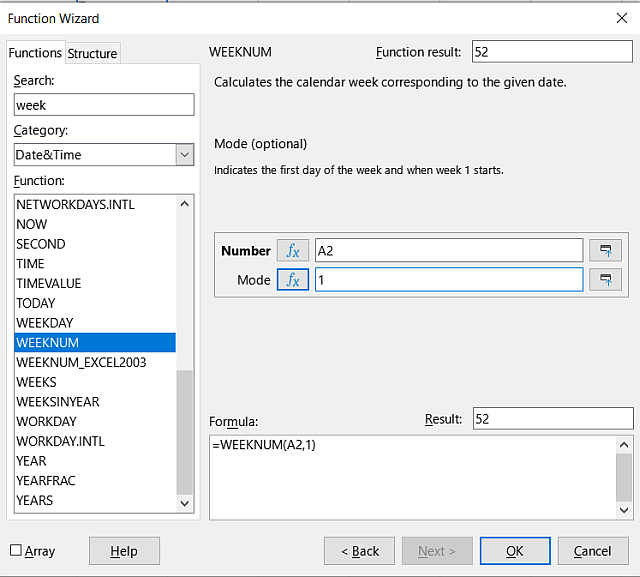
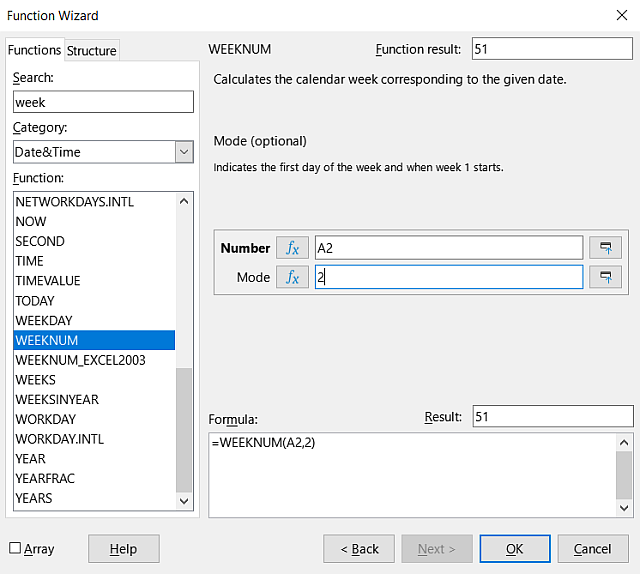
Can depend when the first working day is. Also can depend which spreadsheet option was used to start the week numbers. The Christmas week is a low usage week.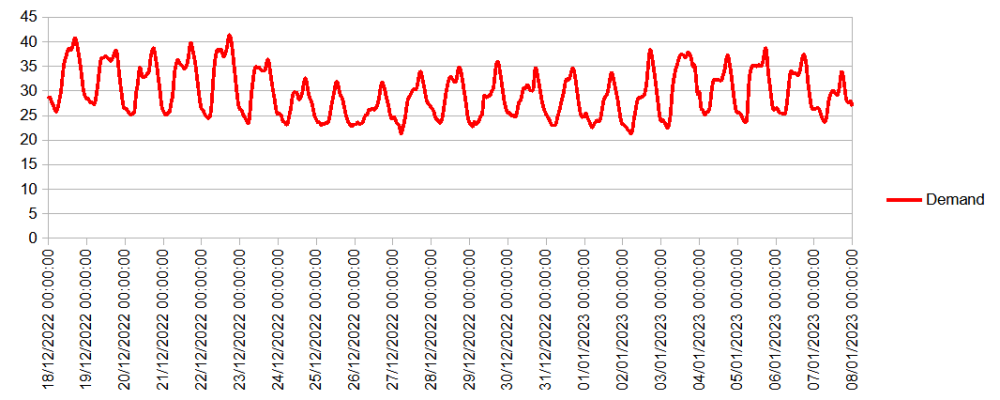
-
Shouldn't the roofers have top coated the glass fibre roof by now?
SteamyTea replied to DaveAF's topic in Flat Roofs
2 layers of 450g/m2 CSM would be normal, I would always recommend 3 layers. As a general rule, 1 layer of 450g/m2 matt is 1 mm thick and will take 900g of polyester resin. If going onto a very absorbent substrate like OSB, then the first layer will take more resin. Topcoat is around 350g/m2. This can vary quite a lot depending on the final usage i.e. aviation and walkways are treated very differently.- 7 replies
-
- 2
-

-
-
- flat roof
- glassfibre
- (and 4 more)
-
Shouldn't the roofers have top coated the glass fibre roof by now?
SteamyTea replied to DaveAF's topic in Flat Roofs
FFS Just as well they have not put the top coat on. 1 layer is bugger all and will quite possibly cause problems in the not too distant future. If they use the right kind of resins, adding extra layers and a top coats onto fully cured substrate is not a problem. I will say that it does look a reasonable layup for 1 layer, nice and resin rich, which is a good thing.- 7 replies
-
- 1
-
-
- flat roof
- glassfibre
- (and 4 more)
-
I read in my weekly comic a few years back that small reactors are not as fuel efficient as large ones. This is not an unusual situation in energy production, and should not be a reason to not use them. They are probably much lower on CO2e emissions overall compared to natural gas, and that should be one of the overriding reasons to use them. Wind and Solar will still be cheaper, and I am sure that battery storage will get cheaper in the next decade, as long as we stop pretending that the best 'fuel', which we all know is Hopium, is just about to be invented.
-
May be worth asking our top notch glazing expert @craig how it is done.
-
Yes, the devil makes work for idle hands.
-
You little tinker.
-
Shutters *other* than roller shutters for sound and heat insulation?
SteamyTea replied to Garald's topic in Sound Insulation
And sticking out further than the handle. Then just about anything can be attached to that. -
So is mine. They say it is a local area problem, but I think they are arse covering. It was working fine when first fitted, but lasted less than 2 days before it stopped. I am in a good cellular phone signal area, so that is not a valid reason. I think they have given me 50 quid off my bill, hopefully I will get another 50 quid, not that they have sent me a bill for 4 months now, which is a bit of a worry.
-
Logging OVO Actuals Data and Octopus Agile Half-hourly Prices
SteamyTea replied to TerryE's topic in Boffin's Corner
Really How much is the expensive period? EDF are now charging me 12p and 39p/kWh. Stitched up with the 67p/day standing charge. -
Is that measured or just something generic from a switch position and a manufacturers/installers chart?
-
Shutters *other* than roller shutters for sound and heat insulation?
SteamyTea replied to Garald's topic in Sound Insulation
Yes. I would have to draw up my idea to explain it better, trouble is, I am at work today. Work kills creativity. -
Light would be on the outside though. I have an ugly house already.