
saveasteading
-
Posts
10895 -
Joined
-
Last visited
-
Days Won
93
Everything posted by saveasteading
-
 There is no complete section drawing but the details are attached. It is stick built as a Glulam ridge beam, with props and a couple of structural cross-walls. There are complex corners to tie the replacement into the existing, which are A frames, with ties at about 1/3 up. But if we can sort the simple frames out, then the rest will follow. We were happy to have tied frames but the Engineer insisted this would be better value. Cost is clearly not their thing and so far they have agreed to most of our proposed revisions, saving £15k to date. That is not really a saving though: it is avoiding un-necessary cost, and now I want to do the same with this. Of course the joiner would likely love this bracket as it is very easy for him, hence asking for help now before he is shown this ridge detail.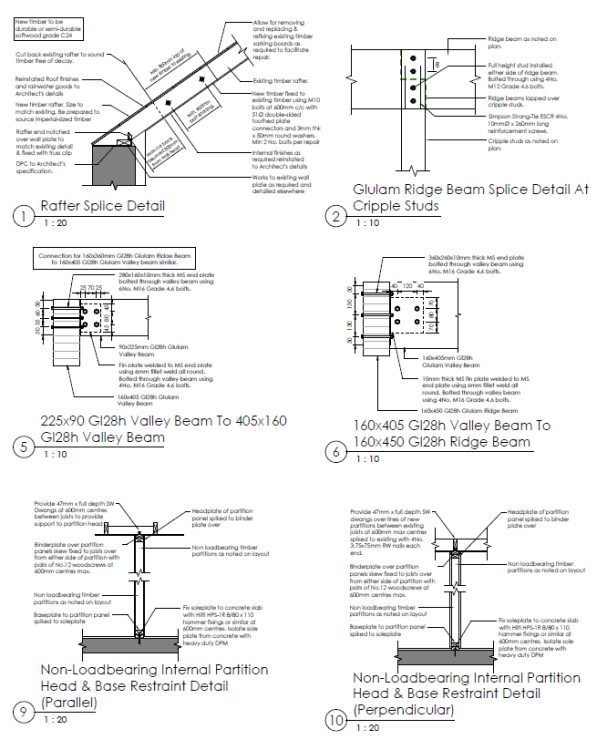

-
Is this en-suite crazy or can it work?
saveasteading replied to sruk's topic in Bathrooms, Ensuites & Wetrooms
anywhere you like fixed to wall not bath. -
It sells much better with a different name. desert sand, cautious camel, ..can't think of any more.
-
The stove mastic I have used is very brittle so poss no good to close this gap (ie it might fail in a short time and that would be a big problem.. I suggest you try to fill he gap with the fibreglass string that is used to seal the glass into the door. It is a consumable as it needs replacing after a few years , so should be easy to find. Plus some stove mastic.
-
How to estimate plasterboard quantity?
saveasteading replied to shuff27's topic in Building Materials
and the compulsory empty coke can and fag packet. -
How to estimate plasterboard quantity?
saveasteading replied to shuff27's topic in Building Materials
If you fix the boards yourself and use previous cut pieces at corners then the wastage is negligible, but still exists. 2%to 5%? depending on room sizes. If using a contractor, they are quite likely to take a new sheet every time and have a lot of cuts left. Either 10% wastage or 10% shortage. If your ceilings are high, note that longer sheets are available but not always stocked. A pile of boards gets in the way, so be sure that you have space to store it and some spare to protect the corners when people brush past it. -
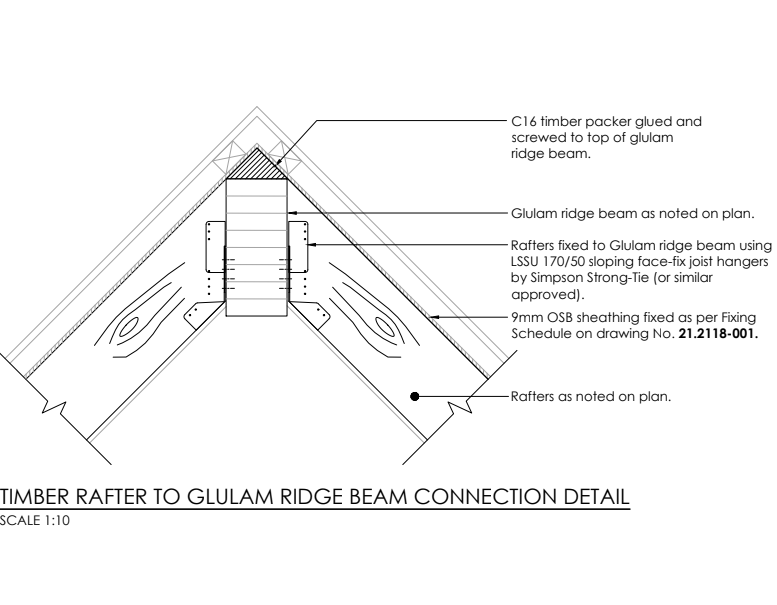
It is a ridge beam with props. I don't expect that the cost is known to the Engineer, because I already complained about the £45 holding down brackets for the wall to base detail,(stainless steel in 5mm thickness), and the director interjected and said just to use something else (£5 for galvanised 4mm from TS)
-
How does your garden grow?
saveasteading replied to recoveringbuilder's topic in Landscaping, Decking & Patios
3/4 full, slightly press in, cover. Wait a week and the root emerges first and lifts the bean. -
We did some serious shopping around for plastic pipes this week. The quotes were open for only 2 weeks, then one merchant announced that plain pipes were about to double in price. Makes sense as they are made from oil, and made with electricity. Our quotes varied from £500 to £800 for the same order, before any increases. Toolstation cheapest but many parts not available, so not really best. Tried a small supplier and got the best price by a distance IF we ordered next day. We just beat the rise by getting an order in, and increased the order to be for the whole job in advance of need. It will look like a groundworkers yard for a while. If you are in this position, then an investment in stock next week may be worth thinking about.
-
- 1
-

-
We, perhaps stupidly, asked our compulsory Engineer for the rafter to ridge beam detail. The response is for this bracket which costs £22 Each x 2 sides a 50 = £2,200, just to buy. (I think it may come down to £15 for bulk) How can that piece of stamped and bent metal cost so much? I know that nails used to work, having had the tricky job of removing the old ones from the very old sections of removed old roof. But it seems they don't any longer, Any suggestions please?
-
Missing component and Airtightness in sliding external doors
saveasteading replied to Radian's topic in Doors & Door Frames
Yes. This is a very specific part which has been made for this door and will not be available from anywhere else. Without it perhaps any water finds its way ut, or perhps it runs down the screw and ....then out of the ends of the door frame? Contact the manufacturer. Failing that you could make something to provide that sloping top surface, and lose the deep exposed channel -
I looked into reflective layers in some depth, as the published benefits seemed unrealistic. In doing so I noticed that foil-backed plasterboard was no longer advertised as aiding U values, just vapour resistance. Ditto PIR slabs. In summary, the reflective layer does reflect energy, even in the dark. In time it loses some reflectance but still works a bit. BUT fundamentally it has to be reflecting energy back where it came from and into a space: an air gap. otherwise it is no use at all. I am all for adding it if the cost is low, and am intending to use an aluminised inner vapour barrier internally, with a service void inside of that. It is a very strong membrane so won't tear, and the shininess costs just a few tens of pounds to the project. However if searching to tweak a U value to satisfy Building Regs, then it is an easy addition.
-
To complete the completed list, i like Marsh. A person to talk to at the actual factory to help with the spec. The last time i used them they phoned before delivery, and it turned up on a trailer behind a landrover. They now sell only through BMs but deliver direct or to the BM. No moving parts.
-
Coursing blocks between doorways.....get rid or keep?
saveasteading replied to Thorfun's topic in Timber Frame
It would be great to see photos of the pipes going down, and get any immediate comments from you. -
One more thing on the rubber boot. They are made in various sizes, and each has a range of diameters, and you cut the sleeve to suit. Getting the smallest one that just fits will only work on a flat roof. For a steep (any tiled) roof it needs a lot of flexibility so get the biggest that accepts your diameter.
-
so homework done, It simply needs this? 50/63mm Class 3 Electric Cable Black Ducting Coil (50m) I have seen cables stuck (not pulling through) inside officially supplied duct, using a winch, due to very slight wobbles in the line that caused it to stick. Hence my caution. I think the cable was rather heavy though.
-
Thanks, I will check on that. Perhaps 9m2 in the open and more on the garage. Or get the PP. By gantry I meant steel fames to tilt the panels at the sun. like this Anyone know why the electric companies insist on very expensive ducting?

-
When we are laying drainage in about 6 weeks, it would be sensible to do any other ducting and cabling to avoid digging it all up again. Whether we do solar panels sooner or later , it is likely that we will, and these will be on gantries about 25m from the building. Is it better simply to lay a cable that is big enough (or even a bit over-specified), or to lay a duct, at more expense but reducing risk? I am guessing that the technical stuff could go in the nearby (also future) garage instead of in the house. I always thought of ducting as expensive, especially when the electric company specifies it, but was recently told it was cheap if our own private cable. It was something to do with heat build-up in the duct I think. Haven't chosen an electrician yet.
-
It is possibly a vent pipe from a storm water storage chamber nearby or beneath. When water goes in it has to displace air, so this might be it.
-
The top is probably compacted by builders vehicles and containing bricks and junk. After about 300 the effect of wheels is usually much reduced. on the other hand the original ground may be dense , but at least should not have stuff in it. Whether the ground level is similar to the existing, or has been cut or filled, perhaps you know or can establish. Soakaways and french drains work better with depth because there is an increase in surface area, and the 'head' of water pushes water downwards a bit more. That is all theory though. If you can dig 1m down you may see all the layers of new and original ground. you could also do one or more percolation tests for your own interest .(see earlier discussions)
-
French drain, roof water combined
saveasteading replied to Barryscotland's topic in Rainwater, Guttering & SuDS
If searching for ways to reduce the flow to the pond, then perforated pipes all the way increases soakaway area. Or just a bit of perforated and the water will escape into the gravel, and only heavy rain reach he pond. -
OK I understand now, and obviously you don't mind that gravel area being under water. I would be more inclined to make a catchment up on the higher level, so a big pit, that would be a pond. Then it holds the water, allows half into the ground and half to evaporate with wind or plant respiration, and meanwhile be attractive. Shrubs would help too, in drinking the water and breaking up the soil over time. Failing that, build the french drains with additional pipes to create more void space, tto hold the water. Gravel is one two thirds or more stone, and doesn't hold much water.
-
And this is your land too?
-
Sealing Shower Enclosure
saveasteading replied to steveoelliott's topic in Bathrooms, Ensuites & Wetrooms
The tools made of silicon are a different class from the old plastic ones. Nice pack of sizes from SF 'non-nonsense) -
Drain off to where? Typically a metre of rains falls on your whole garden in a year. 50m2 of garden becomes 50m3 of water, so it has to go somewhere. Currently it is soaking slowly through the ground or eventually evaporating. Sending it all to the bottom of the garden could become interesting.