


MortarThePoint
-
Posts
2294 -
Joined
-
Last visited
Everything posted by MortarThePoint
-
Yes I've assumed the worst case of it having a 200mm opening at the top. We're planning to fit a wire Tepee: A cowl with a lid would make a big reduction to the water entry.

-
Chimney DPCs and damp handling
MortarThePoint replied to MortarThePoint's topic in Stoves, Fires & Fireplaces
I'm south of Cambridge. Thanks for the offer, the local merchant has some which is cheap and nearby. I've been staring at 3 trays which has felt weird. I have two as it passes through the roof line, then 1.8m higher is the top protection. My thinking has come down on the side of using slate for the following reasons: Not much water actually goes into the pot itself and a proportion of that would run down the inside of the pot and possibly be caught by a lead tray, the rest would go into the flue liner The pot sits snuggly on the pumice flue liner (could leave a gap but I'd prefer it snug) and Scheidel said the Isokern would absorb the water, so in reality any water draining down the inside of the pot will get absorbed by the pumice liner Spoke to Schiedel and they said it's not their default to recommend a lead tray at the top 'any more' The installation video doesn't have one. Building warranty are happy with slate It's easier and doesn't require fabrication I expect the mortar will key better to slate than lead(?) It's cheaper (but not if you consider the cost of a failed chimney ?) Thanks for all the advice @PeterW and @Declan52 on doing it in lead. I hope I'm not making a mistake, still open to persuasion. -
This was one of the main reasons I decided against saving some money by using vermiculite rather than the Isokern recommended Leca. In reality I suspect it's a non-issue though as the total amount of rain that's going in to your chimney pot is probably around 0.1*0.1*3.141*0.6 = 0.019m3 = 19litres/year (climate data [1] [2]). Across a whole year that's not much and averages about 200ml per rainy day which is a glassful. You definitely need something surrounding your liner for support. [1] https://www.metoffice.gov.uk/research/climate/maps-and-data/uk-climate-averages [2] https://www.metoffice.gov.uk/research/climate/maps-and-data/uk-climate-averages/gcr9j7q0s
-
I like the look of that little meter. Do you have a part number?
-
Chimney DPCs and damp handling
MortarThePoint replied to MortarThePoint's topic in Stoves, Fires & Fireplaces
I've had a response from my warranty provider to an email enquiring about this: "The DPC at the top of the chimney is an example of this, in that it would be needed to comply with the current building regs, however, it is seen as best building practice by warranty providers and serves a valuable purpose in preventing the chimney becoming saturated from the top down and in extreme weather will help to protect the chimney from excessive wetting and potential frost damage in winter. I can confirm that slate bedded to the top of the brickwork with adequate flaunching is one acceptable method of achieving the above protection." So looks like I could use slate and no lead. I'll be buying some slate anyway and will have to see if I can get the lead reasonably, but good to have the fallback of just slate. [PS: nobody here this morning so phoned brickie at 8am and he says he has an 'emergency on another job' so it will be tomorrow] -
Chimney DPCs and damp handling
MortarThePoint replied to MortarThePoint's topic in Stoves, Fires & Fireplaces
I did watch the video and it is tucked inside.. If you are using Isokern, it's worth talking to their technical support. They said the pumice liner is semipermeable and so lets the moisture out. They recommend the tray goes up the outside. I did see @PeterW's caution and will take measures higher up. There's a lead tray in already that bridges the cavity and I'll take a look at whether it's sagging -
Chimney DPCs and damp handling
MortarThePoint replied to MortarThePoint's topic in Stoves, Fires & Fireplaces
Need to be careful buying the Red Bank Canon as lots of places say they have it and it turns out to be the Contemporary Canon instead. Can't remember the codes, but essential to check before travelling. -
Chimney DPCs and damp handling
MortarThePoint replied to MortarThePoint's topic in Stoves, Fires & Fireplaces
£55+VAT each I think from Civils and Lintels. I need to track down the receipt. -
Chimney DPCs and damp handling
MortarThePoint replied to MortarThePoint's topic in Stoves, Fires & Fireplaces
The wedges are up the outside of the flue liner which passes through them and on a little higher. That means the brush doesn't get near them -
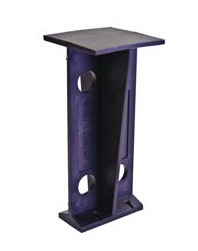
May be cheaper to ask the truss designer to include a loading in the truss design. You could then use loft legs: https://www.wickes.co.uk/Loftleg-Raised-Floor-Loft-Legs---175mm-Pack-of-12/p/100412

-
Chimney DPCs and damp handling
MortarThePoint replied to MortarThePoint's topic in Stoves, Fires & Fireplaces
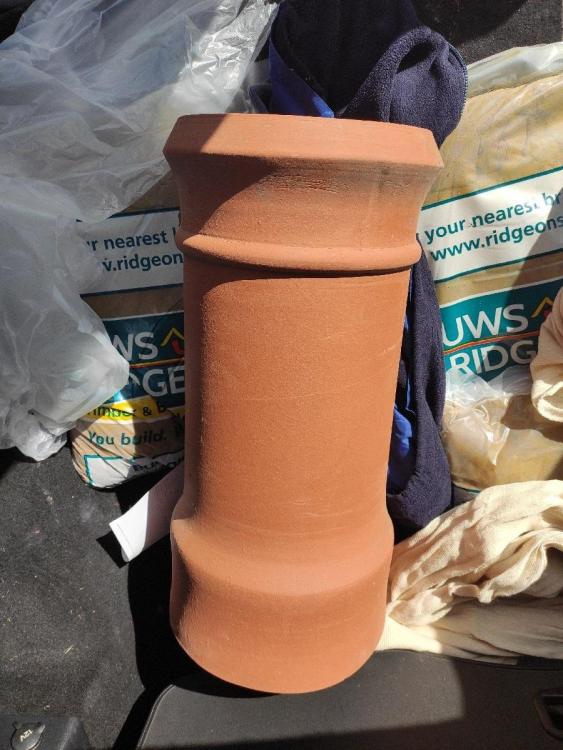
I think this is where I have got to with the design now, a couple of options:. Is 75mm the right sort of height for the flaunching? The pot is a 600mm Red Bank Canon: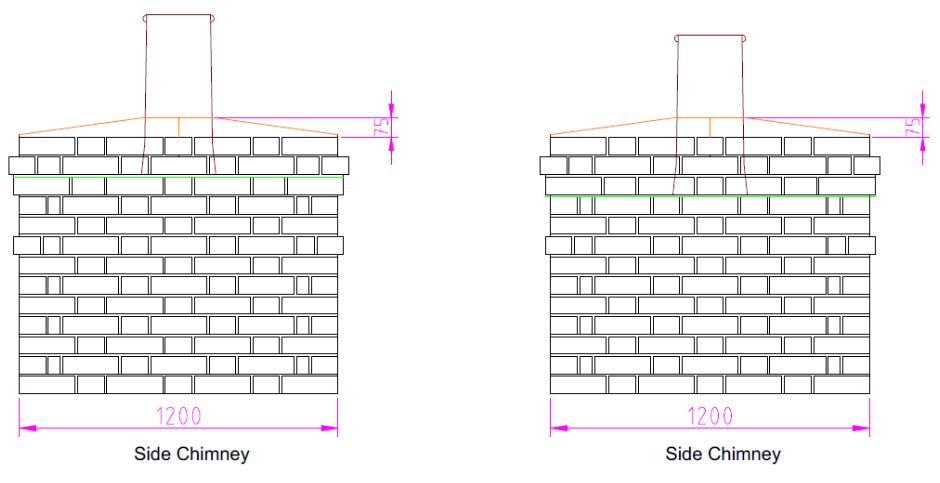
-
Chimney DPCs and damp handling
MortarThePoint replied to MortarThePoint's topic in Stoves, Fires & Fireplaces
That made no sense, sorry. Really, I'd rather not use lead and use a couple of layers of slate and a stiff M12 type mix. -
Chimney DPCs and damp handling
MortarThePoint replied to MortarThePoint's topic in Stoves, Fires & Fireplaces
It won't fold up without all the little cuts. I won't cut the brim of the hat of course as the chimney isn't round. Around the liner is Leca fill which should support the lead. I could lay slate across the cavity to support the lead. I could also use slate on top of the Leca. Nearest supplier of Code 4 lead at this width that I have found is ~40 miles away unfortunately. Really, I'd rather not have the lead and use a couple of layers of lead and a stiff M12 type mix. Nobody has indicated that I can do that though. -
Chimney DPCs and damp handling
MortarThePoint replied to MortarThePoint's topic in Stoves, Fires & Fireplaces
A bit like this ?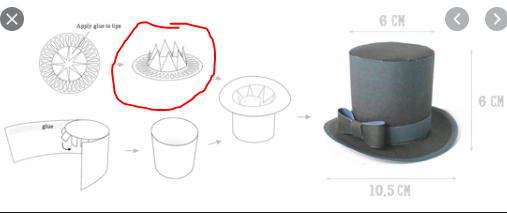

-
Chimney DPCs and damp handling
MortarThePoint replied to MortarThePoint's topic in Stoves, Fires & Fireplaces
That sounds simple enough -
Chimney DPCs and damp handling
MortarThePoint replied to MortarThePoint's topic in Stoves, Fires & Fireplaces
I don't understand, the upstand is about 100mm high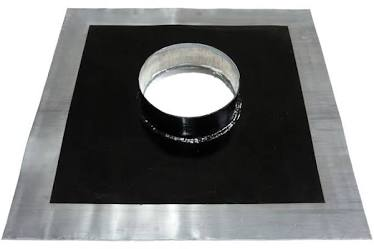
-
Chimney DPCs and damp handling
MortarThePoint replied to MortarThePoint's topic in Stoves, Fires & Fireplaces
But the circular upstand needs to be welded on and I don't have oxyacetylene torch etc -
Chimney DPCs and damp handling
MortarThePoint replied to MortarThePoint's topic in Stoves, Fires & Fireplaces
@epsilonGreedy You have to tuck the upstand inside the flue liner in severe weather areas, elsewhere you can have it on the outside. @PeterW needs to be tomorrow, last two days for the bricky now and he's kept me waiting a month for them. The hard bit is making the circular upstand. If it wasn't for that it would be easy. Other trays already made so it's only the very top one that's a concern. -
Chimney DPCs and damp handling
MortarThePoint replied to MortarThePoint's topic in Stoves, Fires & Fireplaces
I not keen on using plastic. It would probably be fine die to Isokern but doesn't feel right. I don't have the lead for tomorrow. I could pick it up but I can't weld it. It's 1200x1050 with a cavity -
Chimney DPCs and damp handling
MortarThePoint replied to MortarThePoint's topic in Stoves, Fires & Fireplaces
Plastic dpc? -
Chimney DPCs and damp handling
MortarThePoint replied to MortarThePoint's topic in Stoves, Fires & Fireplaces
@Declan52 sorry to call you out, but do you have any thoughts on this as it's stressing me out. -
Chimney DPCs and damp handling
MortarThePoint replied to MortarThePoint's topic in Stoves, Fires & Fireplaces
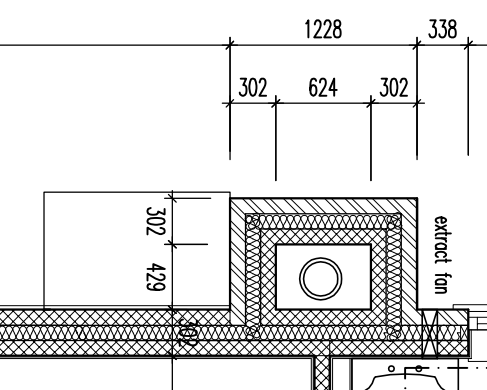
For the chimney on the side wall we had a low level aluminium tray below wall plate and then a Code 4 lead tray higher up to coincide with the back gutter. The chimney is continuing upwards another ~2.5m tomorrow and will hopefully get finished. This takes my focus to the topmost DPC at which I appear to have some options (extract from technical manual below). Fabricating a lead tray is probably not possible now if it needs an upstand as time is too short. The mortar being used for the flaunching will be very stiff (cement 1:3 sharp sand). This chimney has a cavity wall (diagram below). I'd happily incorporate two courses of solid blue engineering bricks just below the corbels, but I don't see how that would help stop damp going down the cavity. What about slate incorporated into the flaunching?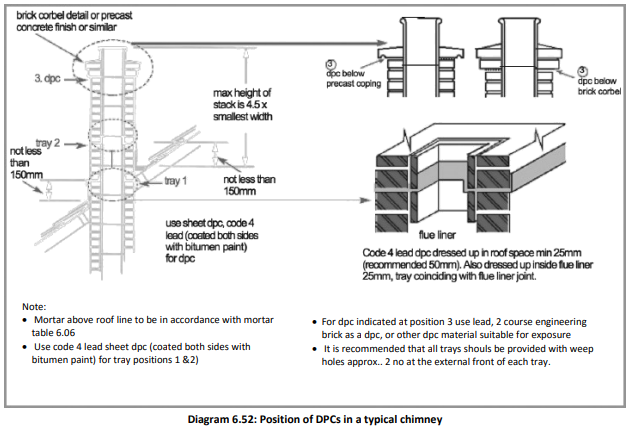
-
I'd recommend Cambridge Crane hire as I used them. A day was around the £500 mark I think. Your heaviest truss (~1165kg) would be a nightmare with a telehandler. I arranged the crane to arrive before the trusses (two lorries in my case) and we got them all on. Would have been a miserable day doing it by telehandler and was a fun day with the right tool for the job. You have to weigh up the saving vs the risk and cost of fixing a disaster. I hired a 17m telehandler to fit some steels (400kg each) and chickened out at the last minute swapping to a crane. The plant guys were cool about it and swapped to a smaller machine that I needed to move blocks and the crane driver had a very early start to his weekend. There have been few times I have been so relieved to spend ~£500. It's a weight off when you make the decision like that. Have a hard think about whether there is anything else you could use the crane for. We lifted up lintels and sheets of plywood which saved a lot of effort. With more planning, I could have done more too (flooring chipboard, plasterboard...). I went with Pasquill. They said the only treatment offered is for longhorn beetle which is an issue near Surrey I believe. I wanted some form of damp treatment, but the companies I spoke to didn't offer it.
-
That looks like a surround that has then been filled in
-
Years back I bought a Makita DHP481 which is a very good combi drill, but I find myself preferring to use assorted cheap tools. I was recently drilling a load of holes through wall plate and was using a countersunk wood bit, 210mm 6mm SDS bit and a T30 Torx bit. Each one was in a separate supermarket tool each of which cost 1/8 of the combi drill and each in their own way did a better job. I don't think they would survive the abuse or workload of a pro, but I've been impressed by their performance. They are also much lighter which is a huge benefit on a long day. The lighter weight batteries don't last as long, but then each tool is doing less. Hoping this doesn't prompt it to die, but I think my favourite is the Parkside PDSSA 20-LI A1 impact driver. I stripped a 300m2 cold store with it (not including the major steels) as well as putting it to good use on woodscrews. It's not brushless so lots of sparking inside but it's served me well to date.


