Onoff
-
Posts
21157 -
Joined
-
Last visited
-
Days Won
206
Everything posted by Onoff
-
Got the UFH going too then?
-
Copied from another forum: "Made a pop bottle soda blaster as per one of those You Tube videos. Bought a 25kg bag of animal food grade soda ( sodium bicarbonate ) from the local farm supply to see if it works Works like a dream save for the tendency of the soda to cake, even with a water filter on the air line. Have not bothered to play with blast pressures, my set up is at 120 psi for the air tools. Animal feed grade is a little coarser grained than the food grade you buy at the supermarket but not as large as the blast grade from a tool supply. OTOH it was about 50¢ / kg Totally by accident I used a bent shaft air duster , cause I had a box full of them bought cheap at a clearing auction. The bent bit is good as it stops the bottle rotating around the duster shaft and I use a little ( lot ) of hot glue as well to seal it off. After that it was a case of trial & error The feed hole is a bit bigger and I am now using a flavoured milk bottle as the wider mouth makes easier to fill. The bottle pressurizes a little so when you want to stop you have to turn it upside down or you blow 1/2 the contents out . And because of the same thing, when the soda cakes & stops flowing a quick flick of the trigger will have it cleared . Just take a bit of getting used to . Don't know how it would go on wood but really good on plastic and soft metals but needs a dip in boiling water to clean it out and so I found, a wipe down with slightly acid ( dilute vinegar ) solution if you want to paint over it or the paint does not take. The stock feed soda also cakes really badly so I seive an ice cream containers worth which is kept sealed so I have some ready to use when needed. IT has saved me a fortune in cans of carb cleaner & degreaser . The landlord bought a blasting kit and it will not work with anything other than the expensive blast grade as it clogs badly. The gravity spray gun type set up works beautifully".
-
I preferred Only Girl In The World tbh. Mind S.O.S is quite catchy.
-
Audio book?
-
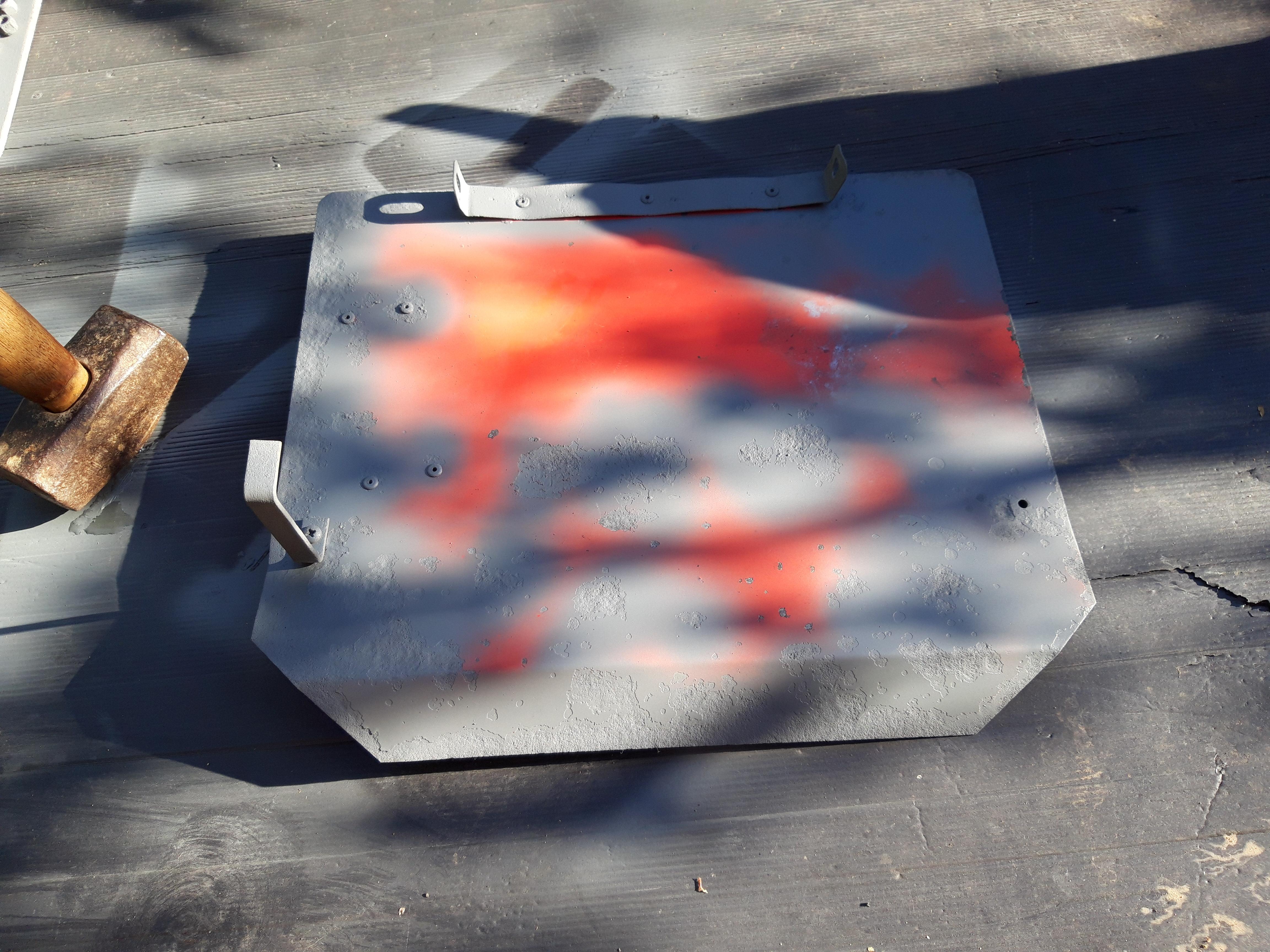
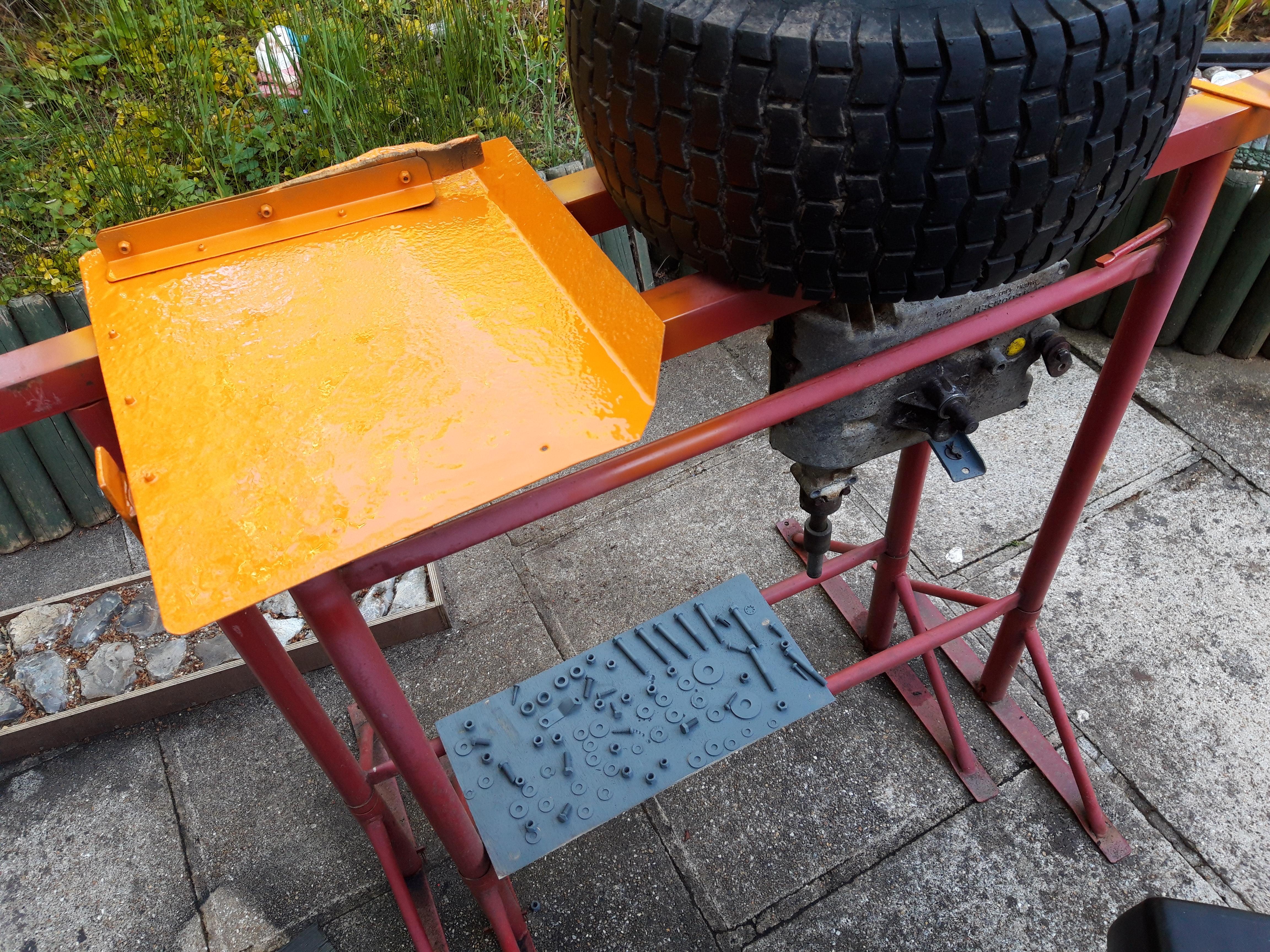
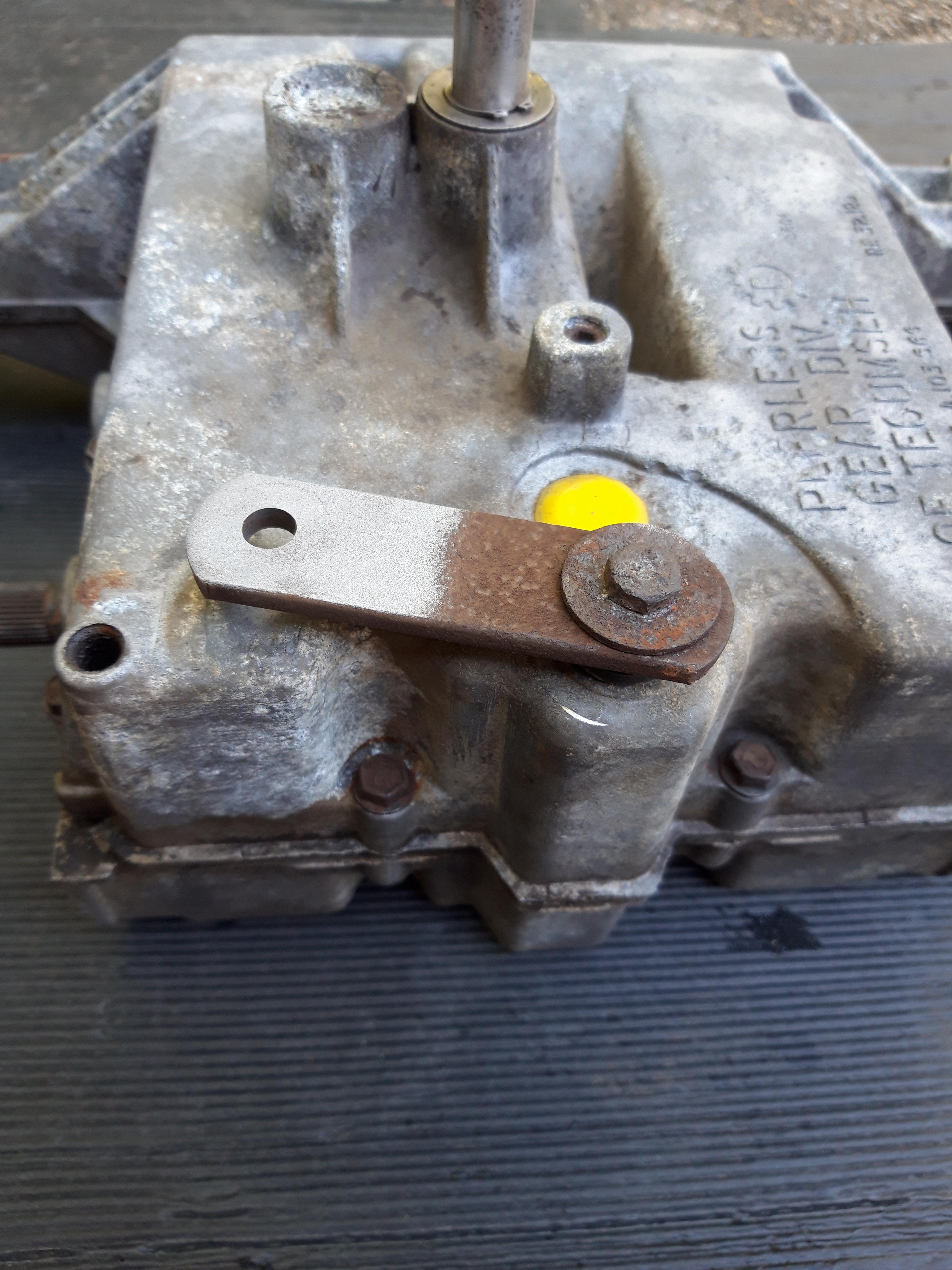
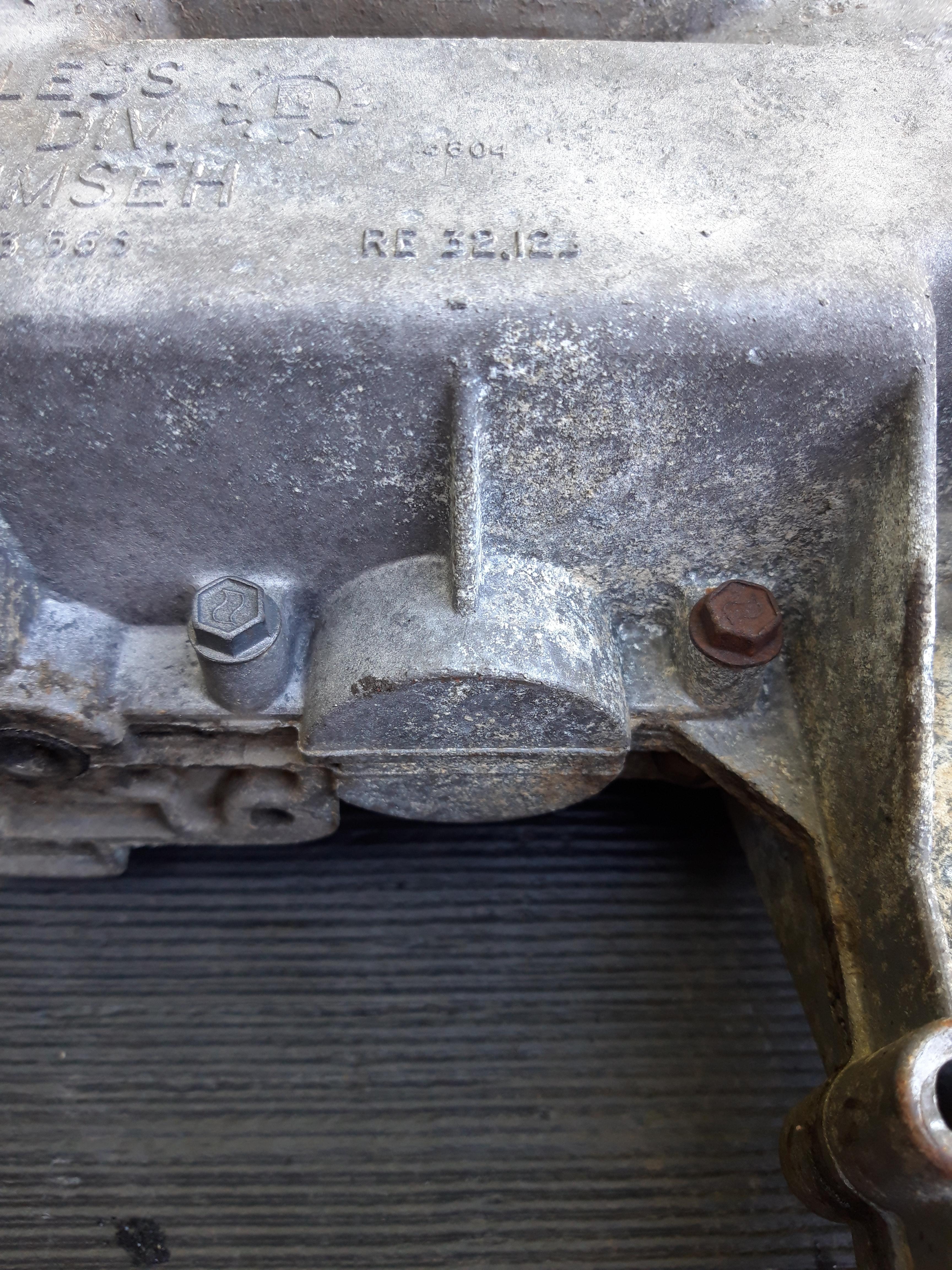
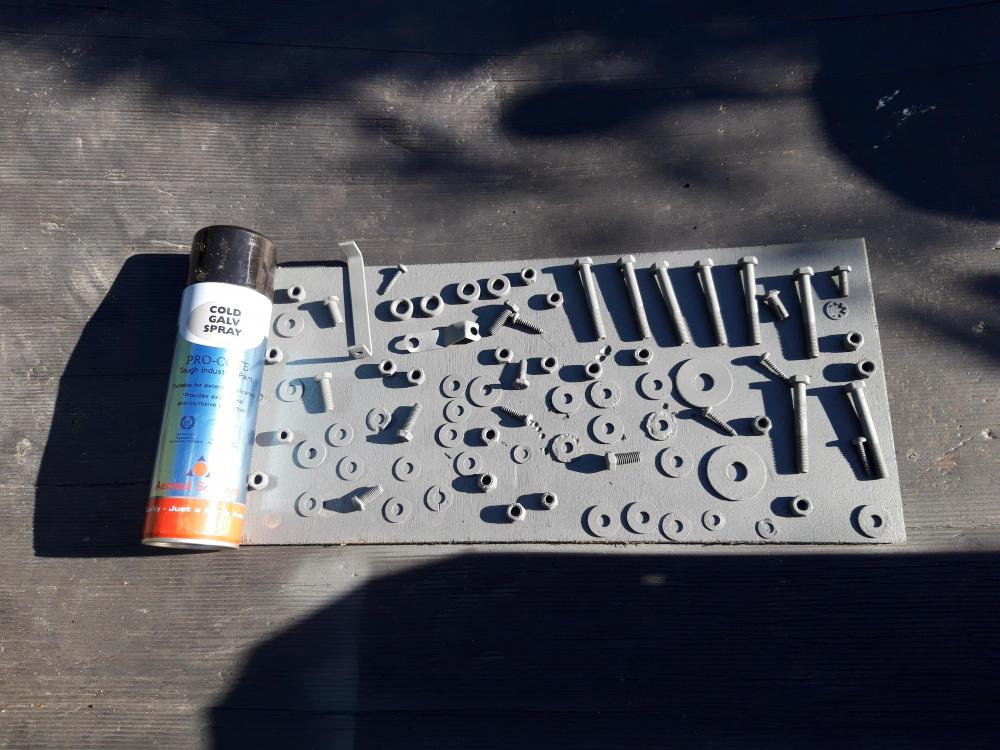
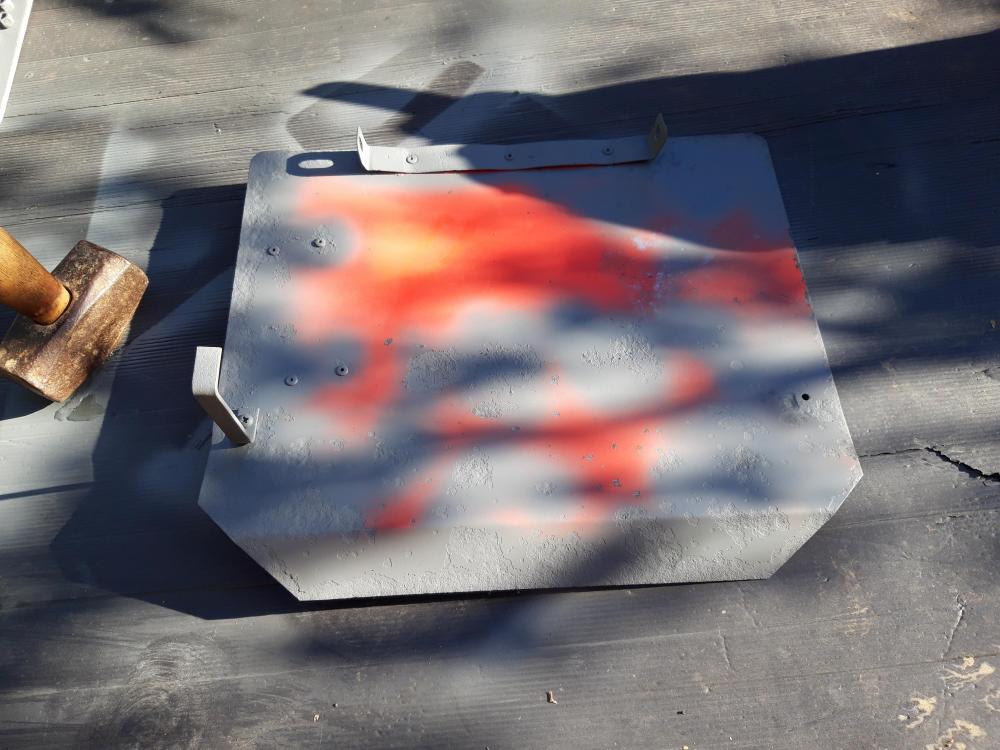
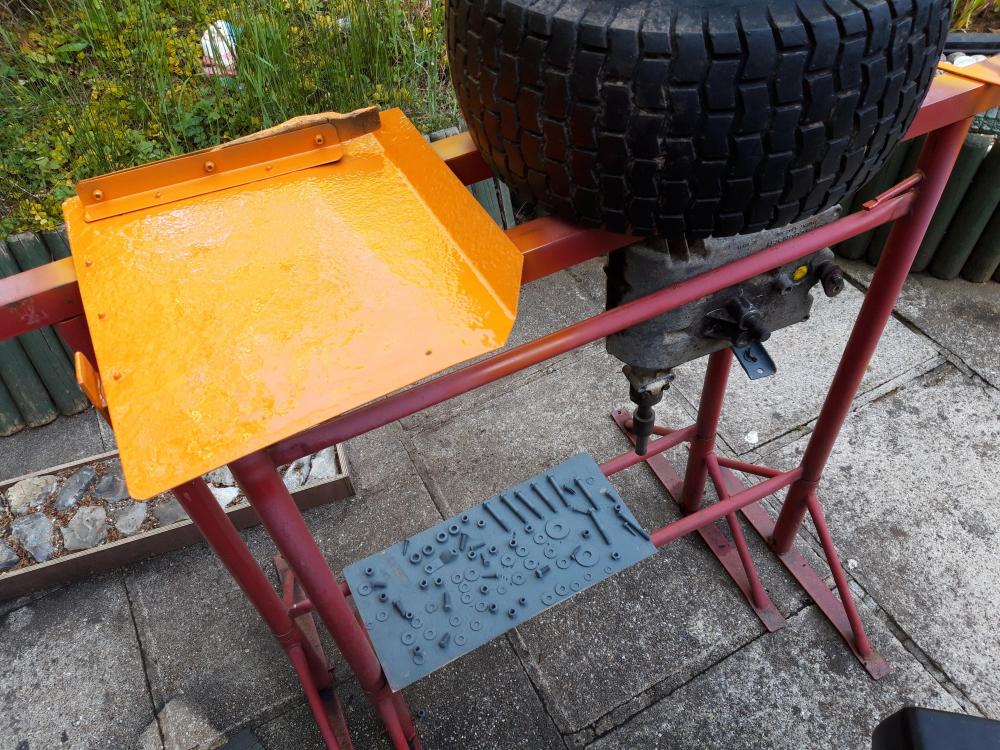
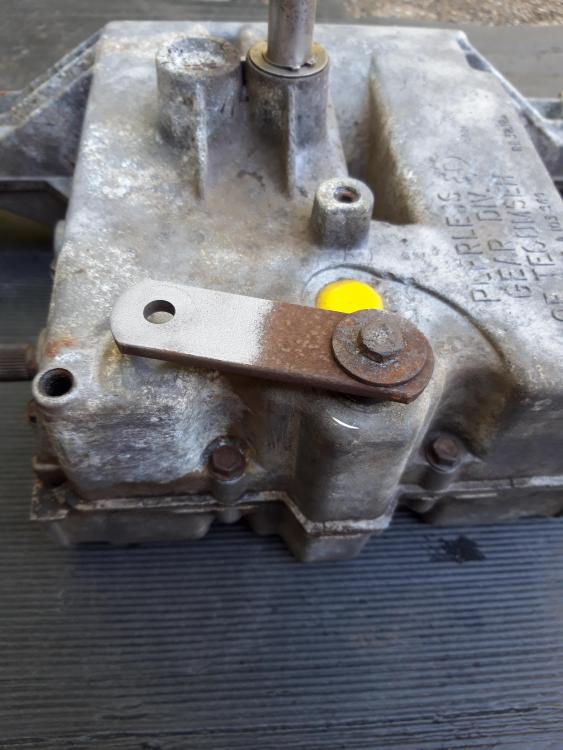
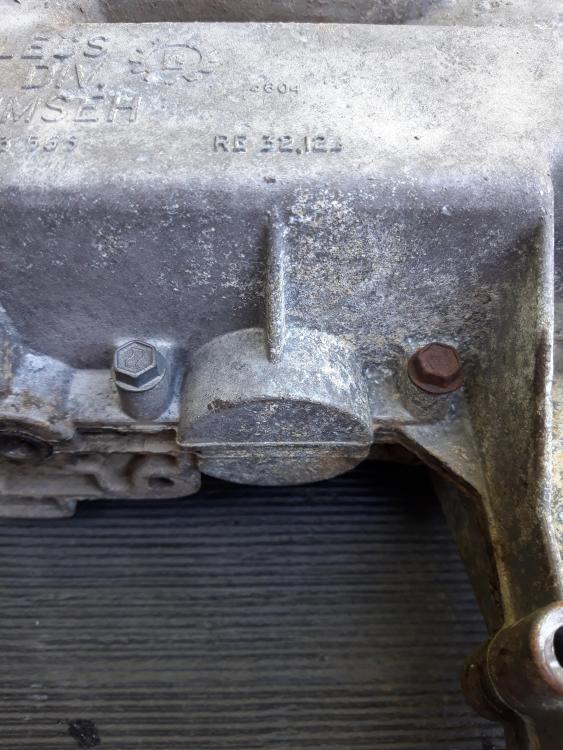
The wheel still refuses to budge. Time to admit defeat and take a trip to use the neighbours oxy I think! Took the gearbox shield out of the citric acid bath along with the bolts and gave them a quick coat of zinc and in the case of the guard some VW Brilliant Orange. What original paint wouldn't come off.....stayed on there. Not going for concours! Yes I know the match is way off, yes I know I should have picked a Ford colour! ? I salvaged the fixings as they're odd sizes to what I usually play with (UNC). They'll get lubed before fitting. Started sand blasting the gearbox but had very little medium to start with. It's got promise, just look at the two halves on the gearbox lever! I'm not prepared to use ordinary sand either, don't want silicosis! Compare bolts left (blasted) and right (untouched):
-
I'm amazed at how good my Bluetooth speakers sound in the bathroom. I was worried they would sound tinny.
-
Don't you remember?
-
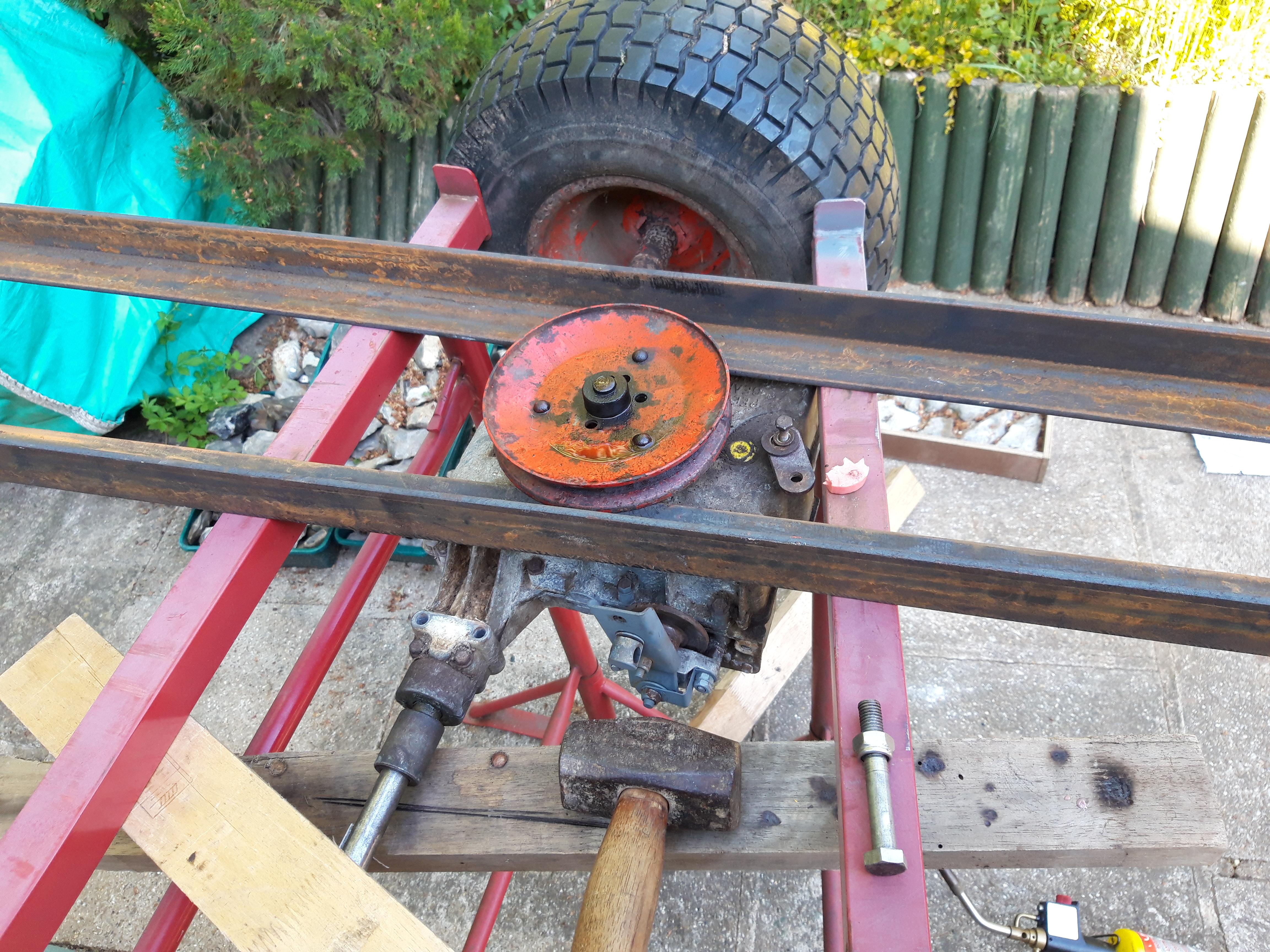
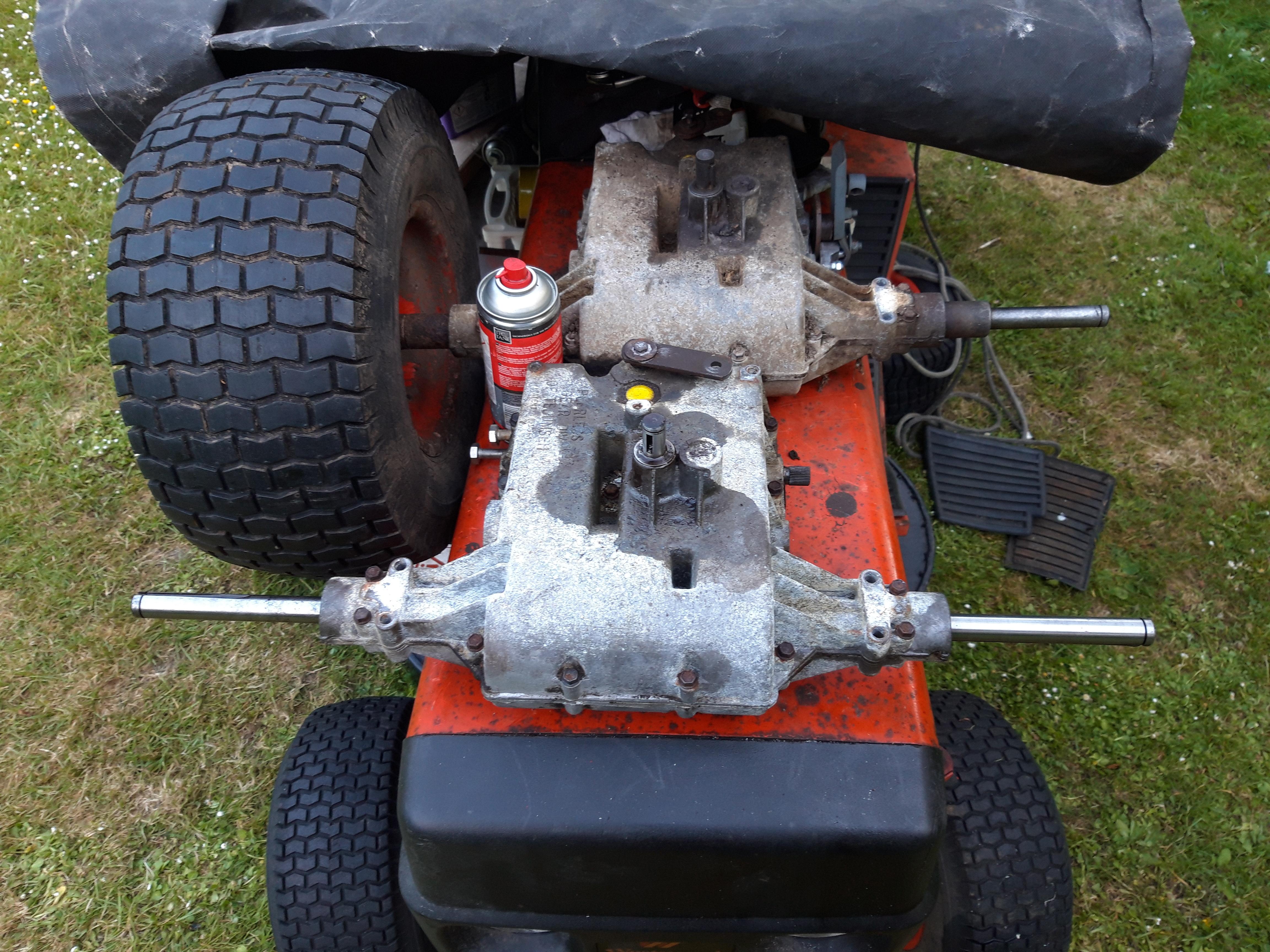
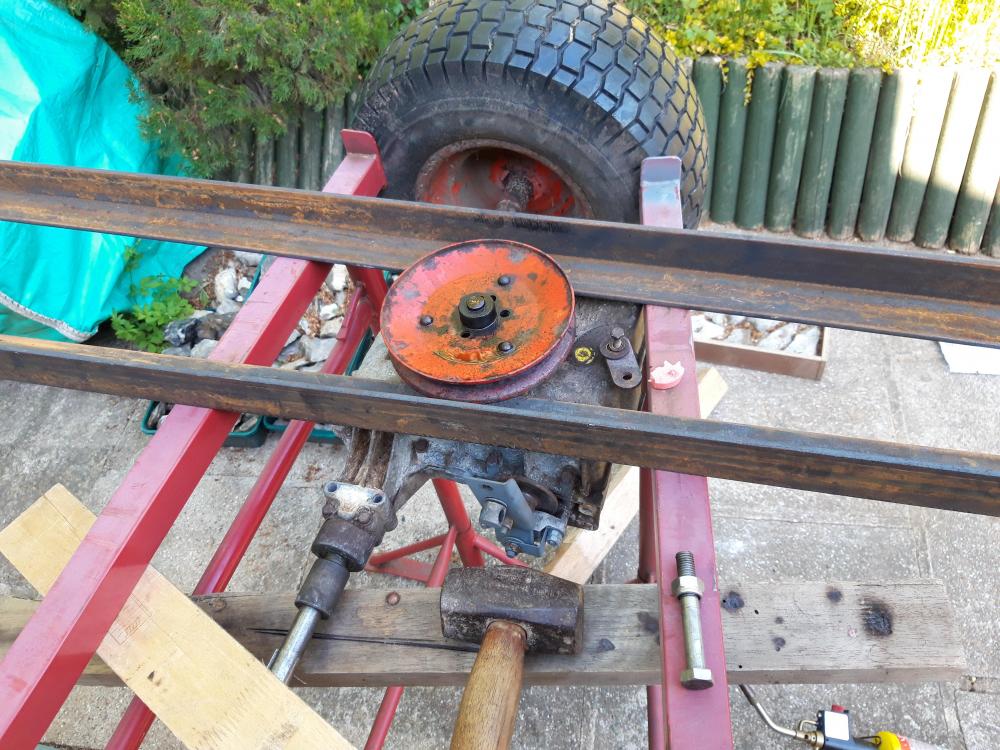
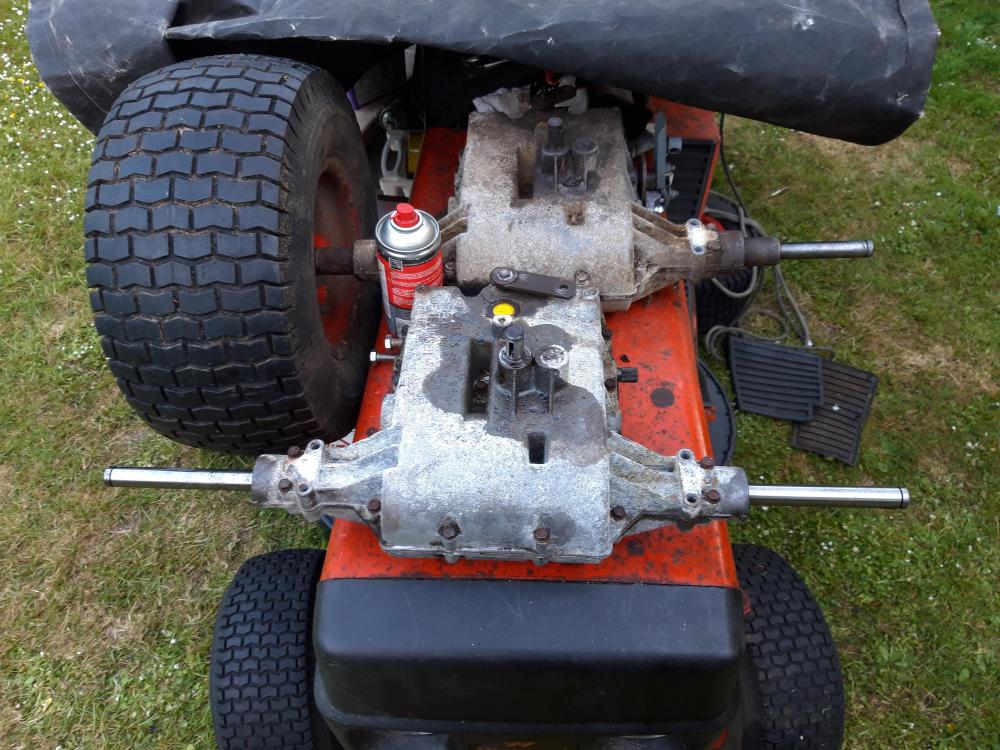
I win! Finally got the pullies off both gearboxes! Heat with MAPP gas, rub a candle over the shaft and the wax gets sucked in. Beat it with a bfo knocking stick and punch. Repeat. Pretty sure having it all on the sturdier trestles / angle iron helped. Exactly as the lad showed on YouTube tbh. The orange, better looking pulley took two evenings. The rusty as Hell pulley on the new gearbox about 2 minutes! Pullies degreased and in the citric acid bath to derust now. Still got to do the wheel ?
-
Not made anymore. Never had a good reliability record when they were but I wanted one as it sounds like a Harrier jump jet. Edit: Despite sounding like one they never really took off...
-
Should be fine. Note I compacted mine with a whacker plate. I was basically too tight to pay out for MOT Type 2.
-
I sieved a load of my old floor through a 40mm mesh. If a bit was too big I smashed it up smaller and stuck back through the sieve. Bricks, tiles, Celcon, flints, mugs I broke whilst building so SWMBO didn't see it... Then half bags of off cement, plaster, whatever to get rid of it.
-
You should get out more and read other threads:
-
I think @AliG did an inside pool on here.
-
Use 316/A4 stainless fixings and fittings throughout, not 304/A2.
-
It's an MSTD. Magical SWMBO Transformation Device. Knocks 30 years off them at the touch of a button. ?
-
Whilst I'm very grateful for that... I literrally understood very little of it. You might as well be speaking Cornish! ?
-
Omfg! I tried sitting down to watch an online Python for beginners thing yesterday. Yep I can download it and PyCharm. What did I get from it? There's Python 2 (legacy) and Python 3 is about all I can remember. Must have drifted off thereafter.
-
Used to work at a major oil exploration offices next to Buckingham Palace. If someone so much as got a bit of wheel spin on leaving the underground garage in their Maserati or whatever, a lacky would appear with green floor paint and touch up the scuff marks.
-
I just don't know when to give up.
-
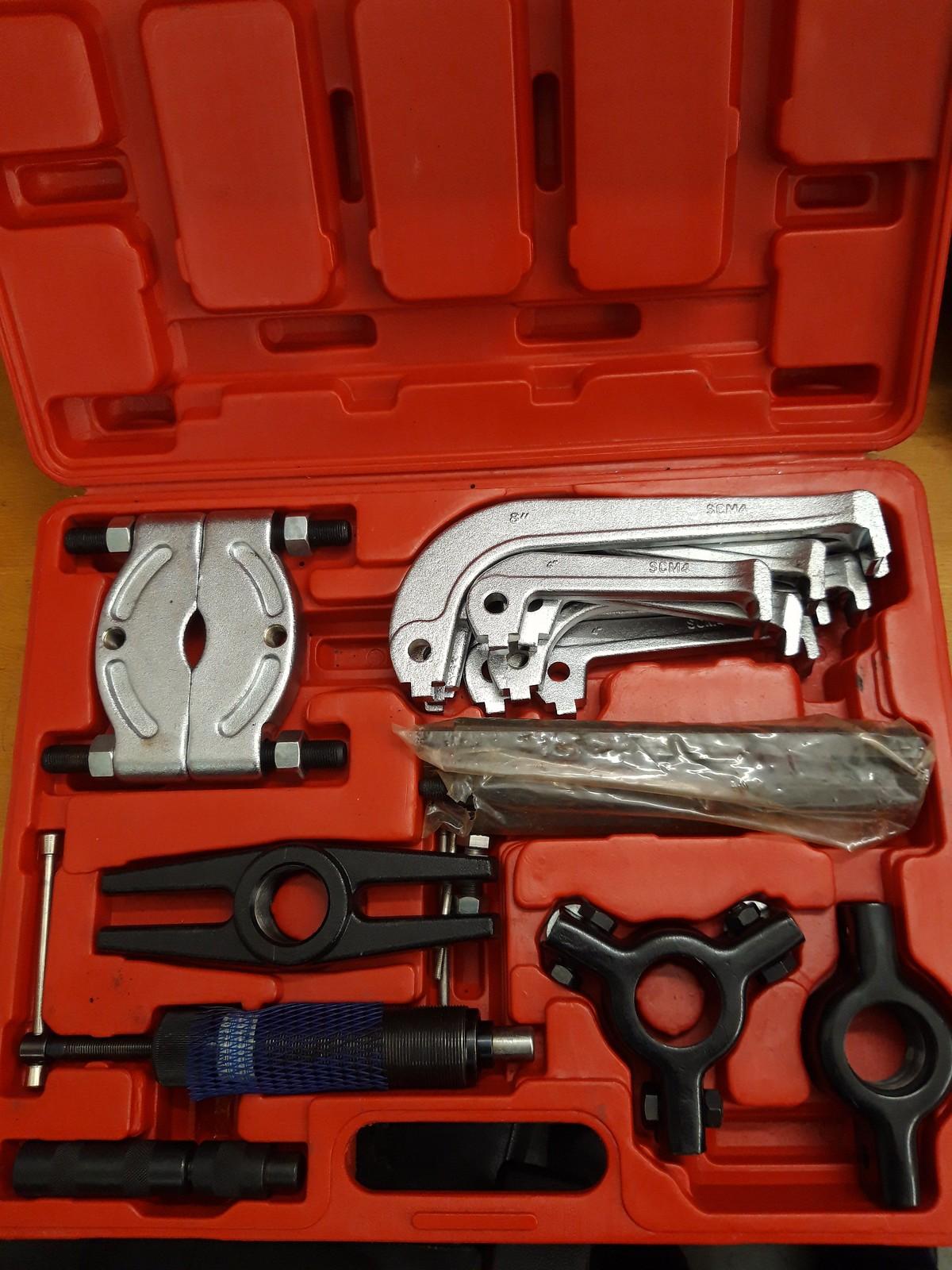
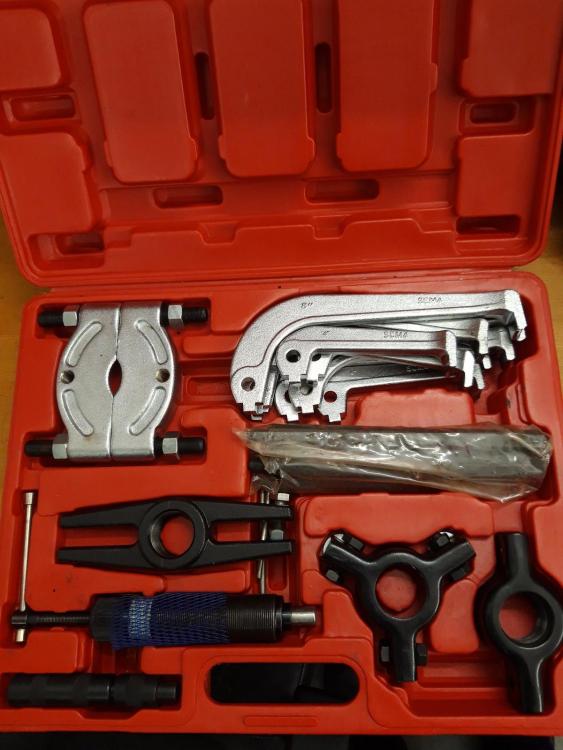
I need to get this wheel off the axle and the orange pulley off the gearbox:I've tried MAPP gas on the pulley as per this video:No dice. I think the gearbox in the video is larger than mine. No way can I get a bit of 4x2 in there! (Pretty sure in the video he whacks his finger at about 6.10 in...ouch!)Tried a bfo gear puller on the pulley...it just started bending the pulley.Going to try supporting the pulley on solid steel bars sat on metal builders stands rather than my plastic saw horses.As for the wheel, that's equally stuck. Filled up the well with citric acid solution which has at least derusted the end of the shaft.
-
Can I ask what his missus looks like?
-
Do whatever you want, all @Onoff cares is you do f***ing something!
-
No ideas. The back story on the donor is that it was in perfect running order until the owner pranged it bending the front up. These Peerless gearboxes often go on I'm reading until the mower deck rusts out IF driven carefully. The changing gear whilst moving seems to be what kills them apparently. The donor gearbox feels sweet to change up / down with the aid of a large adjustable on the gear linkage. Tempted to put the donor box on as is then strip my one and look inside with a view to repairing it. Off to try and swap the pullies over in a minute.
-
475mm from the window wall to centre of the spot, body dryer, rainfall head. Then 575mm from the wall on the right, to account for the 100mm full length shelf. Room is 2.9m long tile to tile. Spots are: Enlite DE8/40 8W IP65 Fire rated Fixed Cool white 4000K Dimmable 60 degree angle
-
I can dim mine from the bath! It's not having enough HW capacity makes it not relaxing...