Russdl
-
Posts
1722 -
Joined
-
Last visited
-
Days Won
6
Everything posted by Russdl
-
Bugger. Perhaps I shouldn’t have asked the question! We’re using ‘Spire’ a private BCO.
-
@Temp @LA3222 My computer has sorted itself out and I've now been able to open that spreadsheet. Sadly it hasn't helped a huge amount because I'm just too thick to work out how to input my percolation test results into the spread sheet so I've bitten the bullet and told my BCO inspector that I only need 2m3 not 6.8m3 ? I'll let you know what he says.
-
@Mr Punter It is, and your calculation gives me 2m3 not the 6.8m3 that are on the plans. Is that calculation going to be sufficient for me to convince the BCO that I only need 2m3? I guess there is only one way to find out!
-
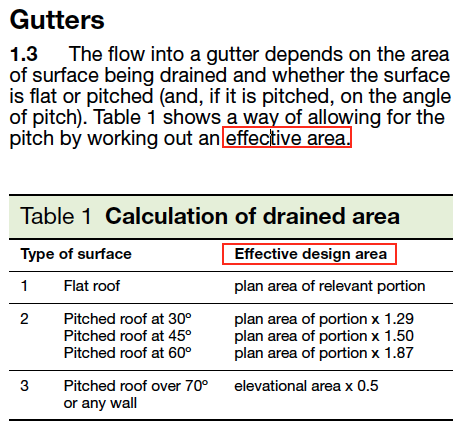
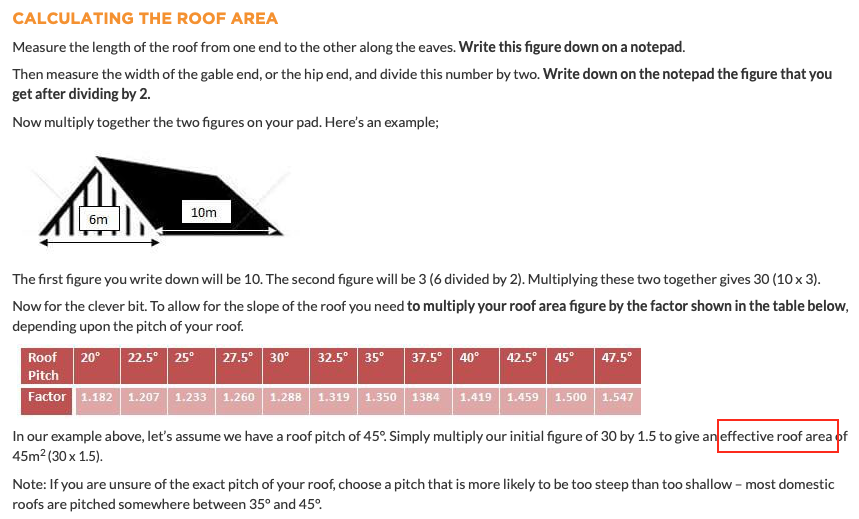
@Temp Surely that can't be right though can it, to have an effective roof area that is 25% bigger than the actual roof area. That extract from the drainage pipe website that I posted above would give an effective roof area of 750m2 for a conventional 45° roof of 1000m2 plan, so only 75% of the footprint.
-
The first stumbling block in the Regs is the phrase 'Effective Design Area' I can't find a definition of it anywhere What is the 'effective design area'? Drainagepipe.co.uk clearly define it (aimed squarely at the innumerate) and it's what I'm using to convince myself that I only need 2m3 of soakaway. Does anyone know any different?
-
@Jeremy Harris I don't remember seeing that chart. I'm off back to the regs!
-
@joe90 That very similar to what @Temp sent me originally. With the two of them open side by side it should be a lot easier to get the data from Fig 1 and Table 1 without endless scrolling up and down, ta.
-
@Temp That link wouldn't open for me last night. I gave my computer overnight to have a long hard look at itself and it's performance but it clearly doesn't give a damn because I still can't open that link (probably a Mac thing?) @LA3222 Were you able to open the link? If so, was your spreadsheet correct?
-
@Temp Brilliant, thanks again.
-
@joe90 That is the obvious answer but I want to know how to do it myself because as it stands I think he's wrong and I think I have all the data I need to produce an answer myself. I don't want to be fobbed off. @LA3222 As I said, I've got the results for the percolation test, I take it they are one and the same thing? And from @Temp's link I've got a BRE document with lots of formulas, pictures wiggly lines and graphs so I think I'm on my way to an answer.
-
@Mr Punter Exactly. Using the following calculation: Length of Roof x (Width of Gable/2) x 1.419 (for our 40° roof pitch) I get 100m2 so I recon I need 2m3 of soakaway, not 6.8M3, but before I have a word with Building Control about this and explain that I think the Architect has got it wildly wrong I want to make sure I'm not missing anything.
-
@Carrerahill No idea. It seems excessive to me, you could just be correct. I'm currently struggling through that BRE guide that @Temp linked to. I don't mind maths, but I don't like maths that includes lots of letters!
-
@Temp thanks for that, I'll get reading. @Carrerahill it was the Architect. It's 2 soakaways 1 to the north of the house, 1 to the south. We have no flood risk, we're on chalk. According to the on line stuff I've found so far a roof our size requires a 2m3 soakaway. I'll see what the BRE stuff says.
-
My drainage plan shows that I need a whopping 6.8m3 of soakaway which seems pretty enormous. According to the calculations from the drainagepipe.co.uk website I need 2.0m3 other on line sources lead me to a similar figure but I can't find a definitive calculator as opposed to these 'ball park' calculations. Does any one know what the proper calculations are? I have the results from my DIY percolation test.
-
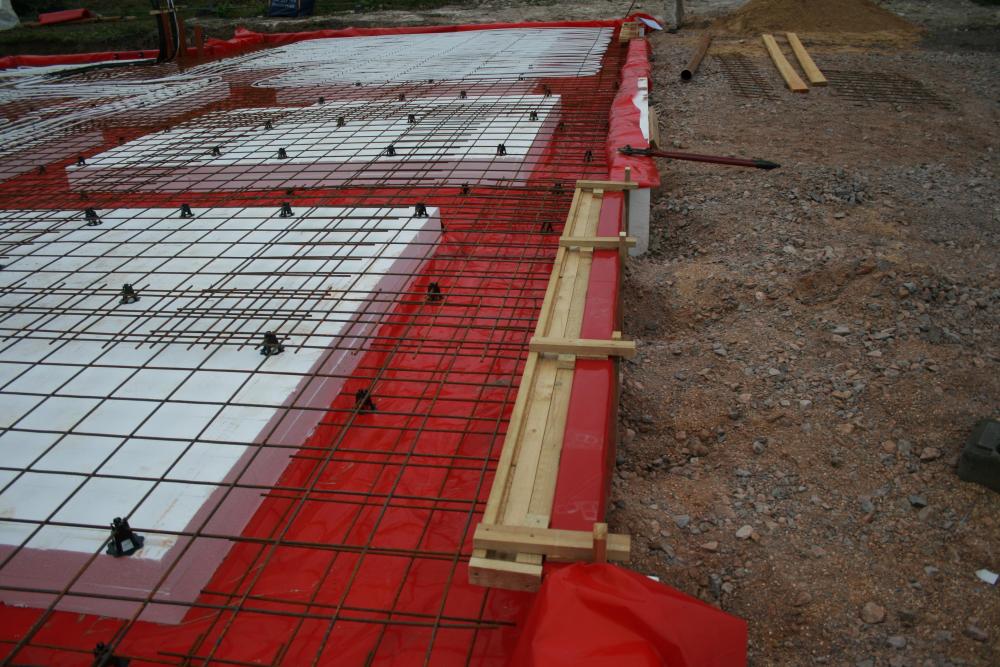
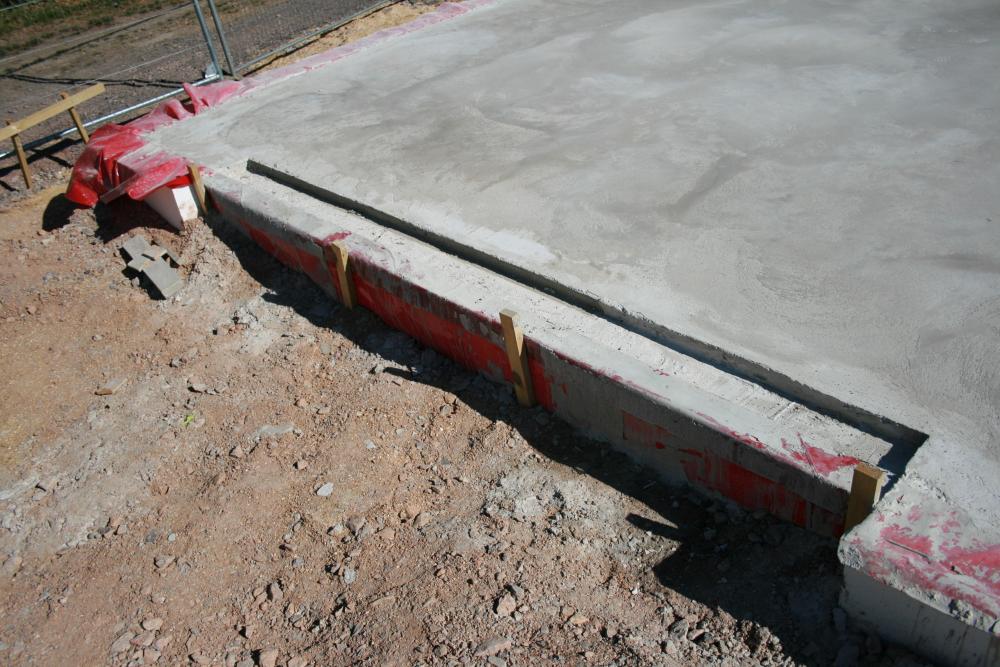
@SuperJohnG The thresholds of our doors were of various depths, 3 of them significantly deeper than 30mm. Prior to the slab being poured wooden formers were made to provide the required depth in the finished concrete to ensure that once the doors were dropped into these depressions then the threshold would be 30mm above the finished floor level. Which was too high. It would have been incredible simple and free to make those depressions 10-15mm deeper, not doing so cost hundreds of pounds. Twas my fault, I didn't check the drawings closely enough until I saw the problem, by then it was way too late.
-
@SuperJohnG It really is worth giving your flooring and threshold heights significant thought before committing. We knew all along that we would have tiles by the kitchen sliding door, back and front doors and carpet by the living room sliding door. What I’d failed to spot on the final drawings was that all the thresholds were shown as 30mm above the slab. We were after exactly what you’re after, a level transition from inside to out and 30mm is too much to achieve that with tiles. To achieve what we wanted has cost a fair few £££ in self leveling compound, way more than if the thresholds had been, say, 20mm above the slab. (We have a raft foundation and the levels are pretty accurate throughout)
-
@joe90 thanks for that clarification on what constitutes First and Second fix, I think it is that grey area between the two that has been my problem. I’ve assumed stuff was done that in fact was not done. Every day is still a school day.
-
@Dave carpenter I’ve never heard of any restrictions for ambulances, just fire appliances. The catch for us was how far they would have to reverse down the track after they’d put us out.
-
@joe90 First and Second fix...
-
@joe90 Yep. The kitchen is all finished so naturally I’m fretting a bit over that and I have now stopped work on the living room. Which is inconvenient.
-
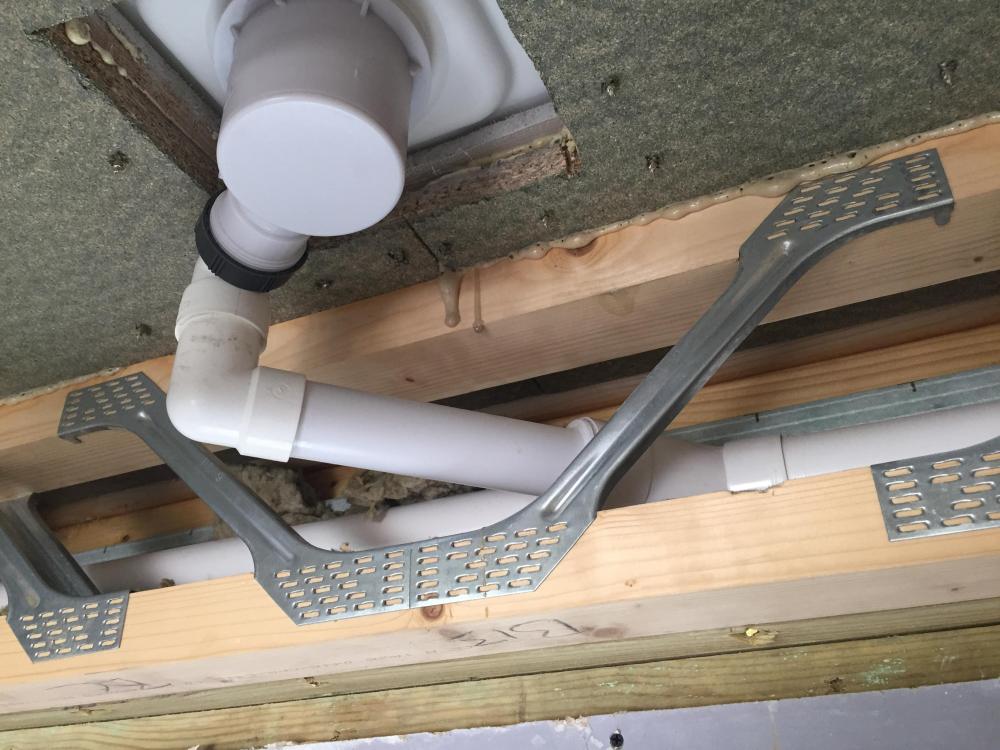
Likewise, sadly we already have one shower tray (over the kitchen) where the waste hasn’t been connected. I wrongly assumed it had before boarding the kitchen ceiling. I knew this waste above the lounge wasn’t connected to the shower tray but I was slightly stunned to to discover it wasn’t connected to the waste pipe either.
-
Would you consider that ‘first fix’ or is that a mix of first and second fix? I would certainly be happier if it were all proved to be water tight before we boarded.
-
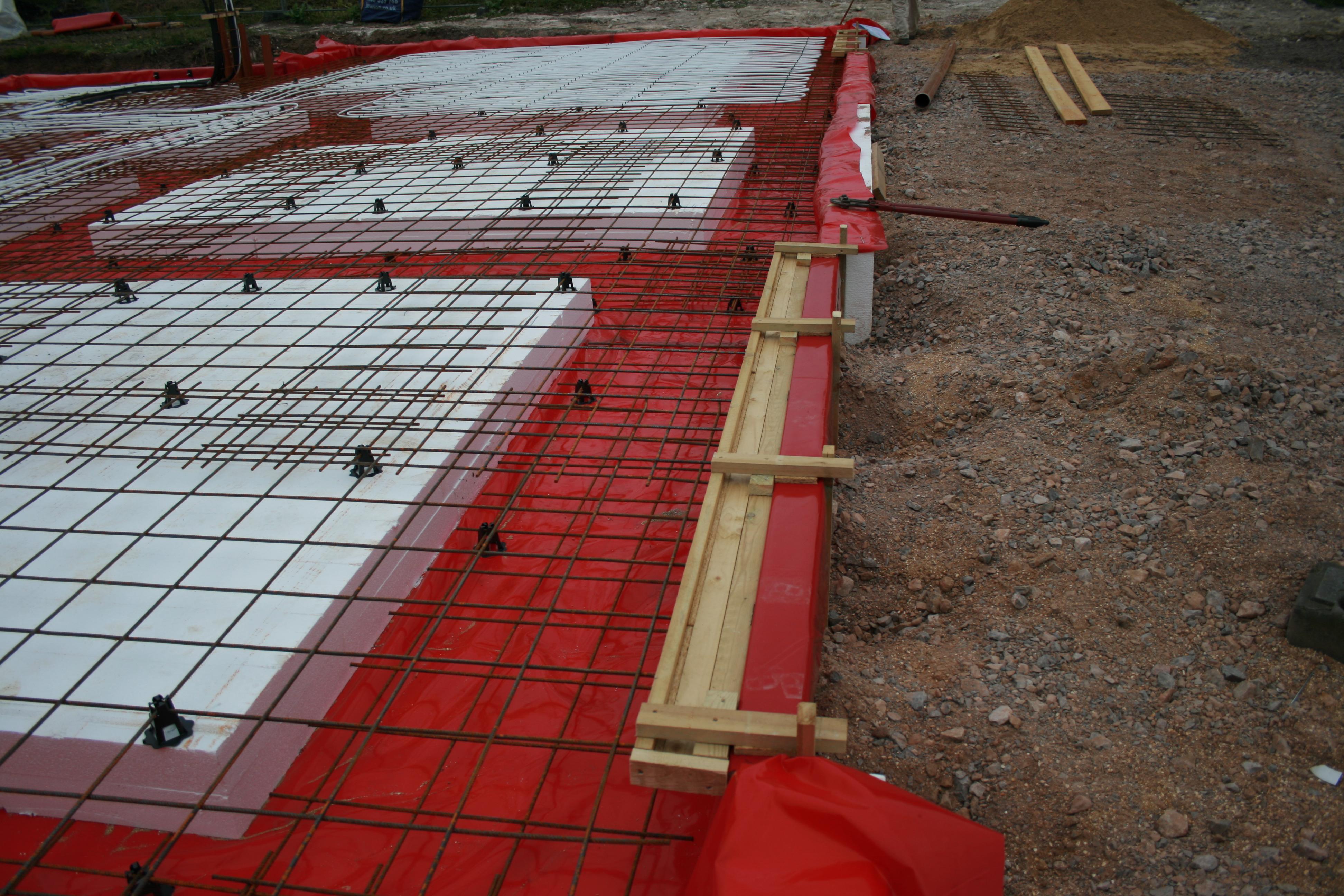
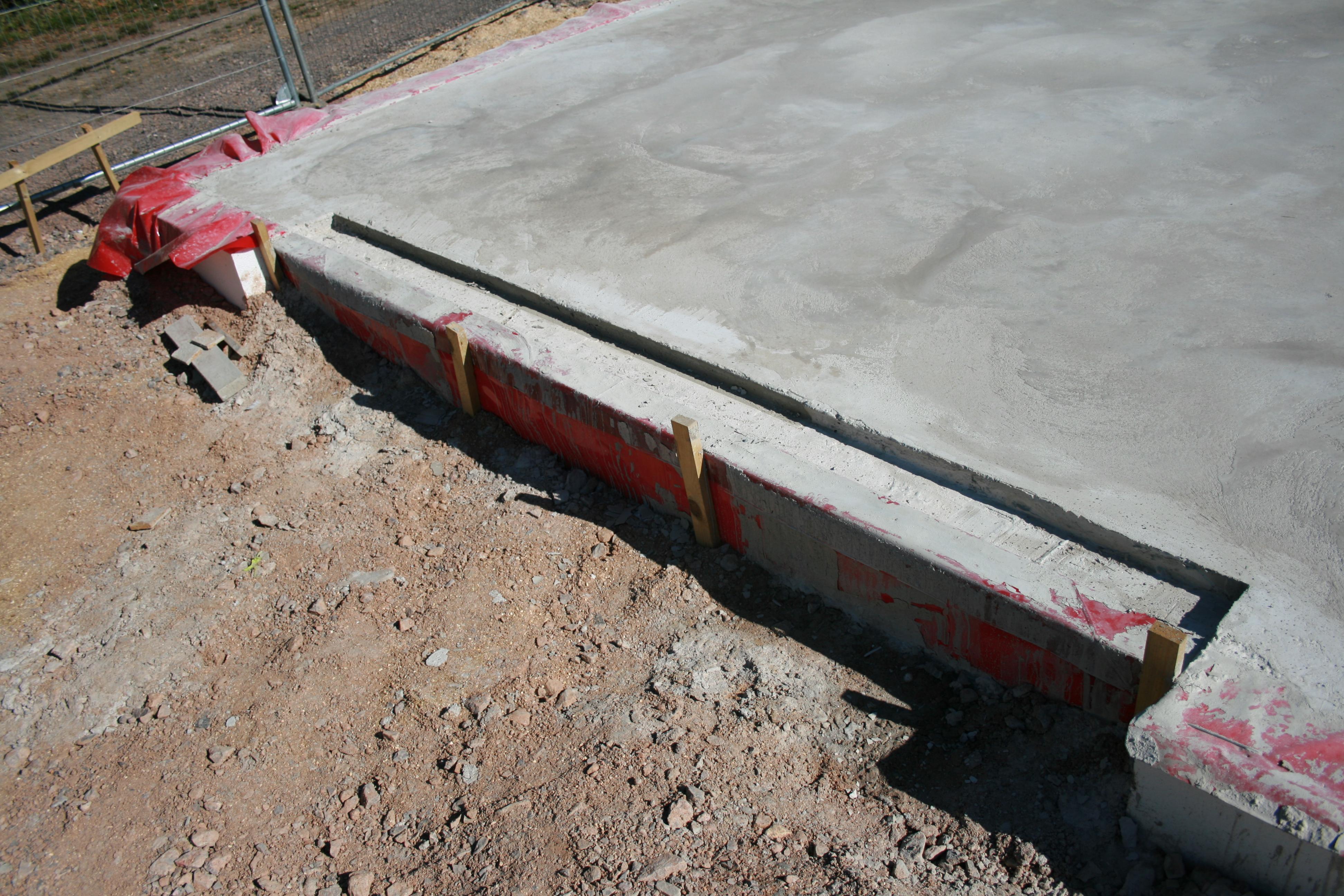
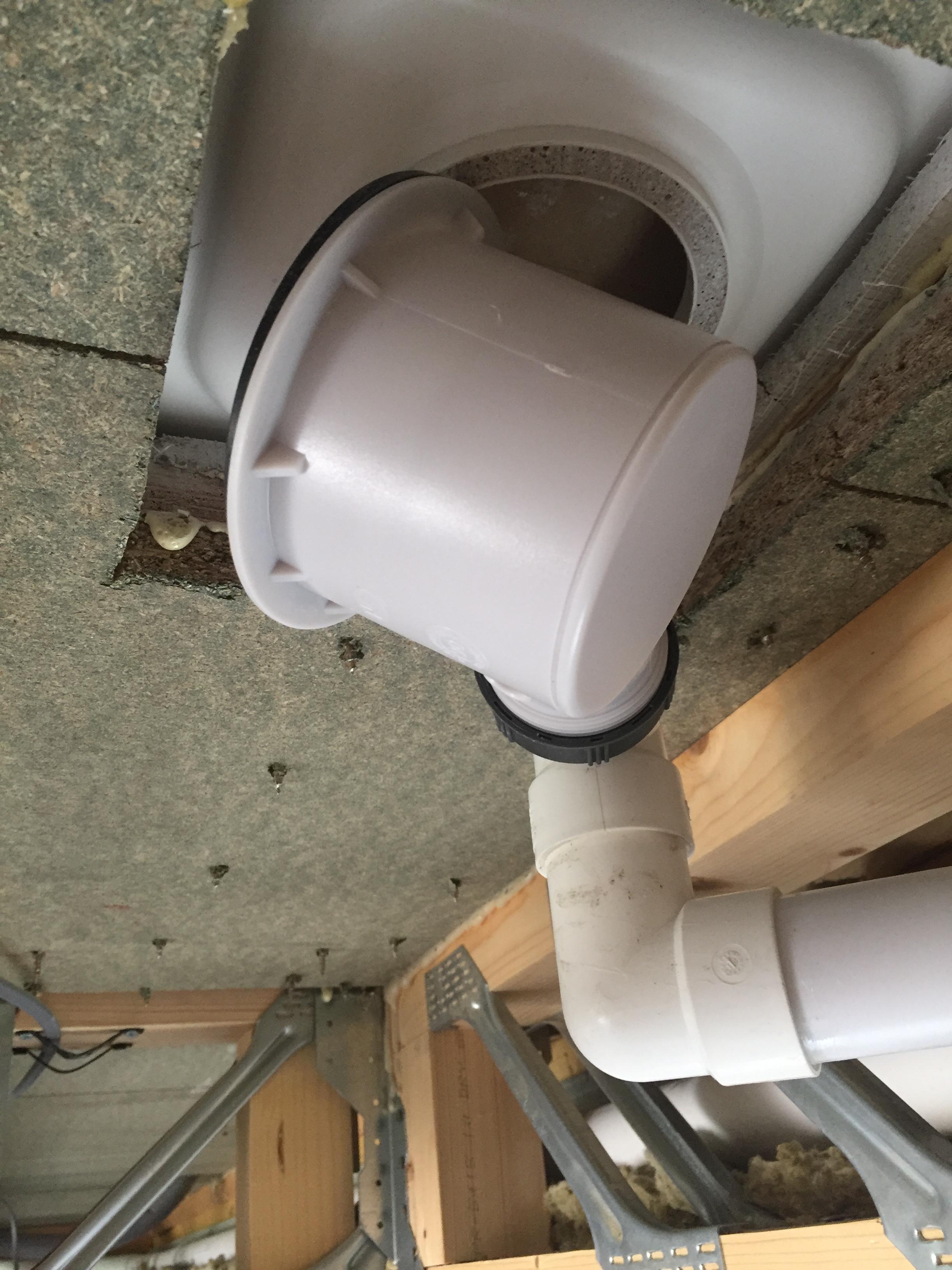
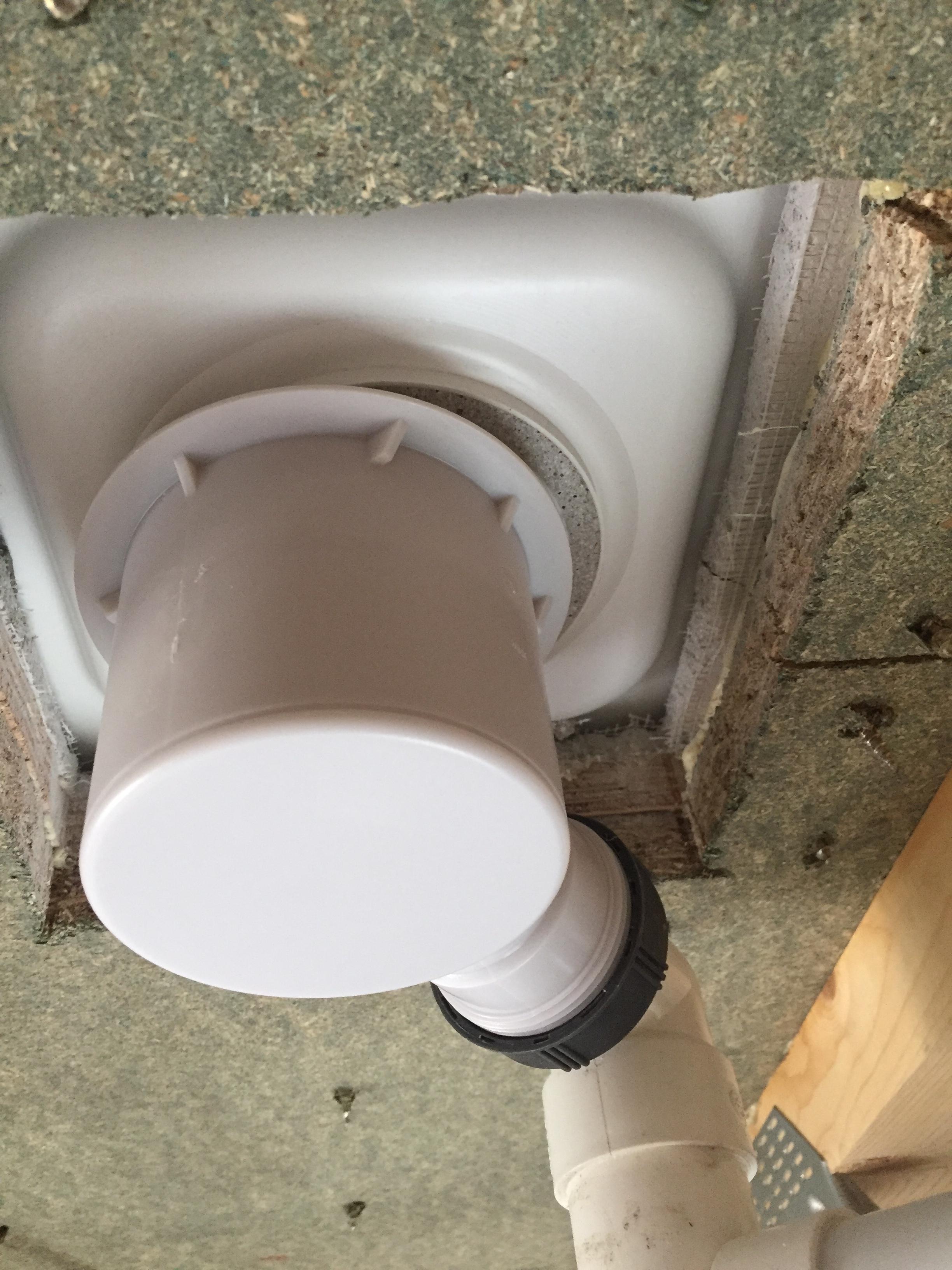
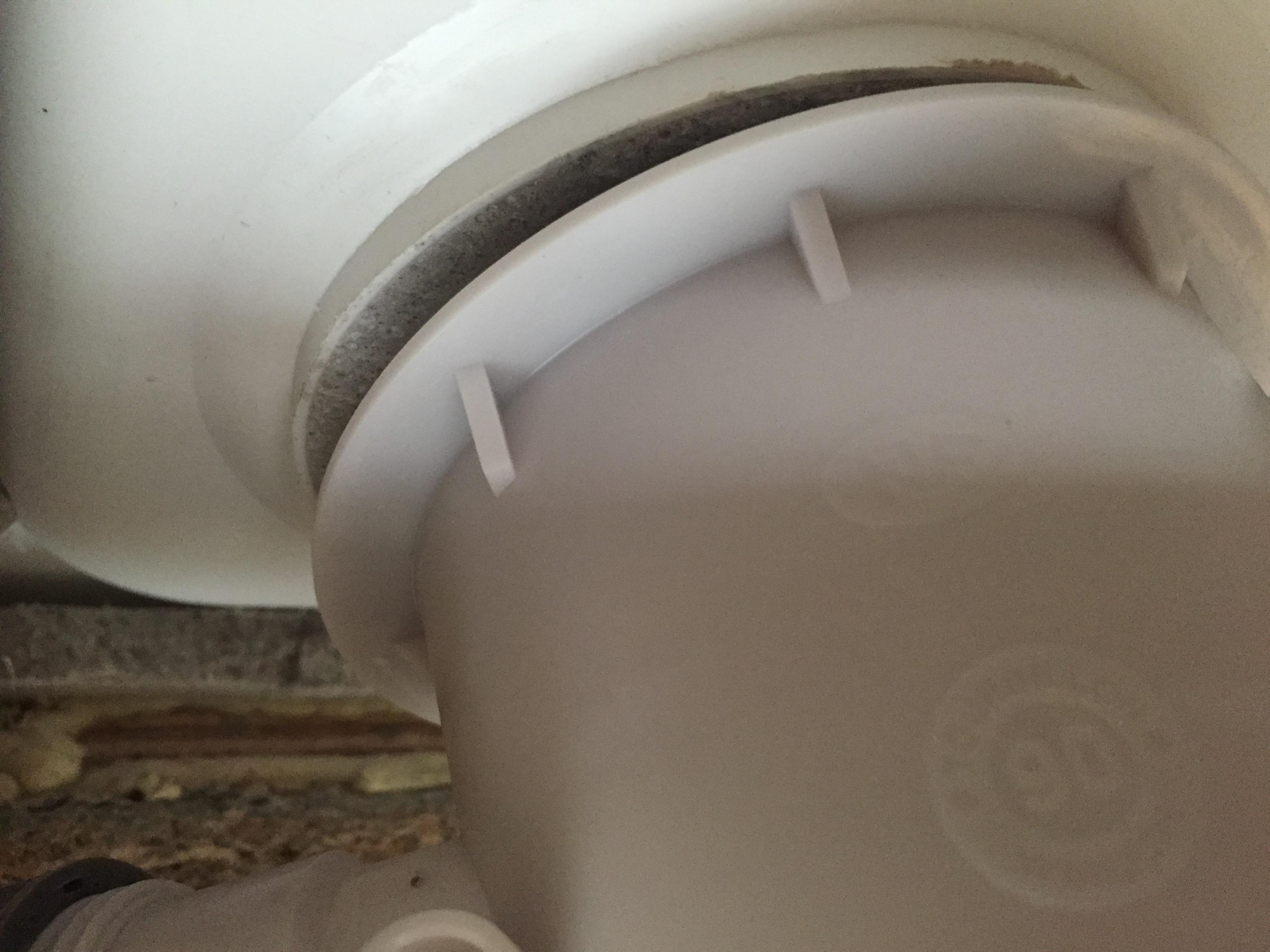
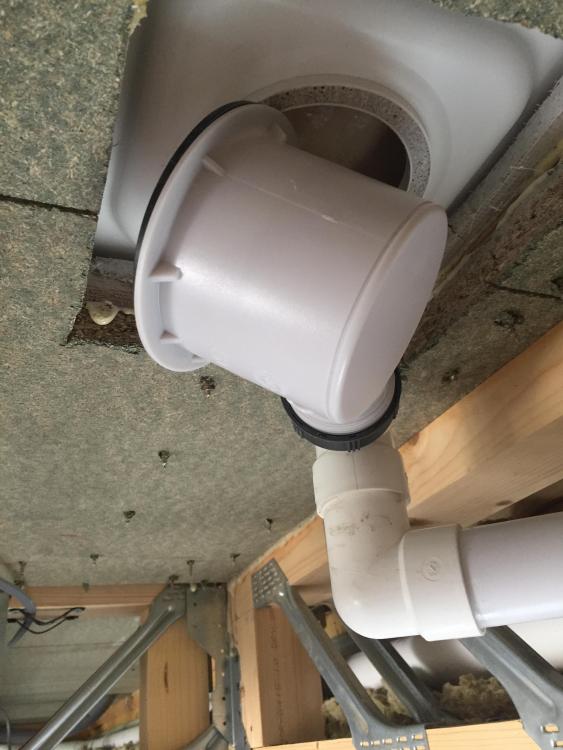
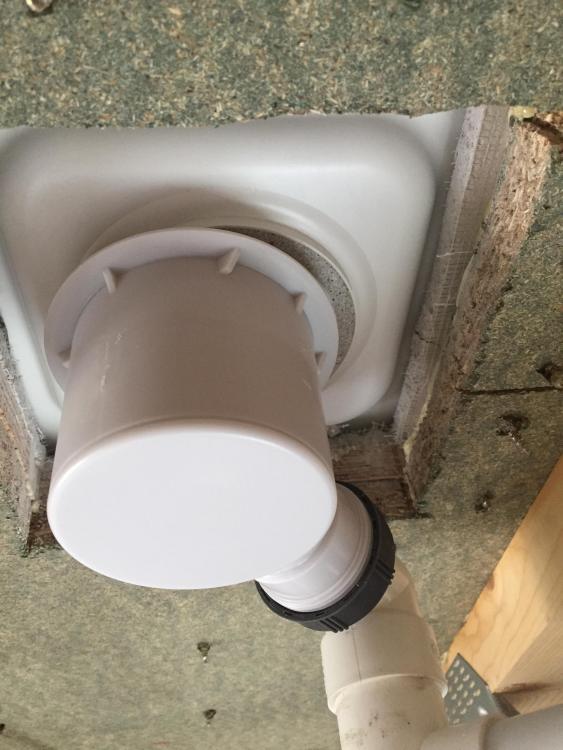
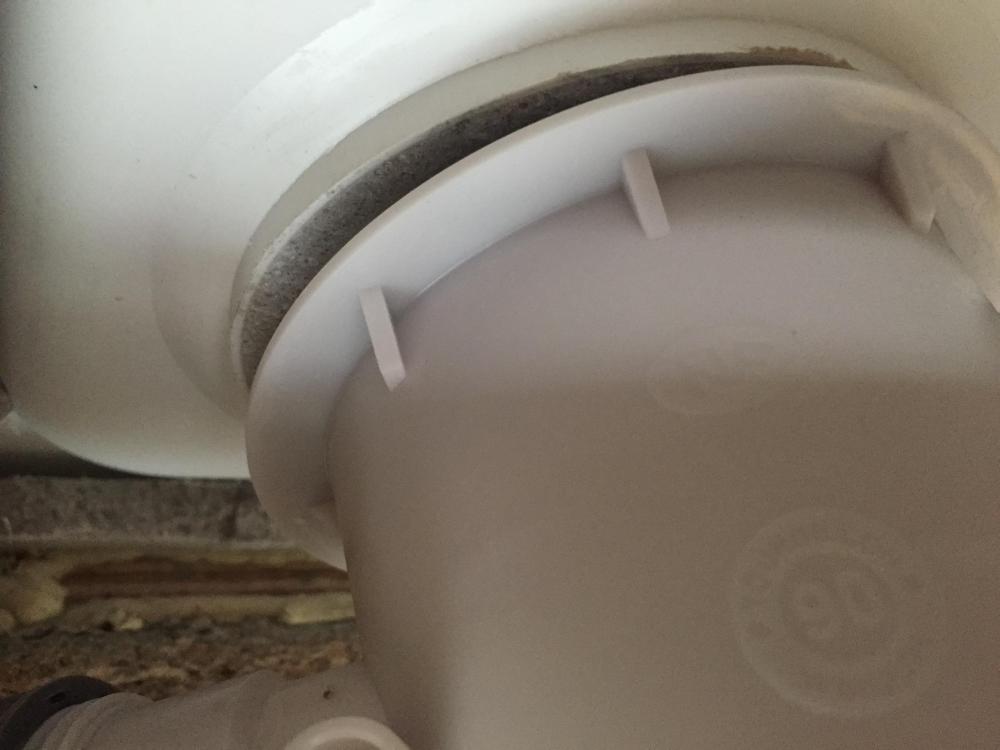
I'm boarding the ceiling of our living room which is the underside of the main bathroom. First fix plumbing has been completed in the bathroom but when I look at the shower waste (pic 1) Firstly it's not connected to the drain pipe. (pic 2) Secondly it's not connected to the shower tray. (pic 3) Thirdly the 'natural' position of the waste is not parallel to the base of the tray, it diverges around 10-15°. (pic 4) So the questions are: How do I fit the shower waste to the drain pipe and ensure it NEVER leaks? I'm told I can board the ceiling and leave the waste disconnected from the shower tray so it can be fitted from above at a later date. Is that a good plan? When it comes to fixing the waste to the shower tray there will be a fair bit of force on the waste pipe because it is not naturally aligned with the shower tray. Will that present problems later down the line?
-
@Nick1c yep, it's a new build. MBC timber frame. The studs are theoretically 600 centres but we haven't found many that are and as the batts are 600mm wide they've pretty much all needed cutting. Apart from the time element it's been no big deal cutting them. I've been surrounding the MVHR ducts with the Rockwool. There have been lots of little bits left over, perfect for stuffing in to all the little nooks and crannies.
-
Not really answering your question @Tom but we’ve done pretty much the exact opposite to your proposal. I’ve never been a massive fan of en-suites, too much happening too close to a bedroom for my liking. We have an en-suit to the main bedroom, sort of. To to get to the master bedroom you open a door from the landing to a walk through/past wardrobe. A door on the right accesses the bedroom and a door straight ahead accesses the en-suite. In effect, anyone can use the en-suite without entering the main bedroom so we will treat it like an overspill ‘family’ bathroom if required. That plus the main family bathroom is all we have. I suspect we we would have issues were we to try and sell a 4 bed house with 1 family bathroom and 1 en-suite but I plan on pushing up the daisies before it goes on the market so the kids will have to deal with that.