


Russdl
-
Posts
1796 -
Joined
-
Last visited
-
Days Won
6


Russdl's Achievements

Advanced Member (5/5)
706
Reputation
-
Oh, and as for orientation I searched the web for our nearest transmitter, used Google Earth to get the direction from house to transmitter and then used the compass on my smart phone to align it.
-
If you want unobtrusive, we’ve got one of these. but check it’ll work where you are. We generally get good DTV reception including the HD channels but sometimes the weather does seem to affect it for a few hours.

-
Another Quooker service win from us. The filtered/sparkling water had slowed to a trickle, everything else was fine. The filtered was changed about 5 months ago so that surely couldn’t be the issue. Service booked (£125 😬) but only payable after the visit. Engineer arrived, diagnosed a knackered filter, replaced it, zero charge. So, whilst we have had several issues with our Quooker/Cube combination, not all posted here, we have always had a great service and quibble free fix where required. Throughly recommend if you want to spend the excess dosh on one of these appliances.
-
Adapting furniture to become washstand
Russdl replied to MortarThePoint's topic in Bathrooms, Ensuites & Wetrooms
It was a dark wood unit and clear glass on top. It was just a smear of silicone round all the wood/glass joins. Most of the water stayed in the bowl, only the odd splash outside, it was never an issue. -
Adapting furniture to become washstand
Russdl replied to MortarThePoint's topic in Bathrooms, Ensuites & Wetrooms
I did that in our previous house. I got a piece of glass cut to the exact size of the top with a central hole cut, sealed the edges with silicone (handn’t heard of CT-1 at that stage). Never had any problems with condensation or water tracking underneath in the 10+ years we lived with it. -
Ah, so not exactly as it sounds then, interesting.
-
I guess that’s just what it sounds like it is? Never heard of it before.
-
🤣🤣🤣 Oh yes, I’d forgotten about that.
-
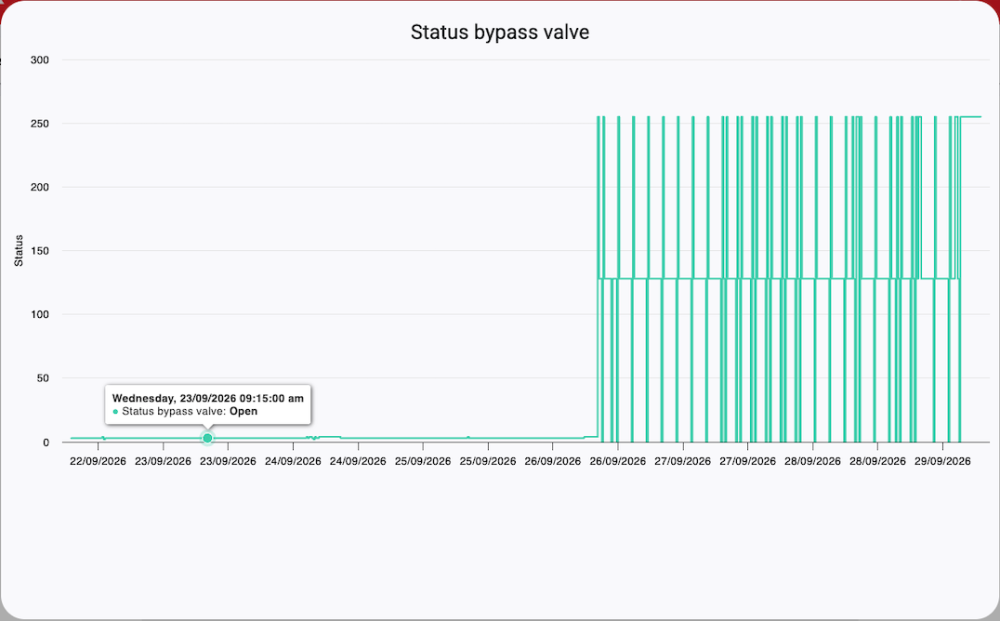
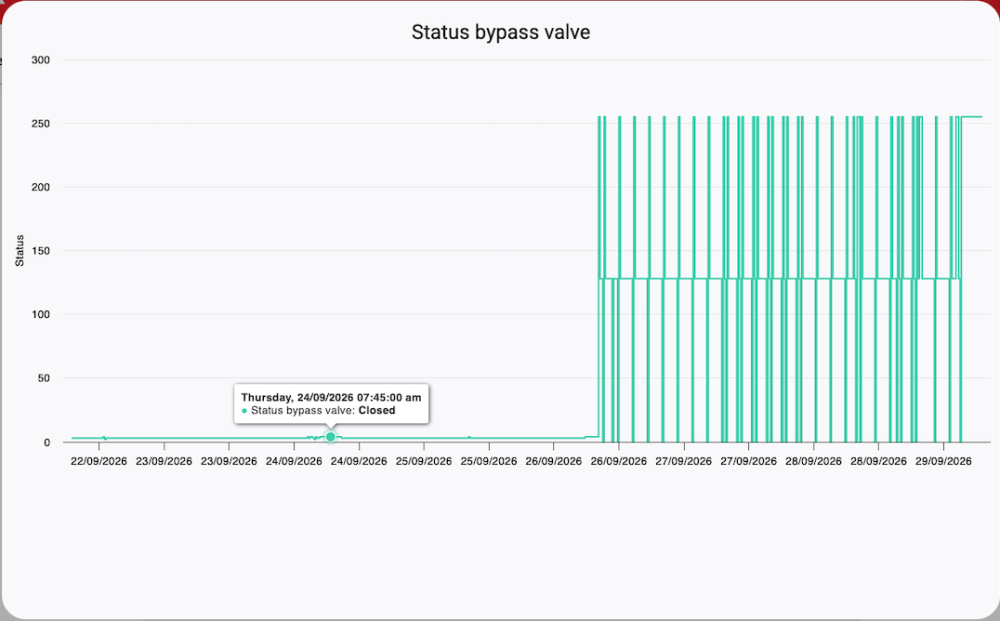
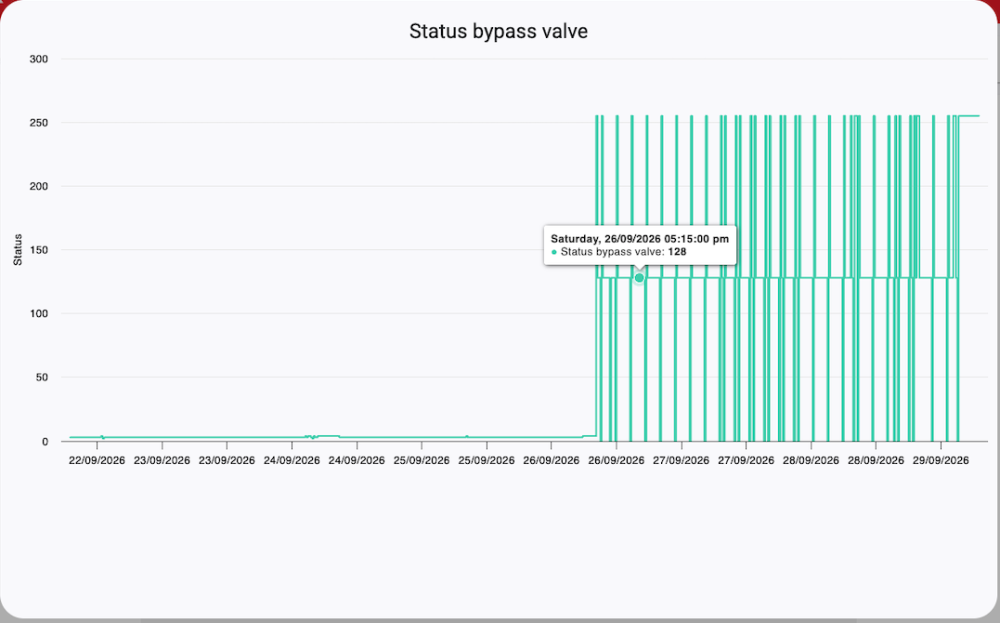
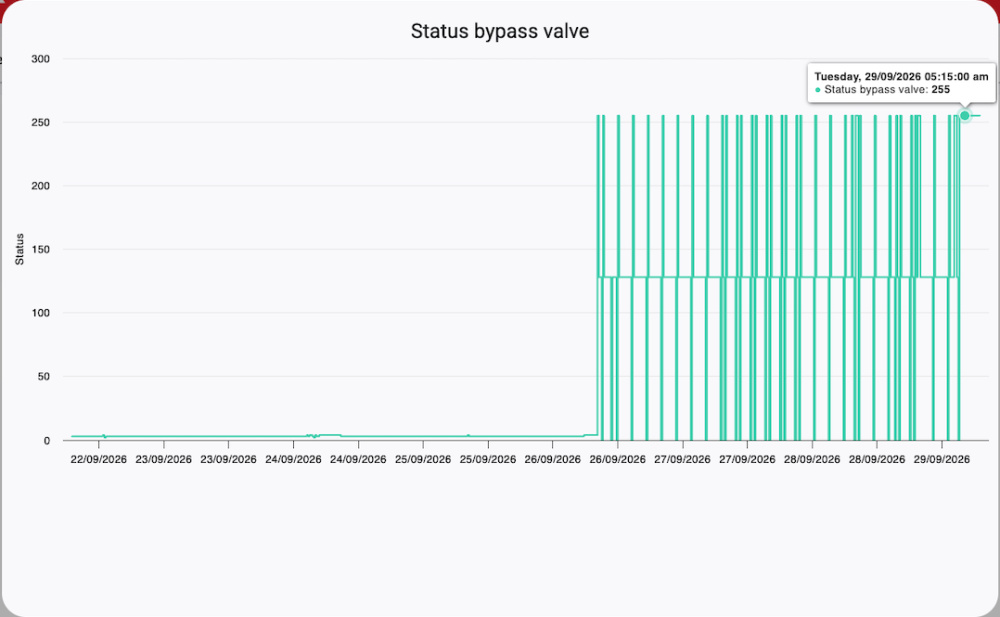
Something like that it seems, but the labels don't indicate 1 and 0. You and me both! I suspect it's 127.5 at least then 255 makes some sense as it's 2 x 127.5 but apart from that who knows whats going on? Good question. Well phrased. Deserves an answer! As you seem to be located in the land of Brink manufacture, could you go and knock on their door and ask them to explain themselves. As far as I'm concerned the frequent flipping from 0 to 128 to 255 and back again is completely abnormal behaviour and must be some kind of software glitch. At this time of year I wouldn't expect to see the bypass move at all so even the early trace of 1 to 0 and back again strikes me as odd.
-
Yes, on one occasion, but with the evidence of future events it may well have been that I just wasn't giving the inverter sufficient time to revert, for some reason the settings don't revert straight away when the Axle event is finished - at least for me. I now set a reminder for 15 mins after the event has finished and check the inverter settings then, all's been fine since.
-
👋Calling any Brink Flair MVHR owners 👋 Could someone send me an image of the ‘Status Bypass Valve’ (like the ones I posted above) from a working unit so I can compare and contrast? Thanks in advance. ~~~ Advice from the original supplier “just replace the bypass, they’re cheap as chips”. Which is all well and good, but why it failed in the first place seemed to be of little interest to them. To my mind I fit the brand new, cheap as chips replacement and it fails in exactly the same way in a few months/years time so what’s the point. I’ve got a fair few months to mull this over as I don’t think summer will need bypassing for a while, the unit is reassembled with the bypass closed and the bypass motor disconnected. So all’s good at the moment. I think.
-
Well there certainly has been some strange bypass behaviour according to the available data. More 'opening' and 'closing' than I would have expected to see before it went nuts around lunchtime of the 26th and decided to thrash itself to death. It looks like my glue repair took a bit of a beating before finally giving up the ghost and shuffling off this mortal coil 3 days later.
-
Ah, in case of power outage I presume? My inverter is set to stop export when the battery reaches 10% SoC for just such an eventuality, I guess that would stop the export if Axle are taking the juice but not at all certain.
-
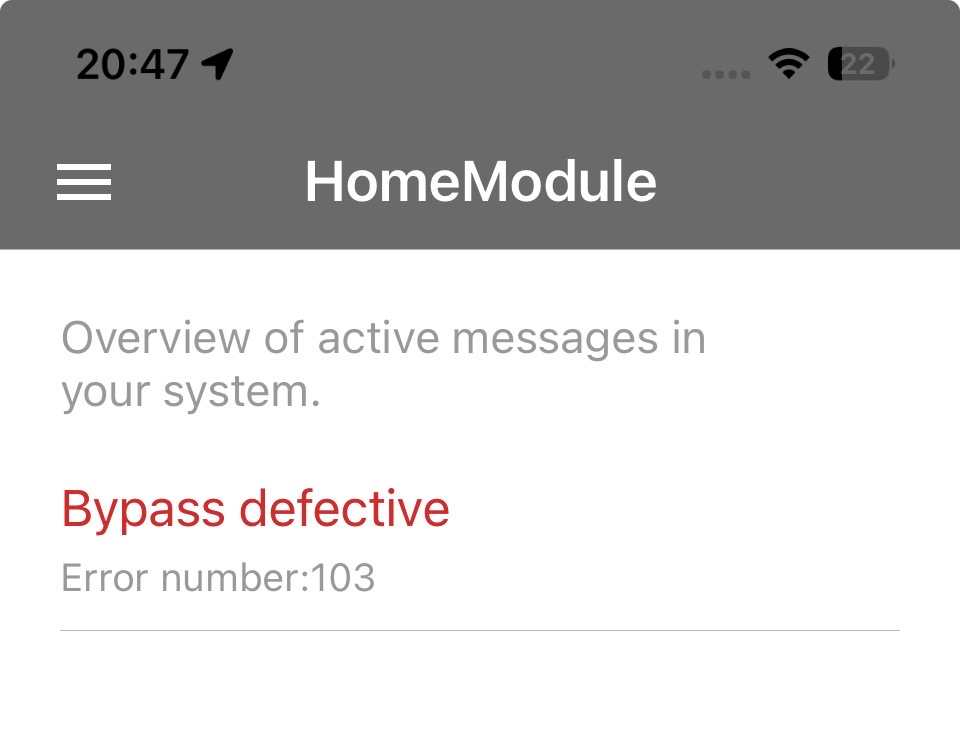
B*ggery b*llox. Well, it looks like my repair has failed. I’ll have to dismantle it in the morning to confirm. I wonder if it’s a software issue and the motor keeps trying to turn in the same direction after the flapper has reached its movement limit??
-
Doesn’t it just! Mind you, I suppose the thing we have done is invest in a battery, the VPP could not exist without that.




