marshian
-
Posts
1605 -
Joined
-
Last visited
-
Days Won
6
Everything posted by marshian
-
They aren't specified in the manual - I'm taking an educated punt Not difficult to establish the settings - the pump will tell me what they are Just need to start it on the lowest of the 6 and give 5 mins between each change to stabilise the pump
-
Yep I get that you are using the std 3 settings I'm just musing that 0.4m3/hr might be a smidge lower than the old grundfos - now that might be perfect but and on the basis that the six settings might give a finer control 1 of 3 = 1 of 6 2 of 3 = 3 of 6 3 of 3 = 6 of 6 Then maybe 4 of 6 closer to the 0.48 of the old grundfos pump
-
 I do get the more comfortable element but I'm not sure the cheaper to run is correct - You are replacing the heat loss of a property no matter what heat source is used the cost in energy will be the same - only time you are going to save is if the comfort factor allows you to run lower room temps (hence lower heat loss)
 -
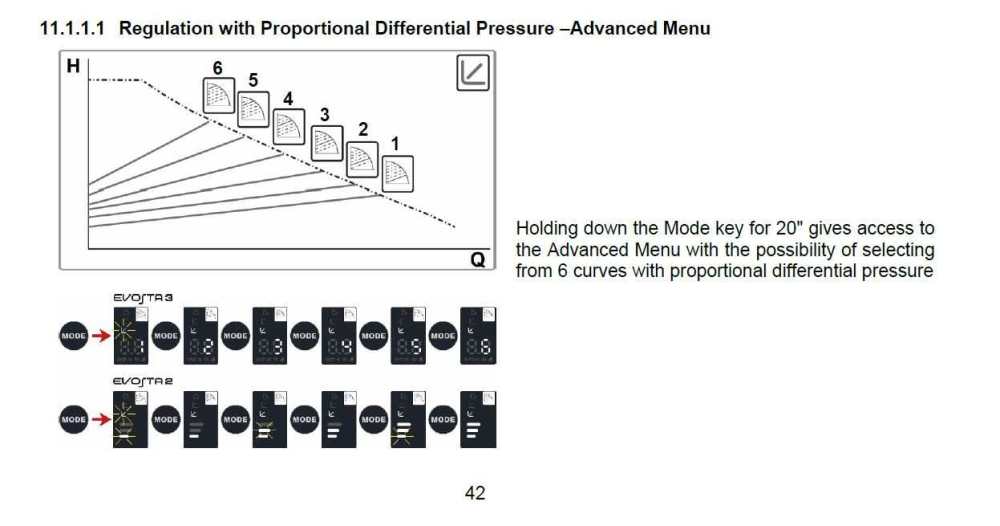
Yep I think I was right Couldn't find pump curves for these settings but I'm going to assume that it gives a finer level of step than the std 3 positions
-
No such thing
-
Is that the same as an STD?
-
I read enough to realise that it was putting ticks in boxes I didn't want ticked so I stopped
-
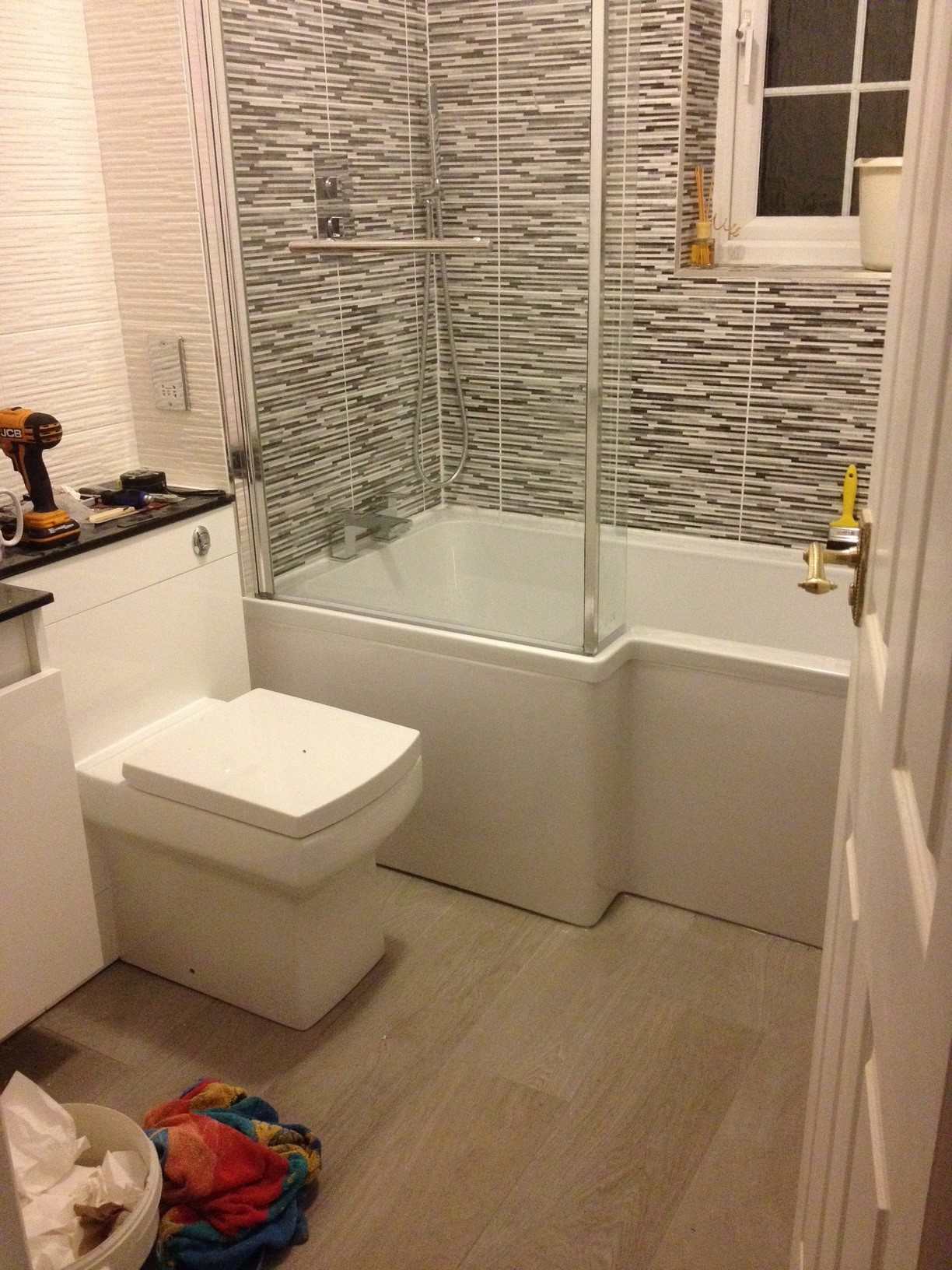
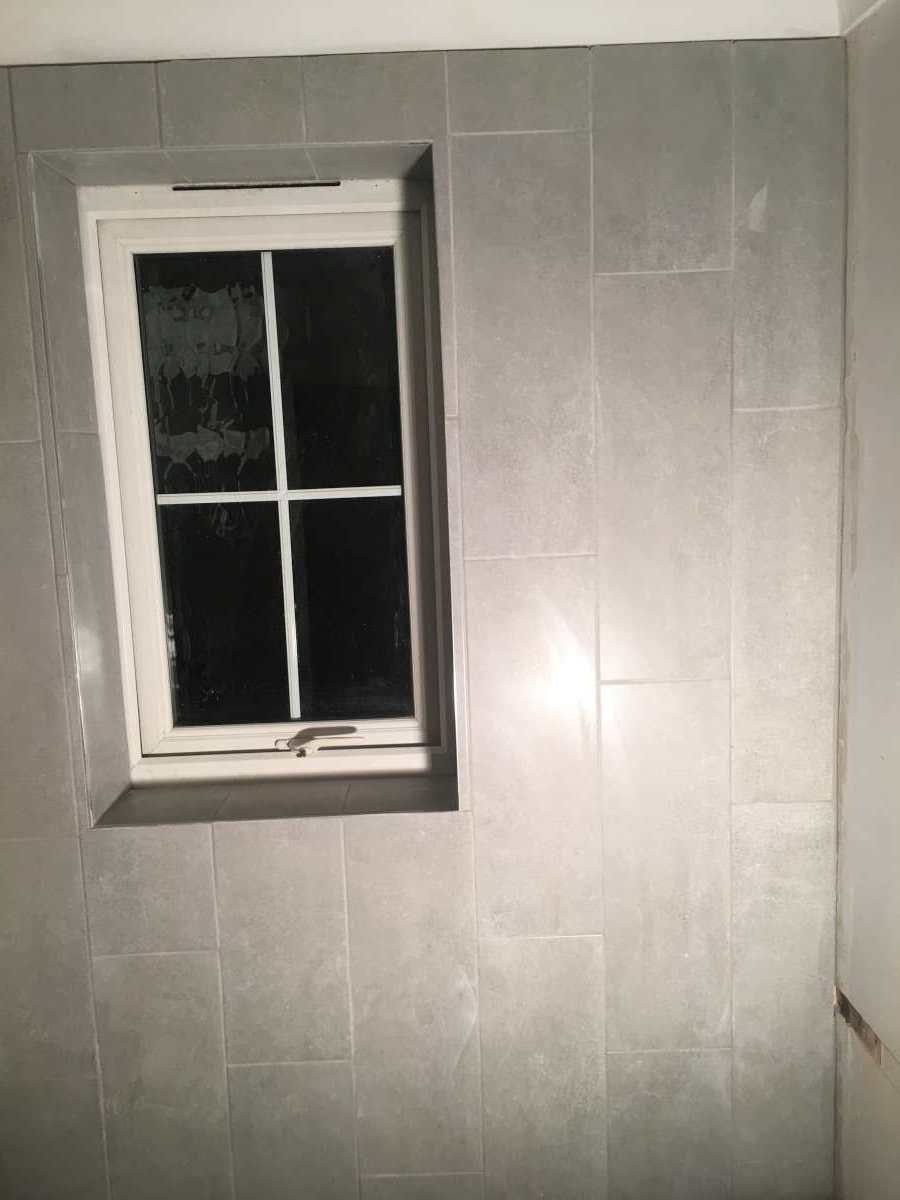
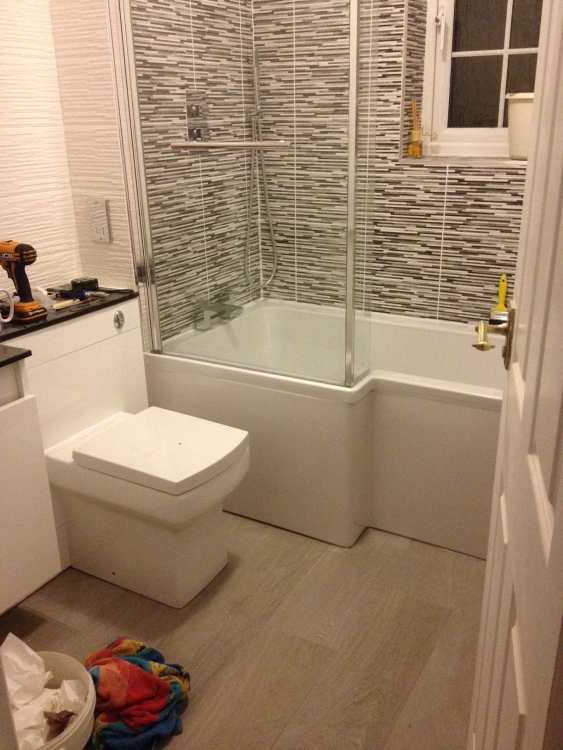
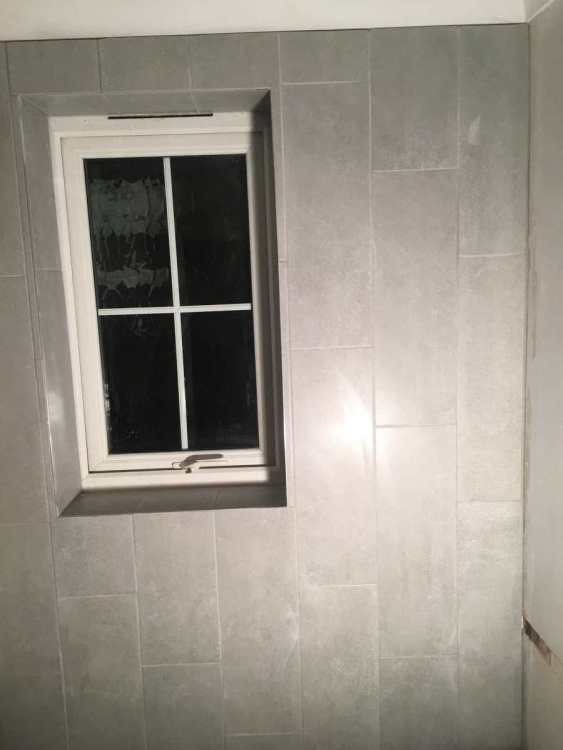
Blimey - that's a bit more technical than @Nickfromwales and to be honest my approach too of scribbling on the walls Not quite sure why my bathroom window picture got a like - those bloody thin cuts next to the window drive me nuts as I look at it every day - I could understand getting a couple of but not a like
-
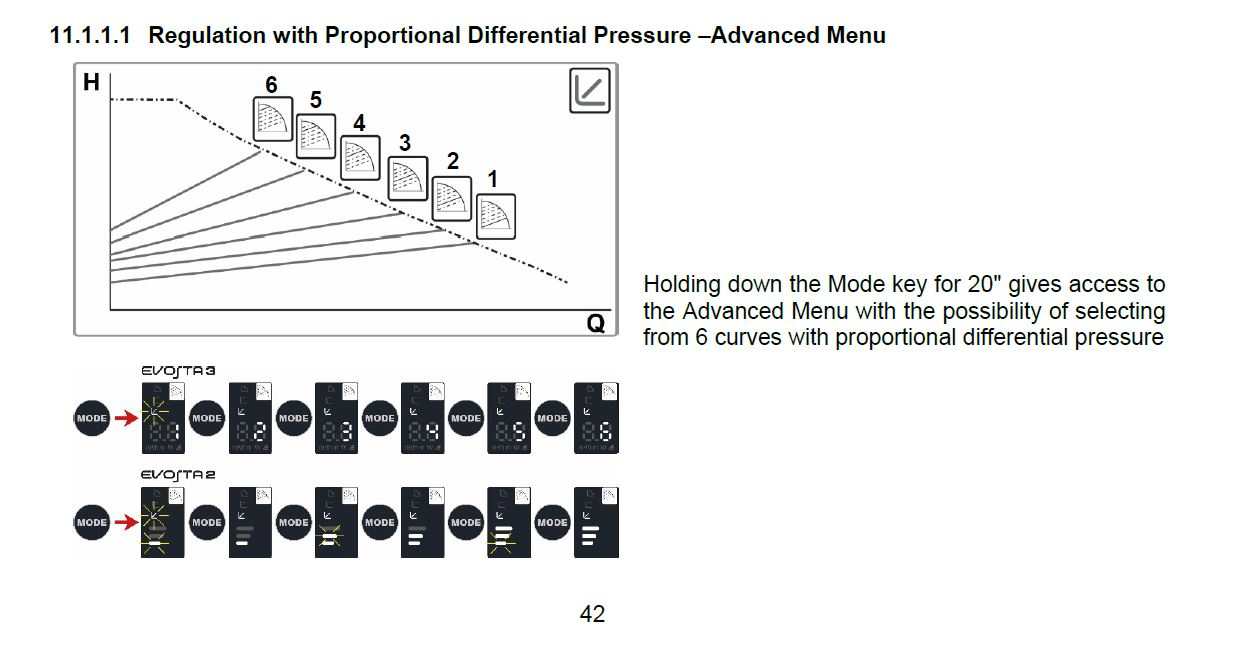
Hmm - I’ll need to check the destuctions but from memory that mode has 6 settings not 3 - accessed by a long 20 sec press - I was going to try that if the grundfos pump turned out to be a bust (which it did) but at least I now know why I favoured the old pump on speed 1 and why I have to run the new pump on 2 rather than 1 thank you @John Carroll
-
last time OCD was mentioned we went right off on a tangent
-
I can fully understand that - having got down to the stage of grouting 2 or 3 tiles at a time I resorted to applying the grout using an icing piping bag with the smallest nozzle I could find in the kitchen in order to minimise the amount that needed cleaning off Warning to others - Mrs Alien wasn't best please when she found out
-
I seriously contemplated removing the window boarding and cutting the brick aperture a bit wider before re-boarding the window aperture to get rid of those thin cuts. Trouble was I'd already tiled the window aperture and I only had enough tiles to finish the wall and if I broke any I'd be stuffed!!!! Mrs Alien had chosen an end of range tile with limited stock (we bought it all) because it looked like polished concrete and that was what she wanted!!! Nicer to work with than the last tiles she chose Every time I'm in the bath I think of this album Teenager in the 80's is the only thing I can blame PS top tip - 1. never buy textured or riven matt finish wall tiles - if you do be prepared to spend a large chunk of your life removing excess grout from the textured surface 2. Brick acid when used carefully is very good at removal of excess grout

-
I actually like tiling - but the planning to get the layout right takes bloody forever and no matter how well I plan it out I always end up with a stupid thin cut somewhere so I try to make sure it's where I'm never going to see it That one worked out really (expletive deleted)ing well for me!!!!
-
Pump Mode selection was covered here
-
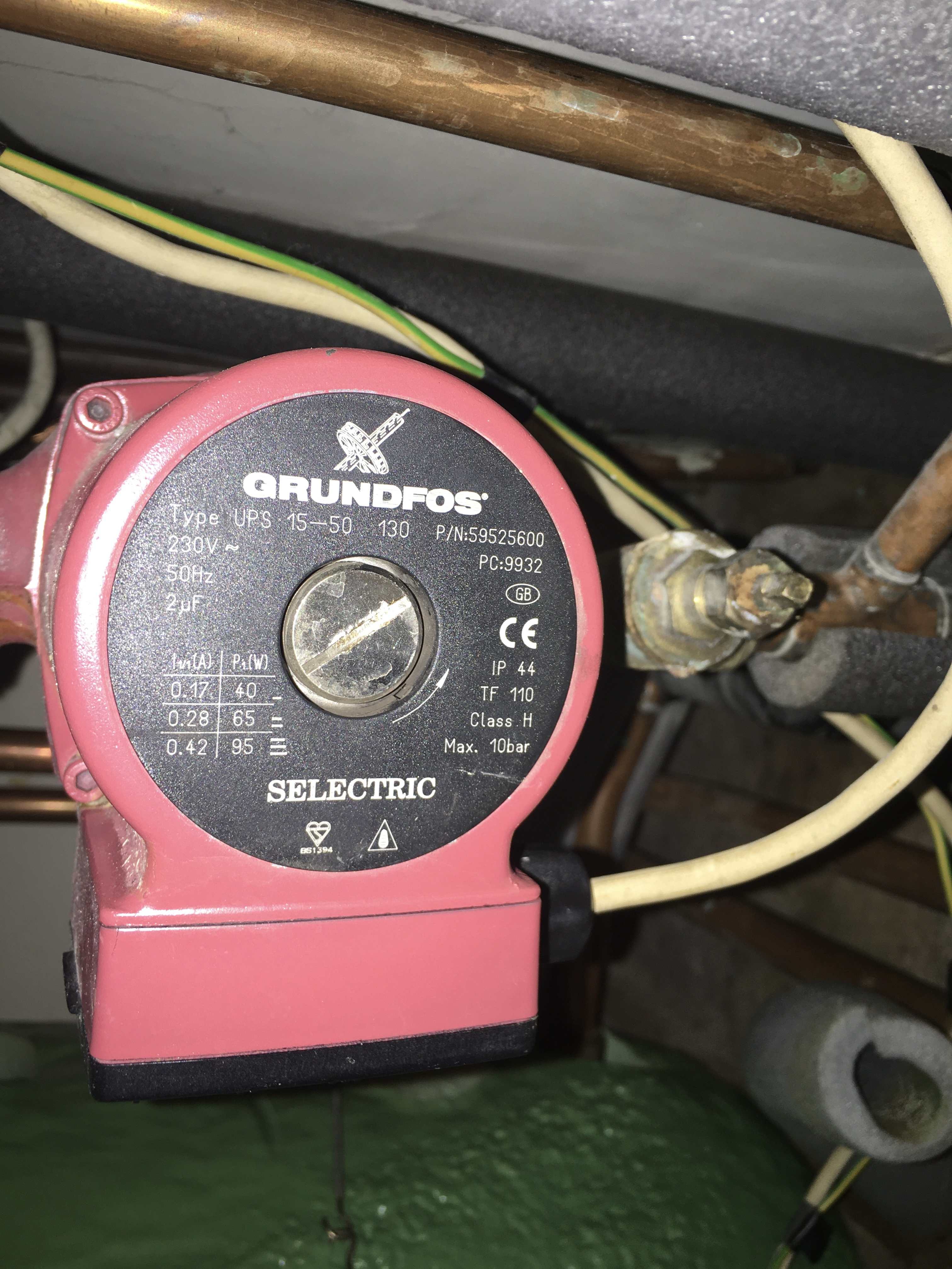
I'm running the Evosta 3 pump on Constant Differential Pressure - data from pump display on speeds 1 & 2 posted earlier That's really interesting and if I can summarise "for the cheap seats" (Me) Effectively order in terms of flow is Evosta3 Speed 1 - 0.3 m3/hr Grundfos Speed 1 - 0.48 m3/hr Evosta3 Speed 2 - 0.5 m3/hr Grundfos Speed 2 - 0.55 m3/hr Does explain why system doesn't like Evosta3 speed 1 and why I feel Evosta3 Speed 2 is a little noisier (system noise) than my old Grundfos was and sort of validates my want /need for the old pump from a noise perspective Please note - the noise aspect is me being really (expletive deleted)ing picky and to be honest from an energy usage perspective I should probably go back to the Evosta3 on speed 2 as I could run that pump for 4 hours (15 w) for the same consumption as the Grundfos chews thro (58 w) I'm pretty sure the consumption would be ~40w on speed 1 if it worked but as it doesn't and I don't know why My gut tells me I need a setting between speed 1 and speed 2 on the Evosta3 Thanks for you input @John Carroll
-
Boiler min output is quoted as 3.2 kWh (at 50/30 flow / return) 2.9 kWh (at 80/60 flow / return) However couple of points Viessmann technical have not been able to confirm min output kWh at 32/25 (I am assuming that it is more than the 3.2 kWh quoted at 50/30) At min modulation the best I have seen is 4.0 kWh over a period of 1 hour (initial ramp up and period where it modulated down to min was not included) During this period I did not see any increases in modulation as it was 0 Deg C OAT Data if you wish to check the calcs Meter Reading at Start 633.766 m3 09:00 Meter Reading at end 634.130 m3 10:00 Time 60 Mins Usage 0.364 m3 Calorific Value 39.1 kWh 4.04 kWh I am also waiting for the Viessmann engineer to replace main board and WC sensor because despite having range rated the boiler to min I occasionally see the boiler ramp up to 15 to 20% modulation with no assignable cause - problem is more frequent at warmer air temps (5 deg to 10 deg range)
-
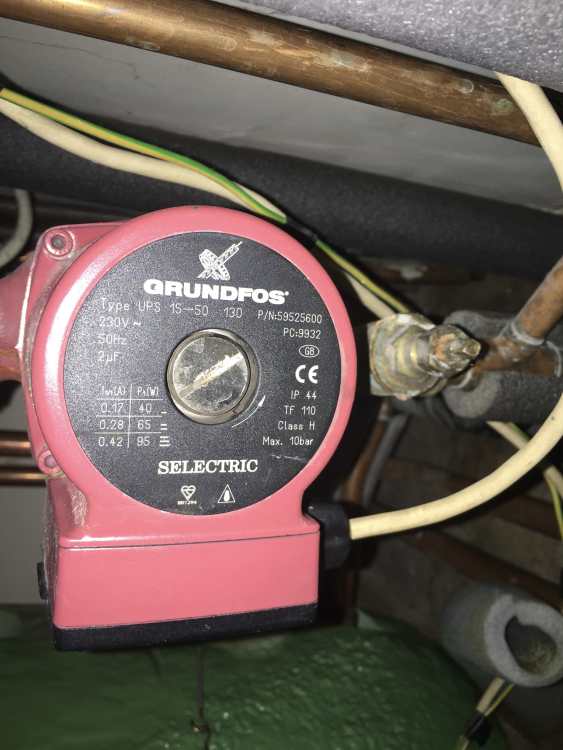
Model info It’s currently running at 58w on speed 2 Dab Evosta speed 2 - 15w at 3.0 m head and 0.5 m3/hr (system was noisy but stable from a cycling perspective - boiler flow 32 return 25) speed 1 - 8w at 1.8 m head and 0.3 m3/hr (system was quieter but cycled more and rad deltas not really any better - if anything mean water temps in the rads were lower - maybe 1 deg better diff between flow and return)
-
Well it was a good plan - but speed one doesn't want to play not sure why - probably a result of building one pump out of two. Running on the grundfos on speed 2 for the next couple of days to see if it reduces the number of cycles per day compared to the DAB pump
-
I have that down as my first port of call from previous mentions you've made I don't want to thread jack this thread
-
Also on my spec list
-
Useful thread I've added the bottom of the tank immersion to my new HW tank criteria (we've only ever had top mount immersions as it's only ever used in the event of HW/CH circuit drain down but with a plan to install PV at some stage in the future it makes sense to avoid the issue of not fully utilising the excess electric.
-
I’m going to struggle for this week - working late shift because of someone else on holiday
-
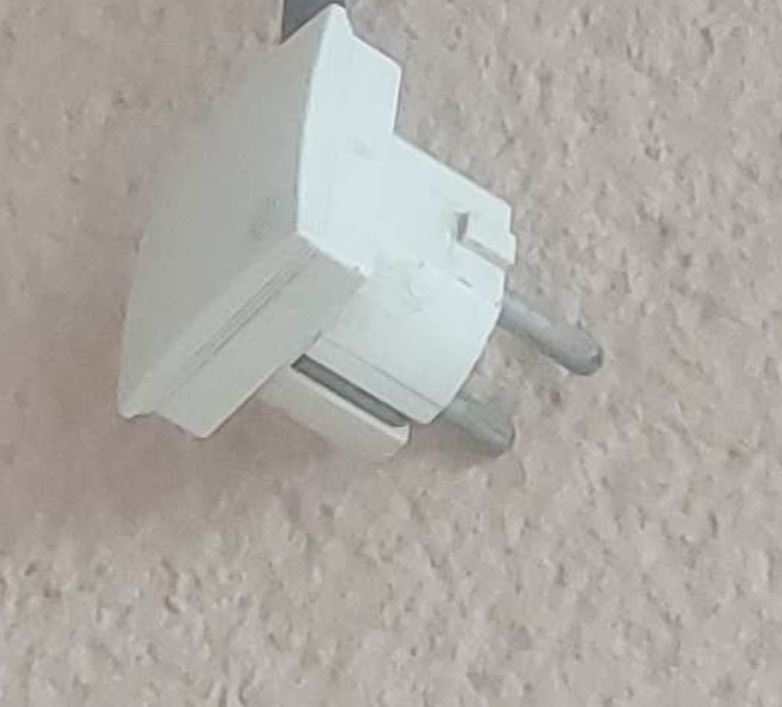
I'd start by cleaning up the plug prongs with scotchbrite
-
As I said before - Poor connection between the male of the plug and the females of the socket causing resistance to current flow - resistance generates heat
-
Traditionally-styled low temp radiators?
marshian replied to YodhrinForge's topic in Central Heating (Radiators)
On a PC with a proper keyboard it's a lot easier than a phone 😉 Good idea on the autocorrect but again not 100% sure that's easy on a phone either