AliG
-
Posts
3211 -
Joined
-
Last visited
-
Days Won
11
Everything posted by AliG
-
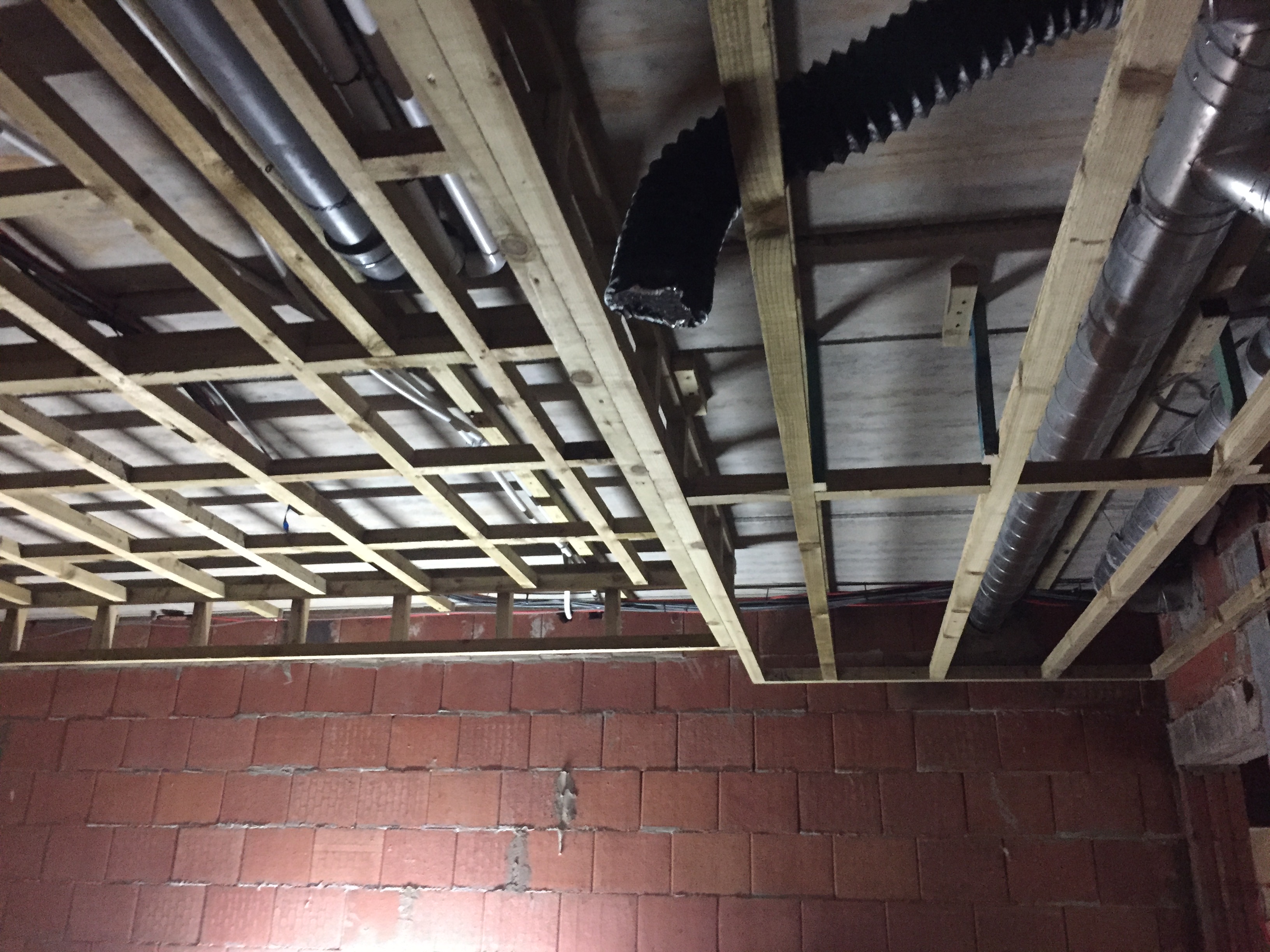
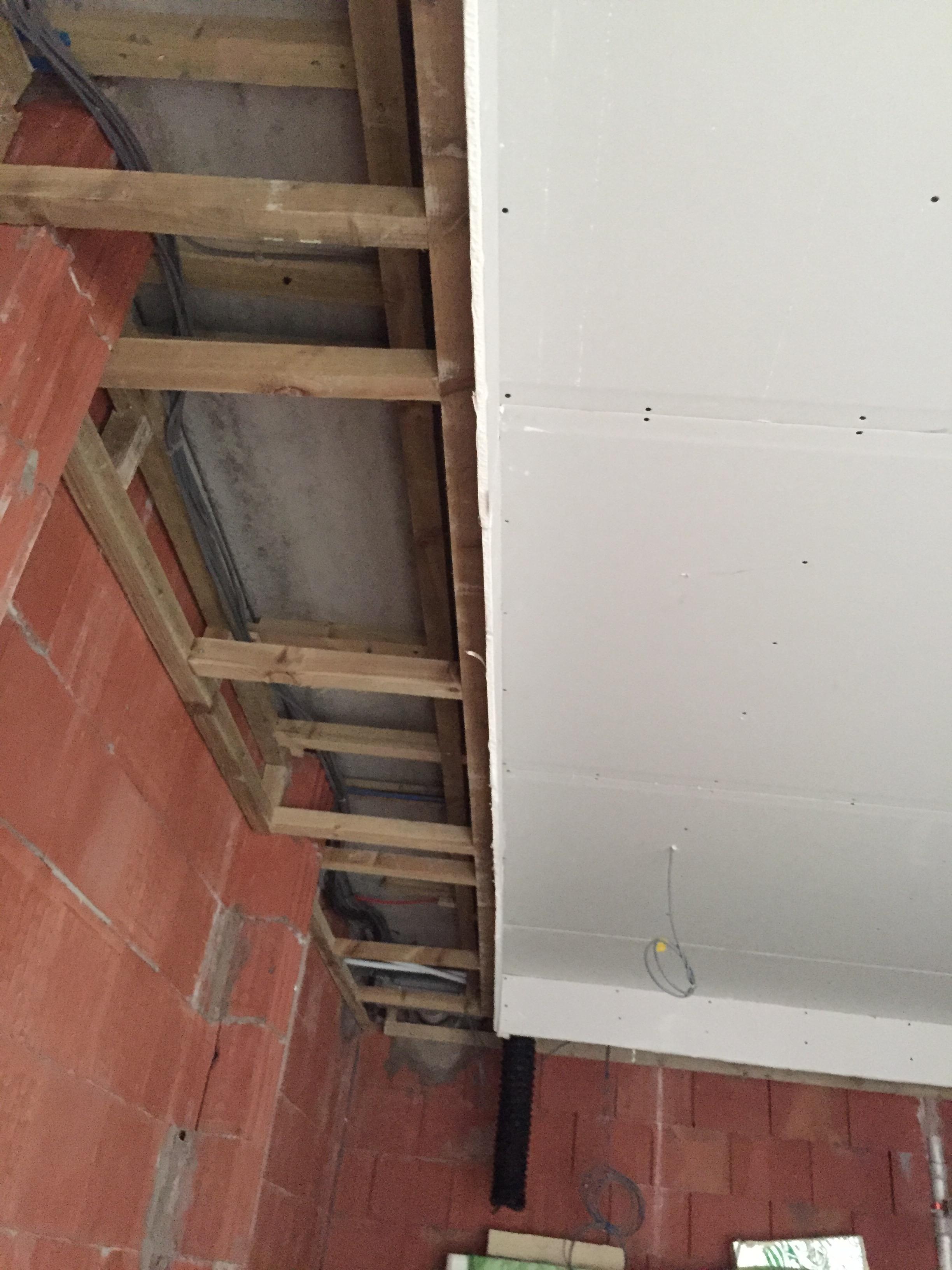
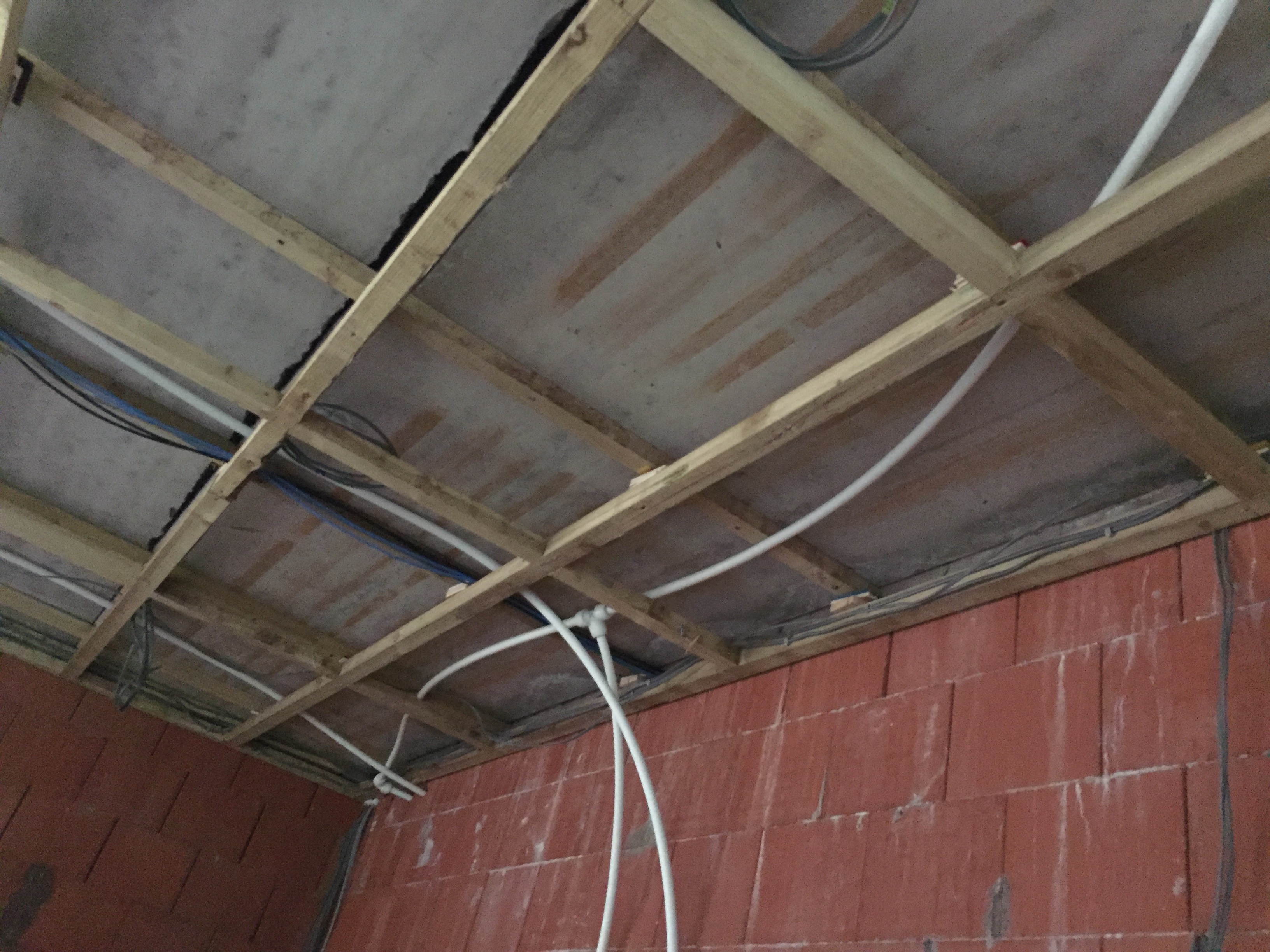
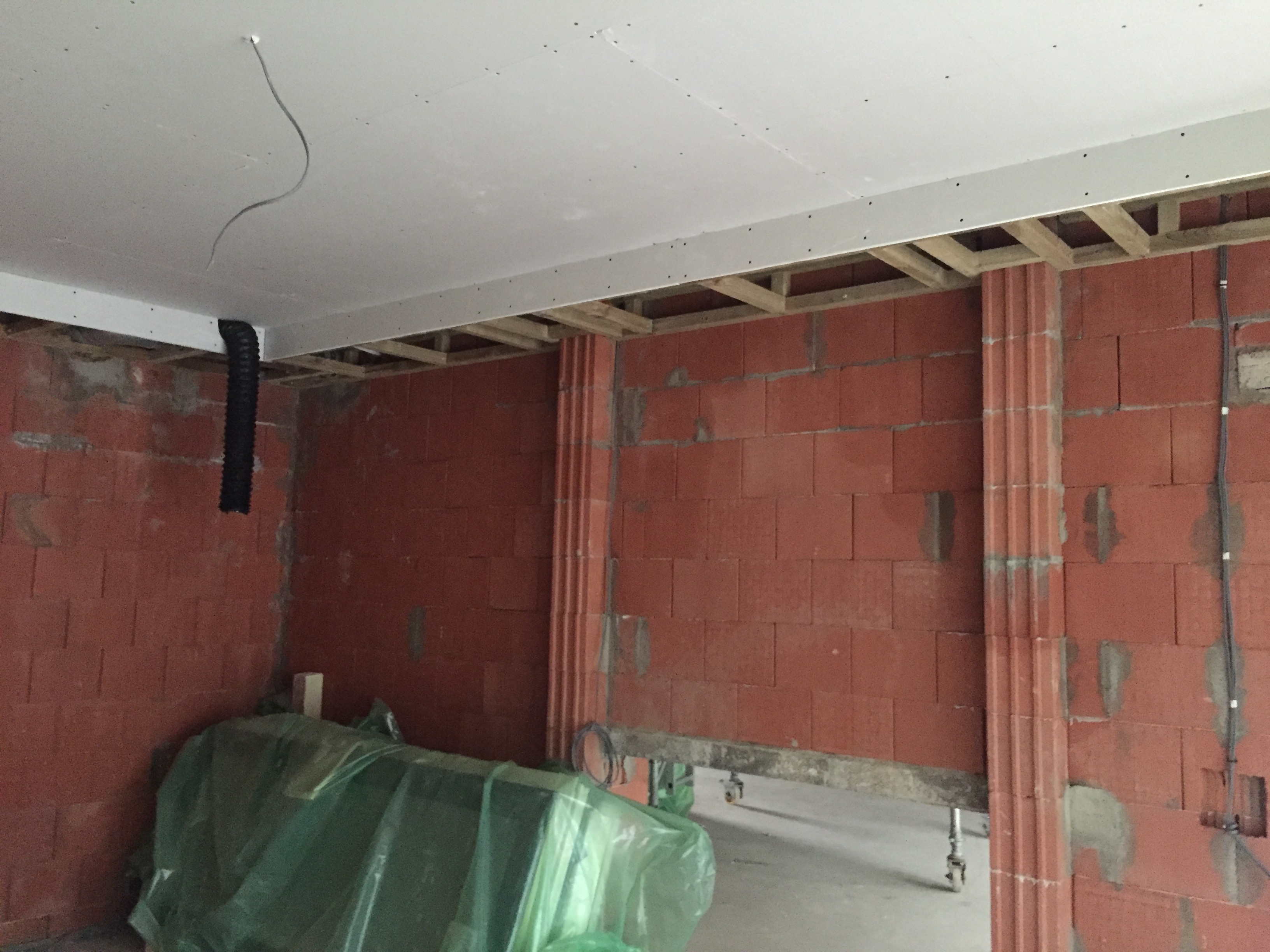
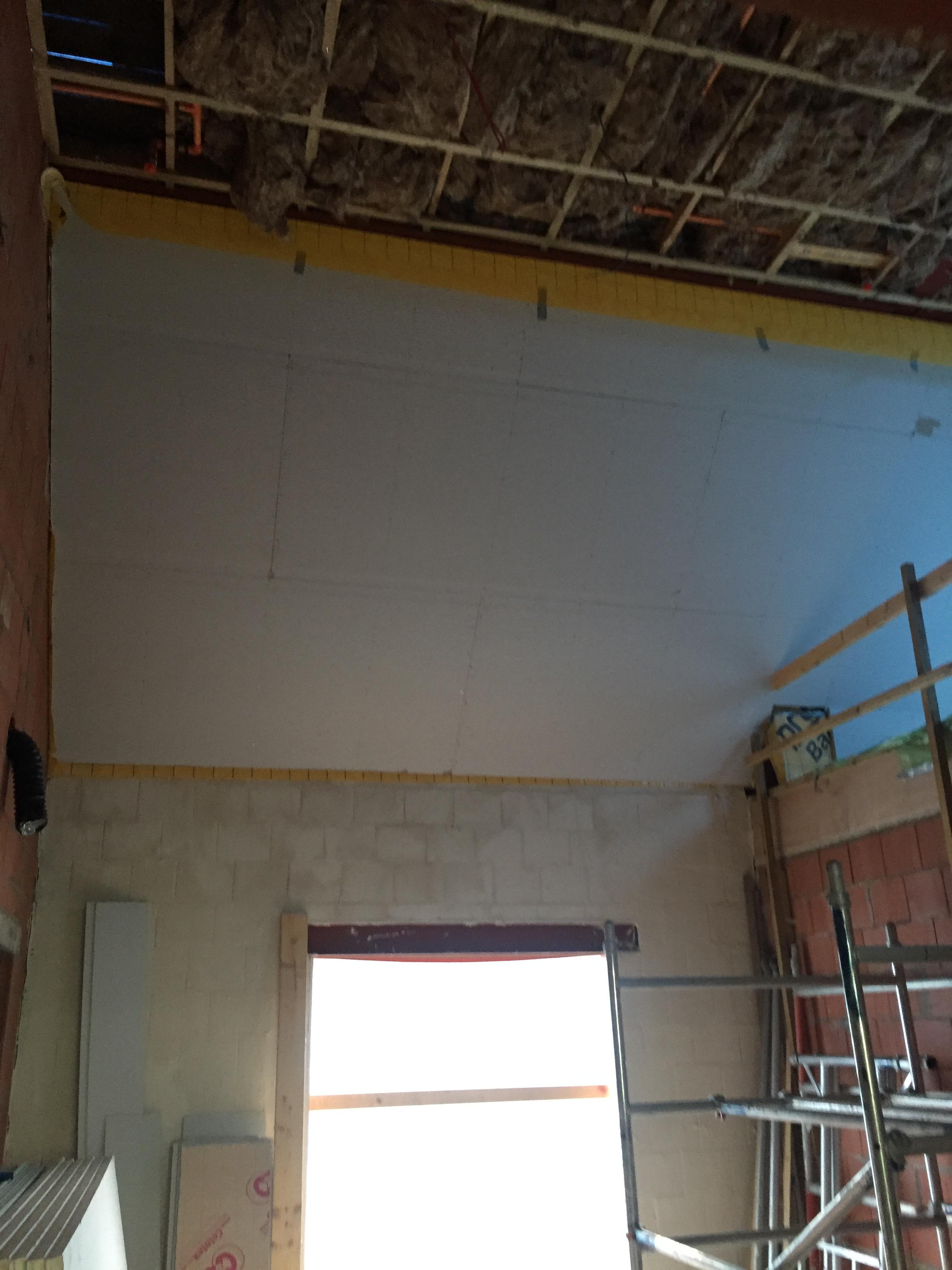
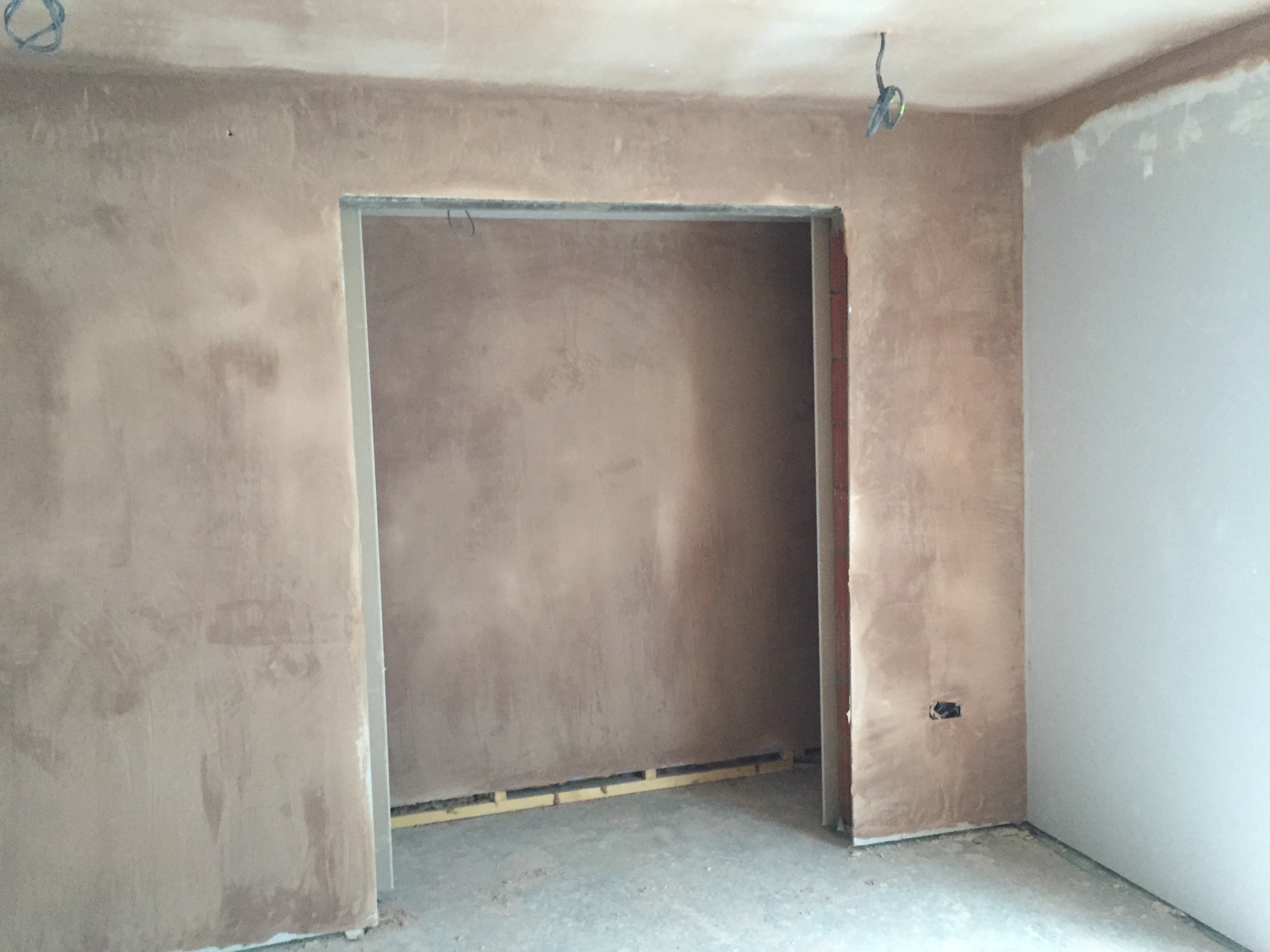
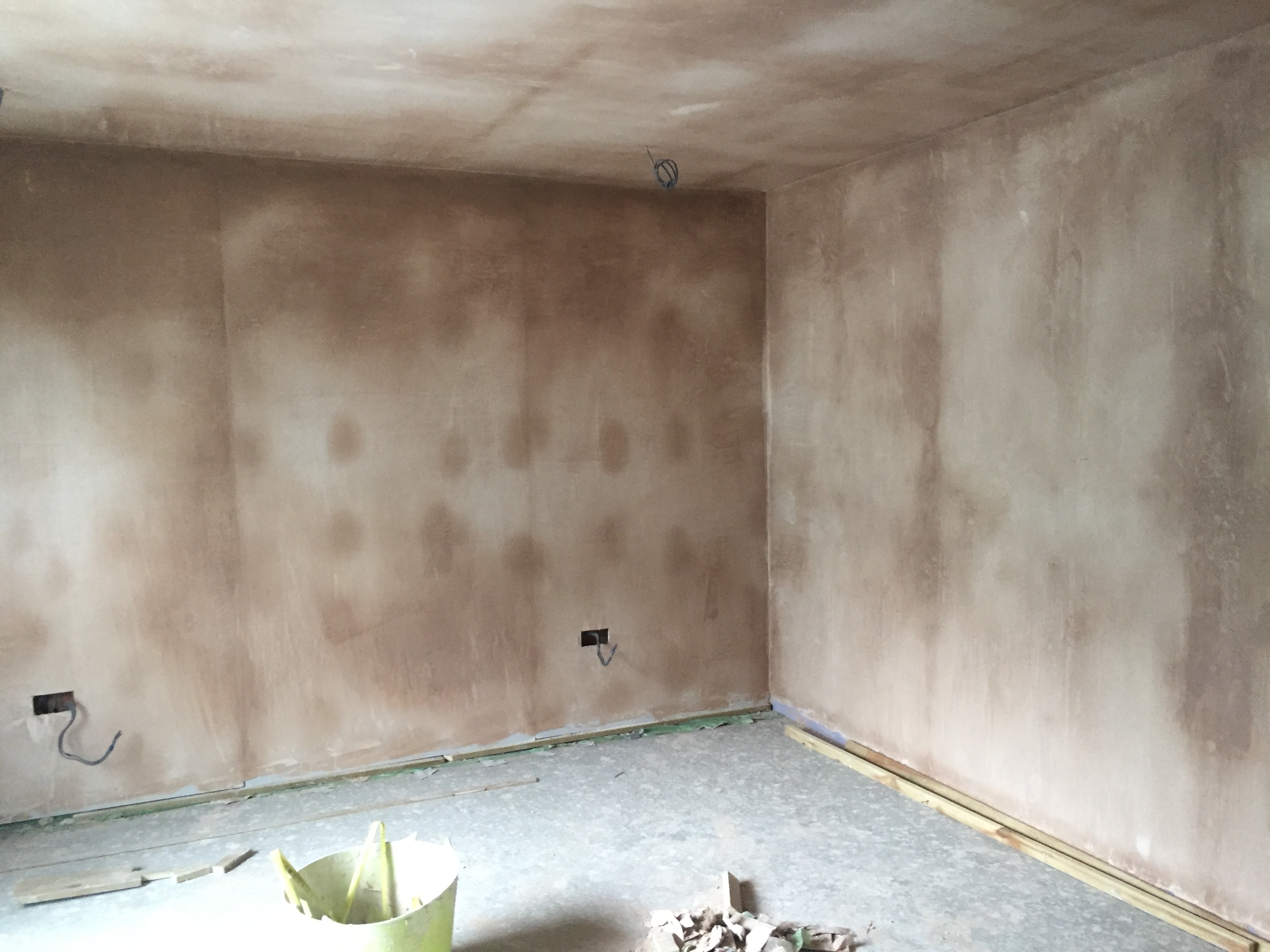
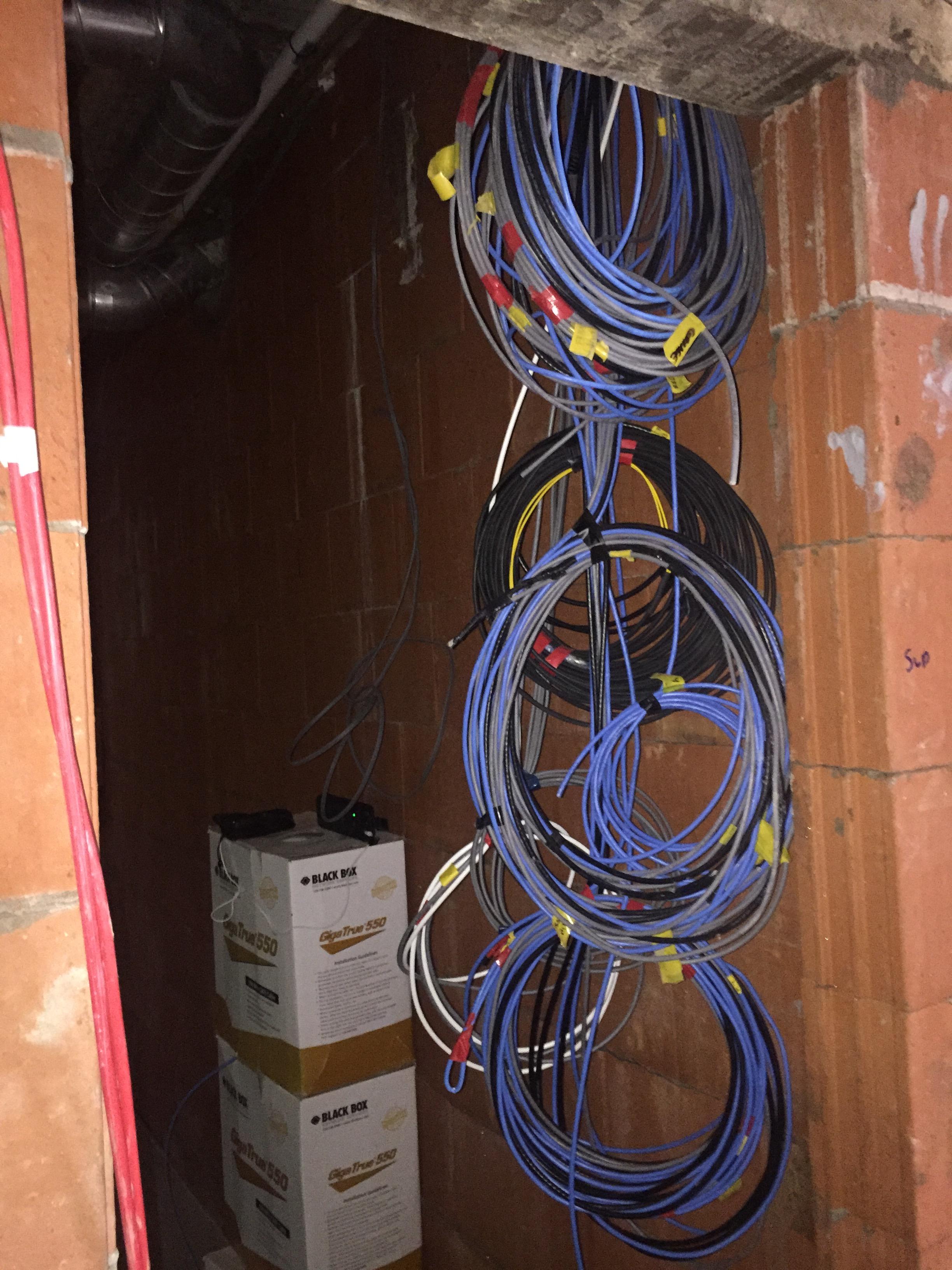
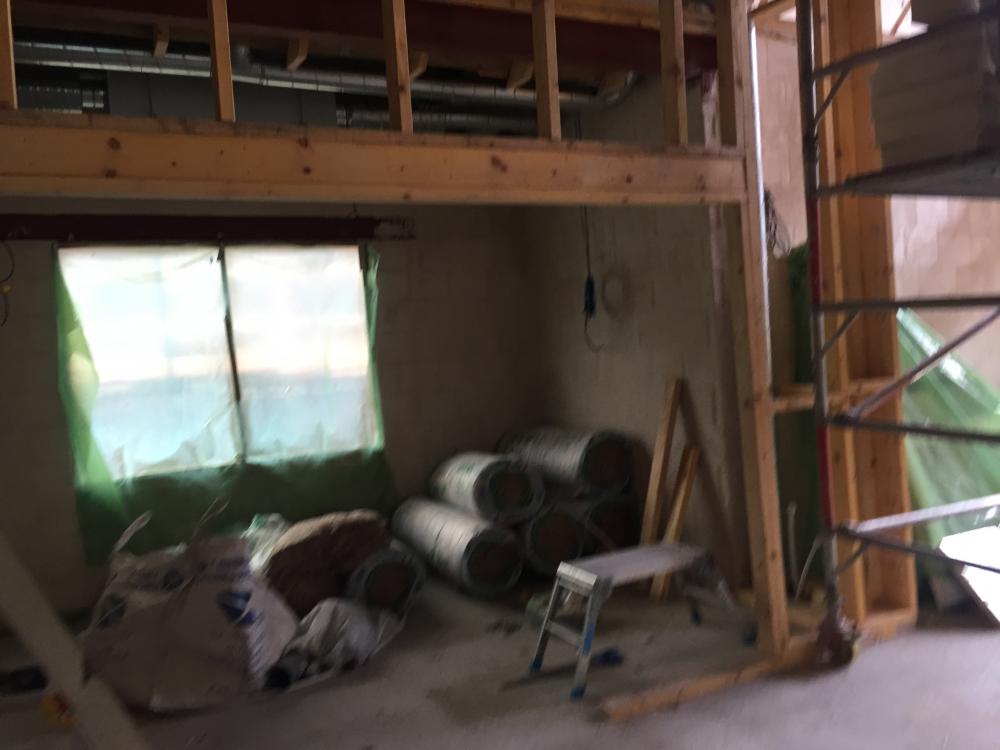
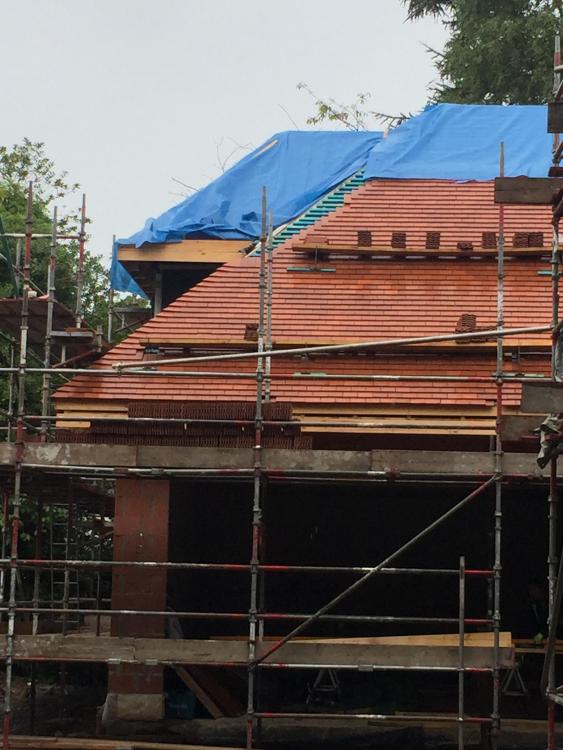
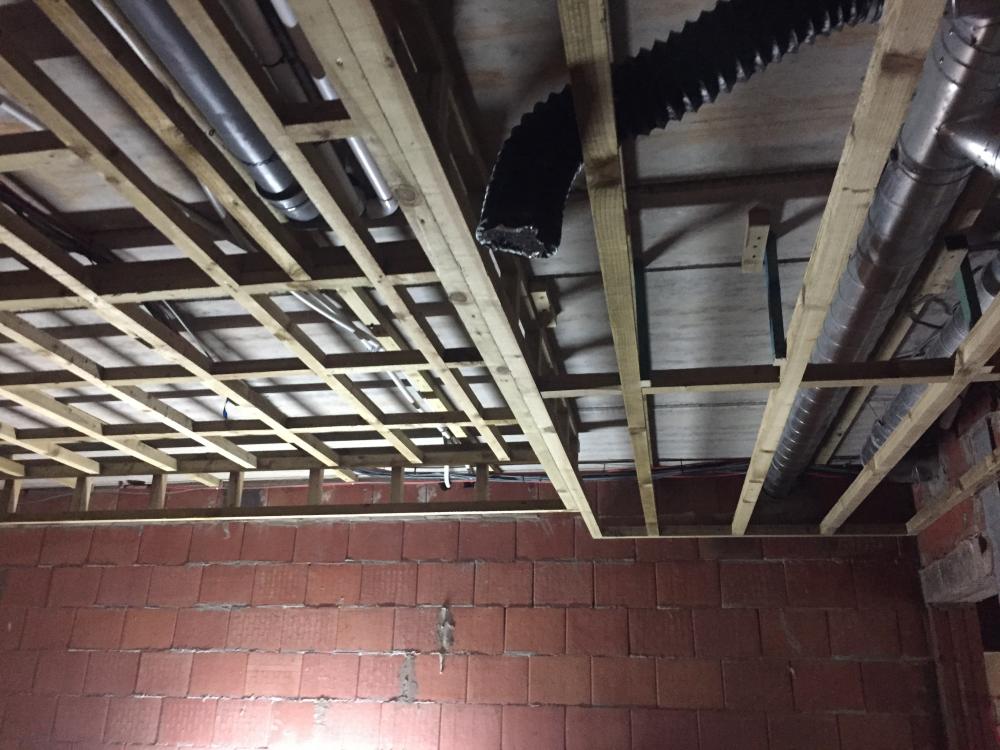
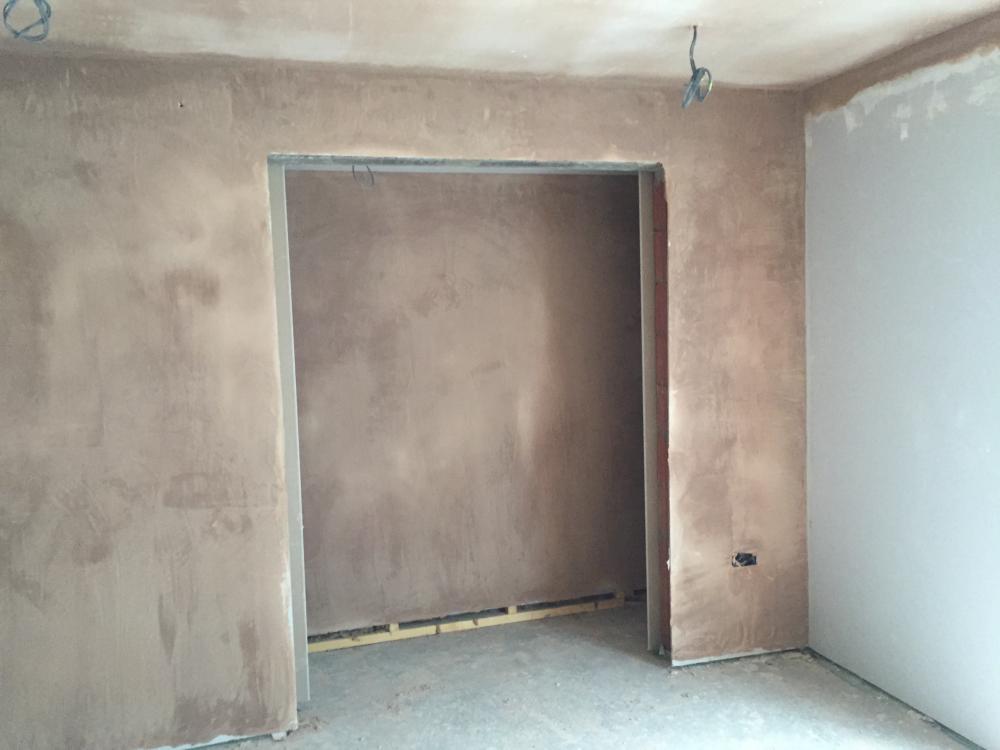
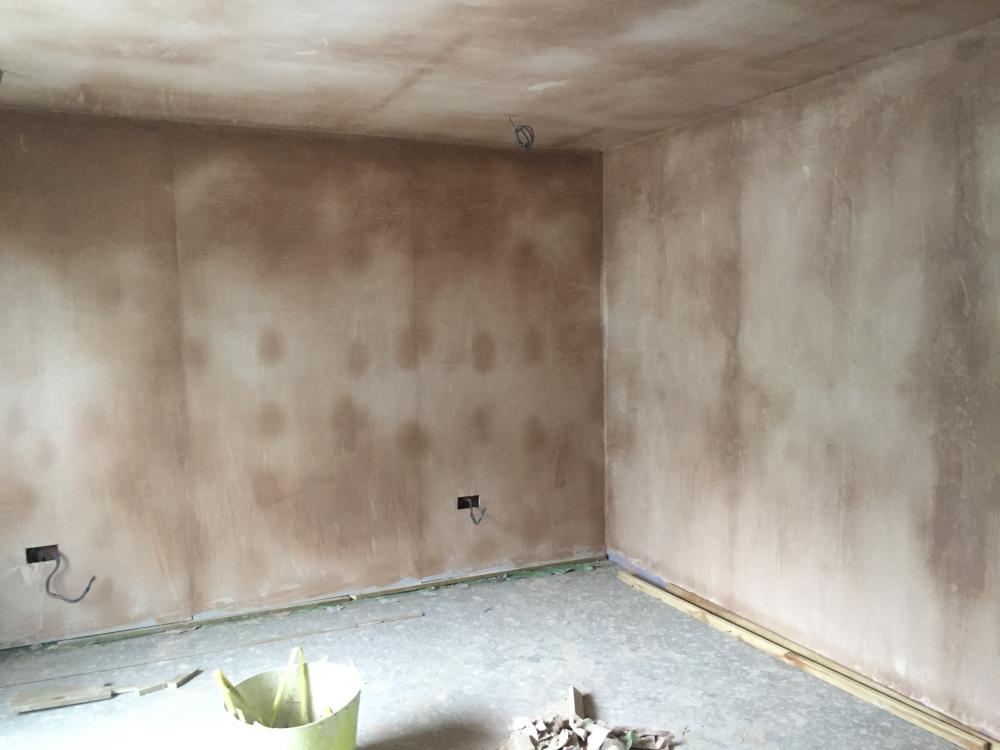
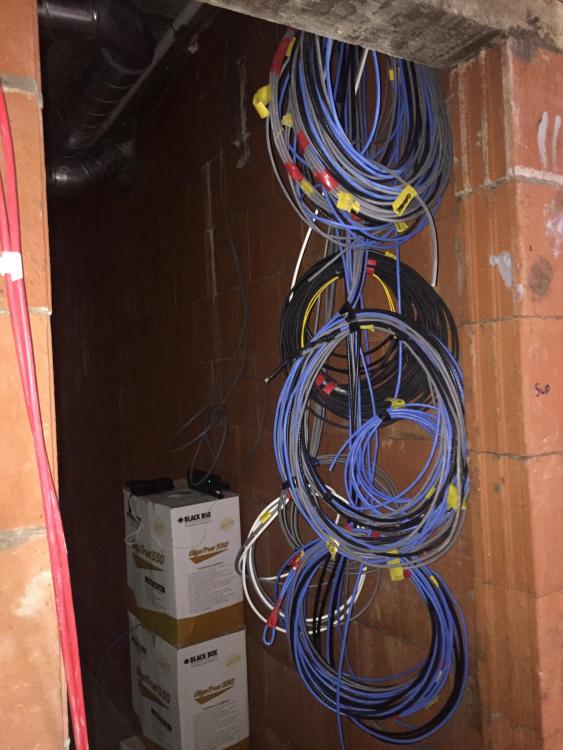
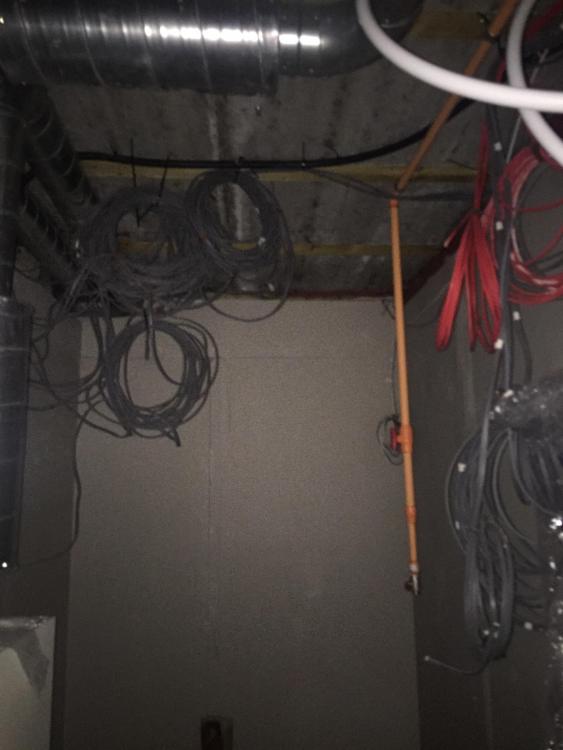
For me this has been the hardest few weeks as we get closer to finishing there seem to be more decisions for me to make. Also finishes and how things look become more important. With the build dragging from an initial July finish, to end September and then end November, I decided that I had to make sure it was not going to slip anymore. I think we are now good for mid November. My wife has a party organised for December 2nd which allowed lots of time from completion when it was arranged. I managed to source paint for steel painting which was quoted at a ridiculous £150 a square metre when they knew it desperately needed done, I expect the final cost to be around a quarter of that. I have just got an estimate for the internal doors. Lucky I did as the specials are 8-10 week lead times. They have pretty much finished the electrical first fix and started on the plumbing. They have been framing out and plaster boarding upstairs. The plaster skimmed walls have lovely finish. The windows are still not in due to the steel lintels not being painted and the roof in only around 25% tiled. The windows should be done in two to three weeks and the roof maybe a week later. Then the rendering can start outside and we can work on finishes inside. I have just told my wife that she can finally choose paint colours. Framing for master en suite More roof tiles MVHR and other pipework Hot and cold water loops going in. These will be fixed to the slab. Sprinkler system in, can finish plaster boarding the ceiling now. Plaster skimmed walls More plaster Cabling in AV cupboard Plant room
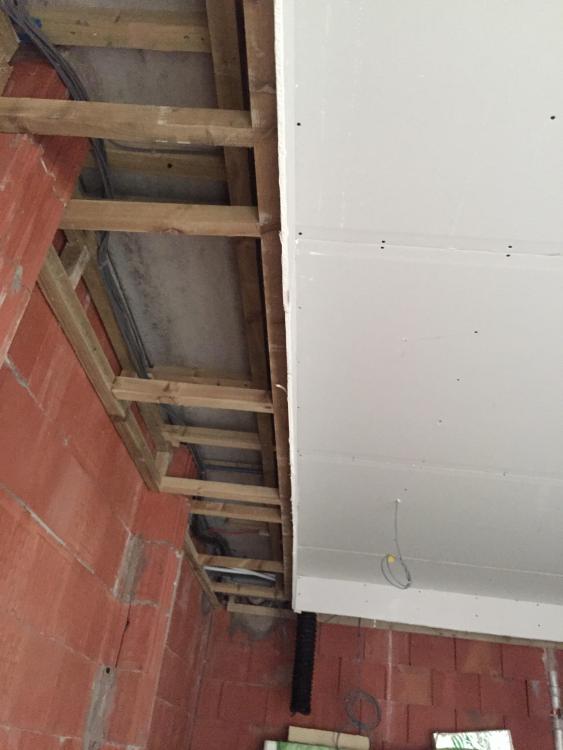
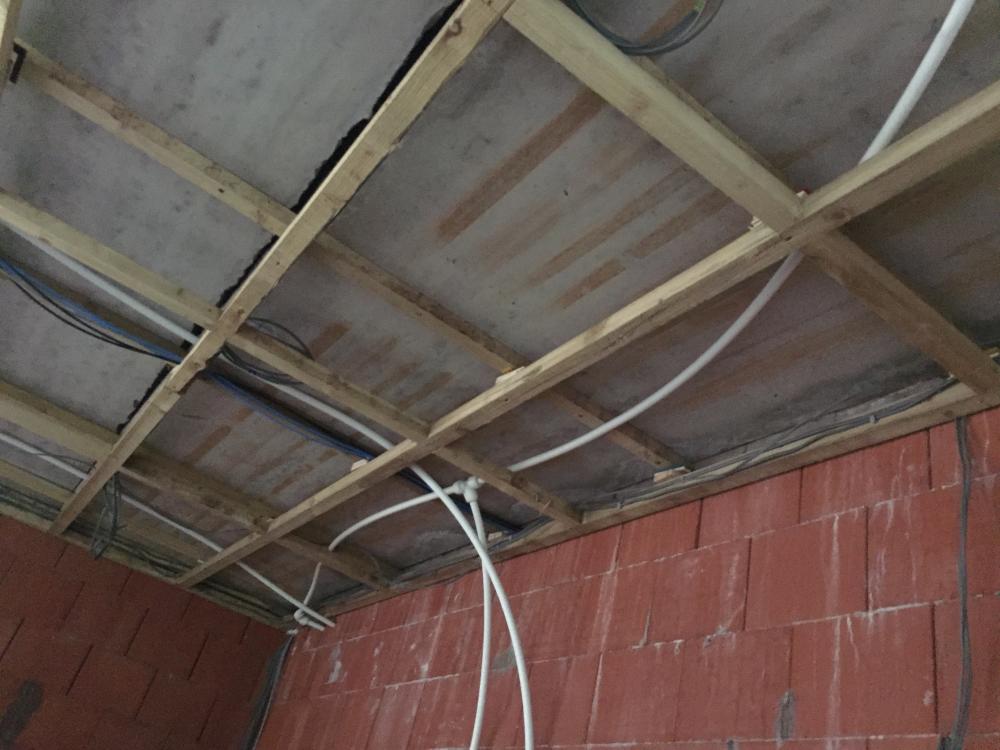
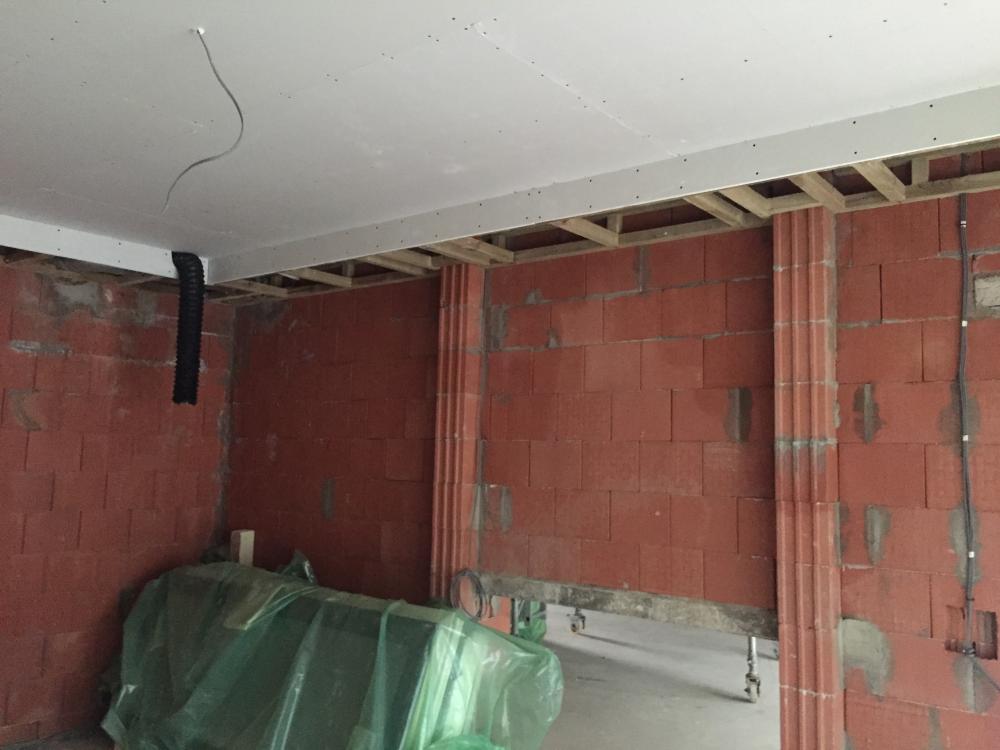
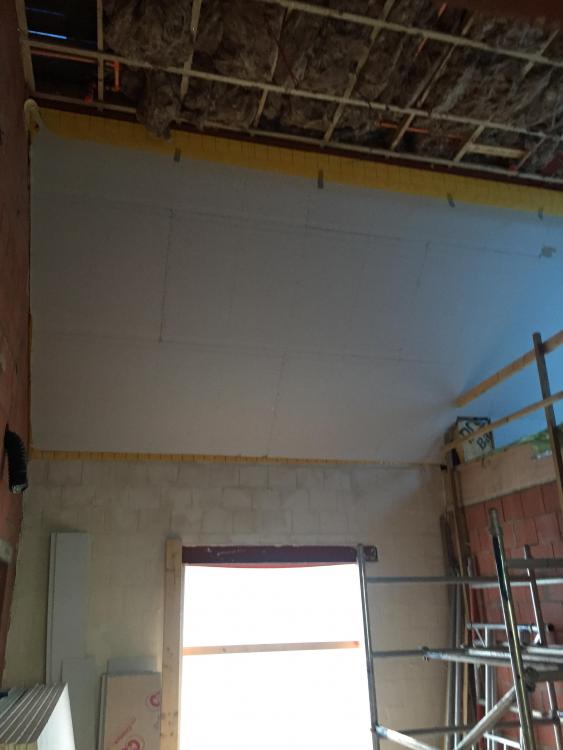
-
The builder offered me the option of an interior door and a steel door but as it is in the utility room I wasn't too bothered about a plain white door and it seemed like a bit of a faff to have two doors.
-
How much should fire protection / intumescent painting cost for steel
AliG replied to AliG's topic in Costing & Estimating
If anyone needs to do this, I found this company- http://www.steel-fire-paint.co.uk You give them the size of each beam and they come back ad tell you how thick the paint needs to be and then how much paint you need to buy. A really excellent service, ordering from them and the builder will do the painting on a per hour rate. Should save a good 6-7000. -
Thanks for everyone's help. I gave the Latham door details to the builder to order.
-
The second quote does look much better value. It would still need most of what is in the first quote for heating/distribution pipework. Googling it the Hitachi ASHP looks to be very expensive, not clear why. I would probably get a quote for a LPG boiler and UVC also. I would guess it will come in at around £4000 including connecting the boiler to the UVC etc. There will still be the cost to connect it to the UFH as in quote 1. Then you can compare capital costs vs running costs. If your house is very well insulated and has low heating requirements then the premium for LPG will become less of an issue as you won't be using as much gas. One thing to note is that the ASHP will take a lot longer to heat up hot water than a boiler. Now when you get up in the morning with a full hot water tank that isn't an issue, but if you do have a lot of people staying and a few people have showers it will take a long time to reheat the tank with an ASHP.
-
Hi, I spent weeks on garage doors, so know most of what is available. Do you mean a sectional door, they don't do roller doors in the style that you are talking about. Timber sectional doors are considerably more expensive than metal sectional doors. I looked at the Cedar doors you are talking about. Garage door systems make a coach house style sectional door like the one below, or do you want it to actually be wood stained finish?
-
Heating hot water to 50-55 will certainly hit the COP. It should be around 2.5 in that scenario, so you could definitely see an overall COP below 3, although I think that would be poor. I am interested to know what people with heat pumps are actually seeing. However 5 minutes on Uswitch will tell you that 18p is a ridiculously high price to use for electricity and we know the price that is being quoted for LPG is higher than in the table. It could be that the cost per unit comes in at around 4.5-5p including hot water, I think it is unlikely to be above this. To calculate the right figure would require a lot more information on water use vs heating use etc. The other thing that affects the COP is the outside temperature. An ASHP should run more efficiently in the south of England than in the Highlands. Then of course we don't know the cost of an ASHP versus the £500 the LPG people will give towards a boiler. I would guess it might cost around £2000 more. So I think that there will be roughly a 5 year breakeven between an ASHP and LPG but would require a lot more information to say more exactly.
-
Someone who has an ASHP might chime in, but that table is based on 18.5p/kwh electricty price and 270% efficiency for an ASHP. I can buy electricity for 13p and efficency of an ASHP should be nearer 4:1 so I would think an ASHP running costs is nearer 4p/kwh The price @s2sap has for his LPG is 7p/kwh. However he is only locked into that for 2 years, I don't know if the price would fall after that. Indeed if your energy usage is low, the £500 offer to be locked in for two years could be quite advantageous as it may be based on much higher energy usage of an older house. My cost comparison was based on 15-20000kwh energy usage per year and a 3p/kwh saving If @s2sap does not plan to stay in the house for more than 5 years then the yearly saving is unlikely to pay the extra cost of an ASHP.
-
I had to look up what a unit of LPG was. At that price you are paying around 7p per kWh. The lowest price I got for mains gas in my area today was 2.307p per kWh plus 26.25p per day standing charge. The lowest electricity prices were in the 12.5-13p area. Assuming an average COP of around 4 then an ASHP will cost the equivalent of around 3p per kWh so be cheaper than buying LPG without any incentives. So I would not discount an ASHP. It could save you around £500 a year depending on exact energy use and heat pump efficiency. A 2600 sq foot house in the spec you suggest should have pretty low heating requirements. I would guess around 10000kwh per year and no more than 3000 at any one time so heating requirements will be low(it could well be less than this depending on exact specs). You will probably require a similar amount of energy to heat water as to heat the house. An ASHP efficiency can fall when heating water, you would perhaps need to upsize the UVC and keep more water at a lower temperature. You might have to factor into your calculation the value of a free boiler versus paying for an ASHP, I have never heard of Vokera so can't comment, they seem to cost around £600 to buy. When you have lots of people staying a larger UVC will be useful, you could turn up the temp so it effectively stores more hot water at that time. No matter what you do though it is difficult to heat water for 10 people if they all take showers one after the other.
-
New diesel and petrol vehicles to be banned from 2040
AliG replied to Triassic's topic in Environmental Building Politics
Are those like Dilithium crystals captain? -
I wanted to do that, but the builder and architect both reckoned it was better to have a fall on the garage floor with a drain outside along the front edge of the doors.
-
Thanks @PeterW. Good to hear some first hand experience. I will also be putting the alarm panel behind a locked door. Our neighbours were broken into and where we live currently all the burglar alarms were installed by the builder in the understair cupboards. The burglars knew this and simply disabled it by ripping it off the wall. We will have various bits of security, my wife has become a bit paranoid after break in attempts in our house and lots of break ins in the area, all car related. We always put the cars in the garage now, I reckon they'll just move on to a house where they can see the cars and know they are there. The neighbours who were broken into, despite knowing there have been a recent spate of cars being stolen went on holiday for two weeks leaving their car in the driveway and no security lights or any other lights in the house making it very obvious they were away.
-
Hi, Many of us have integral garages. My architect just assumed that we would use a fire rated internal door between the house and the garage. The door has to achieve three things though - fire resistance, security and insulation. Insulation - The garage and garage door are insulated and in my current house that tends to keep the garage temperature above 10C even when 0C outside. Thus the temperature differential between the two sides of the door will be low so heat loss will be less than on an external door. Fire resistance - Has to be 30minutes as per regs. Security - I have commented on many threads re security. In this area the main reason for house breaking is to try and steal your car. The garage has no side doors. I have sectional insulated steel doors being installed. These will use Sommer motors with a magnetic lock which can withstand 300kg of pressure. I am also having shot bolts put into the frames that I can lock if we are on holiday. But what about the door between the house and the garage. I believe that physical security is best. If you can't get into the garage you can't steel my cars, simple. I priced up Hormann steel integral garage doors the H3D and WAT40. They came in at £900 and £2300 which was a shocker. I could get a steel security door for around £300 as linked below. Or am I overthinking it. The door opens inwards into the house. If I use a 44mm solid core wooden fire door, other than maybe protecting the hinges and making sure the lock is secure is this enough as the door will be held against the frame on the garage side so hard to kick nor break through? Any thoughts? http://www.ajsteeldoors.co.uk/en/products/steel-security-doors/high-security-doors.html#/hinge_side_viewed_from_outside-lh/opening_viewed_from_outside-outwards/side_panel_1-please_select/fixing-brick_block_concrete/side_panel_2-please_select/overhead_panel-please_select/rain_drip-yes/security_trim_kit-yes/colour-ral_9003_signal_white_available_from_stock/letterbox-please_select/extra_keys-0/security_upgrade-level_2_stainless_steel_handles_security_cylinder/size_mm-895x2020
-
Sometimes nightmares are real: the insurance story
AliG replied to ToughButterCup's topic in Self Build Insurance
This is why I would be more inclined to pursue Durisol than the insurer. The insurer can rely on common sense says that you don't build an unsupported wall. They are insuring unforseen circumstances, this could be easily foreseen. I undertand @JSHarris argument that they might pay out to save hassle, but the real culprit here is Durisol not the insurer. Already this is bad PR for Durisol, an insurance company isn't really worried about bad PR, everyone hates them. -
Sometimes nightmares are real: the insurance story
AliG replied to ToughButterCup's topic in Self Build Insurance
Unless Durisol specifically recommended propping up the blocks then I would hold them responsible. The Durisol Practical Building Guide makes no mention of propping them either, other than bracing for the concrete pour. http://www.ecomerchant.co.uk/productattachments/index/download?id=59 If this was the instruction the builder received from Durisol it is hard to hold him responsible. However, I can see where the insurance company comes from, how did Durisol come up with this advice - "The weight of the blocks holds them in place" You wouldn't build a blockwork wall with no mortar in it and expect it to stand up in the wind. It seems like crazy guidance where for marketing purposes they are creating a possible problem for their customers. Hence again I would be looking for them to take responsibility. I would also question how they can give this guidance on a blanket basis, some places are much windier than others. So yes, you need to get on with building, but I would be much more inclined to fight Durisol than the insurance company. In fairness to insurance companies they are supposed to be insuring unusual and unexpected events. Most people would expect an unsupported wall to fall over in wind. -
How much should fire protection / intumescent painting cost for steel
AliG replied to AliG's topic in Costing & Estimating
Unfortunately as the house is three storeys high I need 60 minutes. Wee added a third floor games room as there was an enormous amount of space in the roof. This room is also open to a double height second floor room. What over time has become apparent is that the BC regulations for a three storey house are enormously more onerous and expensive than for a two storey house. I have had to have a fire report written, install sprinklers in the third floor, require more fire proofing, a more robust alarm system etc. I still await the costs of fire rated glass doors which won't be pleasant. -
How much should fire protection / intumescent painting cost for steel
AliG replied to AliG's topic in Costing & Estimating
Thanks @Ian I checked and this does exclude all the steel in the roof. The house ended up with way more steel than expected. Partly driven by my requirement for concrete upper floors. The lintels for large windows are all steel beams and I also have an overhanging landing that is supported by a large amount of steel. @Mikey_1980 as you say I did a bit of work on Google and found a paint supplier who will specify the exact amount of paint required for each steel and then provide a certificate. The builder should then be able to get his own painters to do the job and not a specialist. Waiting to discuss this. -
How much should fire protection / intumescent painting cost for steel
AliG replied to AliG's topic in Costing & Estimating
There is a ridiculous amount of steel in the house. Yes I looked at the price of the paint and couldn't see why any painter couldn't do it. It seems like a few days work so the price looks absurd. -
Hi, My builder says he sent out for 5 contractors to quote on intumescent painting of the steel in my house. Only 1 returned the quote supposedly the others were too busy or the job was too small. The quote came in at £150 per square metre for 78 square metres. I cannot find a suggested cost for this on the internet, but it seems ridiculously high. Has anyone had any similar work done? Thanks for your help
-
I had great plans to fill up a NAS with music and movies to stream around the house, but now it is so easy just to stream things. I found an article saying that Sonos found 92% of users streamed 2 years ago, it is probably 95% now so unfortunately they won't be in much of a hurry to help people using a media server. Sonos gave us 12 months of Deezer Elite+ which uses FLAC 1411kbps sampling (not quite the level @Alphonsox is looking for but Cd quality). I liked it, but when it ran out I allowed it to go back to 320kbps, I can tell it is less detailed but no one else in the house seems to care and it is cheaper. The same way that a lot of people struggle to notice the difference between HD and SD TV which I find pretty glaring.
-
This is a lot simpler although not as neatly integrated. I have to preface that I am a Sonos fan as it is just easy to use and set up. If you out a play 1 at each end of the room or 3 play 1s in the room then you can give each a name and make it a separate zone. You can then pair them to provide stereo or combine them all if you are having a party. 3x£180 and just plug them in, all sorted. You can also then unplug them and plug them in in other places if you want to. When looking at all these options for a new house this was one of the most attractive things to me. I thought about putting speakers in the hall for parties, then thought why not just unplug a few of the Sonos speakers and move them in these instances when they are only occasionally used. Thus you can cut the cost of a system considerably.
-
What would be ideal in this situation would be a multichannel amp that switches on the channels automatically when it senses an input. I have managed to find a few such products but they are so expensive it would be cheaper just to buy an individual amp for each pair of speakers or active speakers. The cheapest I found is this which could do six pairs of stereo speakers around the house. There may well be others available. https://www.amazon.co.uk/d/Hi-Fi-Home-Audio/Dayton-MA1240a-Multi-Zone-12-Channel-Amplifier/B003DKVZHQ
-
That' fair. That is kind of the problem I have at the moment. When we move I am putting speakers in the bathroom ceiling. At the moment my wife puts a Play 1 outside the bathroom and whacks up the volume so that she can hear to through the door. This means everyone else in the house gets the pleasure of her music. You could use Raspberry PIs or Google Chromecasts, three Chromecasts could each be connected to a a couple of powered in ceiling speakers creating the three zones. I don't know what speakers to recommend, I'd just be Googling them. This would seem easier than putting amps in the ceiling, getting a multi zone amp controlled remotely would be more difficult. You might have to watch whether the ceiling is fire rated and if putting speakers in it would be an issue.
-
You'd never listen to two different things in the room at once. How about just getting front facing speakers at one end of the room rather than lots of ceiling mounted speakers. You could position 2 Sonos Play 1s at one end, I am guessing the lounge end where you would most likely be listening. You could use turn them up if you wanted to hear them in the kitchen end. My wife uses a Play 1 when in the bath and the sound permeates most of the house, one single room should be fine.
-
New diesel and petrol vehicles to be banned from 2040
AliG replied to Triassic's topic in Environmental Building Politics
I have never used a PCP as the interest rates tend to be high so if you have the cash available it is an expensive way to buy a car. If you have cash available earning next to no interest then it is not a great way to buy a car but as most people have little savings then I guess it works out similar to a personal loan. Apparently, however, 87% of all car sales including fleets were on finance last year. The non fleet percentage still seems to be around 80%. Someone at work was telling me that someone came up to him the other day and said of his Audi S3, "nice car, how much a month". It's an odd question as it all depends on the deposit etc but it seems this is basically how almost all cars are sold.