AliG
-
Posts
3211 -
Joined
-
Last visited
-
Days Won
11
Everything posted by AliG
-
Having read all of the thread, just for clarity for everyone. It looks like you just using the ASHP to heat hot water then and not for space heating? Unfortunately the installers probably cannot take this into consideration. Before considering the new pump and buffer, have you tried noise insulating the hydraulic unit (interior part)? It would be akin to what an AV installer might due to reduce sound from a projector, they create a muffle box. There are various solutions to the buffer issue - Firstly, have they calculated the size correctly. 150L includes the volume of the water in your radiators. 500x1000mm suggests a 90L tank. This may well be right. 1. Put the buffer tank where the inside part of the split system is. It is just a water tank, it won't make any noise. this is the simplest solution. They are roughly the same size, the current hydraulic unit appears to be 440x350x720. 2. Put the buffer in the loft or outside and insulate around it. E.g. could a it be boxed in outside or in the loft. 3. Use an insulated buffer tank and put it in the loft/outside. Ask the installer which solution he thinks would work best, put the onus back on him.
-
Do £1500 to £2000 /m2 estimates include everything finished?
AliG replied to flanagaj's topic in Costing & Estimating
Not sure what you mean @Dave Jones? As self builds are zero rated I was saying an extension should cost 20% more straight away due to VAT. Numbers quoted on the forum are generally zero rated numbers. -
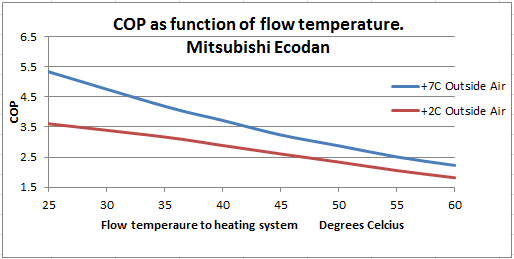
BTW this shows something that I have noted in our energy (gas) use, but not had specific data on. We use a lot of hot water, I think people tend to think of hot water costs as being a constant through the year. In fact it costs a lot more to heat hot water in the winter as the temperature of the water coming into the house will be closer to 0C compared to maybe 8C in the summer. On top of this with an ASHP it will be running with a lower CoP due to the colder outside temperature. Based on these numbers I would guess you will use around 2900kWh a year for space heating and 1300kWh for DHW and just over 5000kWh for everything else. This suggests that your heating energy(heat and DHW) has dropped from 8000kWh a year to 4200kWh. Assuming a 2.5 CoP for DHW, then space heating has dropped from 4750kWh to 2900kWh. The problem then is it is extremely difficult to guess what difference the extension has made to space heating costs. The house is 37% larger. If we assume 30% higher space heating use then this again gives a quite poor CoP estimate of around 2ish. But we also have to adjust for weather differences etc. Winter 22/23 was somewhat colder than 21/22. It looks like it was on average maybe 1-2C colder. This will both drive up space heating requirements and drive down the CoP. Anyway I find the CoP estimate from the ASHP quite believable based on this. The thing with your weather compensation curve is that it becomes irrelevant with temperatures above say 14C. So you have a flow temp of 50C at -2 and 34C at 14C. At temperatures above this the heating is highly unlikely to be on. The average temperature in Hampshire where I think you are was 9C, 5C and 4C Jan-March. Your heating will have run more the more below average the temperature was, so the effective average temp your heating was running at was probably closer to 0C. At 0C you have a flow temp of 48C and your CoP would be barely above 2. Periods of temperatures around 0C will probably account for almost half the year's heating demand. Once we get into next winter watch your ASHP energy use daily and compare cold days with warmer days. I did this at my parents' house it is really quite shocking. It comes out in the wash over time, but cold days are very expensive for heating. Looking at the chart below, I suspect that to get a CoP above 3 for the year you would need to get the flow temperature dow to the low 40s when the outside temp is just above 0C which is not likely feasible in your house, i.e. a CoP nearer to 2.5 when it is cold. The periods when your heating is running with a flow temp below 40C will mean an outside temp of above 8C and these just don't account for much of your heating requirement over the year. You can see this from the dramatic drop off in energy use in April then May when temps get above these levels. What this kind of thinking is quite useful for is to tell you whether you might want to use gas or an ASHP for heating. If you were using electricity before then I suspect you don't have that option and an ASHP is much cheaper than direct electric heating. However, if you do have the option, then you need to able to run your CoP into the 3s before an ASHP is cheaper to run than gas. During the day electricity under the new cap will be around 27p and gas 7p. Allowing for the efficiency of gas (already included in the CoP calculation for an ASHP, electricity is 3.25-3.5x more expensive than gas. However, if you get cheap overnight electricity then this costs roughly the same as gas, so the calculation depends on the average price of your electricity. If you can get 50% of your ASHP running during the cheap period then you don't need a CoP much above 2 for an ASHP to be cheaper than gas. Therefore if there was a way to readily estimate CoP before a heat pump was installed you could actually figure out who should and should not install one. It would probably be dependent on the average U-value of a house including windows. Best results would come with a total house U-value of around 0.25. My parents are getting around 3.5 with an average U-value of around 0.3. I suspect that problems arise as the average U-value rises above 0.4 which is around the minimum current building regs spec (depends a bit on the percentage of windows). If anyone could come up with an easy way to calculate this it would be extremely useful.
-
I have played around with the settings on my parents' ASHP and heating but won't know until this winter as they only just moved in at the end of last year and we were still getting things sorted out. In the spring I set the heating to heat to 23C overnight, but be at 21.5-22c during the day. My thought process was to get it a bit hotter than I would have it in the morning (they like it hot TBH) so the AHSP would run more on cheap electricity during the night then only occasionally kick in during the day if the temp fell back below 21.5. The house will only cool down that much on a very cold day. On Intelligent Octopus electricity is 4x as expensive during the day as during the night so this makes a big difference to costs. I would therefore recommend a larger HW tank to anyone installing an ASHP so that they can heat water during the night and only run the ASHP for HW during the day if absolutely necessary. In a well insulated house HW costs can be as much or more than heating costs. As I only set this up after the coldest weather it remains to be seen how it works when the temperature is below 0C as the house will need more constant heat input. The flow maxes out at 45C and -5C outside I think. Their CoP is around 3.5, but the flow temp is only 35C when the outside temp is 5c or above. If the systems as described needs a higher flow temp then CoP will suffer. This is what happens when we read horror stories of badly installed ASHPs. I wouldn't describe this as that bad, just not ideal. An issue I find consistently in my house and now in their house is how sensitive people are to whether or not the heating is actually on.When the outside temp is around 12-14C, it can be 21C inside and the heating doesn't kick in. People will consistently complain it is cold. But if the temperature outside is 0C and the heating is on with an inside temp of 21C people are quite happy. I call it the "cusp" problem where it is neither too hot nor too cold outside. People like the feel of he radiant heat from the floor when the UFH is on irrespective of the actual air temperature. I think that people most feel this first thing in the morning and in the evening so it does impact how I set up the heating irrespective of just keeping a constant air temperature.
-
Do £1500 to £2000 /m2 estimates include everything finished?
AliG replied to flanagaj's topic in Costing & Estimating
Most of the time when we are talking self builds there is no VAT. For an extension, therefore £2000/sq metre is equivalent to £1666 when thinking of a self build. Looking at work I have had done recently - tiling, floor laying, plumbing and so on, labour is generally around 50-60% of the cost of having something done (considerably more on plumbing and electrics). So people doing work themselves are massively distorting the cost relative to people paying someone else to do the work. In saying all this I think for first fix level you should be able to get stuff done for between £1000 and £1500 including VAT. Is it one or two storeys? That will make quite a big difference, could be 20% more for single storey. The big things affecting the cost will be - 1. Exterior finish - rendering and wooden cladding are expensive. 2. Insulation spec - insulation is expensive 3. Window quantity and spec - 3g windows are a lot more expensive than walls. 4 Amount of plumbing and electrics - depending now whether the extension has lots of bathrooms kitchen etc will make a big difference to these costs. -
That’s what I said. I was assuming 300kWh for general household use and 100kWh for HW. I had to make some kind of assumption to guess at the change in energy usage for hot water, but I see that the actual HW figure is available now.
-
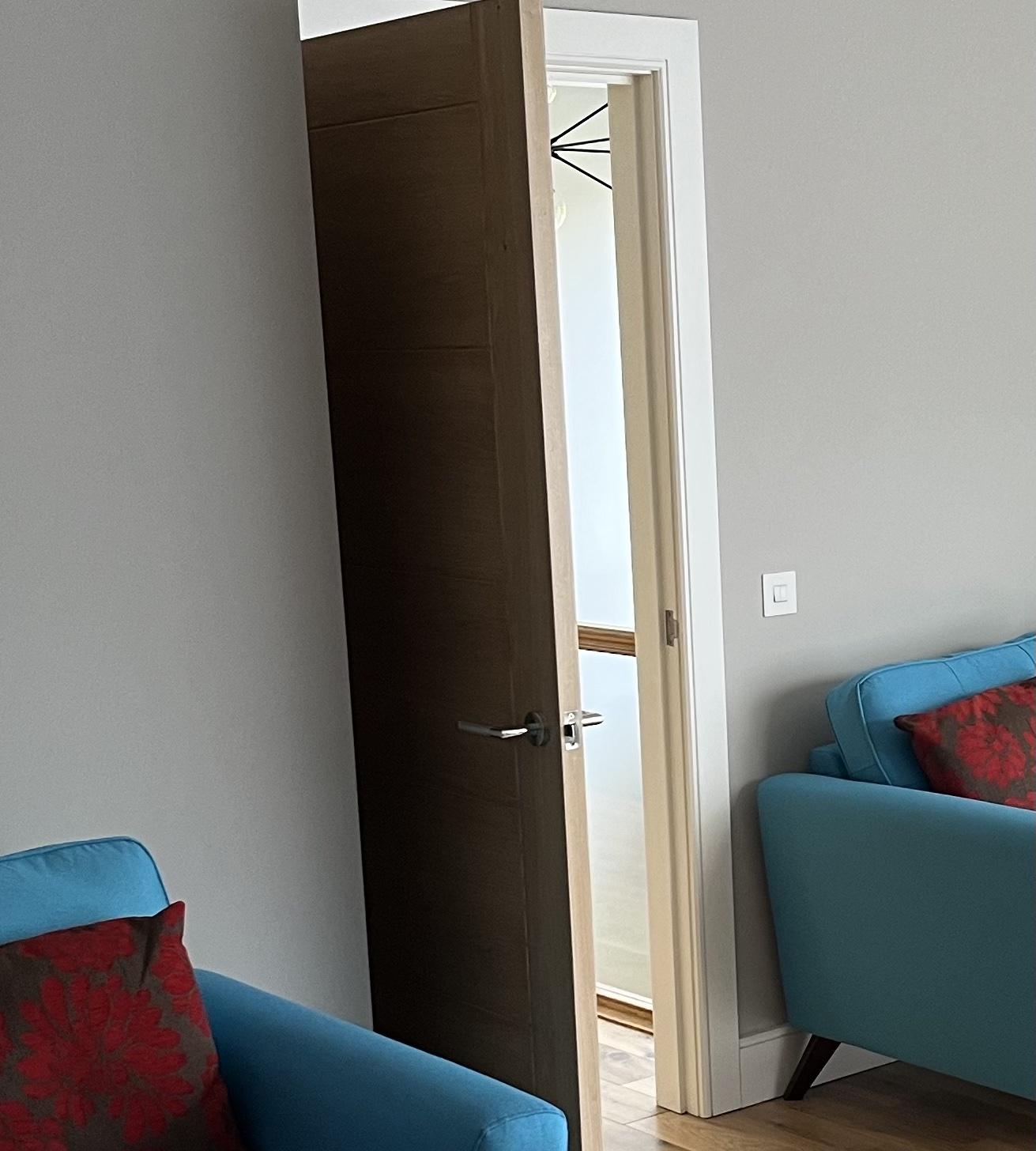
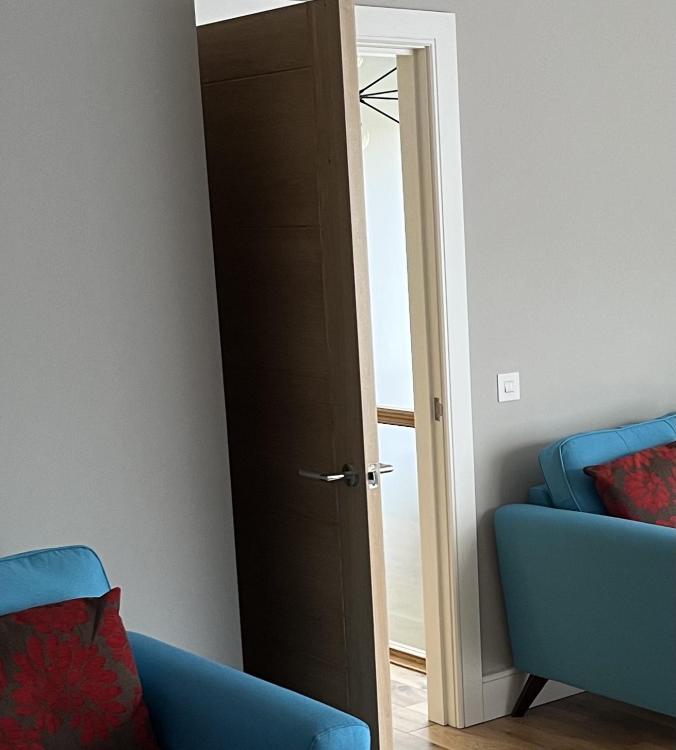
Option a is normal. This is my parents' place where they have the single groove skirting.
-
This table does indeed suggest a very poor CoP despite some of the hopeful comments re a sensor issue. The electricity use will include normal household use presumably which clouds things, but allowing for say 300kWh a month for this suggests a very poor CoP for hot water. The winter months are a difficult comparison as the house is also larger now. CoP tends to fall dramatically at outside temperatures below 5C and with flow temp of 45C+. This is also when you will use most energy. It may be that these periods accounted for a disproportionate amount of heating demand so pushed the CoP down. You will use at least twice as much heating energy at 0C outside as at 10C outside, indeed maybe even three times as much depending on insulation and heat generated by the occupants and waste heat. You need your flow temp to be around 40C when outside temp is below 5C to get a heating CoP of around 3 and it sounds like you can't quite get it that low. Your HW CoP of 2.48 is consistent with around a 55C flow temp. What makes it run in comfort vs eco mode? Reducing the HW flow by 5C would add around 0.5 to the CoP, you probably need your hot water set at 47ish to achieve a CoP of 3. To some extent is a choice of how hot you want your hot water versus the cost of hot water. As I normally shower at around 40C, 47C is plenty hot enough (you will lose some temp as it flows). But if you wash dishes by hand you might not feel the temperature is hot enough. Basically you might be able to get the CoP into the high 2s but I suspect that you need better insulation levels to get into the 3s. The best saving you can get with an ASHP is to move onto a cheap overnight electricity tariff and run your HW and as much heating as possible overnight. This will give you a way bigger saving than a slightly better CoP. I am not sure what you are saying here @SteamyTea. A lower flow temperature and better CoP would use less energy even if the ASHP ran for longer as the amount the house is heated up is dependent on the toal energy input irrespective of the time it takes.
-
Zero Rating after VAT Reclaim
AliG replied to AliG's topic in Self Build VAT, Community Infrastructure Levy (CIL), S106 & Tax
We hadn't told him, he just made the assumption that having moved in stuff could no longer be zero rated. He knew absolutely nothing about how it worked. He originally wanted the form saying that the building was zero rated which is not for residential properties. I can pass on the info re snagging, which is what I thought would be the case. Thanks @Temp -
My parents have a couple of pieces of work to be done on their house. They do not yet have a completion certificate issued, but did have their VAT claim paid a few weeks ago based on the house being registered for Council Tax. The remaining work is- 1. Electrics for the recently installed carport. 2. Replacement of wood cladding that was water damaged during building. The builder for some reason seems very confused about the VAT rules. He told the electrician not to Zero rate the work as they had moved in so the house and so it must have a habitation certificate. We have agreed that we will pay for replacement wood if he installs it as it was not his fault it was water damaged, but he shouldn't have installed the damaged wood. He has told the architect that he needs to charge VAT on the wood, even though his zero rated contract is not complete. In normal circumstances I would be happy that this should all be zero rated as we do not have a completion certificate yet, but was wondering what the position was after your VAT claim has been paid? This would impact the carport electrics, but I don't see how we should be charged VAT for wood to replace wood already installed and zero rated under the original building contract. Any thoughts?
-
Thanks. Not a build but am in the middle of organising a total refurb of my brother’s flat. Total redecoration, new kitchen, en suite, floors and lights
-
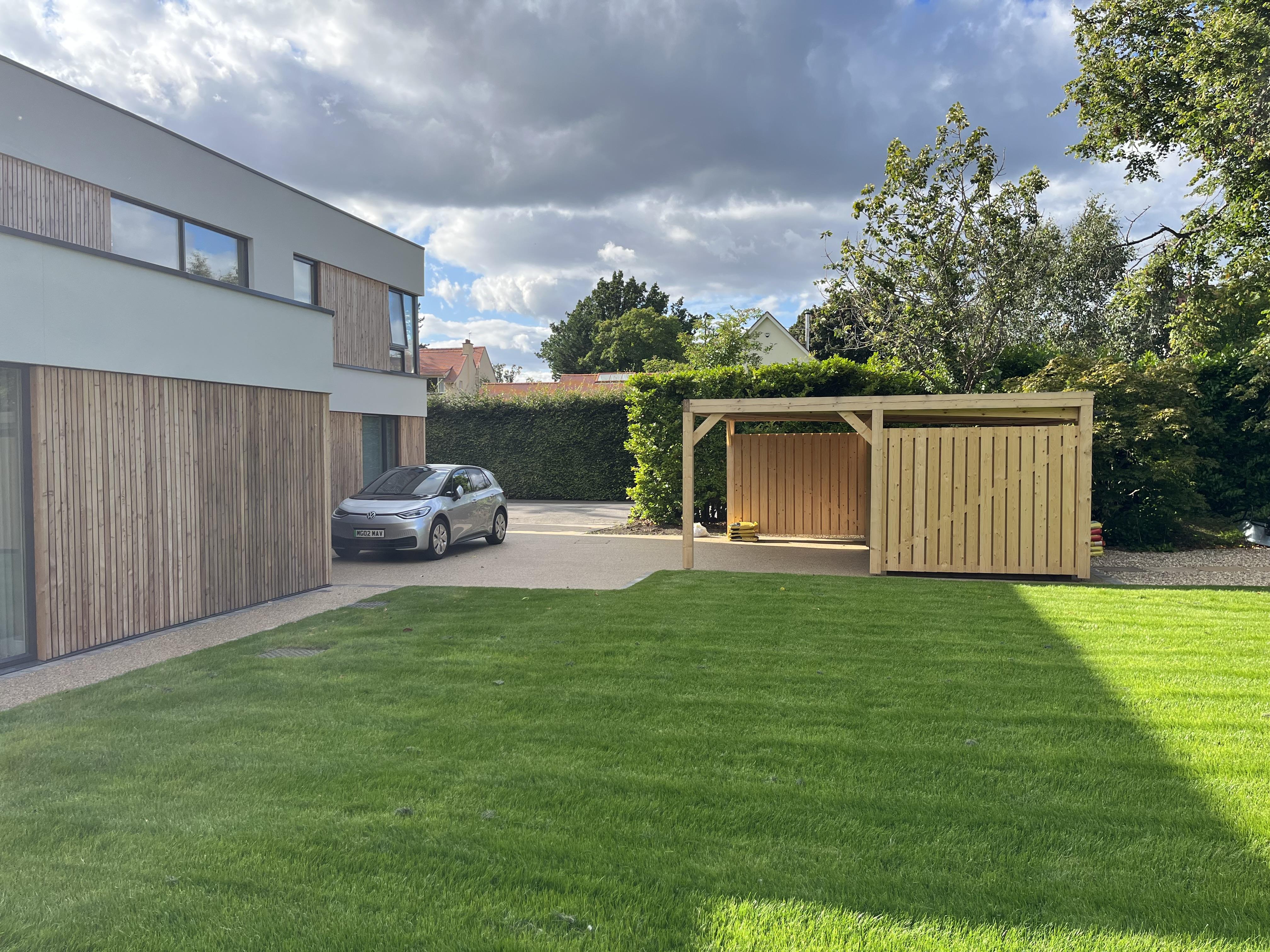
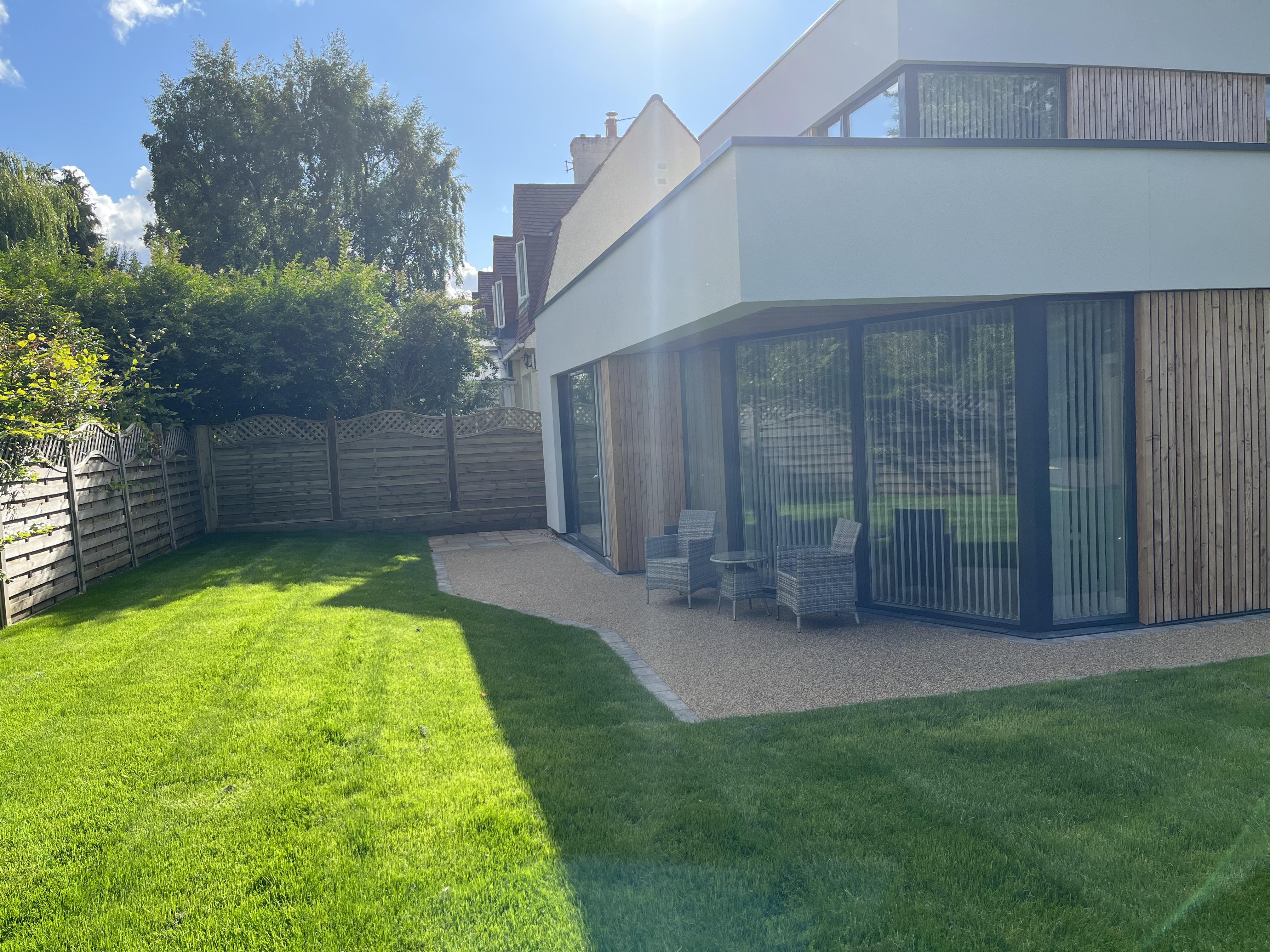
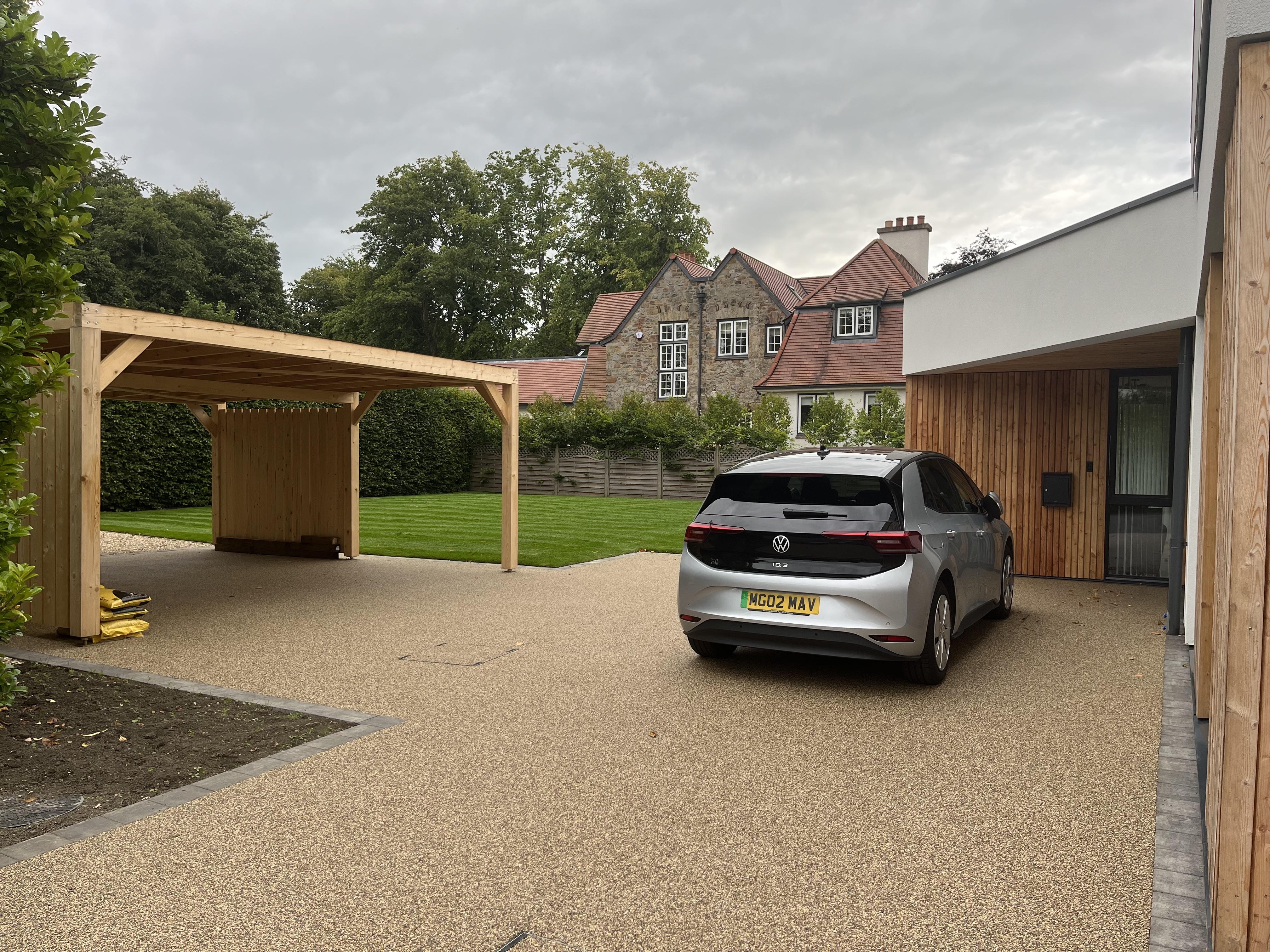
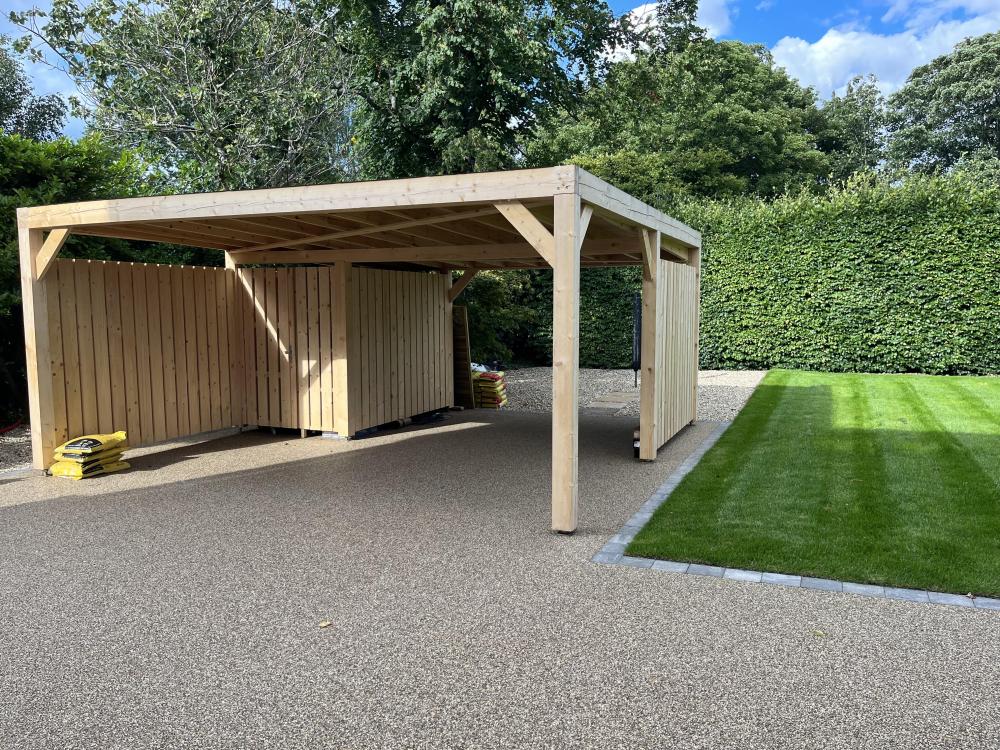
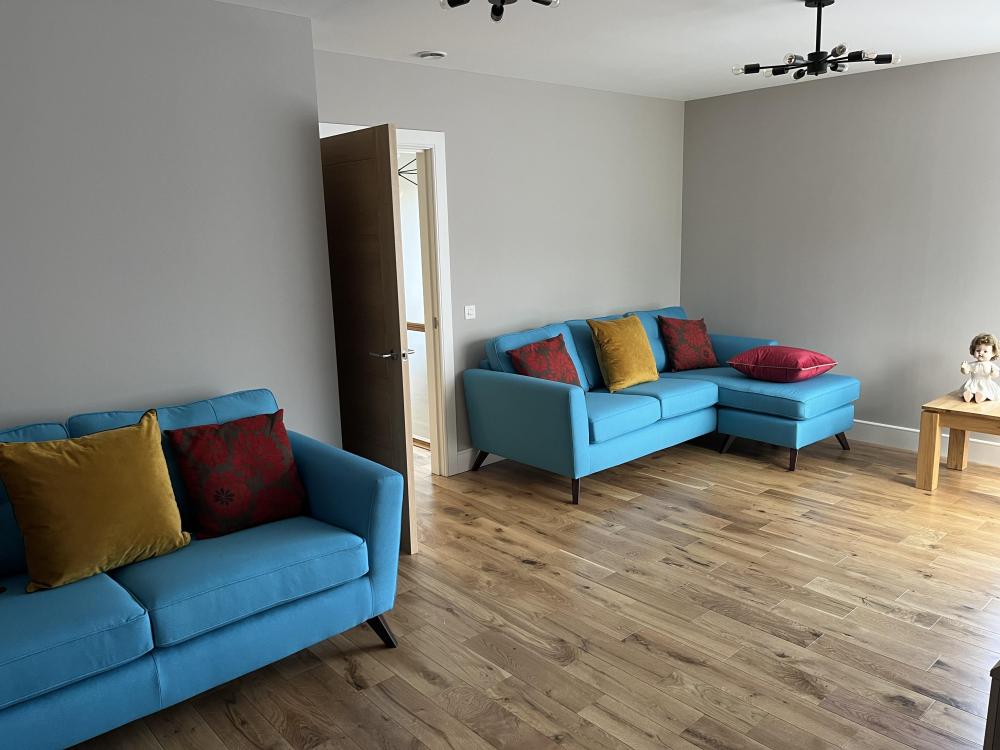
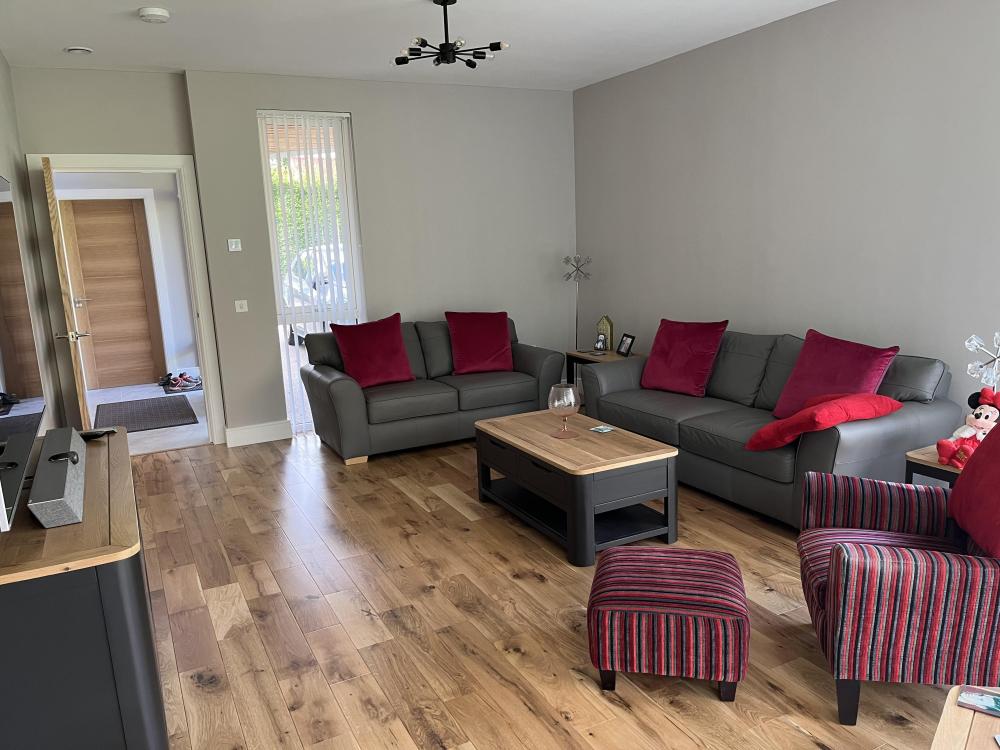
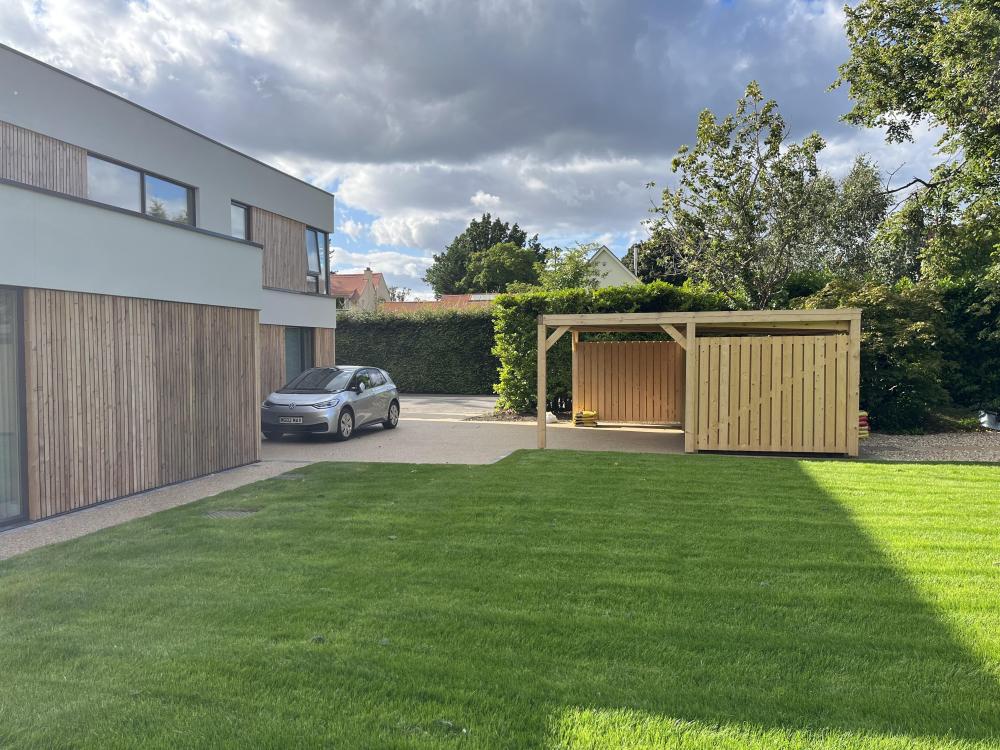
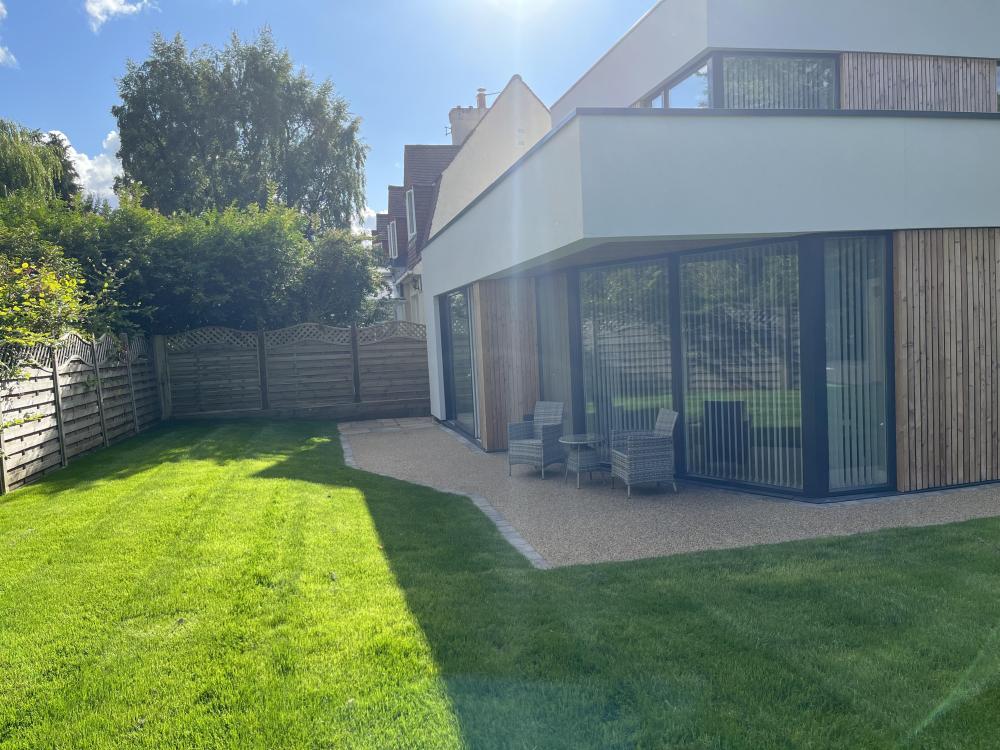
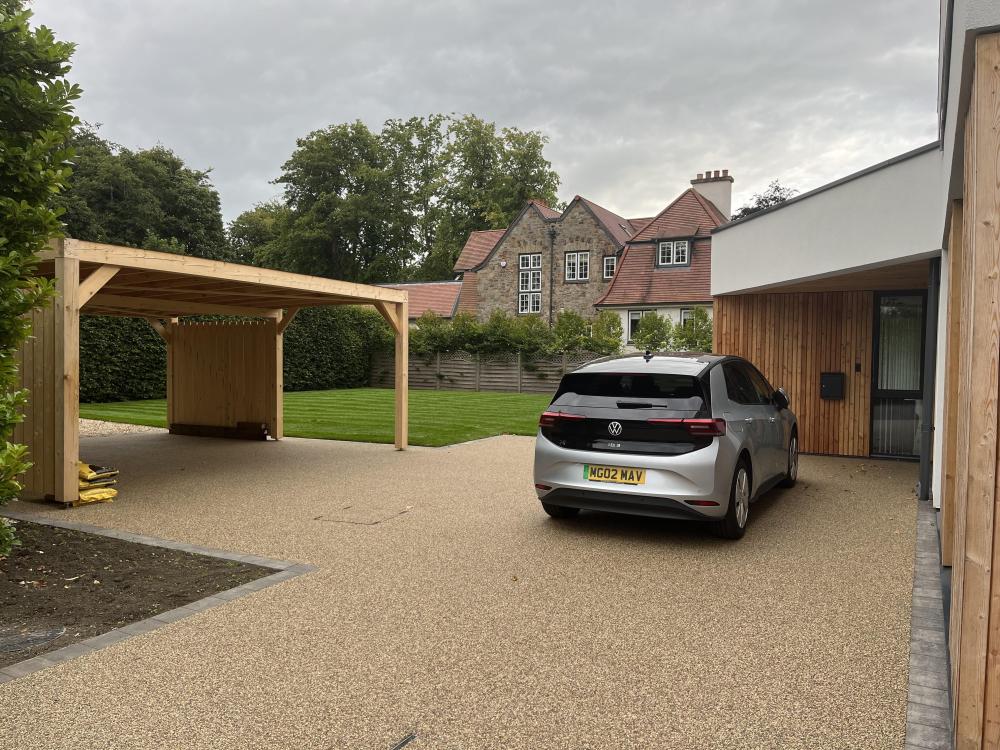
More pictures as promised
-
First grass cut today, other than a couple of minor things that's everything done now. I'll take more pictures tomorrow.
-
Make sure they have the right U-values for your windows, I think many double glazed windows have much better U-values than the assumed value they use if they do not have the actual value which is only 1.8. Same for the other aspects of your insulation. I know they have tightened up the minimums but I think you have achieved them with the described insulation levels. The wall have quite a poor level of insulation in them and as they are already close to the minimum again it is important to know exactly what kind of insulation is in them as it will impact the calculation.
-
SNP plans to ban sales of house with gas boilers
AliG replied to Temp's topic in General Self Build & DIY Discussion
People clearly don't care about EPC's, paying premiums for stone built houses with massive hating bills due to "character" A C-Rating would be crazy. A lot of houses would be very very difficult to get to C rating. Surely it would be more sensible to do it gradually, you can sell E-rated houses at the moment, then you move to D then to C over time. But in reality for houses over 100 years old you have to decided whether to give them a dispensation. You can get them to C-ratng but it could be prohibitively expensive or damaging to the house. The complaints about moving to AHSPs though are exaggerated. Assuming things are phased in over enough time, boilers will need replaced anyway. It will cost more to instal ASHPs, but the prices quoted ignore the fact that it is just the extra over the cost of a boiler that is an issue, not the total cost. TBH I have been tempted to install an ASHP whilst the £7500 grant is available in Scotland. It won't last forever. My brother owns a 2 bed apartment. Installing an ASHP in this will not be easy, already there is no power for people to have EVs. Government would be better addressing this kind of issue. -
I don't think you can reclaim VAT on a reduced rating project, you can only pay 5% to service providers. It is not entirely clear looking at the rules.
- 4 replies
-
- 1
-

-
- commercial
- residential
- (and 1 more)
-
Architect First Draft - Feedback Appreciated
AliG replied to Scoops's topic in New House & Self Build Design
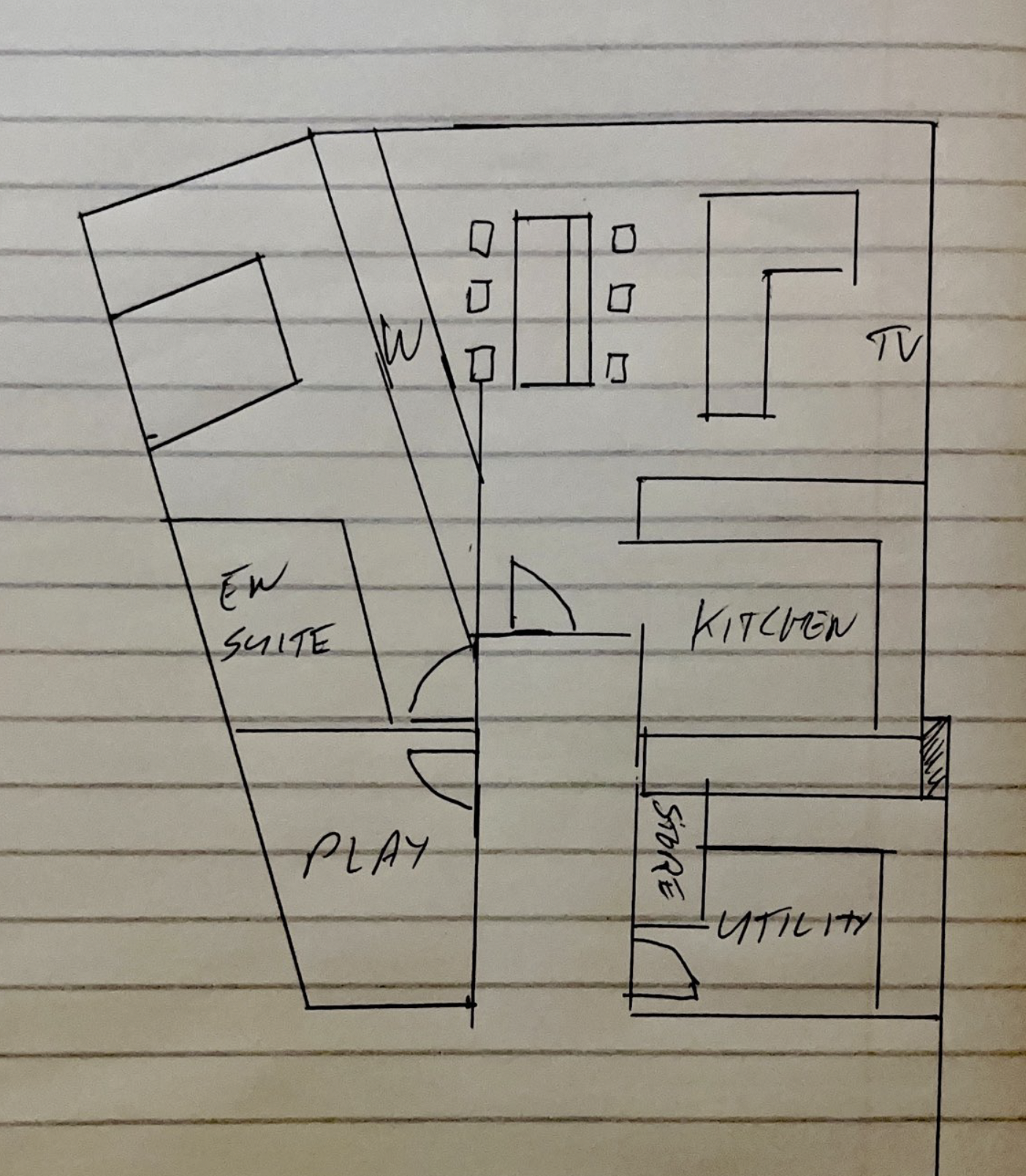
You do put as lot of work into these @ETC I don't know how you have the time, but I feel your idea may stick out too far back for the planners. As mentioned, the elevations posted don't seem to be for the floorpans posted, so correct elevations would help. Looking at the floorplan, I actually like the covered area, we have a covered area outside on our house and it is very useful when it is nice outside, but maybe a little wet or windy. You just need to think of the edge of this as the rear wall and the inside wall is a non supporting partition. The window seat area might look nice from the outside, but will add an awkward corner from a construction perspective, box bays are also not cheap and the space inside is probably wasted, it is hard to use an acute angled corner. I would be tempted to just take the wall straight across the back. I would just have a straight door into the playroom, the double sliding arrangement is just an expensive faff. The kitchen arrangement is ok, but has a couple of things I am not a fan of. The natural route to the rooms at the back cuts past kitchen cupboards and the an island with seating right next to a table is a bit redundant. The kitchen area itself will be quite dark with no windows nearby. I think these are necessary compromises. Is the depth of upstairs driven by a planning consideration? It would be a lot easier to build if if jutted out as far as the ground floor. However, it may be for looks as I think it could look quite bulky without the step back upstairs so maybe this is the reason. I would rather the extension was directly back upstairs, but with a semi this is going to overshadow next door too much. The picture you have posted of the other house looks horrendous. It is very hard to extend a house and have it look well integrated with the original. @ETC proposal works much better from that perspective by separating the extension more. It would probably look better if you did away with the upstairs extension and made the ground floor bigger. I doubt it would be that much more expensive, but that depends of the levels and excavation costs. I would also consider taking the E250,000 and whether I could just buy a larger house that would not have a compromised extension. This 2m deeper sketch would put everything on the ground floor which I think would look a lot nicer. If you could do without a window in the playroom the design might be better swapping the playroom and utility room around. There is a lot of room to make it more elegant! If the left hand wall of the current house could be replaced with a steel the playroom could be a better width, but I don't know the structural issues. It has been left in the current plans so I have kept it there.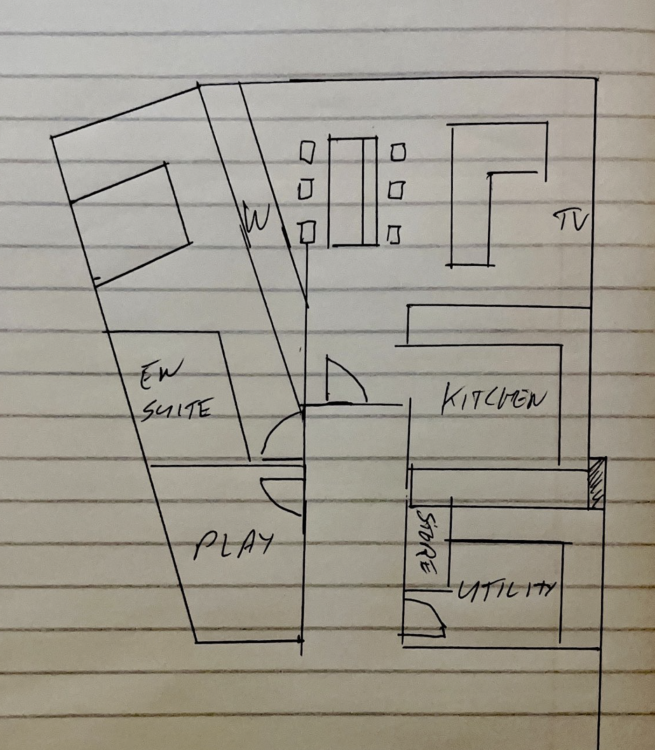
-
Can I just stick my oar in with an aside - If you plan to actually put a car in the garage, 2134mm wide doors are extremely narrow. It looks like they are 7ft 6in by 6ft 6in frames. You have a lovely wide garage with very small doors. To get the 2134mm width the doors will also have to be swung back round a full 180degrees, or it will be even narrower. Plenty of cars are give or take 2m wide at the body and 2.1-2.2m wide at the mirrors. It will be so difficult to squeeze a car through the door you will never put the car inside. My parent's old house had 7ft6 up and over doors (Similar sized opening) and it was very tight putting their A3 into it. My SUV would not fit. Looks like you are settled on the wall stuff. I spent a bit of time looking into this a couple of years ago and it seemed that by the time you had built piers which cut into the garage on a single skin building you were as well building a cavity wall which has other benefits.
-
My mum does this. My personal view is that I would not worry about it for a large reputable bank. If banks start to go bankrupt with no coverage for depositors then the whole country will likely be in dire trouble. In the recent bankruptcy of First Republic in the USA all US depositors were made whole over and above the guaranteed deposit coverage. If a bank gets into financial difficulty first the shareholders should be wiped out, then the bondholders, only then would depositors take a hit. Something absolutely catastrophic would have to happen to wipe out all the equity of the bank and all the bonds then eat into deposits. I'm not saying this has never happened but it would be very very unlikely. So I would balance the low likelihood of this versus the hassle of multiple accounts. As mentioned NS&I is a safer option but their rates are very poor nowadays. They were quite competitive a few years ago. Personally I like TescoBank for a combination of safety and decent rates.
-
Just a little bit more, assuming that you need pipework from the ASHP outside into the house. Certainly nothing like justifying some of the £10k+ estimates I see for just an ASHP installed. Of course there is a considerable saving in not installing gas to the house.
-
I ldon't think anyone on the forum has a GSHP, maybe someone does. When I looked into it for my house it was way too expensive, although this was due to the cost of digging. If you are getting prices, i would think a 12kW ASHP would be the right size for you as this would allow for heating hot water plus a maximum heat input of 7kW to the house (also allows for the as built performance to be a bit worse than the calculated performance). My parents with a 200sq metre house have a 9kW Panasonic heat pump which has proven extremely good and absurdly cheap to run, we run it in Intelligent Octopus so try to keep most use overnight. The pump itself costs around £4500, there is more work involved in installing an ASHP versus a boiler and you need a buffer tank usually, but some places clearly take advantage and massively bump up the cost. My parents were £11500 for the ASHP, Unvented cylinder, buffer tank and all installation. The heating system and connections to this would be on top.
-
I think the idea that summer excess PV pays for winter use is not the right way to think about things. The main reason being is that it doesn't take not consideration the £30,000 spent on the system. You can clearly get to a point where you have no actual bills to pay, but if you spend an excessive amount of money to get there you haven't really "saved" anything. I also would not base any calculation on the current Octopus 15p SEG payment. Wholesale prices continue to fall, the current spot price of electricity i around 10p/kWh. The price cap will fall in July and I would not be surprised to see the export price fall also. Once we are through the current Ukraine inflated period I would expect export prices to settle into the 5-10p range. The more PV there is installed, the more likely it is that there is an excess of PV in the summer and less is paid for it. You need to heat hot water, heat the house and obtain electricity whether by buying it or generating it yourself. In general you want to size a PV system so that you can self use as much of the output as possible, batteries can alter this calculation, but tend to currently be quite expensive. You will probably need around 5kWh per person per day for hot water. Assuming 4 people in the house that is around 7000kWh per year. Without knowing your exact insulation levels, using U-values of 0.15 for the walls, and 1ACH with 100sq metres of windows with 1.1 U-value I get around 22000kWh of heating requirement per year. With a temperature of 0 outside you would need an instantaneous heat input of 6kW and at -5C you would need just over 7kW. This plus hot water requirements would drive the size of your heating system (ASHP probably). So a few calculations. Let's keep it very simple. You need 30kWh a year of heating. Assuming that the average cost of this is 20p/kWh (e.g. with some time shifting and falling prices) then this would cost £6000 a year using direct electrical heating. If you used an ASHP with a COP of 3 it would cost £2000. ASHP pricing I think is often overstated. If you installed an electric boiler you would still need pipework, hot water tank etc. The extra cost of an ASHP compared to a gas or direct electric system is probably around £8000. An ASHP based wet heating and hot water system will cost maybe £15000. An electrical system with hot water tank (I'd say house is too large for a combo) might cost around £7-8000. These ar very rough guesses. So for an extra £8000, you would save £4000 a year at current prices, a great investment. The saving might fall to £2-3000 as electricity prices normalise. It is an absolute no brainer. So how much PV would be reasonable? You are going to need 7kWh per day for hot water via the ASHP, maybe a bit more with tank losses etc. I don't know your background use of electricity for fridges etc, but assume around 15kWh day of general electricity usage. These total to 8kWh/year. Now where you live an 8kW system might generate that much electricity but it is very skewed to the summer. Using @Alan Ambrose numbers above an 8kW system would generate around 25-30kW per day in the summer, so already more than you would be using, and you would need a battery to use all of that as some of the use would be at night. But say with this size of system you could utilise 70% of your yearly generation, very little would be wasted as peak production is not much more than normal use. You would be saving around £1680 a year at July 1 prices (5600kWh at 30p/kWh) plus receiving around £360 in payments (likely to fall soon). So a £10,000ish system would generate around £2040 a year in benefits. Now let's double the size of the system,, say 16kWh, costing £18,000 (assume some scale economy). You generate 16000kWh. You self use 50% of the electricity at 30p and export 50% at 15p. That is around £3600 on a £18000 investment (Maybe more if you have to install 3-phase). However, this is all based on recent electricity prices. Pre Ukraine war I was paying just over 12p/kWh and export prices were around 4p. Current spot electricity prices are around 10p (you have to add quite a bit to this to get the retail electricity price). Based on the current futures market I believe that a good price to use is 20p/kWh in the long run and 10p for exports. However, I think there is a good chance of a massive slump in prices if the Ukraine war ends and we can buy Russian gas again. There will be massive oversupply and prices will collapse. Using these numbers would reduce the returns of your system by around 1/3. Still good double digit returns. If however, you installed such a large system that you exported 70% of your generation I would be worried. In reality I doubt you would get permission for such a large system, so fill your boots and install as big a system as you can assuming that you are paying a reasonable price. (say £1200/kW installed). I was quoted more like £1500/kW for my parents' house on a small system that would generate less so it was not worth it. They also hardly use any electricity during daylight hours, so self consumption would be low.
-
Before even considering this you might want to check if you would get permission for this. I think it is quite unlikely that the DNO would permit you to connect such a large system to the grid. I would have thought that the maximum you can export on a single phase connection is 18ishkW 230V*80A. That is expensive for PV and crazy for an ASHP. A heat pump can be used to run oversized lower temp radiators. I am assuming no batteries are involved here. Heating requires a lot of energy relative to most battery systems capacity, especially direct heating. The real problem is going to be that in winter you often get 10% or less of your rated output. It can be dark for 16 hours a day, indeed almost all the time if cloudy. Thus the time when you most need heating you could have zero output, depending on insulation levels you may well need the heating on during the night. You are trying to adjust for this with 30kW of capacity, but in reality the system will be too large most of the time and still not necessarily available when you need it.
-
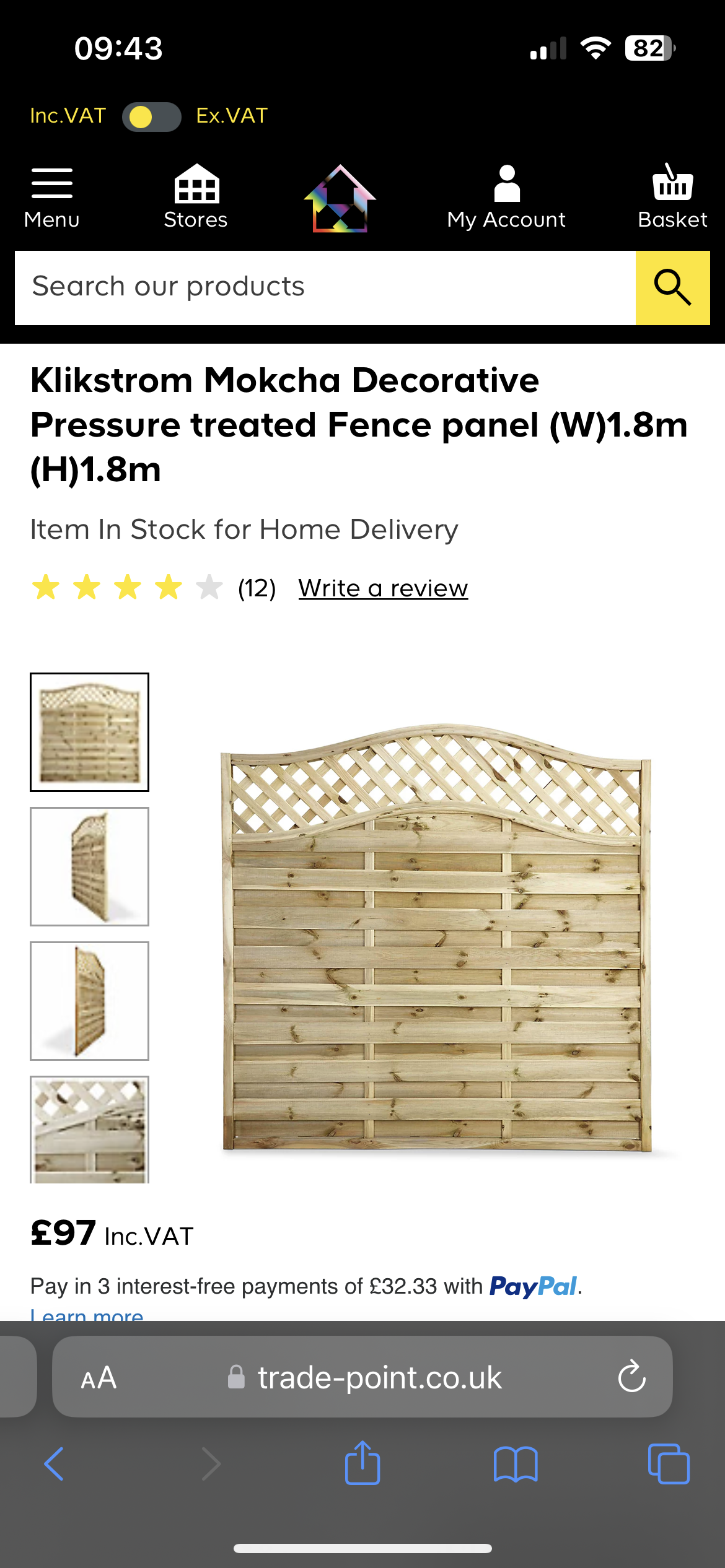
Really just a little anecdote. New neighbour would prefer fence to hedge between mum and dad and him as he has chickens and a dog. Showed us a quote he had from a local gardening company. Panel and post fence 13m long with panels shown below, matching fence between us and other neighbour. Quote had 7.5 panels, but my calculation is 7 including the width of the posts. I had estimated £1100 for materials (based on 8 panels) plus generously two guys for two days at £25 an hour plus VAT, giving £2100, I guess a larger company would add a margin onto this. Anyway neighbour forwards me his quote of £4380 including VAT, so £336 a metre. My uncle said he would do it, I don't like to take advantage by asking him to do these things. he said it would take two of them less than a day. I said let's call it £300 each plus materials, as he consistently undercharges labour relative to other people. He said that was too much if you ask him. Went to neighbour with £1700-1800 and he comes back and says as long as it is done professionally so that it would last 10+ years. I didn't get into an argument, but said it will be exactly the same fence as next door with posts concreted in and wasn't exactly complicated. They must have seen him coming. I did feel like asking if his £4380 fence would last over 25 years!

-
Telephone/broadband strategy for new build
AliG replied to kandgmitchell's topic in Networks, AV, Security & Automation
That’s not great but a workable speed. You can watch 4K Netflix and make Teams calls with that supper which is about as heavy use as you get. Multiple users at once would be more difficult. It is probably safe to assume you will get a broadband speed of around 30Mbps so you can compare that to mobile alternatives. You will need to ask a service provider to connect you to get a cost from Openreach for the connection. If it is in the air via pole it may not be that expensive. For my parents we applied via Cuckoo as they don’t make you sign a 12 month contract. That what you can get it connected up then cancel if you want to use something else. It’s a lot easier to get it connected whilst doing all the other work. You cannot ask Openreach directly to do the work. It is a real pain.