jayc89
-
Posts
1389 -
Joined
-
Last visited
-
Days Won
1
Everything posted by jayc89
-
Recommend a unit?
jayc89 replied to jayc89's topic in Mechanical Ventilation with Heat Recovery (MVHR)
Came across this today https://www.ebay.co.uk/itm/265809593052?_trkparms=amclksrc%3DITM%26aid%3D111001%26algo%3DREC.SEED%26ao%3D1%26asc%3D20160908105057%26meid%3Dca395c1133a14f90ba45806afc047648%26pid%3D100675%26rk%3D1%26rkt%3D15%26sd%3D265809593052%26itm%3D265809593052%26pmt%3D0%26noa%3D1%26pg%3D2380057%26brand%3DVent-Axia&_trksid=p2380057.c100675.m4236&_trkparms=pageci%3Acbfb1a9c-1317-11ed-ba84-16d24f930c56|parentrq%3A6345075c1820a44d43cfb534ffff8e3c|iid%3A1 But I think that unit offers a flow rate's around 103m3 so I suspect I really need a Kinetic Plus? -
I'm on the hunt for a MVHR unit before I start our renovation project. 256m2 floor area and 644m2 building volume. Calcs suggest I'm looking at approx 77 l/s. I've been looking at Vent Axia and Zehnder units. Can anyone recommend any others? I'm hoping to pick one up from eBay (cheapskate - same with an ASHP unit...)
-
Discount Offers of the Week
jayc89 replied to Ferdinand's topic in General Self Build & DIY Discussion
Wish I saw this last week, just spent another £80 to hire one. -
Not sure how far an additional £70k will stretch, especially if they're hiring a lawyer with it!
-
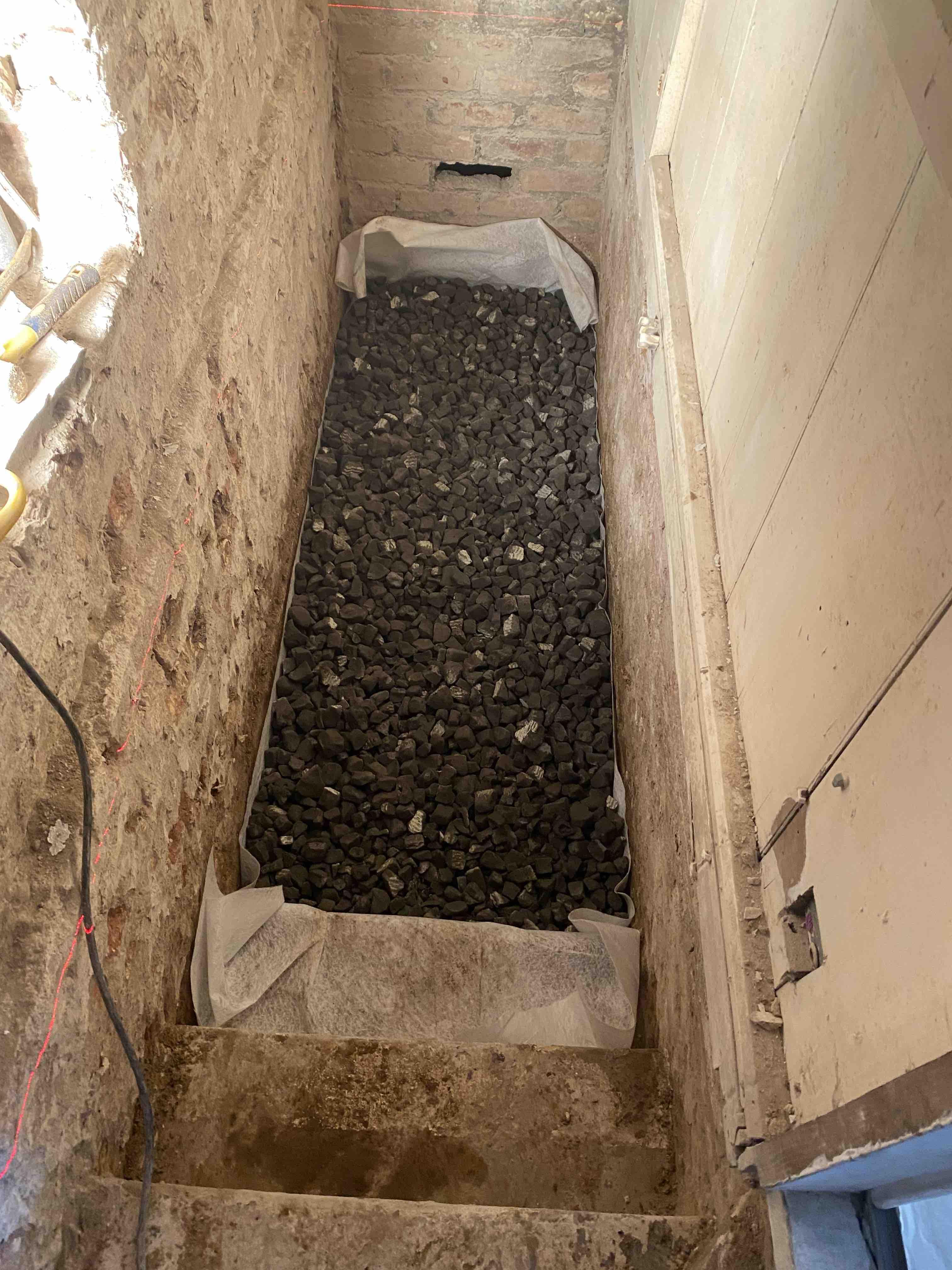
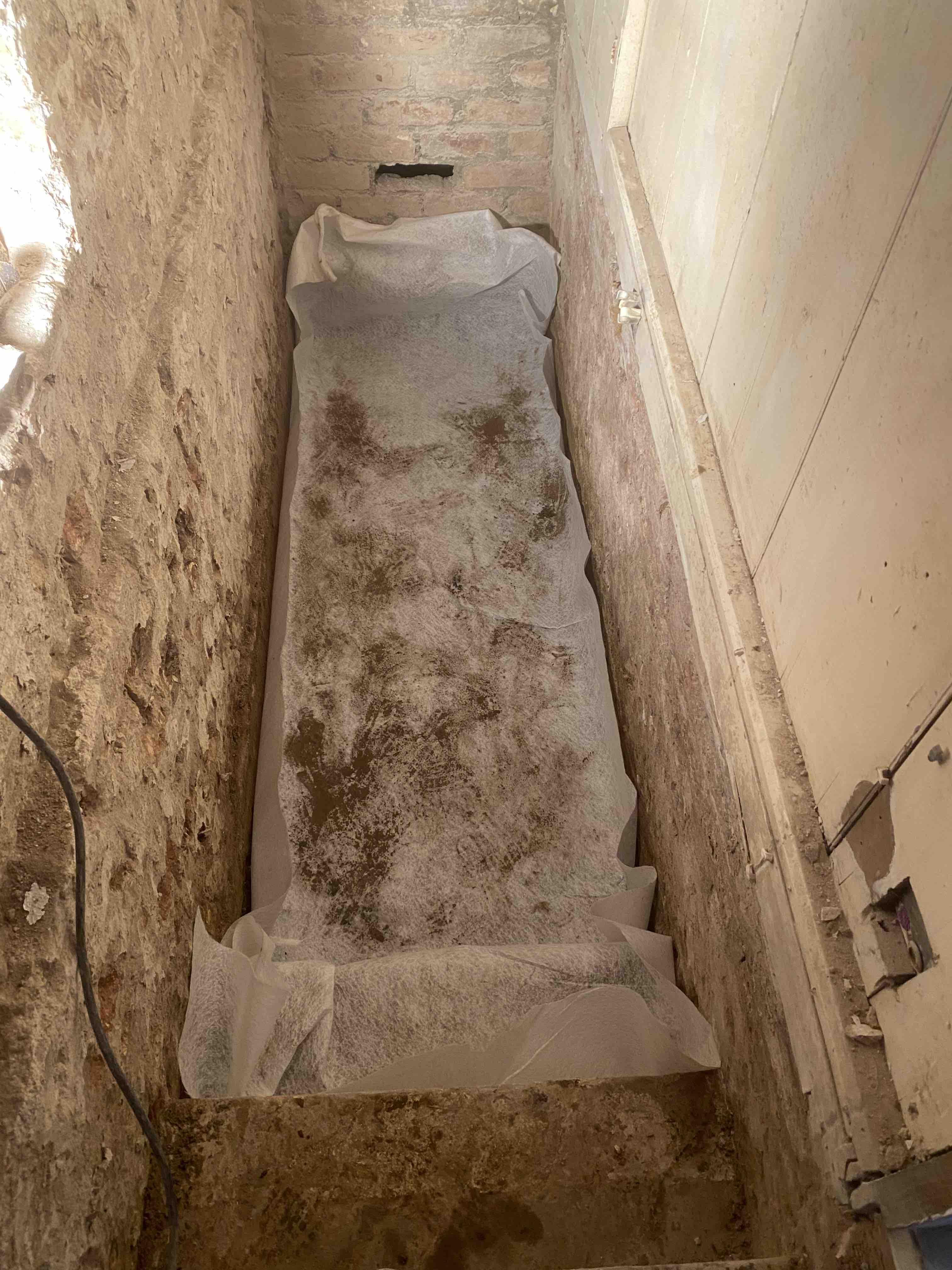
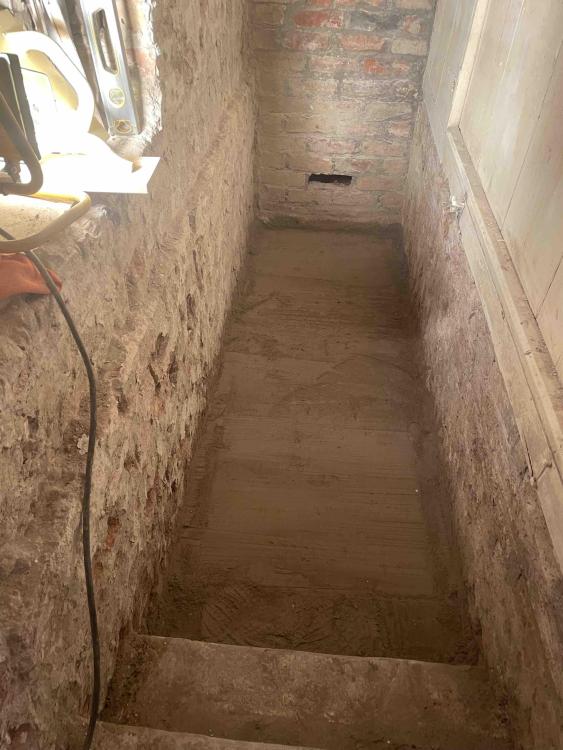
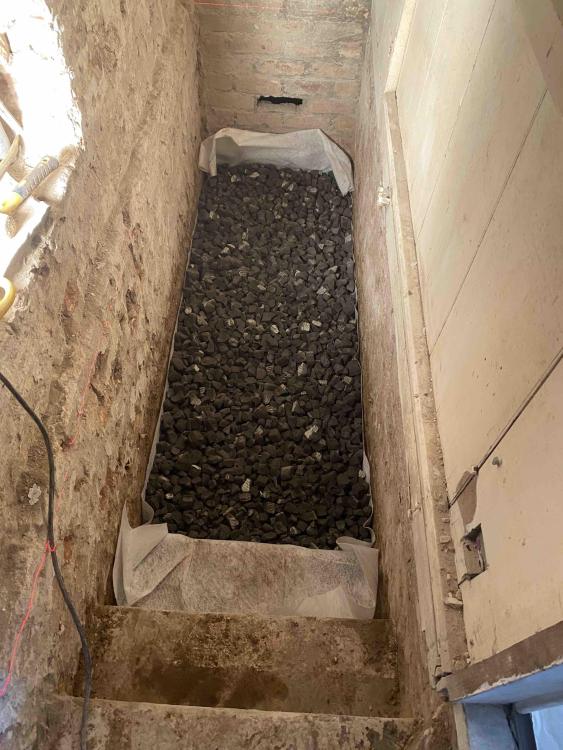
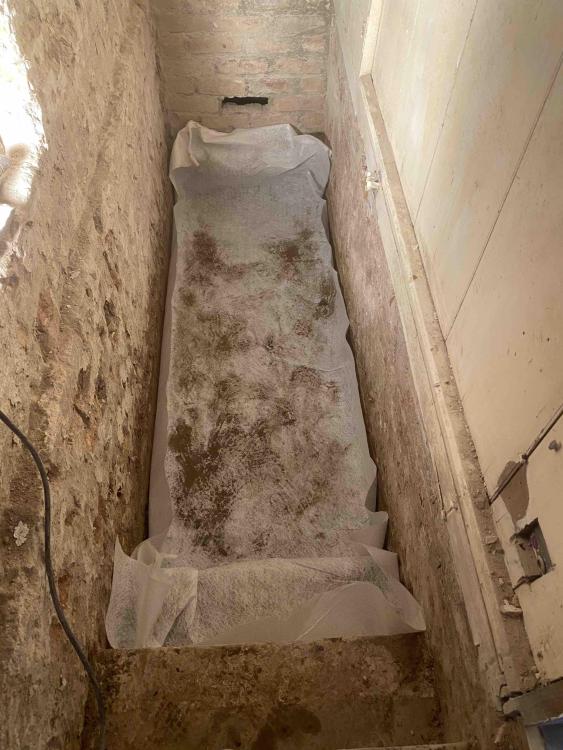
Hardcore (foam glass) when in yesterday, wrapped in geotextile. The following morning the cupboard already felt less humid. A 2:1 Sand/NHL5 mix followed. It's looking much tidier now! It's my first time screeding using sand/lime (or cement) so it would good practice for when I need to tackle a larger room! Hoping to get to re-plastering the walls mid-August. First will be a harl coat of Reabilita Cal CS followed my a couple of coats of NHL 3.5.
-
Similar concept to a chimney I would guess - needs ventilating top and bottom.
-
Structural engineer for foundation design only cost
jayc89 replied to KayleyH's topic in Surveyors & Architects
Our SE has no interest in our house foundations. He is designing our garage foundations as it's so close to a tree, he's quoted £500+VAT for that -
£125 (426 kWh) in electric for us. No idea how, really need to start tracking down where the usage is coming from.
-
We're currently looking at IDs. We've had the initial blurb from one who only works on projects that have a minimum budget of £40k per room, not including kitchens and bathrooms! We don't have a quote from them yet, but for a full house brief, I suspect it'd easily be into 5 figures...
-
I used foam to fill any large gaps. Let it try, trim and tape over.
-
The path was the floor of an old lean-to which has been knocked down. That's probably not helping things and will eventually be dug up, but the damp was around before the lean-to roof was removed, unfortunately.
-
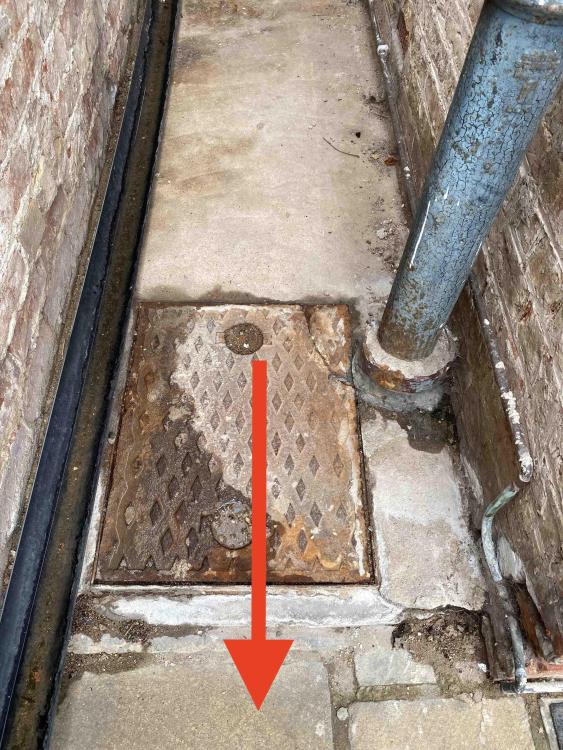
There's not much room for anything. I'm a little worried a rest bend + 90 degree bend won't fit... Arrow shows the flow of the underground waste pipe.
-
I have an old SVP that takes waste from a bathroom and empties it directly into a manhole that goes into mains sewerage. This manhole is at the corner of the house, where we have a damp patch on the internal wall. I'm pretty sure the SVP/manhole is leaking. I want to replace the existing SVP and manhole with a new SVP, but in order to connect it to the existing underground pipe, I'll likely need a rest bend directly connected to a 90 degree turn - it's pretty tight. Would this be ok? I don't fancy digging up half the garden (yet) just to replace some drainage pipes.
-
I'm considering a PV array on our extension. We have a reasonable south-facing roof space, but due to roof lights etc. we'd probably be looking at a 3-4 KW array, max. These would be in-roof units to avoid on paying for roofing slates too. I plan to use the PV power to supply the house's demand before dumping any excess into the unvented hot water cylinder via the immersion. My partner and I work from home and when the kids are home from school there's TVs/tablets on all over the house, so there's a constant stream of demand. I have no desire to feed back into the grid. If we can avoid feeding back into the grid, can we avoid using an MCS-certified engineer to fit our system? Ideally we'd get our roofer to fit the mounts and sparky (who isn't MCS certified) to wire it up when he comes to do 1st/2nd fix. Are there any reputable companies online I can look at for purchasing the PV arrays and required ancillaries?
-
The other side of the brick wall is what was once a cellar. It was a bit of an odd one, as it's not fully below ground floor level so the space above it, to the 1st floor was wasted. It's since been block + beamed over to make new ground floor room.
-
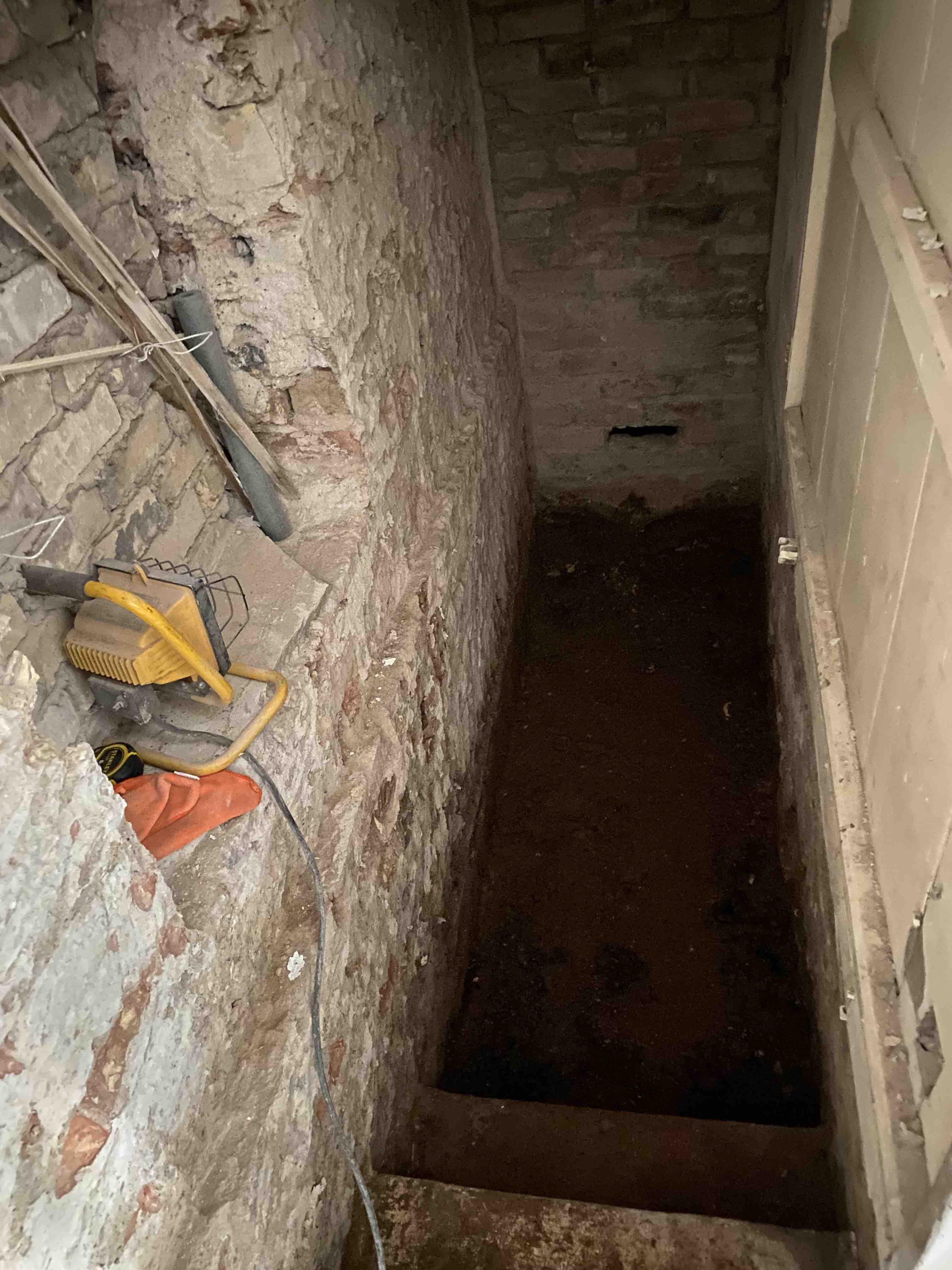
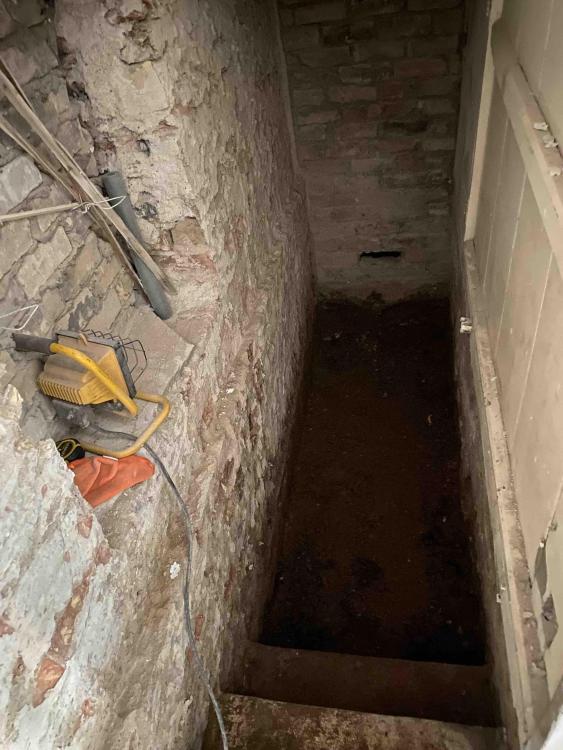
Render's finally off. It looks like there was some additive to the stuff applied to the lower half as it was a pig to get off, whereas the top half came off in large chunks. I'd have preferred to get more off, but it was taking chunks of the brick off too. Short of sand blasting, I'm not sure what else I can do with it? The floor has also been dug up. Turns out it was clay slabs laid on about 300mm of sand and rubble. The sand was sopping wet so there's no wonder the slabs and bottom of the walls were damp. I presume this was all dumped under there when they finished building the house back in the day as we're actually in a clay area (which also explains why they sand has never dried out!) Materials for the new floor and to render the walls will be ordered tomorrow. I've decided on a glasscrete floor, apparently the foam glass is non capillary so should stop the "rising" damp, and lime on the walls - Harling coat, scratch coat and float coat all mixed with pozzolan. I probably won't apply a finish coat given it's only a cupboard plus I've never plastered before in my life so thought the cupboard was a good starting place, at least it's then hidden if it looks a dog's dinner.
-
How deep did you excavate? Assuming you plan to hardcore before block paving anyway I'd backfill with soil whacking it at intervals of 100mm.
-
I assume the cavity made between the solid wall and the studs would need to be somehow ventilated? If we were to do this and fit 50mm wool batts within a metal stud frame, wouldn't the studs and any services (sockets etc penetrating the insulation) act as a cold bridge? Is there a way to cross-batten to allow for a service void between the studs holding the insulation and those the PB is fixed to?
-
How to make improve older brick walls airtightness
jayc89 replied to DeanAlan's topic in Heat Insulation
How do you plan to finish the walls in the original part of the house? Repointing and wet (lime) plaster direct to the brick is probably the best bet, and the plaster acts the same as a large coat would. If you're not going to wet plaster than a parge coat would make sense, although bear in mind any mechanical fixings to your PB will penetrate the parge... Care needs to be taken around reveals, up through intermediate ceilings, around any floor joists pocketed into the walls etc. Across the top floor ceiling, or roof joists, an intelligent membrane (INTELLO etc) might be useful there. I found GreenBuildingStore useful for this type of detail, here are a few options; https://www.greenbuildingstore.co.uk/holmfirth-farmhouse-radical-retrofit-internal-wall-insulation-iwi-strategy/ https://www.greenbuildingstore.co.uk/lower-royd-retrofit-internal-wall-insulation/ https://www.greenbuildingstore.co.uk/internal-wall-insulation-cumberworth-retrofit/ -
Only some work is covered, the property can't have been lived in for 2 years or more BEFORE you purchased it and the work has to have started within a year of you purchasing it. Full details here: https://www.gov.uk/guidance/buildings-and-construction-vat-notice-708#para8-3-4
-
I have two sections of south-facing roof space; - 4m x 2.5m - 3.5m x 2m I'm planning on fitting in-roof PV to save on slates. Ideally I'd like to get around ~ 6kw but appreciate I don't have the roof space for that. What do you think a more realistic target for my space should be? At a squeeze I guess I could manage approx 9 panels (5 on the larger roof space, 4 on the smaller) which would be a peak of approx 3.4kw?
-
I'm extending an 1850's house which, with the best will in the world, will never reach these levels (brickwork is such that EWI is a no go and we can't lose that much internal floor space to drop the u-value that far), so over indexing on the extension doesn't make much sense. Given 0.18 is not a million miles away from PH requirement of 0.15, I don't think it's that bad. Plus all three (ICF, TF and BB) where of similar u-values so gave a reasonable comparison. ICF is certainly attractive, I just don't think I have the time to do it myself (other than evenings/weekends, which SWMBO wouldn't be impressed with), and with BB being at a similar cost point, that's the way I'm currently leaning.
-
Hydraulic lime is what I've been recommended to use, this stuff - https://www.mikewye.co.uk/product/secil-reabilita-cal-cs/ - mixed with pozzolan though https://www.mikewye.co.uk/product/argical-pozzolan/ as the harling coat. Which is what confused me. My understanding is pozzolans reduce capillary action and vapour permeability, I'm not sure by how much, but if that's the case its seems as beneficial to use cement render, which in itself seems counter intuitive.
-
No, because we haven't decided on a construction method yet. Although I was under the impression extensions (L1B) needs to achieve a wall u-value of 0.18 now, is that not correct?
-
I'm restoring our understair cupboard. It drops to approx 500mm below ground level, and the floor is slabs laid direct to soil so the floor and bottom of the walls are damp. I'm going to laid a limecrete floor to sort the floor out and it's been recommended to render the walls with a lime + pozzolan mix. Apparently the addition of pozzolan kicks off a chemical reaction that allows the lime to set in damper conditions. This all sounds great, but from reading up on pozzolan, my understanding is that it also reduces capillary and vapour permeability characteristics too. If that's the case, what's the difference between using lime + pozzolan and a cement render?