
saveasteading
-
Posts
10890 -
Joined
-
Last visited
-
Days Won
93
Everything posted by saveasteading
-
Venetian blinds - where should they stop?
saveasteading replied to puntloos's topic in Windows & Glazing
I would prefer them to rest on the sill, if possible. That could be with a rubber or brush strip to avoid chafing. This will provide a better seal, and is likely to cause the joints to close, thus strengthening it against wind. Also, some blknds have small holes at the joints, for dappled light, and onlh close up when fully lowered. I suspect some of this is not a matter of choice...what do the instructions say? -
I wouldn't count on the software ever being accurate. As i have said here before, i have met some of the people who built and support it, and wasn't impressed. They have been told since the scheme started that it had these massive logic flaws, as well as glitches. For a better rating, solar panels may take some time to fit after completion, but it doesn't delay the signing off.
-
Should be fine then. The timber spreads the load, then so does the screed. The deeper it is, the further it spreads it out. Same principle as walking on any soft surface with flat feet as opposed to heel first...spreads the load.
-
While clamping the metal very tightly. A pro metal worker (or tiler for trims) uses RH, LH and straight snips. It is still a skill with the right kit.
-
What they say. It is also possible that the architects have varying knowledge or skills in cost levels. You could ask for references for similar projects they have gone. Virtual reality, as they are calling it, does not necessarily cost much more. If they design from the outset using a 3D suite, then any view is available, and then gets used for detailed construction drawings. But a few sketches for planning (with another go at detail later will) cost much less than detailed 3D design from the outset..but not that much difference.
-
What is intended above the pir?
-
The floor loading is mostly concentated point loads, from furniture. A chair placed on pir, when sat on, would go stright through. But put it on a plywood base, say, or paving slab, and the load is spread over a bigger area that the pir can support. In real life we have a screed over the pir. In very approximate terms, the load from the chair leg is spread at 45°. Depending on the screed thickness, the load is now spread over about 10 x the area, and pir can handle that. Might look at a worked example later. As above, there is a limit, and a bath or bookcase at an outside wall might be worth checking out. In commercial situations pir would fail, so other solutions are necessary.
-
As a business we hardly ever had a client who cared. So we just had to pass regs. We knew the decent figure we would get ( about 3), and used standard details so always to that standard. Saved the cost of an air test (many hundreds, even thousands, for a big building) and the time in stopping the trades, and still passed every time with the default leakage. That required detailed understanding of the building. Lots of our buildings are out there with C certificates that are really performing as B+.
-
It takes hours to input properly, so costs a lot. Thereafter, any tweaks and corrections are easy though. If ever buyers start to care about epc , then proper assessments might become more valuable.
-
Yes. Some fabric fails in light (obv not fit for purpose), and creates a dreadful, unclearable mess of plastic in the ground. Any fabric that is uv stable will say so on the wrapping and the manufacturer's website. You would expect any known brand or stocked by BM to be OK, but ask. The unwoven ones are generally better at weed resistance as the roots of seedlings can't wriggle down between the weaves. On the mess. The similar looking fabric used for big bags of aggregate tend to fall apart too, so check them occasionally.
-
I now always continue flooring under units. Getting an appliance in or out is very tricky with a step, and there is increased risk of the worktop being low. Also, a dishwasher' feet might not slide on a plain concrete surface. The material could be changed to save cost. Another option might be to surface only where an appliance will go. What if I replace or reform the kitchen and expose some floor? Only you can answer the chances of that.
-
Garden shredder advise Spring 2023
saveasteading replied to JohnBishop's topic in Landscaping, Decking & Patios
It's all currently mixed in the mulch pile. Presumably any nodes not destroyed will try to grow then fail in the pile. -
Garden shredder advise Spring 2023
saveasteading replied to JohnBishop's topic in Landscaping, Decking & Patios
@SteamyTea @OnOff and others: Will we be having a 'How does your garden grow' feature again? -
Garden shredder advise Spring 2023
saveasteading replied to JohnBishop's topic in Landscaping, Decking & Patios
Does that become thousands of potential growing nodes? I have them in the pile of mulch, hoping they will die off there, but fear they are lying in wait for when I put them on the flower beds. Yesterday I found lots of bramble 'trunks' among the shrubs I thought I had cleared of them. They made the mistake of turning green while shooting up. It is a constant war. -
Garden shredder advise Spring 2023
saveasteading replied to JohnBishop's topic in Landscaping, Decking & Patios
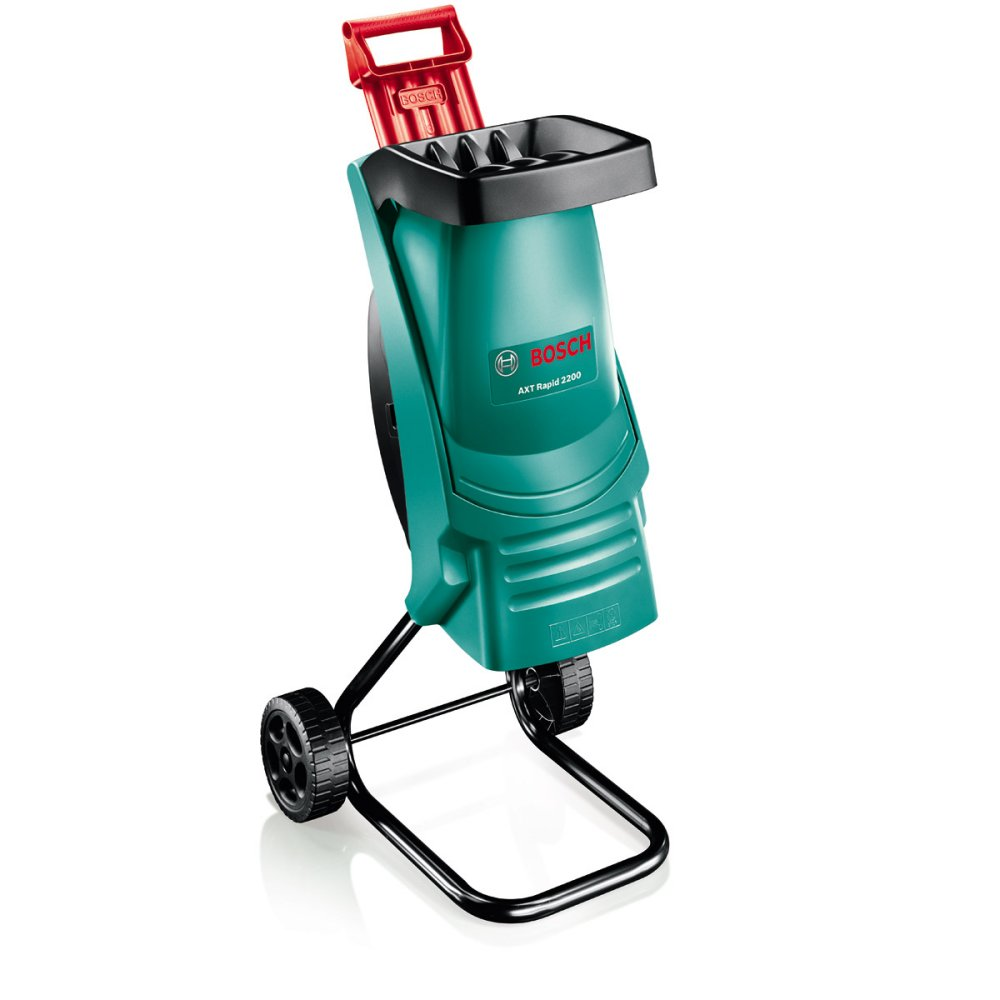
AXT 2000-HP. It won't take sticks more than about 30mm, but those get lopped into kindling so it suits me. The big thing it does is, being a worm drive, it drags the stick through...you can walk away, and it takes the twig and leaf stuff with it. It just gets dragged in. That saves ages. With too much wet stuff it can stall, so I keep some dry sticks aside which will always engage and take the bits with it. -
How to deal with house overheating/sun in face when dining?
saveasteading replied to rh2205's topic in Windows & Glazing
Reflective window foil placed by experts. Otherwise you will get ugly bubbles in it. You can choose the tint, or no colour for uv only. -
Garden shredder advise Spring 2023
saveasteading replied to JohnBishop's topic in Landscaping, Decking & Patios
I will look in the shed to see if it still has any markings. Looks similar to this. I suspect the innards have not changed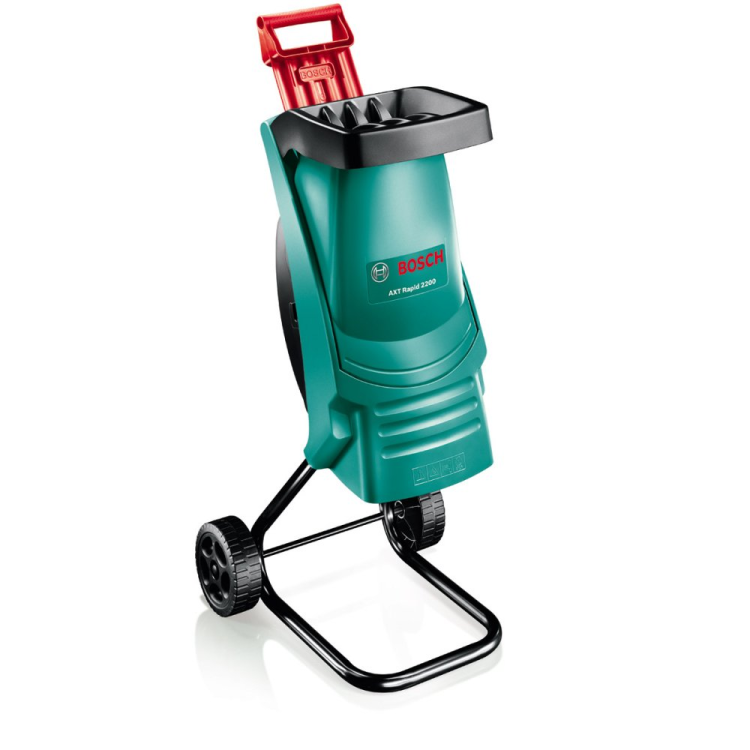
-
How to deal with house overheating/sun in face when dining?
saveasteading replied to rh2205's topic in Windows & Glazing
The solar energy has entered the room. Some gets reflected back from white blinds. Some conducts back out from the glass. The rest is in the room. We know that curtains and blinds work, so is the rest of the benefit from keeping the window reveal hot and not spreading through the room? Or is it mostly a time effect, keeping direct sun off the room and contents? -
I've looked at spanish units as they seem so cheap. They are made for cooling and not efficient for heating. Noisy generally too. Electricity was cheap until recently too, but no longer.
-
Floor tiles are never flat apparently
saveasteading replied to saveasteading's topic in Floor Tiles & Tiling
The tiles are very flexible. Putting two base to base there is a 4mm gap which easily pinches together. I was wondering if it would be easier, faster and cheaper to press down hard, then lay a weight on the middle. It could be removed and reused in half an hour or so. Looking to speed things up as there is a long way to go. -
How to deal with house overheating/sun in face when dining?
saveasteading replied to rh2205's topic in Windows & Glazing
Are these fitted tight so that the heat from the light that has come through stays between the glass and the blinds? -
Skylights provide a huge amount of light compared to windows. Perhaps one or 2 small ones will provide enough light and be very much easier and much cheaper to build. You can get opening ones too, which would let the heat out quickly but you have to remember to shut it. With smaller area it wouldn't be a problem though. Watching 'Your Home Made Perfect' is fun. Without fail: 1. the architects show huge or entire roof glazing, with no structure. 2 on screen script says check the regulations for overheating and consult SE. 3. Finished product has a sensible compromise. They don't comment, on whether this was bco, SE, builder , budget, or all of these....or at all. 4. Closing credits say the Architects are only providing inspiration, and to check reality.
-
Garden shredder advise Spring 2023
saveasteading replied to JohnBishop's topic in Landscaping, Decking & Patios
I've got an electric Bosch worm drive one that handles the mid sized sticks you are describing, and usefully drags the rest of a branch through behind it. No good on wet stuff. I converted a pile of shrub of about 3m3 (mostly air obv) into firewood and bean poles plus about 0.5m3 of mulch and 1 brown bin of messy ends. Slow though with one stick at a time. Allow 2 hours for your pile. I have had it at least 10 years, and it still seems to be top in Gardeners World report. Also have a borrowed one that is a spinning blade. Only good for big sticks and very noisy. Havent used it and giving it back. -
Why are the bricks white on some parts?
saveasteading replied to Lal's topic in Bricklaying, Blockwork & Mortar
Lal, im wondering where your dpc is, perhaps too close to the ground. Looking at the pic with tarmac, there is one course of bricks that looks very dark and damp. The next 2 courses have varying wetness too, perhaps splashing up from the tarmac. -
Floor tiles are never flat apparently
saveasteading replied to saveasteading's topic in Floor Tiles & Tiling
Reasons why not to.. I've employed and observed, sometimes assisted, some stunningly skilful tilers. They wouldn't dream of using artificial aids. They didn't use spacers. Adhesive was always rapid set, to the extent that one of them held a wall tile in place for about 10 seconds while picking up the next tile. Only worked on a job price which turned out to be £300+/ day when worked back. And at Topps they said most tilers don't use them. So that's why perhaps not. The team were laying more today, and used the system. It provides a little more smoothness, but they find that the pushing of the wedges shifts the tile and the joint is inconsistent. But they also say it is going much faster with the levelling system, and perhaps they will find a solution to the joints. More news as it comes.