
saveasteading
-
Posts
10887 -
Joined
-
Last visited
-
Days Won
93
Everything posted by saveasteading
-

Open Book (cost +) vs Fixed Price
saveasteading replied to charlieroper's topic in Costing & Estimating
I've often thought of it but it never felt right. I think I'm anticipating that there are arguments that a problem encountered isn't the builder's fault an so you pay the extra and he get the bonus still. I'm more into ongoing feelgood such as praise and occasional bacon rolls or takeaways. Another thought. The estimates I have seen from qs services to builders have always been cautiously high. then the builder adds some risk too. Most builders aren't happy tendering so tend be high too. I took our joiner's boq and discussed it with him. We bought the timber so he had much less risk. I think the price came down 20%. some special features I talked him through in terms of man-days instead of comonents by the m. which came to half of the qs cost. On the other hand, the proper business has overheads and is used to risk. they might no want client dabbling. It isn't simple. -
Self Build in Northumberland - odds stacked against us!
saveasteading replied to charlieroper's topic in Introduce Yourself
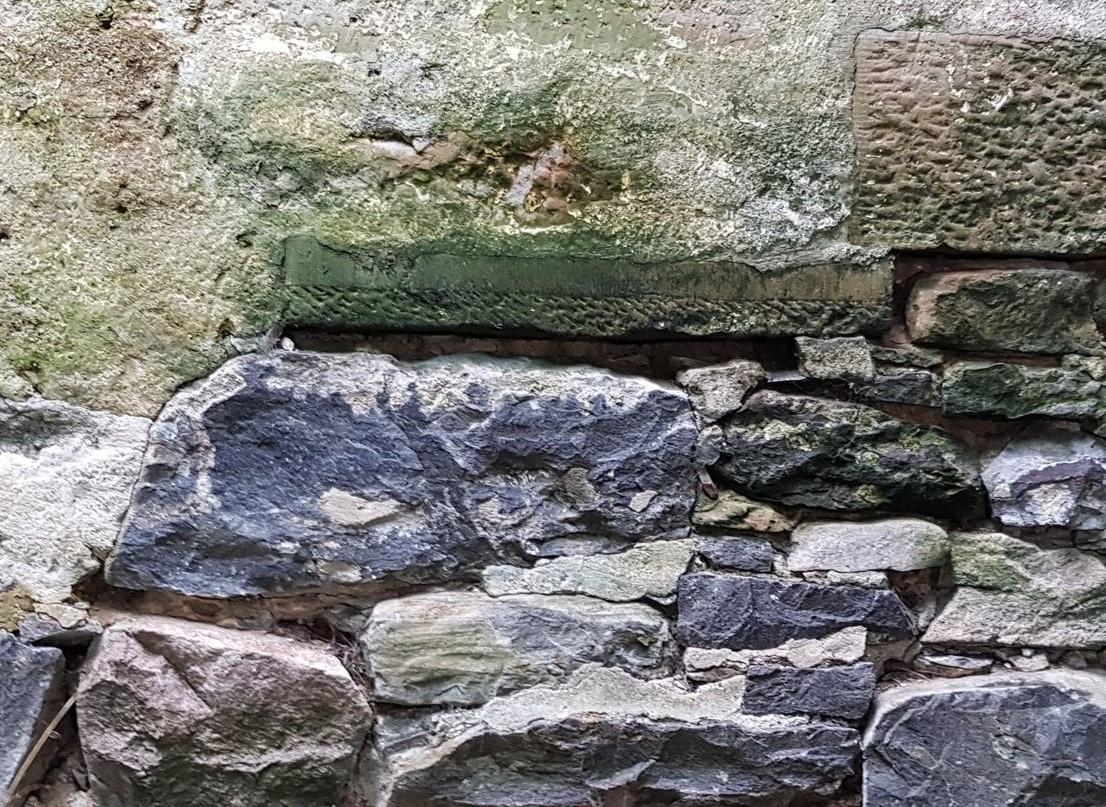
600mm existing stone wall. nominally 25mm space but increased due to the non-uniformity. cls stud with vapour barrier on outside. 100mm mineral wool between studs. vapour barrier horizontal battens for service void. plasterboard. In some place with sceilings we used fibre boars instead. By offsetting we achieve new build insulation levels. some stone was left exposed for heritage/ aesthetic with bco blessing. Again offset by extra insulation where it's easy. -
Open Book (cost +) vs Fixed Price
saveasteading replied to charlieroper's topic in Costing & Estimating
Yes. Made a lot of money. for my then employer not myself. The client got good value as well though as we had no risk percentage, and they could change their minds. So the issue is if 10% is the right figure. I would say it couldn't be less. BUT if they choose to subcontract then they are reducing their admin and there are 2 sets of margins. Who decides? Materials: Who orders it and who is responsible for efficient use. 2% waste in diy, 10% waste in contracting. And the skips. Tell them there will be none after demo.. A skip costs £2,000 when you look at the value of the unused material dumped in it. I don't know any of the people involved, of course, but I found that PMs can get very lazy with self sufficient contractors, as there is so little to do, and they get a bit pally. They spend more time with the workers than with you. That's better than creating disputes to show how tough they are though. If you know what you want and how to do it, fixed price contracts to specialists and forget the main contractor, as you have an expensive PM. If you don't, then what are these consultants doing? get a fixed price for what you can and agree 10% on the rest. -
If it is old it will have a soakaway, probably a small one filled with rubble and unlined.. If the tank is inefficient then it will clog from time to time. Either the neighbours know there is a soakaway or drainage field but are choosing not to tell you where, or they don't know. they must at least know where any cess or digester is, and you can asses where that would drain to. If it is working OK then there isn't really much of a risk, but there is always some. if it isn't working well, there may be occasional saturation of the ground. Look for longer grass and especially reeds to show where that might be. Look for the same on google earth At the very least you need a clause that says you are not responsible for any damage to their drainage system, and they are responsible for relocating it if found on your land. Assuming there is none, have you worked out where you would put yours, and most importantly if the ground is appropriate in porosity and area? it may be unviable.
-
Self Build in Northumberland - odds stacked against us!
saveasteading replied to charlieroper's topic in Introduce Yourself
It helps to know someone is listening and interested. We don't know each other and sometimes we just possibly might not be correct on everything, but its like having 10 consultants in the room, to just interject on their specific knowledge. Linear design is costly...client to architect to SE to QS to builder, with any original non-optimal ideas carried through. You can save 1/4 by getting comments and feedback early. Scottish reg's for conversions have ' as far as reasonably practicable' applied to insulation and some other sections. Thus you can argue where costs are insane, or you want to retain character. English not so, and you won't know the bco's attitude until its too late. We plumped for a timber stud wall (tent) inside the stone, with mineral wool. We fretted that this was losing a lot of floor area but we don't think about it now, while sipping Glenwhatsit in the cosy space. -
Self Build in Northumberland - odds stacked against us!
saveasteading replied to charlieroper's topic in Introduce Yourself
I didn't know this material, so thanks. so have had a quick read up. 50mm seems to be the maximum but doesn't seem to provide rhe insulation you need or want. I'm guessing it looks rustic and may crack as the building moves. -
Our report on the first winter. Ashp and ufh working well after the plumber corrected some reversed pipes! It's kept on low and slow. But it's far from passive with big windows and some exposed stone. There is heat loss at floor to wall interface too....there are constraints with a conversion. So the wbs goes on in extremes but also for an hour some evenings, til it's too hot.
-
Self Build in Northumberland - odds stacked against us!
saveasteading replied to charlieroper's topic in Introduce Yourself
@charlieroper the biggest surprise to me was the difficulty of getting headroom under existing door openings. It required reducing the floor level yet not undermining the walls which were only 200mm below ground level. Apparently this is commonly overlooked with even some collapses. Ours had lots of doorways. Maybe yours doesn't. -
Very few politicians understand science. So it's easy to jump to the conclusion that burning is bad in all circumstances. The most remote rural locations are last in the priorities for restoring electric power. So it's potentially days. Far better to install a quality wbs with fresh air intake, than sneak one in after the building is signed off.
-
Self Build in Northumberland - odds stacked against us!
saveasteading replied to charlieroper's topic in Introduce Yourself
But it is taking solar heat from the ground until it runs out. It needs suitable ground, entirely free of shade, and they often need the ground rewarmed in the summer....by air source. If you have sandy soil with a moving body of water in it to replenish the heat, and in the sun...then maybe. Air on the other hand, keeps coming. Sorry for sounding negative or critical. There is lots of bad advice out there and it can be convincing. But if you site suits it then that's another matter. Plus. Compare the cost of installing the slinky coil and heat pump, with the simple ashp. -
Wood-burning stoves and other heating systems that cause emissions can also still be installed in new homes to provide emergency heating, where a need can be justified – responding to feedback from rural communities.”
-
Self Build in Northumberland - odds stacked against us!
saveasteading replied to charlieroper's topic in Introduce Yourself
On who's advice? GSHP is very, very unlikely to be a good idea. ASHP is normally favourite. PV takes a lot of cash at the worst time. Design for it being added later. Delay it. Our family has just converted a stone farm building. A steading. 600mm thick walls with no foundations. There is a lot to learn. I've been in construction all my working life and still had to learn an awful lot. Not all bad I should emphasise. Any designer you use must be able to show you similar pronects or they are just playing with your money. We found one knowledgable contractor but couldn't afford him. So your highest quote might be the most realistic, sorry. We are all here to help. -
Planning and building regulations
saveasteading replied to Freddie Flintstone's topic in Building Regulations
It's not a matter of trumping. The planning permission still applies. If the visible change is significant or arguably so, I tend to send a courtesy message to the planners, for the record. I've never had a response, which i deem to be acceptance, and have been happy that it closed off any future issues. This is also probably preferable to the planners than a formal change, which takes their resources. It's up to you. -
Some of it does seem that way. and the barn isn't their first time build by the looks of it either. So as they say "I'm Out!". For anyone getting the wrong impression from these videos: You need building control and an SE. An SE report for planning saying that the building can be converted is NOT saying that no upgrade is required. The building has been designed for cattle or tractors and has no factor of safety. Agricultural buildings do fall down, but commercial steel buildings don't. Something to think about lying in bed when the wind is howling, and the building is creaking, unless done properly.
-
I wouldn't do it. Many people would love the extra interest that the slope brings. It looks as if it slopes southish, picking up more sun too. There's lots of scope for interest with shade loving, easy care plants to the left and keeping the right for lots of sun. By all means flatten a small area where you would like to sit or kick a ball about.
-
Gavin’s isoquick foundation on clay soil
saveasteading replied to gavztheouch's topic in Foundations
It is highly skilled BUT. 32m2 (squared?) like 6m x 5.4m? how thick? or 32m3? the concrete would cost £4k. and £16k is still too much. tell us more and I can work out a fair price. I have NOT read the previous pages for context. -
Gavin’s isoquick foundation on clay soil
saveasteading replied to gavztheouch's topic in Foundations
That sounds wrong. Pump about £500 last I looked. More if its a lorry and boom one....but do you need that? Concrete you can work out at say £110/m3 Labour could reach £250 day if they are skilled . tamps and power floats Maybe approaching £1,000 incl transport. plus someone managing. is there reinforcement included? shuttering? -
Mostly I would say labour costs and profits.. There is a big downturn in work. some contractors are very quiet and some are tendering at very low margins to keep turning over. That affects the wages of all operatives
-
put a paper tissue over it and it will be obvious if its working. then a tea towel to see f there is much suction.
-
Just started a self-build in Dorset. Exciting times!
saveasteading replied to NailBiter's topic in Introduce Yourself
Only for offsite systems or kits. Stick build is a load of timber from the BM and will come on account or with credit card guarantee. Plus it is from stock so can be bought just in time. ditto masonry. -
What we understand is easy , what we don't is difficult. I've looked up 1m3 systems and they are cheaper than I thought as they don't seem to need double pumps. £1,000 ish. plus installation and a lot of pipe. It would be much better to kick in 'little and often' than to chuck the whole contents up to the top so worth looking into that. But i'd still try for the downhill digester.
-
Their page seems to be all over the place with many projects and shorts. Can you point me at the relevant part for this barn? If it's in multiple parts, then the first one.
-
You are asking good questions and seem to have a feel for what is good or bad. May I ask, is the 'build you are dreaming' , something like this? will all the MOT type 1 have to come out and be replaced with new??? No, unless it is mucky. I very much doubt that a farmer used Type 1 though. More likely something much cheaper, although it should be plenty to support a domestic floor.
-
Not really. Not over a few days anyway. The 3 chamber types do a pretty good job without the agitation or oxygen. I've run one on a site for 6 months without power. I didn't get what came out tested but it ran visually clear and did not smell. That only had site toilets going into it, no washing machines or showers but that might even have reduced the load, and certainly diluted the contents. So if you recognised the power issue and reduced the stuff going in, then only that amount would come out, and all from the 3rd chamber which has no solids in it. I can't comment on other types as I haven't used them and am not inclined to.
-
Using a diamond core drill. any advice?
saveasteading replied to saveasteading's topic in Tools & Equipment
That's a good point. But not many builders can calculate the volume accurately. Too much and it is dumped messily on site and a waste. Too little an there are stop ends in a hurry, which cant be done sensibly with high tech structures. Have you heard of 'plumbs' in mass pours tat seem to be a bit short? Of course most builders add water which automatically increases the volume while weakening the structure. A scary distant memory has just appeared....calculating the volume to phone through for the final load of a huge pour, while the current load is still going in. I'd forgotten my life had been so exciting.


