Eileen
-
Posts
56 -
Joined
-
Last visited
Everything posted by Eileen
-
Underfloor Heating - SunAmp, ASHP, Solar
Eileen replied to mikeseaman3000's topic in Underfloor Heating
We have a Sunamp Uniq 12 heated electrically for our DHW - it ran (via an Eddi controller) entirely from our 10kw solar from early March to mid Nov and at other times of the year we give it an overnight (potentially economy 7) burst. This is with the 10kwh electrical battery taking priority, but even then the Sunamp has been getting solar power the odd day recently. There is no hot water tank installed. UFH is powered from a low temp Daikin ASHP. Re your OP: Our EPC certificate (101 rating) says 11,000 for space heating and 2,400 for DHW while actuals were 1,800 (input to ASHP so output around 6,000) and 1,000 (only 2 of us though). We're 380 sq m. -
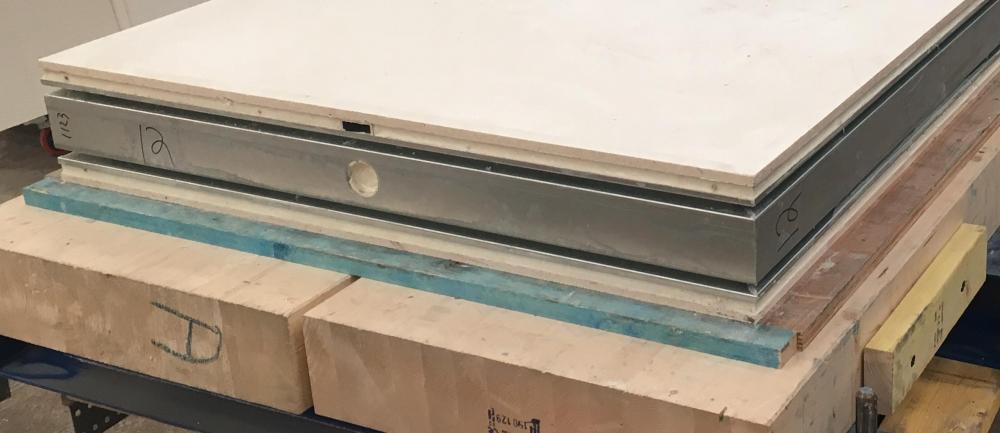
That's what they say, so I should have put quotes round it!!! There's a light steel frame, magnesium oxide boards on the outside and then the whole thing filled with polyurethane.
-
We went with 4Wall engineered SIPS panels from Tribus - they are a bit more high tech (and more expensive) than timber framed panels, but we have ended up with a certified Passivhaus and they were a big part of that. Project Etopia is using the same system as part of their "turn-key house" system.
-
We have a UNIQ 12 with PCM58 heated electrically, mostly solar, managed via an Eddi. After a long story and teething troubles, solved by getting a new Qontroller, it works fine, and we entirely heated our water from solar from early March to mid Nov (it even took 5kwh from solar today after filling the electrical battery first). We also got a couple of 4kwh PCM34 stores (each more expensive than the UNIQ 12!) but that turned out to be a big mistake for various reasons and we haven't actually used them. I got the impression, but happy to be corrected, that these are no longer products.
-
We did two and each took two months. The second one also included a presentation to a Design Review Panel.
-
Re para 55/79 - the key thing now is that it's exceptional quality OR innovative, which was the big change from the previous PPS7, which said AND. We went for it (and got it) on the exceptional quality route, although as it turned out we are a certified Passive House and energy positive, but it wasn't innovative in that we weren't first adopters of any particular technology or method. We had to present to the Design Review Panel who gave us an immediate thumbs up. However, Planning disagreed with them and recommended refusal, but the Development Committee over-ruled them and granted permission by 11-1. Been living in it for a year now!
-
Sunamp UniQ HW+i experience? Charge via ASHP?
Eileen replied to oranjeboom's topic in Energy Storage
@Joth - it's a Daikin Altherma low temp split EHBH08CB3V indoors and ERLQ006CV3 outdoors It needs to be EHBX for heating /cooling -
Sunamp UniQ HW+i experience? Charge via ASHP?
Eileen replied to oranjeboom's topic in Energy Storage
I’m on a train so can’t get the actual number, but it’s a middle sized EDLQ (I think, so will confirm when back). It’s split with the external part in the garden maybe 30 metres away. Only used in winter primarily for ufh and secondarily for the low temp Sunamps. -
Re para 55/79 - we went through this process. We did a pre-application advice request (definitely recommended) and the planners came back with "no, unless you are minded to go the para 55 route, but that is VERY hard". We then did a second pre-app on their advice, which included a request to go to the Design Review Panel. Planning authorities are obliged to use an independent body to do design review for para 55/79 and our panel was typical in having 5 architects and a landscape designer. I put together the design and access statement in cahoots with the architects and at the actual meeting I did the introduction and the architect did the main pitch. We were very quickly given a unanimous thumbs up by the panel. Then, although para 55 (and now 79) say exceptional design OR innovation, our planners said they require innovation and recommended refusal. We didn't claim innovation because although we were using all sorts of new techniques (advanced SIPS, solar, electrical battery, thermal battery, etc. etc.) which have led to our energy positive certified Passivhaus, none of it was innovative in the sense of being used for the first time. Our local councillor was keen though and required it to go to the design committee, where planning duly recommended refusal. In my pitch I said "what's the point of using a professional DRP and then picking and choosing whether you like what they say" and, much to my surprise, the committee agreed by 11-1. So now we are living in it. The Design Review Panel now offer a more informal service, much like the pre-application advice process offered by Planning, so that a potential applicant can test out their proposal and receive feedback. We'd certainly have done that if it had been available when we were going through the process.
-
Back to the OP - we used 4Wall SIPS from Tribus for the main construction of our Passivhaus. As ex-timber frame guys who now manufacture the 4Wall panels, they did everything from the slab upwards (not including the slab itself), so SIPS panels; stud-walls, floor and roof timbers ready for the insulation and membrane. Their speed caught our builders by surprise because first-fix was upon them before they knew it. They're based down here in Devon but have built in Scotland.
-
Sunamp UniQ HW+i experience? Charge via ASHP?
Eileen replied to oranjeboom's topic in Energy Storage
Yes, Joth. First choice would still be solar, but it comes after our 10kwh electric battery in the food chain so there won’t be many days like that over winter. Timed economy7 or 10 slots would be the fallback, and we think the pcm34s are overkill. -
Sunamp UniQ HW+i experience? Charge via ASHP?
Eileen replied to oranjeboom's topic in Energy Storage
We have a UNiQ eDual12 pcm58 which we use with a myenergi Eddi. We had a lot of early problems, partly poor communication with Sunamp (now a lot better) and partly with the controller, now replaced. Once fixed we have been 100% solar powered with only one recent tepid shower because we were seeing how long it would last without charging (4 days) So now all is happy with that, and a lot of thanks goes to JSHarris! We also have 2 x Dual4 pcm34 batteries, heated by a low temp Daikin ASHP, that went through the same problems as the pcm58 battery, but are now working with their new controllers, albeit never used in anger. In retrospect these were a mistake for various reasons (some ours), especially as each one was comfortably more expensive than the big battery. However, now we’ve reached the week when there is typically going to be insufficient solar to power the big battery and we’re starting to fire up the ASHP again for ufh, we’ll be experimenting with using the smaller batteries to preheat the water heading to the big battery. Will report back..... (Situation is a new energy positive certified Passivhaus) -
Replying to various - @Nick and @Onoff it’s black render rather than aluminium - the idea was a bit "ying-yang", the old brick look to fit in with the old walled garden, and then sleek contemporary behind the wall. @Barney12 it’s Cedec self-binding gravel, which works well. The brief for the design review process was to show the “historical narrative” by which we arrived at the design for the site, and a key part was to fit in with the more than 200 year old garden wall running down the site. Also our architects say they are “home makers rather than shape makers”, and they do every aspect of the interior as well as the exterior. it didn’t cost anything like that to get through approval, @Ferdinand - one of the problems was that although we fell into the category of “isolated house in open countryside” we were to any layman an infill site between two other houses (both of which supported us) but the whole parish is deemed to be open countryside. We didn’t use a planning consultant and I put together the design and access statement incorporating the architect’s designs. From kick off to approval was about 18 months, but the whole project was about 4 years.
- 13 replies
-
- 1
-

-
- passivhaus
- passive house
- (and 2 more)
-
Thanks Ferdinand. I think, without heading off and re-reading the details in the NPPF, that a planning authority has to have an independent and professional design review mechanism in place, but no particular one is mentioned. The one that our planning area in Devon had in place at the time (along with a lot of other local authorities) was called the Devon and Somerset Design Review Panel, but I don't think they used them exclusively and they are not the only show in town. In my 3 minute oration at the development committee meeting I basically questioned the point of using such a professional panel if you then went on to decide whether or not you liked what they said, and the committee accepted this point of view 11-1, although I had been expecting them to say, as I'd heard them say in other decisions: "we pay our planners to make decisions so we have to trust what they say".
- 13 replies
-
- 1
-
-
- passivhaus
- passive house
- (and 2 more)
-
Passivhaus certified roof lights with electric opening
Eileen replied to joth's topic in Skylights & Roof Windows
Have finally done an "introduce yourself" entry, so that's probably a better place to discuss the project than hijacking this thread! Also it's me rather than Eileen that's doing most of the writing as she's too busy doing the landscape..... -
We've just completed a new build "house for life" - it started as "Passivhaus Principles" as we didn't want to commit to certification during the planning process because of its challenging form, but our Passivhaus consultants (Peter Warm) felt that with a few tweaks it could make it and, as of this week, it has been certified. We also had to go through the "Paragraph 55" (now 79) route to get planning permission, where you have to go to a Design Review Panel of professionals who get to decide if your design is "exceptional architecture". They unanimously approved it while Planning rejected it and also said they didn't want any further discussion on it. However, our forward thinking local councillor took it to the development committee where Planning was over-ruled (a story in itself). To be honest we are not hands-on self-builders in that we used architects, builders, etc to do it and it was an expensive build, but we were in a position to do this because what we actually hands-on self-built was a successful software company that was then sold. We were very involved in the whole process, living 250 metres from site, and especially in selecting and pushing the eco kit and we also had a planning condition to put a photographic record of the build in the public domain, which being a keen photographer I have done: www.thewalledgardendevon.uk Eileen designed the landscape and is now implementing it with muscle from local ex-marines. So it's a certified Passivhaus with private water supply, a positive energy house through solar and using both electrical and thermal batteries, with an EER of 101. We started a bit late on Buildhub as we were having problems with our Sunamp thermal batteries and we got a lot of help from @JSHarris in particular and others. However, happy to answer questions about our experiences if that's useful.....
- 13 replies
-
- 1
-
-
- passivhaus
- passive house
- (and 2 more)
-
Passivhaus certified roof lights with electric opening
Eileen replied to joth's topic in Skylights & Roof Windows
@PeterW It's Cedec self-binding gravel - scarily bright gold when laid but then soon calms down to this pale look and hardens up with rain and footfall. -
Passivhaus certified roof lights with electric opening
Eileen replied to joth's topic in Skylights & Roof Windows
Thanks! Website is www.thewalledgardendevon.uk -
Passivhaus certified roof lights with electric opening
Eileen replied to joth's topic in Skylights & Roof Windows
Thanks! -
Passivhaus certified roof lights with electric opening
Eileen replied to joth's topic in Skylights & Roof Windows
Our electrically opening one s is from Lamilux (around 60cms square) and is Passivhaus Certified - as is the house as a whole because the plaque arrived in the post today! We also have a big Lamilux roof-light (4m x 5m) but that is non-opening and has an external blind. -
Re your daily reset ploy, JSH, have you managed to get any feedback from Sunamp about this? I would also love to know if anyone can suggest someone from Sunamp who actually responds to technical queries.
-
We asked this along with several other questions a week ago but no reply. We’ve found that their communication is pretty dreadful.
-
In response to a couple of replies, I have pointed a director of SA at this thread.
-
Presumably even the most basic QA function would have caught this. Obviously there was a lot of concentration on cycling the PCM materials to death, but maybe not so much on testing the fully cased production version in a real life situation. Someone mentioned the bean-counters - from my experience in product engineering (software in this case) it was hardly ever product design that was impacted by financial imperatives, but it was always quality assurance that was endangered because of the demand to "get it shipped"! And of course in the software area you can see that now that it's much easier to get updates out there ("A new version of XXXX is ready to upload") the quality criteria have clearly been relaxed since the good old days when it meant shipping a shed-load of DVDs to customers.
-
I think we (our project) are on the cusp of that. We were the ones who found Sunamp and understood the products enough to mandate them to our M&E people and installers (yes, we are in the luxury position to pay people to do it all!). However, they did not know the products and were not motivated like us to use them, but would be perfectly competent to install them given good manuals, etc. The other key service they needed was technical support - that is, dedicated person/s who could talk at implementation level to the people who are actually installing it. We started and grew a software company and dedicated technical support was a function we had from day 1.