SimonD
-
Posts
2215 -
Joined
-
Last visited
-
Days Won
13
Everything posted by SimonD
-
Should have done a smaller project first! This too. That would have been ideal for where we are. I would also have appreciated finding BH a bit earlier, as that could have saved me a whole load of headaches. It didn't find this place until I was ordering my windows!
-
Thanks both. I might tap you for those details to see if they'll travel to me. I'm just the other side of Bath so some won't travel to me from Bristol as it can be a right PITA. A customer of mine has suggested I contact a friend of theirs who knows a few of the right people in the area so I'll try that first.
-
Yes 🙁
-
I'm not sure, it looks like there is skrim as I can just see a bit of it where it's been finished poorly at the bottom. If it is skrimmed, what else would cause the cracking?
-
Yeah, you're right. He did a couple of walls when I was there which seemed fine and I've clearly made the mistake of thinking I could then leave him to it. Clearly not, but it's a lesson in staying there to supervise all the time. Thanks, but I'm about double that time if not more! I'll go on another search.
-
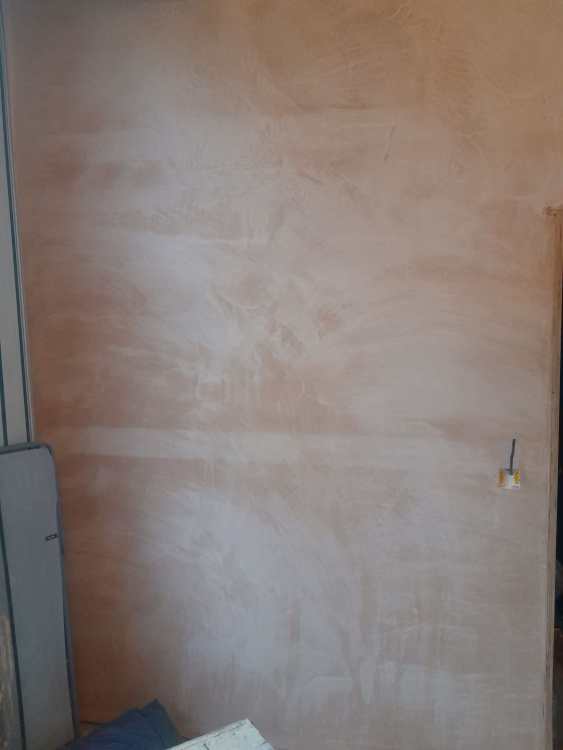
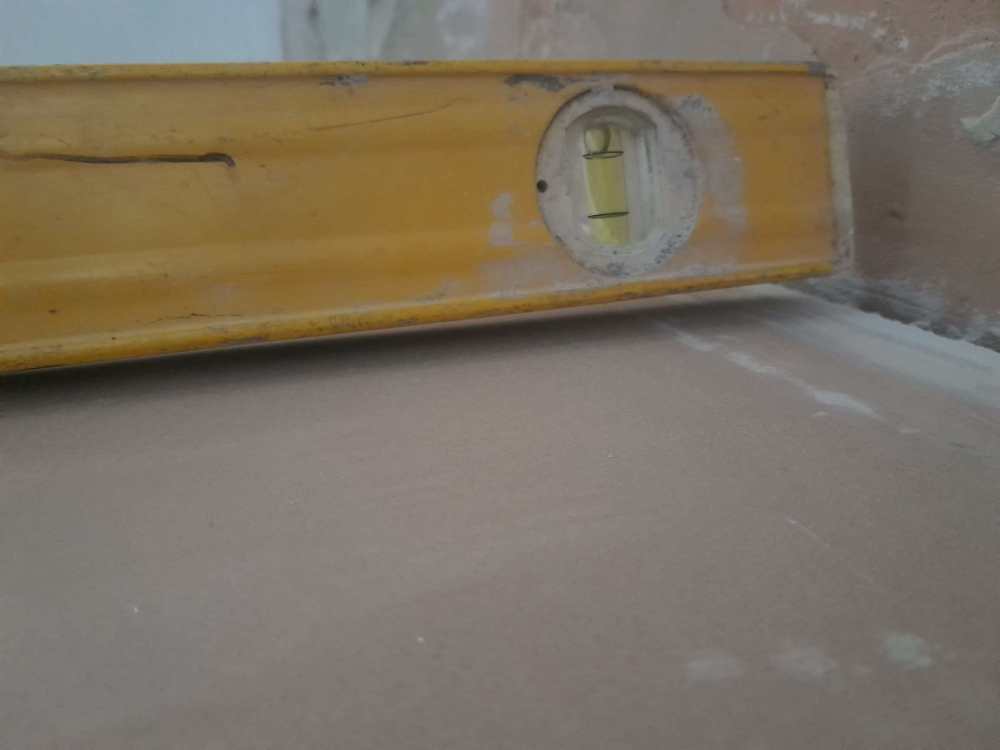
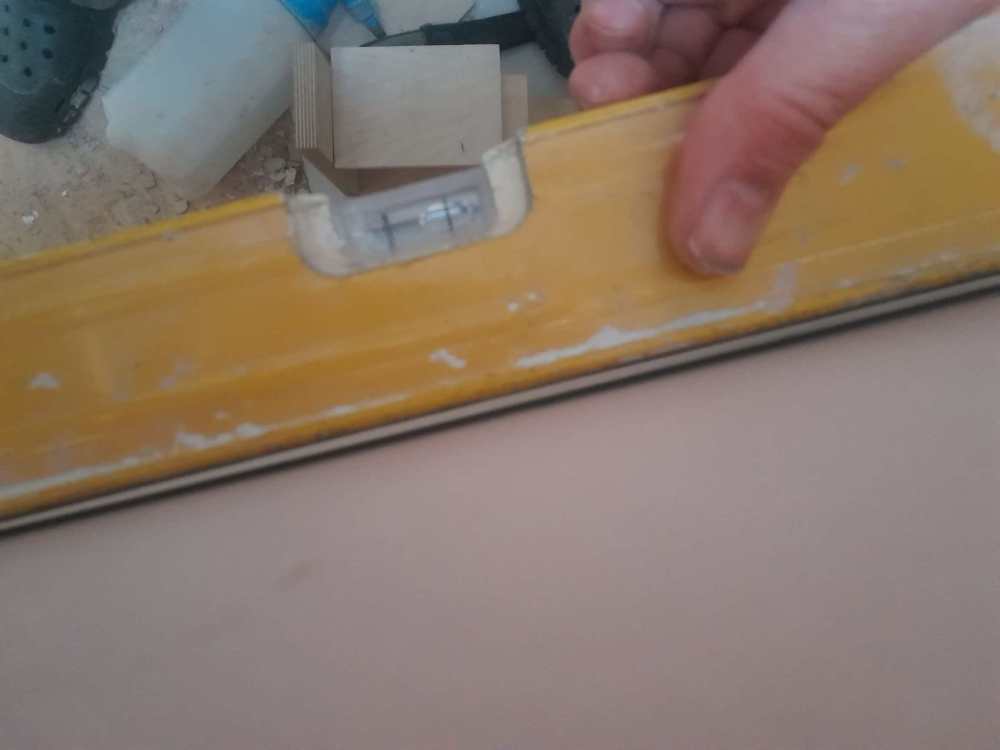
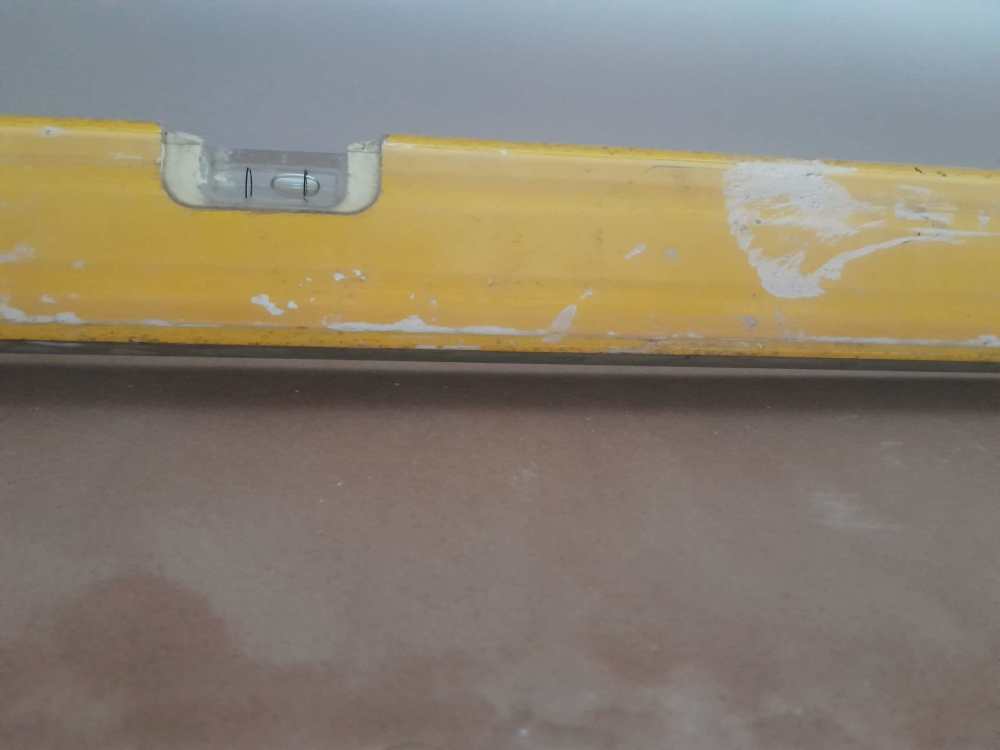
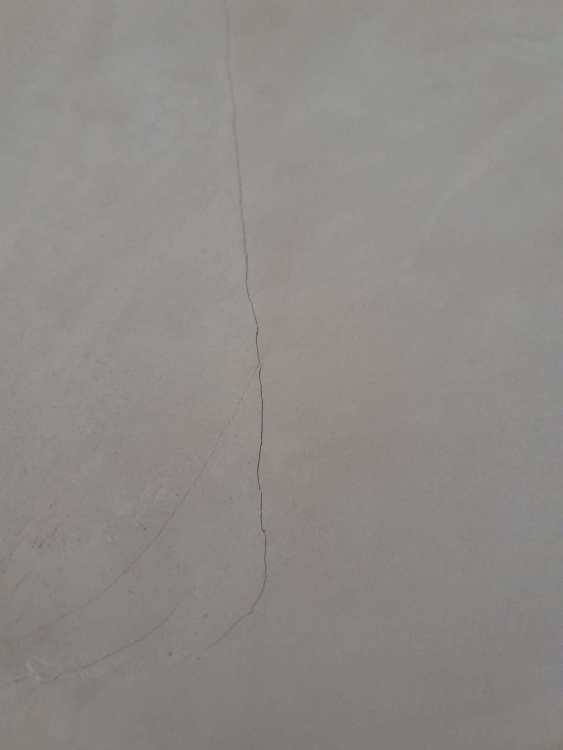
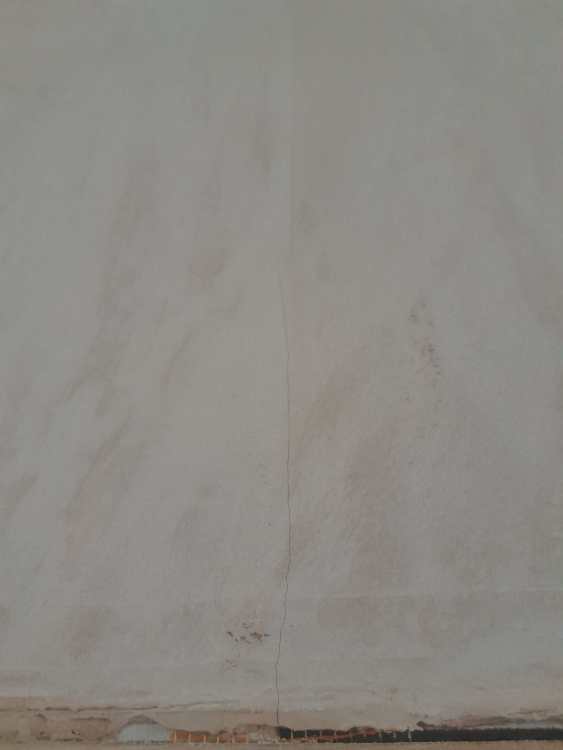
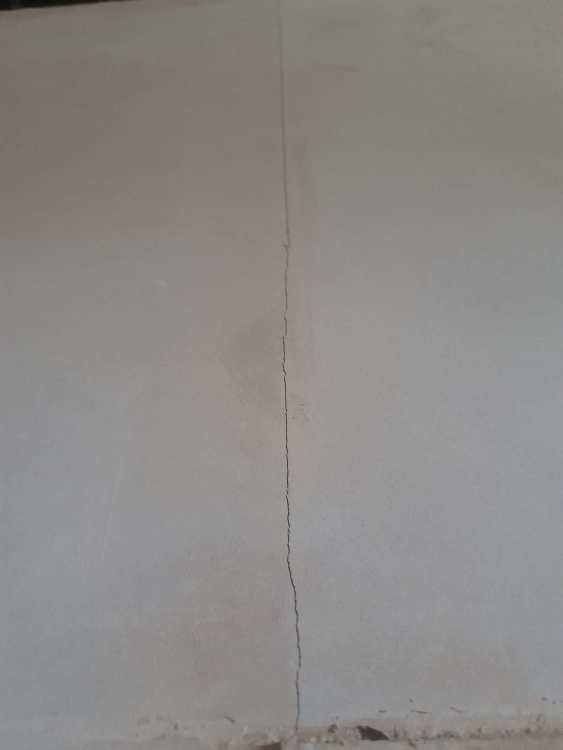
The plasterer did it with one other person helping him, but mainly him. They work together and the other person was also boarding up the stud walls which the plasterer then skimmed. I've now found a number of cracks on the skimmed stud walls too. This is a picture of one wall. I can run my hand across the surface and feel the texture shown by the photo. Below are photos showing the undulation of the walls. I already spray painted one of the boy's rooms where quite a bit of the uneven surface and roughness showed up when painted and the undulation of the dot and dab walls showed up when fitting the coving. Generally finish is pretty poor in corners and around door frame etc. with loads of snots I'll have to remove to fit the skirting plumb: Dot and dab waves: High spot: Timeline 1.mp4 And now cracks in stud walls:
-
TLDR; what should a good skim finish look and feel like? Story below: So, sadly the plasterer recommended to me has turned out to be a liability. Had him in to do some work in the house and while my wife was there, I stupidly allowed the work to go ahead while I was away as my wife was in a hurry to get it done. I returned home to find the wonkiest poorly finished reveals ever, which they came to remove and then re-finish. However, in another room, as I was priming the plaster for painting I found a vertical crack on one of the dot & dab walls. Plasterer suggested drilling and filling behind the crack with foam and he would come a re-scim the wall to make good. I then inspected the work in more detail only to find loads of flex at the bottom of the board. Alarm bells started ringing so I remove the dot & dab from the wall to find that there were no beads along the long of short edges of the boards and the crack was down to movement along the long edge - in some places the dabs were as far as 400mm apart with the join in the middle of this gap. I've also found that another dot & dab wall is out of plumb and wavy along the length of the wall, so no straight edge used there. I've painted one room to find the plaster finish in there to be below par and plaster mess left everywhere so this guy isn't coming back to do anything else. I'm looking at the other areas he's skimmed and wondering what I should be seeing to determine the quality of finish. Rubbing my hands on the wall there are quite a lot of areas where the plaster feels like rough sandpaper. I can unfortunately also feel quite a lot of undulation of the plaster and there are some obvious full height lines of high spots at a few of the joins. So in short, what is considered a good enough skim finish in the trade please?
-
I'm not quite sure how I did it either. I'm sure there's a repayment lined up somewhere! My oldest son loves the mountains, so we're off to the wilderness of northern Sweden for a while, then mainly to Austria to explore there for the climbing, but as we're meandering, we'll be visiting France, Switzerland and Germany, possible nip over the Norway from Sweden too. Desparately need to finish packing, meanwhile I've got some backboxes and 1st fix cabling to do to that the bloody electricians 'forgot' so the plasterer can come in to finish boarding up and plaster a few rooms while I'm away - hard work this malarky
-
I think you're working too hard. I'm now off to take my son around Europe for 2 months. My wife's not too pleased as she's got to stay home and work coz she's an employee.....
-
Home Insurance without Completion Certificate
SimonD replied to Canski's topic in General Self Build & DIY Discussion
It's possible. I was insured through Towergate for 2 years and now through Howden Insurance. -
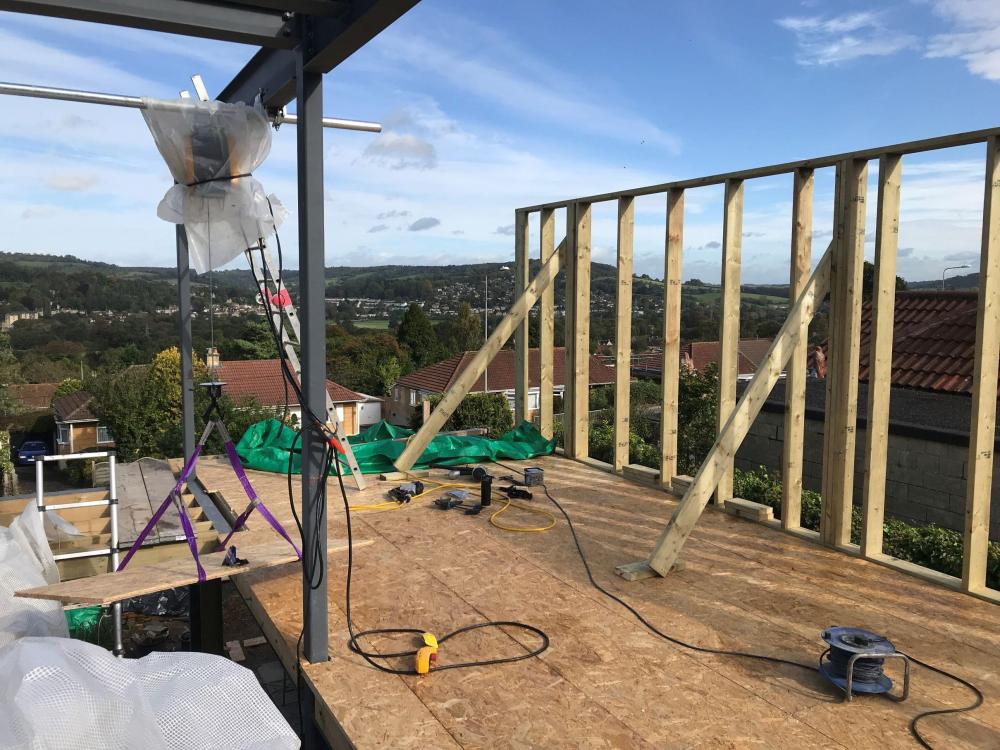
Make the stud wall on the floor without fixing the osb. Then lift in place. All you need to start are some braces to keep the wall upright. Then once upright can you brace for square, straight and plumb. My advice is build the whole stud wall structure without the osb, that way it's easy to attach temp bracing and only once all sections are in place can you take the brace off. Start like this: To this: To this: To this: Then osb. All one man job (with 16 year old nephew to help get the glulams from the driveway... 😉 Then use nails for the stud walls.
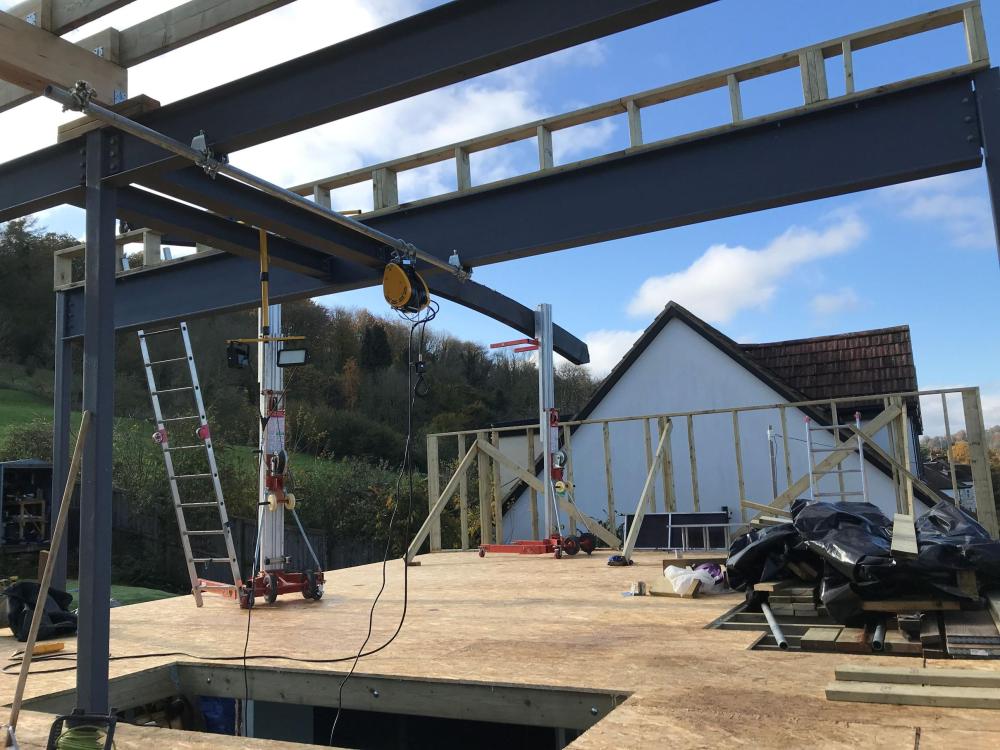
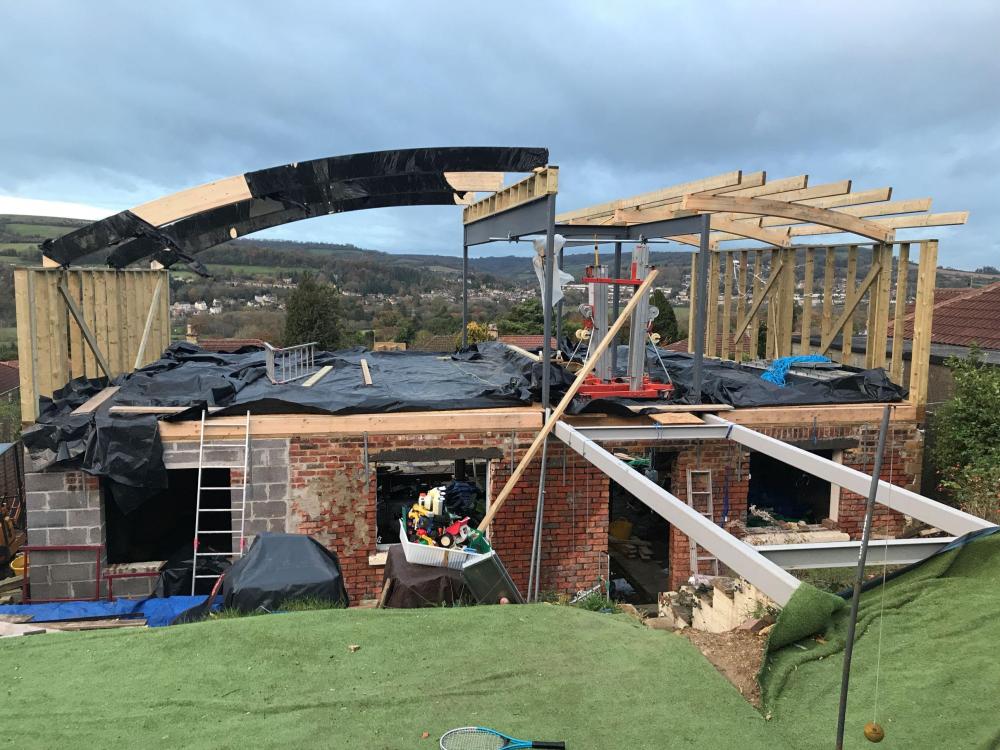
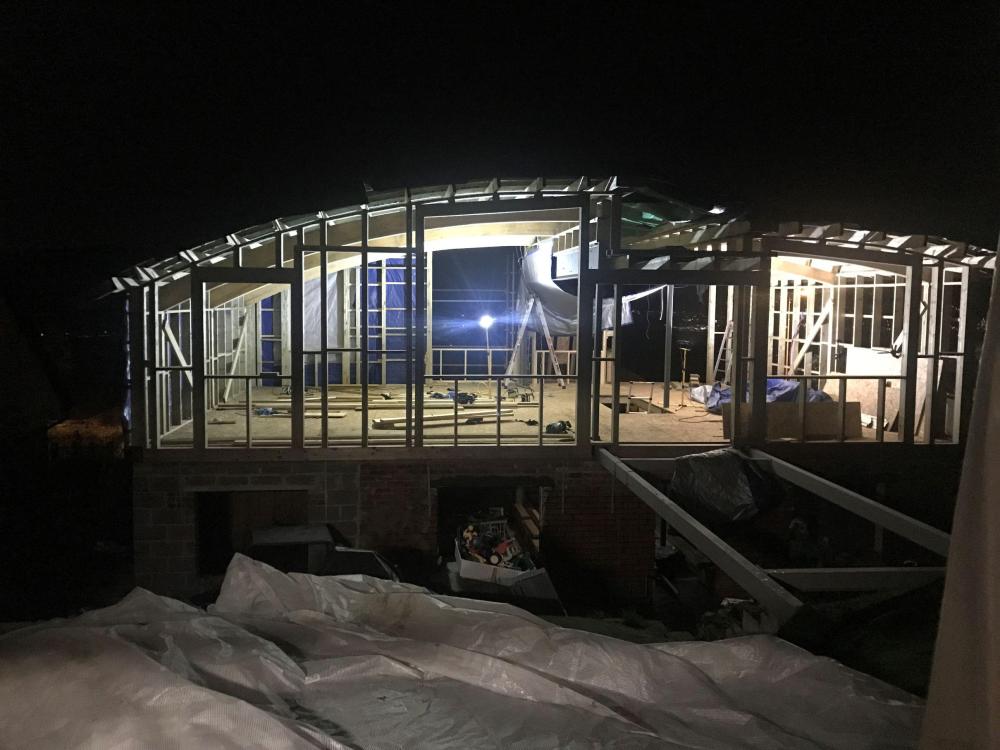
-
No, they work 😉, with just plain old plasterboardand even better double plaster board and even on internal timber cladding. You just need to have a decent cavity behind the plasterboard to get the fixings in. This is partly why to toggle clamps are great as they need less room behind the plasterboard but also you can remove the screw, or bolt (because they come in different thread sizes) and the fixing stays in place.
-
I don't trust those. These are much, much better: https://www.tcfixings.co.uk/category/toggler-snaptoggle-plasterboard-anchors/1001 which I use to fix radiators to plasterboard. Or, I use these to fix towel rads to plasterboard (because they get pulled about with towels etc. which are solid as: https://www.geefix.com/
-
My wife is constantly asking for a worktop that actually stands up to use and abuse without staining and deterioration and looks nice - noen of the ones we've had so far stand up to her test. I keep on telling her that the only way to got is stainless steel (barring a bit of scratching over time which I think is just natural patina). One, day I'll get my way, I'm sure. I miss stainless worktops. In the last place I did get some stainless faced drawer fronts that were really nice with oak.
-
You highlight the biggest problem with combi boilers - and long runs from the combi. I always ask my customers who are considering a combi whether their use of water involves frequent small draw offs and in those cases, it's always more efficient to have a cylinder, or some kind of small hot water storage. Some combis with preheat help, but not by much.
-
Do we need a pronoun signature, I wonder? If we did, mine would definitely be 'it' 😉 I'll go back to my cave so as not to cause further offense.
-
This is a ridiculous idea, don't even go down that route. It's never as simple as people think to 'just' run a new gas pipe and then re-plumb the system for the 2 boilers.
-
I've used the Heat Engineer calculator once for a new installation and don't recall there being any input for connections, but that was about a year ago now. I'm not a fan of the software - I did all my calculations for the system and then after a couple of weeks it all disappeared from my account with no records available. Won't be using it again as I also didn't receive any reply from one of my support messages which was actually about why my payment wasn't going through when i was trying to set up a subscription! I prefer my own spreadsheet which not only has a rough calculation section for strawman design which is surprisingly accurate, but I have complete control of every input I want and can really play around with it as I wish.
-
Gas pipes need to be buried to at least 450mm under a driveway with light vehicular traffic. If you can't reach that depth then you need mechanical protection, like a concrete slab at least 100mm above the pipe. If you've got heavy vehicles, then you may need more depth, like 600mm. The pipework should be bedded in sand.
-
The multiplication factors for rad outputs and connections are: TBSE 1.00 TBOE 1.05 BOE 0.96 You're fine with TBSE
-
It depends on where you are and who you choose. We're not a million miles away but we are caught by the Bath premium (i.e. a license for all trades and professionals to bump their prices up anywhere between 20% and 300% or more depending on how much money they think you've got, which is always loads if you live in a particular group of post codes, not to mention a Georgian townhouse). All our architect fee proposals came in at about £8k to £11k to take us to design and planning, not including building regs/construction drawings or SE design. But this was way before Covid, so no idea where the fees might have got to since then. The only percentage fee we got was for a ridiculous 7% of build cost all in full services throughout but specified number of site visits. Best thing to do is get a few in to submit proposals for your project.
-
I'll ask her about it when I see her in a couple of weeks and see what she says. From talking to her before, it's getting the pigments right that is challenging, but she' been making her own paints for years so has learned that dark art well.
-
And if you can, get double dipped. Single dipped has a matter finish and double a slightly shinier finish and worth the few extra pennies. I also suspect that the stainless is 304 rather than 316, which is usually recommnded for exterior applications: https://www.thyssenkrupp-materials.co.uk/the-difference-between-stainless-steel-304-and-316.html
-
I really like clay plaster https://clay-works.com/gallery_category/residential/ I haven't got to use it in this project after finding out how much it costs and then having to use one of their approved plasterers. My mum made her own plaster and also pigmented it herself for her renovation project and it looks amazing - I don't have the time to even contemplate this though. So....I've gone for a half way house. Gypsum plaster finished with clay paint.
-
My wife has decided she doesn't like the finish of wood wool boards. Our plasterer hasn't plastered or come across wood wool boards before. Heraklith says in its website that the boards can be plastered, but I can't find out more details. I'm not inclined to go down the route of lime like so many others as their process is like a full thin coat render with mesh etc. Has anyone here plastered wood wool boards and know the process using standard gypsum? Is it maybe easiest to overboard with 9mm plasterboard and skim?