Adsibob
-
Posts
3609 -
Joined
-
Last visited
-
Days Won
10
Everything posted by Adsibob
-
 Well this quite makes the point that fire regs in this country have got a bit over the top. This isn’t even a new build, it’s a renovation/rear extension and loft conversion. I think because we are adding a floor, and that floor has bedrooms on it, the whole stairwell needs protection from fire. As part of the ground floor is open plan, and there wasn’t an easy way of dividing the exit route that runs from the stairwell to the front door, from the rest of the open plan area, we are being required to fit sprinklers. A fire curtain might have worked, but we have several design features that make that very difficult, so in the end we had to get sprinklers. Seems very silly to me.
 -
Pros and cons of upstands on worktops
Adsibob replied to Adsibob's topic in Kitchen Units & Worktops
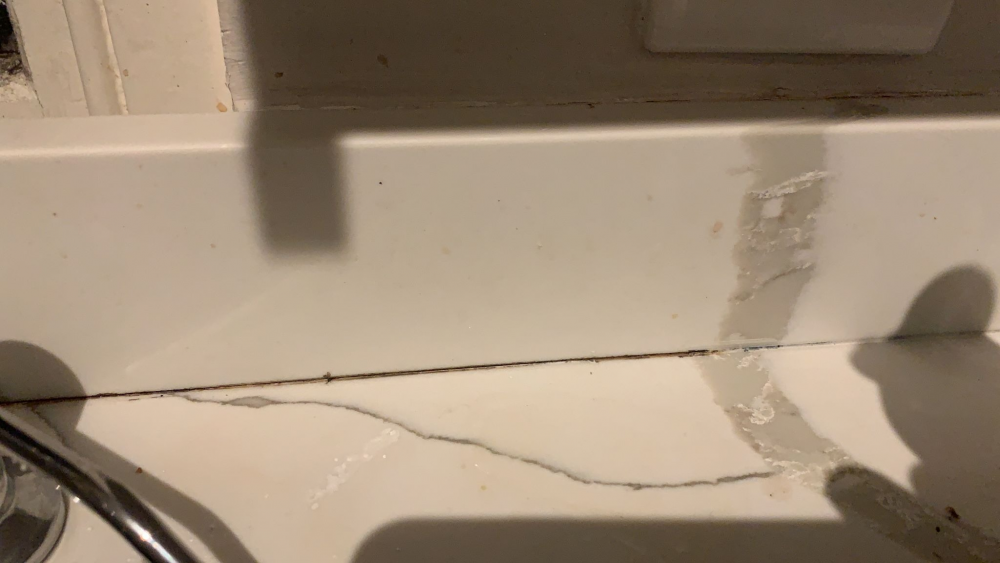
So just had a closer look and it is possible there is a bit of sealant missing. That, and the comments above have persuaded me to get an upstand after all. As it's a rental place that we're renting off a relative for a very reduced price, I'm going to try to fix it. Before I re-seal it, I should try and clean out the muck with a more aggressive approach. Anyone have any ideas? Should i make a baking soda paste and leave it overnight and then rake out the muck with something sharp? Any ideas? -
Pros and cons of upstands on worktops
Adsibob replied to Adsibob's topic in Kitchen Units & Worktops
I agree, but we can easily dry that I think. It will all be water tight, so it will just pool on the window sill which is made of worktop. Maybe I should rephrase my question: with regular proper cleaning, is it possible to keep the join between a worktop and an upstand clean? -
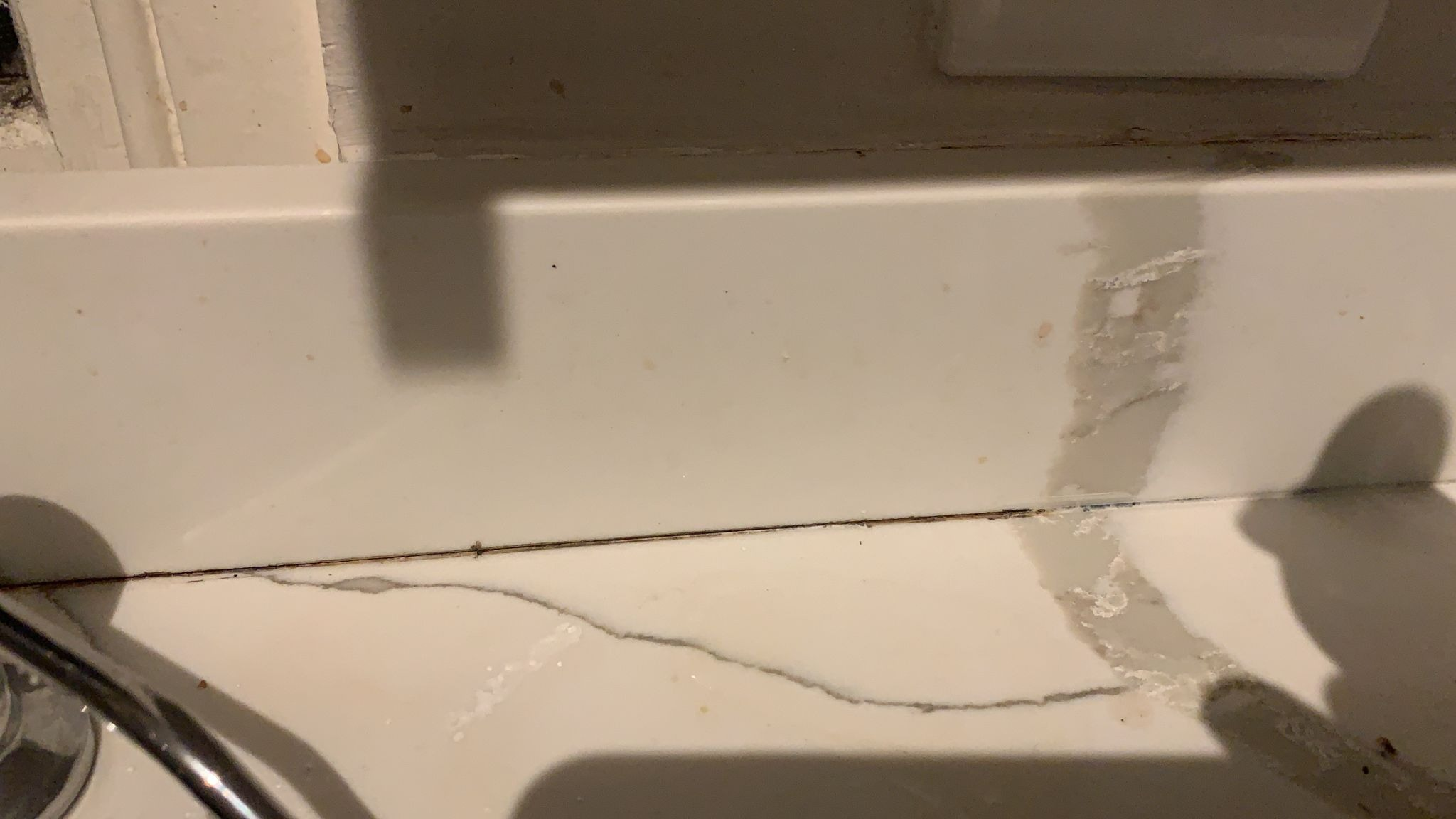
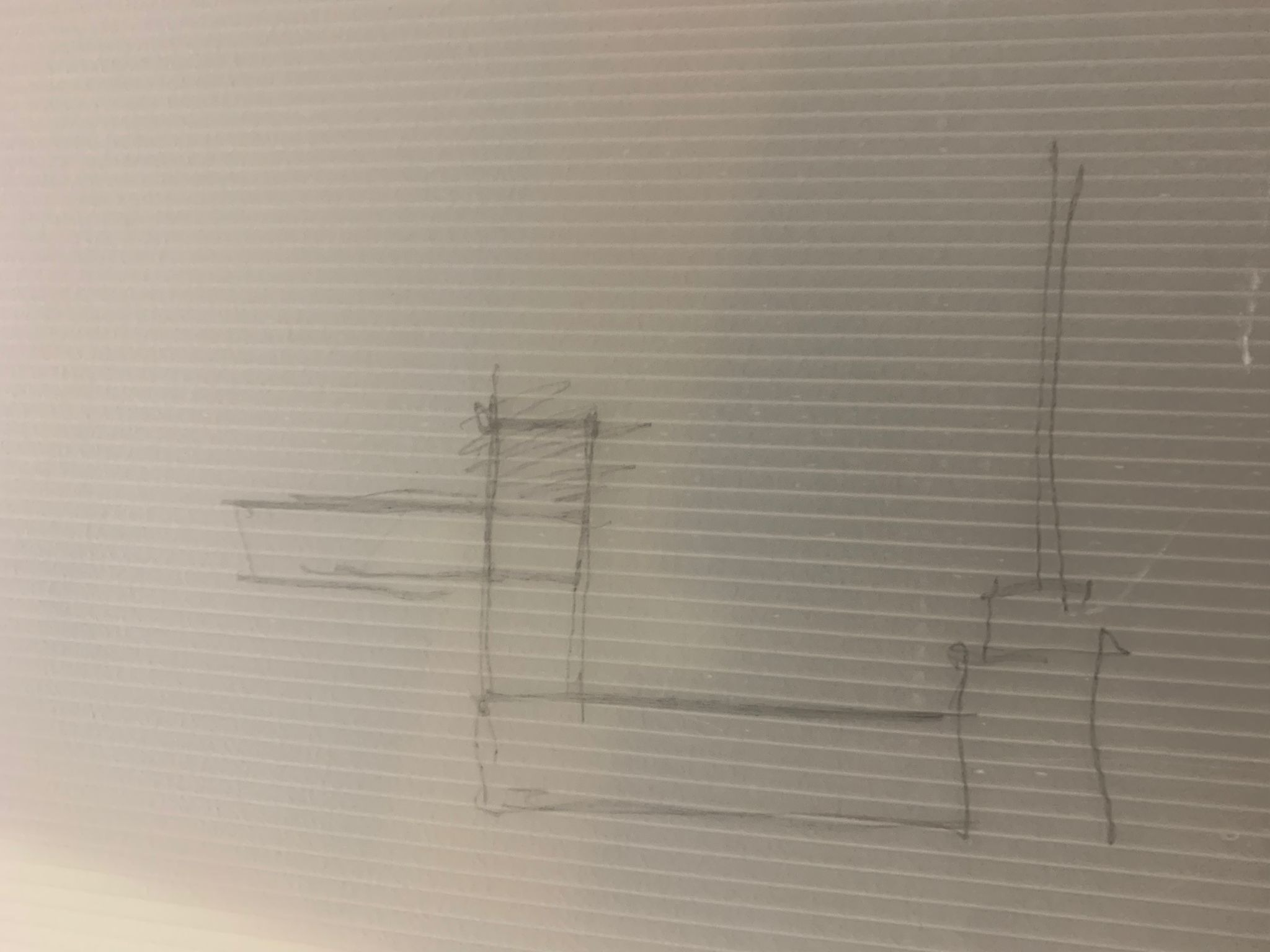
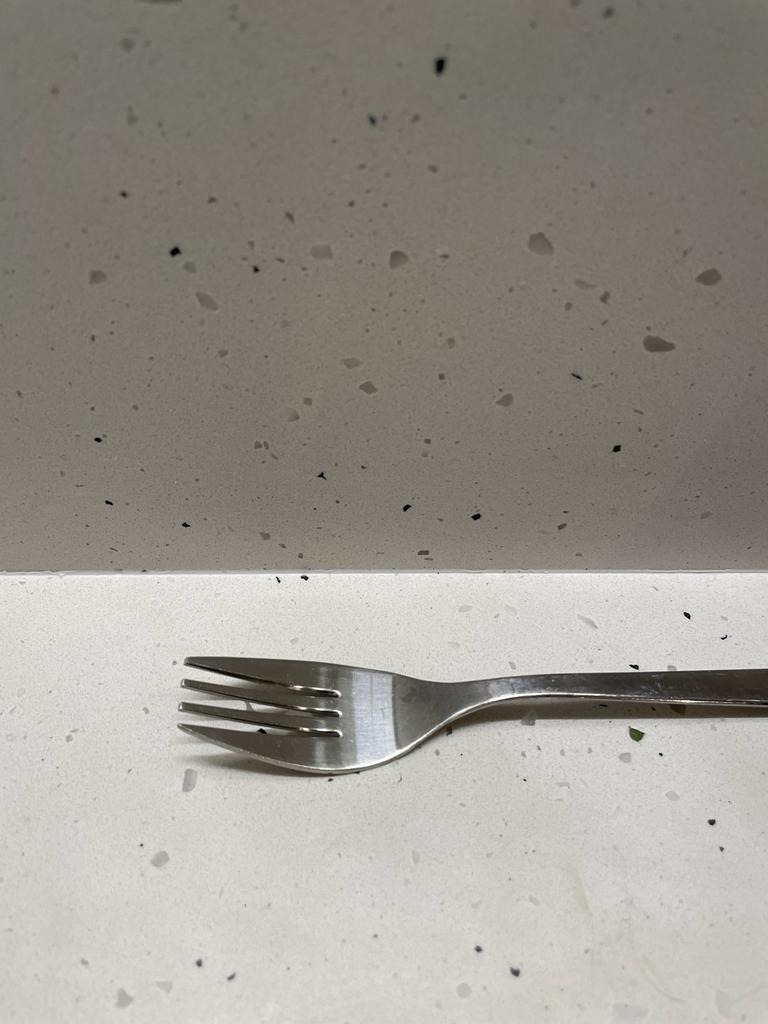
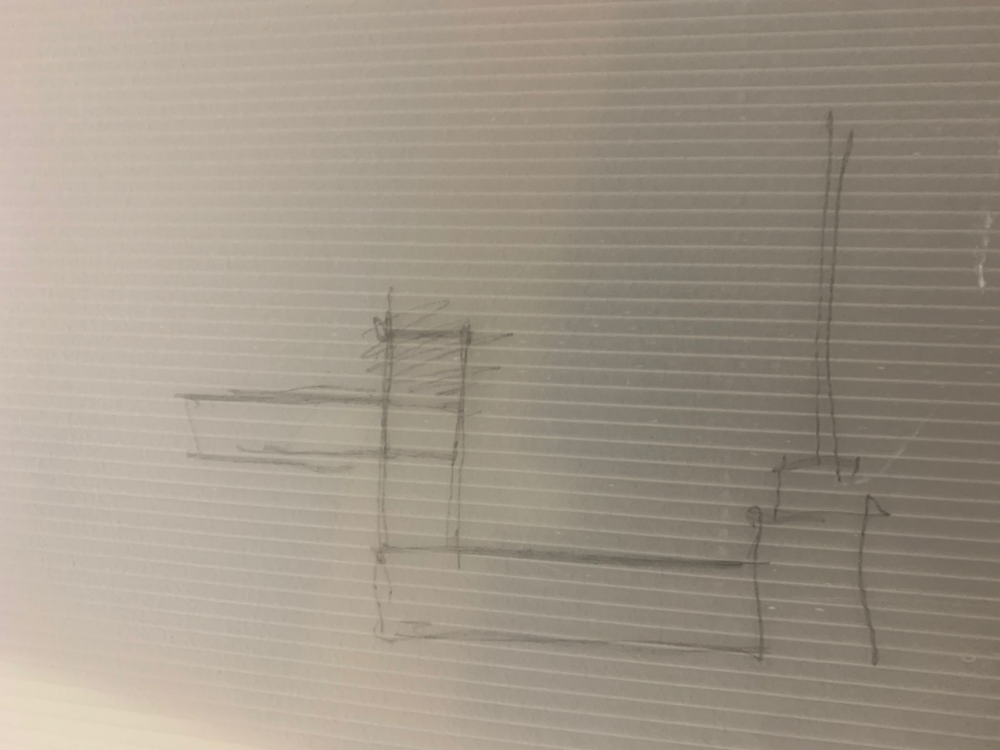
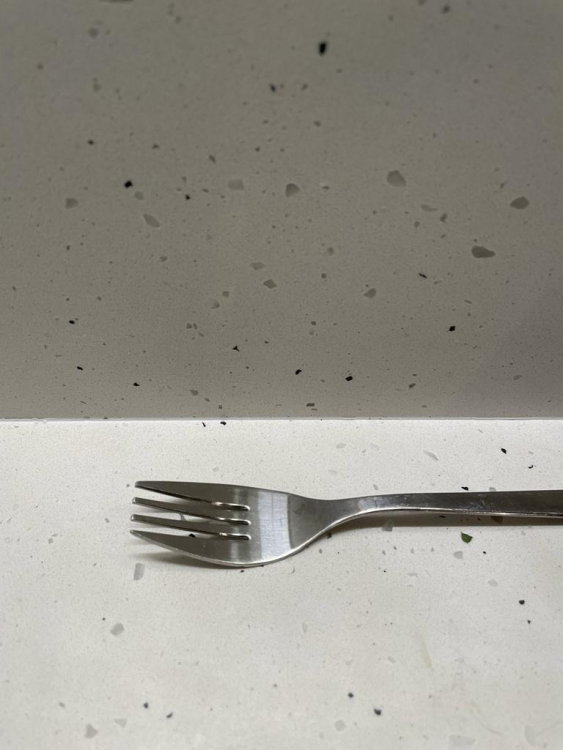
This is the upstand behind the kitchen sink in the place we are staying whilst our build is happening. It was installed about 15 months ago when the kitchen worktops were redone. (Ignore the white looking "stains", these are actually part of the worktop design.) That dark brown grime in the joint started to appear around 8 months ago, so the clean joint really didn't last long. I've tried cleaning it but very difficult to get into that corner without a sharp tool that might scratch other bits of the worktop/upstand. For these reasons, I decided to avoid having an upstand in our new place, particularly in front of the window where, like in the photo above, our kitchen sink will be sited. Today the templating took place and the worktop company and my architect were both pushing me to get an upstand fitted in between the kitchen sink and the window sill. The window sill will also be covered by worktop, but it is slightly stepped down from the worktop for reasons I won't go into. Putting a small 35mm upstand will help conceal that slight height difference, like shown on this cross section (with the window on the right): My question is: should I stick to my gut instinct and avoid an upstand so as to avoid the risk of a grimy joint in 6-12 months that I can never clean, or is that just bad luck/workmanship that can be avoided with a properly done joint? The stone company assure me their joint will look as shown below (fork optional), but my query is for how long?
-
It might be because the narrower your pipe spacing the more 180 degrees your pipe needs to go through to achieve serpentine which is the most common layout. Too many 180 degree turns could arguably affect flow. Whilst that can be mitigated by not laying serpentine, you would still have more distance to cover with your pipes, which might lead to unnecessarily long loops or excessive number of loops. Another possibility is that pipe has a limited turning radius. The pipe we laid under our screed had a minimum turning radius of about 80mm so the minimum spacing was 160mm. We ended up with softly more than this, I think around 170mm siding because my fitter was worried about kinking it if we went too close to the pipe’s limitation. Not moved in yet, but with the water running at 28C for the mo, screed already feels warm to the touch, so I guess it’s worked.
-
Thanks for everyone’s feedback. I will accept the quote.
-
If I had the time, maybe. I'm sure it's not that easy, and i don't mean to belittle the task, I just wasn't expecting the quote I got.
-
To me, it looks like a one day job. That's why the price surprised me. But I'm in London, which I guess raises the prices. Though I would be extremely surprised if my builder is paying his guys much more than £150 a day, if that. Only half of them speak English.
-
I asked my builder to install cornicing/coving in two rooms. He sent me a contract variation notice where he is proposing to charge £15 plus VAT per metre for a small/medium coving (projection 120mm drop of 90mm) and £18 per metre plus VAT for a larger one (a projection of 190mm and a drop of 100mm). I am supplying the coving, he would just be cutting it, supplying adhesive and installing it. These prices seem a bit high to me, but I have no basis for saying that really, just gut instinct that given the room shapes are very regular and all tools (including a mitre block) are already on site, it just seems a bit high. Thoughts? For reference, the smaller coving is going in a room that has a perimter of about 14.5m and the larger coving is going in a room that has a perimenter of about 18m, and the coving in both cases is made of real gypsum, not the lightweight plastic.
-
Didn't quite make the in for Christmas thread!
Adsibob replied to Hopeful's topic in General Self Build & DIY Discussion
It gets worse. Today I received this email from a very small workshop I have contracted to do all our joinery, having paid a substantial cash deposit to them last month: Just to update you following your email, unfortunately [name of master joiner whom I contracted withas sole trader] has had a stroke whilst abroad and is currently in hospital over there. We are trying to keep things moving in his absence but have no idea when he will be back, if you can send over as much information as you can and some timescales we will look at our production schedule and capability and we can go from there. Assuming this is genuine, I really feel for him. He's relative young (about 50) and appeared to be of normal weight, so a stroke seems a little surprising but I assume he is being honest. I doubt we will be in for months now. -
Didn't quite make the in for Christmas thread!
Adsibob replied to Hopeful's topic in General Self Build & DIY Discussion
Our project started 13 months ago. It was meant to finish by Aug last year. We still have at least 2.5 months, probably more. Bloody ridiculous scheduling by my builder. Has we been in by Xmas, he would have only been 50% over his original timetable. I would have accepted that. At this rate, he will end up being about 100% over. -
Soundproofing 1930s semi after neighbour's extension
Adsibob replied to JMPS's topic in Sound Insulation
Shame you didn’t soundproof the party wall at the time you extended. -
Hmm, conflicting views expressed on this thread. Not really sure what to think. Whilst what @markc says sounds plausible, as soon as I analyse it further it can’t be right. Worktops are never given an opportunity to aclimatise, regardless of the humidity in the kitchen they are being installed in. The worktop company install the worktop on the same day that they bring it to the property, and I’m fairly sure that happens around the world in all sorts of humidity. I would also like to think that given I’ve paid CVC over £10k to supply, design and install my MVHR they would have pointed out this was an issue. I will give them a call in the morning to ask them, but I suspect I will do everything except the wood flooring, then turn the MVHR on for 48h then install the wood. Query whether this issue also affects the Topcrete poured floor we are having?
-
Interesting… I see you and @JohnMo disagree on this. I will wait for a few more to join in. My concern wasn’t just the filters but also the ducts.
-
Thanks @JohnMo. Are there any down sides of epoxy coating? We have one room where we are sticking engineered herringbone directly onto screed that was poured almost 4 months ago. So as it’s only one room, it will hopefully not be expensive to expoxy coat it, though something else I haven’t budgeted for. Any other downside apart from cost.
-
Our MVHR was put in a while back, but it has not been commissioned yet because the house is still very dusty and dirty, with quite a bit still to do. We have two rooms still to plasterboard and all of the ground floor and master bedroom to plaster. Most of the house still needs to be painted and then the flooring will go down, with some rooms having Pergo laminate and other rooms having engineered oak. Both the laminate and the engineered oak say that the product should be allowed to aclimatise for at least 24h before installation. It has been in the house for a few weeks already, but with the MVHR off, the humidity must be 70% or 75% at least. The current plan is to commission the MVHR after the flooring goes down. But this was driven by a desire to avoid clogging up the MVHR with dust. I’m now wondering whether MVHR will cause the humidity to drop fairly dramatically by 15% or more, and if that happens after the flooring has been installed, couldn’t it cause the flooring to buckle/fail? Should I reschedule things so that cleaning happens earlier so that we can commission the MVHR and then install the flooring?
-
Bean to Cup Espresso machine recomendations please
Adsibob replied to dnb's topic in Kitchen & Household Appliances
Plus 0.5 for the Delonghi Magnifica. We’ve had ours since 2013. About 3 years ago it broke and we paid about £160 for Delonghi to fix it and service it. They replaced the infuser and got it working again. They were also meant to clean it al but didn’t, so we complained and got most of our £160 back, which meant that they effectively fixed it for free. That is not the reason why I’m not fully recommending it. We are generally happy with it and we use it a lot (at least 6 cups a day), but I think there is one compromise and one drawback. The compromise between the Magnifica and the slightly better bean to cup machines is that although it does yield a good crema and makes reasonable coffee, it’s just no real comparison to a barrista made coffee. It just doesn’t have the pressure to be able to yield all the taste and punch a coffee bean has to offer. My parents use exactly the same beans that I do with a Rancilio (which I accept is not a bean to cup, it’s a proper espresso machine) and I am always impressed by how much fuller and more robust their coffee tastes, even though it is the same bean and the same amount of coffee. My mum, who is a little more sensitive to caffeine, had to switch down to single shots after using the Rancilio because it just delivered much more bang for the buck. The comparison to a Rancilio is probably not that apt (although you can get a fairly good deal at the moment if you pair with a separate grinder: https://www.coffeeitalia.co.uk/rancilio-silvia-v6-e-2020-last-edition-de-longhi-kg79.html), but the comparison to a Sage is. My understanding is that even the £600 Sages (not the entry level one but the next model up) pass the steam through the coffee with 15 bars of pressure, which means it will give a much more robust coffee. In turn, that means you can use less coffee than you would in a Delonghi Magnifica, which means the slight premium for a Sage over a Delonghi Magnifica will pay for itself within a few hundred coffees. The drawback is that it is quite difficult to clean. The inside of our Magnifica had some mould in it which we didn’t realise about for a while because it was so well hidden. But all coffee machines need regular cleaning, so maybe this isn’t such a drawback. Interested to read about the Prima Dona and the Melita, not brands I had come across, so will read up on them before our next purchase. -
Bean to Cup Espresso machine recomendations please
Adsibob replied to dnb's topic in Kitchen & Household Appliances
Bean to cup is definitely cheaper to run. I buy my beans in 5kg bags which I share with my parents, and at that size it works out about £13.60 a kilo for very high grade beans, like Monsoon Malabar that normally cost £19 a kilo. Bean to cup is also more environmentally friendly. -
Link?
-
We are having rounded edges, I think they are called pencil. Call me old fashioned, but I’ve always hated sharp angles in interiors and always will.
-
Can’t you just scrape the sealant off with a Stanley knife (or more sophisticated scraping tool) and then re-seal?
-
But where does the risk from chipping come from? Is it that if you have a heavy pan, and as you lift it out of the sink there is a risk you catch the edge of the worktop because of the negative reveal or hit the edge of the worktop with it? Because if that is really the only source of chips in this situation, then I'm not too concerned because the sink is nowhere near big enough to have anything larger in it than a tea mug or two, and in a contest between a tea mug and 30mm caesarstone, I'm hoping caesarstone wins.
-
HELP Vaillant Boiler not working - URGENT
Adsibob replied to Adsibob's topic in Boilers & Hot Water Tanks
lol. There is no deposit. The landlord is a relative! -
Soundproofing 1930s semi after neighbour's extension
Adsibob replied to JMPS's topic in Sound Insulation
Whether Part E applies to an extension is a little tricky. I had a quick look at the regs and found that it does apply if there has been "a material change of use" to a building, and that includes where: "the building, which contains at least one room for residential purposes, contains a greater or lesser number of such rooms than it did previously". So if they added a room to their house for residential purposes, then it would apply I think, at least to that additional room. But I suggest you go through that document with a fine tooth comb and checking each cross reference to the schedules until you understand the applicability properly. It is legal analysis, but can be done by anyone with patience and a desire to read the doc several times. Alternatively, pick the phone up to building control and ask them. You can do so anonymously so as not to stir sh!t... yet. It is possible to insulate a party wall very effectively against airborne sound. I've just done it along our party wall after being fed up of hearing my neighbours so much. It just requires sacrificing some of your room space. What are the dimensions of the room of your house which is affected. Can you post a sketch showing a layout. -
I've decided to get a narrower sink. It's a oblong shaped one that is only 160mm wide by 320 long, so will free up another 140mm of worktop space. Was half the price of the round sink as well!