Thorfun
-
Posts
4891 -
Joined
-
Last visited
-
Days Won
36
Everything posted by Thorfun
-
don't discount timber frame yet. try the other suppliers. it's interesting that you got the Fleming to design the house. I guess that makes sense if you only have the one TF supplier in mind but most people, myself included, got a house designed by architect/architectural technician etc and then pimped those plans out to various TF companies to get quotes for the design. seems a bit strange to get different designs by different TF suppliers.
-
thanks to this thread we are now aware of wall panels! not something we'd considered before but they are now definitely on our radar so thanks to those who have recommended them. ?
-
welcome. the beauty of self-building is you can build a Victorian or Edwardian or contemporary modern or whatever you want (subject to planning of course) and still make it an 'eco' home. build it with lots of insulation and airtight and then put whatever century/decade of design you want on the outside. 'eco' homes don't need to be modern looking.
-
Capital Gains on self build value increase
Thorfun replied to puntloos's topic in General Self Build & DIY Discussion
a house is a house regardless of what you do to it. if you extend it, rebuild it, redecorate it etc, as far as I know (although I am not a tax advisor!) it doesn't matter at all. I also believe that you can own a primary residence and also rent another property so I don't see any reason why you cannot have the house as a primary residence and still not be living there. although other more knowledgeable people might know better. I presume you're paying council tax on the property? so unless you've got a reduction for non-occupation on the council tax that seems to me to be a sure sign that it is a residence and is being 'lived in'. I think maybe you should speak to your solicitor who did the conveyancing for you (assuming you're still on good terms with them) and ask them. they might say they can't give tax advice but I know that my solicitor who I've had a lifetime of dealing with would just tell me how it is. -
another +1 for Latzel here. I ordered 7 rolls of Intello Plus and a load of tape at about 3pm on Christmas Eve and it arrived today! when you consider how many bank holidays we've had since Christmas Eve I am extremely impressed with this service. And DPD made it really easy with the import duty as well. Although it all came through as 3 separate packages and 3 import duty payments so I guess I paid the £5 admin charge on all 3 transactions. but a small price to pay when you consider how much was saved by ordering from Latzel. out of interest, does anyone know if we can claim the import duty charges back as part of the VAT reclaim?
-
Capital Gains on self build value increase
Thorfun replied to puntloos's topic in General Self Build & DIY Discussion
surely if the house is your primary residence (which I assume it is seeing as you were renting when purchased) then there is no CGT to pay regardless of which scenario you choose even if you're renting? -
Battening for Vertical Timber Cladding - Tips, Hints and FAQs
Thorfun replied to Thorfun's topic in General Joinery
just as a quick update here's a photo of some more of our battening. again, comments and criticisms are very welcome. it might be too late for me but for others reading at a later date my mistakes might stop them from making the same! also wanted to thanks @JamesP again for the spacer tip. it makes it so much easier and it my number one top tip received for battening. ?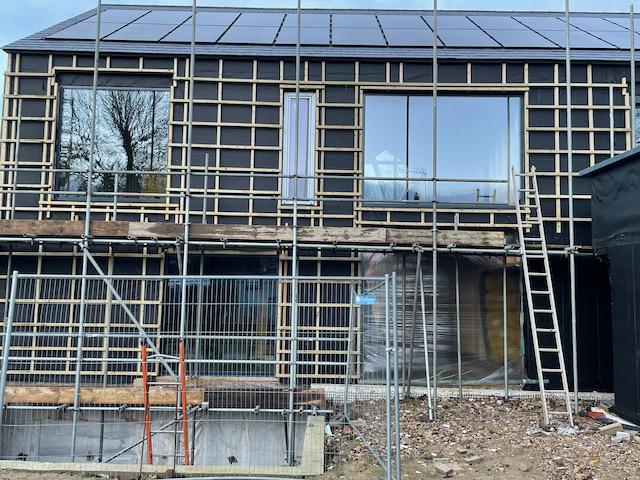
-
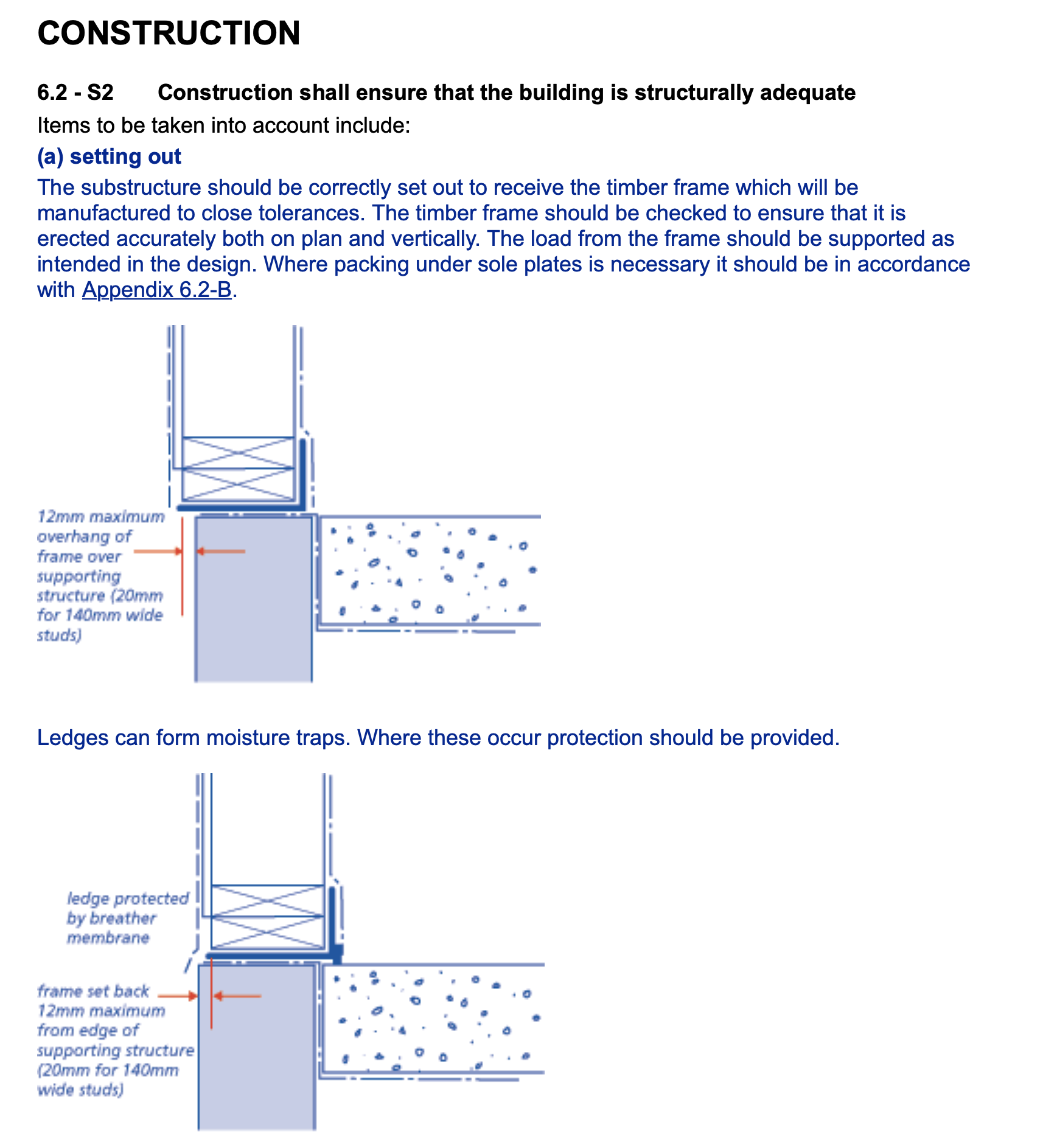
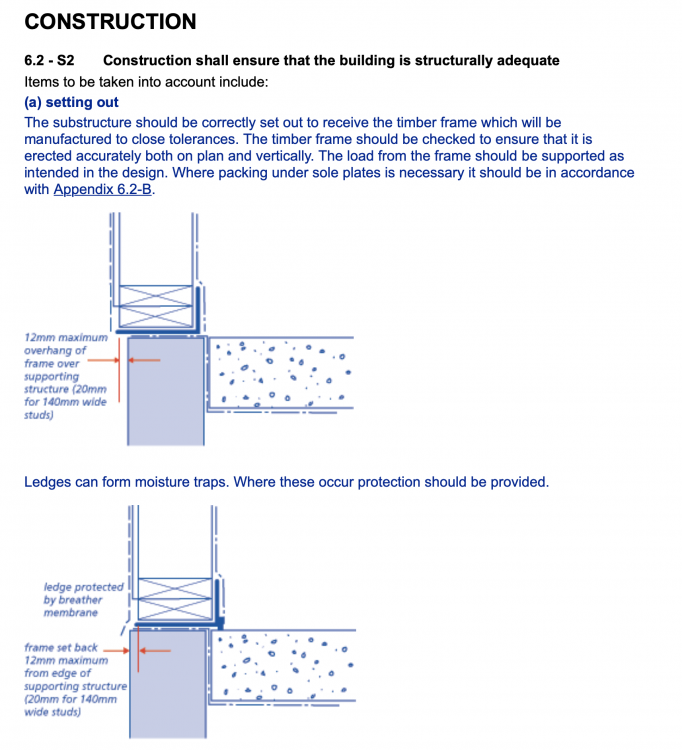
just for completeness I have decided to fold it up and staple it to the sole plate as shown in this diagram from NHBC: not sure if it's 100% necessary but it won't do any harm if I do!
-
just another question on this topic...ish. I have a DPC below the sole plate that is hanging over the inside by quite a bit. can this simply be trimmed back to the sole plate/internal edge of the TF or is an overhang a necessary requirement?
-
yeah, we've had this conversation before which is why I'm planning on bringing the external insulation from the basement up to the sole plate level on the outside
-
whoops. apologies, the Thermal Conductivity of the 7.3N blocks is 0.19W/mK. still, not bad when compared to a dense concrete block of between 0.7 - 1.3W/mK according to this website https://knowledge.specifiedby.com/blocks-blockwork/
-
I guess the only downside would be cost as the 80mm PIR is more expensive than a thinner upstand. But as our ceiling height is 2.6m downstairs I need off-cuts anyway.
-
yes, TF sitting above a basement. The sole plate is sitting on coursing blocks which have a reasonable lamda value 0.11W/mK (https://tarmac.com/products/blocks/toplite-coursing-bricks/#applications) so should help in reducing the thermal bridge. so there’s no ‘issues’ in running the PIR all the below the sole plate? It’s not detrimental in any way? I have already run airtight membrane from basement as a Tony Tray around the block and beam which will join the AVCL on the ground floor which will sit in front of the PIR. another reason for running the PIR all the way down as I can just carry the basement Tony tray straight up.
-
So if I do need an upstand would if not be easier to just run the internal PIR down to the block and beam? Then I can run the floor insulation to butt up to it?
-
Yeah, I think I see what you mean but I was planning on adding some insulation externally to cover the sole plate which would mitigate that cold bridge.
-
Does that mean it has to be dead on accurate though? And I guess I’ll still need an upstand for the outside of the screed?
-
I guess the other option is to do the UFH and screed before we install the PIR? but then we'd need an upstand of insulation around the screed anyway so by running the PIR to the block and beam means we won't need to do the insulated upstand?
-
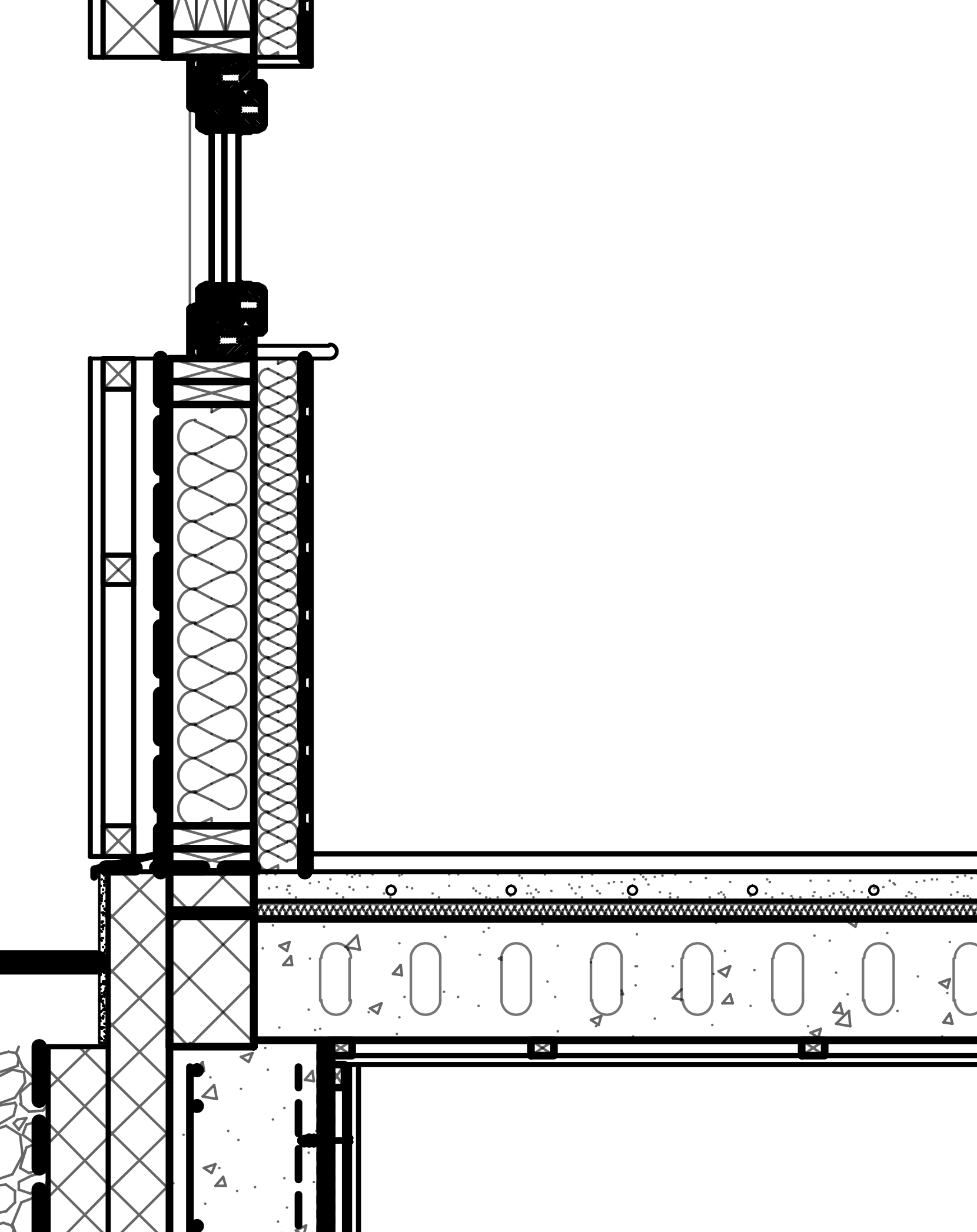
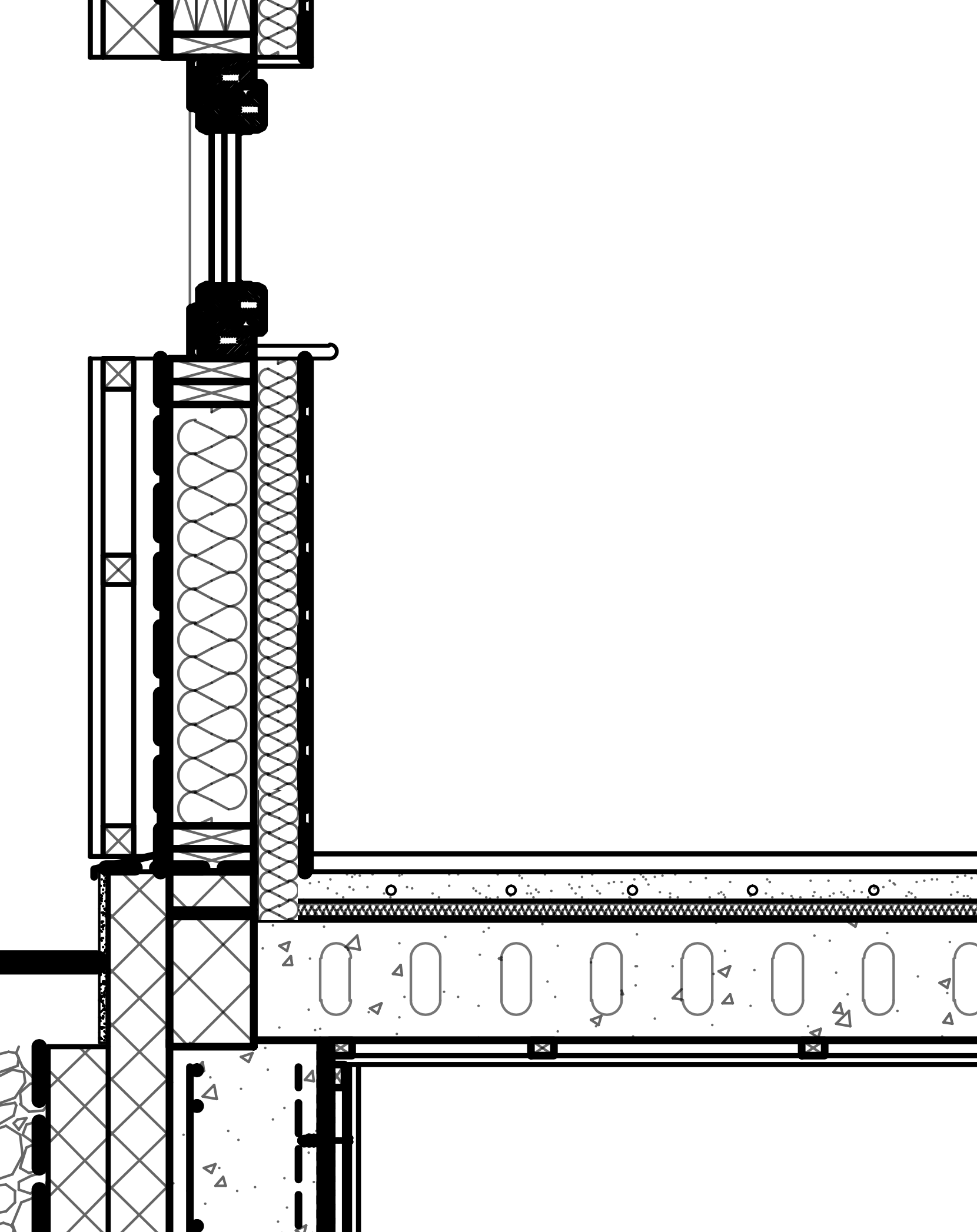
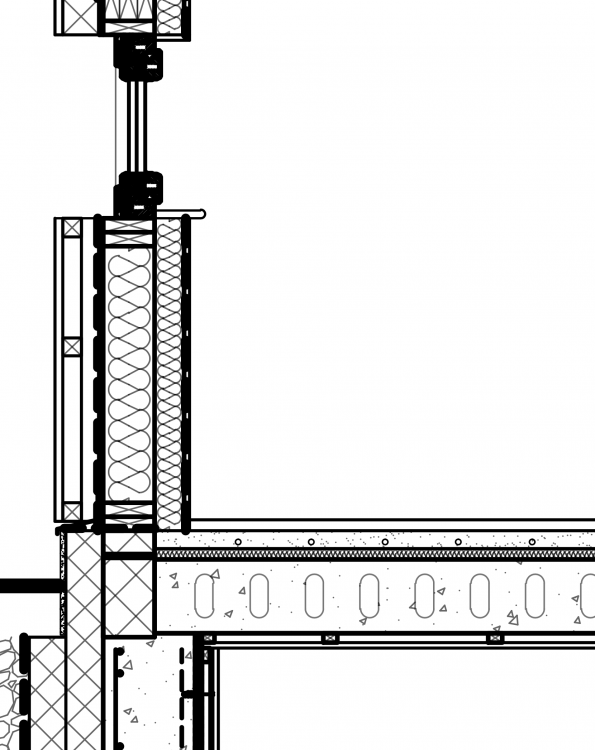
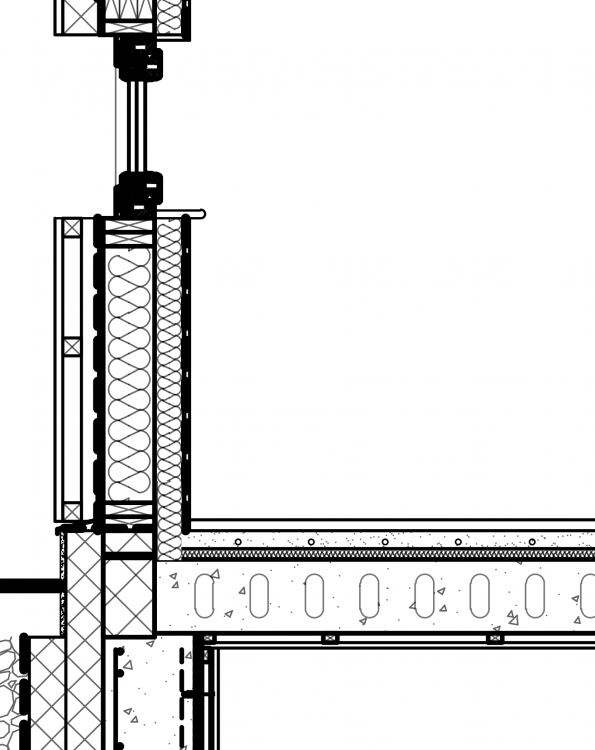
we're getting ready to fit the 80mm PIR internally to our timber frame stud work and I'm wondering how far down it should go? does it just go to the sole plate or can I just take it all the way down to the block and beam flooring? Here's a drawing from the architect and that shows it only going to the top of the slab which is the bottom of the sole plate. but doesn't this assume that the ufh and screed is already in place? as we haven't done the screed or ufh yet and the block and beam is still where the level is at can I simply take it all the way down to the B&B? e.g. and then simply run some DPM on top of the insulation under the screed and up the wall to protect the PIR from the screed? ps. I know the drawing shows hollow core planks, that what was originally planned but we changed it to B&B.
-
Protect VC Foil Ultra vs Pro Clima Intello Plus
Thorfun replied to Thorfun's topic in Heat Insulation
yep, although there are many other subjects that can/will cause sleepless nights. just put my tools down for the next 2 days. will be back on it again Monday! -
Protect VC Foil Ultra vs Pro Clima Intello Plus
Thorfun replied to Thorfun's topic in Heat Insulation
ahhhh...buggrit. I've just ordered the Intello Plus from Latzel and will send the Protect VC back. I'm 99.999% sure I've done the right thing! And as @SuperJohnG said it's a small percentage of the overall build cost and not much uplift over the Protect membrane when ordered from Germany. so no more sleepless nights for me on this subject I hope! ? -
Protect VC Foil Ultra vs Pro Clima Intello Plus
Thorfun replied to Thorfun's topic in Heat Insulation
so, I've run the numbers and using the reflective membrane it looks like my U-value will go from 0.129W/m2K to 0.125W/m2K. so even though it does make a difference I'm wondering if that U-value reduction is as important as the benefit the Intello gives with the variable vapour permeability? -
Protect VC Foil Ultra vs Pro Clima Intello Plus
Thorfun replied to Thorfun's topic in Heat Insulation
I agree about happy to spend the money, I mean, the VC Foil Ultra isn't cheap either! the techno-blurb on the ProClima website certainly sells the product well in allowing moisture in to the house in the summer to aid in the drying of the structure but how much of that is really required in a normal house? how much is marketing BS? these are the questions I just don't know the answer to. quotes like this from the ProClima website worry me as we have 2 green roofs: "The variability of the diffusion resistance of the high-performance INTELLO systems guarantees impressive protection against structural damage, even on demanding structures that are impermeable to diffusion to the outside such as steep roofs with sheet metal covering, roof linings with asphalt roof membranes, flat roofs and green roofs. " so are my green roofs going to rot and collapse if I use the Protect membrane and not the Intello? I doubt it but the evil marketing departments seem to love to tell you that bad stuff is going to happen if you don't buy and use their products! -
Protect VC Foil Ultra vs Pro Clima Intello Plus
Thorfun replied to Thorfun's topic in Heat Insulation
the timber frame company used the Protect Floor cassette membrane for our Tony Trays (https://glidevaleprotect.com/product/protect-fcm-750-vapour-open-air-barrier/). I've read your posts and blogs about your Barriair installation and it looks great and I've learnt a lot from that reading. that was a while ago now though so I think a revisit on that blog is required to refresh the old grey matter. I was thinking the reflective membrane might yield slightly better U-values than the Intello Plus but wonder/question the benefit of the variable vapour permeability of the Intello Plus. From my understanding it allows moisture back in to the building in the summer (I might be talking rubbish as usual here btw) but I don't see the benefit of that especially as our MVHR system has an enthalpy exchanger so will increase the humidity in the house if required. -
I've recently purchased some Protect VC Foil Ultra as my AVCL but am having a bit of a wobble and wondering if I should've gone for the Pro Clima Intello Plus instead! Anyone been through the same dilemma and would care to share their experiences and decision making process? Generally in life the more you pay for something the better it is (not always the way though) so my latest wobble is should I have gone for the really expensive stuff. I'm sure the Protect membrane is great but it seems that a lot of people are using the Intello Plus now so there must be a reason for it.
-
another Ubiquiti user here. ?