andyscotland
-
Posts
638 -
Joined
-
Last visited
-
Days Won
1
Everything posted by andyscotland
-
Scaffolding tent for temporary roofing
andyscotland replied to andyscotland's topic in General Self Build & DIY Discussion
Cromar reckon out of the tin it's OK down to 5°C. Cold for that today (nowhere near @ProDave's -7 thankfully, though low of -4 tonight) but looks like it will warm up again later in the week. If it's just under (say 3-4°C) towards the start/end of the day, I'm thinking that would be OK so long as the resin has been in the warm and I've a heat lamp gently warming the boards before I start / while it cures? Or is it crucial that the air temperature is also over the minimum? -
Scaffolding tent for temporary roofing
andyscotland replied to andyscotland's topic in General Self Build & DIY Discussion
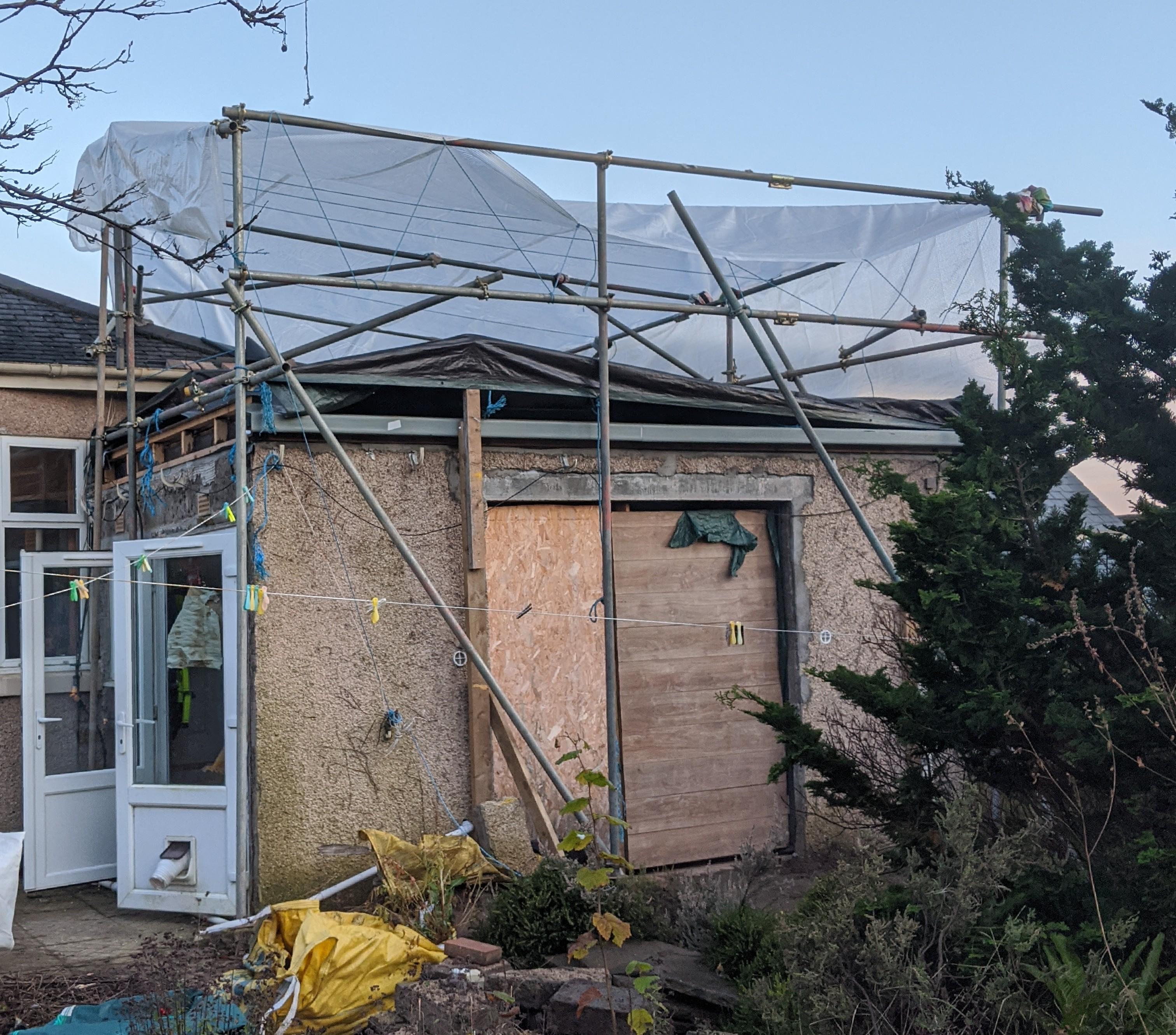
Well, it is up and the top on. The scaff structure feels very sturdy (I ordered a bunch of spare lengths and we added diagonal braces as we went till it all felt rigid). Only took two lengths of scaff across the top (with braces to centre span) before the sides felt rock solid. So decided to leave most of the rest off and support the tarp with rope along the lines of @Cpd suggestion. That's holding well, will add more to make it more of a web but ran out of time today. As per @Visti the cover is just sitting over it, tied off to the building rather than the scaff. Went with a big 8m x 10m sheet of clear mono cover tarp which appears to be much the same as the scaffold sheeting @Ed Davies recommended. Foolishly ordered the long sides to have the fewest pieces, had an entertaining time trying to juggle a couple of 21' horizontals and freestanding legs before they were clamped together. With hindsight should have done that as 8' lengths with couplers and built it a bay at a time... The wedge-joined-to-a-rectangle shape made it impossible to get the tarp totally taut as a single plane. So instead decided to tension it into natural sags that run downwards to the outside edges at front and back (like a poor man's butterfly roof) - had a bit of light rain today and it's run into the fold and out as expected. Still plenty of headroom under the droops to work. So far very little wind and the forecast for the next fortnight is fairly calm and light rain so hopefully it will hold up ok. Now just need to get the old tarps off the roof itself, will use them to enclose the sides against driving rain / splash from the tarp "gutters". As it's going to be pretty draughty up there my plan now is to borrow a couple of electric patio heaters to warm/dry the boards rather than trying to heat the surrounding air.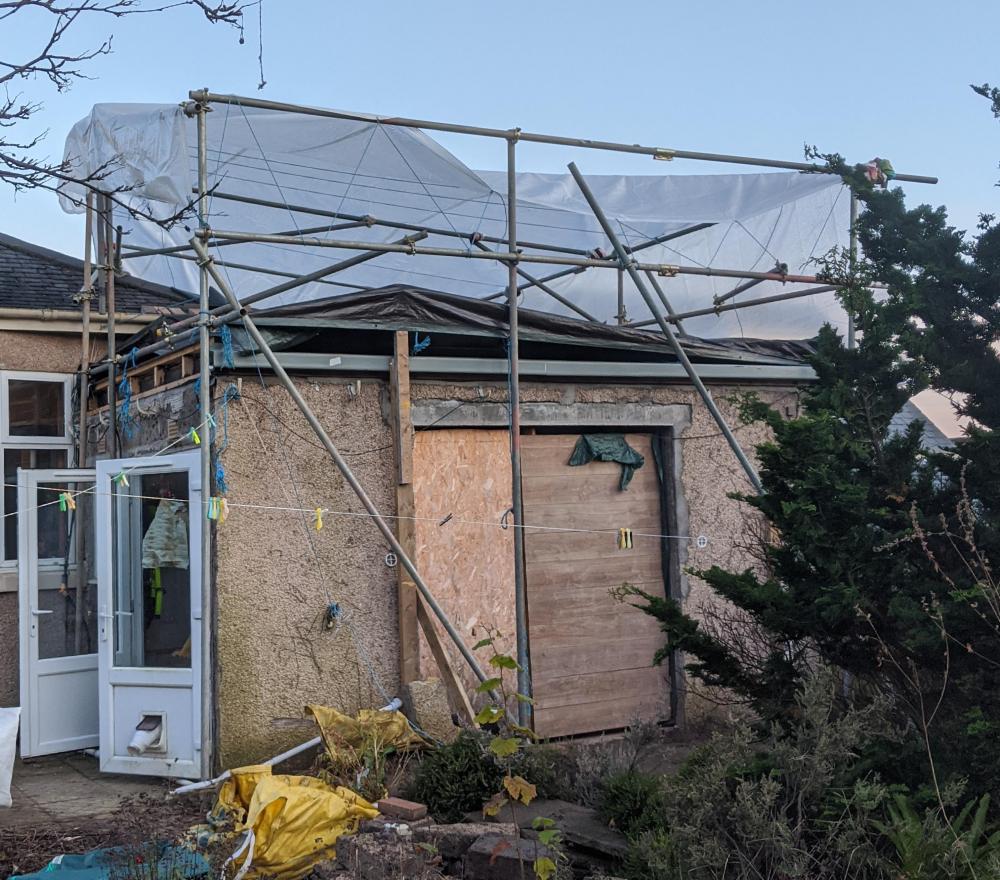
-
@zoothorn this site has loads of info on celotex prices and lots of other useful building related facts and figures, even on a Sunday https://lmgtfy.com/?q=celotex+prices
-
Scaffolding tent for temporary roofing
andyscotland replied to andyscotland's topic in General Self Build & DIY Discussion
@SteamyTea might make a boat and sail over the ocean and far away to the land where GRP cures ? ? Good thought tho, will consider it... -
Scaffolding tent for temporary roofing
andyscotland replied to andyscotland's topic in General Self Build & DIY Discussion
Thanks - could do but already have all the GRP materials on-site and not sure I'll be able to return/shift them so would be a fair bit of waste to switch now (plus would potentially need to go back over the section that's already done?) I did look at a couple of PU resins at the time - didn't see that one you linked but it says it's rain resistant "within two hours" so maybe not much better than what I have. http://www.ultra-flex.com/ looked more promising, moisture curing and instantly rain resistant but when I was researching it didn't appear to have a fire rating, which I need. All the ones I looked at were basically the same setup as GRP (resin, glass mat, resin) though some needed priming/had two coats of the same thing instead of separate base and topcoat/had thinner matting. But same general ballpark of an idea. -
Scaffolding tent for temporary roofing
andyscotland replied to andyscotland's topic in General Self Build & DIY Discussion
More brilliant tips, thanks folks. True, was just thinking wind loading may be primarily horizontal / upwards where heavier sheeting combined with the self-weight of the scaff would mean more need to brace / support against downward load. Very good thought, thanks. Immediate thought looking at your blog is I'd need to work out how to reliably support / lap / join the edges (or find it in more than a 2m width) but definitely looks a more robust option. That's actually not a bad point. Maybe I need to separate out my thinking on "protecting & covering it to let it dry out" (which the current tarps are kinda doing) from "covering the area we're working on till it's safe to get wet". That said have found in the sections we've done so far that although the main resin has cured pretty fast it's still been tacky and developed very thin milky surface patches where dew / raindrops have landed on it several hours later. Fine at this stage as that comes off with a very light sand, but want to be pretty sure the topcoat will stay dry till it's totally cured. Don't really want to do the topcoat in lots of little sections either, presume that might show up a bit... But definitely worth thinking about. -
Scaffolding tent for temporary roofing
andyscotland replied to andyscotland's topic in General Self Build & DIY Discussion
Yeah could cover pretty much anything with a lorry curtain I reckon, but a lot more engineering needed to support the curtain itself... -
Scaffolding tent for temporary roofing
andyscotland replied to andyscotland's topic in General Self Build & DIY Discussion
Hey, thanks so much everyone for the excellent comments. Might work if I buy it, not sure how a hire company would feel about that ? tbh gut feeling is I'd be a bit nervous about relying only on friction to hold the tube in the concrete if there was significant upwards wind load, suppose could faff about drilling some bolts or similar through the tube before casting to give more of a mechanical interlock. Thinking this (coupled with @Cpd below clamping into battens and then fixing the battens into something solid) is a better idea. I already have a fair few tie-off points from the current tarps and know that they're holding up OK to the wind. So potentially would fix tarp/sheeting into battens, drill holes into the ends of the battens and tie them off to the building as now - and not actually worry too much about restraining the scaffolding itself - so if the wind gets extreme the sheeting might rip off and fly away but the structure itself would then be unlikely to go anywhere... Brilliant tip on the twine, cheers. That's got me thinking potentially more tensioned rope/twine web and fewer horizontal members over the top (which I only really put there to support sheeting) - suspect I might get less deflection in a tight rope than from the self-weight of a long bit of scaff. With a rope web to shape the sheeting, could also possibly think more creatively about roof shape - either a gable with a steeper fall, or a surface that acts more to funnel water down to one corner / low spot on the basis it'll be easier to prevent / avoid ponding in one small spot than along all the edges of the frame. Was thinking perhaps KEE clamps rather than traditional scaff clamps around most of the top frame to minimise places the sheeting is stretched over bolts etc, and padding any unavoidable bolts with e.g. foam. The more I think about it, the more I think it's likely to be up a fortnight at the most - day to build it, perhaps a week to be sure the decking has completely dried and then (as there'll be no need to work round weather and daylight) at most 2 days to do the GRP and topcoat. But am thinking maybe I should still go tarp (which I have most of already) rather than clear plastic. Main reason for the plastic was to allow the sun to help heat it, and to have plenty of light for actually doing the GRP - but can solve both those other ways without too much cost. We did try drying - both slowly with fan heater under the tarp blowing over the boards, and rapidly with electric heat gun as we were preparing to work. Found the heat gun very slow going to get any sort of useful temperature, and I was a bit nervous of drying the surface but leaving moisture in the core. A blowtorch to the point of steaming would work better I'm sure, though would need to get one and would be a bit nervous of starting a fire. Also several of the damper areas are very close to the trims, and to some areas that are already bandaged : would be a bit nervous about how extreme heat would affect those? I think where I'm at now, if I knew I'd have 4-5 hour dry windows that'd be fine (and maybe I should get over myself and JFDI) but as I've twice now had rain come suddenly out of nowhere despite perfect forecast, it's feeling like every time I attempt it it's a day off work to go one step forward and two back. Just takes so long getting covers off, getting covers back on robustly, etc. -
Scaffolding tent for temporary roofing
andyscotland replied to andyscotland's topic in General Self Build & DIY Discussion
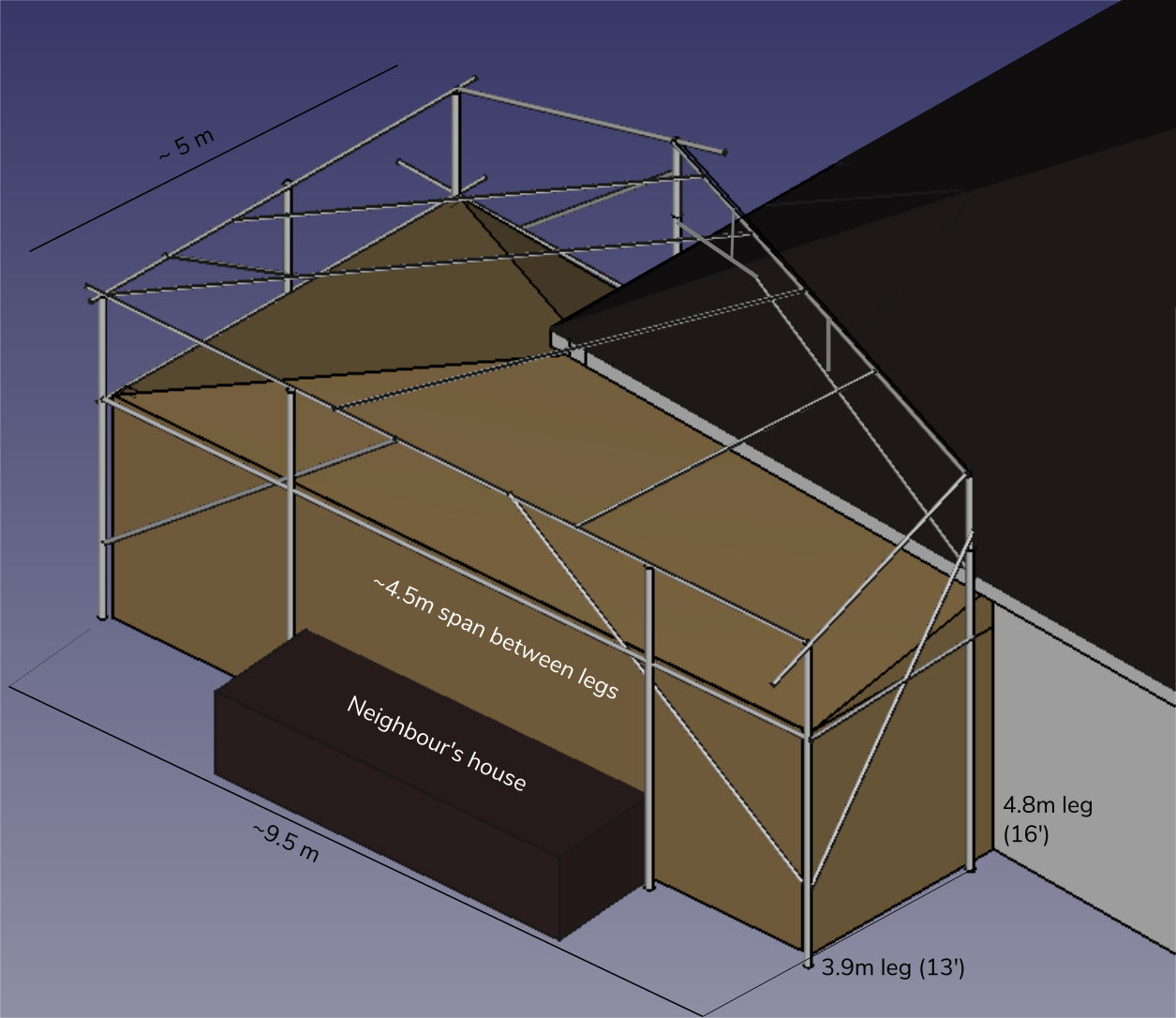
@Visti Hugely helpful, thanks. * Longest horizontal pole around then edges would be the 4.5m span over the neighbour, which I'd thought of supporting with the diagonal bracing though realise a truss would be a lot better if I can source. * Longest horizontal over the top is 4.8m and yes had been thinking that really would be pushing it without bracing/truss. * On current idea the fall would be about 12 degrees, 20ish % * Yes have been finding water pooling on the current tarps (which are only ~ a foot above the deck and supported on catenaries slung between a few timber blocks round the edges, had to get something up as a quick cover). Would expect to be up regularly pushing it out. * The join isn't actually to neighbours house but to their box gutter installed over the gap between the two of us when they did their extension and (by agreement) fixed to our wall. So no issue with our rainwater dropping down into that short term, they're happy with that. * Should clarify the area is sheltered immediately either side by the two houses (bit more than half a storey taller), less so front to back but the house over the road and trees at the bottom of our garden do seem to break the wind up a bit most of the time. Have had various combinations of breather membrane held down by timber / bricks just sitting on deck and draped over rooflight upstands, tarps floating over the top through a mix of tying off to sides and a few ropes underneath etc for more than a month now including through some reasonable storms and although it's got a bit flappy sometimes (and done a fair bit of damage to the tarps, on second set now) it's not seemed at risk of actually ripping eyelets out / ropes off fixings. Appreciate raising it further above the roof and putting sides on will increase wind exposure. I'm not entirely clear how polytunnel would hold up either, tho thinking a) it is designed to be stretched over a fairly open frame in a field for years so presumably fairly robust and b) if it was a bit weaker than tarp that wouldn't be a bad thing as would rather thin plastic ripped and flew away than the whole structure went with it if it got really wild? Was your £500 for the trussing supply only or did that include labour? How long did you have it / did you find it easy enough to source? -
Scaffolding tent for temporary roofing
andyscotland replied to andyscotland's topic in General Self Build & DIY Discussion
Absolutely - that's the bit I'm nervous about really. I don't think I can resign myself to not getting the roof finished this year : no chance the tarps currently on it will hold up that long, have essentially run out of anything useful indoors I can do till properly watertight and my mother in law is due to come and stay in it for a few weeks in Feb while she has her own building work done... ? -
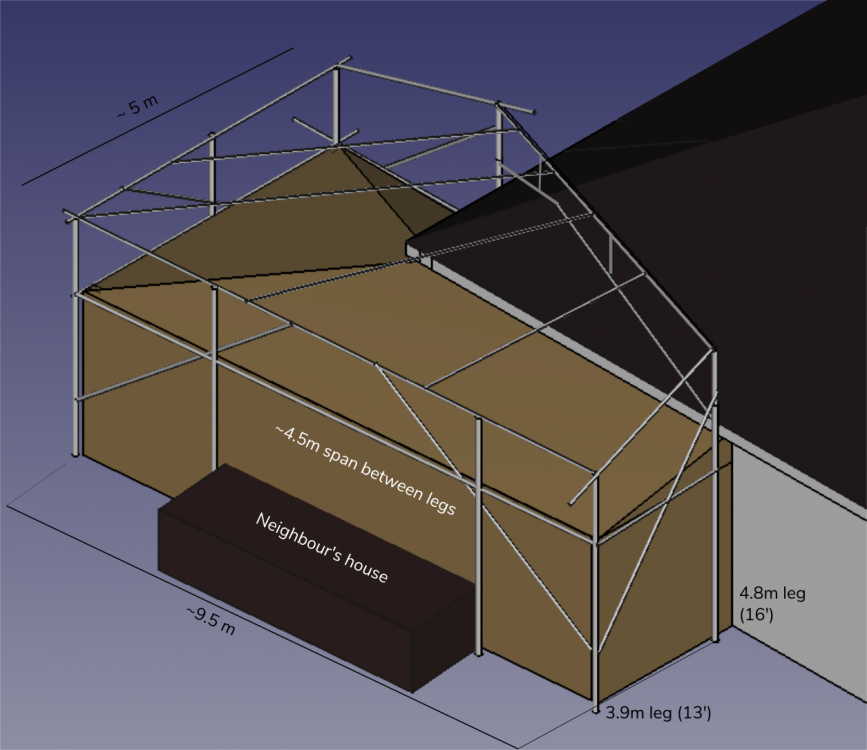
So, following the latest instalment in the ongoing saga of my GRP roof I've been thinking more about trying to enclose it in a temporary tent so it can dry / I can break the increasingly depressing dependency on the weather. The BBC reckon it's now going to rain here most days for at least the next fortnight, and it is getting progressively colder and darker. I'm aware there's loads of high-end temporary roof structure systems, but I'm not really up for getting a contractor / paying that kind of money. Just need to cover it for a fortnight or so so I can get this bit done then move on. My thinking is a fairly basic scaffolding tube structure, with a sheet of clear polytunnel plastic stretched over the top / sides, stapled to / clamped between lengths of scrap timber around the bottom edges. I can get the polytunnel sheet big enough to cover the whole thing in a single piece, and good thermal / sunlight properties. Here's a very rough mockup sketch of the idea. The garage is an L shape round the corner of the house, so one side of the structure would have to sail over the corner of our roof hip - probably with a bottom member resting on it on some foam / PIR offcuts to protect the slates. The legs would be secured to the building, possibly with scaffolding eyes, short tube, clamps, or possibly with eyebolts and rope / ratchet straps (depending on what I can cobble together easily). Have kept the outer legs to 3.9m to keep the wind-exposed faces smaller, would still have about 4 - 5 foot of head height inside the tent, enough to comfortably crawl about to work. The idea would be to get the bottom edges of the sheeting close enough to the walls / house roof that between a fan heater and solar gain I could get the temperature up a wee bit above ambient to help the decking dry, and subsequently to be a bit warmer for the actual GRP process. Thinking once I have the structure weatherproof I can afford to leave it a week (or more) till the boards are all properly bone dry and then do the laminating / topcoat when it suits rather than having to try and grab a weather window and hope it doesn't unexpectedly bucket down as it has half way through the last two "good weather days". Obviously scaffolding doesn't need to be loadbearing, tho don't want it to collapse under self-weight / any water that ponds on the sheeting (which it shouldn't do too badly if pulled tight). And equally obviously don't want it to blow away / covers to rip off in a storm and soak it all again. Have built quite a lot of basic scaff structures over the years, tho mostly indoors without need to worry about wind loading etc. Questions: Has the weather and frustration driven me stark raving mad? Any thoughts on strength / stability? Have found a couple of local companies that will dry-hire scaffold tube & clamps but only with a trade account which is proving a hurdle - anyone know of a supplier that will hire to self-builders (in or able to deliver to Central Scotland)? It's not a massive order, reckon 30ish lengths of varying lengths of barrel and a couple of crates of clamps. Or would I be better buying the tube and then selling it on second hand? Have found a few companies selling used tube online for not much less than brand new - anyone got tips for a firm that would buy it back after, or am I going to be sat with it on the drive till I find a private buyer (which would probably drive SWMBO even more round the bend than the current lack of roofing progress)? I know people here have had good results buying then selling e.g. Kwikstage, but that generally seems to be for longer periods - I will probably need it 3 weeks - a month at the outside - and from what I've found so far there's less of a market for traditional barrel. System scaffold I think less likely to work for me given the weird shape and some longer spans, but happy to be corrected.
-
Bubbles forming in GRP, can't get rid of them
andyscotland replied to andyscotland's topic in Flat Roofs
Brilliant, thanks. Will just cut away the spiky / big bubble bits and redo them then, and surface sand and acetone the rest to get the patches/next section/topcoat to bond. Yep, have already experienced the joy of itching from the GRP dust... Happy times ? -
@zoothorn fair enough, advice still stands though - don't rely on the builder having "had a word", make sure you & he have it in writing (fine to have a chat about options first, but once something is agreed get it documented) Anything that involves interpretation of the regs is something where you can be bitten if a different person from the council is involved at inspection/completion stage. And you do not want to create a place where there's room for the council to say no, the builder to say a he did it in good faith because his mate there told him it was ok, and you to be the one left with a building that needs major alterations and a problem trying to prove who's fault that is and who should be paying for it.
-
If there's going to be any heating at all in the workshop I would be very surprised if BC will sign it off with less than the minimum insulation, unless you can demonstrate by calculation that you've offset the heat loss elsewhere. And if they do, then the ceiling/floor between the workshop and upper room (which presumably will be heated) will definitely then need to be insulated as though it were an "external" floor. As you're on a Build Notice, if you're going to do anything other than standard you must put a proposal to the council and get them to confirm in writing that they'll accept it before you go any further. You do not want to have anything "might be BR allowed" and wait to the completion inspection to find it isn't - especially since you seem to be very tight for height tolerances so have very limited options if they later insist you improve the floor.
-
Bubbles forming in GRP, can't get rid of them
andyscotland replied to andyscotland's topic in Flat Roofs
Thanks @SteamyTea - here too. I felt like I had got a feel for it (and spotted the noise change) on the first section, but evidently not enough to not be thrown off by a small change. I have a small box gutter section (to bridge narrow gap between extension and next door) that I can do indoors in the meantime so will have a play with that. Meant to ask, assume the fix for the bubbly section is still going to be to sand the whole area we did yesterday back to the wood, when the weather improves? -
Bubbles forming in GRP, can't get rid of them
andyscotland replied to andyscotland's topic in Flat Roofs
@JSHarris @SteamyTea thank you! Yes the resin did seem a bit sticky and I twigged fairly quick that it was curing faster than previously. So we were rushing a bit. Potentially skimped below and started consolidating as the resin hardened but before the binder had properly broken down. More haste... ☹️ Really reassuring to have all your opinions that it's potentially not moisture. Now just have to hope the tarp keeps it dry till the next good weather day. Still going to keep thinking about a tent a little longer, could be a bit of cost but would save a lot of stress/hassle trying to fit round the weather and give a lot of confidence that I'll be able to finish it all properly... Have now had rain twice when the forecast said it would be dry (2% chance precipitation) and it takes such an age to get covers on and off properly that it is all really dragging out. -
Bubbles forming in GRP, can't get rid of them
andyscotland replied to andyscotland's topic in Flat Roofs
Actually that's possible - we were rushing a bit more than we should have been and maybe didn't wet the deck as much as we had previously. Would maybe also explain why the mat seemed to pull away from the deck in places as we rolled it? Have one of the fancy cure-it buckets marked with a square metres scale, been fairly careful about measuring/estimating the size of each area and keeping an eye on the bucket to make sure we're using roughly the right amount. Small bubbles at the overlap (and throughout) but the big ones all in the centre of the area. Thanks - yes I think good seal will be tricky to achieve at the edges. The tarp at the top edge needs to extend over the house roof (otherwise any drip will fall onto the new OSB deck) but that would mean trying to seal to slates.... Had a fan heater up there under the tarp for about 36 hours before we started work yesterday and that did seem to be helping. Maybe I was just too keen to try again and had only dried the surface and should have waited longer to get moisture out from lower down... -
Bubbles forming in GRP, can't get rid of them
andyscotland replied to andyscotland's topic in Flat Roofs
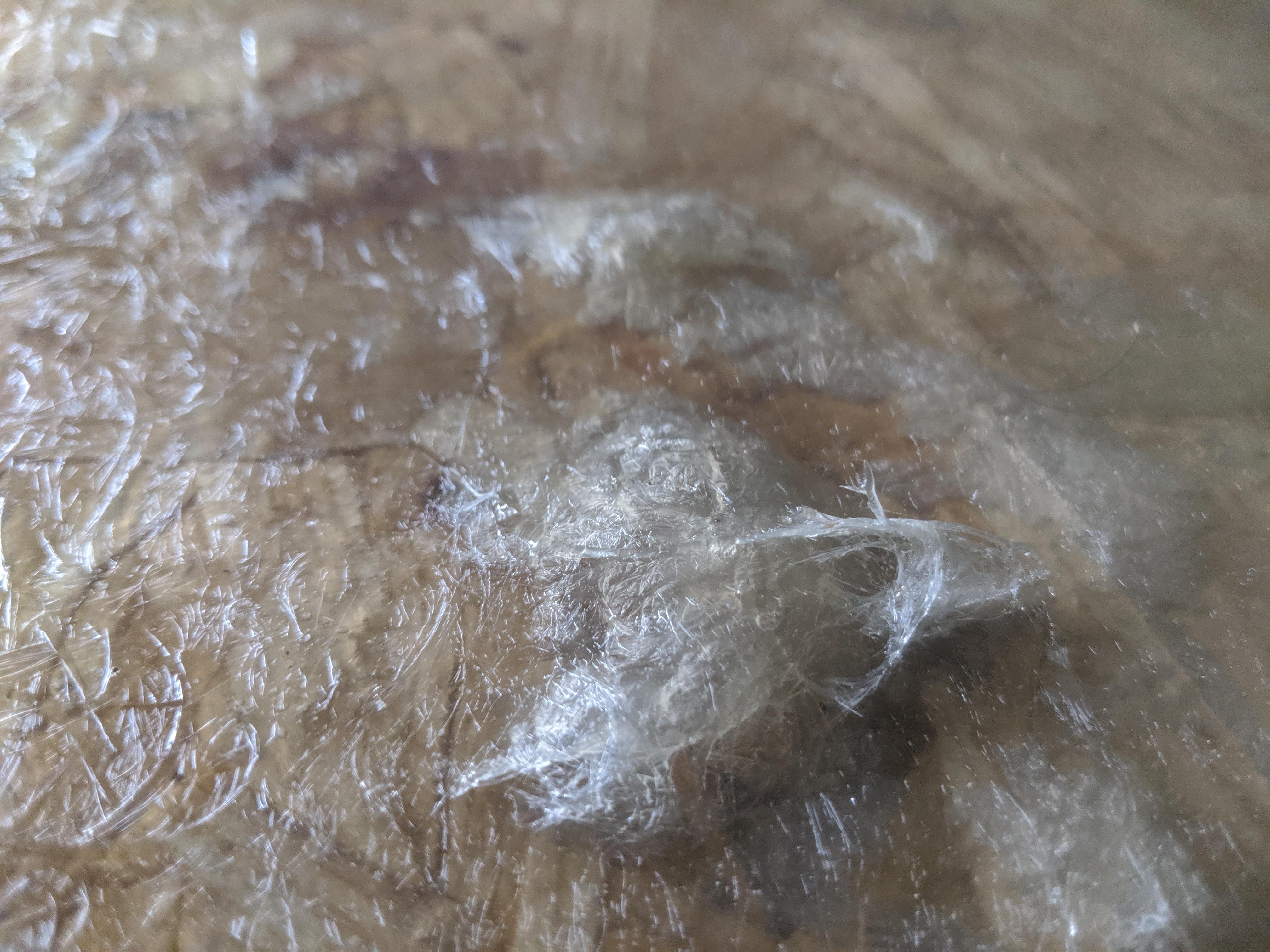
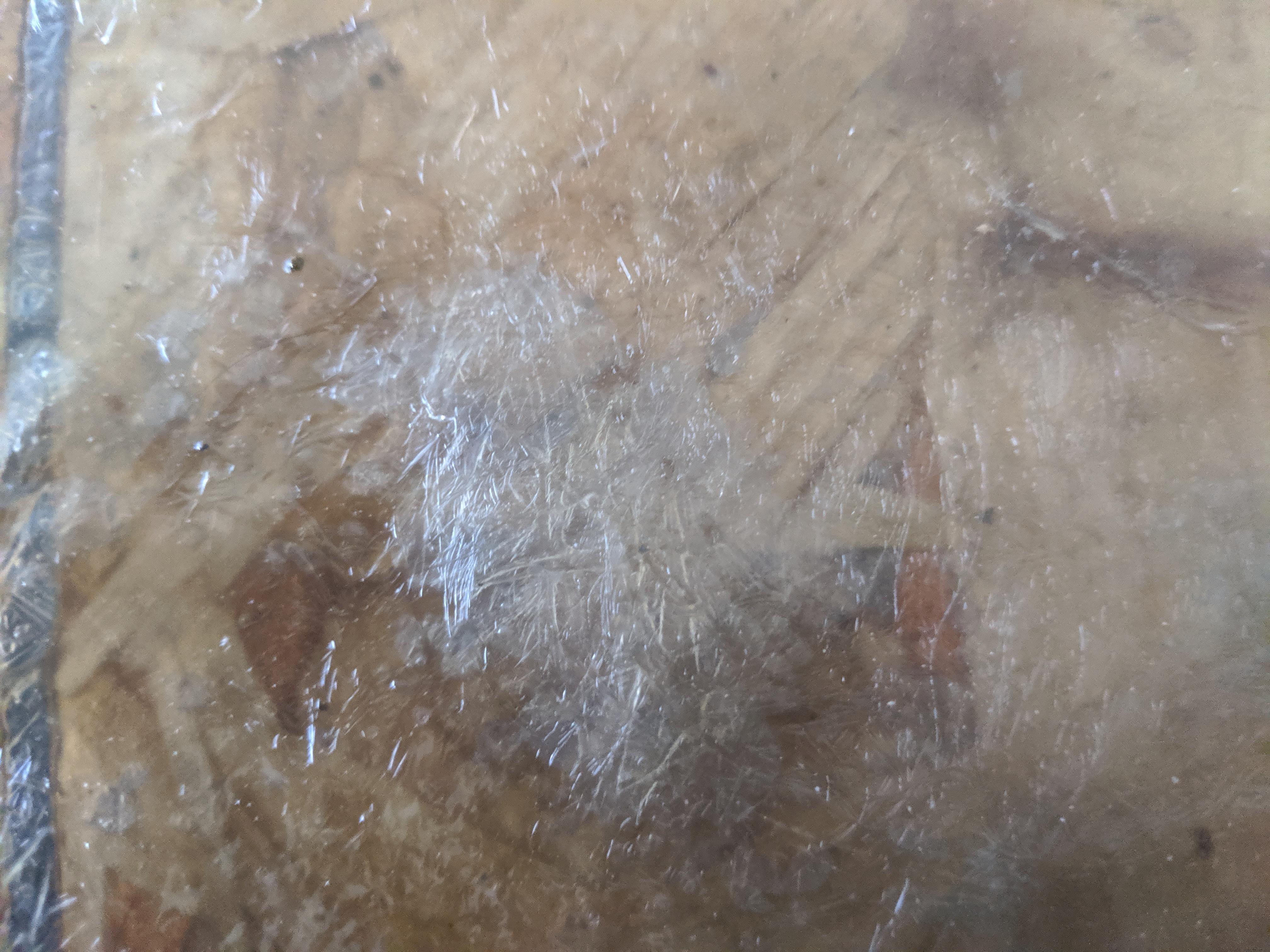
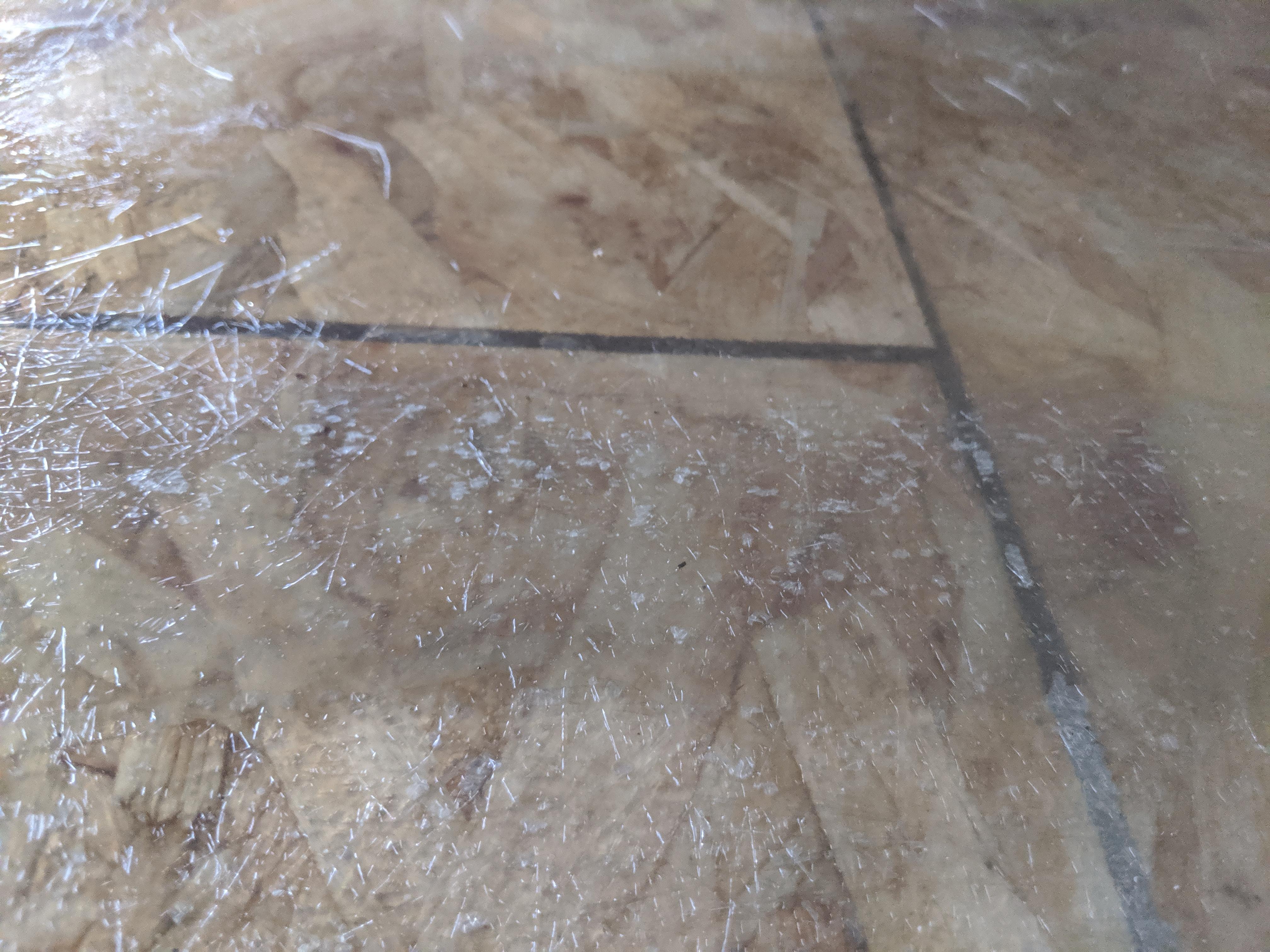
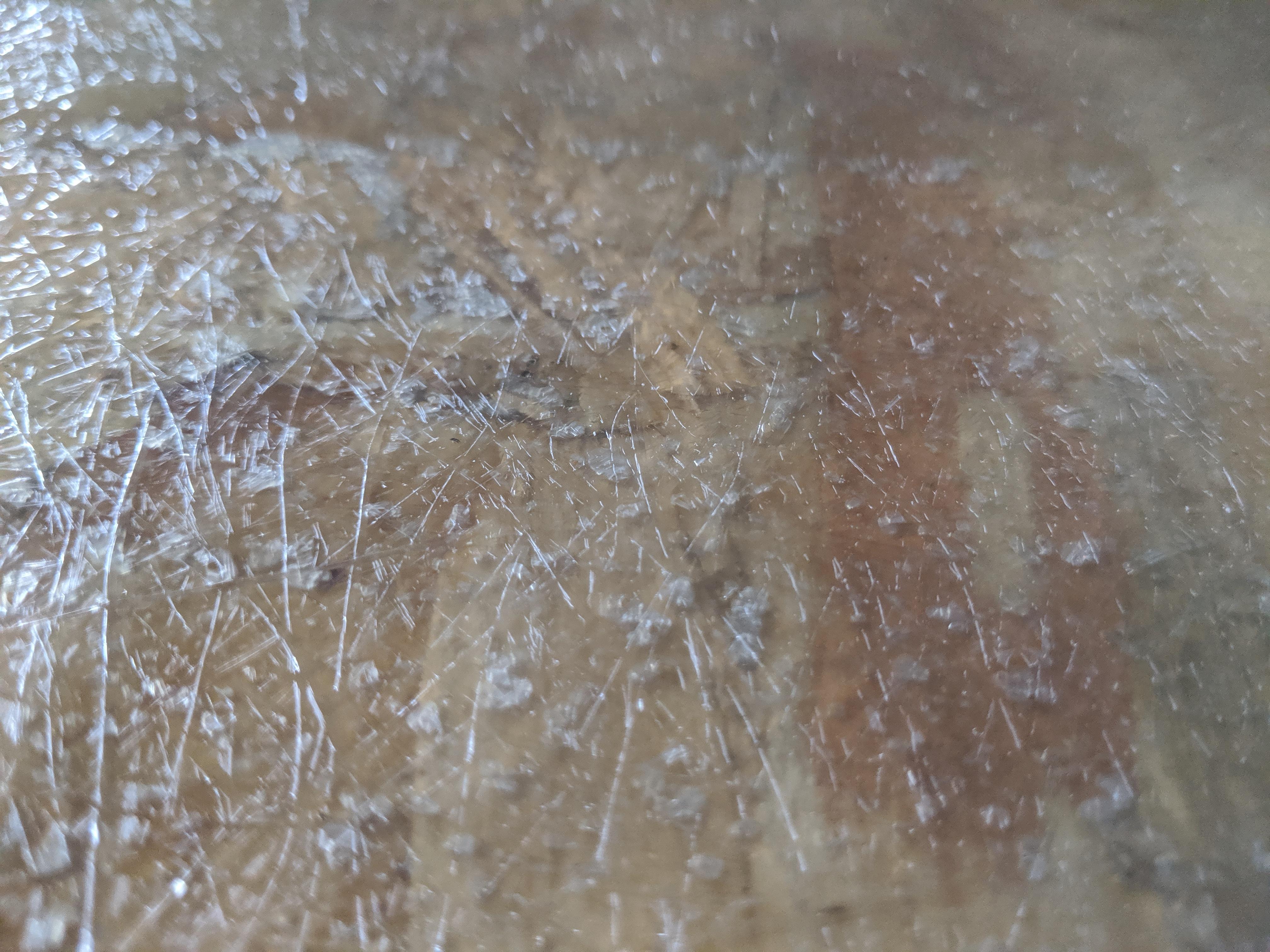
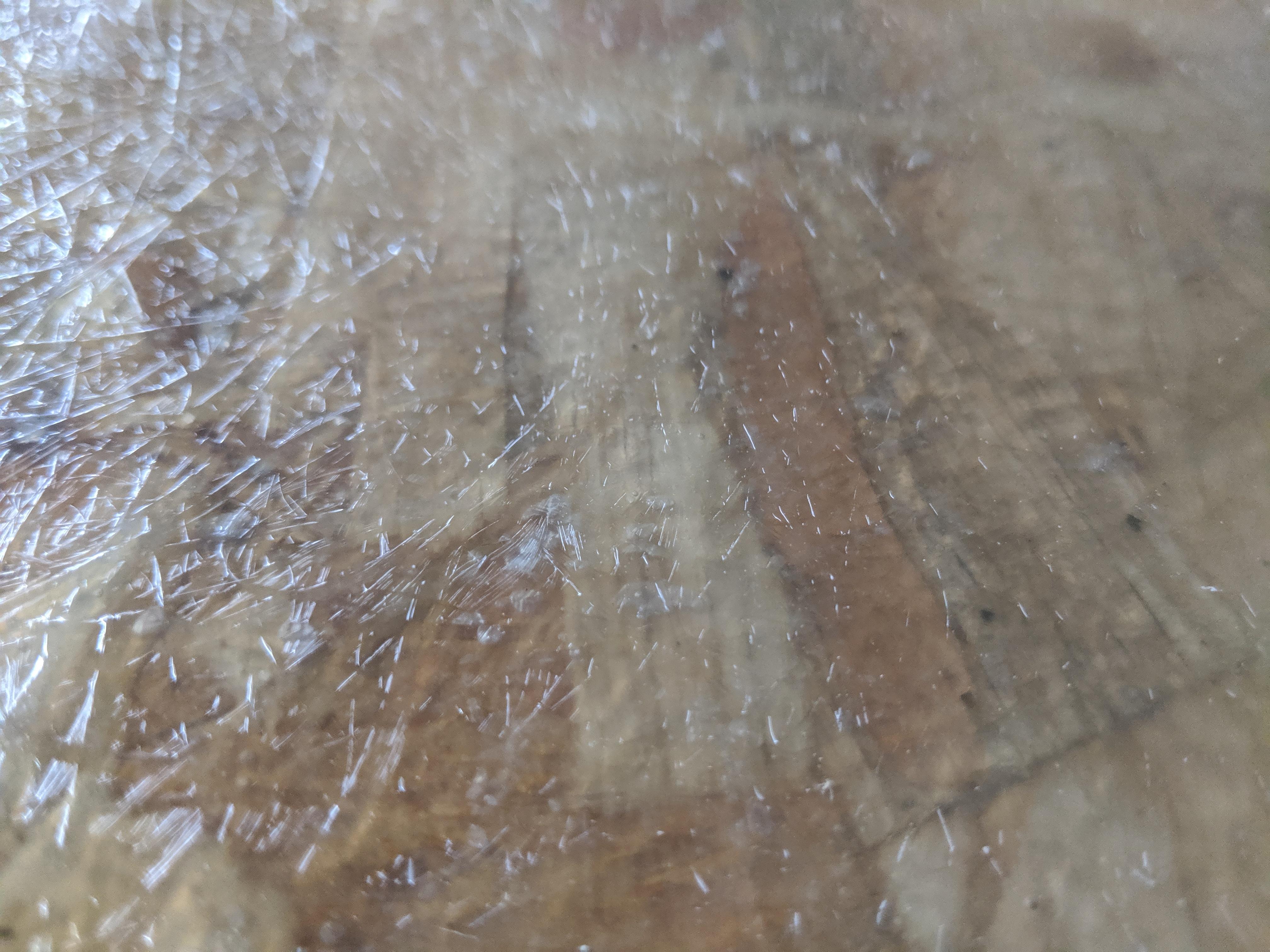
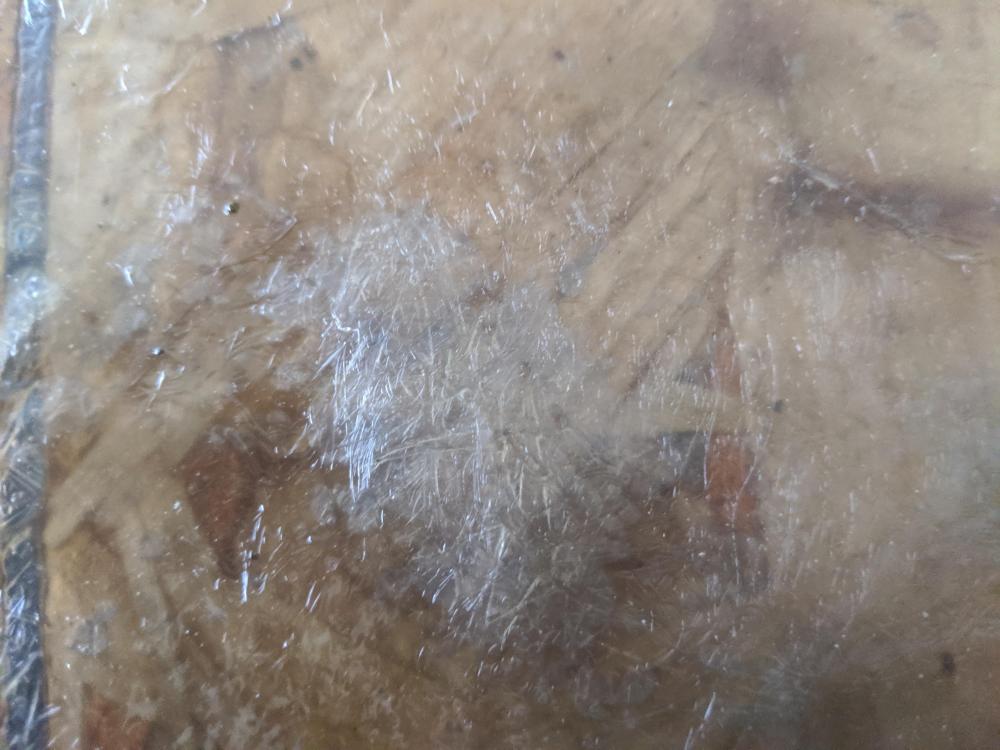
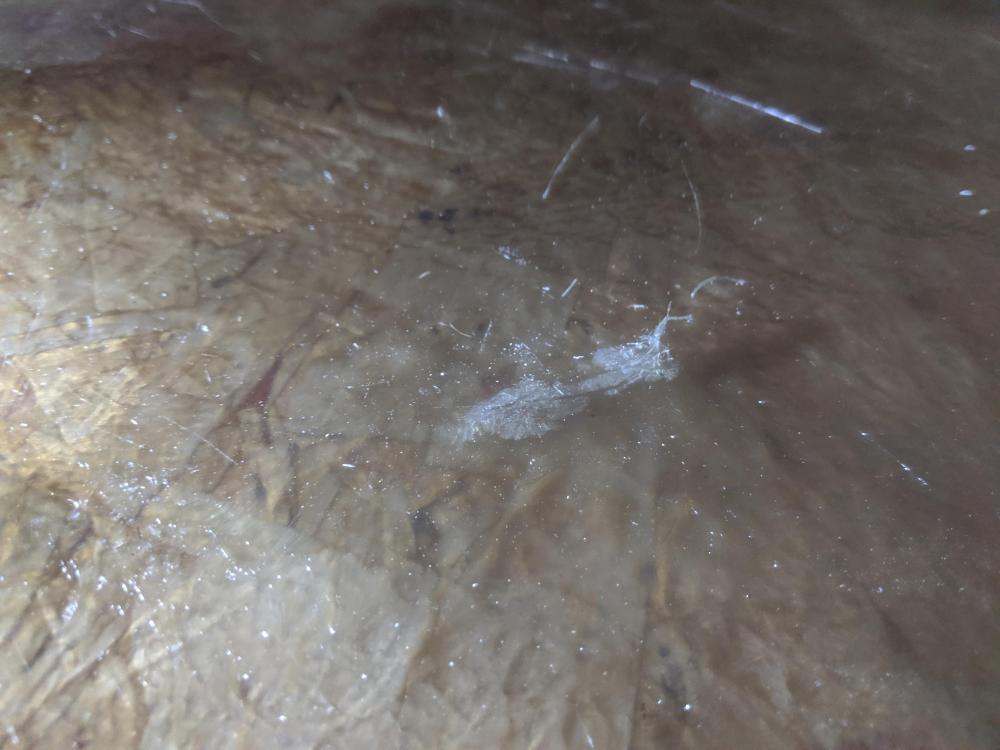
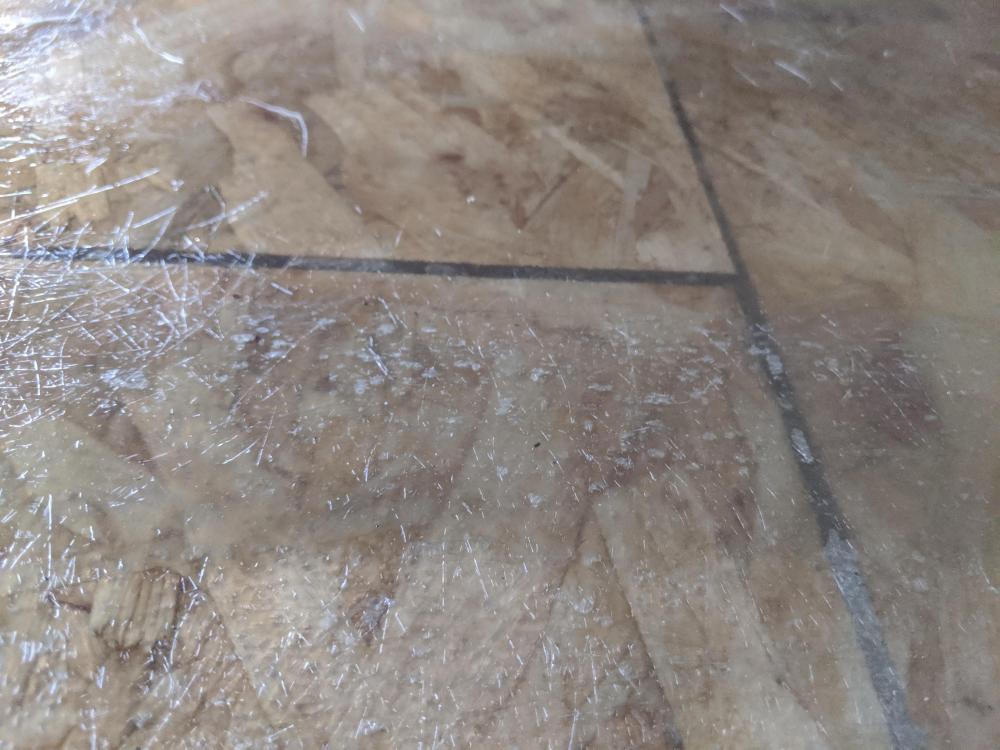
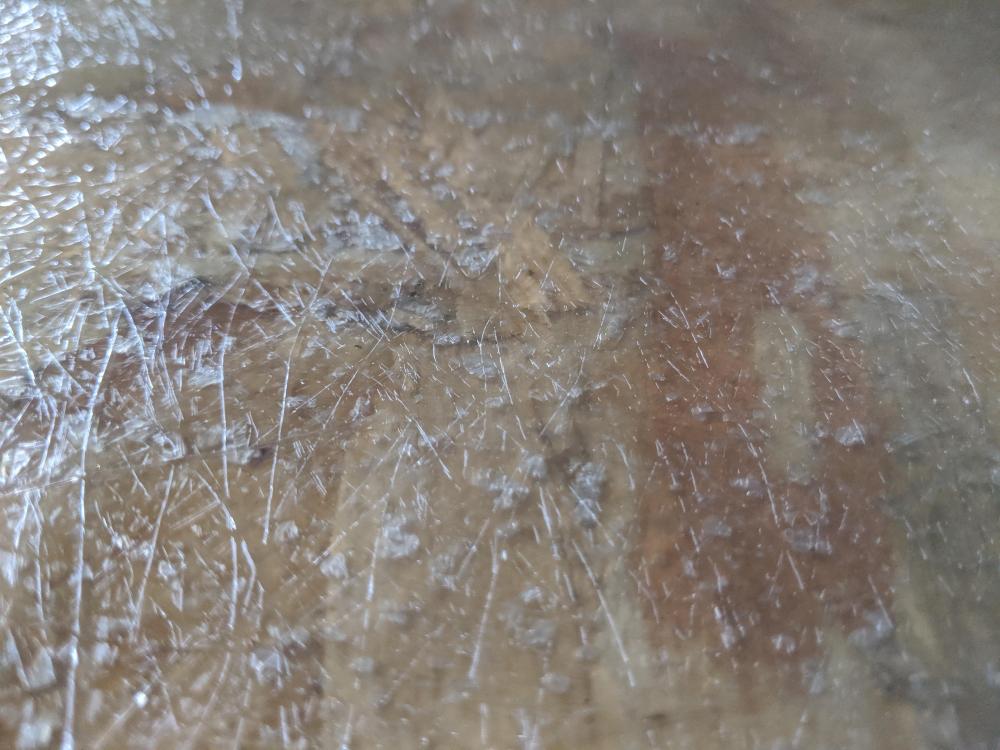
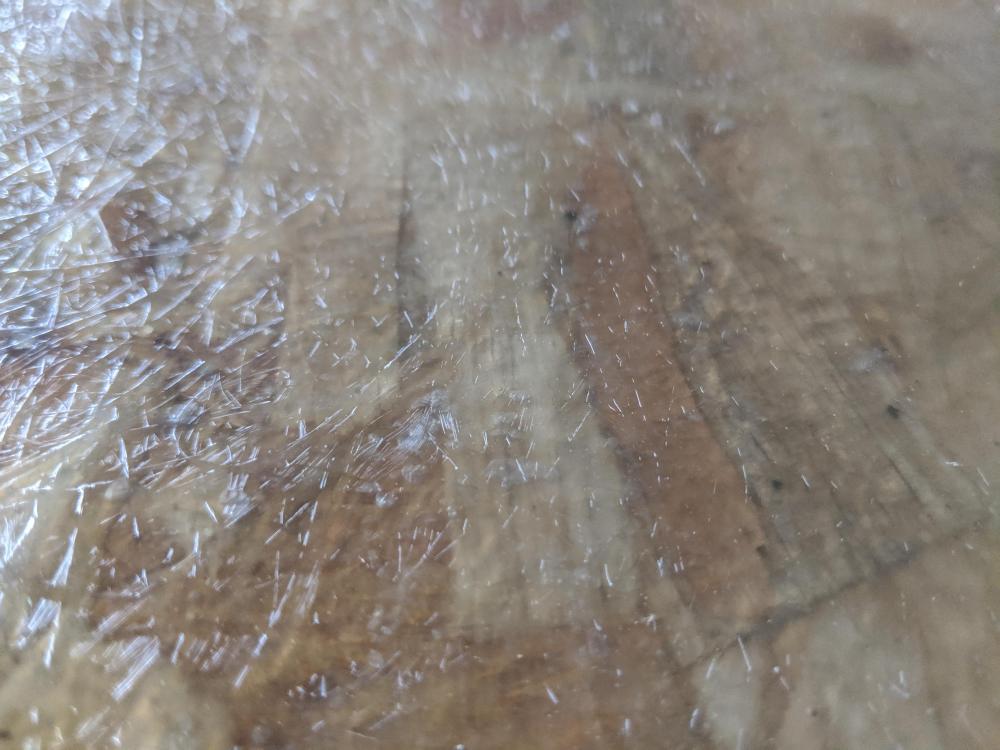
Managed to crawl in and get some pics @SteamyTea The bubbles were all transparent yesterday, some still are but some do now look more opaque. But not as white/milky as I saw on the resin that definitely did get contaminated with rain (now sanded off) earlier in the build. You can see on one of them how the mat was just pulling with the paddle roller rather than pushing down.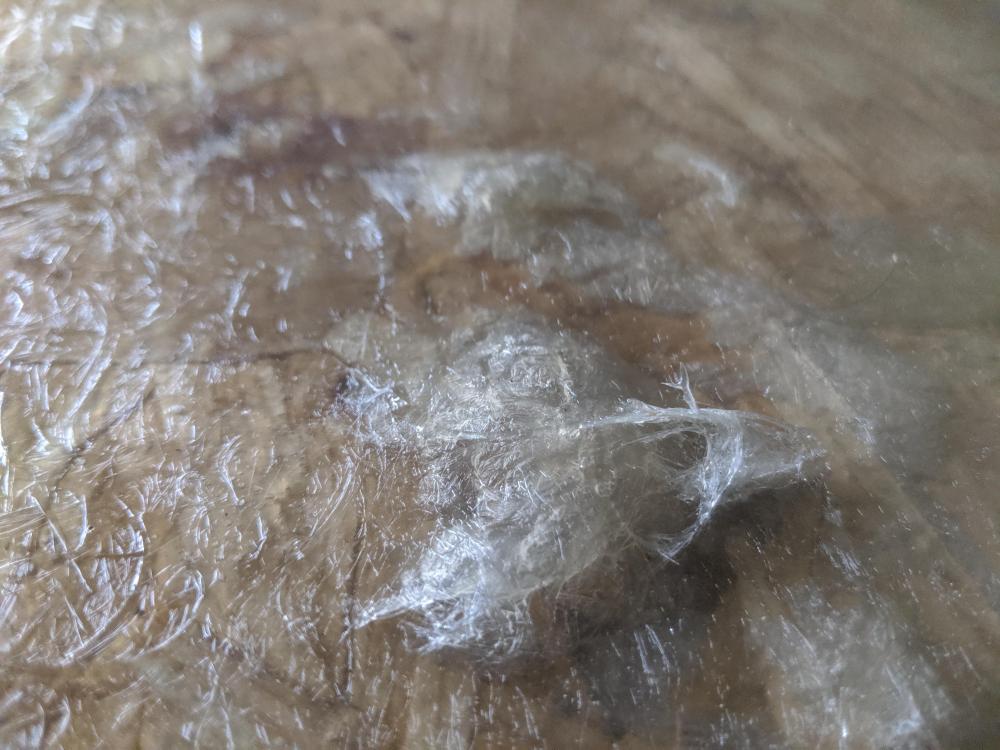
-
Bubbles forming in GRP, can't get rid of them
andyscotland replied to andyscotland's topic in Flat Roofs
Yes, I think so. It had been in the building site downstairs so I suppose a chance it had picked up some airborne humidity? But no exposure to actual water. -
Bubbles forming in GRP, can't get rid of them
andyscotland replied to andyscotland's topic in Flat Roofs
Handily I was wearing my building trousers but I did manage to effectively laminate them to my knees ? That's an interesting idea. How airtight do you think that tent would need to be - don't want to attempt to dehumidify the Central Belt of Scotland... Might be tricky to seal the edge that meets the house roof in particular. The other suggestion I've seen is radiant infrared heaters and ventilation, but they'd need a good bit of space below the tarp. I'm almost starting to wonder if I should actually get some scaff and polytunnel sheeting and build a full-size tent over the whole thing, then let it dry properly and do the laminating and topcoat inside the tent... It's looking less and less feasible to get enough time to do it in daylight / after the dew / before the rain... Yes, that might have worked - good thought for next time... -
Bubbles forming in GRP, can't get rid of them
andyscotland replied to andyscotland's topic in Flat Roofs
Hmmm. Pretty sure we didn't, it was straight off the roll and didn't notice any, and that was the first batch we mixed of the day. Could it be that over catalysing meant the top started to skim over/set before we consolidated? Although the resin in bucket was still liquid... -
Bubbles forming in GRP, can't get rid of them
andyscotland replied to andyscotland's topic in Flat Roofs
Not easily unfortunately, the affected area is in the middle of the roof and 1' below a tarp that took ages to float over it (and now raining). I could maybe try and wriggle under to get one, will see if that's possible later on. The roof is about 10° pitch, but we were on a "flat" section of it, not e.g. a trim/rooflight kerb. Is that what you meant? -
Bubbles forming in GRP, can't get rid of them
andyscotland replied to andyscotland's topic in Flat Roofs
Standard (per manufacturer's instructions) for when the boards/air are between 5 and I think 11°C. I'm just going off the ratios printed on the mixing bucket (but forgot to allow for the resin having been indoors overnight) -
Bubbles forming in GRP, can't get rid of them
andyscotland replied to andyscotland's topic in Flat Roofs
@JSHarris thanks - moisture was my guess too, was just hoping it might in fact be something easier to resolve.... Good for him - at the moment I pretty much hate it... ? but that's me unfairly blaming the materials for my own failure to make enough progress on the roof earlier in the year when I'd planned to be doing it... The combination of the short days, low temps and unexpected rain are killing me - thoroughly despondent about it all just now.... ? I'm sure when I can eventually get it to dry out and finish it off it will be worth it. -
Ok, so I managed about 2/3 of my roof the other day and it went ok, consolidated the resin happily and it has set up nicely. Then we got hit by rain again and some got round the tarp and onto the boards in the section we've not done. By today I thought the boards were dry (~10% on my electronic meter, and did a condensation test with some clear plastic in the sunshine for an hour). As we laid the first piece of CSM it formed some big bubbles. The paddle roller moved them about and split them up but they kept coming back - i.e. they were forming within the laminate. Just could not get rid of them with brush, roller, extra resin, anything. My first assumption was that the boards were still wet. We stopped and packed up, as we did I noticed that the wasted resin in the bucket was very hot - 80 degrees in places on my IR thermometer. I'm now wondering if perhaps I'd put in too much catalyst, and that had caused the bubbling? I put in 4% as boards and air were fairly cold, but the resin had been inside so was warmer, maybe more like 15 or 16 degrees. The resin has cured with lots of tiny bubbles throughout (and some bigger ones) but no visible milky/white spots... Any of you GRP experts got an opinion? Meanwhile I have built a much more robust tent over the whole thing in the hope I can get it to dry out properly before we try again. Assuming I'll need to sand the bubbly bit right back to the wood, fortunately it's only about 1m2.