Jilly
-
Posts
1719 -
Joined
-
Last visited
Everything posted by Jilly
-
My architect's technician gave two drainage options on the plan but said the builder on the ground would make the final decision as he should have experience. I think you would be badly advised to do this on a Building Notice. On a Full Plans application they check everything in advance and confirm you are in the clear. The last thing you want is for them to say near completion that they want something changed or that the regs have altered. I found this part tricky as they wanted me to chose stuff way before I was ready so they (BC) allowed a few things to be conditional. Also get the design stage SAP calculations done on this so that you are certain that is ok. I have made changes during the build but only improvements, (ie triple glazing and more insulation) so they have been happy.
-
Oh heck, done it again. My builder is clueless about all the things you lot worry about and I discover this things retrospectively. I've bought some Contega tape which a friend who has a Passivehouse recommended. What foams are the best as my builder will use nasty cheap stuff?
-
Cant seem to edit my post, but my design SAP went from a 71 to 85 by adding solar PV
-
Love this idea, not sure how practical it is. Hygiene would worry me, you can't use any of the usual chemicals. Go to the vets to get a Leptospira vaccine against Weill's disease...?!
-

The Self-Build-But strikes again: this time lights switches,
Jilly replied to ToughButterCup's topic in Lighting
Nail varnish? -
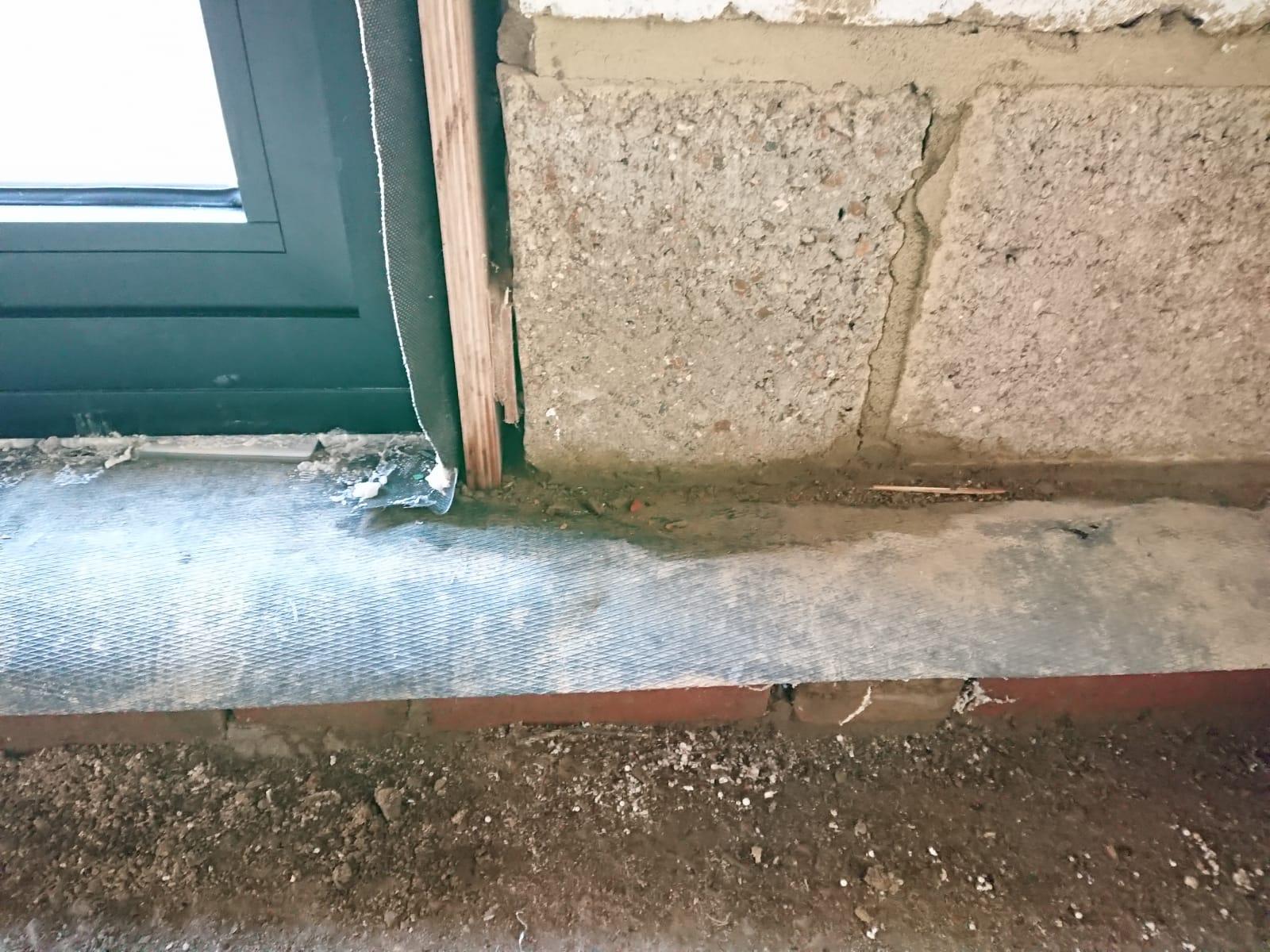
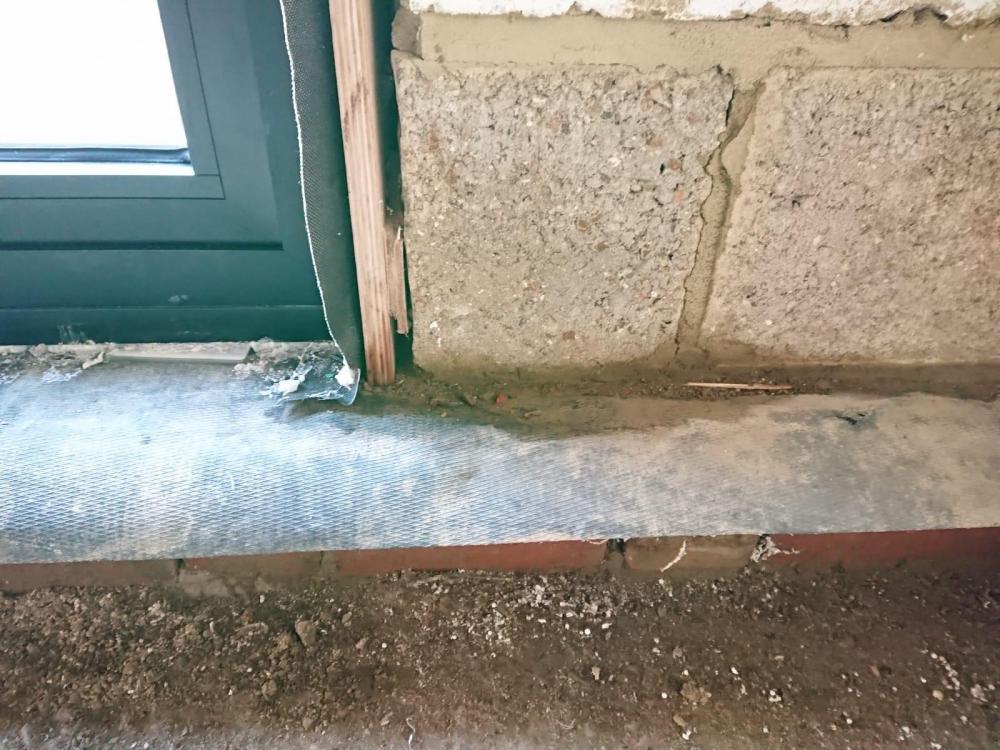
The new windows are great, but there are a lot of (some big) gaps between the ply (140mm block with external insulation covered with weatherboard). I'm quite sure the builder will squirt foam in there, but it seems crap and unpredictable. Is that the only way? You can see right through to the external insulation in places.
-
Bad luck, that must be very stressful. There are cheap solar panels around.
-
The Self-Build-But strikes again: this time lights switches,
Jilly replied to ToughButterCup's topic in Lighting
Make up a mnemonic? Stick a torch on a string beside it? ? -
Ensuring vaulted ceiling won't get hidden condensation
Jilly replied to Jilly's topic in Ventilation
Here's an image of the roof as it went on. It seems to be a dry ridge. They are clay tiles. You can see one of the bat tiles on the left. They actually look like vents. From my research I think I need to insulate the steel and then decide if it's going to go in or out of the thermal envelope. I also need to chose suitable tile vents for each rafter bay as it the 50 mm gap doesn't seem to communicate with the ridge ventilation. I could also add lap vents in each layer of the bitumen, again within each bay. There are two places made for potential roof lights, and these should be notched to allow air flow. Does this sound right?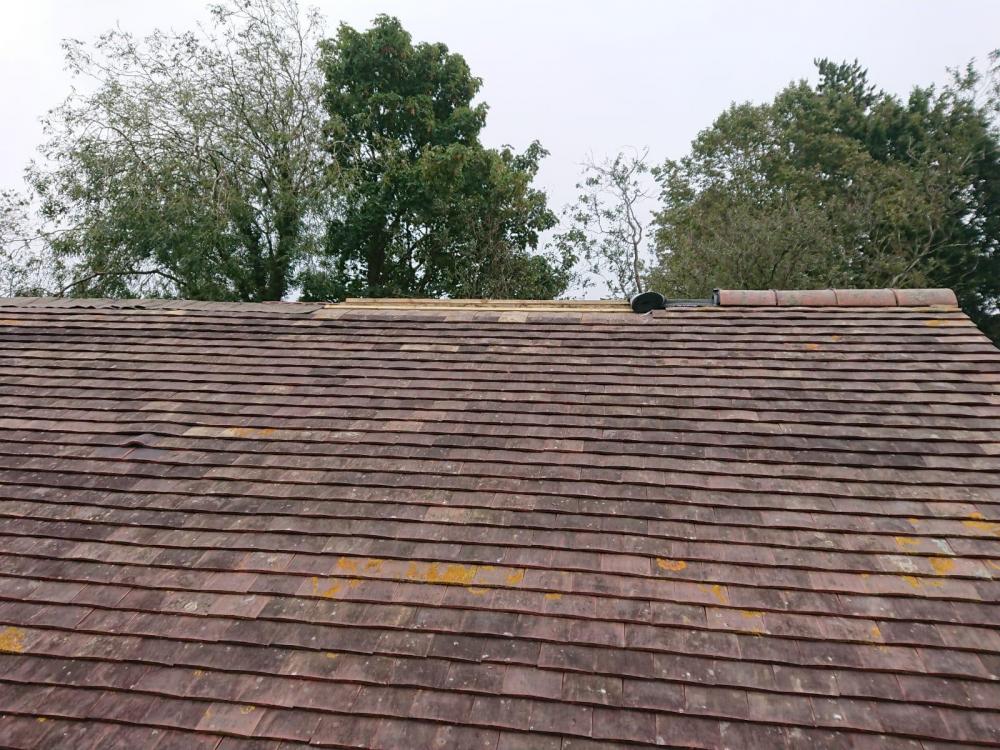
- 35 replies
-
- 1
-

-
- vaulted ceiling
- ventilation
- (and 2 more)
-
Ensuring vaulted ceiling won't get hidden condensation
Jilly replied to Jilly's topic in Ventilation
This vents look lovely, they'd completely upstage the red clay tiles! -
Ahh, OK thank you, I'll try those suggestions
-
Thank you. I tried a pump but it didn't work as the water wasn't deep enough (maybe got the wrong pump). Clay is such yucky stuff
-
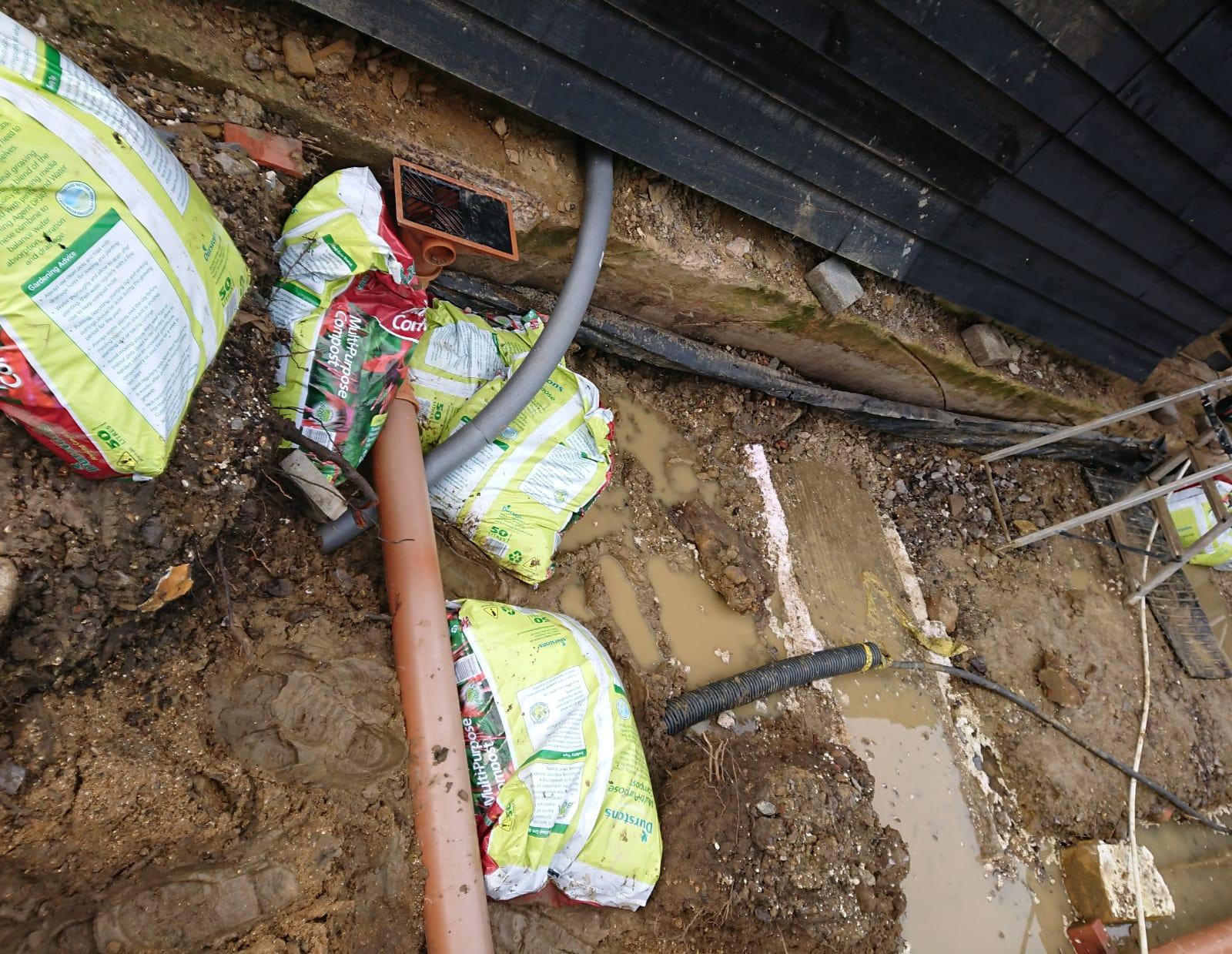
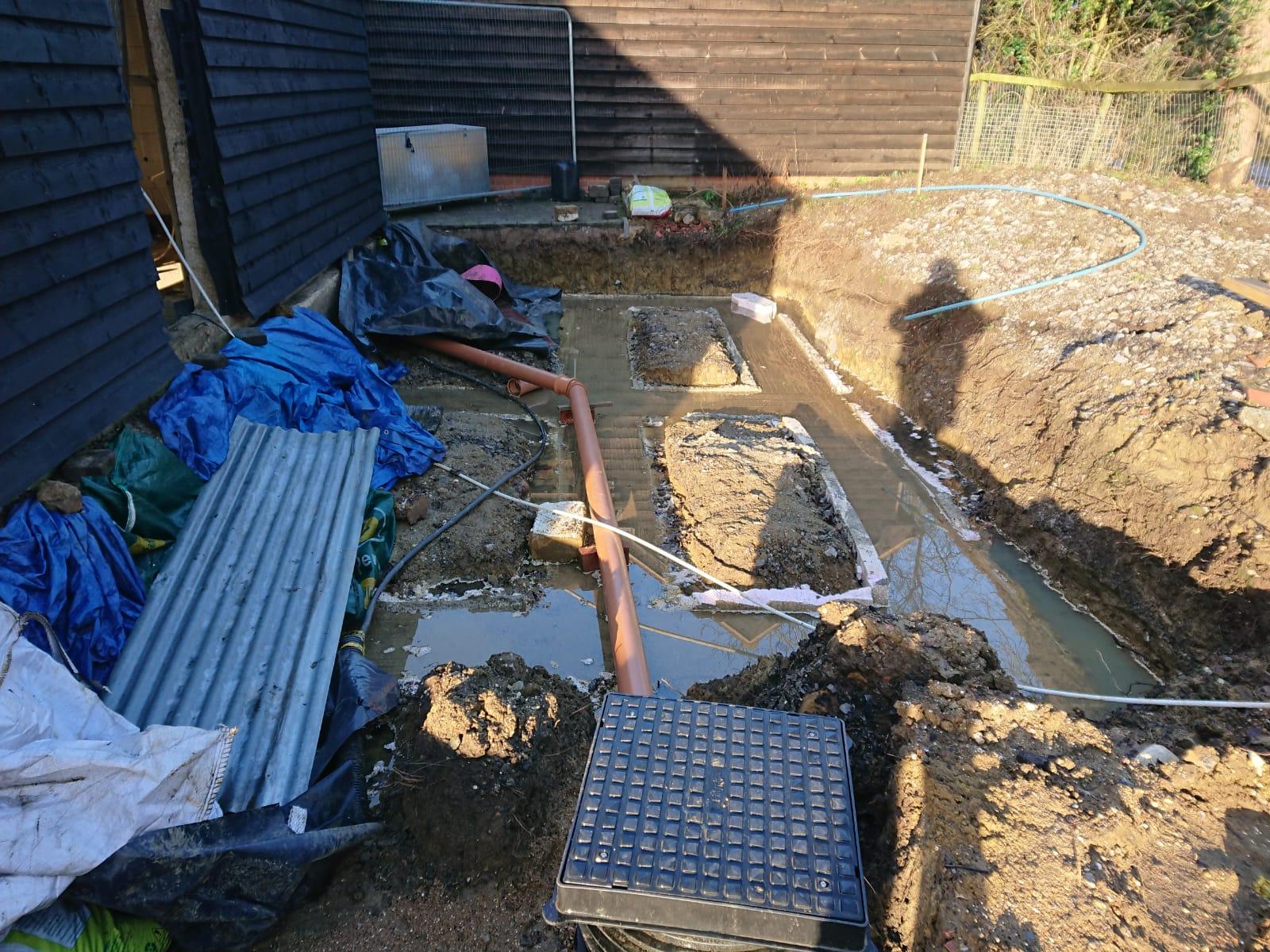
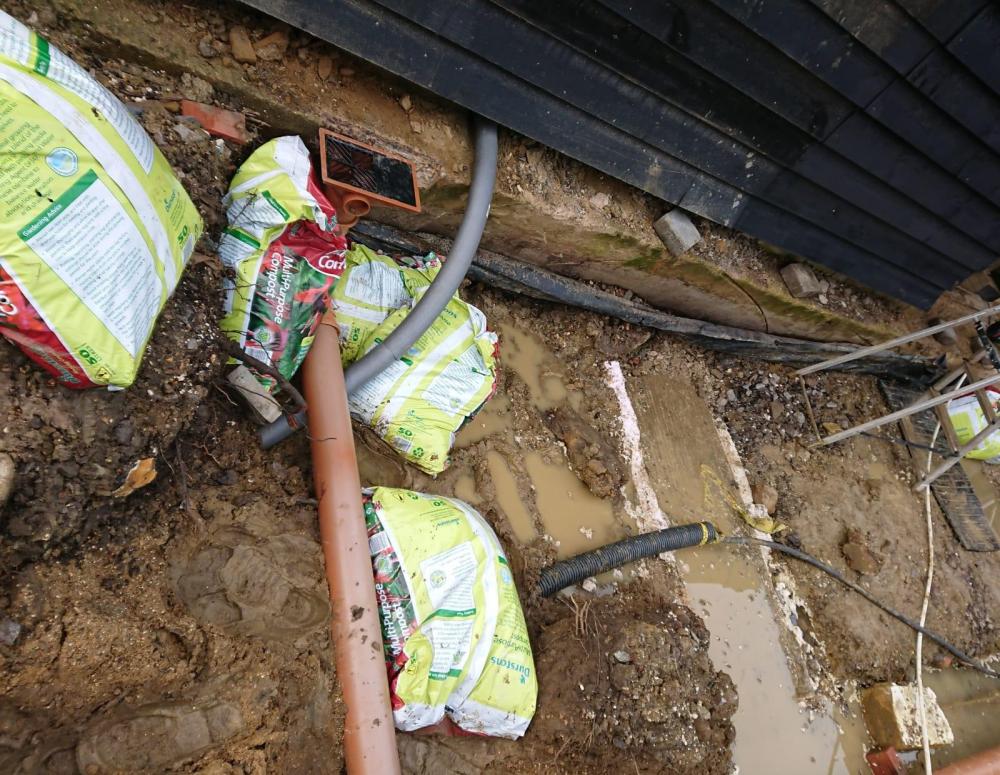
Please could I have advice about what to do with the exposed raft on my stable conversion? I've stupidly paid the builder for things he hasn't finished. The piles were put in and he's disappeared and the ground is getting wet and soft around the the open utilities trenches and under/near the raft. I've insulated it with compost in backs and tarps, and tried to keep the rain off but it hasn't worked properly. Should I put MOT in instead of back filing with the disgustingly sticky clay under the window? The area around the beam isn't draining, but if I fill the whole lot in with MOT it will be expensive and a big job to get it out again. I'm trying to get quotes for doing up to floor level on the extension.
-
It's great to see enthusiasm and ambition, but I think you might need to cultivate perseverance and add an extra decade or two before you achieve your all goals. When I was your age, someone laughed when I told them mine, and the fury that provoked internally drove me for the next 10 years until I proved myself and achieved it. Ponder what motivates you and why. Beware of being grandiose, being rich isn't all about money. You need to allow a lot more for materials with that shopping list. You would be able to save an awful lot on land costs to move away from the home counties. A regular garage is much cheaper and easier to build than an underground one, they're only common in London because there's no spare land, you're aiming to have plenty.
-
Maybe that one has a low IQ from a bump on the head.
-
Corvids are really intelligent and I find them fascinating, as they are very trainable . However, I can understand why you wouldn't want to be woken up by them every morning! I just found a website called getridofcrows.com which has lots of advice about spiky things, scarecrows, fake owls, snakes, shiny CDs, predator recordings and ultrasonic scarers etc. I too would vote against netting though, you could trap all kinds birds and animals accidentally. It seems like you need to deter them before spring as they have a tendency to return to favoured sites for mating. I'd try the snakes as those plastic owls look the pits.
-
Retrospective planning permission- conservation area
Jilly replied to Tom1031's topic in Introduce Yourself
God, I live in fear of complaints like this. Be very apologetic and say you didn't realise etc etc.They want things in a Conservation area to 'enhance or preserve' the character, so they may want you to have something similar to to other houses in the street. Maybe take photos and then see if you can modify your gate to fit in more, before you submit the application. I've found they are reticent to tell you what they want, but very keen to say 'ohh not like that'. When discussing what's best to do show images to help your case. -
MVHR and open fireplace
Jilly replied to Ronan 1's topic in Mechanical Ventilation with Heat Recovery (MVHR)
As an asthmatic, for air quality: just don't have a fire of any kind, they increase indoor pollutants. But they are nice... -
I started gulping at the bit about 'complete the build and refinance at £1.3m'. The wouldn't be easy on £85k. You could end up selling just to get out of debt. It looks like you could afford it if you didn't have to buy the land first. Why not see if he will trust/loan/lease the land to you and pay him back some other way? You definitely need advice from a specialist property lawyer. BTW self build is very stressful...
-
Can I lean on the experiences you guys have learnt
Jilly replied to Sally's topic in Building Regulations
The building regs for a conversion are less strict (but that's not necessarily a good thing). -
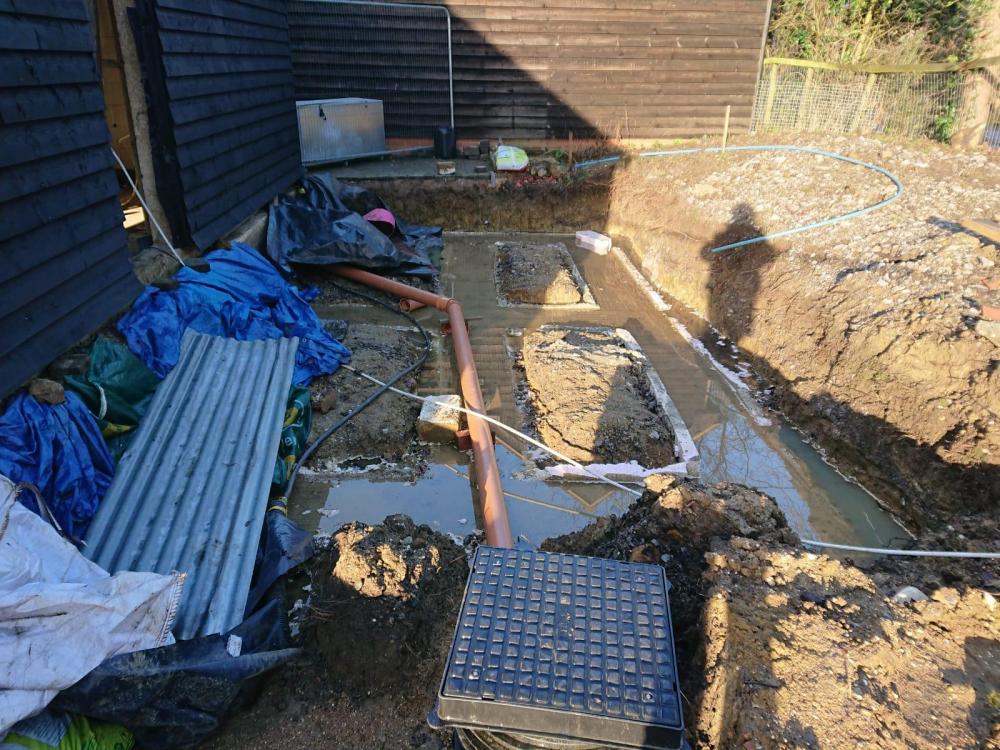
I've probably got in a muddle by needing to research everything properly...however the sequence of events: The builder underestimated how much spoil the piles ( he subcontracted) for the hayshed extension would produce, went on holiday, had to isolate, and we lost the weather and the grab lorries trashed the site. He left one chap to try to dig the utility trenches alone and it became like the Somme and he couldn't make progress, so I asked them to stop as I realised the decision making was becoming suboptimal and the chap was demoralised. He was encouraging me to do the larger footprint without planning permission, but the prospect of enforcement made me lose too much sleep! So... I'd like to do the foundations up to floor level, but I haven't begun to research how to do it yet...because I'm not certain what would be the best construction method. I'm afraid of inviting construction lorries on again until spring when the ground improves. The temporary entrance hasn't been good enough to cope with the winter. I think I'll need to pump it to keep water away, as the clay is built up where the infamous trenches were dug. It's terrible to dig into at the moment. Gus has given me lots of advice about frost protection of the stable foundations at the junction between the building and the beam. Hopefully it won't be open like this for longer than 6 months, however, building the structure could be 1-2 years. (I can't apply for planning permission until we have a completed dwelling. If I use the smaller footprint, which has planning permission, I can a) create the second bedroom by removing the east wall of the main stable, or b) create a very small room which will have to be demolished later).
-
The planning stayed in the pipeline whilst we waited for bat results (I forget the official term for this), so enquire if they will do this for you. (The cheeky wotsits then back dated my application so that I lost some of my 'three years' for commencement).
-
Can I lean on the experiences you guys have learnt
Jilly replied to Sally's topic in Building Regulations
A conversion only attracts 5% VAT (make sure your contractor will do this). I think someone said I can claim that back too, but I'm no where near that point!). -
Can I lean on the experiences you guys have learnt
Jilly replied to Sally's topic in Building Regulations
Well done, you've done one of the most difficult parts. It sounds very similar to my project (stable conversion) without some of the constraints I had (bats and conservation area) (apart from not enough money). Don't rush, research everything well, as there are loads of unexpected things you can find out too late, it's a really steep confusing learning curve, as conversions have problems which need solving. Building regs are submitted with structural drawings, so are done working together. I would advise staying with the same architect for these drawings and ask them for structural engineer recommendations. You'll have to think about build method but the existing building, plus planning conditions may give constraints. However, if you haven't already, you need a structural engineer to do a survey to ascertain how to make the building structurally sound for residential use, there might be more than one way to achieve this. You even might decide to apply for demolition and rebuild. -
Bat mitigation gave me a headache and was very expensive. It's not as simple as slapping up a few bat boxes (although I have these, of course). I possibly have a worst case scenario for you: If they find bats you will likely have to have a Licence to remove the roosts and relocate the bats from Natural England submitted by the ecologist which is slow, then the validation is time limited. When estimating your timing for the build, be very generous and overestimate so that you don't stress and have to get another licence. I've spent about £6k so far, plus building ramifications which are hard to quantify. They will keep on surprising you with the requirement for another survey to keep your licence valid (£500 a time) Do plenty of research on ecologists (I just chose one from Google), ask your local council, you might even be able to use local (cheap) bat enthusiasts for the surveys, but make sure they are acceptable to Natural England and that they are recognised for the Licence. My ecologist designed mitigation and I didn't realise the significance at the time or I would have discussed alternatives more. My main worry has been F1 bituminous felt. It stops the roof from breathing so you might have to take care with roof design and look at alternatives. My architect overlooked this till it was too late and I was ill and not fully on the ball. I had to have supervised stripping of the weatherboarding (£300 per day) so as PeterW said if your design can can accommodate not disturbing them, that might be a solution. Also beware 'Batsafe' membrane is not actually bat safe: it's polyester and there are lawsuits pending over its use. I don't think you can rush this but at least do research now into ways round problems... and maybe buy a caravan for extra space for this summer