Spinny
-
Posts
921 -
Joined
-
Last visited
-
Days Won
1
Everything posted by Spinny
-
I am not rejecting renewables, they have their place. Going all in on something when we don't have robust answers to all the questions is foolhardy. I don't think we can or should wear rose tinted glasses when looking at renewables. There are pros and cons as there is with everything. I don't want UK farms shutdown and paved over with (chinese made) solar panels. I don't want to look out at views ruined by thousands of wind turbines. I don't want pylons everywhere. Etc. Anyone that thinks it is all pros with no cons or issues is treating it as a religion not on a rational basis.
-
As long as you ignore a need to fight a war during winter anti-cyclonic gloom.
-
Mixed sources - fossil fuel gas and coal, renewables both wind and solar and others hydro/geothermal where economic, nuclear (both fission and fusion when it comes). I think we should have a national energy infrastucture designed to meet demand including variability in demand. I don't believe in charging people 3 times as much to cook their tea at 6.30pm. We need ample and growing energy supplies available as required by demand.
-
I think Halon not permitted for new installs now anyway. But I thought there were other gas options now, and used correctly they don't kill people. What does the MVHR do to the smoke ? Extract it, or circulate it ?
-
A little strong I think. I am quite happy with mixed energy generation, and with people having their own solar panels and batteries if they wish, and insulating their homes and other energy efficiency measures. What I don't see is any proper hard scientific evidence for anthropogenic global warming which remains an uncertain unproven theory, and in particular for the UK sacrificing it's own economy on the back of the highest electricity prices in the world when we account for 0.8% of CO2 emissions even if the theory turned out to be correct. We have most of the population really having no knowledge of their own but being fed a constant stream of anthropogenic climate change propaganda. We have active censorship and cancellation, and even calls for criminalisation of anyone that wants to question 'the narrative' and NO mainstream TV debate or presentation of the uncertainties and complexities. We have Ed on a personal crusade to 'save the earth' as he knows with evangelical certainty what is the greater good and is going to force it onto the country regardless of costs and economic damage. Such extremism is not neccessary or remotely wise. I am not a luddite and I am all for developing energy technologies of all types. They will and do all have a place in a sensible and diverse energy infrastructure. There are very real issues with implementing a renewables only energy system, and with its economic and security wisdom. I don't believe we should ignore those issues. And generally speaking when debate is cancelled and censored rather than taking place, it is never a good sign. I believe in the wisdom of free speech, constant doubt and questioning, and following the truth as it emerges and is understood, and always being open minded and willing to change your mind according to realities. The problems of intermittency and unreliability with renewables are hugely significant and not to be trivialised. Engineering a cost effective national energy infrastructure which is reliable, secure, and highly cost effective is quite a different problem from an individual householder going off grid. https://wattsupwiththat.com/2026/07/11/battery-storage-for-grid-backup-better-keep-working-on-it/
-
Can MVHR be used to distribute gaseous fire suppression ?
-
Yes SWMBO (as a fully formed fascist 🤣) is extremely self disciplined and charges overnight without fail. I am a night owl that then falls asleep as soon as I reach the perch, and generally absent minded, which I claim is because what is left of my mind is contemplating greater things - like what building disaster lurks tomorrow, whether the plumber will turn up, and the true nature of quantum entanglement. The other pain with charging cords is that we (well I) end up with them all over the house, and they regularly fail from too much bending about. As you say, a first world problem, compared with that guy in Lebanon some weeks ago whose amazing self build/refurbed house was blown to bits by a rocket. Fortunately rather than worry about that or how to get food, I can reflect on which is larger, a FIFA football, or my own prostate. Come on England ⚽
-
Mad man at work... https://dailysceptic.org/2026/07/11/miliband-overrules-his-inspectors-to-approve-britains-second-largest-solar-farm/ https://edmhdotme.wpcomstaging.com/a-few-graphs-say-it-all-for-renewables/ That should get things going this weekend. Come on England ⚽
-
It may sound daft but the seemingly trivial difference between having an annoying and unsightly trailing wire, plus the extra effort of having to plug in and possibly pull a lead out of a draw, does seem material to me. At least with a charging drawer you can permanently wire a charging pad into it out of sight. I have just found the charging pad in my car so helpful, pop it on every trip, grab and go. Tells you it is charging with a simple light. Whereas before it was fumble about finding the end of the charging lead, plug it in, sometimes have to reathenticate to the phone before it would connect, similar fumbling when getting out. Currently considering this one...? https://www.master-charge.co.uk/products/shop/
-
One approach is to look at what the cost/sqm is going to be. Compare with the cost/sqm of similar property on RightMove. Think about long term needs/plan. Yes moving costs and stress are high, and there can be reasons to 'build at a paper loss' if other factors come in. But you should know what your economic justification is.
-
Spot on as usual. There has to be someone on a build that is good with detail and can discuss detail. I mean 'detail' can actually just mean having actually looked at the drawings at all ! When seeing previous work and customers definitely go prepared with list of specific questions and willing to dig down a bit. A quick look around and general chit chat with Mrs Smith isn't going to shed much light. Can they give you an example of an issue that came up and how it got resolved ? Did they have effective review meetings ? Was the actual builder on site - every day - once a week - once a month ? Did people turn up ? Did anything get redone or corrected ? Costs ? Schedule ? If the customer doesn't know then chances are they can't really give any insight into the builders competence. Perhaps the foundations are made of cream cheese - Mrs Smith wouldn't know.
-
Chat GPT... (Gonna be above that every afternoon from Wed through to the middle of next week. FFS. How long does it take to lay a floor ? About 6 months. 2 Weeks work and 5.5 months playing the hokey cokey.)
-
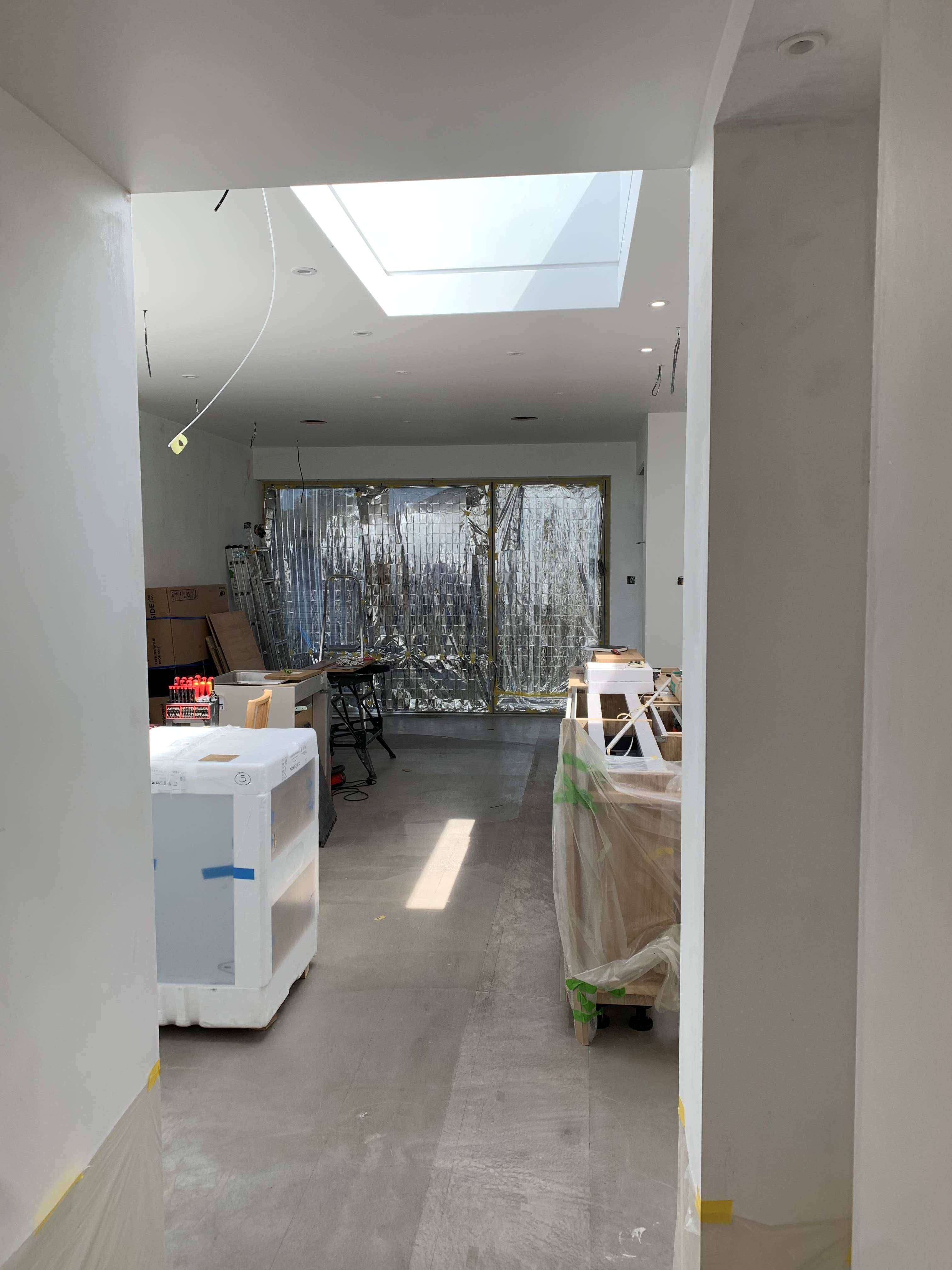
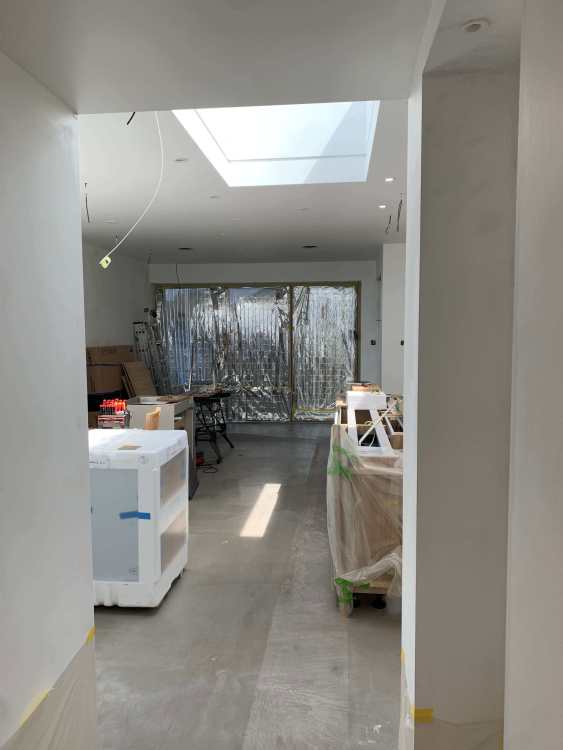
Yes Have a laugh at the pic. NASA operation sun screen - see pic - £10 off Amazon but too flimsy to tape to the outside in the breeze. Not sure it was doing that much but today was cooler. A bit like that foil they wrap round people with hypothermia.
-
Guy just said 'I am not doing that'. Seems difficult to square with Amtico recommending dry laying and the contractor being an Amtico Premier partner. You would have thought he could at least say, 'it will take longer to lay that way so there will have to be a price increase'. It would have helped if he had at least said something like, these planks vary a lot, do you want to have a look before and as I start laying ? When I raised it he said 'I can't take these up again'. Once his boss came to look at the manufacturing faults they had spotted (but only mentioned to their boss and not to me). The boss said these will all have to come up - and come up they did. Kitchen fitter called today too, saying he intends to come early. Tomorrow I am calling the kitchen company to bend their ear. I have had to wait 6 weeks for them to get missing parts. I sent them a gantt chart showing the earliest 2nd fit date. They are supposed to be coming later not now. I am not having it. They insisted on being paid 100% on delivery. Now I have 90% of a kitchen, they couldn't even be bothered to tell me when the parts had arrived, and they want me to renegotiate dates with their sub contract fitter. As ever, once people have your money they take their eye off the ball. This job isn't running to other people's convenience, it is running to a sequenced plan.
-
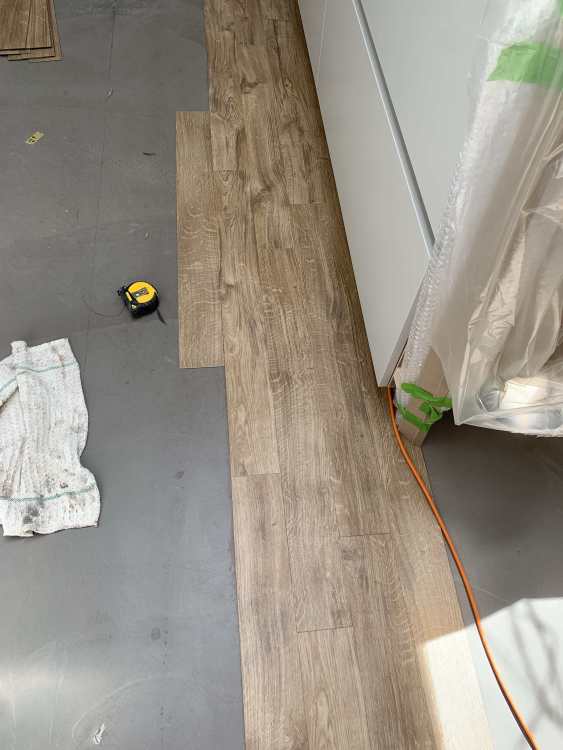
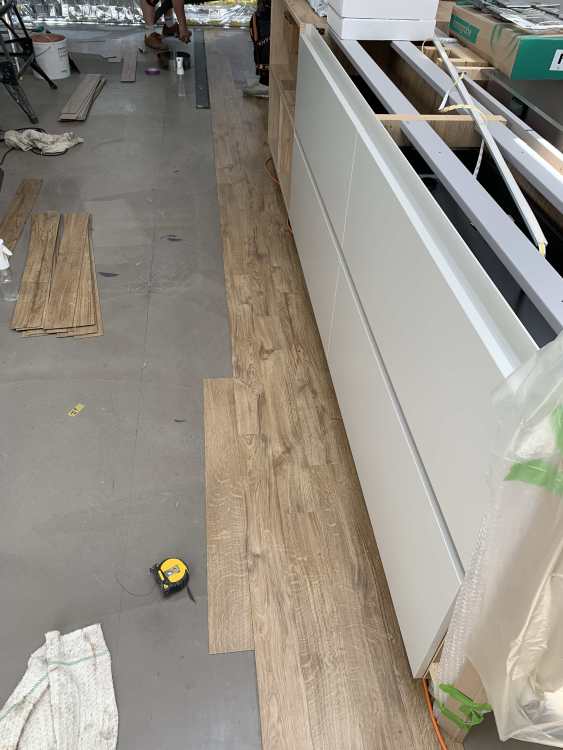
I am told Amtico have agreed to replace the whole order with new packs from a different batch number which will be quality checked before despatch and should be with us on Wednesday. Slightly makes we wonder a bit... Why would you need to quality check something that should be quality checked at the factory ? What is happening to the original packs now ? Who actually bears the cost of 2 wasted man days due to supposed premier manufacturer shipping out defective product ? I also wonder the original packs were about 50/50 plainish vs featured. Could I sensibly take say 10% of featured planks and leave them out of the mix ? If the colour match is good could I take selected non-defective planks from the original batch to mix in ? I believe the Amtico is manufactured in wider sheets with a single photographic image, then cut into strips and boxed. I had a couple of sample planks from one box and they did seem to match if you placed them along side each other. No doubt you can't lay them that way as they need to have staggered joins and you would end up with one large scale repeating pattern.
-
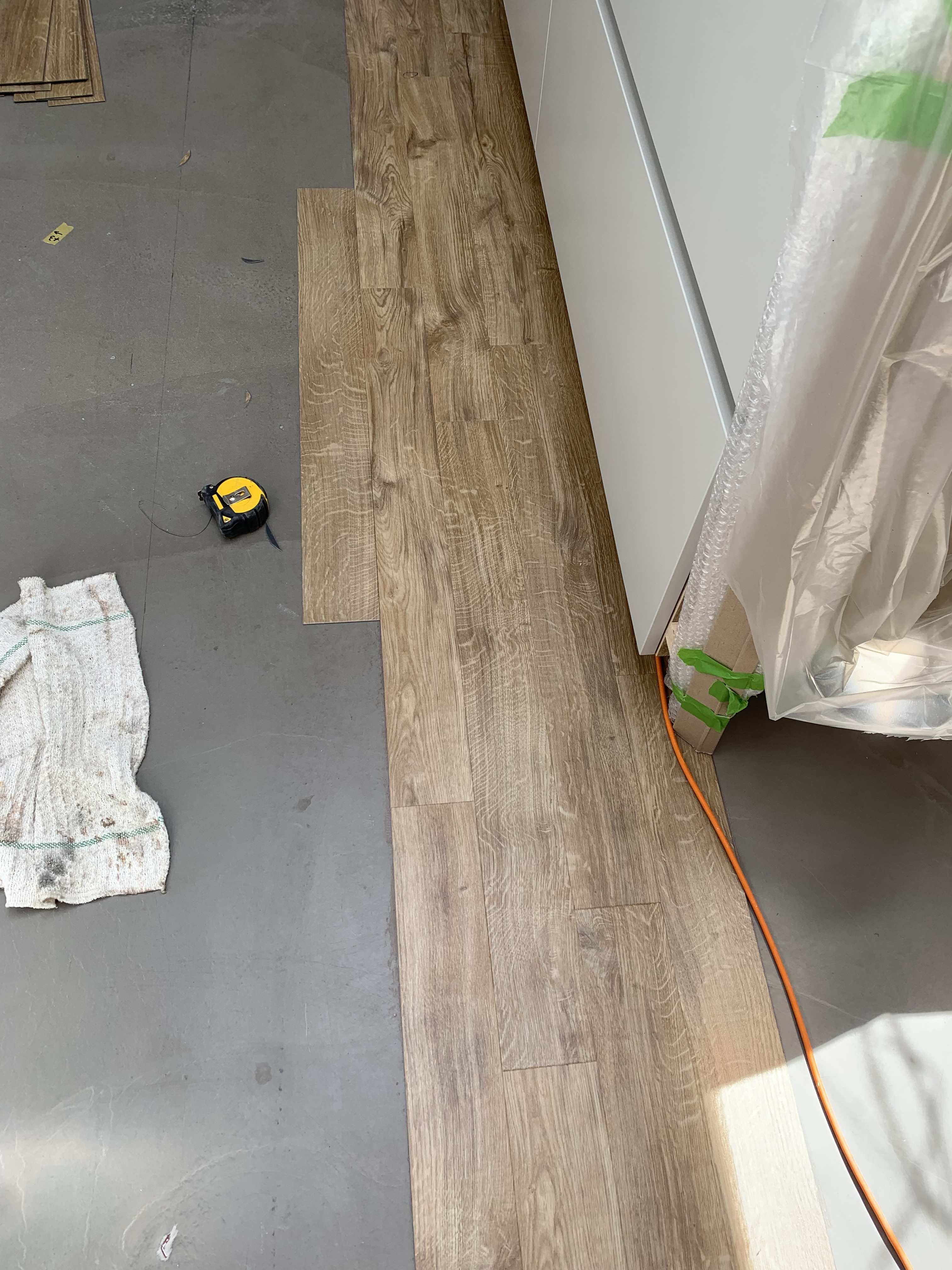
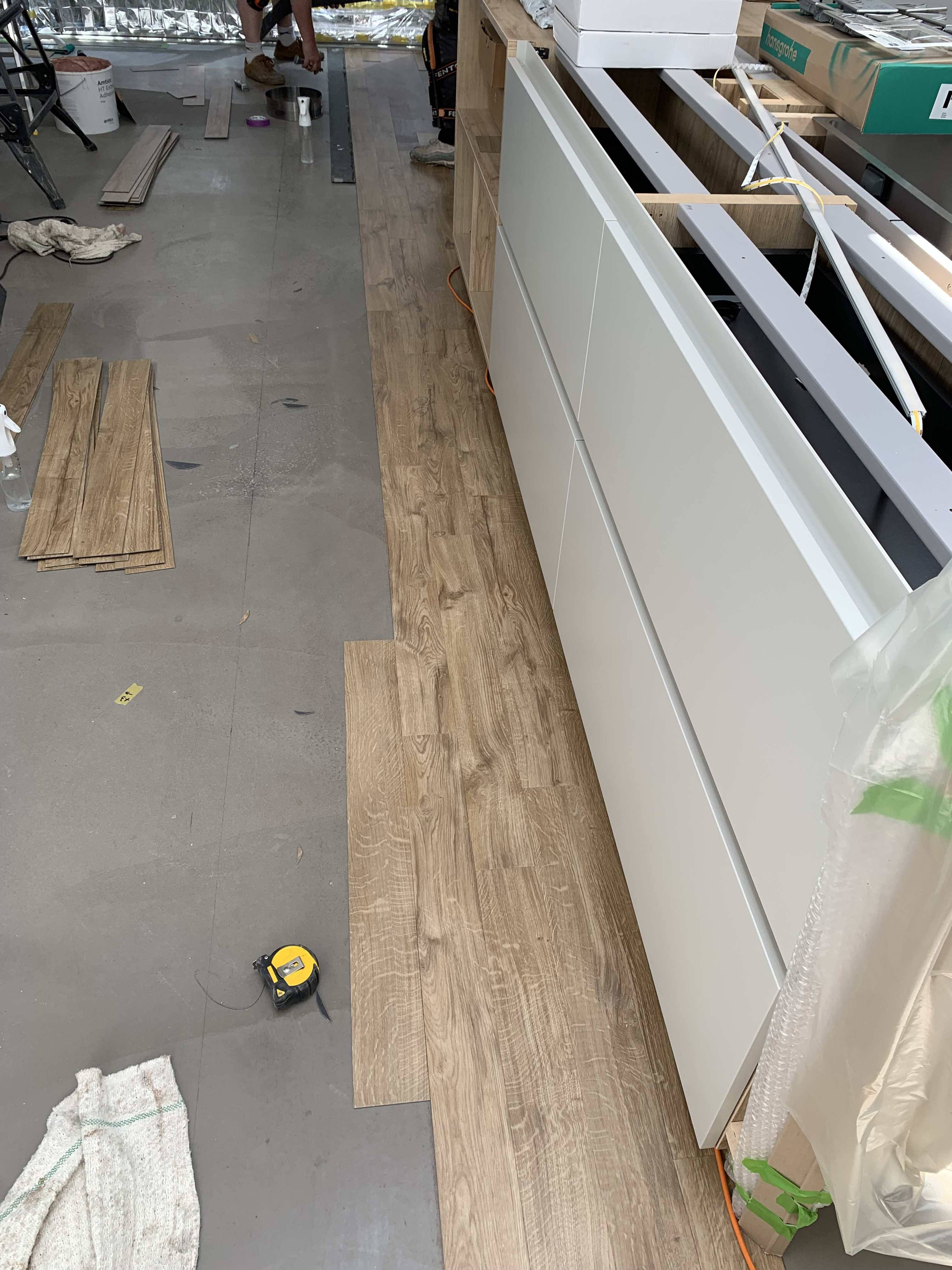
The rock is pushed up, the rock rolls down. Some LVT went down, some LVT was taken up again - manufacturing fault affecting 20% of the planks. Apply shoulder to rock - attempt to push. We have chosen LVT planks with a featured wood design. Some planks are fairly plain, some are heavily featured/knotted. So how do we decide how to lay them out. I had a concern that the contractor was not laying them randomly and seemed to have laid more heavily featured ones than plain ones. They said we open 2 or 3 packs then lay them as they come. Amtico said loose lay them and then swap planks around until you are happy, then stick down. Contractor not happy with that approach. I appreciate the PITA of loose laying them first, especially with a total area of 50sqm (could only really loose lay a section at a time) but it is going to be down for 20 years. Experiences, thoughts and comments...?
-
Yes, it may not be ready yet, but I think things are very much moving towards making it possible at some point in the future. I always find it interesting to wonder why we do things in a particular way and how they could change. I guess it is analagous to always on lighting circuits. I can turn the circuit on/off remotely at the Sonoff module now, not just at the consumer unit. And, well, the physical light switch may have little to do with the circuit power status. Mr ChatGPT says...
-
Seems best to free the pipe regardless as not sure of the possible stress on the pipe when it is anchored but expands and contracts.
-
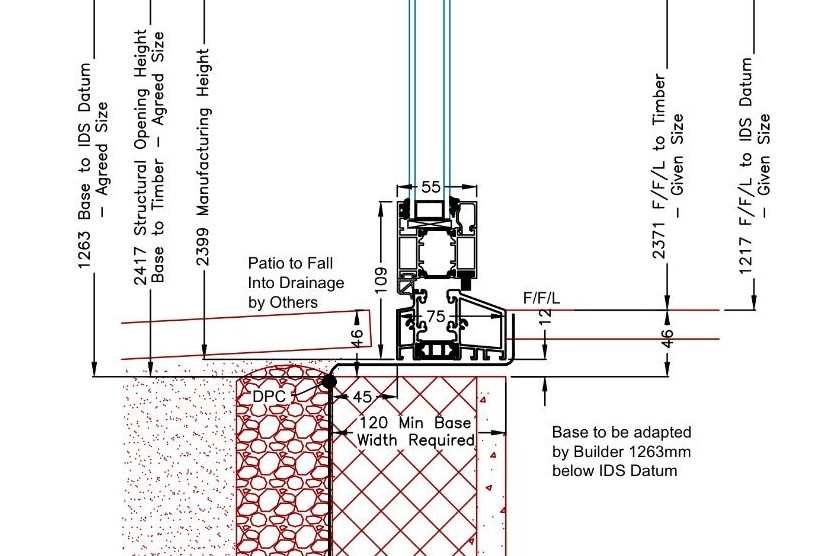
So I likely worded the question title wrongly - the above is what I was asking. On the face of it, it looks as though 3mm of feathering compound, decently feathered out to nothing over 150-200mm of floor width would be ok. I wasn't really asking - 'would you bother doing this?' I was asking -'if I do this is it likely to create any problems or make the floor look bad because of it ?' (Builders say 'I wouldn't bother sir' all the time. It is a personal choice. Tolerance on floor tiles is 1mm (or 2mm for wide grout), disability guidance appears to say no vertical upstand more than 5mm and threshold height of 15mm. My FIL shuffles along with a walking frame, a grandchild might catch it running out. It isn't vital, but is it doable and likely to work ok ?)
-
Yes Maybe, but 5-6mm seems like it could be a trip hazard, whereas 2.5-3mm would be safer as well as more aesthetically pleasing. Any experience of using feathering compound under LVT ? Looks like it can have LVT laid over after just 15 minutes...? https://youtu.be/Gp4qxdf6f9w?si=mgLwexHuuJtfTctM
-
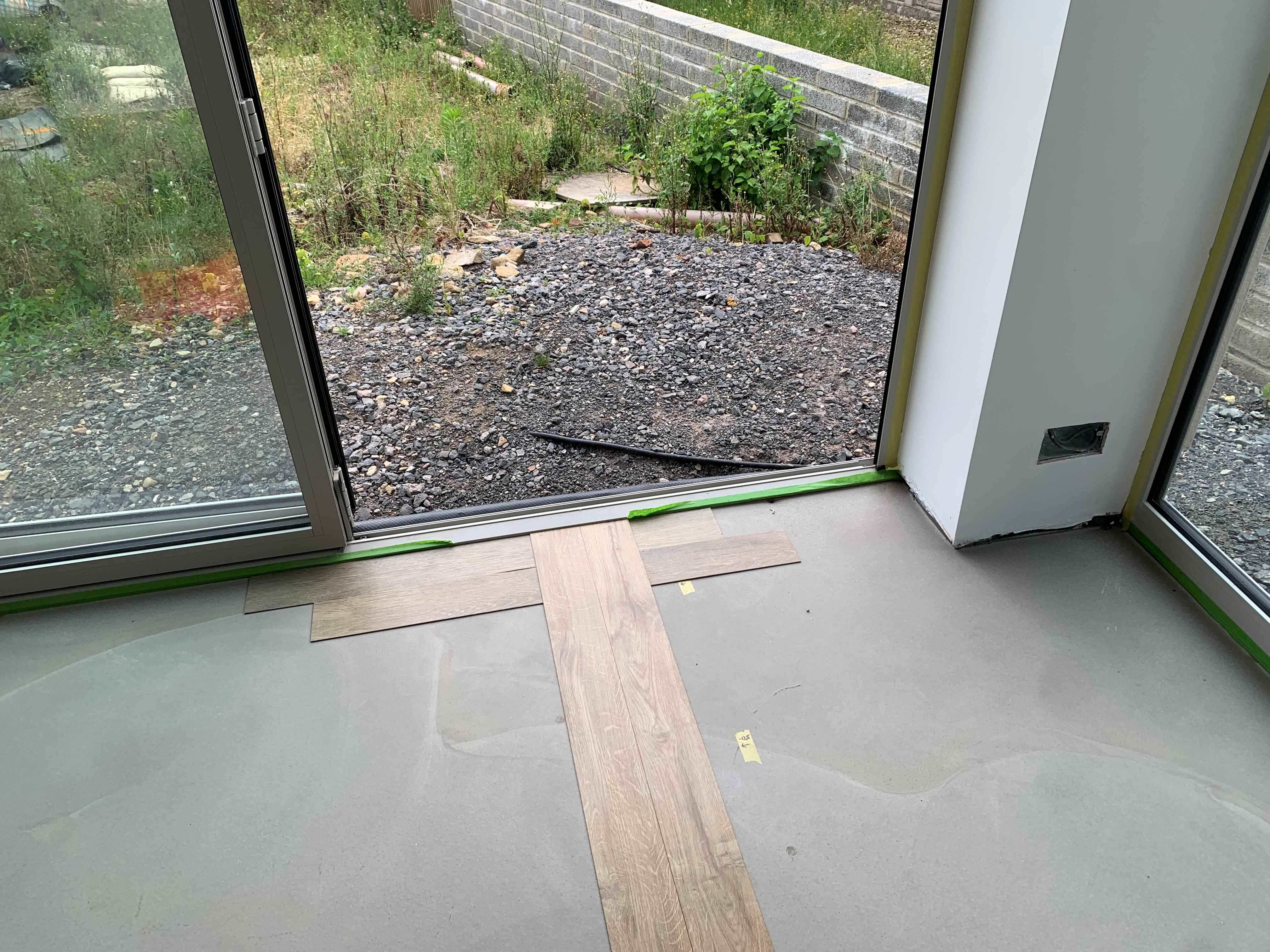
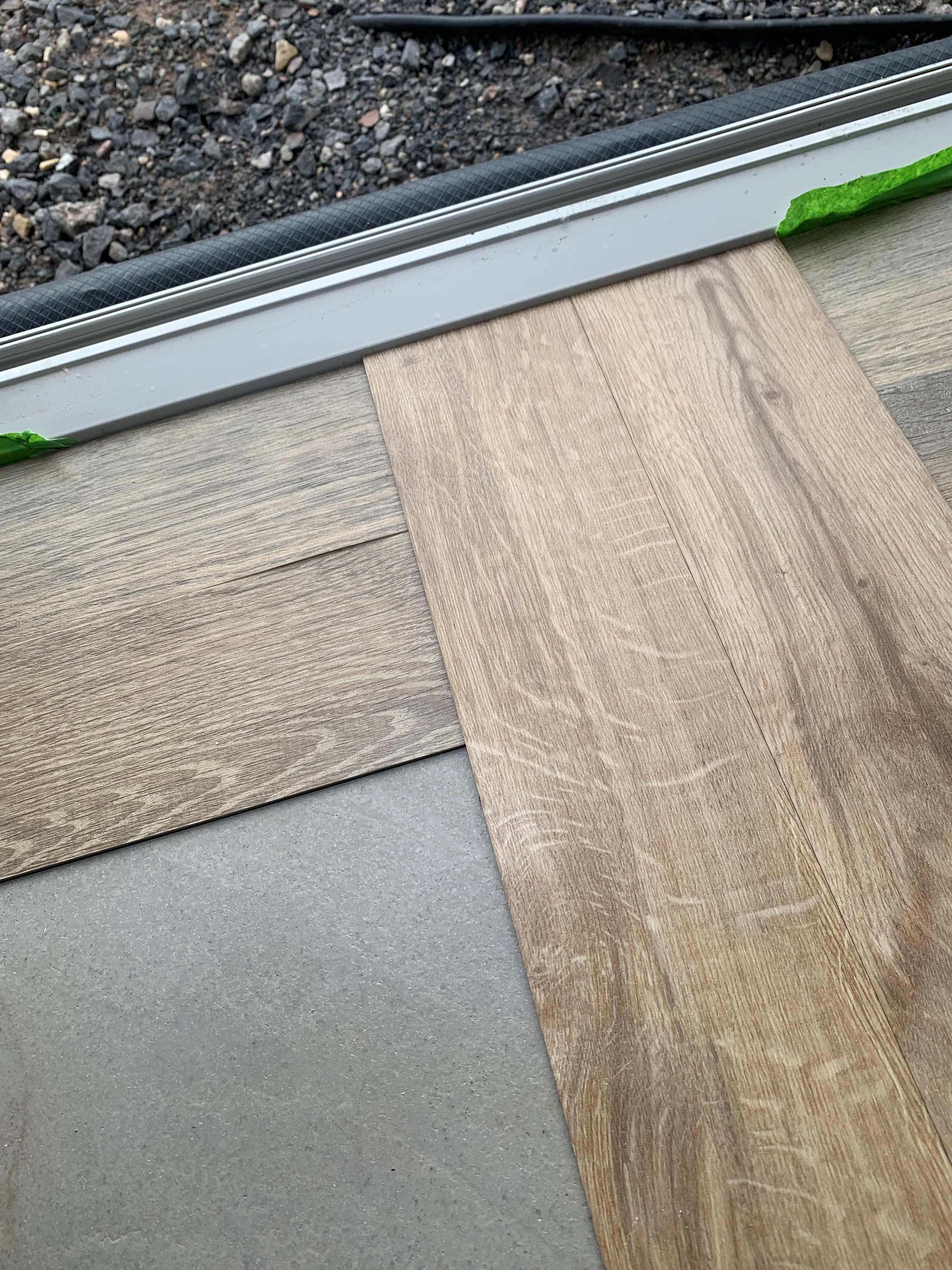
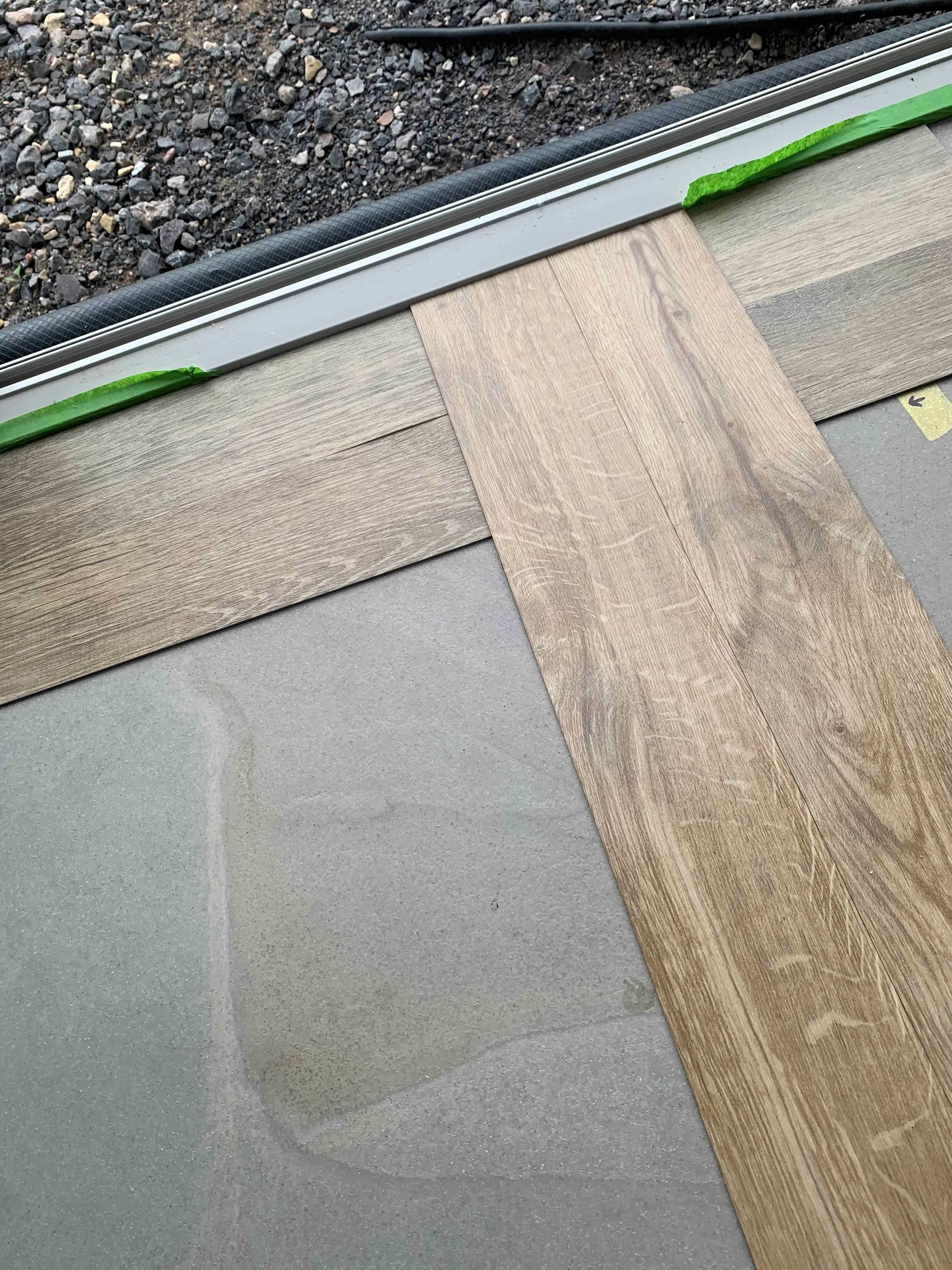
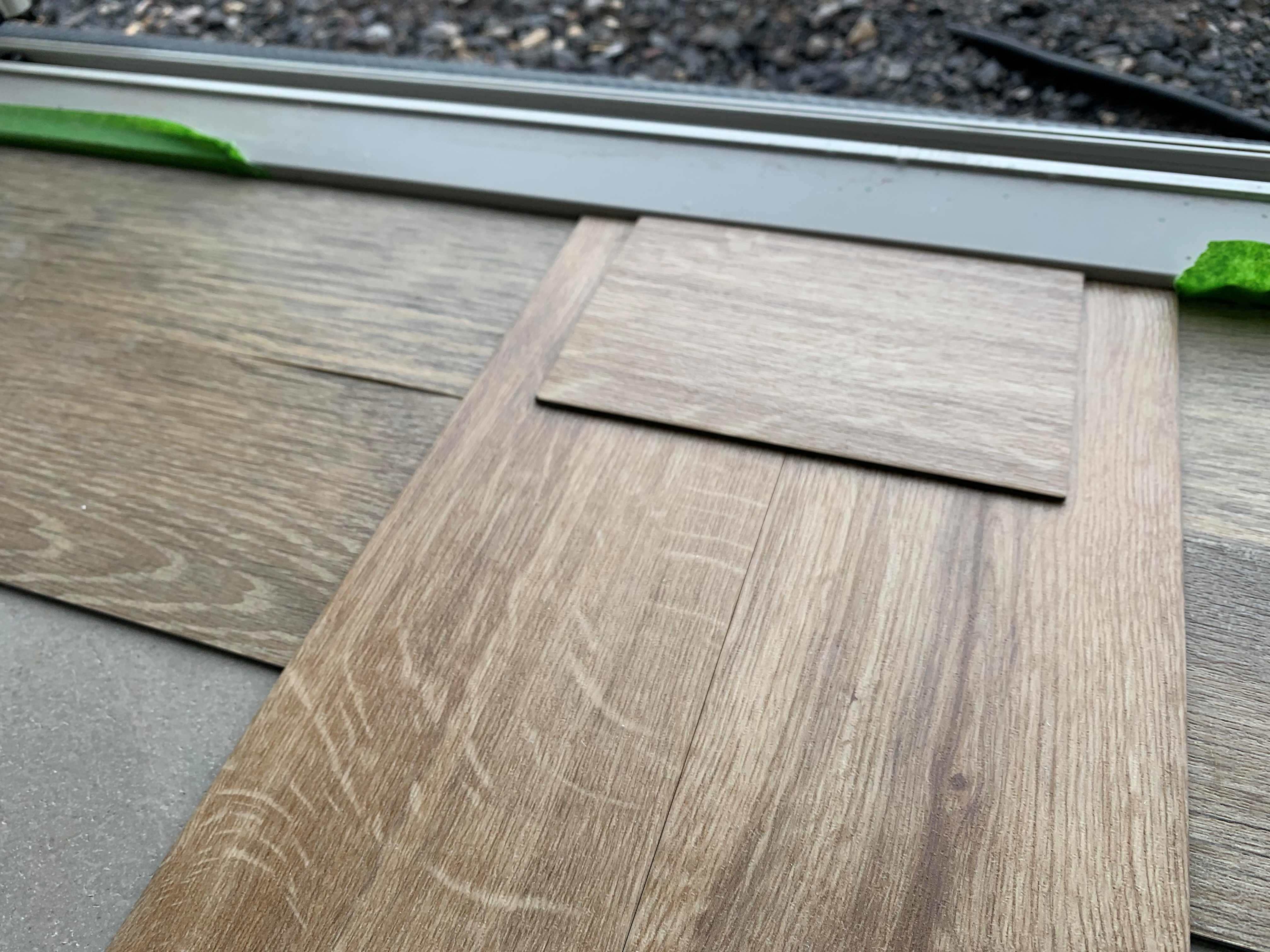
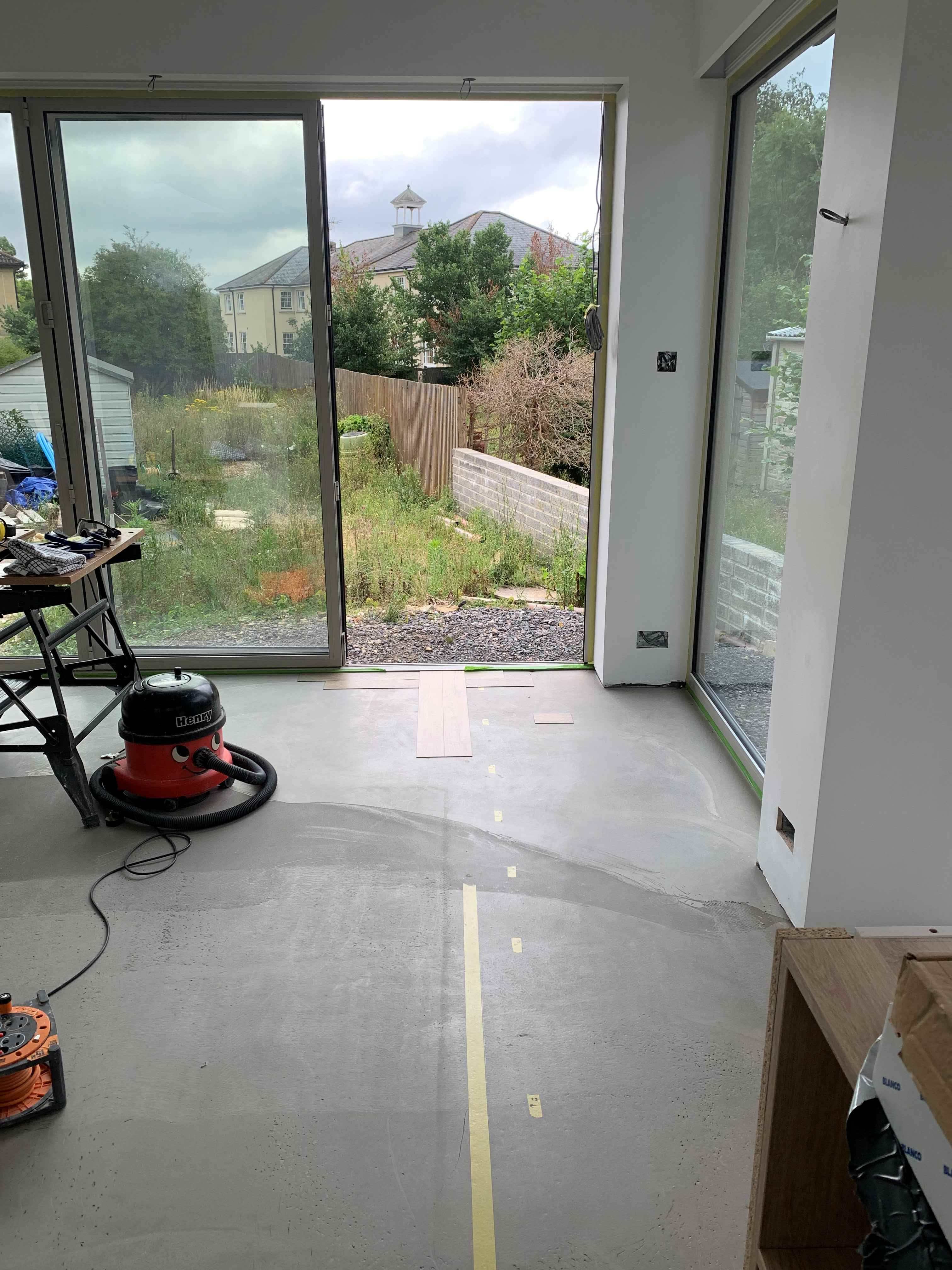
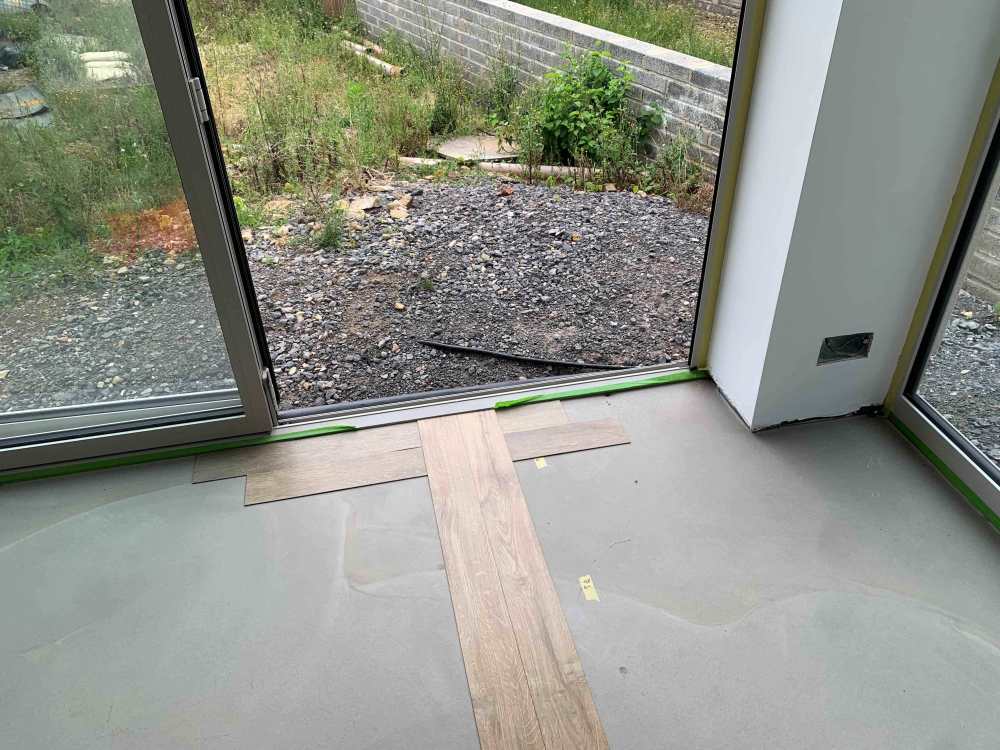
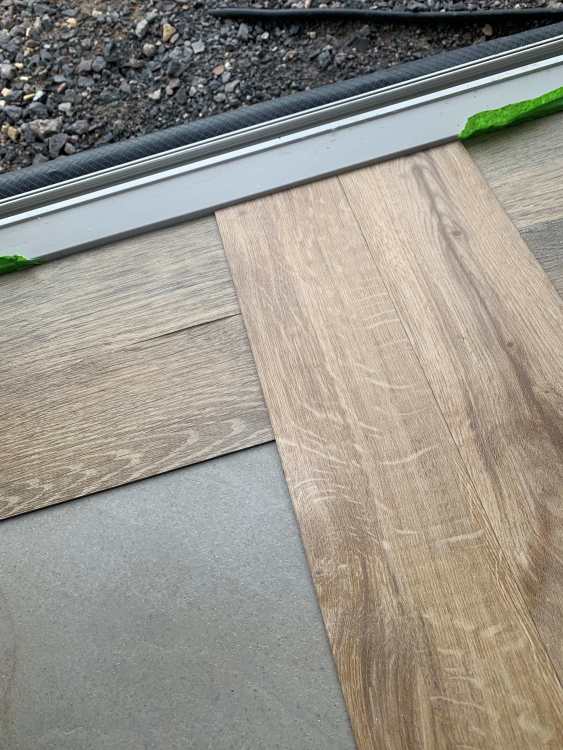
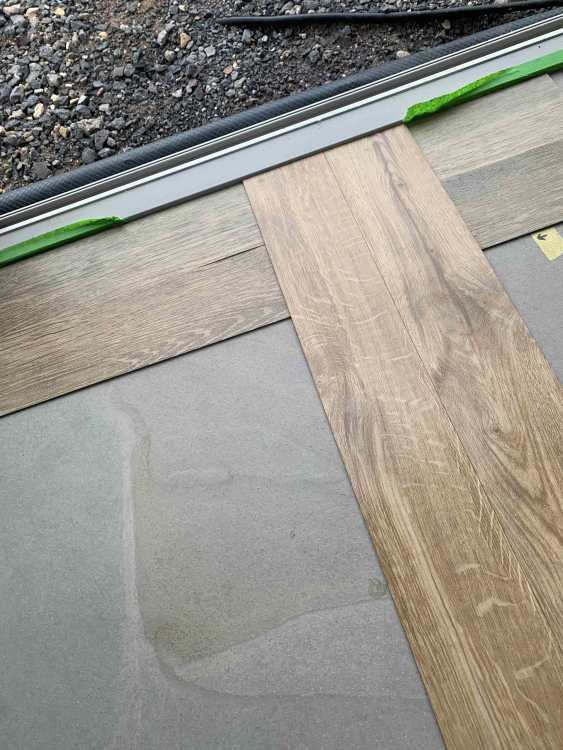
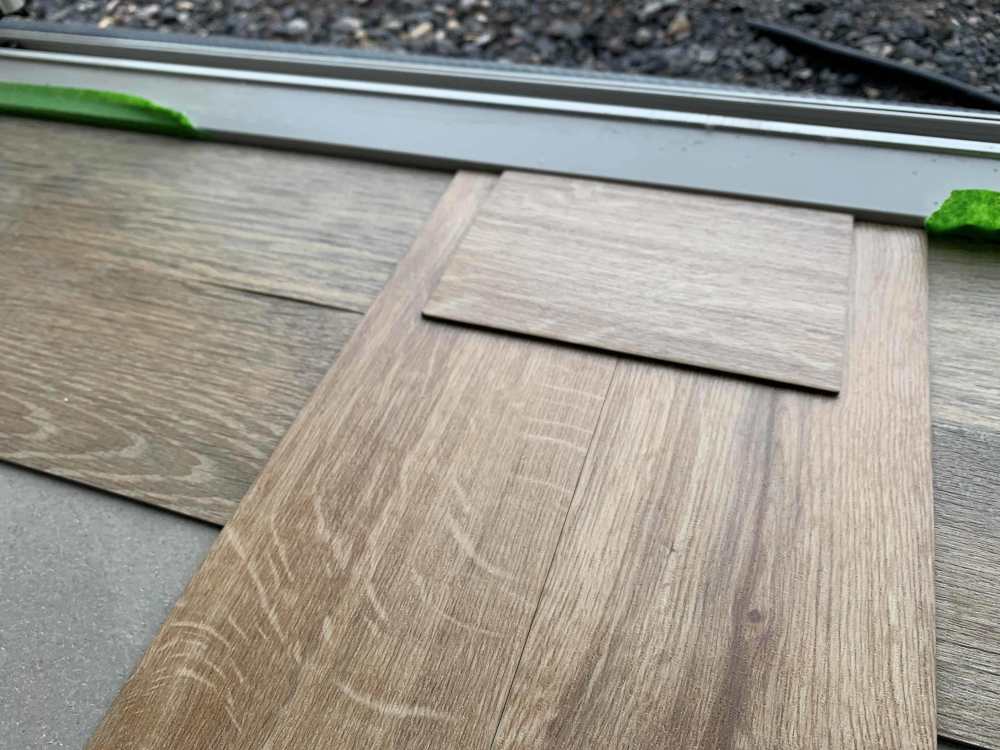
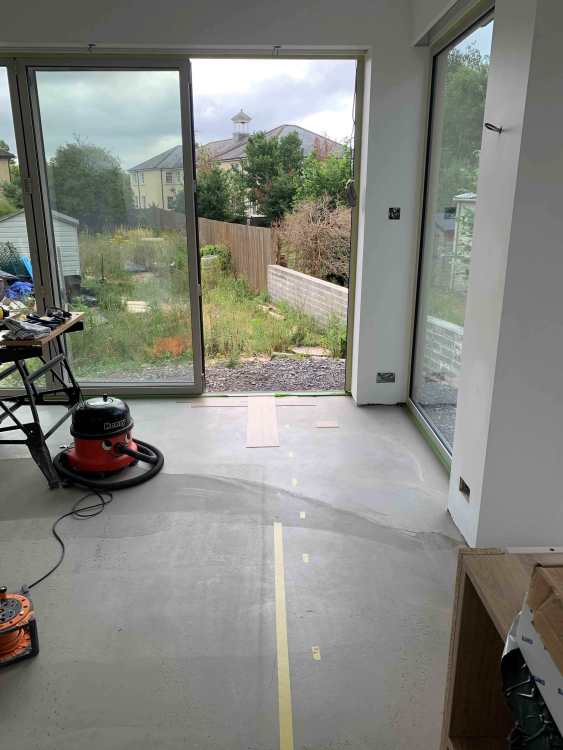
Our Bifold threshold is designed to provide a levelish threshold with 10-15mm upstand. On the inside it has a bevelled edge. In a perfect world the top of our LVT floor covering would meet the edge of the threshold bevel all along the 3.5m width. Our floor levelling is a little low and comes up about 7mm short of perfect. Our flooring guy did point out going for perfect might go wrong because the floor level may vary somewhat along the length of the threshold, and if too high at any point then look bad. The question now the floor is levelled is whether to have the floor feathered into the threshold to reduce the discrepency ? Flooring guy says he can feather the LVT up a bit along the threshold and inwards for 6 to 8 inches to reduce the discrepency. However it is possible that it might be noticeable in certain lights etc. Photo illustrates what he is talking about where the lower LVT planks illustrate the effect by raising the upper LVT planks (the ones we are using) by 2.5mm against the threshold in a similar manner to feathering. Anyone done this ? Can anyone advise ? What is the likelihood of this working well VS creating a worse eyesore ? (PS Levelled floor does generally undulate 2/3/4mm in places anyway)
-
Indeed, although we did have thoughts about putting hooks into the overhang fascia and having a triangular shade sail. Might be a pain if a wind gets up though ?
-
ok. I used some chrome colour pipe sleeves in the bathroom which seem to be doing ok.
-
What about using radiator foil/insulation such as this ? https://www.amazon.co.uk/Radiator-Foil-Reflector-Roll-Metres/dp/B0FHX24FP8/ref=asc_df_B0FHX24FP8?mcid=105a35c7f1383e838b6a3496fbcbce8b&tag=googshopuk-21&linkCode=df0&hvadid=768395591032&hvpos=&hvnetw=g&hvrand=18110053046630382234&hvpone=&hvptwo=&hvqmt=&hvdev=c&hvdvcmdl=&hvlocint=&hvlocphy=1006502&hvtargid=pla-2439067162462&psc=1&hvocijid=18110053046630382234-B0FHX24FP8-&hvexpln=0&gad_source=1 (I think any permanent solution will mean looking up what glass we had in the bifolds and rooflights. I thought it was UV limiting but really can't remember. We havn't got our electric roller blinds in yet and not sure how much effect they will have.)
-
Need to temporarily stop the solar gain throught my bifolds to keep the temperature of the floor down while LVT is laid. Looking at window film ? Wouldn't it best to put this on the outside though ? Silver side outwards ?