junglejim
-
Posts
282 -
Joined
-
Last visited
Everything posted by junglejim
-
Really interested in solutions to this as about to start cladding. I was also thinking of lead but unsure how to do this properly? Ie; junction with membrane. Also considering aluminium but I can’t find anything wide enough ie; 38mm batten + 19mm cladding =57mm out. Any advice really appreciated.
-
Thanks. Yeah not so easy as would need to remove the ridge tiles and ridge tree. (Doable but a bit of a faff). I’m not too worried about BC as don’t think they’ll have an issue but want to make sure that I don’t create future problems.
-
Thanks…. Hoping I can do that.
-
Thanks yes I have a vented dry ridge and airflow between tiles and breathable membrane. The question is about airflow beneath the osb as it’s a cassette roof. I have 50mm air gap that runs from eaves on one side between rafters and to eaves on the other. Not sure if I should also be cutting the membrane at the top as well but would rather not if it’s not necessary.
-
I’m considering an arched front door but wondering what the cladding detail should look like around this? The cladding is vertical timber (shadow gap). I’m struggling to find pictures online so wondering whether this is possible or not. Thanks
-
bed = need 🙄
-
It’s time to make the cut across the ridge of the breather membrane… cassette roof construction. However it just doesn’t quite feel right after working so hard to protect the building and keep water out. I realise that I need airflow from the eaves and above the insulation to the top of the roof but with this design there isn’t av ridge beam so air can actually flow from eaves, over insulation upwards and back down to eaves on the other side… I’m wondering if this is sufficient to avoid the bed to cut the membrane and help me sleep easy knowing that the roof is watertight…. I’m sure this is a can of worms but any advice welcome. Thank you 👍
-
Thanks @Eric yes that’s what I’m doing but wasn’t sure whether it also needed boxing in or something to prevent slippage downwards. They’re tight so can’t imagine them moving but overtime and with air movement … probably overthinking this and belt and braces so wondering everyone’s thoughts. Thank you for the help.
-
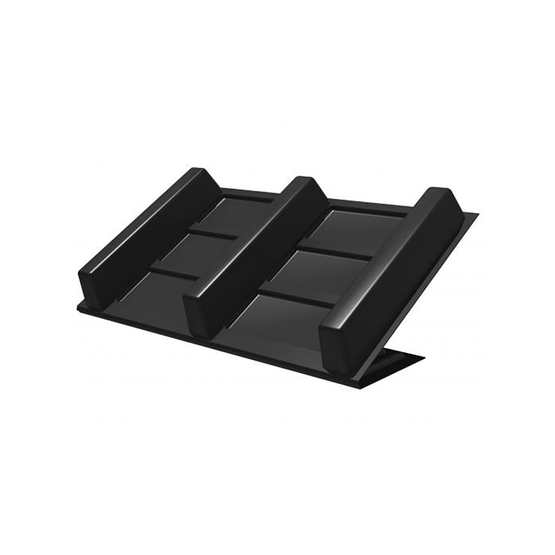
I’m wondering if it’s worth putting a baffle in?
-
Thanks @Ericyes doing similar but just not sure how to finish the eaves end… not sure what you mean sitting on the wall head?
-
Considering cutting notches out of the end of the insulation for air and then pushing right to the back of the sub fascia… what do you think ?
-
Thanks that sounds good but in this case the walls are timber frame cassettes so no cavity and boxed in.
-
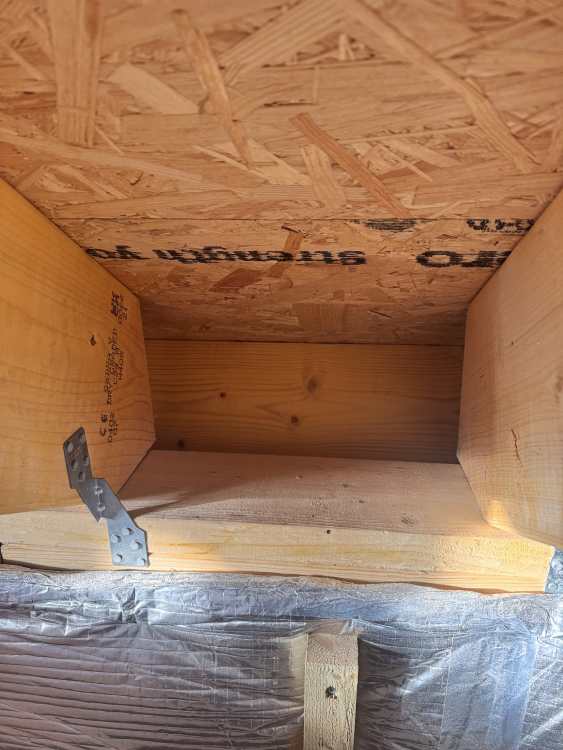
I’m insulating between rafters of our timber frame and trying to work out the best way of finishing at the eaves/wall plate. Currently extending over the wall plate to the eaves box allowing for 50mm ventilation gap but wondering if I need to close in or seal the ends of the rigid insulation in any way or whether it’s ok as it is. Thank you for any advice.
-
Thank you. That’s helpful. Does you find it interfered with the battens at all or pushed out the cladding?
-
That’s interesting. Did you take that behind the battens ands back to the membrane? Do you have any pictures you’d be happy to share? Ta
-
Thanks @Annker I’m interested in the edpm detail. Was that edpm tape? If so which one? Also did you run that over the top of the reveal board? thanks
-
Looking for advice on cladding around windows and doors. We’re building a timber frame house. We’ve just had windows in. I’m ordering the cladding and hoping to begin fitting in the next few weeks. I’ve seen various ways of doing the reveals. I’m particularly interested in the head detail. Itb looks like most overhang the cladding over the reveal board so that water can shed off but I’ve also seen folks use lead and aluminium drip edges to bring water away from the head reveal. Looking for any advice and pictures. We have a couple of large windows/bifold doors so wondering if this is more of an issue here to ensure any water sheds away from the structure? Thanks
-
@ProDave @markc @Gone WestReally useful reading this. I’m about to order cladding materials and will be fitting in a couple of weeks. I’m using a mixture of horizontal and vertical cladding. I like the over sail suggestion at the top. That makes sense. I’m curious whether there is also a head flashing detail that needs considering. Also for the side reveals I hadn’t thought of over sail. Is there an advantage to this? I’m also wondering if there are any different considerations for horizontal cladding? thanks
-
My understanding is that for vented svp I can go down to 75mm pipe. Is this internal or external diameter? I’m struggling to find this. Can anyone point me in the right direction? Many thanks
-
I’m building a timber frame home. we have a large opening at the back for bifold doors which is framed with an RSJ. The window installers have said they can’t fit until this is sheathed in wood so looking for advice on the best way to do this. Externally I was going to add wool insulation, noggins then osb but haven’t really thought about bringing this into the reveal. Any advice etc greatly appreciated. Thank you
-
SVP through insulated roof (passiv house)
junglejim replied to junglejim's topic in Waste & Sewerage
Thank you for all of the advice so far. i don’t know if this complicates it at all but also worth noting that our sewage and grey water will go to a small pumping chamber sink in the drive which in turn pumps to the main sewer. @Iceverge @ProDave @tuftythesquirrel @Conor -
SVP through insulated roof (passiv house)
junglejim replied to junglejim's topic in Waste & Sewerage
Thanks Conor, that’s interesting. I mentioned that to a plumber who said bc would need external vented svp… do you know where I can find more info about this? -
Hi, I’m looking for the best route/method to install the svp. My understanding is that it needs to be 3m from a window opening so will need to go between rafters and exit the roof near the ridge. The roof construction is osb, rafters with rigid insulation between rafters then osb beneath rafters And another layer of insulation. Cutting through this to install an svp feels counter intuitive and could introduce cold bridging… does anyone have any advice in the best way to install, products etc to maintain thermal efficiency. Thanks
-
Sorry no pics …. Can take some at the weekend. The main roof is on and timber for hip and overhangs is being fitted soon so trying to work out the best way of tiling this section.
-
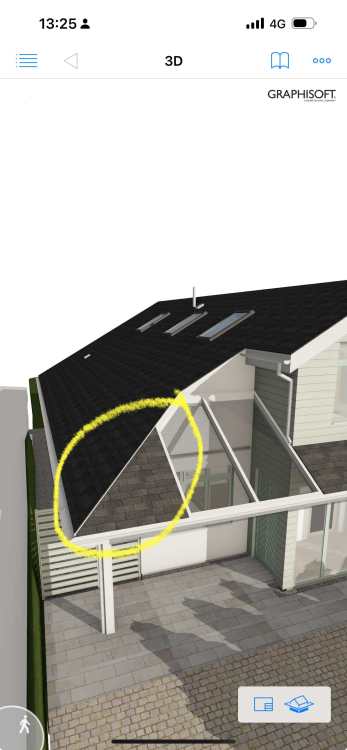
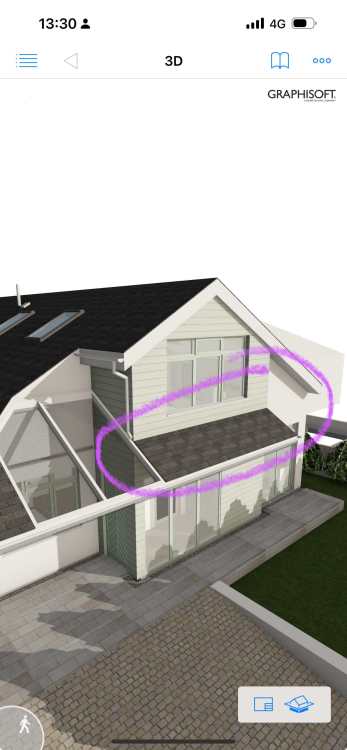
I’m doing my own roof and ok so far with all the straight edges but the detail on this end is a bit more technical so I’m looking for advice on how to do this. The roof will be osb solid deck with membrane, counter battens and battens. I’m wondering how best to create the hip and match it in to the roof and also any tips on joining the front porch overhang to timber frame? Thank you in advance for any advice.