kxi
-
Posts
140 -
Joined
-
Last visited
-
Days Won
1
Everything posted by kxi
-
@Pochlin We are using a steel frame, though not a portal, as a) it had to be monopitch for planning reasons, b) needed a concrete first floor. Our frame, erection, cladding all provided by an experienced shed-basher from the list at https://www.ridba.org.uk/ The frame aspect is pretty standard (apart from the thermal breaks), but the cladding ... not so much. We chose to try using standard Kingspan KS1000RW quadcore insulated cladding as it seemed a neat idea. Turns out it is fiendishly complicated to get this to the airtightness + thermal bridge-free levels we wanted, mainly due to difficultly sorting out how the windows sit in the cladding. This is partly because no-one really does this, so everything is worked out from scratch. If you were going for standard airtightness and thermal bridging it might be easier though. One big advantage of this approach is you can put rooflights anywhere you want easily - as long as you are happy with the standard kingspan plastic ones (i.e. that you can't see out of). In that, a different cladding/wall approach might be better - but you've still got to support the insulation and windows somehow. One day when it's all done I'll be able to give a better post-mortem on the approach, but suffice to say, right now in the midst of things, there are quite a few challenges which make me wonder whether another method would have been better. A wooden portal frame e.g. glulam, would avoid a lot of the thermal bridging issues and mean you could probably have the insulation layer in-line with the frame, rather than fully outboard or in-board. However, the main advantages of a 'big frame' approach inc. portal is you can get huge open spans as you would want in a barn or industrial space. If you aren't going to use these spans in a residential building, then it's perhaps better to consider a more conventional method. Resale may also be a consideration, anything non-standard and/or industrial looking could be a bit problematic, if resale matters to you. I certainly wouldn't want to put anyone off considering it, but just to flag up there are complexities. One might say the near total lack of steel-frame residential buildings is a bad sign for the method, but I suspect it's largely to do with a) the potentially 'modern' industrial look of the resulting building (which many people would not like or not be feasible from planning POV), b) bad reputation from terribly designed mid-century steel frame houses, c) huge conservatism in UK house building.
-
I'm using both the light rolls and the bigger mesh, mainly for anti-corrosion aspects, and plan to post about my perceived pros and cons when I get a chance. Previous posts: Quick comments: - 'Better than' glass fibre since doesn't degrade in alkaline environments (i.e. concrete) - Buy it in UK from Orlitech (who resell the Galen product) unless you want vast quantities in which case can go direct - Still very unknown in UK, and barely used, but more widely talked about/used in US and China. Perhaps because they have more of a culture with fibre-rebars - Plenty of published research on the properties, but it's heavy going, and perhaps some question marks over whether the stuff you buy always meets standards (I don't know...) - The bigger stuff is sanded so has a very good grip - Was at one point (and perhaps still is?) cheaper than 'equivalent' steel - Needs 'full consideration' e.g. use with non-metal spacers if going for a zero-steel approach, how it will be walkable on etc (this was a problem for us, but now solved) It will be interesting to see whether the Surfside collapse prompts further consideration of non-steel rebar such as BFRP. Even if rebar corrosion isn't found as the ultimate cause (e.g. if was a sinkhole) it was telling that a common reaction was roughly 'well of course the structure would be weakened because of rebar corrosion - that's what happens to steel rebar especially in coastal conditions or with poor design'. I.e. an implicit assumption that steel rebar can be problematic.
-
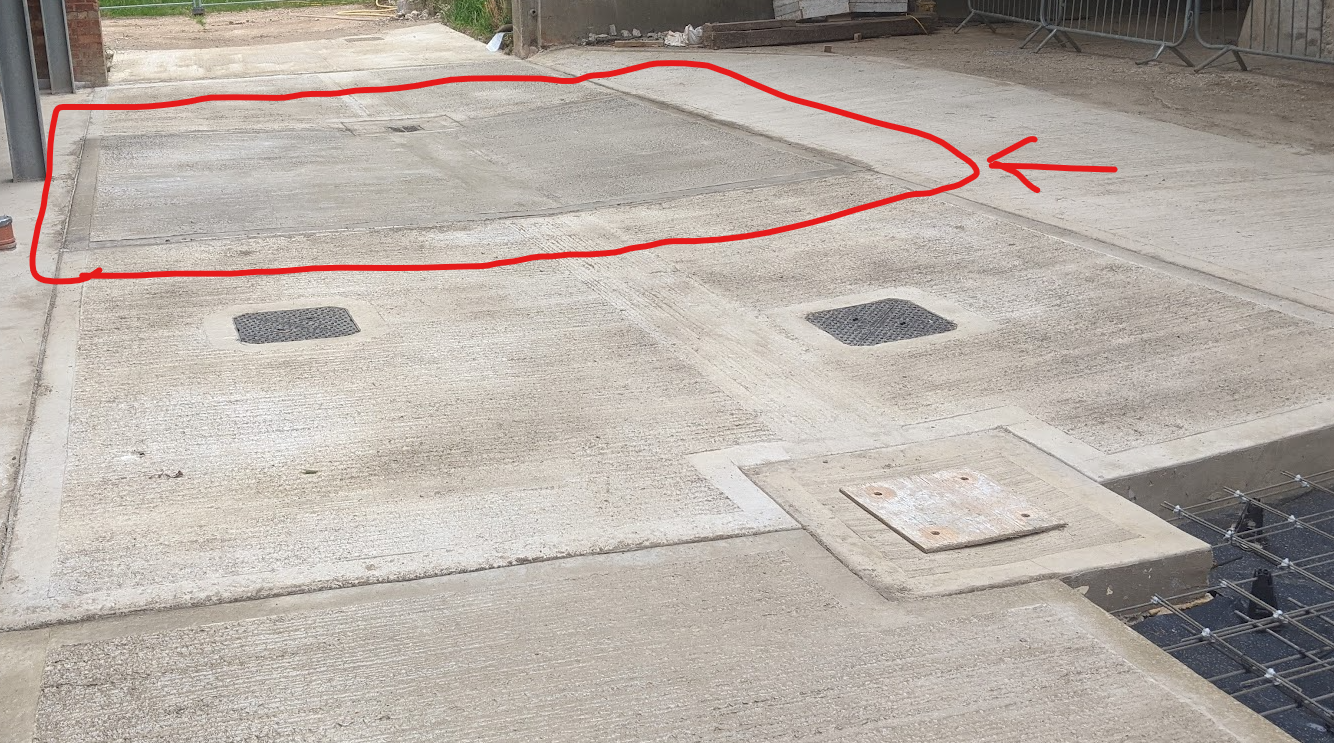
Thanks all. The guys have hitherto done an excellent job, and already laid maybe 300m2 perfectly. This was the first slab without their usual very-experienced foreman, as he was on holiday this week. I was apprehensive about this, and turns out with good reason. This slab is exactly the slab config as 6 others laid in the roadway (inc. same 8mm basalt mesh reinforcement), including 2 others laid that same day, so I doubt the reinforcement etc is to blame. The cracks are all over it, whereas the other slabs have none at all. So I suspect something happened with this one. Shame, since they have been on site for nearly a year (lots of groundwork...) and with a few weeks to the end it's the first mistake.
-
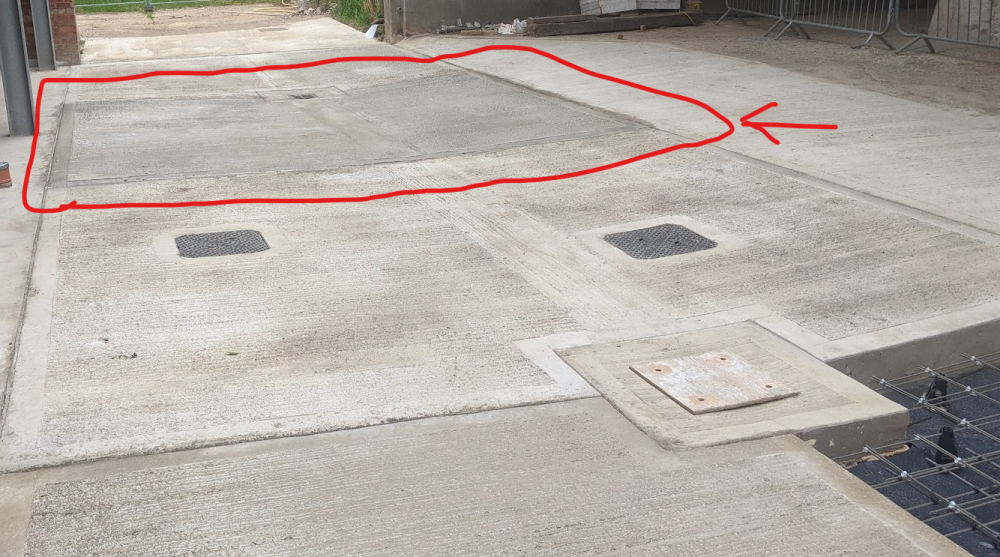
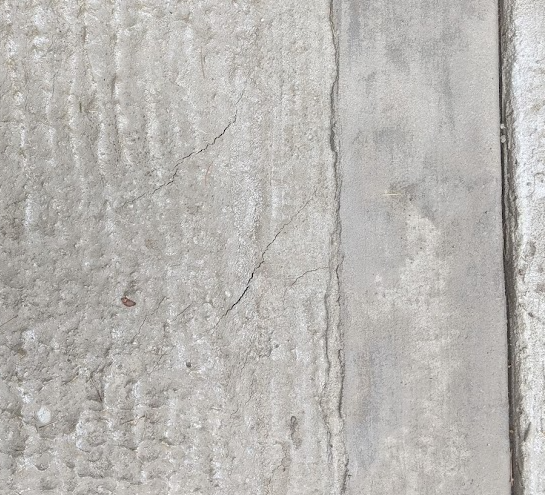
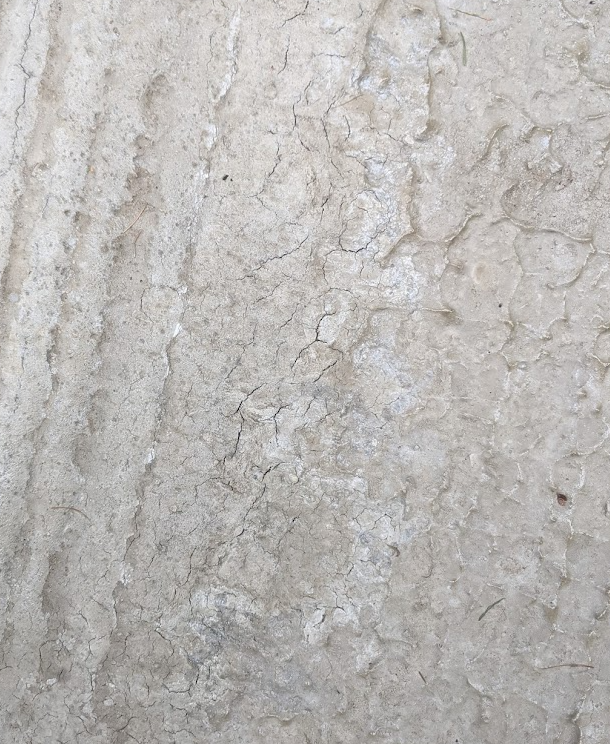
About 150m2 getting an external concrete slab. Nicely divided into reasonable sized, mostly squarish bays. Several of these have gone in fine. But one of the bays poured on Thursday (i.e. 48 hours ago) has now developed lots of small cracks, which I assume are early contraction cracks as the slab heats, cools, dries out, and whatever else concrete does as it cures. My concern is - how much do these matter? Is any remedial work worth it? I'm assuming this is annoying but probably fine to leave as is? This slab: - Farm roadway to take occasional heavy traffic - 200mm thick - Roughly 5x4m - Single layer of thickish reinforcement mesh (basalt fibre - more on that another time) at about 130mm from base i.e. in upper half - Layer of poly at the bottom - Compacted subbase of crushed concrete - Laid on hot sunny day, some shading - Something was sprayed on top - I think to slow down evaporation All the other slabs have been totally fine, including two others done same day. I wasn't on site to see this one, but the usual groundworker foreman was on holiday, and apparently there was a dog that ran into the mix as it was being poured which caused some disruption. This one: Examples of cracks:


-
Thanks all. Yes, plan is to lay in bays or saw cuts, but need to clarify exact layout. There's lots of falls & facets to accommodate which will likely dictate it. As an aside, the roadway which we tore up was: - Laid perhaps 1960 - Over the clay with a bit of rubble (amazingly not too much asbestos sheeting) - 150mm concrete - No reinforcement - Laid in roughly 3x3m squarish bays just butted up against each other Pretty much no cracks at all. It does make me wonder. Why we tore it up is another story.
-
We're laying about 150m2 of concrete farm roadway, and the SE's original spec called for: - 200mm concrete - 50mm concrete blinding - Compacted subbase (crushed concrete) (over clay / hoggin) There are no walls or anything on this - just a roadway with falls & drains. It's also reinforced, but that's another story. We (now) don't see the point of the concrete blinding. As I understand it, blinding is supposed to: 1. provide a clean and level surface to work off - but the compacted subbase already does this 2. prevent punctures if using a DPM - which we are not using since it's an external slab 3. prevents water draining out of the bottom of the slab when poured - which might dry it out too quickly when curing So, only item 3 is really needed here? It seems to us (naively) that sheets of polythene would do the work of item 3 more cheaply, quickly and effectively than any blinding? In addition, the plastic sheet would act as a slip membrane allowing the new slab to move a little while curing and so reduce the risk of cracking during curing? Any thoughts on just using a plastic sheet instead of the concrete blinding? Or nothing at all?
-
It was surprisingly cheap for the windows, and surprisingly expensive for the install (esp. this taping point). I suspect this may reflect the nature of the order - a small-ish number of windows for the m2, some very large installed on first floor, many fixed pane. Here's some crowdsourced pricing from other Buildhub users https://docs.google.com/spreadsheets/d/10mPQ-4HnTuUbiKmQVn3fPPoVkxDMPgRFNvaji4R8USg/edit?usp=sharing Mostly at least 3 years old though, so potentially unreliable now, and unreliable anyway since it's just based on people's posts.
-
@craig Thanks very much, and in our case most windows are bigger than 1x1m so the linear metres would be a bit less. We actually have only 20 windows. So it is a bit mysterious why the charge is so high. I was a bit surprised the tape needed to be so wide as well, though I see it is available up to 250mm wide, so presumably not unusual. Is it common for similar installs to need such wide tape?
-
72m2 of Idealcombi Futura+I windows, to be installed by Idealcombi. They have been very reasonable on price so far. But I see the installation quote includes £3,958 for airtightness tape: Illbruck ME508 200mm depth (separate to the main install quote) Based on an example cost from https://www.sealantsonline.co.uk/ProductGrp/illbruck-me508-duo-membrane-ew-f (roughly £3.60/m) So this quote line item would equate to 1,100m of 200mm tape. Presumably their price might include labour and / or markup. But to help understand the quote, what is a rough quantity of tape that would typically be used in this kind of install?
-
Reason for variation is the building has multiple parts with differing usage. Though none with an aggressive environment. So you would paint the steel with bitumen even in B? AND the encasement in bitumen as well or just the steel? Reason for caution is I'm paranoid about any steel corrosion and building aiming for 150+ year lifespan.
-
Thanks. Given you mention corrosion above ground, is it worth bringing the encasement in B up a bit proud of the slab, say 100mm (where practical) to bring it out of a zone where a) damp dirt might collect against the column or b) occasional floor washing might splash on it? In terms of the thickness of the encasement on B - presumably it should be at least ....50mm...thicker than the baseplate width? So end up even thicker round the column.
-
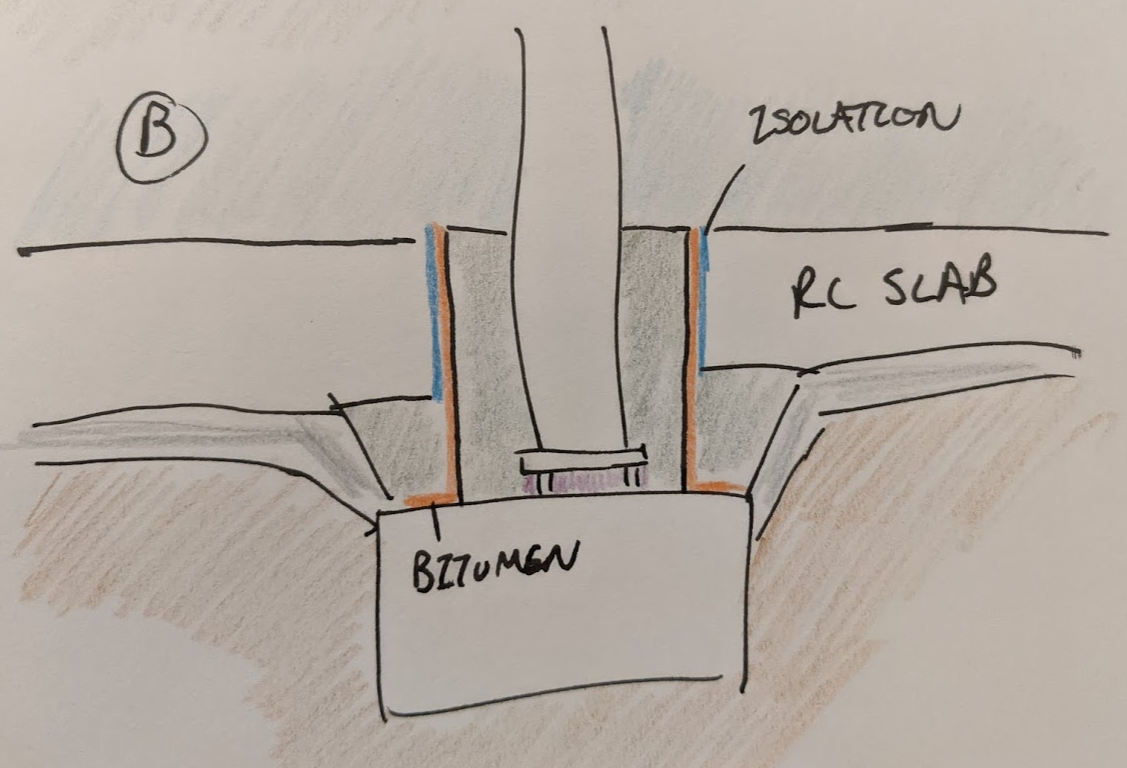
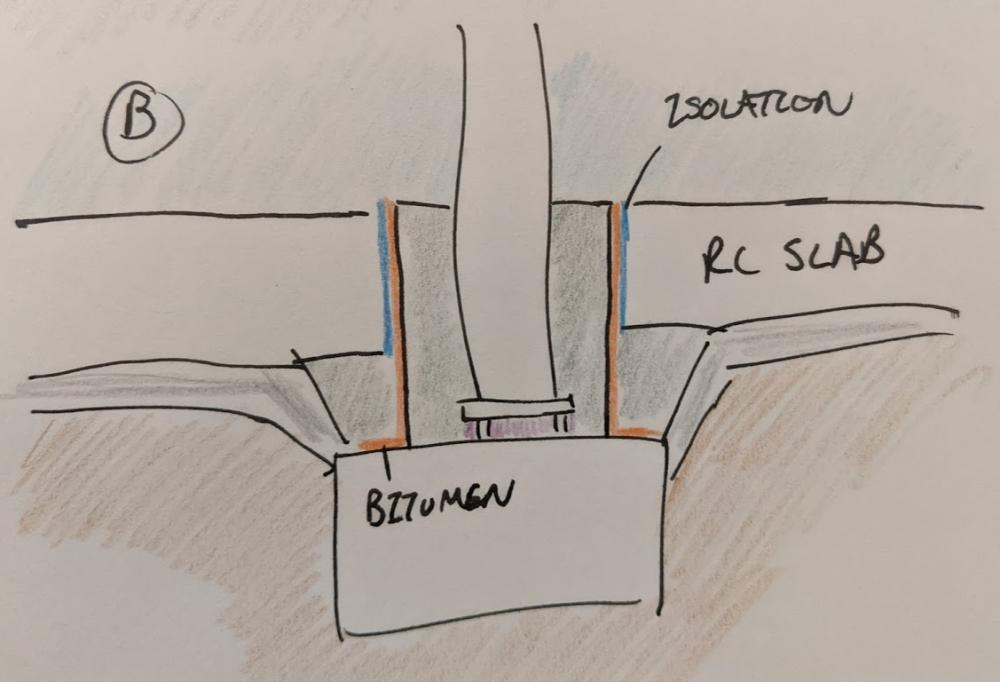
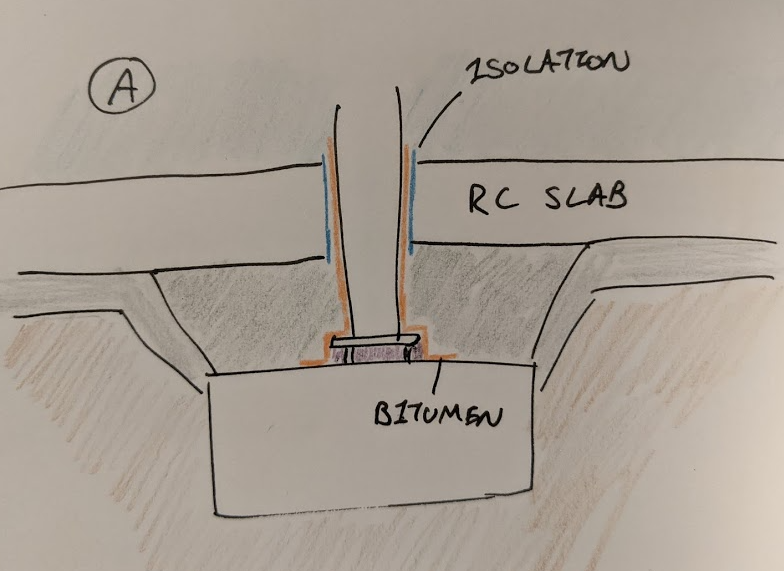
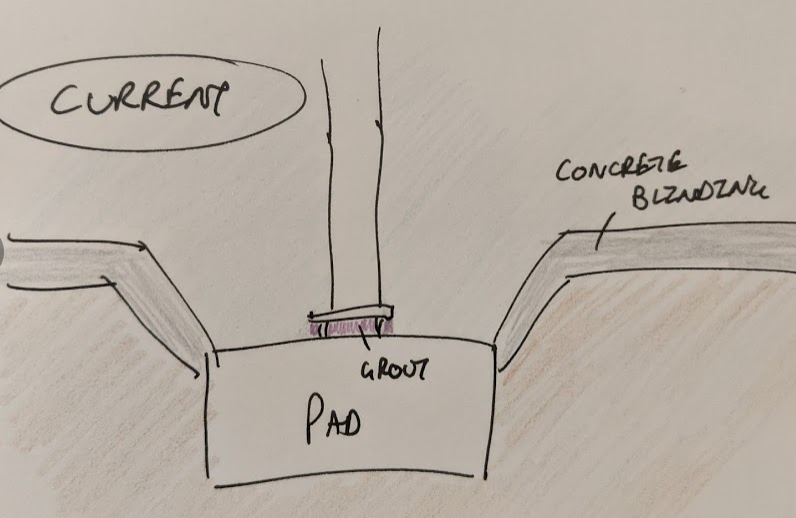
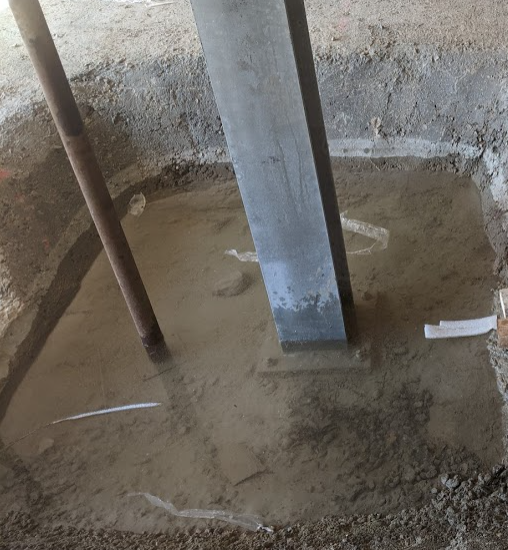
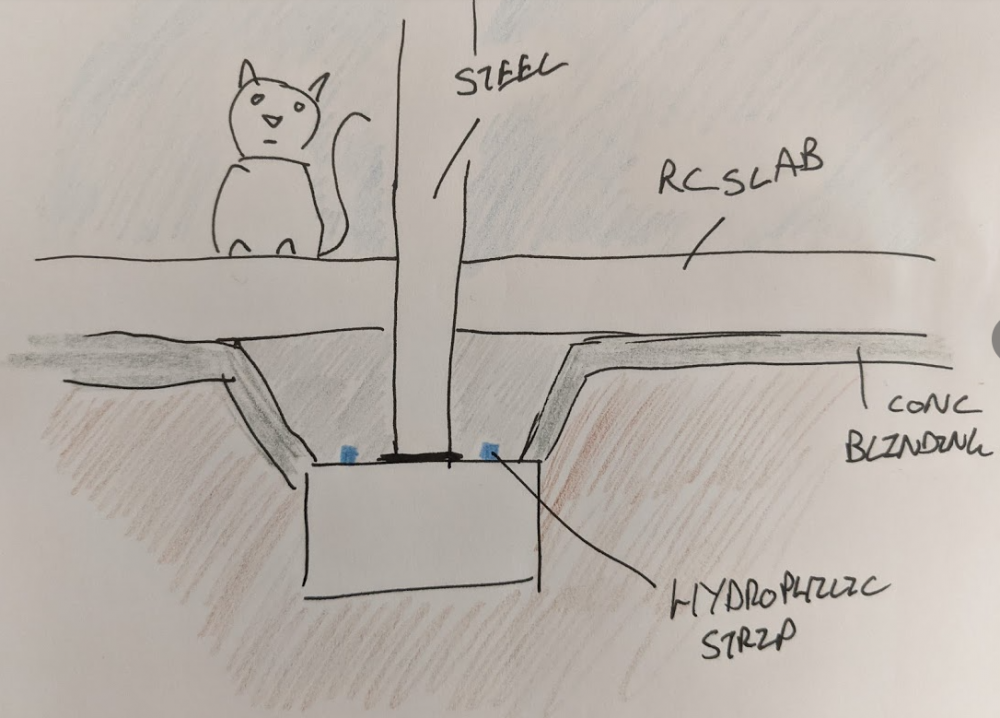
Thanks. Current state is columns shimmed & grouted (and sat in water for days every time it rains) so missed the chance to paint under the baseplate: So ditching the hydrophilic strips and sticking with just bitumen, what are your thoughts on A vs B? A - Bitumen paint the column to top of slab (as per your usual), fill the pit with concrete, then lay slab right up to the column - with isolation joint taped to steel: B - Encase base of column up to top of slab in concrete, then bitumen paint the outside of encasement, and isolation joint on the outside where it meets the slab: I was assuming A is less work since you don't need the formwork for each column encasement, but which is likely to have more longevity? B keeps dampness further away from the column? Some discussion of this in https://www.structuremag.org/wp-content/uploads/2014/09/C-SD-ABetterBasep13-151.pdf which illustrates an A-like one as a solution, but doesn't discuss a B-like one. (The cat is more likely to be a rat these days as the pack of 21 cats long since extinct due to inbreeding).
-
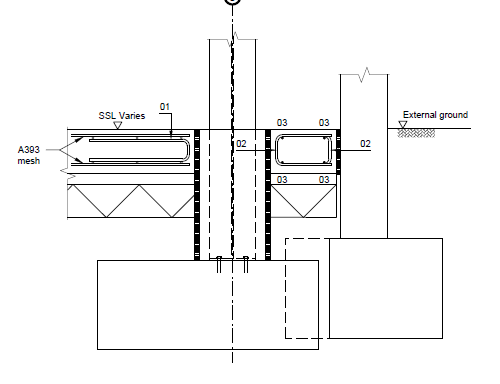
Our SE specified columns down to the pad foundations, and it's good to hear this is a standard approach, as I was apprehensive. Was spec'd initially with a fairly slimline concrete encasement, then liquid damp proof membrane painted over that to keep the dampness out: (The new column is the left one, the right one is an old wall with foundation. Column encasement is isolated from the floor slab). However, with my paranoia about steel corrosion and discussion with groundworkers we're now all agreed to instead have: A much thicker encasement - basically just filling up the holes above the pads with concrete A hydrophilic strip around the column base - to block any water potentially moving along the joint between pad concrete and fresher encasement concrete (pads were poured some months ago, encasement not done yet, and the columns now constantly sat in water) Floor slab cast right up to the steel - with isolation wrapped around the steel I.e. (Cat not to scale) Now I look at this I see a potential dampness pathway to the steel along the underside of the slab. Any comment from those in the know about the pros and cons of each option? Column bolts were a mix of cast-in and post-fix resin, to which the steel frame erectors said cast-in was much preferable.
-
I question the assumption (from your mortgage brokers) that unless a house is 'traditional' brick and block a) no-one will be able to get a mortgage on it b) no-one will want to buy it It's clearly not true that timber frame houses, or those using screw piles (for example) cannot be sold or get mortgages on them. Around 30% of UK new builds are timber frame. For example here's some Nationwide mortgage intermediary guidance: https://www.nationwide-intermediary.co.uk/lending-criteria/new-build-hub/construction "The majority of New Build homes are constructed using traditional, tried and tested methods, for example cavity brick/block and timber frame. High rise flats are usually constructed using concrete, steel frames and different forms of roof cladding (as opposed to the more standard tile and slate). All these methods are acceptable to Nationwide." Then: "An increasing number of homes in the UK are being built using innovative materials and methods such as factory manufactured “pods”, steel and timber frames, roof and floor “cassettes”, 3D printing and changes to on-site processes (including the use of robotics). These products and processes are referred to as Modern Methods of Construction (MMC). Many properties built using MMCs are acceptable to Nationwide, subject to our criteria. Our valuers will assess these on a case by case basis. We need to be sure that new methods of construction are sufficiently durable, easily maintained and will remain readily saleable in order to protect our members." It may be that your particular proposed build approach IS so non-standard that it's a risk for sale/mortgage, but clearly some aspects of it should be fine. It might be a good idea to find out what particular aspects of it a mortgage lender would find off-putting, because maybe there is a good reason for that? Of course you might choose to change your build method for other reasons anyway. But wasn't a key aspect that you could so some of the work yourself? Presumably that guides in a particular direction? Also, if you don't need a big house so plan to sell, why not just build a smaller one to live in forever, then you can make it how you like?
-
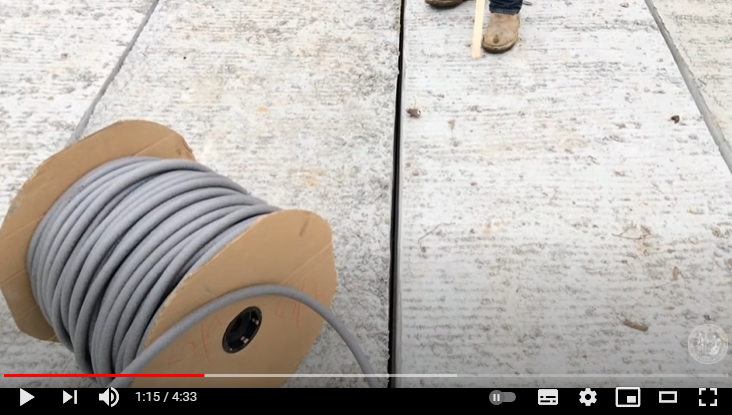
Re hollowcore grouting, what's the best way to grout the planks if the gap (the keyway) is variable and a bit wide at the bottom where planks havn't been pushed together, e.g. between 1-15mm gap at the base? So far options suggested have been: 1. Stuff some backer rod down to the bottom of the cracks then can pour a wetter mix in Seems to be used in the US https://www.youtube.com/watch?v=hVs8cq3ZBA8 2. Shutter underneath Seems a lot of effort as there are a lot of joints 3. Use a dryer mix so it doesn't slop out of the bottom ?
-
Industry secret that since 2016 this is how a Tesla's AC heating works. Sure they say the data connection is for OTA updates, but really it's sending the satoshis back to papa.
-
How about this topical method of resistance heating: https://heatbit.com/ (not an endorsement...) Current UK kWh and BTC prices suggest about 50% pay back. Could be different tomorrow. I suppose if you lived in a cold, sunny place and had excess PV you might be tempted.
-
https://orlitech.co.uk/ (I'm using) there's also https://basalt.tech/products.html who I've not spoken to If you want a LOT of it you can buy direct from Galen https://www.alibaba.com/product-detail/Basalt-fiber-wire-mesh-ROCKMESH-buy_1600071677485.html?spm=a2700.galleryofferlist.normal_offer.d_title.56906dc1BNT3Jx For our use, the material cost is slightly cheaper than the equivalent steel (though as above one might argue about what is equivalent).
-
To clarify, my main reasons for using BFRP are: 1 It will never corrode This is mainly a concern for external concrete. As @George points out, concrete will likely eventually crack. With steel reinforcement (especially on a ground slab) this means water gets in, it will then very likely spall and the whole structure need repair or replacement. This might take 50 years to play out, but I'd prefer things to last much longer than this. There is a concern from some that this current age of steel reinforced concrete will result in vast amounts of crumbling structures, at great financial and environmental cost. https://theconversation.com/the-problem-with-reinforced-concrete-56078 Perhaps why China is putting so much effort into non-steel reinforcement alternatives. This mega-project using GFRP for similar reasons due to harsh conditions: http://galencomposite.com/news/saudi-aramco-runs-a-project-using-galen-rebars/ Basalt looked to me like the best of the alternatives: As it happens the concrete slabs that we had to break up in the farm roadway were unreinforced, 60 years old, and had no cracks (why we had to remove them is another story), testament to being well installed I suppose. The steel reinforced concrete portal frame barn is now spalling and will need repair. My steel frame supplier (who puts up a LOT of industrial and agricultural buildings) is similarly negative about steel reinforcement in ground slabs - concrete will last a very long time on its own. Adding steel builds in an inherent flaw. 2 Bit cheaper Surprisingly, it looks like using the basalt mesh might work out cheaper to use than the equivalent steel (mainly labour savings). Unless it all breaks after 5 years of course. 3 Ease of install This is what Orlitech seems to be selling it on https://orlitech.co.uk/composite-mesh-orlitech/ , and I suspect the difference is marginal in some cases. But in our case we were going to hand place 100 x 70kg sheets of A393 mesh, which is a lot of heavy lifting. The equivalent basalt mesh sheets are easily carried and placed by one person who could do it all day. Both basalt and glass fibre mesh seem to be much more used in the US than the UK, but when I last checked, there was still caution over basalt as it is new - so limited to slab on grade work. As in the linked post above, basalt seems to be superior to glass fibre due to better tolerance of the alkaline environment in concrete. Felt like it was worth an experiment. BC had no problem provided the SE was happy (which he partly was).
-
@gravelrash Current situation is: - Groundworkers happy to go with this, just questions on how to keep the 3mm roll mesh fastened down, and to handle walking on the 6mm mesh - whether to put loads of supports, or less and then let it spring back up - SE happy with the 6mm basalt mesh for external slabs and barn floor slabs, but wants steel for the house slab and any of the thickenings that support walls (though these are single storey and non-supporting). Says the basalt is too new for him to be comfortable with it in the more regulated areas, as there's very little precedent for it in the UK. Given he's open to all kinds of other innovative approaches and he's even used CFRP in the past, you can see why BFRP is going to have an uphill struggle to gain traction here. In a couple of weeks, we shall see what's it like to work with.
-
 For the Class Q approval I don't recall being required to have a contamination report, and checking now I see the planning consultant addressed this like this: In the planning officer's report they said: "The council's environmental health officers have been consulted and raise no objection. From the planning history there appears to be no historic uses which may give rise to concern'" I suspect a high % of class Q barns involve an asbestos fibre cement roof. Ours had a 385m2 1960s asbestos roof that was removed by a demolition contractor experienced with this, but not a specialist asbestos remover. If you don't know the full history of the property you may want a contamination survey done for your own sake in any case.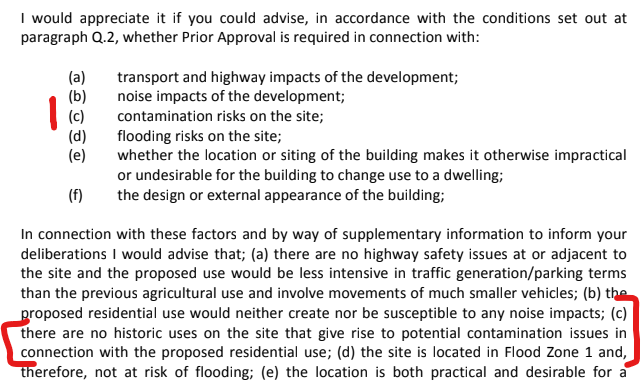
-
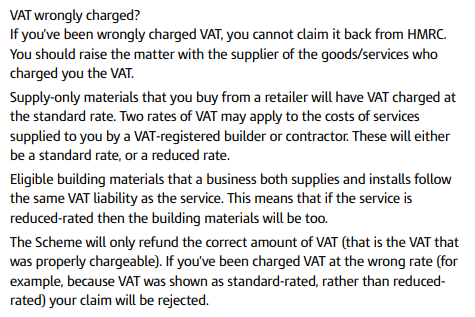
Had me worried there, but checking the conversion VAT reclaim form I think confirms it, and the point about whether a conversion for relatives also qualifies. But this is my naïve interpretation and best to get it checked. Can you reclaim VAT on self-build conversion invoices charged at reduced rate? This implies that you can claim refund on reduced VAT rate work, if that rate was charged on the invoice. Can you reclaim VAT on self-build conversion for your parents? Both from the VAT431C form https://www.gov.uk/vat-building-new-home/how-to-claim https://assets.publishing.service.gov.uk/government/uploads/system/uploads/attachment_data/file/828048/VAT431C_form_and_notes__1_.pdf

-
@Ali F Labour-only and supply and fit work carried out by others on your conversion may also qualify for 5% VAT, as discussed in: https://www.gov.uk/guidance/buildings-and-construction-vat-notice-708#section7 https://www.self-build.co.uk/our-guide-claiming-back-vat-self-build/ etc You can claim all the VAT back anyway at the end anyway (assuming you qualify etc), but paying only 5% VAT upfront rather than 20% helps your cashflow during the build and reduces the 'risk' you have stored up with HMRC. We've found so far that all contractors have been happy to charge only 5%, provided we sent them the right bits of paper & links justifying it before they sent any invoices. Make sure the service is one that qualifies for a reduced VAT rate (and ultimate refund) first though. See the link in the HMRC guidance about this. E.g. 'Professional services' such as architects don't qualify, neither does scaffolding. But things like demolition, groundwork, building, etc do. CIL is important to establish as it can be expensive or it can be nothing. From what I remember, I think even self-build conversions under Class Q can be liable where 'new' floorspace is created, but it's worth checking in detail and then confirming in writing with the council (IF CIL applies at your council).
-
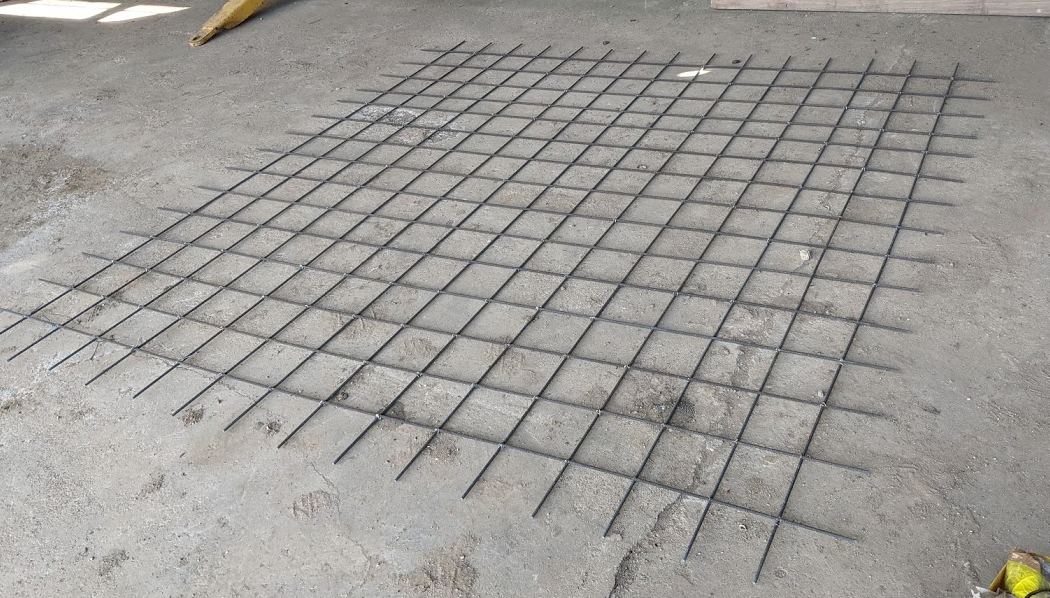
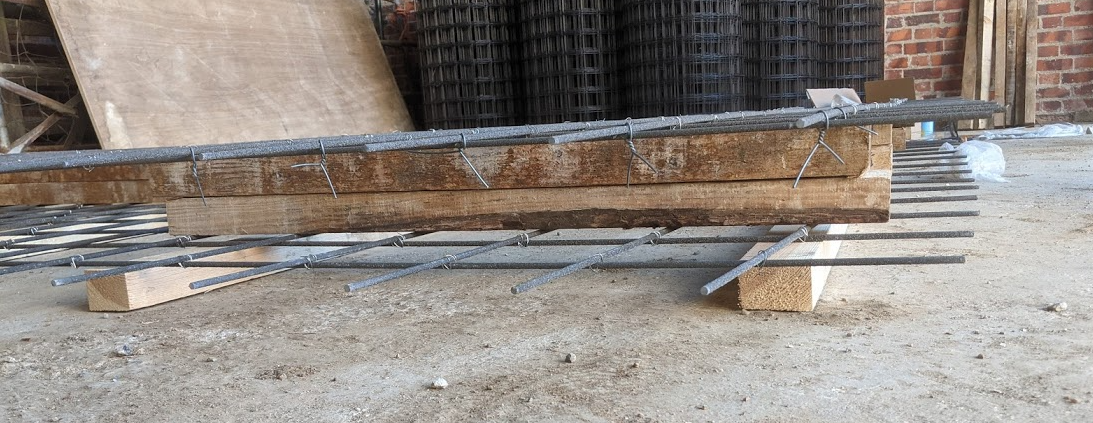
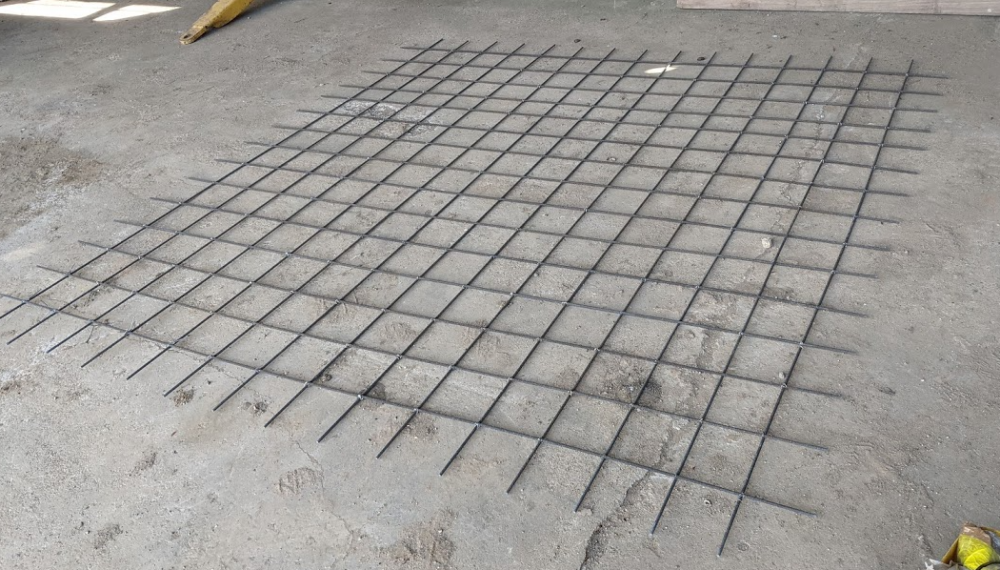
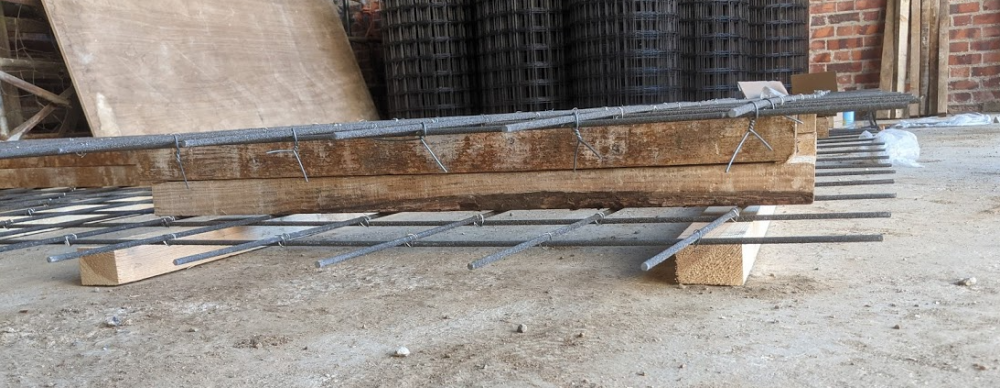
We've got a largish area of concrete slab to do - some farm roadway, some barn floor, some house ground floor slab. All had been SE designed for 200mm concrete with two layers of A393 steel mesh top and bottom, with 400mm edge thickenings where appropriate. This I felt was likely overdoing it, but that seems to be par for the course. Ground is clay and hoggin, then some crushed concrete over that, then 50mm concrete blinding. There was going to be a large steel reinforcement cost for material + labour, and I've a general concern about the longevity of external concrete with steel reinforcement. Over a 60 year lifespan it will inevitably crack (if not immediately), water will get in and the steel start to blow it up. (Discussed at length in previous post). So I'd been keen on using basalt fibre reinforcement (that's bars - not the little fibres) instead, aka BFRP. These: - Are actually a bit cheaper than the A393 steel for an equivalent tensile strength (6mm bars) - Are MUCH lighter and easier to cut, in theory giving a big labour saving. (Each A393 sheet being about 70kg vs the basalt fibre sheet I'd guess 10kg-ish) - Never corrode The SE has given his tentative blessing, but groundworkers fairly unsure about how they would work with this bendy stuff, as they need to be able to walk on it, and run concrete pump pipe over it. So I made up some example sheets and laid in the proposed build-up - about a 100mm spacing between top and bottom sheets. (This was a test - for real would use the ready-made sheets) Then tried to walk on it: https://photos.app.goo.gl/PwYGDXyaBew13oR76 As you can see, even at light foot pressure it bends all the way to the floor, then springs back up. Meaning to walk on it you've either got to step on it all the way down OR only walk on fully supported parts, perhaps using boards over the top. Has anyone ever worked with such bendy stuff e.g. GFRP reinforcement bars? Any suggestions of the best way to handle the requirement to be able to walk on it? N.b. BFRP supplied by Chris H at Orlitech https://orlitech.co.uk/
-
Feb 13th Insurance, Warranties and Building Regs
kxi commented on LSB's blog entry in Little Stud Barn
Interesting to note the 3 year time limit in theory massively limits the practicality of 'selling on' a barn with class Q. Perhaps this was what was intended, and I don't know to what extent this aspect of class Q is just ignored by planning enforcers as an unreasonable condition. In 2020 one of Martin Goodall's blog comment replies on this issue was he would expect a conversion well underway by the 3 year mark might technically be unlawful if not complete, but in his view a council should 'reasonably' grant retrospective full planning if it ever came to it.