Square Feet
-
Posts
400 -
Joined
-
Last visited
-
Days Won
1
Everything posted by Square Feet
-

Ground Bearing Slab (Day ? too many to count)
Square Feet commented on flanagaj's blog entry in Contemporary Ball Ache
Good luck. That seems an awful lot for one person to get done in a single day, but I hope you get there. -
Amtico/Karndean is a devil to lay properly. I've only ever laid about 5sqm in a campervan and that was enough for me. Also if you are using different patterns then you may find the planks/edging etc are different thicknesses (sometimes by as much as 2mm - enough to feel underfoot) - they do seem to vary a lot and not every pattern or edging will match and be compatible with each other. I think the lad is quite right to just say that he can't do the job and walk away. It's really quite skilled. I found that it was nearly impossible to stop a very small amount of glue pushing up between the planks and causing a slight gap, which when repeated enough can throw the whole thing out of whack. I'd ditch Mr Bodgit and start looking for a specialised Karndean/Amtico flooring fitter.
-
Anyone know of a 50mm thick solid wood fibre board?
Square Feet replied to Alan Ambrose's topic in Heat Insulation
Dunno if this helps.... It's from https://www.indinature.co/indiboard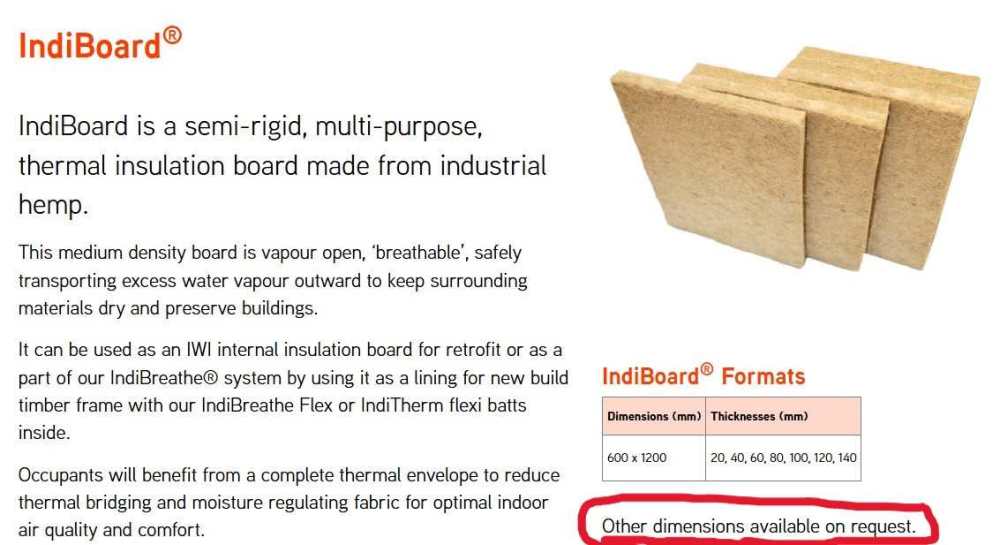
-
It may well be 12 months away. I've just had a 'subject to planning' offer accepted on the plot so very early stages. I get your point though - hence the question.
-
Has anyone used this stuff or considered it? It's natural fibre hemp insulation batts. https://www.indinature.co I'm at a very early stage in my project so it's far too early for this conversation really, but I saw this product and I liked the idea because the factory is about 2 miles from my plot plus it's not made from nasty chemicals. Just wondering....
-
I've always used the tubs as I am often dipping in and out of tiling due to time constraints. I don't have a preference for a particular brand - I just buy a good one from the merchants, not the basics range or anything. It's always been fine.
-
I read this on the BBC the other day. I take no responsibility for it scratching your windows if you try it. https://www.bbc.co.uk/future/article/20260625-why-the-french-are-painting-chalk-on-their-windows
-
This puts any of our challenges into perspective
Square Feet replied to saveasteading's topic in Boffin's Corner
Serious kudos (props? 😂) to the person that put the first acrow in there. And the other nine as well. -
Many thanks for this thread. It's been really useful, cheers.
-
@tetris Have you checked for ASHP grants in your area?
-
Welcome Tetris. Have you considered getting an air source heat pump? Your comment about replacing radiators made me think of it. There's a guy on YouTube called Glyn Hudson that puts them into the sort of buildings that they aren't supposed to work in and actually they do. He's a nice guy who genuinely cares about the environment, rather than a content-creating grifter. Have a look at this video for example - there's also a later follow-up one on his channel where he goes over the stats after the first winter. He also installed one into his friend's cottage renovation project. You might be interested in that one and also the vids from the guy who renovated the cottage. I think his link is at the end of this vid. There's also a follow-up video for that project showing a year's worth of stats I think.
-
Bonus edition - Garden landscaping
Square Feet commented on Benpointer's blog entry in Contemporary build in north Dorset
Really smart. Lots of stone surfaces to absorb heat during the day and radiate it back out in the evening too. Really nicely done.- 13 comments
-
- 1
-

-
- landscaping
- garden
- (and 2 more)
-
You don't need LPG for that - you just need an EV. One of the best features of EVs is their V2L capability that allow you to run a 13A socket off the battery. You can power a lot of your house that way. Just make sure you check that it has V2L before you buy it as some of the older EVs don't. We are all going to be driving EV at some point anyway, so if you are self-building you might as well make the most of solar, home charging etc and get ahead of the curve.
-
I've taken old motorhomes apart in the past and the mould that you find trapped inside the ceiling/wall structure is horrific. If it's an old motorhome and it's in an area that can't be easily seen ie on the roof, then I would just bodge a load of sealant over the top of the existing joints. Give them a clean first to get the grime off but that's all. The problem is that you will probably never identify exactly where the water is coming from as it will roll around across the roof inside the lining front to back and side to side and can come through pretty much anywhere in the van. You could spend a very long time carefully removing the old sealant in the bit where you think it is when it's actually elsewhere. An old motorhome isn't worth much on the second hand market (they are a lot easier to steal and break into than modern ones and they also guzzle fuel in a way that is very hard to sustain in today's economy), so I wouldn't worry about the future resale value of it. Just do the minimum to try and stop it getting worse and then enjoy using it. Stripping out and replacing the ply and insulation in the walls/ceiling is a very major undertaking that you will wish you had never started. 10k is actually a very low price for this so I would be concerned about how well it would be done.
-
That was what I liked about these videos - the attention to detail. They got their sub base to within =/-5mm of level across an odd-shaped site and it was interesting to see how they did that. Just as an example of how it can be done by two fit strong young people with youth on their side. So probably nothing there that I can take away really.
-
Don't worry Gus - I am just window shopping at the moment - any decisions on things like this will be taken after getting your advice of course, but - when we discuss it now I will have a better idea what you mean and something to compare it to. Every day's a school day.
-
I've been watching this playlist by Buildhubber @CJO on how they prepped and built their passive slab using Isoquick. It's really well put together and very well explained. The methods may not be universal but I have a lot more confidence that I understand the process and how to go about it now. (I tried to link to the whole playlist but it just takes you straight to the most recent video which is annoying. Here's the first one of three - I'll link to the others individually below).
-
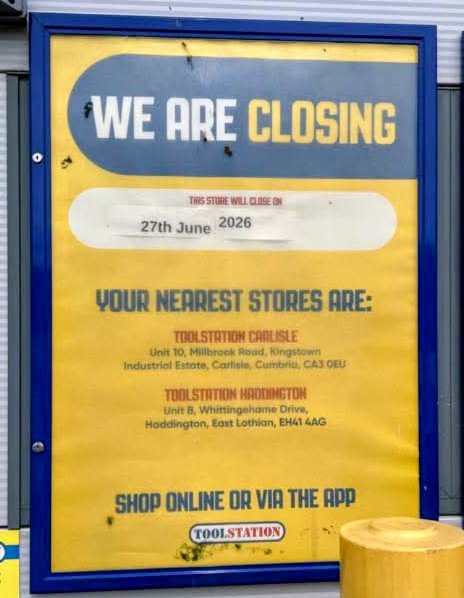
Just when I was about to need them most! Both the options they mention are an hour and a half away. Their delivery service is very good, but not as good as 20 minutes from site. I'm gutted. I use them all the time. Their 5% discount is a massive help.
-
I'm also planning to build a passive-level house and had the same questions re A2A. Last night I costed up the pipes, clips, manifold and connectors for UFH and if I've done it correctly it seems to be less than £1k all-in. So I will be putting it into mine I think as it seems worthwhile running the pipes at least. That doesn't help with your earth floor issue though.
-
@Benpointer Nice one thanks for the spreasheet info. Yes, I've read the whole of the VAT reclaim thread but was just wondering if my 'back of an envelope' figure was roughly within range. I get that it's oranges and apples though. Cheers
-
Can I ask what this is as a rough percentage of total spend? I've put VAT reclaim into my figures at 5% of the total cost. I know it's 20% but I've reckoned on being able to claim back on around a quarter of expenditure. Does this seem about right?
-
This looks like really good advice for someone like me who is at the start of their self-build. Sorry to be a pain, but I have googled and read a lot of HMRC's pages and I can't find this anywhere. Do you have a link to the template please?
-
Shame the downpipes couldn't have run inside them. *ducks and hides*
-
Build has descended into a xxxx show
Square Feet replied to flanagaj's topic in General Self Build & DIY Discussion
I don't have any real advice other than to hang in there. I'm sorry it's tough just now. Sometimes a couple of hours away walking along a beach or something can help. It's a lot easier to pick yourself up and carry on again after. You'll sort it and move on from this. -
Yes that's all happening just now. Dry stuff as you say.