Jeremy Harris
-
Posts
26430 -
Joined
-
Last visited
-
Days Won
360
Everything posted by Jeremy Harris
-

The tale of the sale of our old house
Jeremy Harris replied to Jeremy Harris's topic in General Self Build & DIY Discussion
So far, yes, but only just. We are going to "best and finals" this week, so I anticipate some, perhaps all, the offers to increase somewhat. Price is not the most important aspect of any offer for us, the financial position of the person/people making the offer is. The two offers we have where the purchasers have the money in the bank, and do not require a mortgage, are more valuable to us than the one that requires a mortgage, simply because we are aware of the added delay, and element of risk, incurred in arranging a mortgage. -
The tale of the sale of our old house
Jeremy Harris replied to Jeremy Harris's topic in General Self Build & DIY Discussion
Yet another formal offer has just been received, cash buyer, no mortgage, realistic exchange of contracts date. Not unexpected, but it does mean that we much be now near-certain of getting a sale at a reasonable price. I don't think we have ever been in a situation where we've had so many people making formal offers to buy in such a very short period of time. We're leaving it to the agent to do the negotiating for us, as that's all part of the service, and it's something I'd rather not get directly involved with. -
Improvised summer bypass
Jeremy Harris replied to haddock's topic in Mechanical Ventilation with Heat Recovery (MVHR)
You can build a bypass if you have room. Buy two of these (shop around for the best price and get the right size and type for your ducting): Two of these (same comments above about size and type): And whatever duct and bends you need to connect the bypass up. Connect one arm of each of the two "Y"s to the MVHR extract and exhaust, with one of the two iris valves fitted on one or the other side (this shuts off the heat exchanger). Connect the "bottom" of each "Y directly to the room extract duct and the duct leading to the external exhaust. Connect a bit of duct as a bypass between the two remaining "Y" connections, with the second iris valve. To switch to full bypass, close the valve that connects to the MVHR and open the valve in the bypass arm. The iris valves allow you to blend the amount of bypass if you wish, much as the Genvex system does. You can buy motorised valves/dampers and so make the bypass operate electrically from a switch or control system at a fair bit of additional cost: -
The tale of the sale of our old house
Jeremy Harris replied to Jeremy Harris's topic in General Self Build & DIY Discussion
One hasn't, but the rest are, primarily because we need positive confirmation that their declared exchange of contracts date is realistic. @ProDave, our thoughts are with you, and in your position we'd have done as you are doing. It's simply local forces at work here; demand is very high, prices are rising, and it is, without a shadow of doubt a seller's market here. We are lucky in that we've not had the significant impact of an independence referendum, plus we are within the London commuter belt (albeit at an hour and half each way on the train). I'm pretty certain we will end up getting more than I'd planned for this house, which is a very pleasant surprise, but part of me feels that it's wrong to profit from simply owning a house, We'll be selling this house for around twice as much as we paid for it, and that seems wrong, but there's no way we can just give the house away for less, just to feel better about selling it. Apart from anything else, we'll just be grateful to get shot of the place. Congratulations! We still have that to go through. I spent most of Thursday helping my brother clear our late Mother's house, and that's now just about ready to go on the market. Not sure what it will fetch, but given the crazy prices down in Cornwall it wouldn't surprise me if it went for more than we think. -
It should be easy enough to relocate the socket a bit higher up, if only for peace of mind. Not a big job, given that there is some refinishing work that needs to be done in that area anyway. Any competent electrician should be able to do the job in an hour or so, and although you'll probably pay more than it should cost as it's such a relatively quick and easy job. It looks easy enough to take out the existing back box, extend the ring final with heat shrink sealed crimps, tucked inside a wago box back in the service void/wall cavity, run the extended cables in up to an appleby box higher up the wall and rewire them to the outlet. If it were me I'd relocate the outlet, just for peace of mind, if nothing else. I have a healthy respect for keeping water away from electrical systems, borne out of experience with everything from electric shock risk to corrosion induced in electric fittings from being in a potentially damp area.
-
The tale of the sale of our old house
Jeremy Harris replied to Jeremy Harris's topic in General Self Build & DIY Discussion
Latest update. Second formal offer has been received, higher than first offer, cash buyer (confirmed that the money is sitting in their bank), no mortgage, defined exchange of contracts date that looks realistic. Another couple have told us they are submitting a cash offer first thing next week, they just need to confirm with the solicitor a realistic date for exchange of contracts first. It's now 6 days and 6 hours since the house went on the market and we have effectively got three offers, plus another two that I fully expect to make an offer some time next week, plus three more than have stated they want to buy but need to confirm that they can get a mortgage first. Our current plan is for the agent to send out a request for best and final offers, with a confirmed exchange of contracts date, to all interested parties early next week, with a reasonable closing date for the receipt of offers, then we will select the offer that is the combination of the least risk of falling through plus the best price. Looks like the house is pretty close to being sold though, whatever happens. We're both sitting here a bit stunned, as this is not at all what we expected, especially given the poor decorative state of this house. Time for another glass of wine, I think, with commiserations to those of you who are finding it hard to sell. -
I really don't like the idea of having a power socket underneath all that potentially leaking plumbing. Whenever I've needed to have power in places like that I stick the outlets as high up as I can, to minimise the risk that a fault in any of the plumbing will spray water on the socket. All around it looks to be a right old bodge job, which is a bloody shame when you've paid good money and expected a reasonably good standard of work.
-
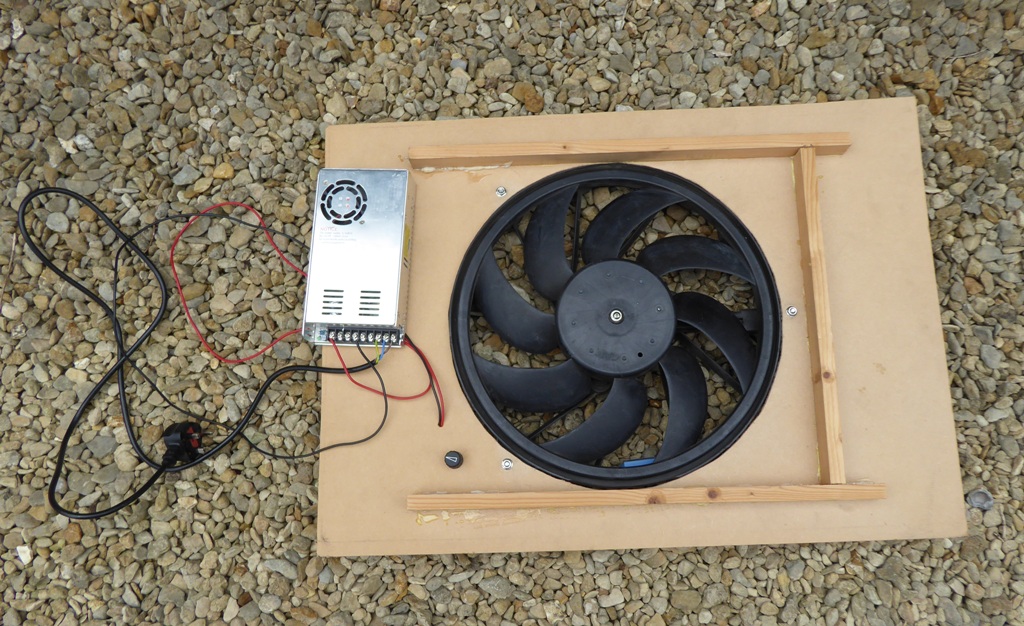
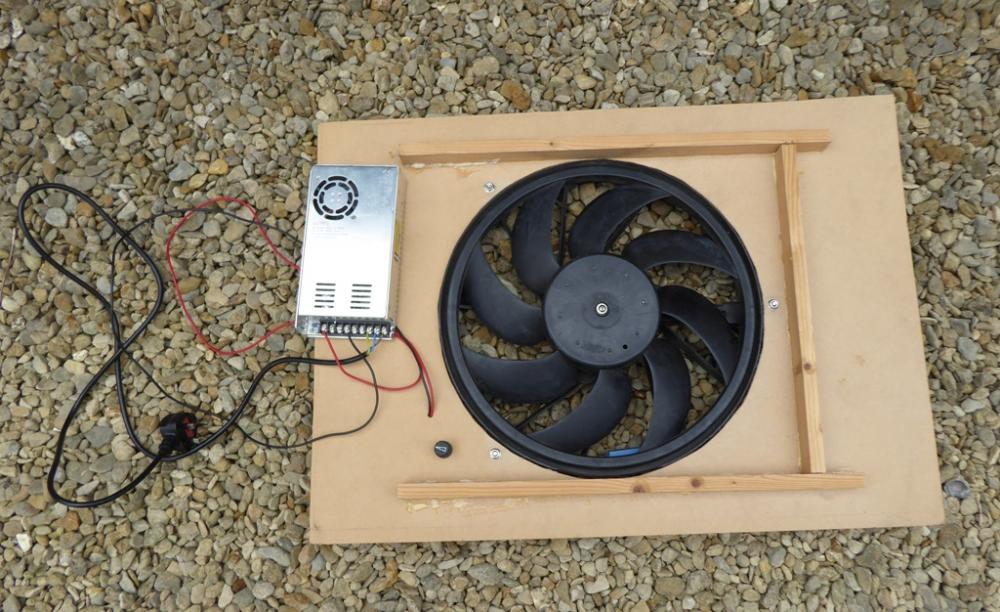
If you get a significant drop in night time temperature, and you have a house that has both a high heat capacity internally, and adequate thermal conductivity between the internal air and the areas with highest heat capacity, then "night purging" as a cooling technique can work very well. Adding a mechanical fan to assist airflow sounds like a good idea, and would also allow the air temperature to be reduced further if an evaporative cooler was added after the fan (what the Americans often refer to as a "swamp cooler"). However, if the house itself has a relatively short decrement delay, then the effects of any night time cooling will be short-lived, as the short decrement delay will lead to the house heating up relatively rapidly again the next day, if it's hot. Relatively cheap and easy to set up though. In an existing house I'd be inclined to use a positive pressure ventilation approach, making up a board to fit a window on the North side of the house and fitting a fan into it, perhaps with an evaporative cooler for greater effect, and see how effective it was. Something like I did when making up this air test fan maybe, as a temporary test installation:
-
On the topic of ST versus PV and the relative cost and energy production, Ed Davies did some useful work on this in his blog. It's a bit out of date now, but Ed's work is still valid, in my view, and well worth a read for anyone contemplating ST or PV. It's interesting to see how his views changed slightly over time, too: https://edavies.me.uk/2011/12/pv-heating/ https://edavies.me.uk/2012/01/solar-per-area/ https://edavies.me.uk/2012/01/pv-et-flat/ https://edavies.me.uk/2012/11/pv-dhw/ https://edavies.me.uk/2012/11/pv-immersion-gotchas/ https://edavies.me.uk/2016/07/mp-pv-heater/ https://edavies.me.uk/2014/12/dead-solar-thermal/
-
Unusual P2P case
Jeremy Harris replied to Jeremy Harris's topic in P2P lending, Crowd Funding and Alternate Sources
Ultimately the friends mother will be the owner, oncer her house has sold, but for the interim period the friend will own it, which creates the very high stamp duty issue, as the purchase would be deemed to be a second home, as far as HMRC are concerned, during the period between them buying it for his mother and the sale of his mother's house. That sounds, to me. like the perfect solution, thanks. The issue here isn't paying the money, however much it is, it's about timing the payments so that they can: 1. Save enough to pay the stamp duty within a reasonable time frame ( I'd guess around 4 to 5 months) 2. Buy the house for the asking price plus enough to keep the vendor happy, and exchange contracts on a mutually agreeable date. I shall enquire further about deferring the payment of stamp duty, as that sound like the perfect solution to this dilemma, especially as the vendor has a personal interest in helping a friend and former colleague out, yet staying within the letter of the law (both having been involved in an occupation where strict adherence to the law and rules of evidence was part of everyday life). -
Iresa have ceased trading
Jeremy Harris replied to Jeremy Harris's topic in General Self Build & DIY Discussion
It goes both ways, you could be in credit or arrears, but you can't move suppliers until the new "deemed" supplier that Ofgem choose have sorted out the balance to date so that when you then apply to switch there is a known baseline to work from, both in terms of you getting back/paying more to the "deemed" supplier and in getting the energy readings for the switchover day. -
I'll have to be a bit cryptic here, to protect identities, so treat this as a hypothetical case. Say someone was selling a house and wanted a certain amount of money for it as a minimum acceptable price. Say that person was approached by a friend and former colleague of long standing, who needs to buy a house for an ageing parent (who is also known to the person selling the house. Say the person selling the house knows pretty much exactly what the income of the friend and former colleague is, know he has no mortgage and knows he is saving a couple of thousand pounds a month, and has been for years. The friend approached the person selling the house and explains that he wants to buy the house, for a price over the asking price, and has access to enough savings to pay the whole price and legal fees, but not enough to pay the very high stamp duty payable on a second home (his mother's home has yet to be sold). The person selling the house sas enough savings to pay the stamp duty on the buyers behalf, and has rock-solid trust in his friend and former colleagues ability to pay the money back within 6 months at the most. The buyer is prepared to make a peer to peer loan, at zero, or a very low interest rate, to cover the stamp duty payment, and has absolute trust in the friend and former colleagues ability and intention to pay the loan back on time, in fact he suspects the loan would be paid back early. What does the collective mind here have to say on the best way forward, bearing in mind that the vendor knows full well that this is an unsecured loan that would not be regulated by any official body?
-
Iresa have ceased trading
Jeremy Harris replied to Jeremy Harris's topic in General Self Build & DIY Discussion
I've been through all the advice links from Iresa and Ofgem and frankly they are a waste of space. Apparently we will be automatically be put on a competitively tendered (by Ofgem...) "deemed" contract with a new supplier, over which we have no choice. Ofgem do warn that the agreement with their "deemed" supplier will be more costly than the contract we had with Iresa, but we have no choice but to accept. One we have been put on to the new "deemed" contract with the supplier we have no choice at all over, at a higher tariff, we can then switch suppliers, subject to the new "deemed" supplier having settled all the accounts outstanding with Iresa. -
Interesting to get an email from Iresa just now telling me that they've ceased trading and are no longer our supplier. Leaves us in limbo, with no energy supplier. and sod all in terms of useful information from them as to what happens now, other than some vague advice to not switch supplier.
-
Improvised summer bypass
Jeremy Harris replied to haddock's topic in Mechanical Ventilation with Heat Recovery (MVHR)
You're right, looking at the back of ours that's exactly what it does. It has a channel running externally in the rear case with a position-controlled motorised flap valve, that allows any proportion from 0% to 100% of the incoming fresh air to bypass the heat exchanger. The exhaust still goes straight through the heat exchanger and out. -
ASHP 101, how does a reversible heat pump work?
Jeremy Harris replied to Dreadnaught's topic in Air Source Heat Pumps (ASHP)
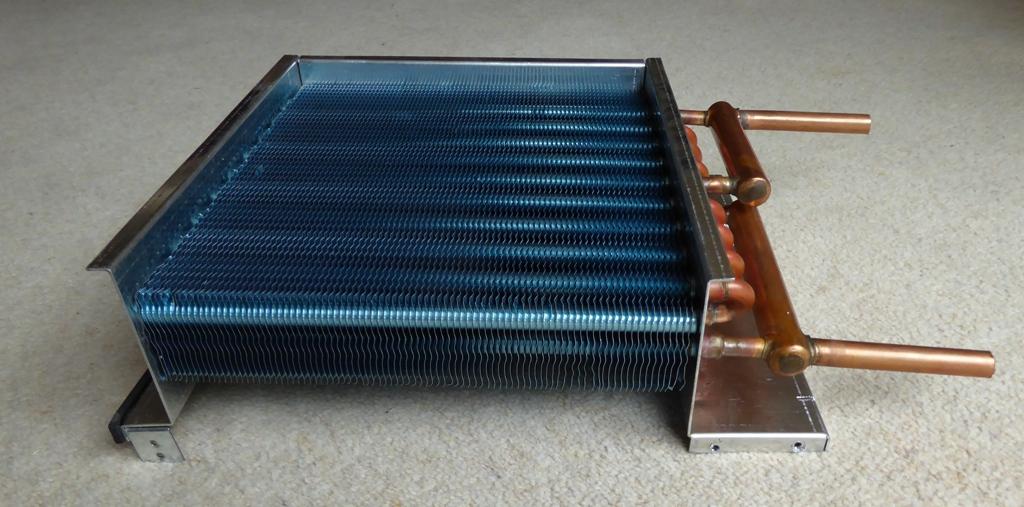
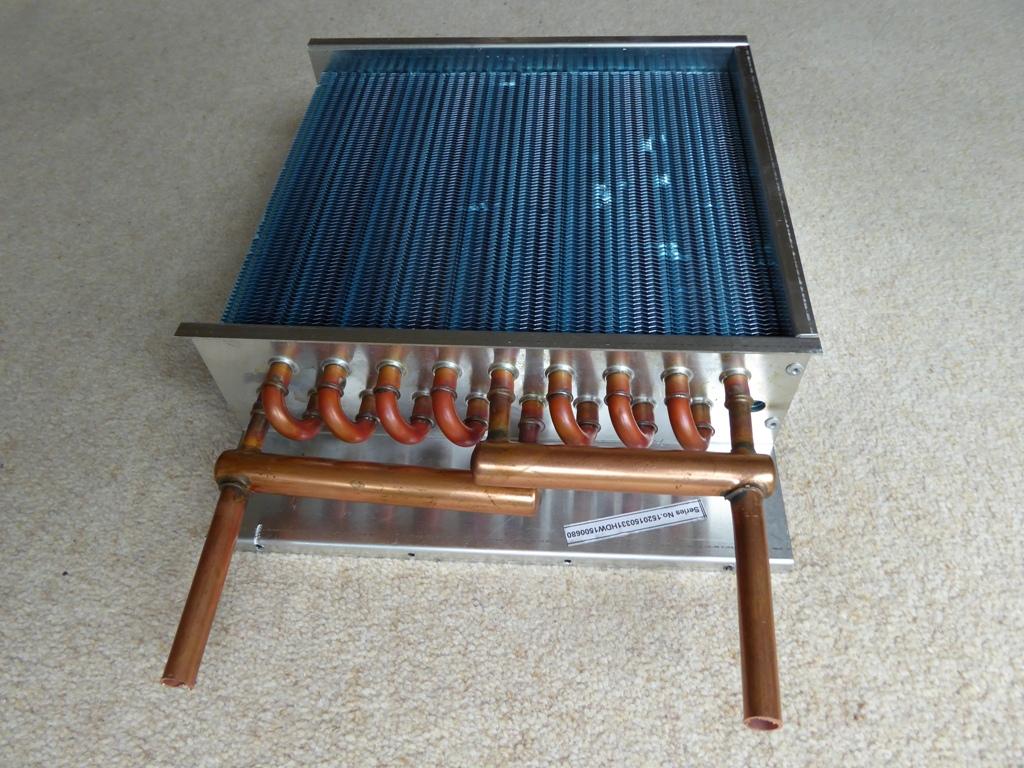
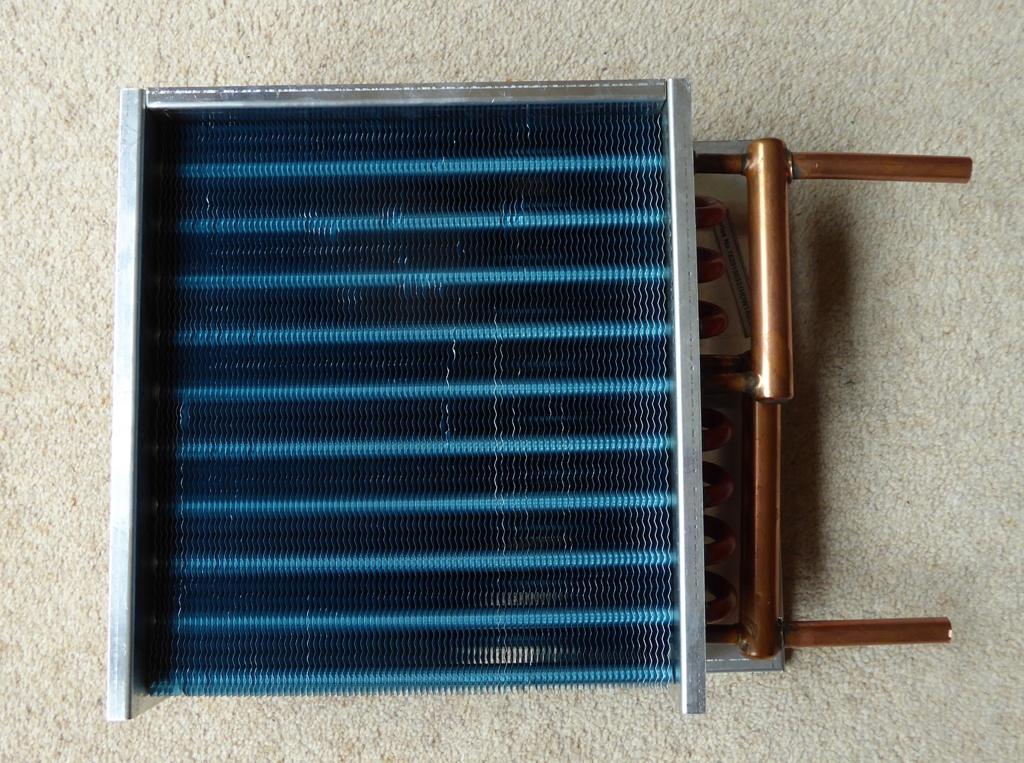
@Stones, here are the photos of the raw heat exchanger core, waiting to be put in a housing: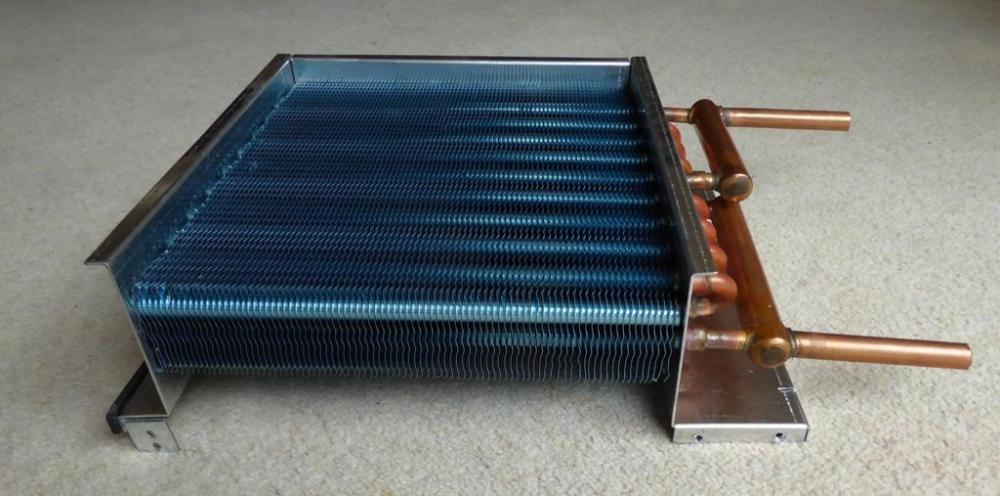
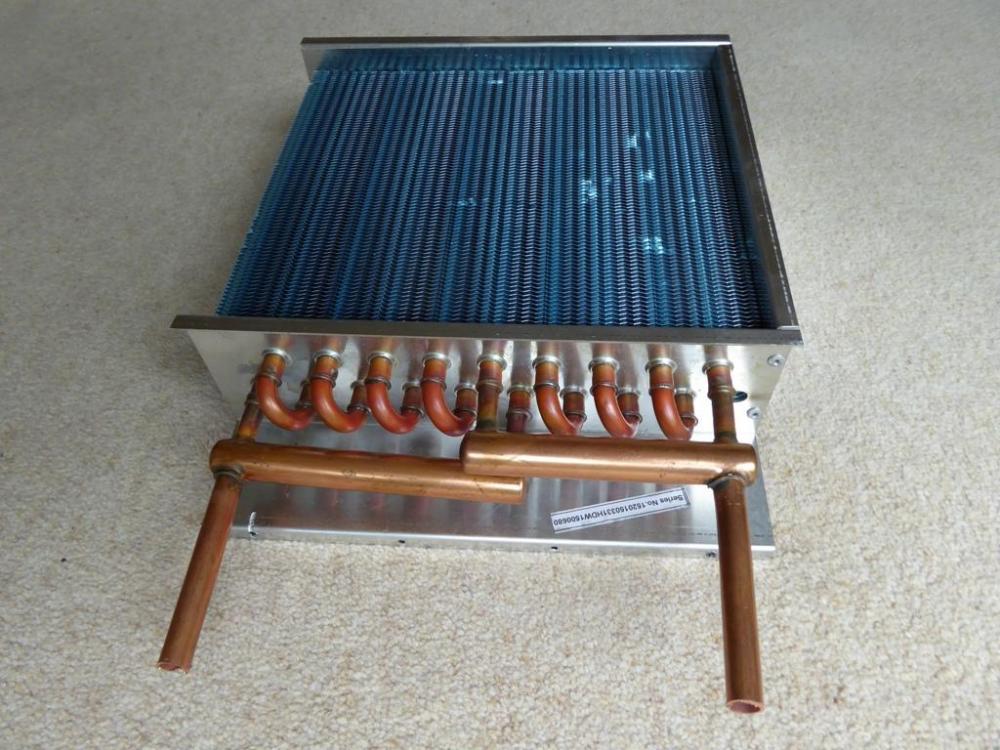
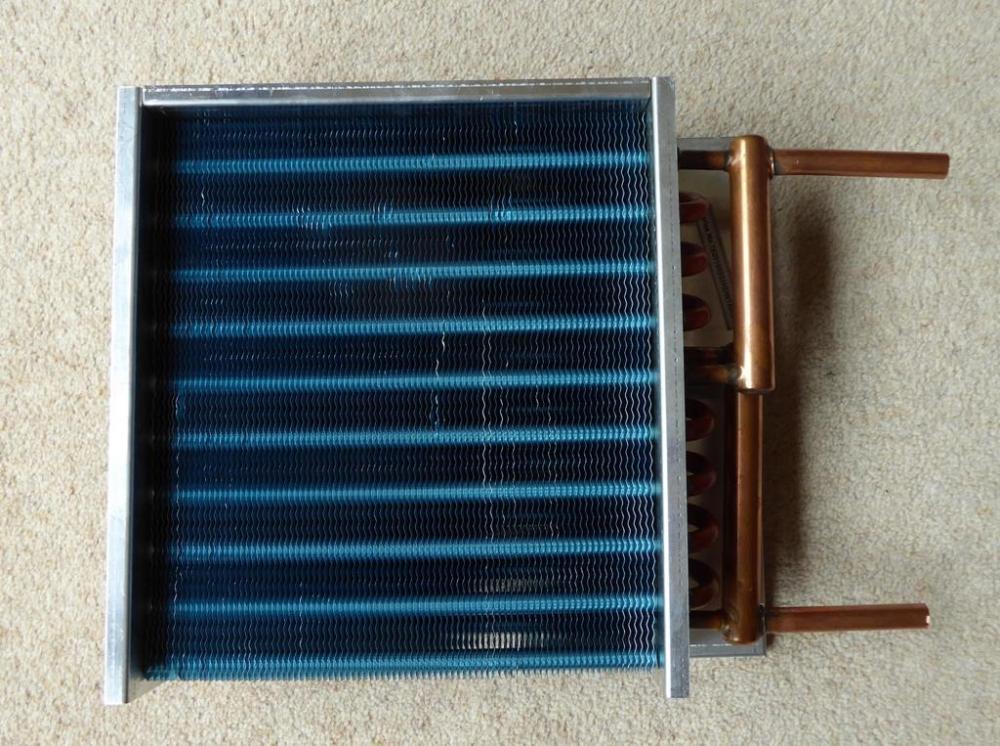
-
Ducting for MVHR
Jeremy Harris replied to joe90's topic in Mechanical Ventilation with Heat Recovery (MVHR)
Looks like a company trying to persuade people to buy more expensive, harder to install, metal ducting to me. It's dead easy to clean out any ducting with a bit of light string and woolly pig, so the dust build up argument isn't really there. Correctly designed there's absolutely no reason why a semi-rigid plastic duct system shouldn't work just as well, and last just as long, as a semi-rigid one. I'd love to know where they get their "15 year life" for PVC duct from, as it's plainly bogus. Our old house has the original PVC guttering and downpipes from when it was built in the early 1980s, over 30 years ago, and even constantly exposed to the weather they are all in good condition. -
The tale of the sale of our old house
Jeremy Harris replied to Jeremy Harris's topic in General Self Build & DIY Discussion
@AliMcLeod, I think you're probably spot on. I think we got lucky, as our local chap took some very good photos, has been very proactive in offering advice and so far is exceeding the performance I remember from the two houses we've sold using an estate agent. The price advantage for us is just the icing on the cake, really. The moral of this tale is to perhaps do some local research to try and find out what your local PB person is like. I found the initial valuation meeting was a reasonably good way to judge this, as within a few minutes I gained the impression that the chap was intimately familiar with the local market (I think he may have mentioned that he'd worked for one of the local agent previously) and just seemed very professional. When he came back to take the photos, complete with Nikon DSLR, tripod and fill-in flash that further boosted my confidence that he was likely to do a pretty good job. Another indicator is that in this local area PB have the lion's share of all the properties for sale, just from driving around spotting "For Sale" boards. I agree the boards look ugly, but frankly if it helps sell our house quickly then I couldn't care less! -
The tale of the sale of our old house
Jeremy Harris replied to Jeremy Harris's topic in General Self Build & DIY Discussion
Thanks @Alphonsox, that does make things a lot clearer. My brain is still a bit fuddled from all the driving and house clearance stuff yesterday. I suspect that for most people aren't that likely to withdraw; certainly, based on our experience so far I'd have to say that I can't really fault either the service or performance from PB. Ten months seems a reasonable period in which to sell, excepting that there are some parts of the country where it's quite probable that ten months may not be long enough, in which case PB may not be the best choice. The bottom line is that you get what you pay for. All the estate agents around here charge between 1.25% and 1.5% of the sale price as commission. Assuming our house sold at the minimum acceptable price of £260k, that means commission of between £3,250 and £3,900, plus conveyancing costs of between £800 and £1000 at a guess (the purchase of our plot 6 years ago cost £800 in conveyancing fees). Purple bricks charge £849 for the basic sales and marketing package, including the provision of a local expert to guide you and negotiate on your behalf etc. For an extra fee of £300 they will conduct viewings for you as well. Their advanced conveyancing cost is around £850, IIRC. So comparing the two, selling through a local agent for the lowest acceptable price would cost between £4,150 and £4,800, assuming conveyancing fees of £900. Selling though Purple Bricks will cost about £1,700 including conveyancing fees, so significantly less than half the cost of a normal estate agent and solicitor. -
The tale of the sale of our old house
Jeremy Harris replied to Jeremy Harris's topic in General Self Build & DIY Discussion
The listing fee is only payable when the conveyance is completed, as far as I know, provided you opt to use their conveyancing service. If you choose not to use their conveyancing service then the £849 fee is payable up front and is not refundable; you can only delay paying it until the house is sold if you choose to also pay them to look after the conveyance as well. -
The tale of the sale of our old house
Jeremy Harris replied to Jeremy Harris's topic in General Self Build & DIY Discussion
My brother's the Executor and handling the sale, and is choosing the agent and solicitor carefully as he's just had a nasty experience buying his new house in Tresillian, so with luck we'll manage to avoid the real PITA people. -
House Cooling ideas
Jeremy Harris replied to mike2016's topic in Energy Efficient & Sustainable Design Concepts
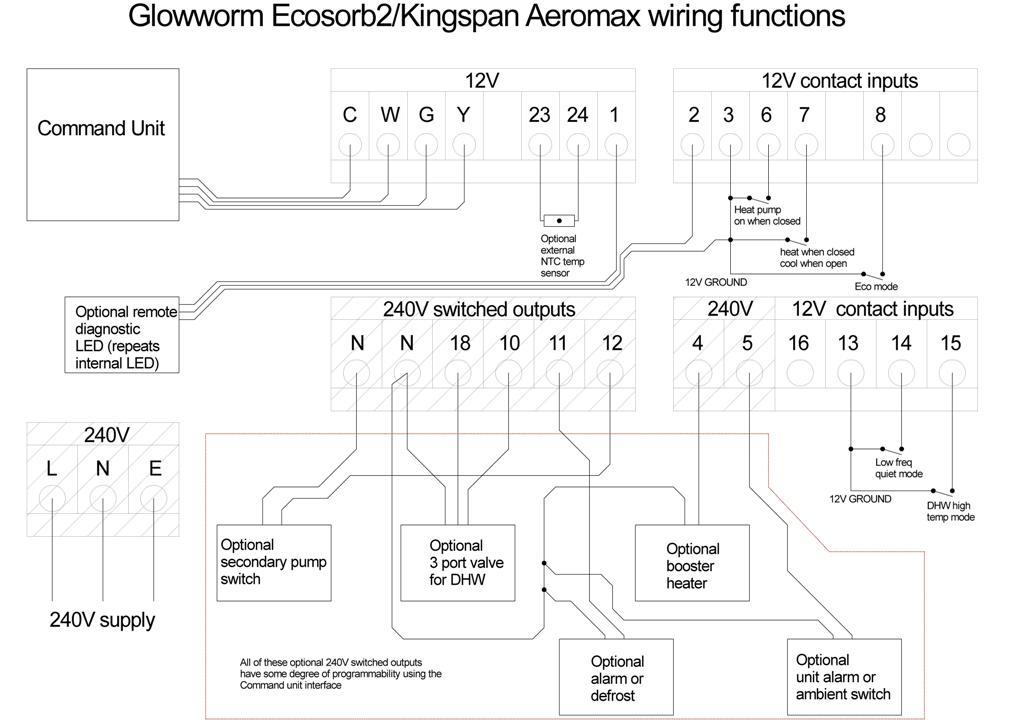
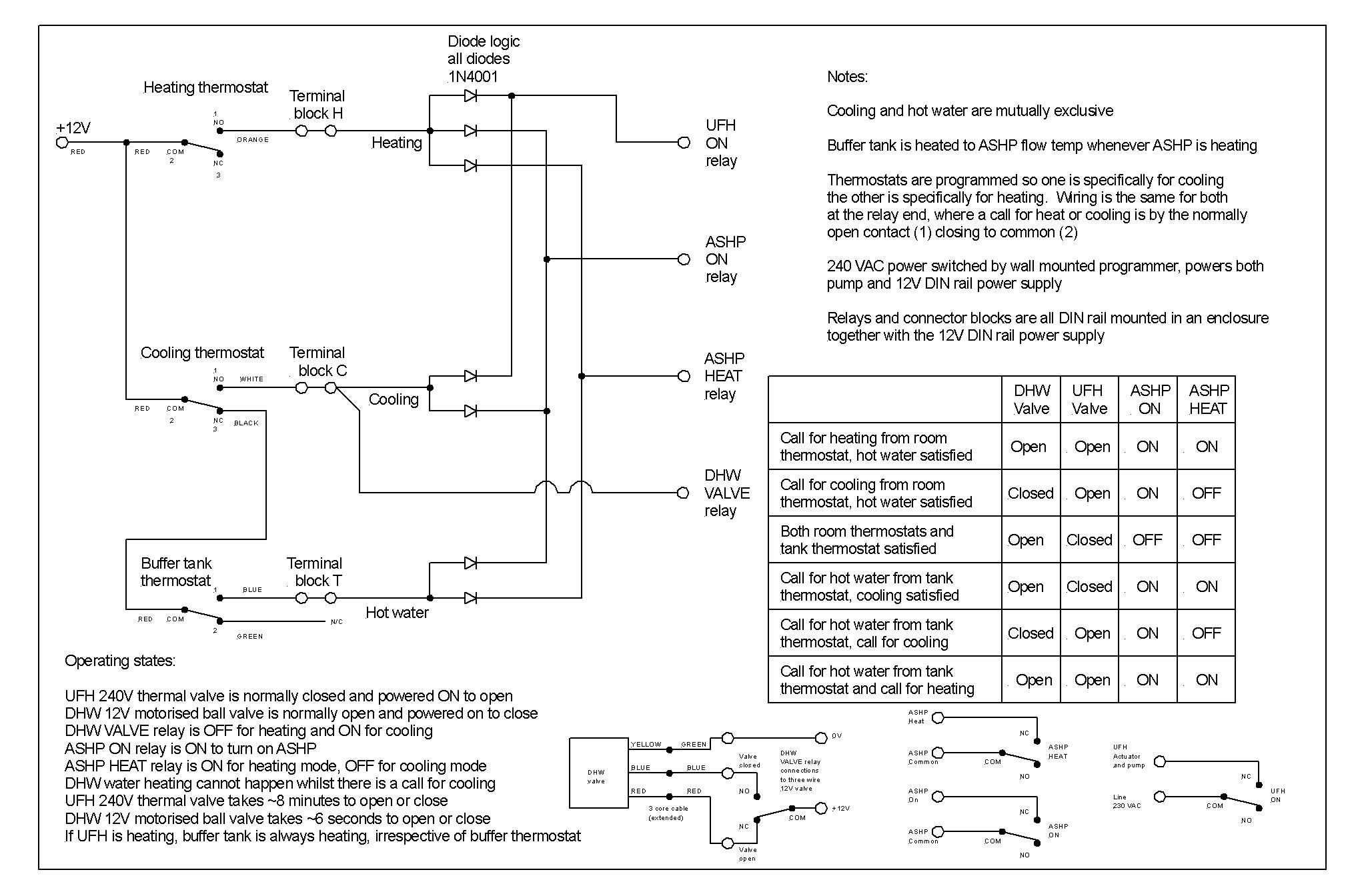
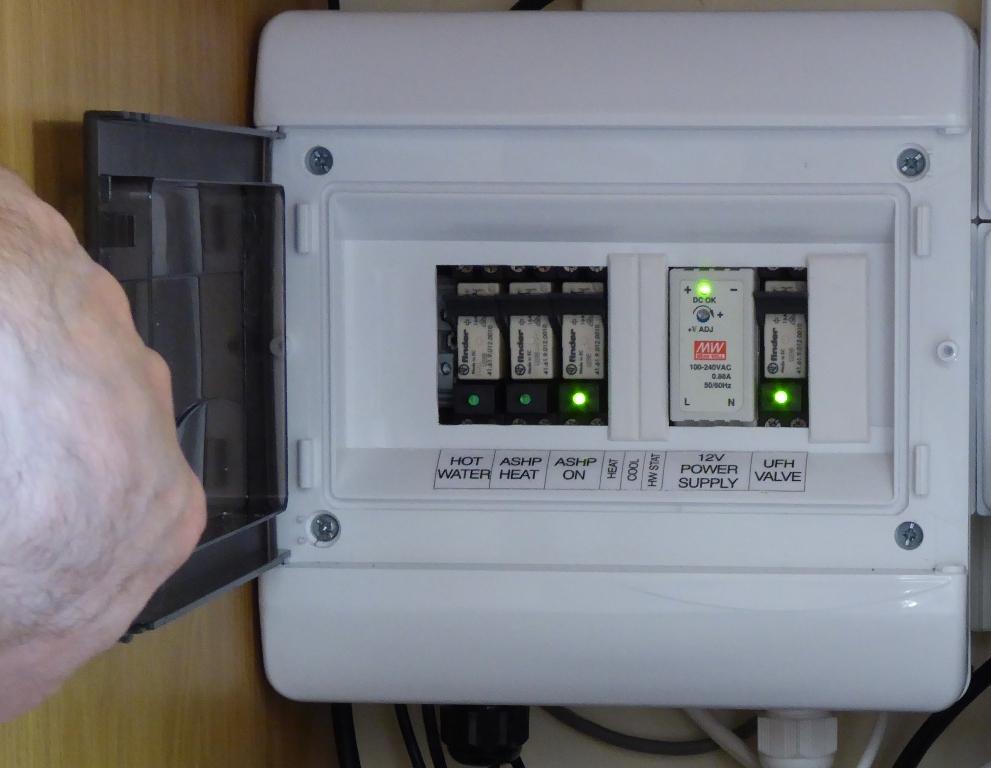
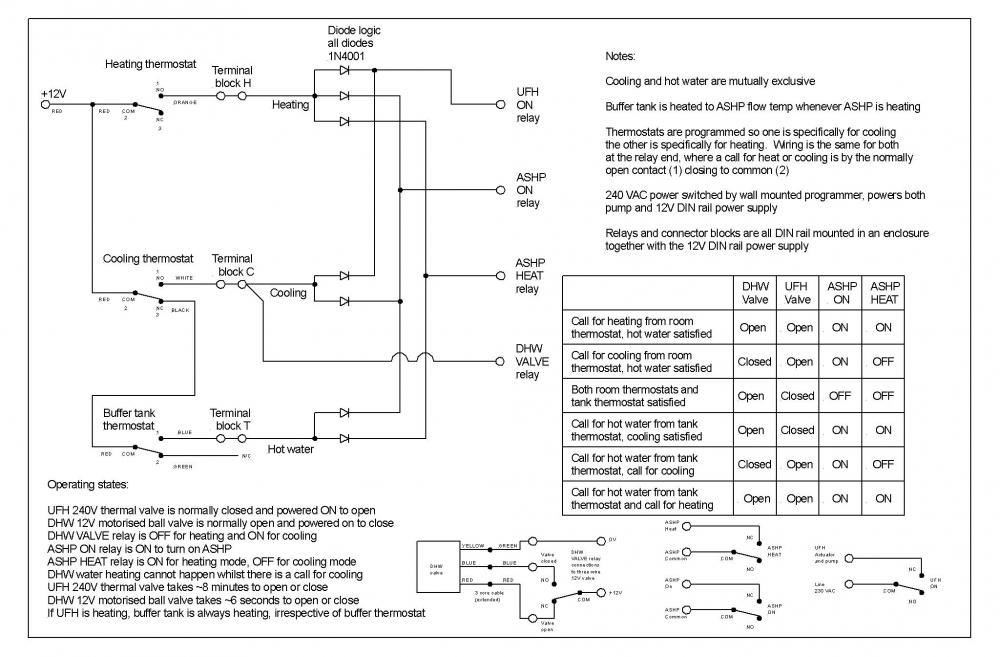
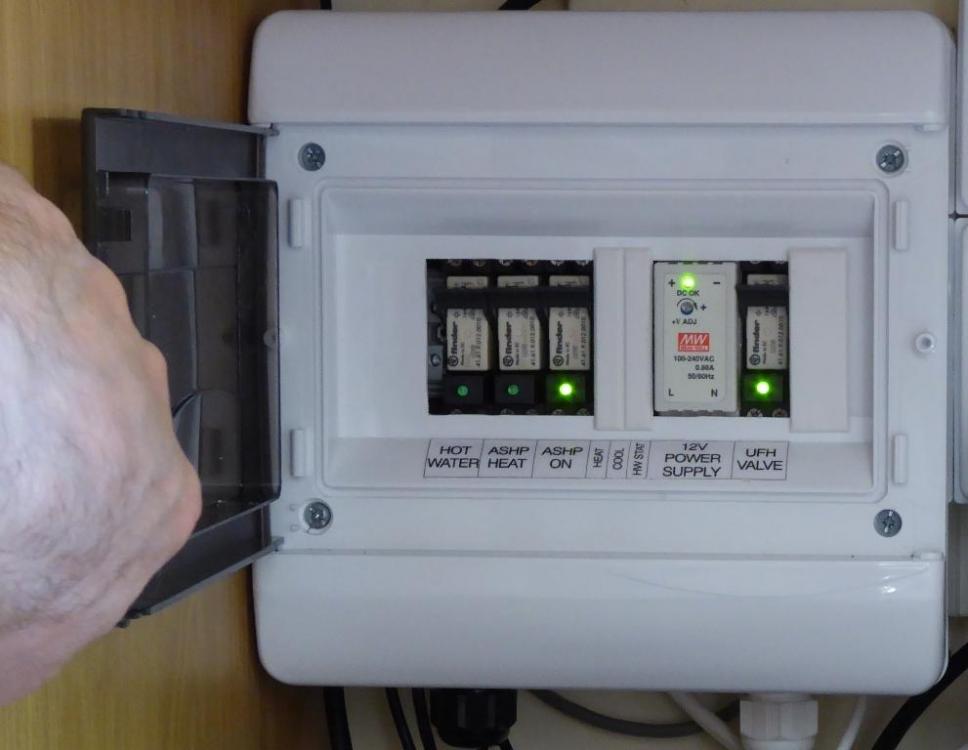
Yes, sure, it's done via two wireless thermostats, one set to cooling switchover mode, the other set to heating switchover mode (they are the same wireless stats, but have a link so they can be set to activate for cooling or activate for heating. I used these to control some diode logic and relays that select the various options on the dry contact controlled ASHP. The same unit also controls the UFH valve and the buffer tank valve. First off, this is my ASHP dry/12V contact wiring panel, showing the various options that can be turned on or off by a dry contact between the common and the relevant terminal: I used some DIN rail mount 12V relays and a small 12V DIN power supply, fitted inside a small consumer-unit type box to house the control relays, power supply and some DIN rail terminal blocks, to make a DIY wiring centre for the system, the two room thermostat receivers are fitted on the wall above, as is the programmer. The buffer tank stat has it's sensor bulb pushed into a hole in the side of the tank insulation and seems to work OK like that. This is the box with the DIY wiring centre in it: And this is the wiring diagram for the diode logic and relays. There are three thermostats, one for hot water pre-heat call from the buffer tank, one for cooling call from the cooling stat and one for heating call from the heating stat. When cooling id called for (and cooling is subservient to a buffer tank heating call) the buffer tank is isolated by a 12V motorised ball valve. The system can heat the buffer without the UFH being on, as the UFH valve is one of those neat ,motorised differential temperature valves that @Nickfromwales found, that not only turns on the UFH but also runs it as a set 5 to 6 deg C differential between flow and return when it's powered on, which works far better than any thermostatic mixer valve and makes a mixer valve redundant. The great thing is that this UFH valve doesn't care whether it's heating or cooling, it still maintains the 5 to 6 degree different between flow and return on the UFH pipes themselves in cooling mode, which is ideal, as it reduced further any floor condensation risk.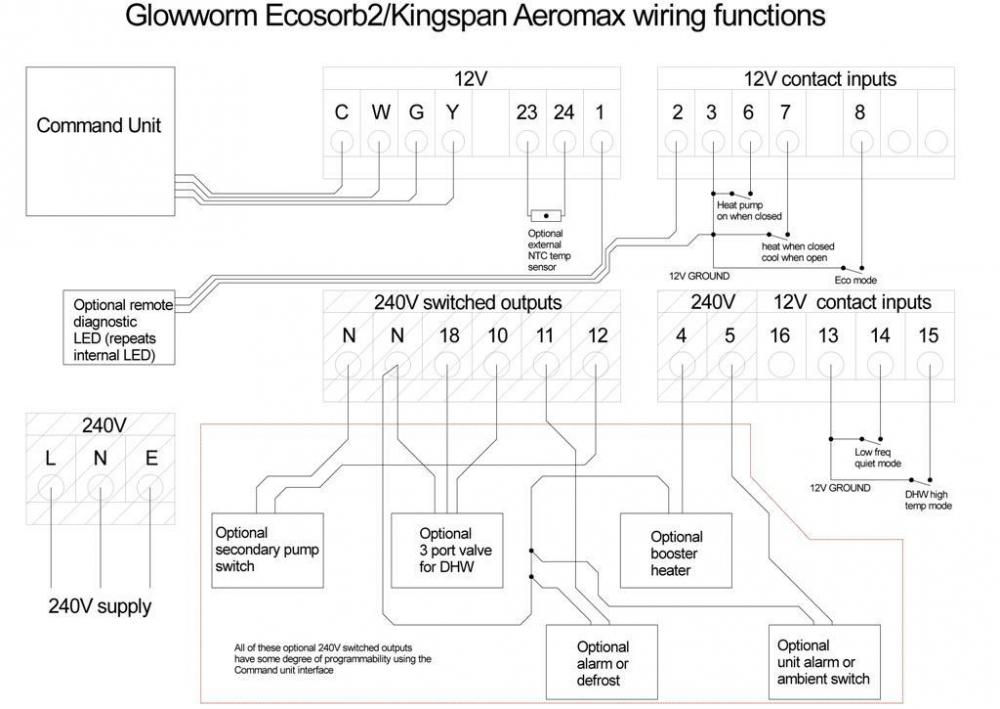
-
Improvised summer bypass
Jeremy Harris replied to haddock's topic in Mechanical Ventilation with Heat Recovery (MVHR)
Welcome. For summer bypass to work and be effective, it has to connect the external fresh air inlet to the internal fresh air supply and separately connect the internal extract to the external exhaust. It's a mixed feature. Having full bypass on when the outside air temperature is hot will make the house hotter - you are better off having the heat exchanger in place, as the chances are that may cool the incoming air. Having full bypass on any time the outside air temperature is cooler than the house internal temperature will help to cool the house a bit (not muc, as the flow rate is pretty low) If you have an MVHR with an adjustable bypass (like some Genvex models) then you can see from the display when they start to ease in bypass as the outside air cools down, and shut bypass off as the outside air rises. For models that dont have an integral motorised bypass valve, you can usually buy a dummy heat exchanger, often called a "summer box". This is the same size as the heat exchanger but just has two clear internal passages that connect the fresh air intake to the fresh air supply and the extract to the exhaust. It would be fairly easy to make a summer box, using thin plywood or aluminium sheet, made the same external dimensions as the heat exchanger, with a vertical internal divider and four openings on each of the four angled sides that live up with the duct pipes/fans. If you do a web search you may well find images of a summer box, like this one for Genvex units that don't come with the automatic bypass option: -
House Cooling ideas
Jeremy Harris replied to mike2016's topic in Energy Efficient & Sustainable Design Concepts
I was amazed at how effective under floor cooling was when I first tried it about three years ago. It had a far greater impact on the house temperature than I expected . I have ours set up automatically, with two thermostats in the hall. One works as a cooling thermostat, and is currently set to turn the underfloor cooling on when the house reaches 22 deg C, and is on the heating system programmer, so set to come on at around 06:00 and off at around 18:00 at the moment. The other is the heating thermostat, run from the same programmer, but set to come on at 20 deg C and turn the underfloor heating on. The ASHP is programmed to deliver a steady 10 deg C in cooling mode and 40 deg C in heating mode, which seems to work very well. In practice the floor surface never gets cooler than about 18 deg C, and the only condensation we get is on the floor heating/cooling manifold, when the system is in cooling more. There's very little of that, so I've just placed a plastic drip tray underneath the manifold and natural evaporation seems to just remove the small quantity of condensate. -
The tale of the sale of our old house
Jeremy Harris replied to Jeremy Harris's topic in General Self Build & DIY Discussion
Thanks for the kind offers, but it was a hell of a hectic day. I arrived at my late Mother's farm around 11:30 (it's about a 4 hour drive from here), stayed there sorting stuff out and packing the car until about 20:30, then headed straight home, getting back just before 00:30 this morning. I've got to go down again in the next week or so to pick up a Grandfather clock, and may have more time to pop in and see people then, as we've now cleared up 99% of the farm house. If anyone wants a nice small holding down in West Cornwall, it will be on the market soon, minus almost all of the land which has been sold off to local farmers (there's around 3 acres left, but it's pretty good, clear land). Nice range of outbuildings, polytunnel etc, though. Purple Bricks offer several options, one of which includes only paying their fee on completion, but to take that option you have to agree to use their conveyancing service. This means you don't pay the fixed £849 fee until the conveyancing is done, and they charge around £800 for the conveyancing service. We received out first offer, about the asking price with a promised exchange of contracts data yesterday, whilst I was away. I'm going to talk to the PB agent later this morning to take advice on how best to proceed, as we have four more viewings today plus a couple of others that have already viewed and might be prepared to make an offer. Either way I think the house will be sold subject to contract by this weekend, or early next week at the latest, so that will be around a week from first advert going live to house under offer. Time from advert going live to receipt of first acceptable offer was 3 days and 4 hours - probably a bit of a record!