


SteamyTea
-
Posts
23850 -
Joined
-
Days Won
200
Everything posted by SteamyTea
-
Me to. Got to get it done before the new age verification restrictions.
-
Looks like Internal Wall Area. So the external walls, but measured on the inside. Ignore that I posted above.
-
Walls that do not touch the outside. I have never filled it in, may have a look later and see what terminology is used.
-
Fill out what you can, then loo up what you can't, then ask when you get properly stuck. Most of it is fairly obvious.
-
Dirty bugger. But yes, that as well, once.
-
I forgot about the water, so a 10 kW seems about right. would still get someone to do a proper room by room heat loss calculation. You can download the MCS spreadsheet and have a go at it yourself. On this page under Heat Pumps https://mcscertified.com/standards-tools-library/
-
Back to resistance heating at 30p.kWh-1. He will have to put the price up in the rented rooms.
-
I did, well the insurance company did, and gave me £2,500 extra for my pain and time off work. But Abbey National took me to court for unpaid mortgage. Compensation was so different back in the 1980s.
-
Must have misread it, though it was a max heat load of 7.9 kW. Ah, add water.
-
ABS? Airbags I had a serous head on in my 205, then got rear ended. Only 2 months in hospital and another 6 recovering. Now, 36 years later, the aches and pains in my neck are getting really serious. But it crumpled like it was meant to and saved my life.
-
So the HP has almost doubled in size. And almost doubles in size as well. Get someone in that knows what they are doing.
-
True. Have you called a few MCS companies to come and give you a quote?
-
So would I be, my heating energy for yesterday, divided by my total floor area, works out at 15W.m-2. And my house is over 30 years old.
-
Not our windscreen, so boiling will work.
-
If we all have PV, and no batteries, and managed to generate around 150 GWh/day, electricity prices would be cheaper. But if we all stored that energy locally, they would be higher.
-
We can use something similar when this latest installation is fitted and rattling like @Onoff's Peugeot. Shall I start the topic now, or wait till later.
-
Did that quip a year or two back.
-
Off you go then, see you when you have done. I think there is something on there about share of bills. Just reading a book about Oil, by Vaclac Smil. Interesting how governments have raised more money on oil company taxation than oil companies have made profits.
-
Does Locktite reduce noise? Suppose it can on a wheel nut.
-
does that take into account we use less, and meter rental? Adding 15p a day to rental is quite steep, £55, on £110.year-1, no need for it to change at all.
-
Penzance is end of the Great Western Line.
-
You are not going to get a frosted up system at night as you always turn the system off then. You will get a cold house, so you will be fighting that battle later.
-
Yesterday, I drove past the National Aboretum. https://www.forestryengland.uk/westonbirt-the-national-arboretum
-
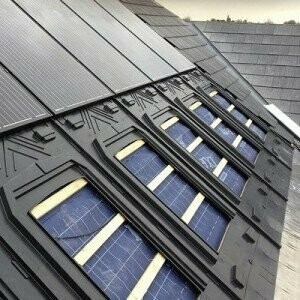
Have you looked into roof integrated PV? If your angles are right, fairly cheap alternative, and you get some power from them.
-

Grout colour sample lie and grout "shield" or stain pen
SteamyTea replied to Adsibob's topic in Floor Tiles & Tiling
I worked for a company that was one if the few independent places that was allowed to reproduce the Coke red without prior checking. Odd as I was half blind with misted cataracts from all the excessive UV exposure I have had. Colour matching by eye is fun, I can copy almost anything, Lovejoy would be proud.
