
saveasteading
-
Posts
10887 -
Joined
-
Last visited
-
Days Won
93
Everything posted by saveasteading
-

can someone share a Howdens account?
saveasteading replied to johnhenstock83's topic in Kitchen Units & Worktops
At the start of our project I had to drag my son-in-law in to the local builders merchant as they are alien places to the public, and there is a fear of being embarrassed using the wrong terminology. He ended up with a very comfortable relationship, very professional and helpful service and mostly unbeatable prices, always including delivery at a modest sum. Ditto Howdens. -
Cleaning cement mixer for 2nd batch of mortar
saveasteading replied to smart70's topic in Bricklaying, Blockwork & Mortar
Any leftover mortar or concrete will, at some stage come loose. It shouldn't mix with new stuff. Clean it. A bucket of water to kill the cement. Then 1/4 brick or some aggregate to rub off the rest Typically a brickies' labourer will clean it without being told. They don't want lumps in their mix, regardless whose machine it is. -
Is it normal for roof membrane to leak like a sieve?
saveasteading replied to Tom's topic in Roofing, Tiling & Slating
Any channel flows according to the depth of water, any gradient and the width. Vitally also the outlet, so an open end or a large downpipe or both. Even a level channel will drain if there is somewhere for it to go, preferably outside the building. If a gutter has been built level, but has any ups and downs, the lowest edge is where it will run over and that is all the depth of the whole gutter effectively. If the water isn't escaping fast enough, the gutter will fill until it reaches maximum depth, then it finds another way. A full valley creates water pressure on every joint too. I have designed many a gutter and try to put in an extra downpipe every time, and also to have an overflow if possible. In fact I have redesigned whole buildings to avoid valley gutters but I don't think you have this option. I don't know what you have for outlets. Photo? -
can someone share a Howdens account?
saveasteading replied to johnhenstock83's topic in Kitchen Units & Worktops
What problems are there with kitchens, other than missing parts? I did once have a worktop veneer with bumps in it but they simply replaced that. Electrical items would be another matter. If in doubt about your rights, speak to the manager. -
Is it normal for roof membrane to leak like a sieve?
saveasteading replied to Tom's topic in Roofing, Tiling & Slating
So you adjust starting position and drive another that does connect. In extremis you go old fashioned and predrill a hole. If yourThen fill the wrong hole as described.try to avoid the bends in thr rail as they are curved and don't accept the drill so well. Professional cladders make these mistakes. Some bodge the repairs and it goes wrong in a few years. Once water has found a hole, the stream is drawn towards it. The reason for not using silicone is that most products go hard and shrink over time, especially in daylight. Valley reply to follow -
The right decision to stick build
saveasteading replied to saveasteading's topic in Garages & Workshops
Scarily so. I've been in very dynamic sheds during strong winds ( poss hurricane gusts in Sussex). The diagonal bracing rods were snapping tight. It wasn't about to lift off bug there was local damage at external flashings. When erecting an industrial shed, the wind all over the site is maximum when the roof goes on without walls. -
The right decision to stick build
saveasteading replied to saveasteading's topic in Garages & Workshops
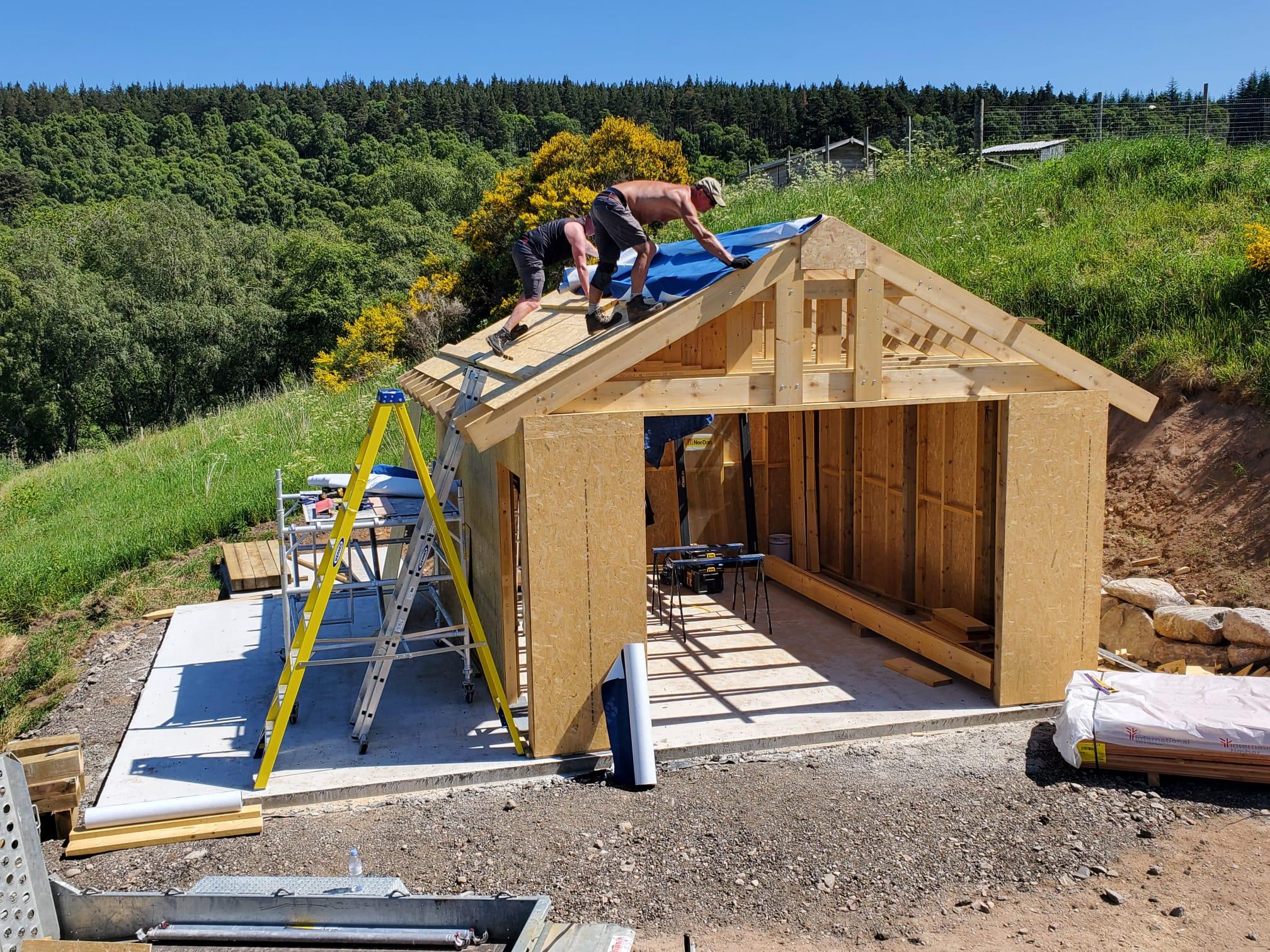
I can't claim any credit other than pragmatism. The guy on the roof is a retired accountant who has discovered a flair in, and joy from, building in timber. As he is my daughters father-in-law, he comes free of charge other than food and wine and the odd dram of the local speciality. He is the designer. I thought it could be 30% lighter but let it slide...it gives mass and stiffness. The canopy is fixed with genuine pin bases and is vulnerable to uplift. On the nearby shed we just put tyres on the roof and lash it down. Winter will tell. The garage is to be lined inside at the door, which is currently a weak plane. -
Is it normal for roof membrane to leak like a sieve?
saveasteading replied to Tom's topic in Roofing, Tiling & Slating
Obviously that is not acceptable. Why have you left it like that? To repair these don't just squirt in silicone. It is possible that the original screw could bite. With quality screws the washer winds itself between the thread and the panel, to seal it. If that doesn't work the best fix is a non cutting roof screw of larger diameter. If you have a fixings merchant near you, try a visit and be prepared to buy 100 of the right screw. I too think the valley is the likeliest culprit. There are so many possible failures here. What is the outlet? I would always have a wier overflow as well....to let all the water off the gutter asap. The slope is not the greatest issue, but the depth creates pressures on all joints. Just one low spot may allow water over and in. -
The right decision to stick build
saveasteading replied to saveasteading's topic in Garages & Workshops
That seldom applies with planning ( we know you will infill) It might just be pragmatism. Instated but ..'..i trust you and it's no big deal'. They asked 3 times, 3 ways, to be sure. -
The right decision to stick build
saveasteading replied to saveasteading's topic in Garages & Workshops
The wall will be horizontal boarding. I like staining but they like faded grey. Roof is to be metal. The roof transition hasn't been thought through yet, and they haven't asked me. Just a garage and distant from the house so perhaps just let if fly from one roof to the next. The elegant solution is a gutter and stub dp, but seems over the top. There is one gutter going in somewhere to store water in an IBC. When it's done I will show the world. -
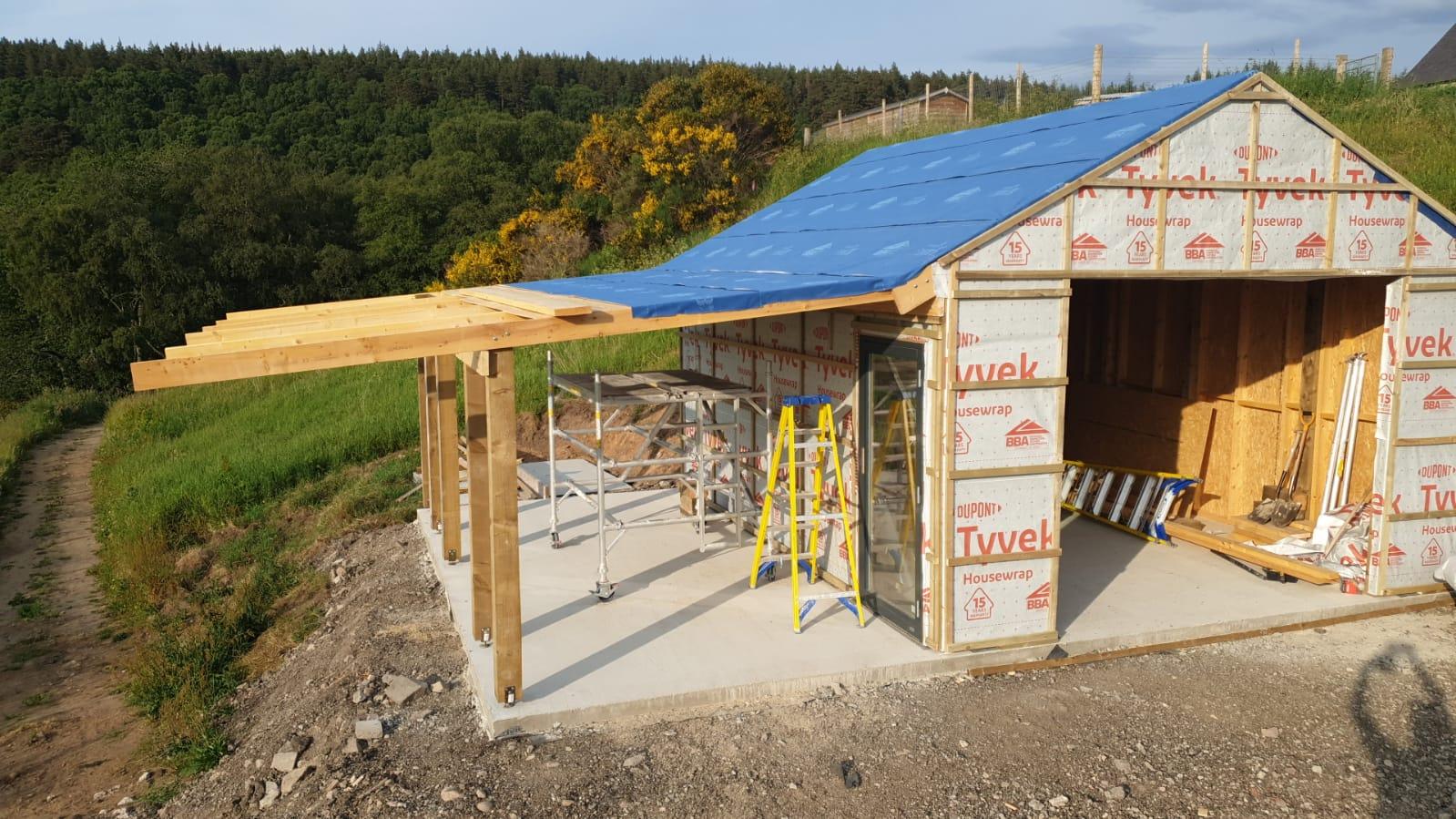
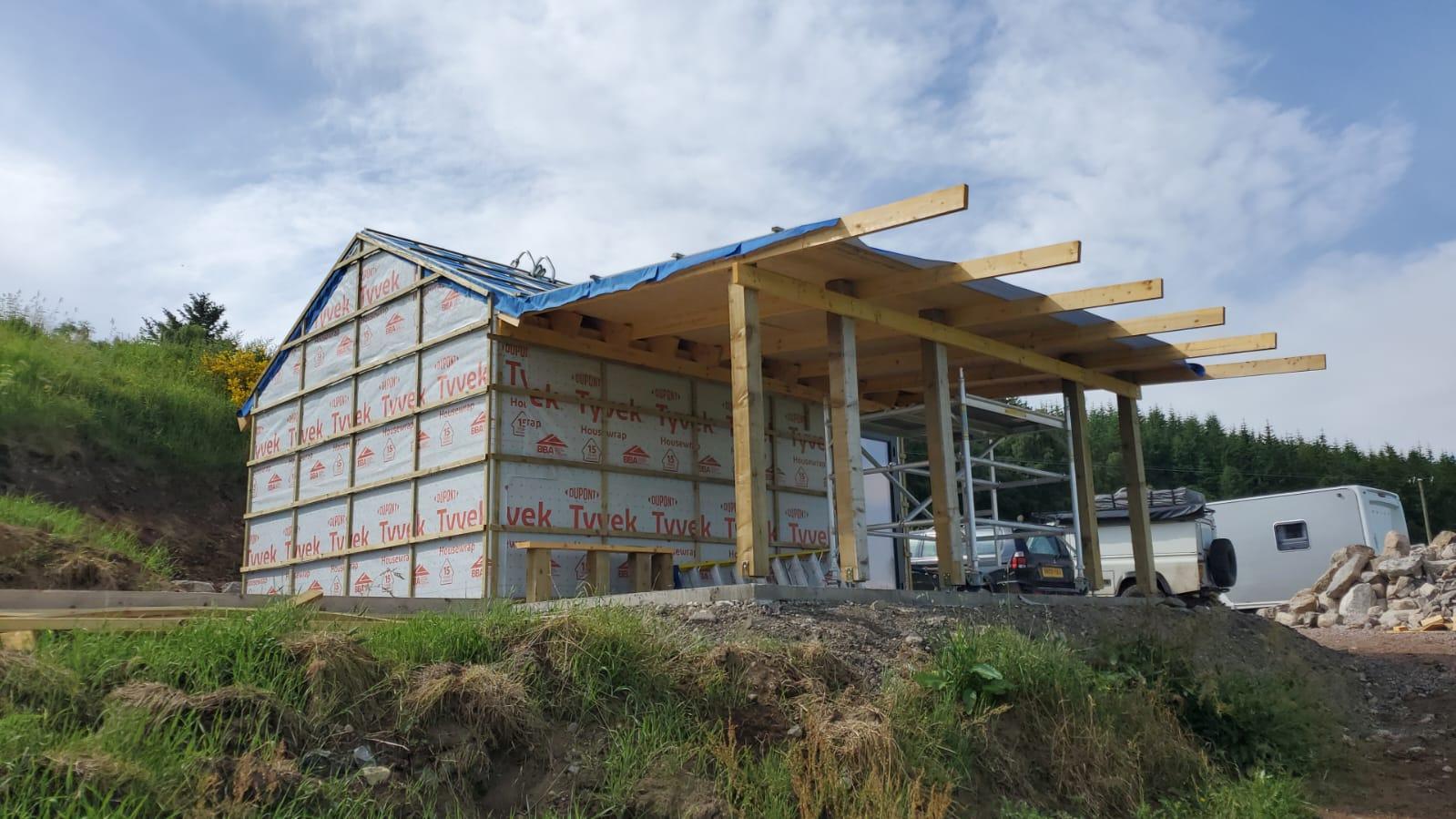
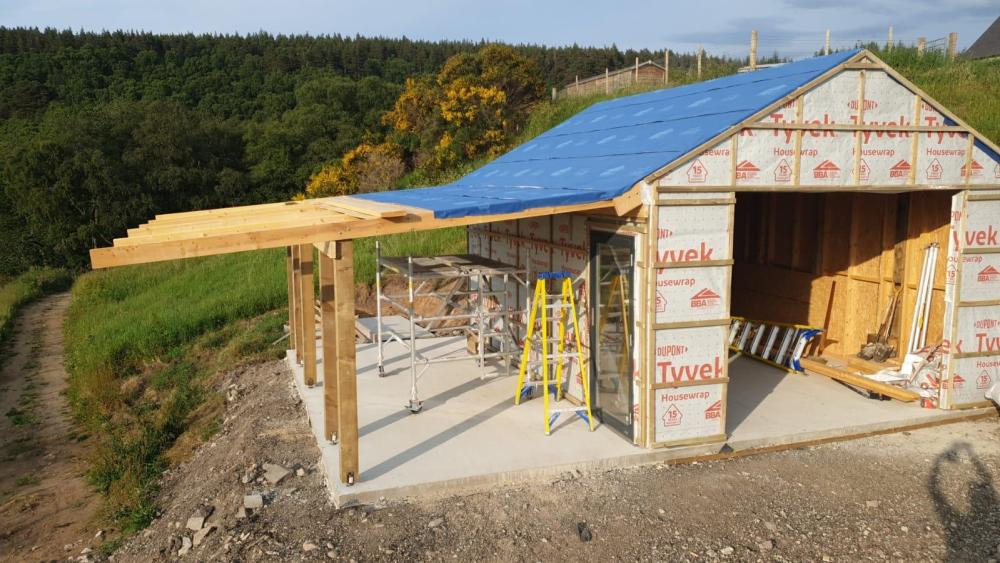
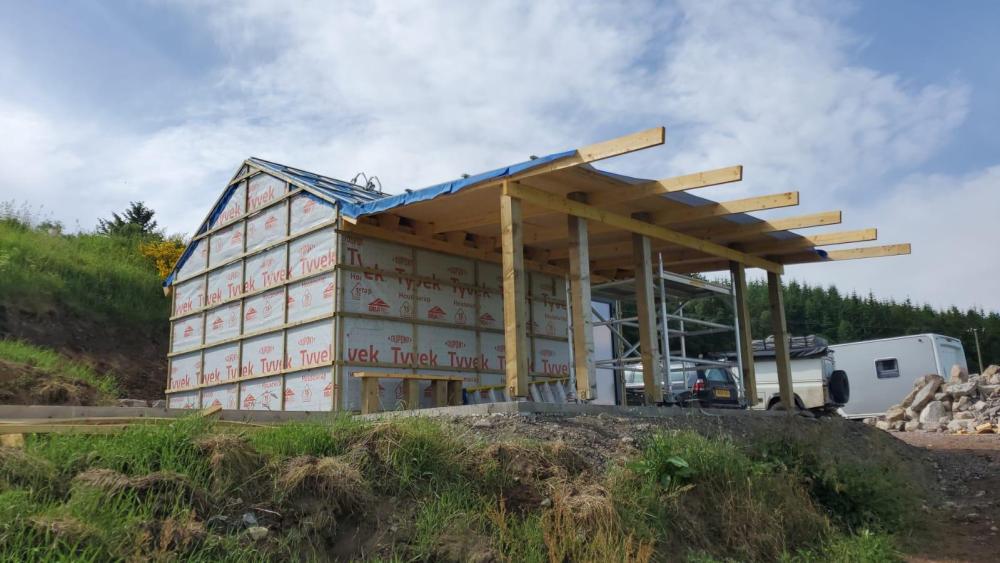
Here is the progress on the garage, now adding the lean-to. 2 weeks of long days x 3 diy ers. The materials cost above slab is about £5k incl the cladding yet to come The ped door was surplus due to an ordering error with the house. I think a kit would have cost a fair bit more, but be less sturdy. Your next question is about bco isn't it? BUT the garage is under 30m2 and he says the lean-to doesn't need regs. I don't understand that but it's what we wanted to hear.

-
can someone share a Howdens account?
saveasteading replied to johnhenstock83's topic in Kitchen Units & Worktops
They want your business and will accept that you are doing a project.....this is zero risk for them, and discount for you. You will often find that 10% only gets down to the b&q price anyway, but it is 'always' and adds up. -
If there wasn't this requirement there would be nothing. The building regulations are basically sound, and should ensure much longer than than 50 years if only they were always properly applied.
-
Is it normal for roof membrane to leak like a sieve?
saveasteading replied to Tom's topic in Roofing, Tiling & Slating
I've always been good at tracing back leaks. I don't know why, or why other people find it difficult, esp so called roofers. I think it is logic. The final drip is vertical. Plumb where it lands exactly up to the drip point. Mark or otherwise record it. In bright daylight you might even see a hole. Then work out how it got there. If that is on the underside of a metal panel, try to watch it running Composite panels don't leak. So it is likely creeping from a puddle or stream in the membrane or a batten If the roof is by a builder, then get them to sort it by completely stripping and redoing. Keep photos and films of the leaks as they happen. The likeliest source? Either a tear in the membrane of through a nail hole where the batten hasn't been pulled tight to the rafter. And incredibly, I have encountered roofers who don't understand overlapping in the right direction. Good luck. BTW what quantities are we looking at? Fills a bucket, or a mug? -
How does your garden grow?
saveasteading replied to recoveringbuilder's topic in Landscaping, Decking & Patios
Combover?. If there is no path through without sliding over hair that should work. -
SUDS driveway with porcelain tiles?
saveasteading replied to BartW's topic in Rainwater, Guttering & SuDS
Anything is strong enough with a solid bed. -
Opinions on best way to drop a ceiling
saveasteading replied to Thorfun's topic in General Construction Issues
Our joiner had an aversion to anything not straight, with character being of no interest. He wouldn't accept working on ties that weren't horizontal and in line. Eventually we agreed some areas could be levelled. He made vertical stubs, screwed to the sides of the ties, then struck a level and fixed counterbattens. Not metal framing but works the same so a TF system. -
SUDS driveway with porcelain tiles?
saveasteading replied to BartW's topic in Rainwater, Guttering & SuDS
Something to contemplate while in a & e or court. -
SUDS driveway with porcelain tiles?
saveasteading replied to BartW's topic in Rainwater, Guttering & SuDS
This sounds to me like...I know I need permeable paving but don't really want to. We know that porcelain won't allow water through. Therefore either have big gaps of permeable material or slope it all towards a drain, which must soak away. Porcelain isn't my choice. It will get very slippy when wet. Will it scratch then hold the dirt? I don't know. -
Suggestions for garage roof material. DIY.
saveasteading replied to saveasteading's topic in Roofing, Tiling & Slating
Thanks all for rhe input. The final decision is profiled metal as originally planned. counting against that was the cost, esp for a small order. What I didn't know was that there is a supplier in inverness that rolls their own. They couldn't do the house roof because they had too flat a profile and didn't do the colour, anthracite. Now they have followed the market and they can. Rolling their own there is no waste for us to pay for. Whether delivered or collected it is 20 miles. And if any gets damaged it is easy to get more. -
Verdict? Avoid? Only use proper tools?
-
A Watering can with rose. One pass a day will be all it needs.
-
Ive seen adverts for tiny chain saw blades to put on an angle grinder. Or a disc with chain saw teeth. Any good?????
-
How does your garden grow?
saveasteading replied to recoveringbuilder's topic in Landscaping, Decking & Patios
Do they still use composted housse waste? Should be ok I bought dobbies and westland but they seem identical certainly plants donplants don't like them: scrunched up trees I use it as a much because no weeds will grow. -
How does your garden grow?
saveasteading replied to recoveringbuilder's topic in Landscaping, Decking & Patios
Commercial compost or your own?