saveasteading
-
Posts
10075 -
Joined
-
Last visited
-
Days Won
82
Everything posted by saveasteading
-
Agreed barrows and for the same reasons, as long as you can get them there. This reduces the risks and mess too. At the end of pumping you have to wash the hopper and tubes out.....very messy. I'm all for hi-tech but it seems ott here. Even pokers aren't needed if you can agitate thoroughly with shovels.
-
One more thing. How are you controlling the levels? Probably your builders have a laser level. I always prefer to make it easy. Bang some pegs or rods into the base, and set the tops level. Or rods or long nails into the sides. Then simply concrete to the tops. One less thing to think about on the day.
-
-
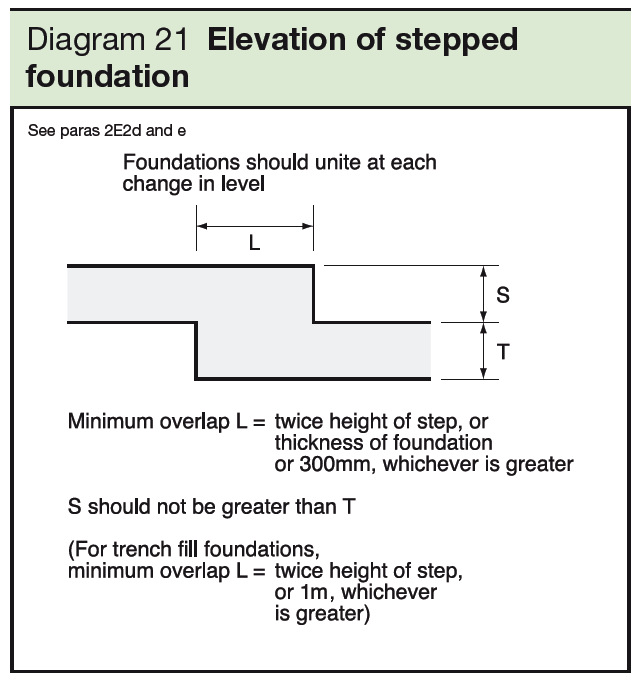
SE and contractor here. @Nickfromwalesis not wrong but it isn't complex science but anticipating problems. I am assuming the steps are 300mm or so, not huge ones.
-
You are right to think of this. Bodes well for the project. Concrete for a pump is an especially fluid mix of small aggregate, extra sand and a plasticiser to keep it moving. As such , it won't stand in a pile like normal concrete. Your shuttered stop-ends are the right thing to do. But the liquid in the mix will try to get through any gaps and the considerable force of standing concrete will try to knock the shutter over. So spike your shutters really hard with bars or timber battens....you can leave them in. You can spike into the trench sides as well as the bottom Perhaps add an extra shutter a few ft inside, as it will protect the main one. You could support it with some concrete in advance. Do not add any water to the mix, and be prepared to forbid it. Don't pour near to the shutter....let it flow from a safer position....the force can be huge. By anticipating problems you are ahead of the game. Have an imaginary pour when no-one is watching....where will you stand? How will you get an immediate message to the operator to turn off the pump? Lastly....brief your team about the risk we are discussing. Have good welllies and plenty of shovels. Safety wise...concrete burns skin. Ths stuff will splash. Have water handy. Wash well afterwards. Please report back! Good luck and enjoy it.
-
 You want to avoid any dampness hanging about. Even galvanised steel will rust to nothing if constantly damp. So yes, fix to battens with an air gap
 -
Underpinning is a complex and expensive undertaking, not done lightly. It is nearly always to overcome a problem and involving an SE.
-
Is it normal for roof membrane to leak like a sieve?
saveasteading replied to Tom's topic in Roofing, Tiling & Slating
Interesting. I've never known it to happen. ? Perhaps dampness swelled the timber and sealed the holes before any deluge came. Does that mean every house is at risk of multiple drips if a tile breaks -
Our recent timber purchase was heavily researched. Best price Caley Timber at Inverness Airport and they don't mill their own. I think they deliver anywhere in the Highlands.
-
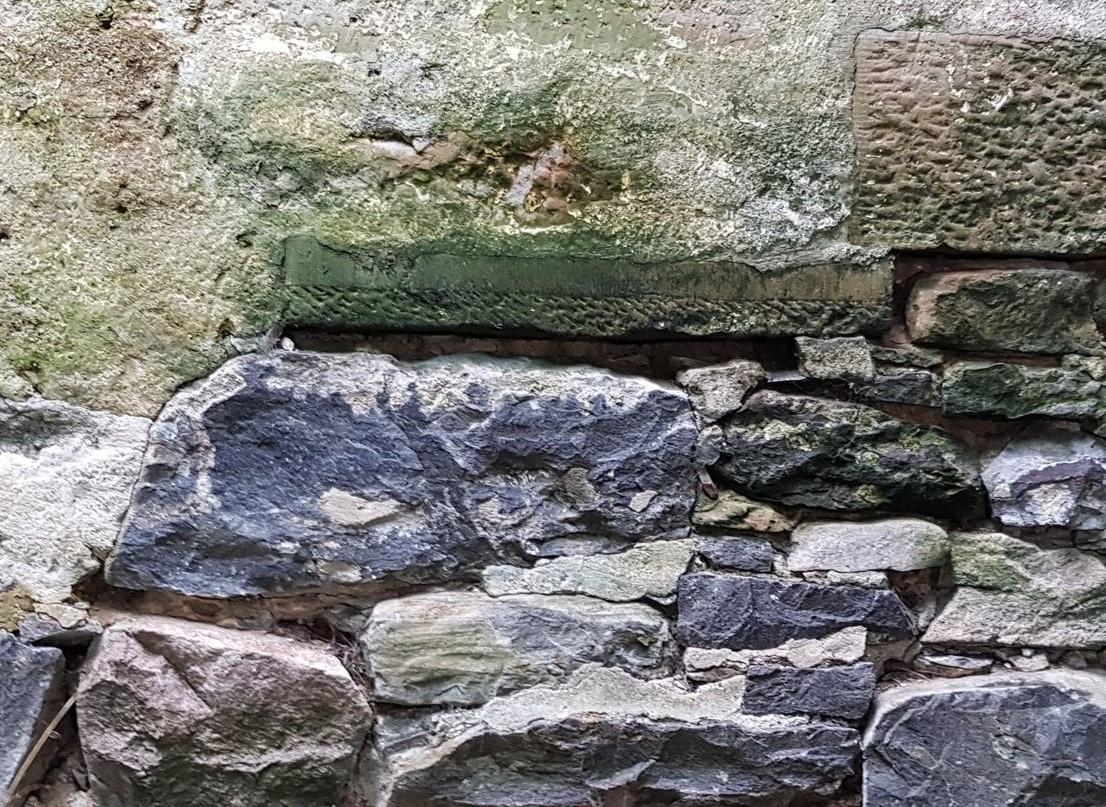
OK but don't go thinking that is the problem. The bco does spot checks when invited. He looks at what he is invited to look at. There must be drawings. Were the foundations mentioned? Was the brick infill shown on the drawings? Even so, a big of brick isn't going to make the foundation plummet. Are there cracks in the walls? Q3 yes Q4 yes Seeing the exposed ground could have been interesting.
-
@Grian What part of the country?
-
Get it in preservative treated quality and it won't rot or be eaten. Then look at detailing to protect the sawn ends.
-
All @ProDave says is right. Except we can't know that the bco didn't enter the site. If the builder thinks that was underpinning: 1 he doesn't know much 2. He seems to think he had to do something. We would need photos to garner any more thoughts on this.
-
Look at wickes website ( I suggest it because it delays does prices) and you see shiplap at £34/m2. That is per small bubble before discount incl vat. Your quote is3 x that despite thd quantity being decent. Try someone else. You could go to wickes and save £2,000 of another merchant amd save more. Remember that the overlaps require extra material. For value, I would choose tanalised pine.
-
it’ll be an L shape down to the foundation. Better to drip into air and run away. Otherwise this flashing is going to be permanently wet, and will rust away, even if galv and plastic coated. Can you fit in a gravel strip at the edge of the paving?
-
Retaining Wall for Garden
saveasteading replied to rowingzeus's topic in Landscaping, Decking & Patios
Water behind the wall is the usual cause of failure. Here is the cheapest rebuild idea. An easy aid to wall stability is to build it leaning or stepping back towards the slope. Lay one row of blocks on the existing base. Backfill with gravel to catch water. Place small pipes from the gravel, over the blocks so that water flows away. Continue with more blocks, Set back 25mm or 30mm. Place membrane over the gravel to keep it clean and fill the space with rubble. Repeat. It's up to you if that looks OK or is too basic. -
Is it normal for roof membrane to leak like a sieve?
saveasteading replied to Tom's topic in Roofing, Tiling & Slating
A breather membrane is a sheet of material that is installed to the outer side of insulation on both roofs and walls. It allows water vapour to pass through from the inside of the roof or walls, without requiring any ventilation to be installed directly above the insulation layer. It also prevents any form of water, whether it is moisture, surface water or rainwater, from entering the roof or interior space -
Is it normal for roof membrane to leak like a sieve?
saveasteading replied to Tom's topic in Roofing, Tiling & Slating
That's a worry. You must judge is he ignorant or incompetent? That does make it easy to breathe, if made like a poncho. For your own amusement and knowledge, find an offcut of the breather membrane and make a cup of bowl with it. Staples or paper clips will hold it together. Then fill it and see what you find. I'm not promising that all products are utterly waterproof, but it's function is to let vapour through while keeping liquid water out. It has no other purpose. If you know the product then find domf marketing stuff for it. Make a list of problems starting with what he can't dispute, and get him to agree each in turn has to be resolved. The technical stuff like, what is a vapour barrier can be last. Have you a robust friend to witness the meeting? Not a construction expert ( or you wouldn't need BH) just a world wise calm person who could remember what occurs. They can also, if so briefed, keep you calm and on track -
We had perfect and expert detailing, but the reality of timber tolerances and shapes caused some discrepancies. That's the reality of a unique project in a field, built from products made from plants and the ground. But steel warps in manufacture too, and windows are clamped and glued together then stiffened by gaskets banged in by a man with a bit of stick. Perfection is only available to someone who isn't really looking. To get really paranoid we could look for the tolerance standards on masonry and in timber construction. But they are probably very forgiving. Ideally you need a metal or plastic flashing with a single thickness to push into the gap, a right angle to turn it downwards, and a welt ( return) on the bottom as stiffness and to make a drip ( and to avoid a serrated edge to cut busy fingers or snuffling pets .) It probably exists already as a upvc profile.
-
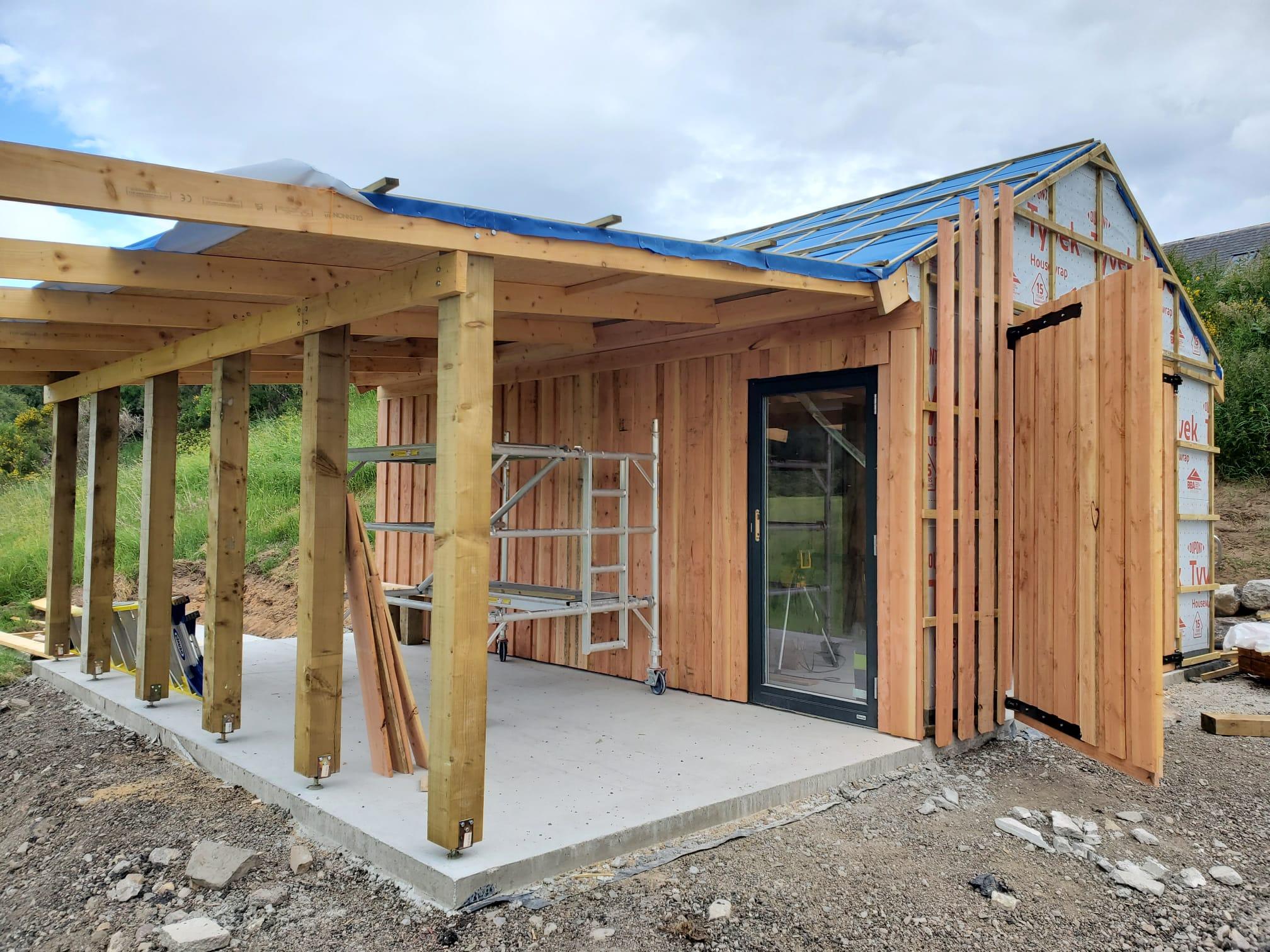
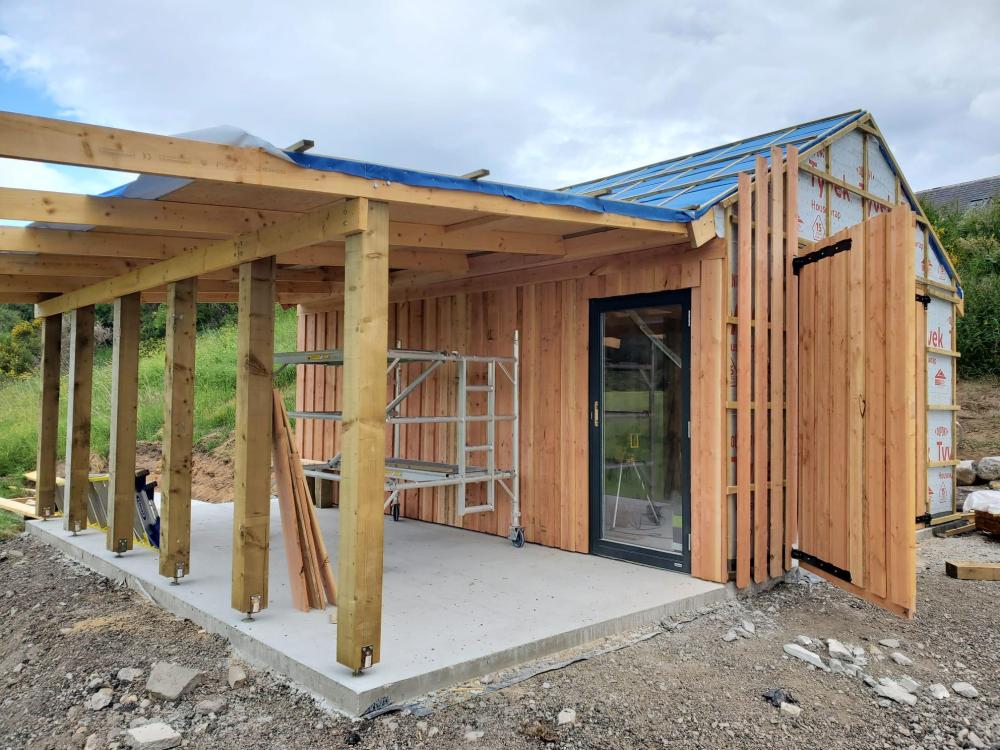
Despit As it happens, our team is cladding the garage now. Using larch in standard sizes, vertical board on board. They bought this from a local bm, who buy in rhe timber, comfortably beating direct purchase from the mill. But fair to say it was part of a large timber order. I love the colour an would prevent it, bug they prefer the grey ageing and gradual decay.
-
Sounds about right. It's amazing we have to make these details up to suit circumstances. Can I suggest that you imagine the rain running down the window, and what happens to it next. There should be a drip from the sill or bottom flashing, but that doesn't seem to be the case. The inserted flashing or drip needs to be fully sealed in to avoid it sucking water in rather than repelling it. Then you have to make it run or drip to ground, rather than dribble back or splash. Then on the ground a decent slope away or a gravel drain to get rid. Do you have some 90° flashings efta from the cladding? If you haven't thrown away the offcuts you could play around with them for a solution or inspiration.
-
Timber frame double garage with doors on eave side
saveasteading replied to jayc89's topic in Garages & Workshops
Unlikely,as there would be no wall left for stability. the wall would need an extra frame behind it, involving a lot of timber. -
Russwood is beautiful. It slso has a sort of cedar pencil smell when new. Rather expensive. They will not provide specific lengths so you get a random mix of lengths, albeit all multiples of 300mm. You can use any spruce or larch from a local mill or bm. Scottish timber isn't specially strong due to the fast growth. Out local mill said they could only compete commercially on special sizes. So I would buy from the local bm, fix it to board rather than battens so that there is zero warping, and stain it to choice with the best stain. Use oak colur for protection and gloss and to retain the original colour. Any other colour to your taste. If you don't stain it, it will turn grey, which the planners may favour, and not kast do long.
-
Wife says ashp doednt look good
saveasteading replied to eniacs's topic in Air Source Heat Pumps (ASHP)
My favourite bits in Poldark were when they hit a new shoal in the pilchard mine, or spotted seagulls over a seam of tin out at sea. -
Cleaning cement mixer for 2nd batch of mortar
saveasteading replied to smart70's topic in Bricklaying, Blockwork & Mortar
When the labourer is getting the first mix on and distributing bricks, the brickies are in the van eating bacon rolls. I found brickies labourers generally had pride in their work. I always assumed, and hoped, they got a bung at the end of a good week.