Alex
-
Posts
47 -
Joined
-
Last visited
Everything posted by Alex
-
thanks everyone. I'm going to go with build all the studs, get 1st fix out of the way (plumbing, electrics, mvhr) and then get insulation, ufh and screed down! Think I was just having yet another moment where you start to question what you're doing!!
-
Hi All, I've been trying to figure the order of what to install when... Basically I have a mixture of load bearing timber studs that will be holding up the 1st floor and then roughly an equal amount of non-load bearing studs that mark out the rest of the room walls / cupboards etc. My floor make up is concrete slab, DPM, 150mm PIR, UFH, Liquid screed (45mm), resin floor. I have been told I need to build the load bearing studs off the concrete slab, which makes sense. My quandary is when to build these secondary studs and get floor screeded... I've got plumbing and electrics that will need to pass through both types of stud wall so need them ready for 1st fix. The guys doing my Air Source heat pump / Cylinder have said they'd ideally want to install cylinder etc on finish floor, which would imply UFH would need to be down and screeded to ensure floor all on same level. Options I have are: Build all studs off concrete slab. 1st fix everything. Insulate and put UFH down and then screed. Plaster etc Build load bearing studs. Insulate and UFH followed by screed. Build non load bearing walls. 1st Fix. Plaster etc any other suggestions to tackle this? Is there a "right" order to do things in? have manage to confuse myself as to the best approach. Help! ;-) thanks.
-
Thanks. Slow going and there always seems something new to learn / figure out. This forum has been really helpful and ful of loads of great info and advice. I only have 5 months left before I have to go back to work! Managed to swing a 12 month sabbatical from work so need to get as much done as I can in this time!
-
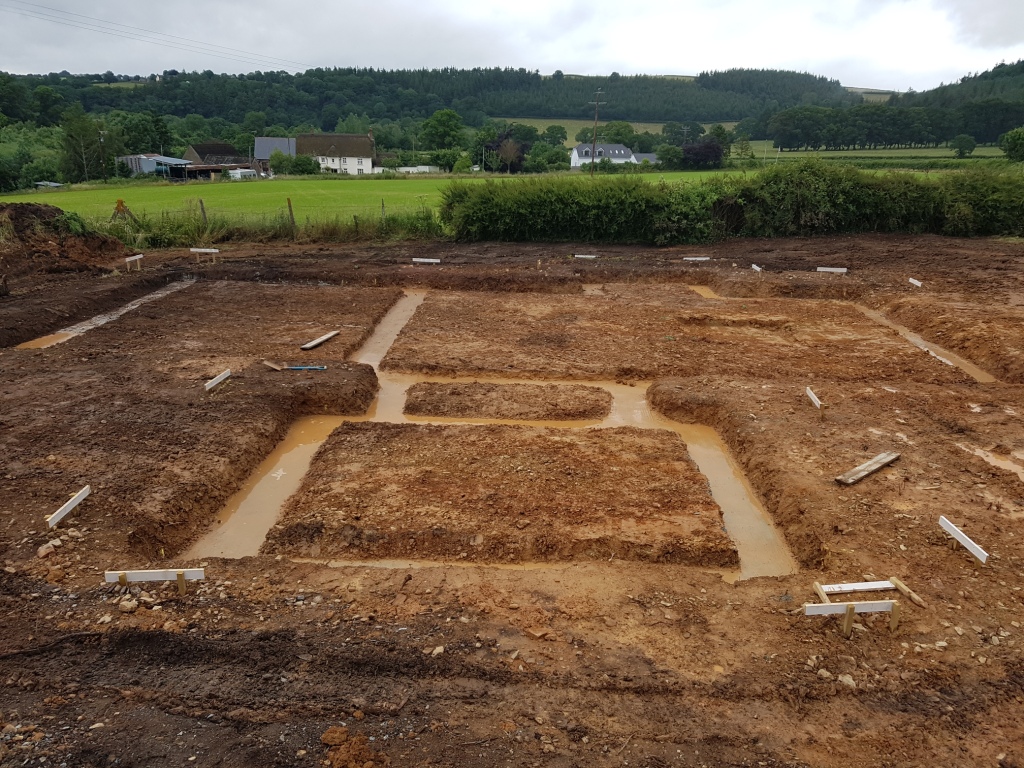
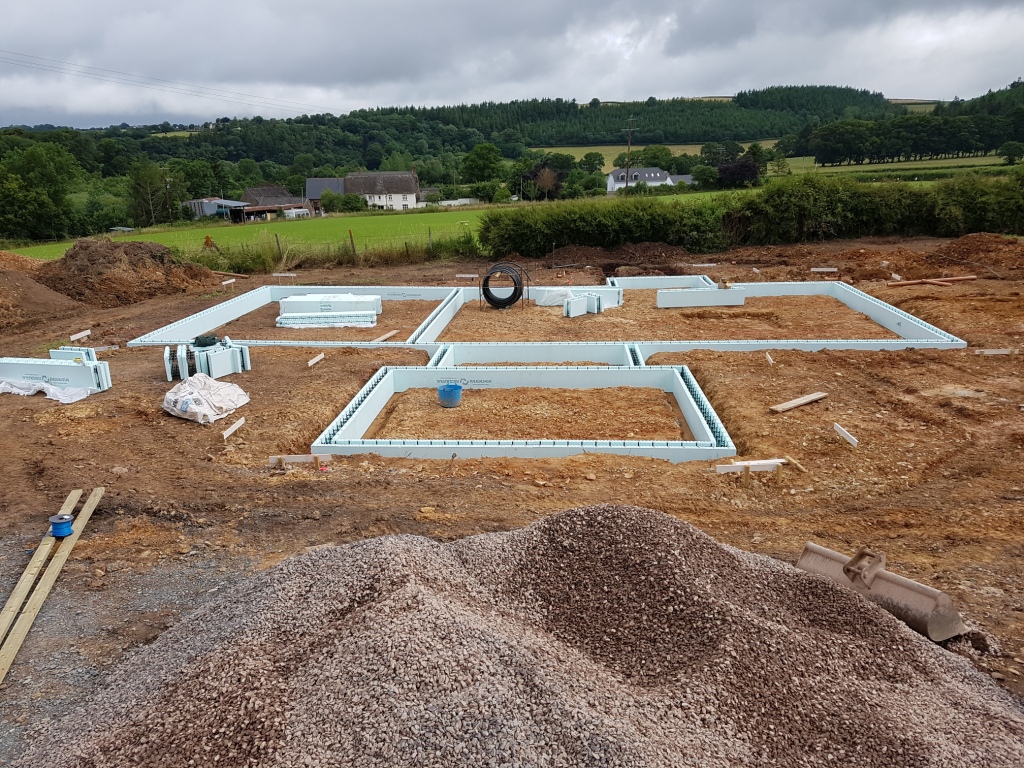
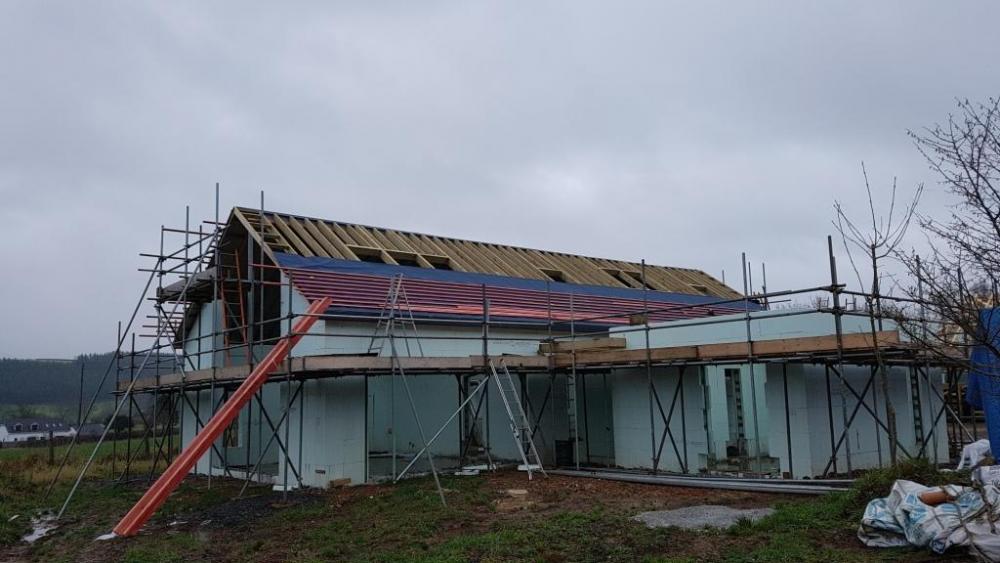
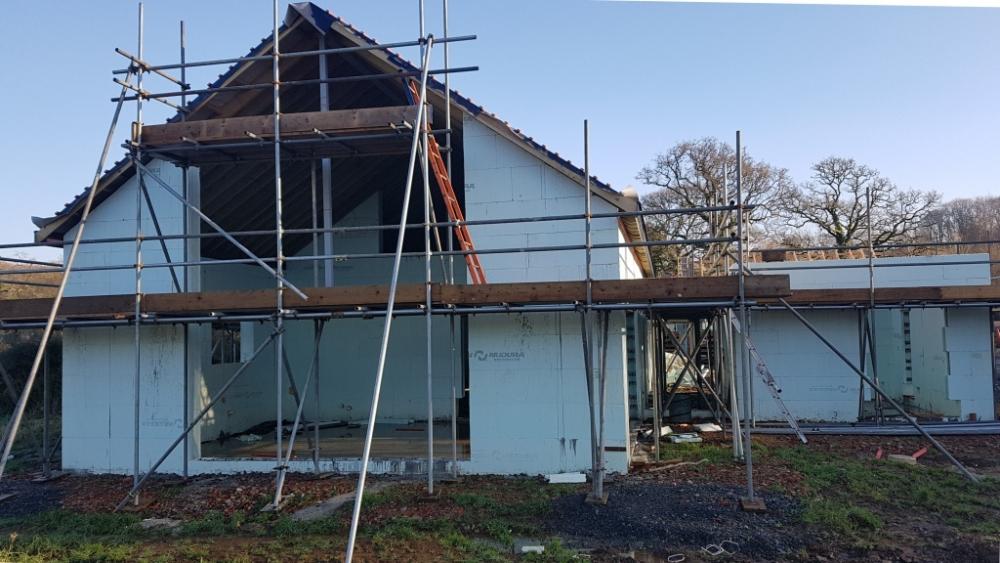
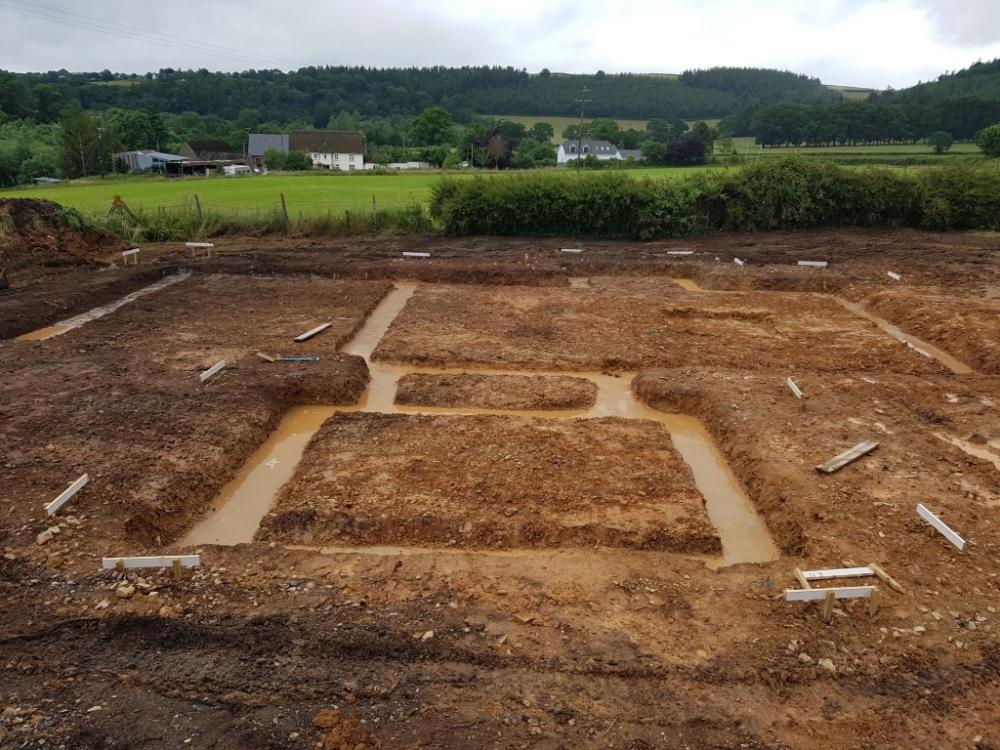
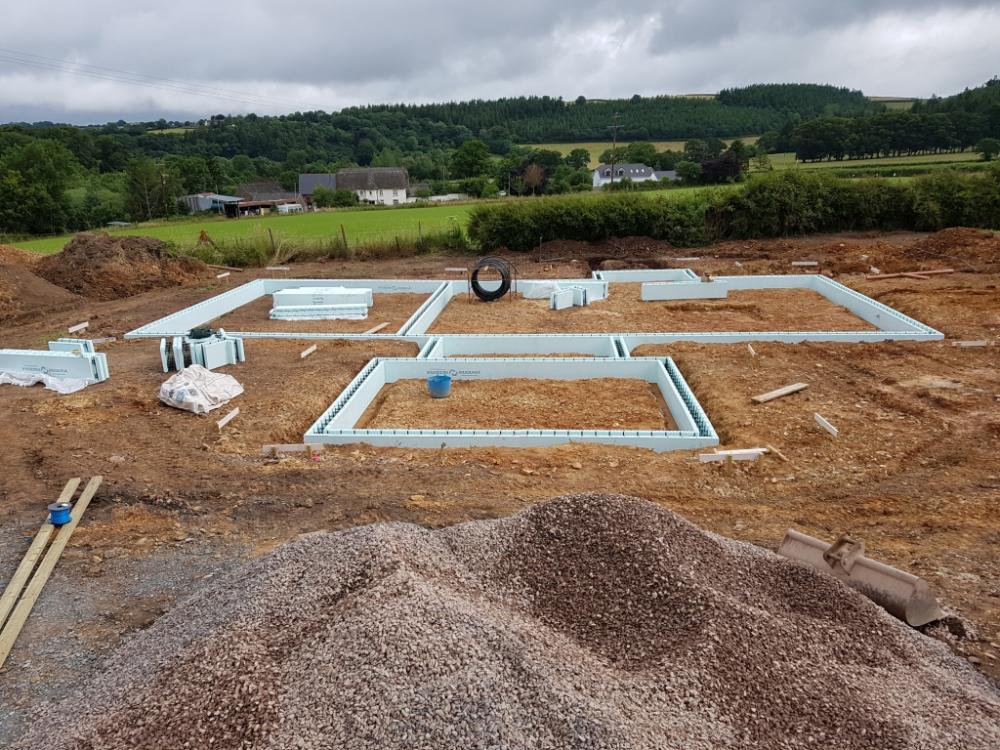
Have found it really easy to work with TBH. The guys at The Fell Partnership (SW distributors for Nudura) have been really helpful as well. I did end up with quite a lot of wastage from cut blocks but that's more a design issue than anything. It was the first time the architect had used Nudura so whilst the design was tweaked for block heights for lintels etc, which worked well the length dimensions did mean I ended up trimming 50mm/100mm of blocks to make fit. I went with strip foundations so whilst I could move the walls slightly when laying out the first course at the beginning I ran out of room, as couldn't go to close to edge of foundations to completely avoid trimming blocks effectively. As a system works really well for those doing it on their own. I laid every single block by myself, cut and fitted all the steel rebar and only had to have help for foundations and the wall pours. (steel manufacturer craned steels into position as part of their package but they went in in a day with me and 2 guys). So to go from foundations to starting roof I paid for 5 man days in total, which was the help for the concrete pours. :-) It took me nearly 12 weeks though.... With a team of 3 could probably do it in 2 to 3 weeks with what I know now.
-
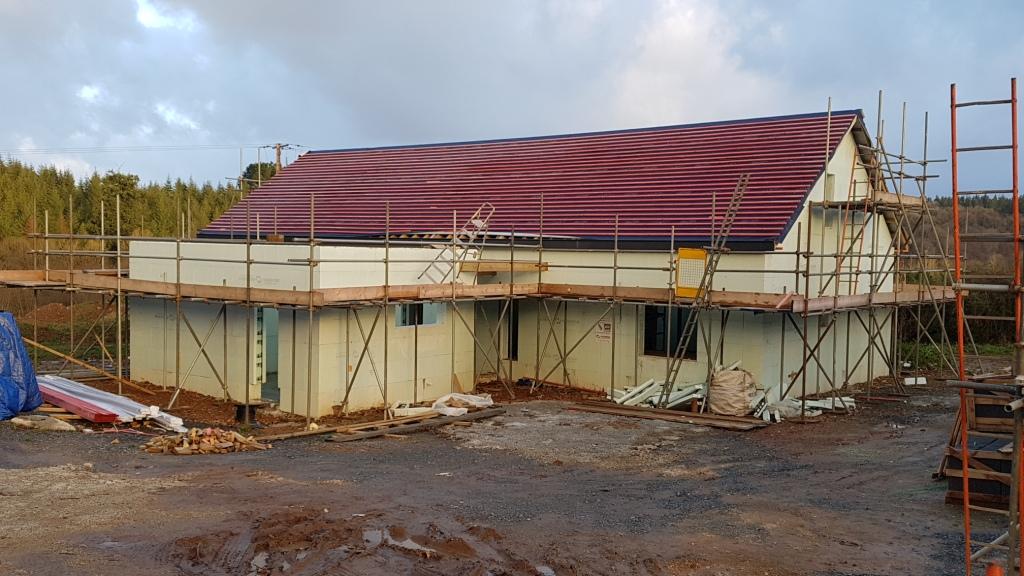
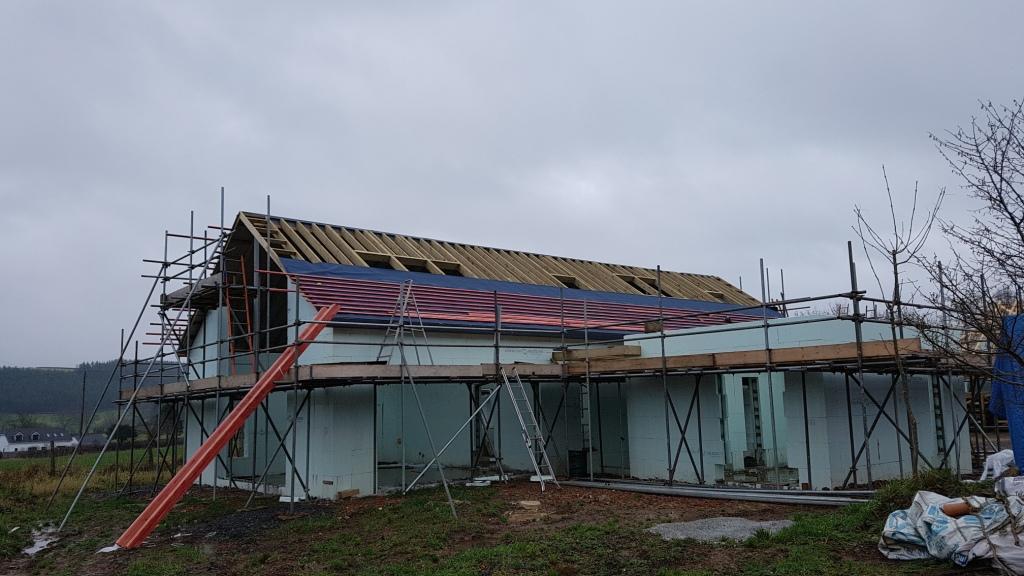
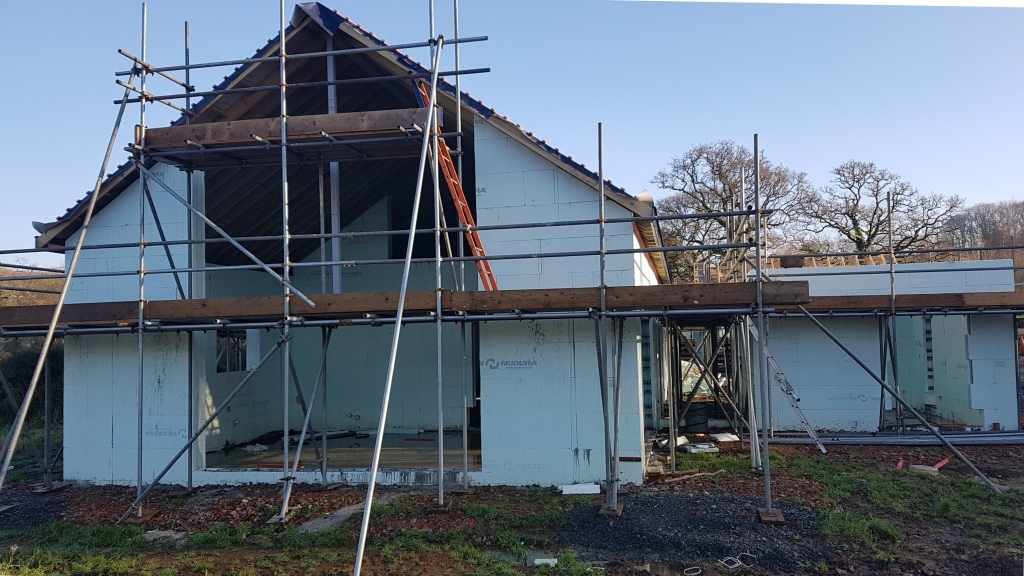
Have literally thousands of photos as am slightly trigger happy when I get the camera out! Here's a few of the main house, but happy to post others if there's something particular you want to look at / compare.
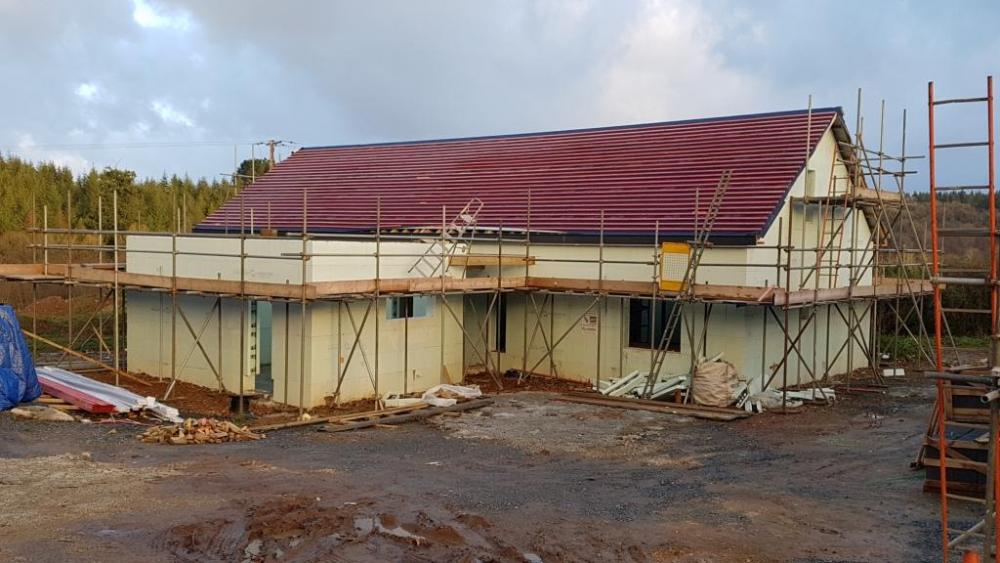
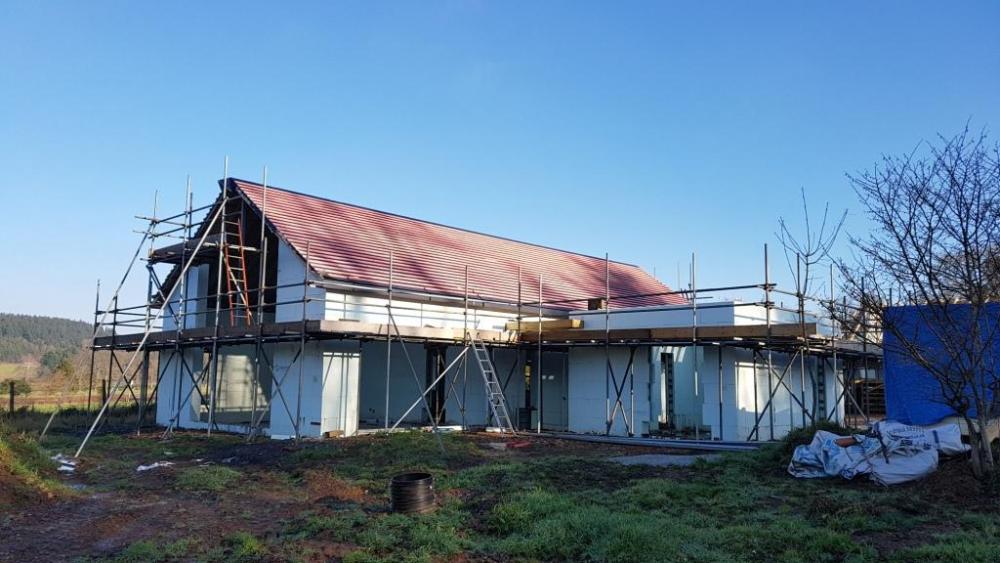
-
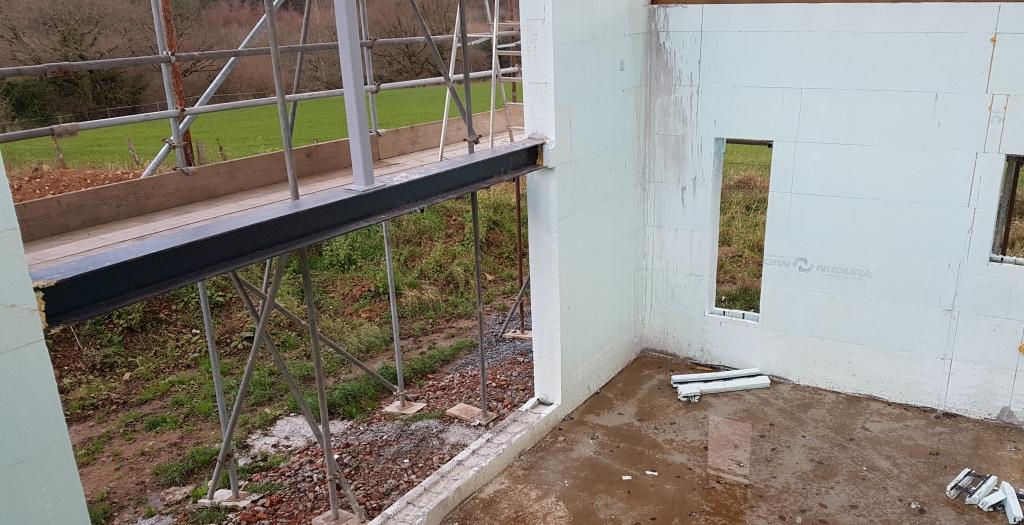
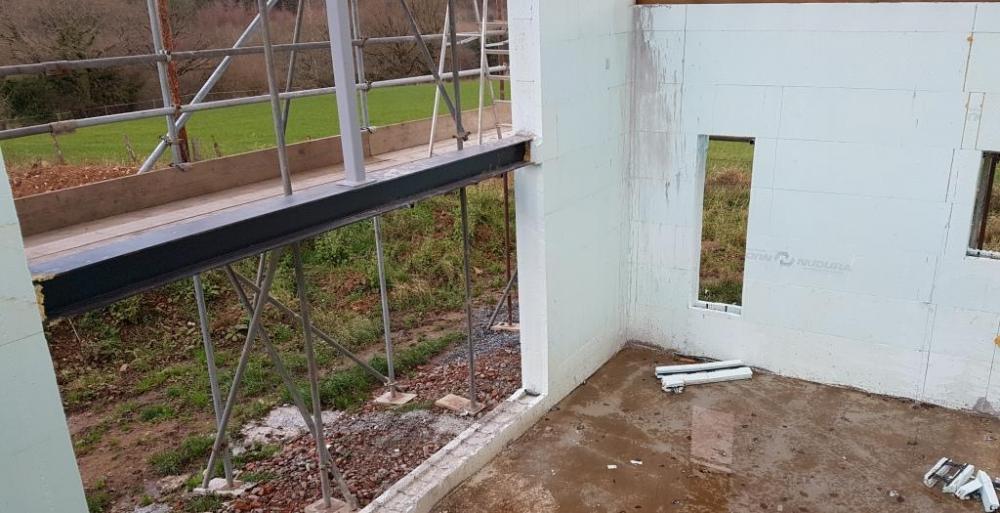
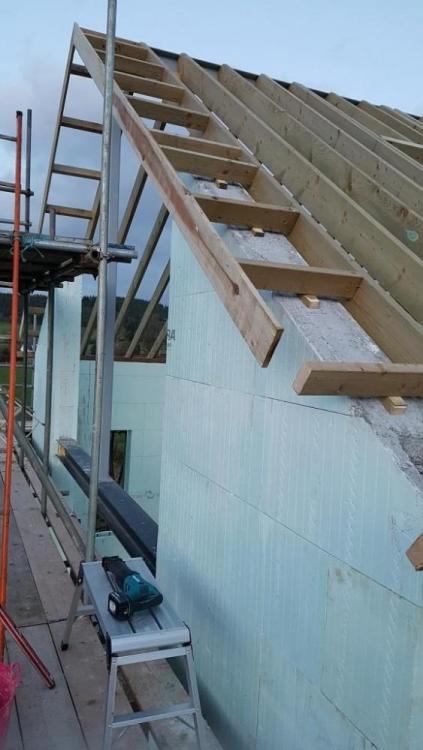
The steel is wider than the core of the blocks and the internal webs of the blocks would get in the way so you would end up completely cutting up a block. I do have plenty of off cuts that I could run a layer across the internal face and also to pack out the steel and use foam/tape to stick together but would like a slightly more elegant solution if possible. I missed that topic from @vfrdave but what he's done for the post would potentially work for my post although my plan would be to alu clad rather than timber clad it. If I packed out both sides of the rsj with either PIR / EPS off cuts I have would I need to wrap in VCL? or would that be best practice for a detail like this?
-
Hi All, I'm looking for some suggestions for how best to insulate / stop cold bridging across a steel RSJ and vertical steel post that I've had to add to support a glazed gable. I don't have any details at the moment so I want to try and get a plan of action together this before I go and ask BC. I've found to date that they're not always the most helpful ! but that could just be my bad luck! I've got Alu windows going into so was planning on cladding both the steels externally in alu and internally was thinking of plastering the horizontal and alu clad the vertical post. All help welcome! Thanks Alex.
-
Stud isn't built as yet but I like that idea. So basically run the stud up to the underside of the roof deck and insulate the stud as normal. Can add some noggins to help brace the stud between the joists so nice a solid. Thanks.
-
Hi All, Got a question I'm struggling to find an answer too... I have a flat roof (warm construction) so all the insulation is on top of joists/rafters (never know which term to use for flat roofs!). The space under the flat roof is divided into a 2 rooms by a timber stud wall. As I understand things the space between the joists is left as a void as insulation is above this so to avoid condensation issues. One of these rooms is our utility room with washing machine/tumber drier in it, which seem to be on almost constantly! The question I have is can I pack out the void with acoustic insulation above where the stud wall meets the ceiling? I'm insulating the wall but am concerned that at the ceiling there's nothing to stop the sound travelling between rooms over the wall other than plaster board. We've switched some rooms around and the room next to the laundry is now going to be my office so want it as sound proofed as possible. For info the stud wall, whilst running parallel to joists doesn't come up directly under a joist so has a number of noggins running perpendicular to it that it is going use as fixing points. Joists are at 400mm centres. What I was think was just filling that space between these 2 joists with acoustic insulation so that there is some soundproofing above and to either side in the ceiling above the stud wall. Anyone see any issue with this? and should I leave air gap above the insulation or completely fill void (joists 200mm deep)? Thanks A.
-
I'm at wall plate now. Should have already ordered insulation as starting on the roof structure this week but dithering! Wishing I'd looked more closely at insulation for floor as could easily have made an extra 50-100mm of depth but am borrowing laser level tomorrow to remeasure finished floor heights and bottom of ceiling joists to see what I can play with. With frametherm are the batts or roll better? I've got 400mm centres so both will need to be cut to fit as 570mm wide. On basis gap between rafters is 353mm I'm going to be left with lots of thin (220mm) off cuts. How best to use them? lots of small horizontal sections working up the rafters? I thought breather membranes all needed a small gap or at least 25mm or can you get away with just 10mm?
-
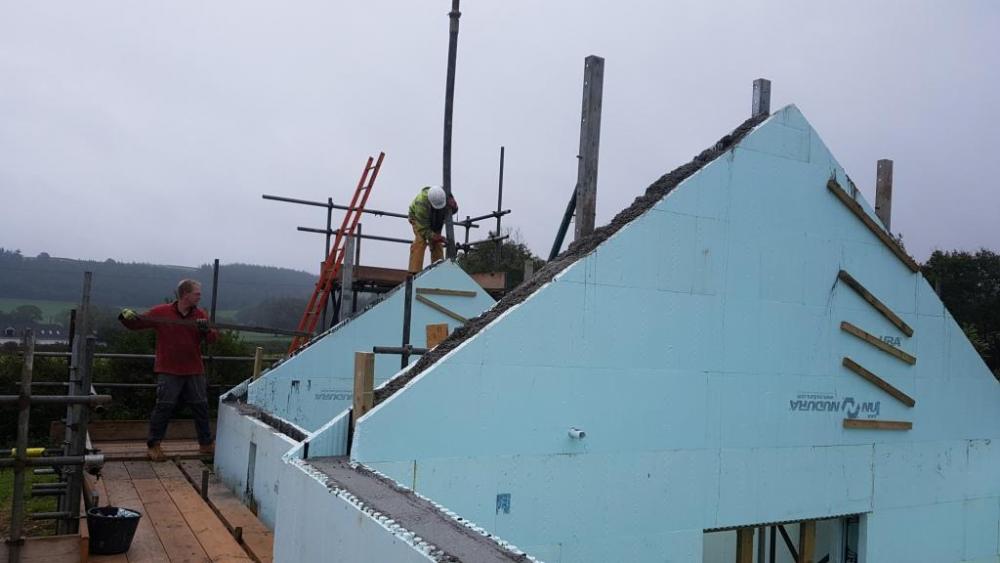
what RichS said. I was told it doesn't really matter but have the outside forward run down to the corner but it was easier for me to run into gable bottom. Mainly because I was cutting corner blocks and therefore would have to add inside edge of EPS.
-
Hi. Looking for some help from you guys who've been there/are going through it/etc. With the ever increasing cost to PIR I'm looking for some alternative options to try and keep costs down but maintain performance for my build. These are the current specs; Pitched roof: 0.15 w/m2k Slate 25x50 batton Breather membrane 50mm air gap 150mm PIR between rafters (200x50 @ 400 c/c) 25mm PIR under rafters 25x19mm batton 12.5 plasterboard and skim Flat roof: 0.14 w/m2k Single Ply 140 PIR crown bond VCL 22mm ply deck Firings Rafters (200x50 @ 400mm c/c) 12.5 plaster board and skim Ground Floor: 0.11 w/m2k Porcelain tiles 75mm screed 500 gauge separation layer 150mm PIR 1200 gauge dpm Slab Basically since I originally budgeted the insulation prices have gone up several times. I've missed a trick in buying early and storing it until needed but the reality is prices are approx £3k over budget and I'm being told there's another price rise due in Jan! So, I'm looking for any advice / suggestions on alternative options! What I'm currently thinking is: Pitch Roof: squeeze the air gap down to 25mm and go with 175mm of rockwool/equivalant or 175mm EPS with 50mm PIR under rafter Rockwool and EPS both have thermal conductivity of around 0.035 to 0.040 W/m K which would still give me overall roof of around 0.14 to 0.15 w/m2k Is one better than the other? anyone suggest any problems with either of these? any other options? Flat roof: partial swap out for EPS, have option to increase to approx 200mm of insulation so was thinking 125mm EPS with 75mm PIR on top to maintain 0.14 w/m2k Ground Floor: I have ability to squeeze insulation to around 210mm. basically I can push ceiling joists up slightly and loose a little space in rooms upstairs without any real impact as well as lifting thresholds slightly, again with little impact. Was thinking of 150mm EPS and 60mm PIR to again get to just over 0.11 w/m2k I've read some of the other posts here and on other forums and tbh have information overload! So after some sanity checking of my thinking above as I feel I'm going around in circles at the moment. What have I missed / am I better to stick with PIR and look to save budget somewhere else? Thanks.
-
I was planning on doing a blog but to be honest I just haven't had the time and all of a sudden I'm nearly 6 months in!! Thanks. Trying to keep things as tidy as I can but I do have days when I just don't have the inclination to tidy up but invariably then start the next day with a clean up. I tend to spend time tidying and sorting first thing. I find it gives me time to ease into the day and think about the tasks for the day/week.
-
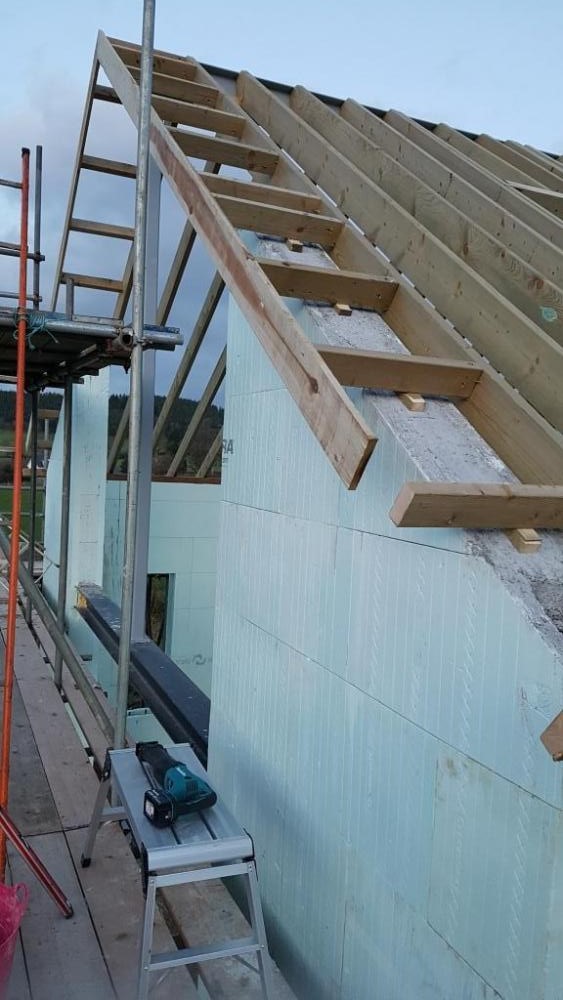
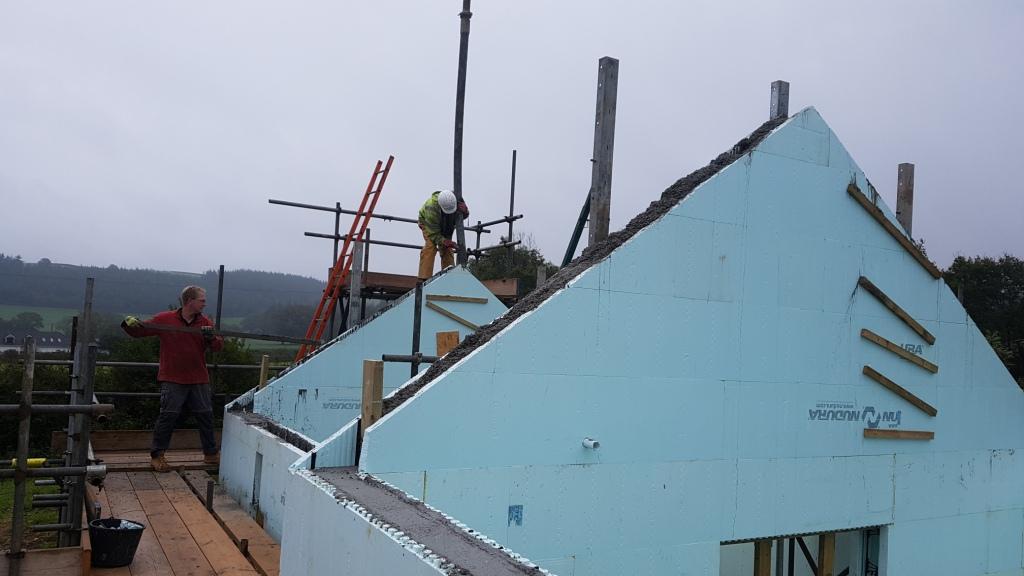
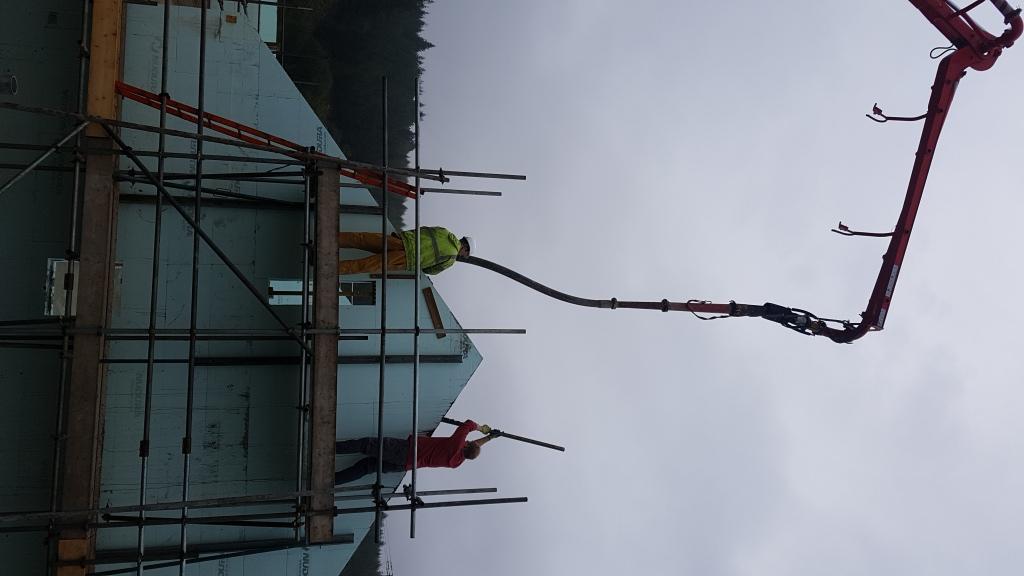
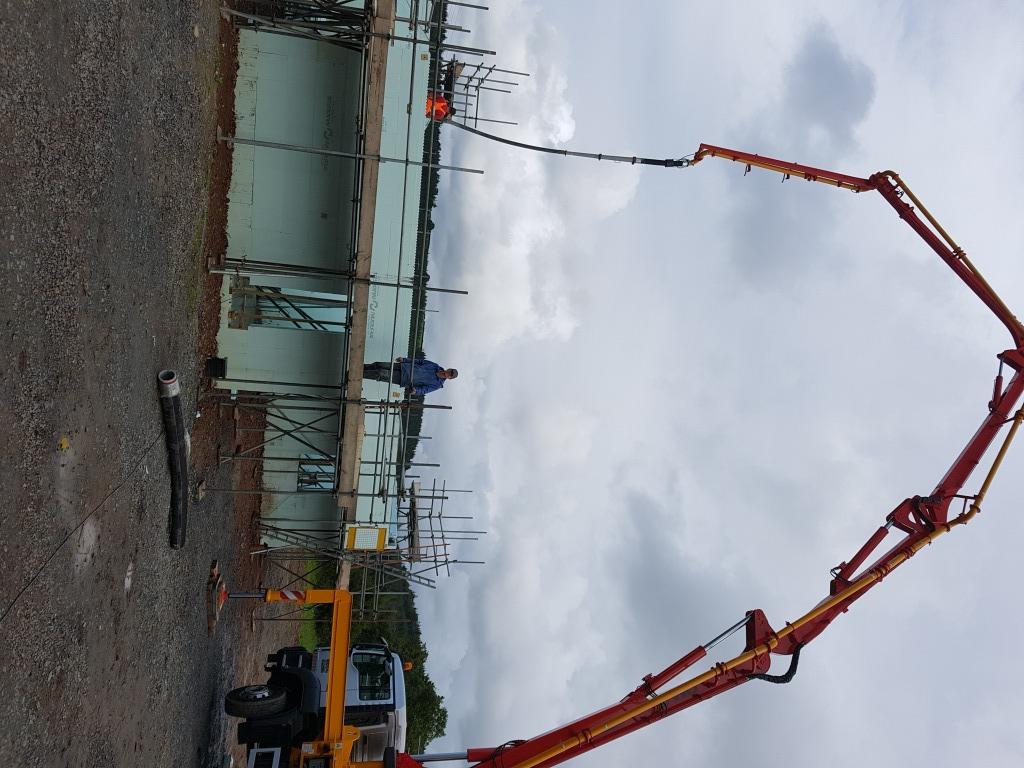
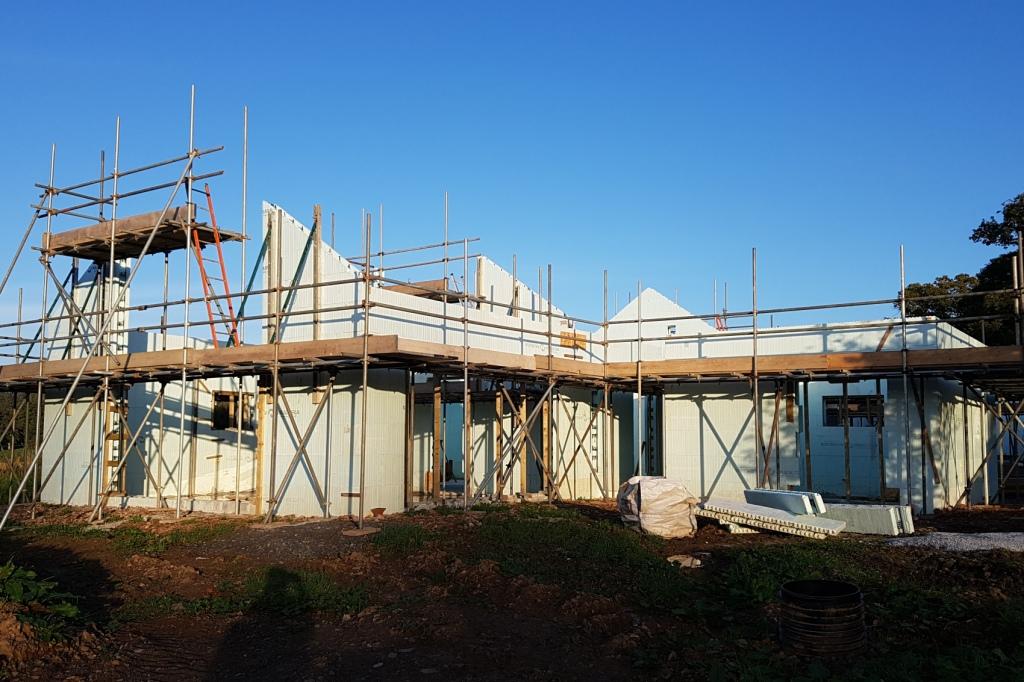
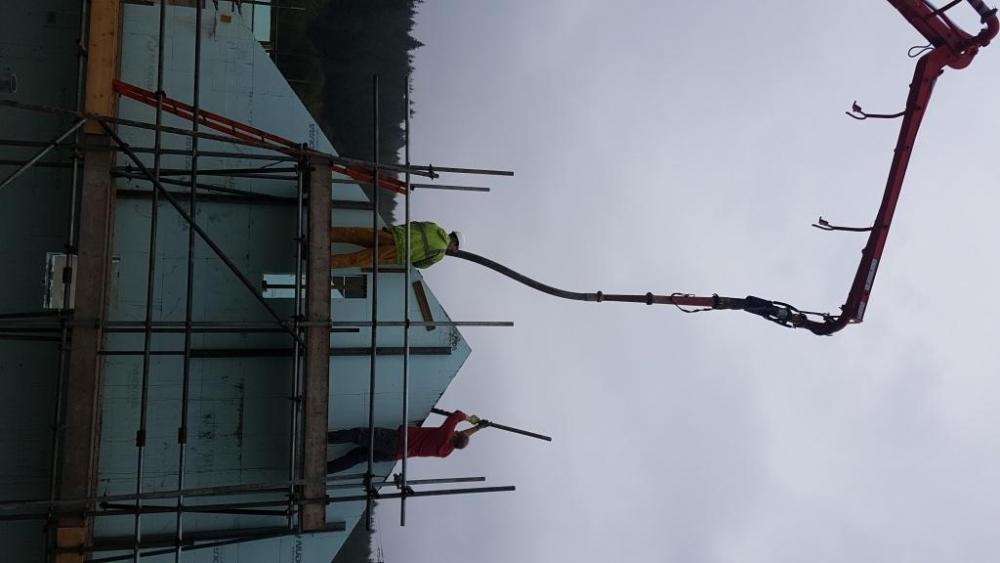
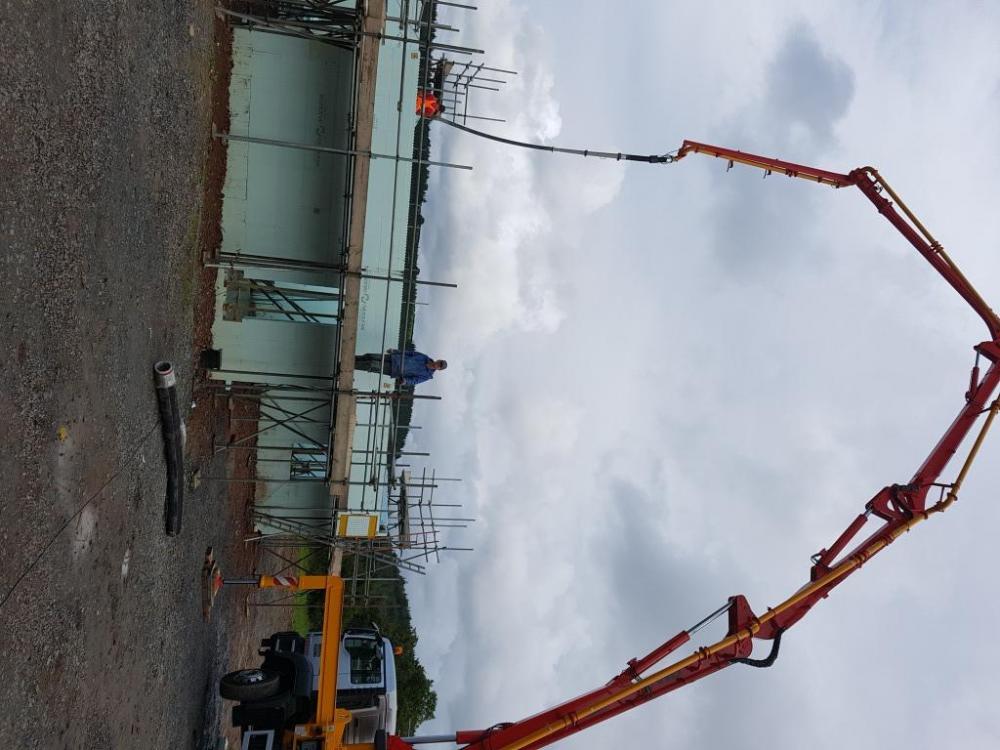
After the pour of that gable I ended up using a couple of ratchet straps fixed to the wall and the scaffold to pull the top of the gable into plumb. It was rather disconcerting when you've just poured the wall that you can grab it and wobble it back and forth! The catwalk part of the bracing was pretty useful, I just put on a couple of scaffold boards and used that to get up to wall plate level which meant I could hold off on "proper" scaffold until I needed to do the pour to wall plate and then the gable ends. Should have a nice cold-bridge free wall :-) I've got some detailing still to do around thresholds, I left the concrete low on them as I still need to finalise exact details.
-
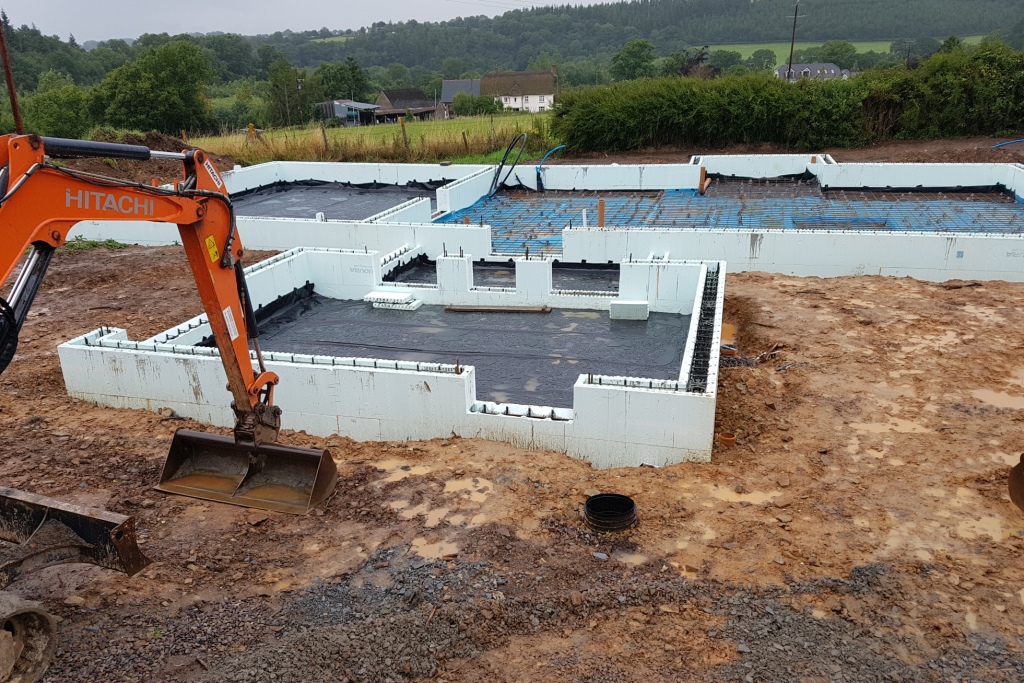
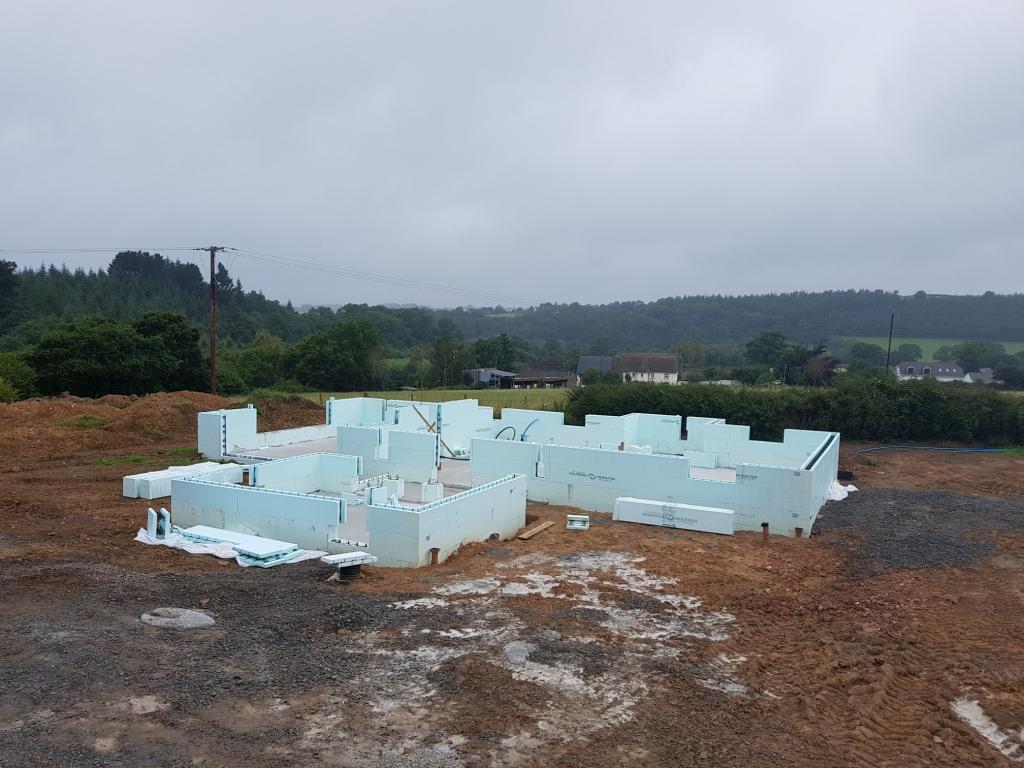
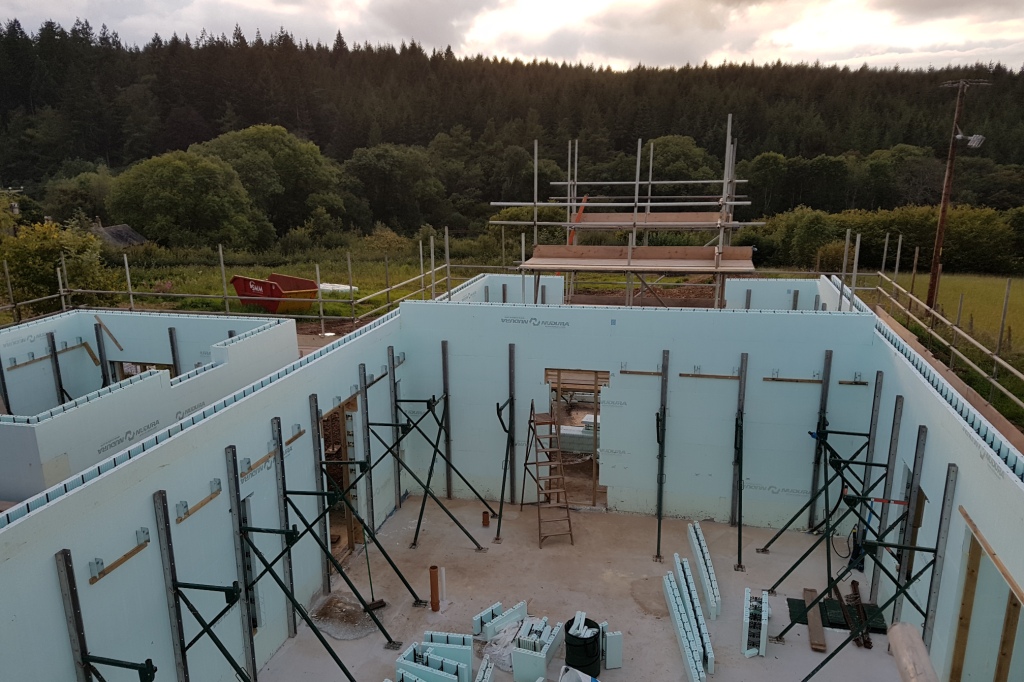
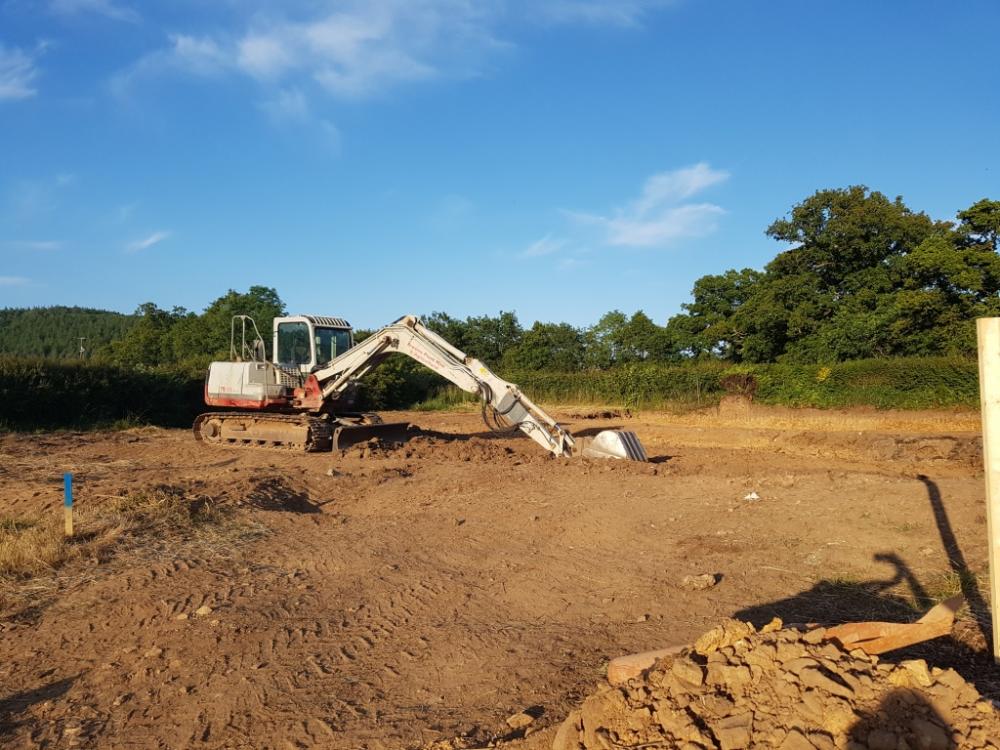
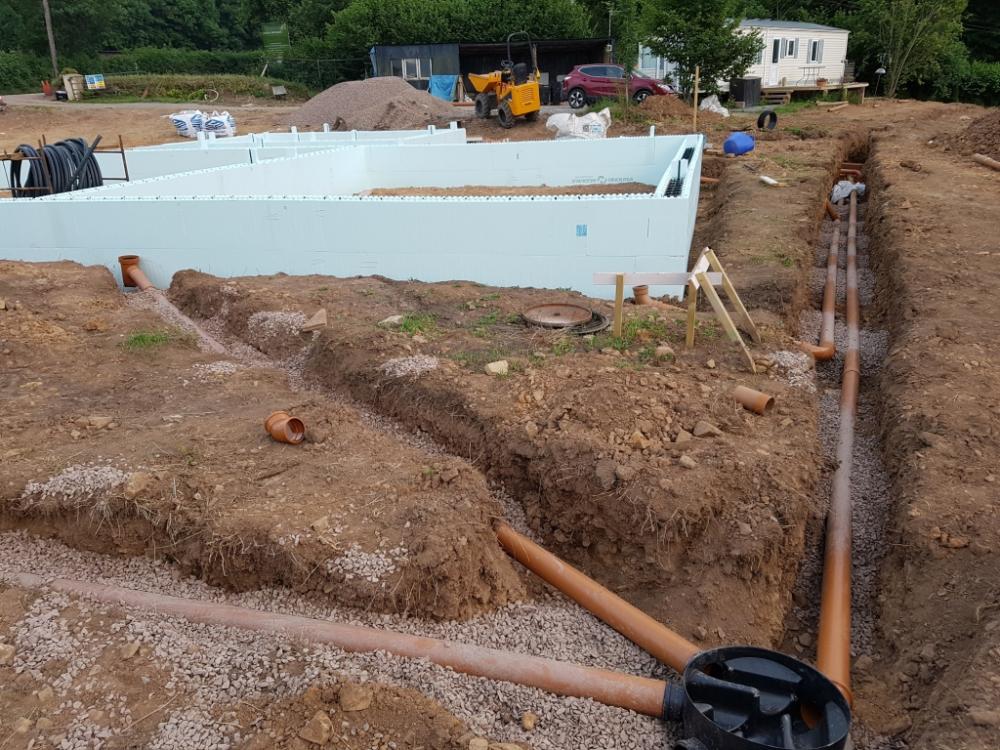
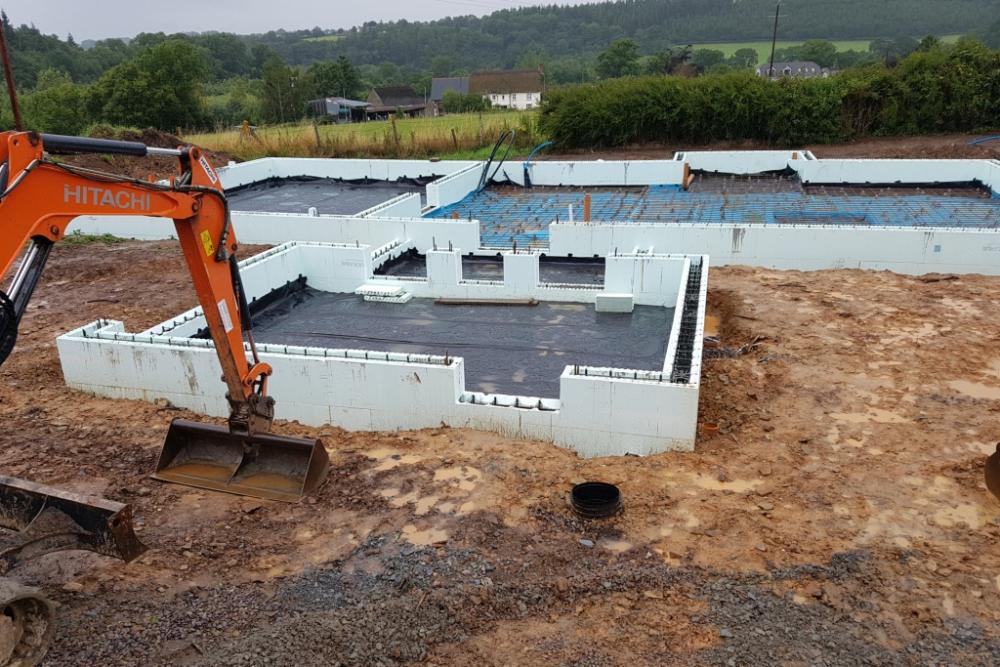
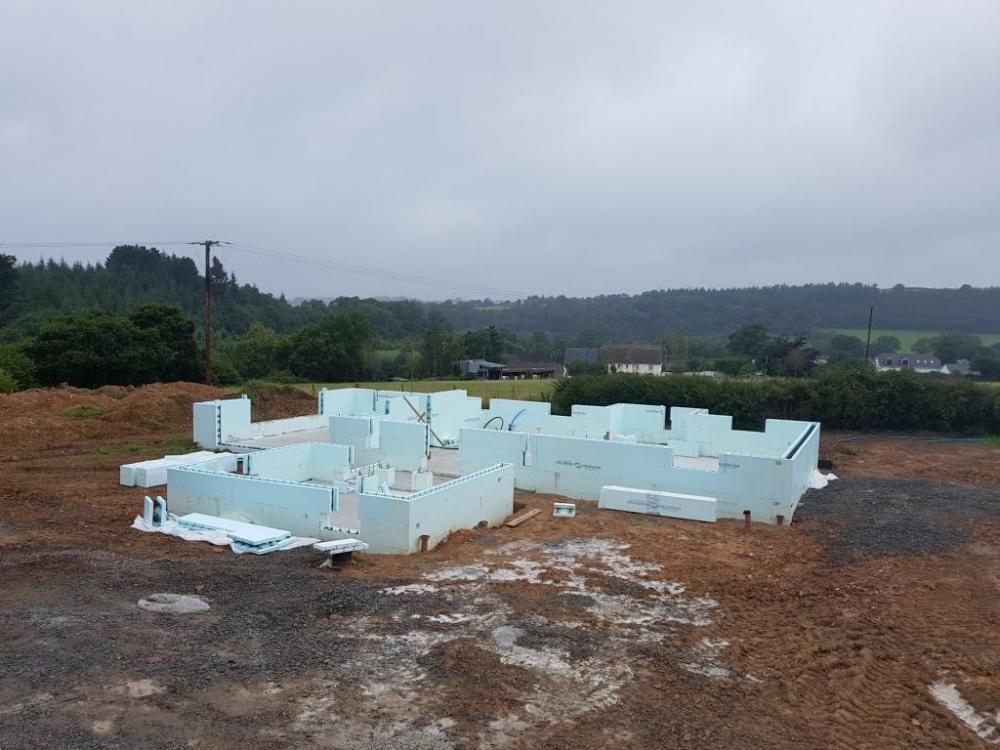
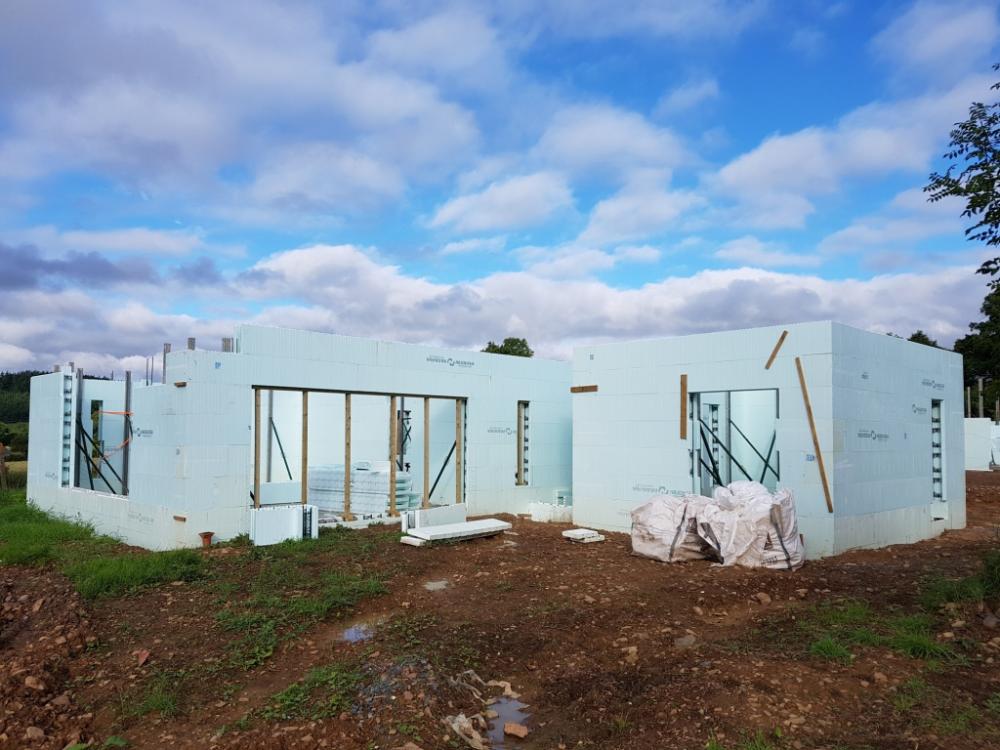
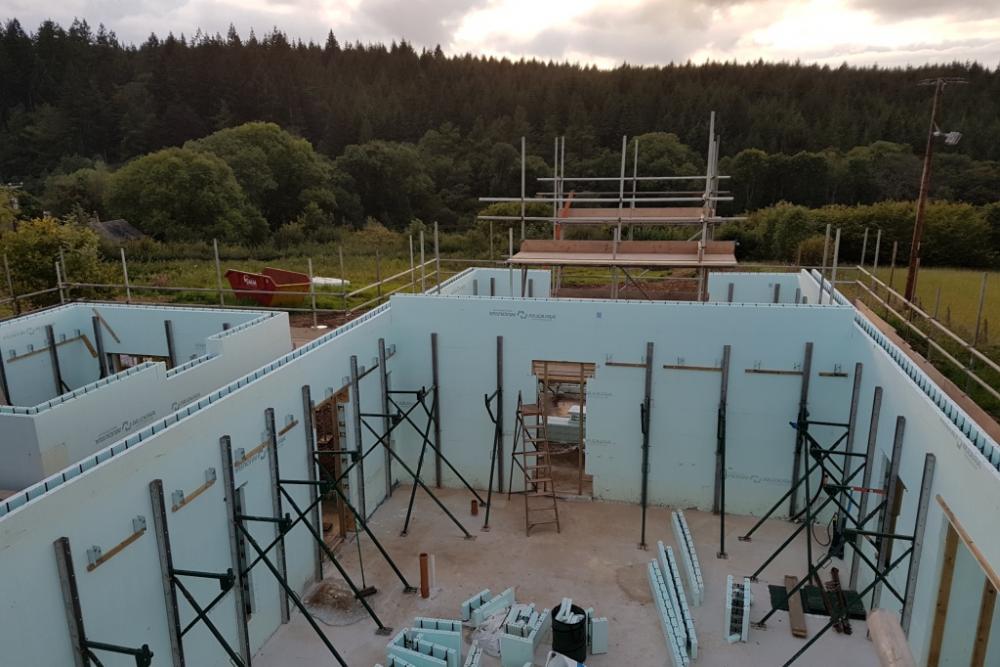
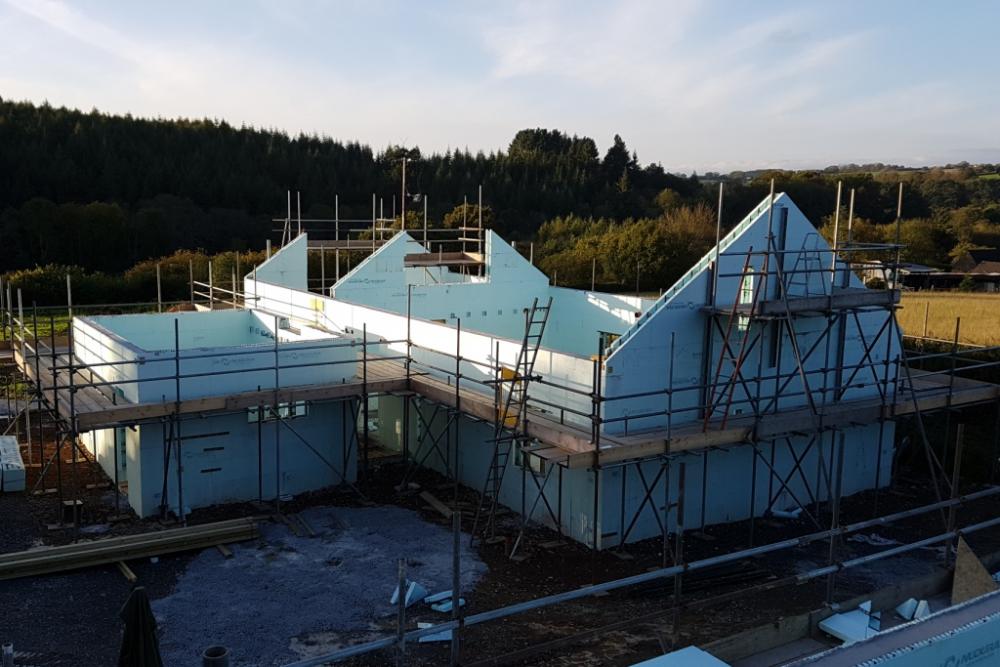
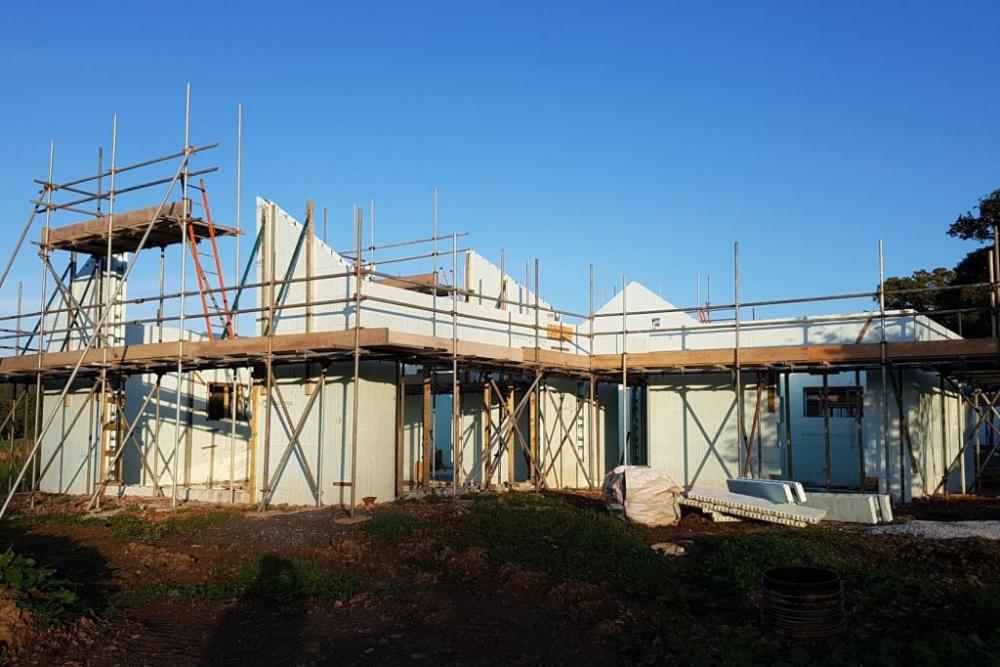
Here's a selection of photos so far. Loads more if anyone's interested just let me know. I'm slightly photo crazy and have taken about 2000+ pictures so far.... some for the fun of it and some so I know where things are, e.g the drain runs! B519 16 31D House Plans_proposed A1.pdf
-
Hi All, Thought I'd say hi. Have been reading the forum for a while now and have found it full of interesting and very useful info. I'm building a large chalet bungalow here in mid Devon and after much thought and budget revisions have ended up taking a year off work to to the build on a DIY basis with some help here and there from other trades. I've found that the reactions to this vary from "wow that's great" to "you're mad!" :-) BTW I'm not a builder, my normal day job is in IT as a Project Manager but I'm up for a challenge and need to keep costs down, or at least labour costs down as much as possible! After lots of thought and loads of discussions at numerous self build shows we decided that ICF was the right option for us and after discussing the project with several ICF brands we decided to go with Nudura. The build started back at the beginning of June and we've now reached wall plate and about to move onto the roof! Hoping to continue to absorb all the great info and options on here and will be throwing out a few questions to get answers/opinions/etc as I move further out of my comfort zone! Thanks. A.