WWilts
-
Posts
782 -
Joined
-
Last visited
Everything posted by WWilts
-
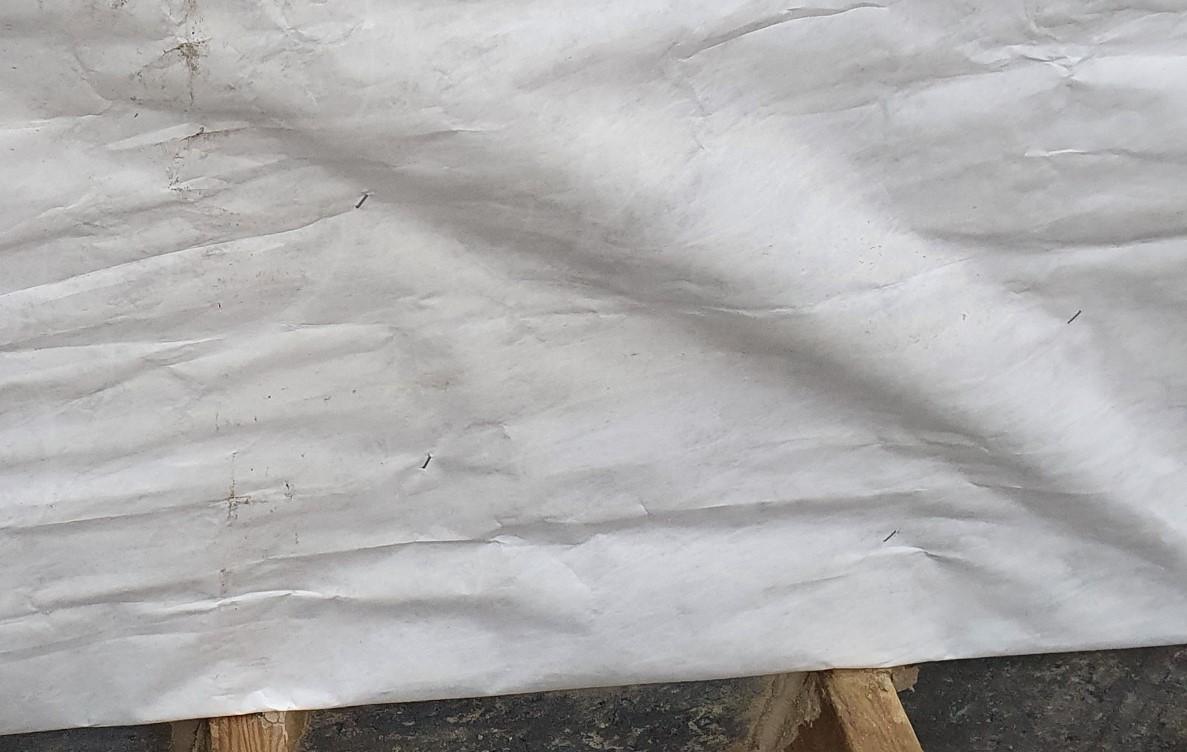
Need to get the membrane off the inner leaf blocks so that it can be sealed to the inside of the plasterboard, behind the skirting board. So, getting the staples out is necessary. Unless there is a clever workaround, perhaps sealing this membrane to another membrane which then is sealed to the inner face of the plasterboard.
-
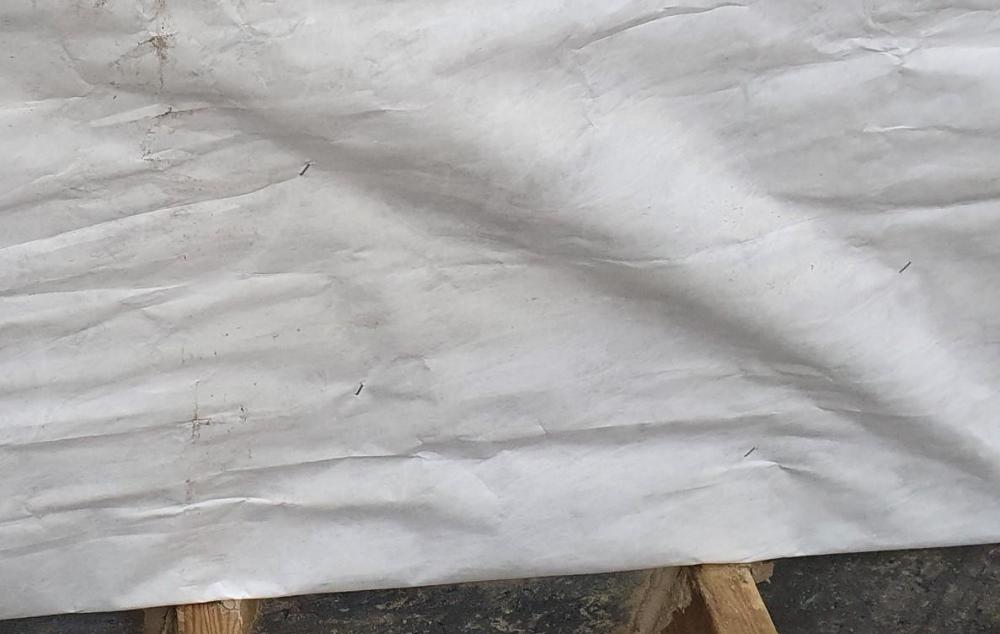
Tonytray started. Airtight membrane installed around joist ends/blocks. Intention was to tape airtight membrane to the airtight layer (which for various reasons will be the inner face of plasterboard). Unfortunately builder on his own arranged to staple the airtight membrane to the inner leaf blocks for convenience. (pic shows staples, with first floor joists seen at bottom). Is there a simple solution to making the membrane airtight again, after removing the staples? Is there a way to remove construction staples with minimal damage to the airtight membrane? Also, how best to seal tears in the membrane? Is there a clever way to get around the problem without needed to undo the staples? Separate question: given a reasonably airtight inner leaf, how much value is there in providing airtight membrane along the non-joist elevations of the first floor void?
-
What are those?
-
New build in progress. UFH on ground floor. Concrete slab, PIR insulation. Which to use, liquid screed (eg 40mm) or sand/cement (eg 65mm)? Trying to understand the pros and cons for cost/heating performance/ease of build
-
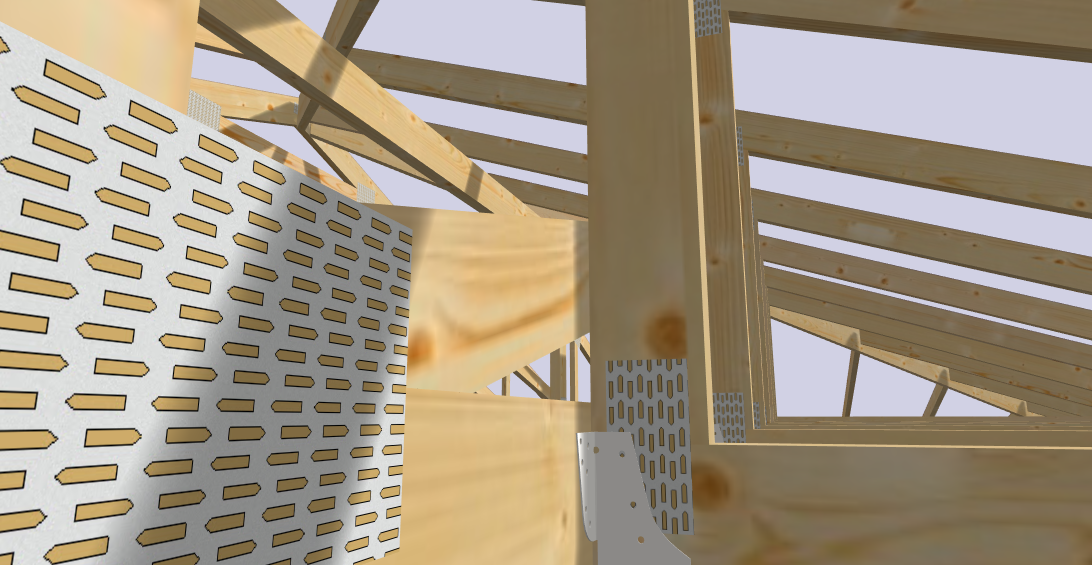
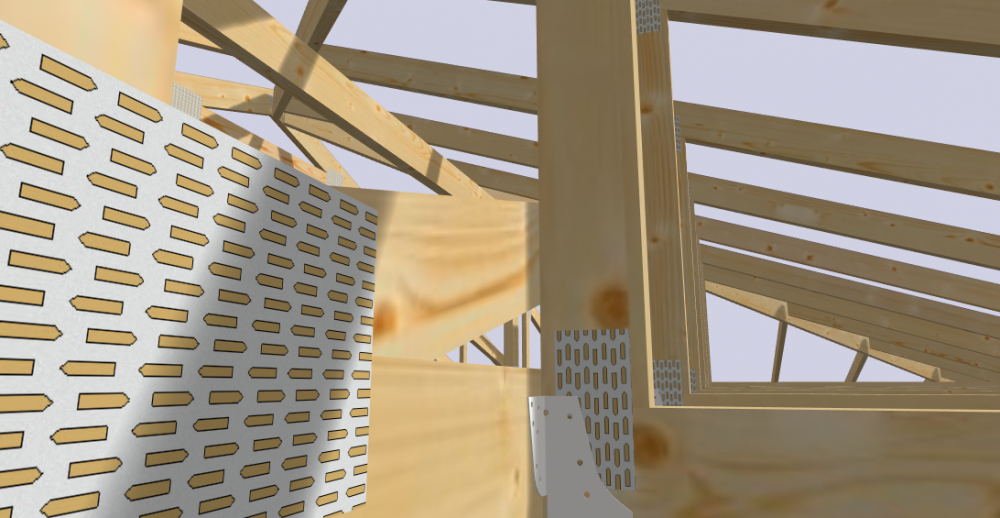
Roff trusses. Not clear to me whether the metal panels shown in pic are meant to have nails inserted, and if so how many. I mean the panels with loads of small arrow-like openings.
-
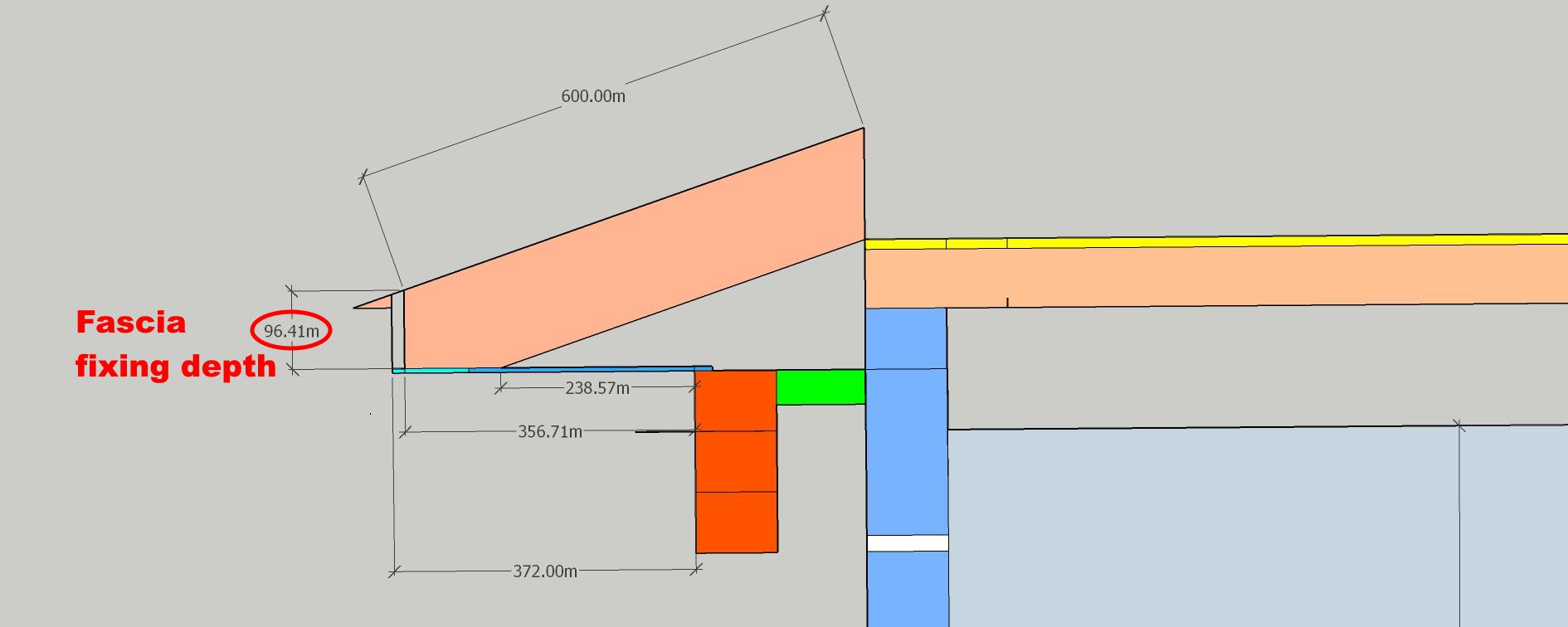
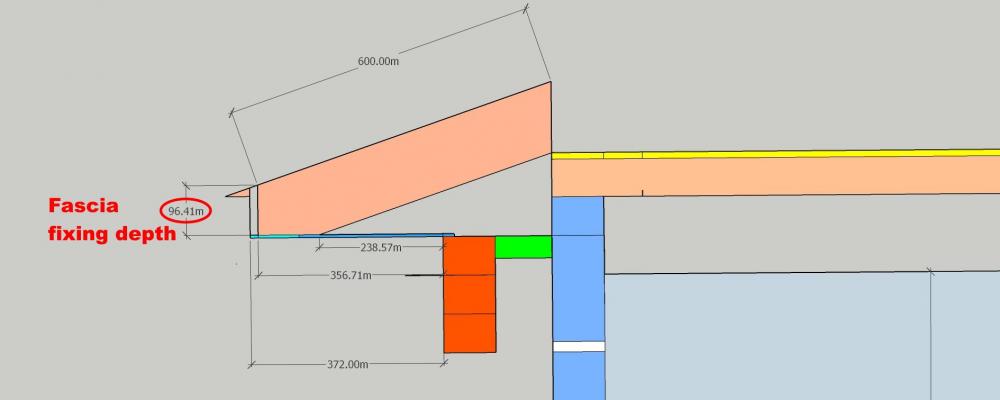
Minimum height of rafter end for fascia/gutter
WWilts replied to WWilts's topic in Roofing, Tiling & Slating
Only one row of bricks above lintels. Perhaps soffit at lintel level is ok for upstairs -
Downstairs wet UFH (gas boiler) Upstairs bathrooms electric UFH mat. Any recommendations for electric UFH mats? Reliable makes?
-
You need to notify the planning officer by means of a formal "deemed discharge notice". Then after 2 weeks if there is no response, the deemed discharge will automatically come into effect. Usually you will get approval (or at least a decision) before the 2 weeks are up. One notice for each condition (ie. if 7 conditions remain to be discharged then 7 notices) Preliminary text on the foll lines: Purpose of current “deemed discharge notice”: To invoke article 28 of the Town and Country Planning (Development Management Procedure) (England) Order 2015 and related procedures so as to “avoid unacceptable delays and costs at a stage in the development process where applicants are close to starting on site or where development is under way” (ref PPG Paragraph: 041 Reference ID: 21a-041-20190723) Then include the formal requirements: Details of the Discharge of Conditions Application (eg reference number) Identify the planning condition to which it relates Confirm that no appeal has been made under s 78 of the 1990 Act Specify the date on which deemed discharge is to take effect (normally 2 weeks from the date that you send this notice to the planning officer) Good luck
-
Is there a minimum height of rafter end required for fixing the fascia / gutter securely? Would 60mm do? (see pic) Objective is to get as much of an overhang as possible.
-
Cold roof, insulation in first floor ceiling/attic floor For airtightness, want to minimise penetrating the ceiling How to make pendant light fittings airtight, or how to substitute pendants with something more airtight?
-
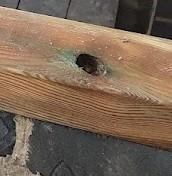
Great point. Attic trusses sit around that area. Also the timber has holes that are going green. Just delivered, marked C24 M dry graded. Does it matter whether the holes are on the top face or the bottom, given that the plates will sit in the bad weather for a while?
-
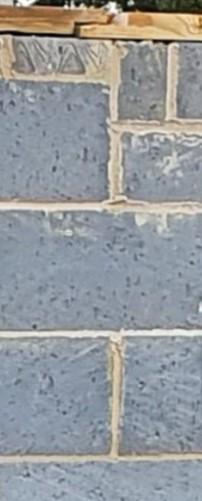
View of the internal face, same area. Pushed them to fill inner leaf joints internally & do concave tooling. Perhaps that was taken as licence to relax on the cavity face of the blockwork. Done in sub7 degr C temperatures too, sometimes 2 degr. Serious concern? Might be too late to remedy all but the easily accessible areas.
-
Yes, hipped roof. Good point. Roof trusses attached to one another and to the building only by the skew nails driven into the wall plate. (There is some bracing between trusses too. & battens for tiling)
-
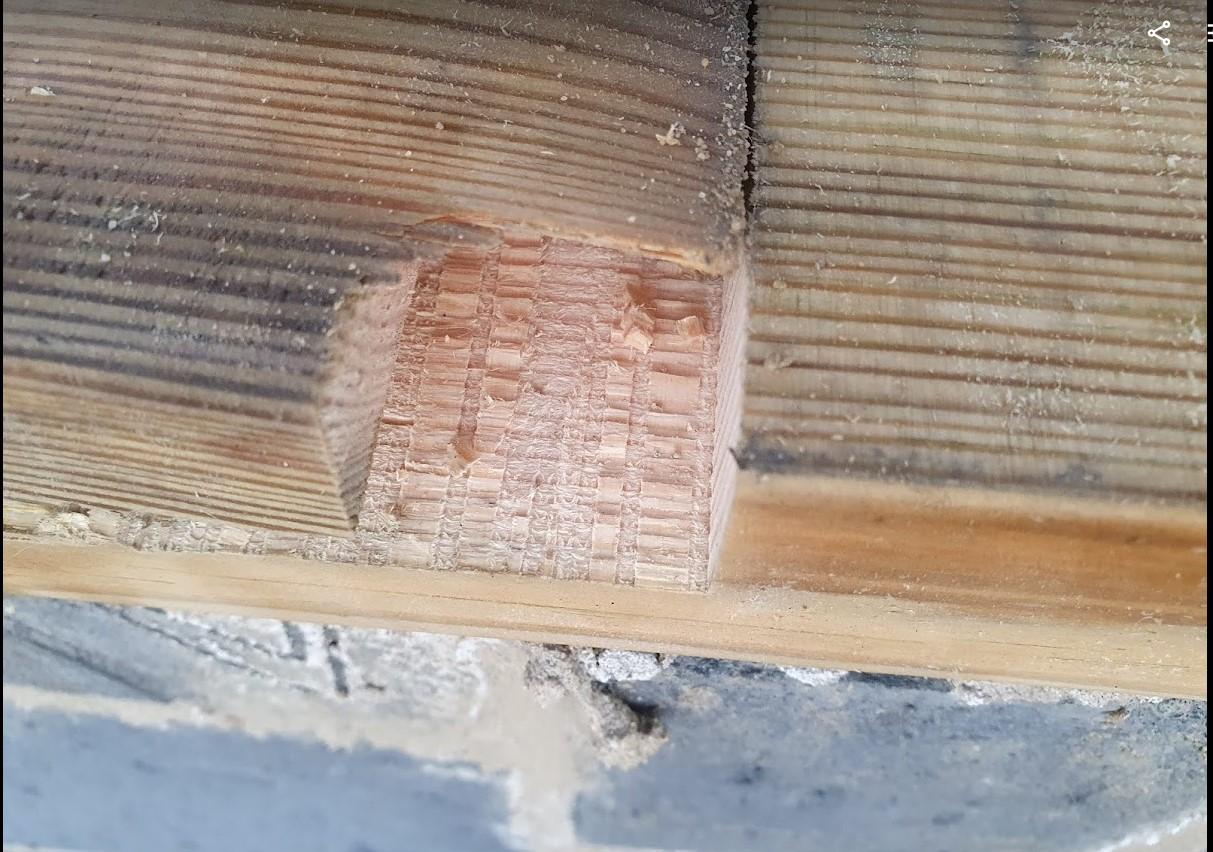
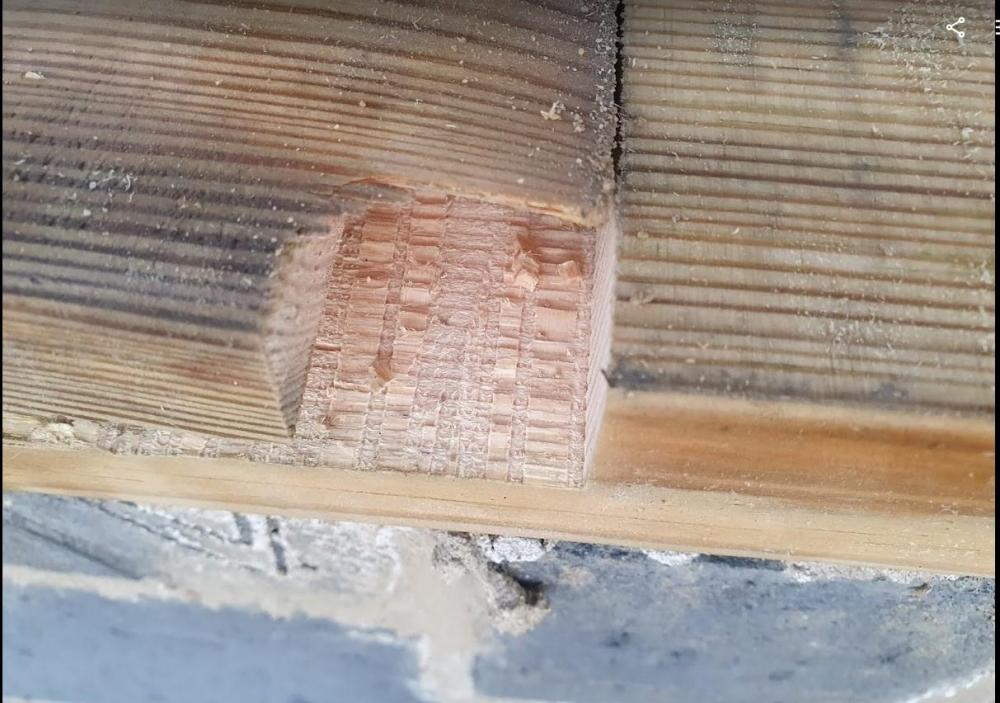
Wall plate for rafters to sit on & be nailed to. Chunk missing at a joint. Ok? Acceptable? Pic shows it from one side then the other.

-
New build. Yes, using less hot water is a cost-effective option.
-
Detached house, family of 5. Hot water and downstairs UFH uses gas boiler. Worcester recommended condensing boiler Worcester Bosch Greenstar 4000 21kW system boiler with a hot water cylinder Green storage WB unvented 250L. Might tip the EPC into fail territory for SAP. Are there a more energy efficient & cost-effective options? Incurring the up front cost of solar PV would be a last resort. Any other options?
-
For those on very tight budgets and traditional block/brick construction Even a few mm increase in cavity width produces a noticeable improvement in U value. Boosts EPC score by up to a point. With blown in EPS beads increasing the cavity a little bit costs almost nothing more for the insulation. Easy to tweak the masonry to gain a few mm. Another cost-effective approach.
-
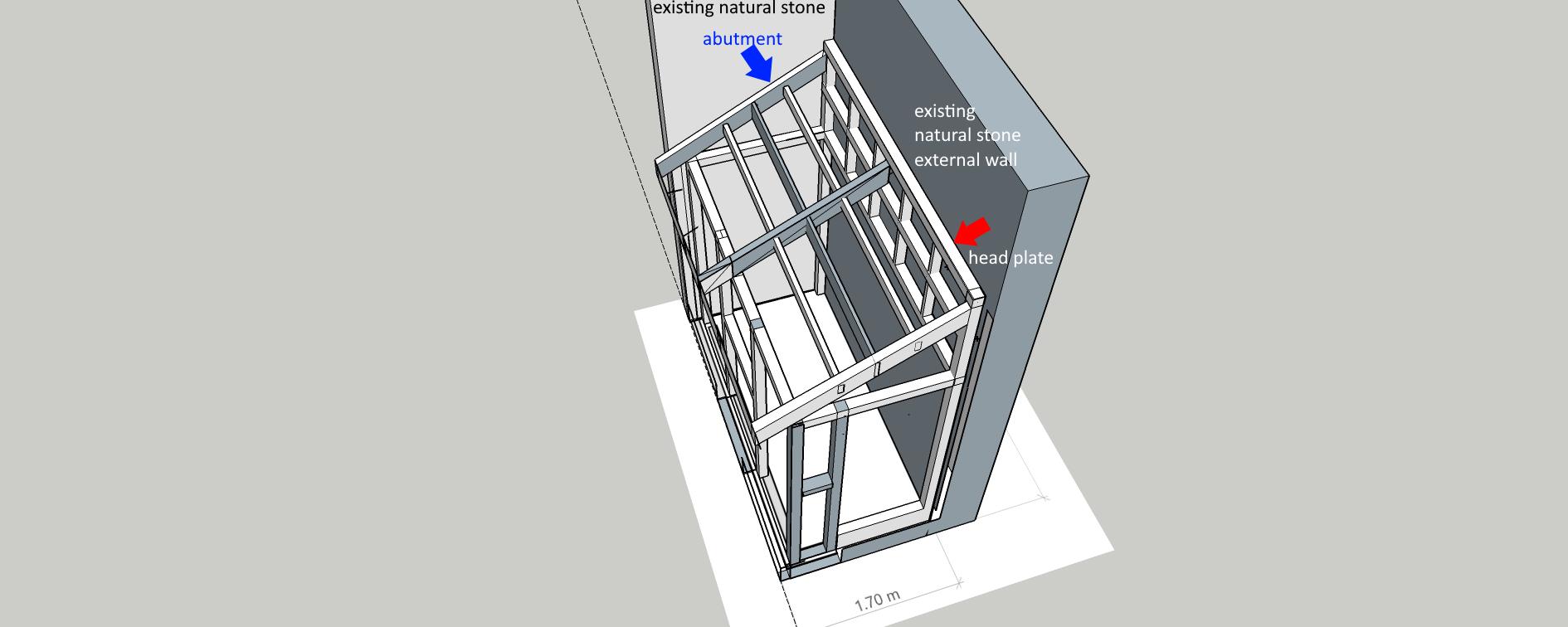
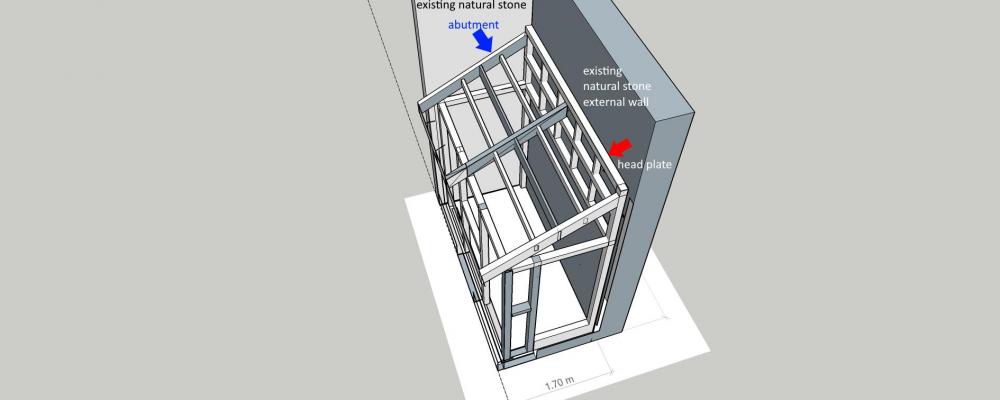
Lean to will be built, against 2 existing external walls of natural stone (limestone). See drawing. Outer leaf reconst stone. Inner might be stick build/SIPS or blocks. 1. How to fix the head plate to the natural stone? (red arrow) Is a trellis as drawn necessary, or will a single head plate suffice? 2. How to make the sloping abutment watertight? (blue arrow)
-
Catnic type lintels for traditional cavity wall. Window openings. Exposed brick exterior. Outer leaf, under lintel. What do people put there? Or do they leave the steel (and thermal bridge) exposed? Is there a good looking version of jablite to glue on? or just insulated plasterboard? Something else?
-
Decision to be taken on whether to do anything more for airtightness of mortar joints. Blocks (large format, 630mmx 215mm) shown as airtight in independent tests. Mortar joints (cement:sand 1:6 mix) if well done might be airtight too. Trying to discover if cement:sand parge will improve the airtightness of cement:sand joints. Perhaps someone here has come across a test or report somewhere.
-
Context: Inner leaf of cavity wall 630mmx 215mm Celcon blocks with cement:sand (1:6) mortar. Brick or stone outer leaf. Insulation blown in bonded EPS beads. re Inner leaf airtightness, still trying to discover whether a cement:sand parge coat will improve the airtightness of cement:sand joints. Workmanship ok (jointing/pointing/concave tooling). Decision on parge coat due now-ish PS re airtightness of Celcon aircrete blocks, some were curious: "Tests undertaken by Building Services Research and Information Association (BSRIA) have shown that H+H aircrete achieved an air permeability of 0.12m³/hr/m² measured at 50 Pascals"
-
Traditional cast stone/brick build. What could be an attractive-looking material for soffits at single storey hip roof level? Only about 2.25 m off ground level, so very visible. Preferably low maintenance. Could wood veneer MDF do the job? Or better quality PVC? Other material?
-
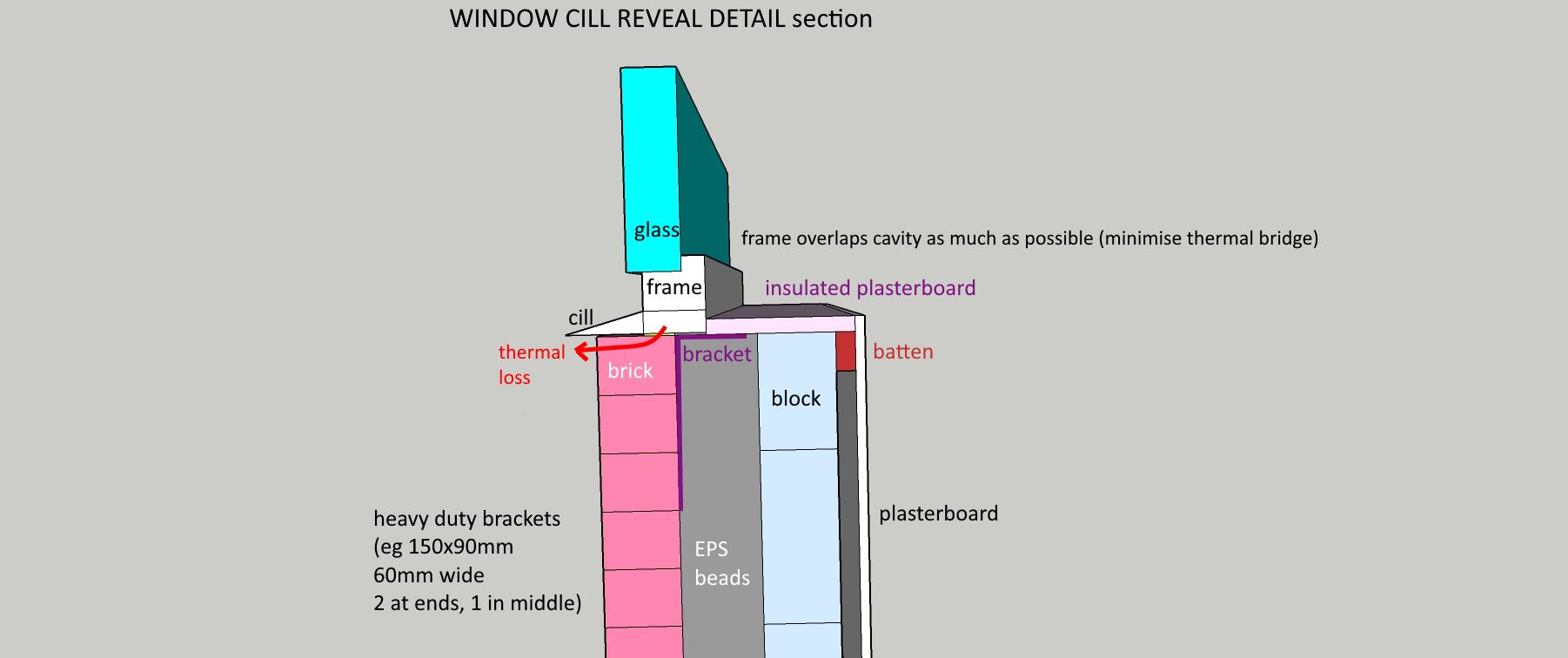
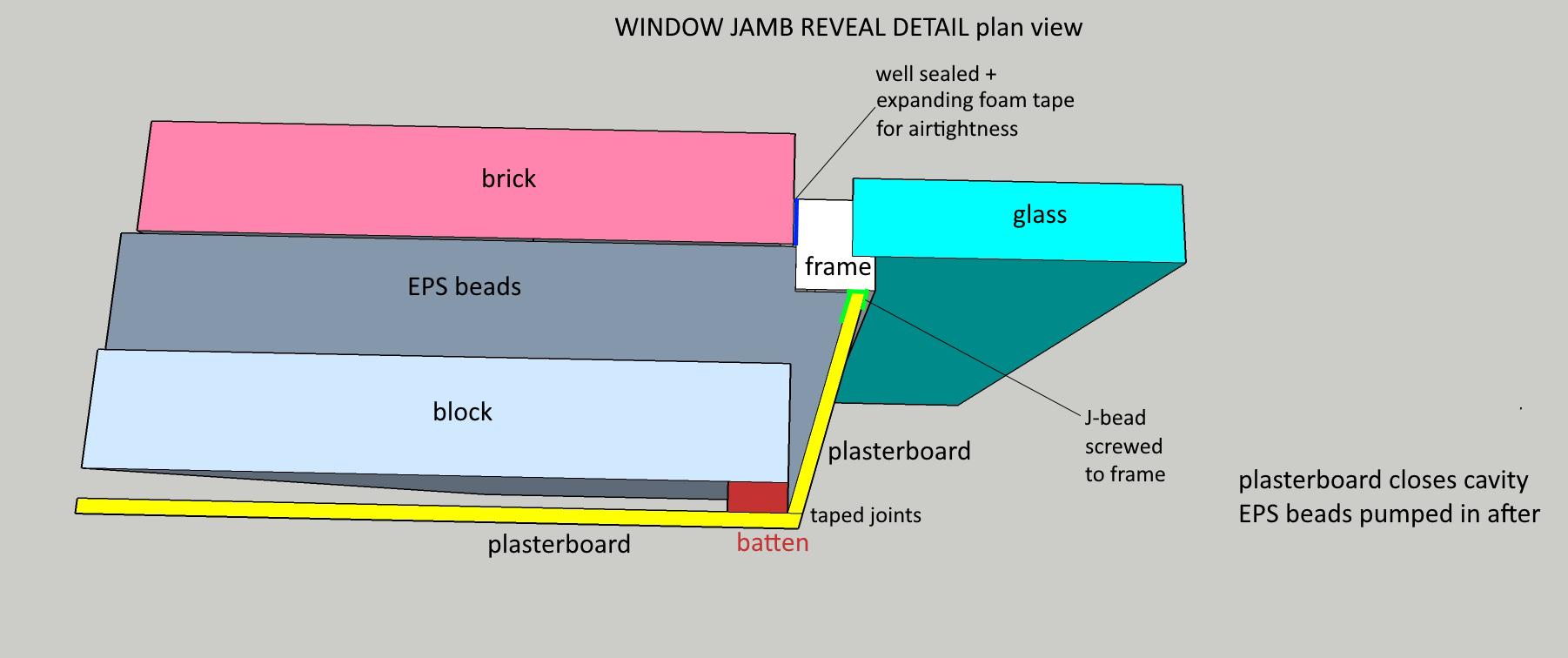
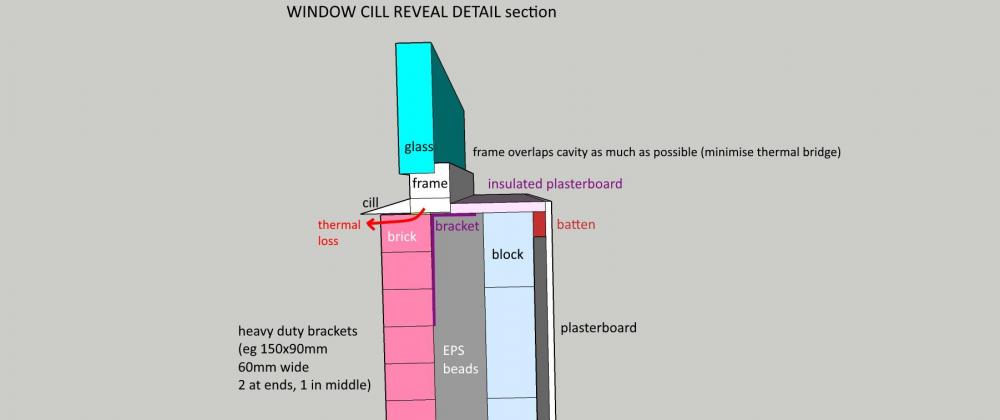
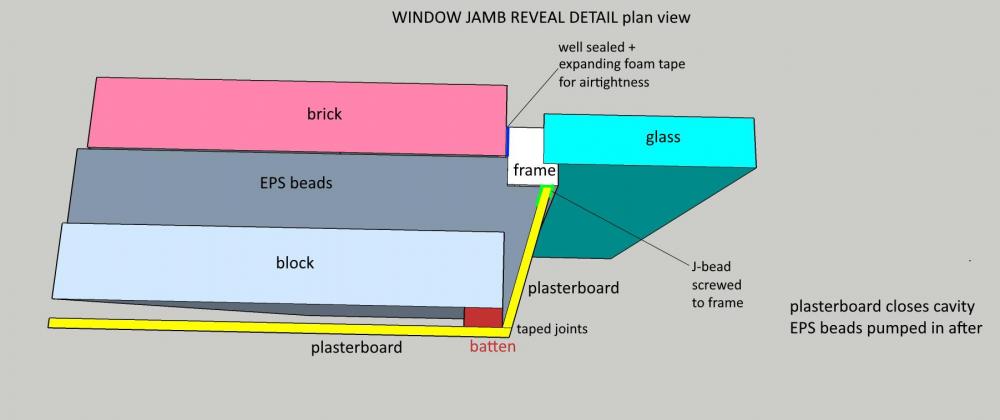
New build. Proposed to window supplier/installer something like the pic. Their concern: the frame etc might move and cracks might appear. Question: is there a way to fix the plasterboard/J bead to the frame to allow for some movement? If so, how?
-
Would like differing roof overhangs on south and north elevations. Rafter pitch identical on each elevation. Hipped roof How to deal with soffit design?
-
Do i need to go overboard on cavity closers (fully filled cavity)
WWilts replied to Moonshine's topic in Heat Insulation
How did you fix the timber to the window frame? (assuming that's what you did) Glue? Screws? uPVC windows here (Koemmerling)