
JohnMo
-
Posts
12468 -
Joined
-
Last visited
-
Days Won
179
Everything posted by JohnMo
-
This is a different take to the UFH argument. But you will need to run 24/7 to keep floor buffered with heat. Which is how you should run UFH really.
-
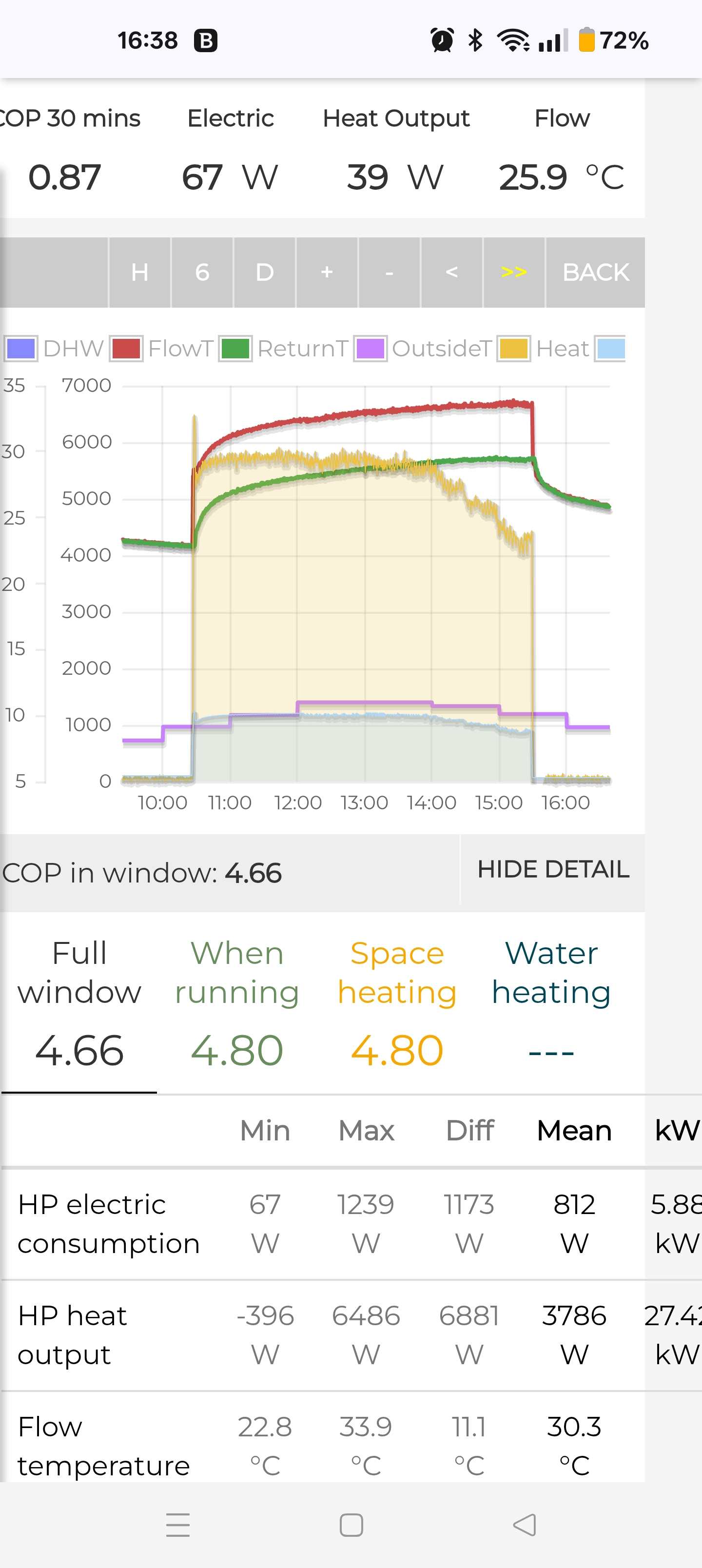
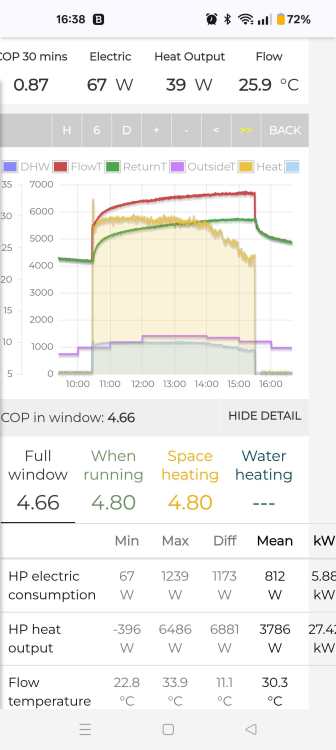
Diverter is working well. Generation today was 22 kWh Export 1 kWh. 210L cylinder heated to 71 degs (8.5kWh), which the max I get out of the immersion. Buffered 27.4 kWh of energy into floor via ASHP with the heat pump running continuously for 5 hrs. At an average of 4.8 CoP.
-
 Why are doing free standing and then building in? Other than that I am lost with your explanation.
 -
Traditionally-styled low temp radiators?
JohnMo replied to YodhrinForge's topic in Central Heating (Radiators)
A radiator is a radiator, takes its output at T50/T60 from manufacturer data and then use the correct correction factor, based on actual flow temperature you intend to use. -
I think I would make life easier for myself, nice radiator or two, maybe plinth heaters in the kitchen. Doing UFH well with multiple floor make ups isn't easy. Wunda etc. will sell you everything but doesn't make it a good or cost effective solution.
-
Self Commissioning
JohnMo replied to Marko's topic in Mechanical Ventilation with Heat Recovery (MVHR)
There is a dedicated thread for this - would seek it out and ask there. -
I was told by the architect that ground screws and permanent building are not compatible. Reason being, the design life of the screw is way shorter than the building. So the screw will fail first, which isn't good. Trouble with a structural element that can corrode being in contact with the soil is the corrosion. Soil can be acidic, alkaline, wet, and there is lots of oxygen present. Without very careful material selection you will have issues down the line. Put in normal foundation, make sure its well insulated, sleep soundly not thinking about issues, that may occur in 20 years, that cause the extension to fall down. Screw piles have their place, for sheds and summer houses, which are not permanent buildings.
-
Rapidly coming to the conclusion that WiFi and home should be disconnected. Use WiFi for the TV (although I use ethernet cable) and computer and that's about it. If you want decent security, you need a proper system and to dip in to a deep pocket and have it professionally installed. Have it linked to the police etc.
-
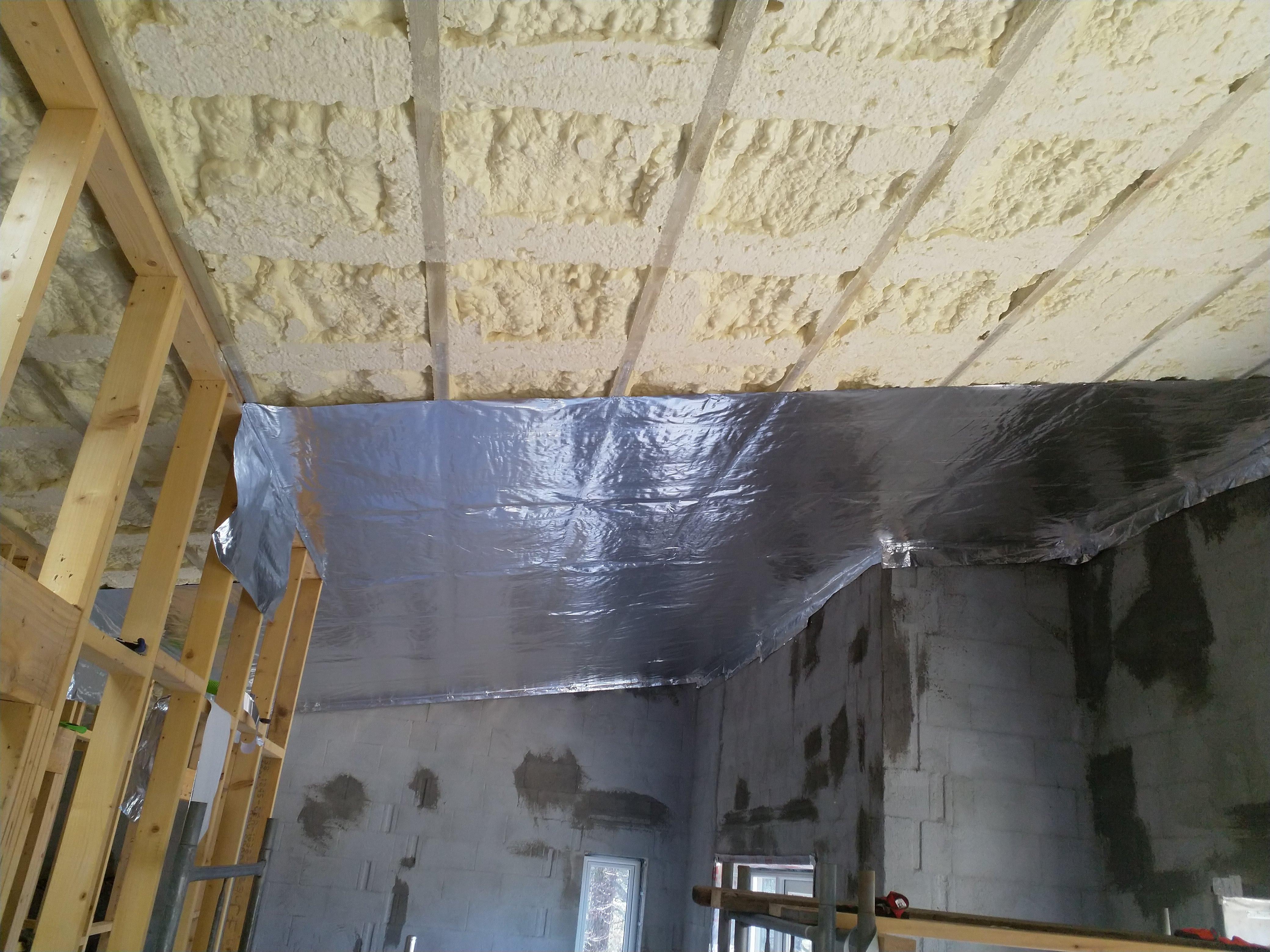
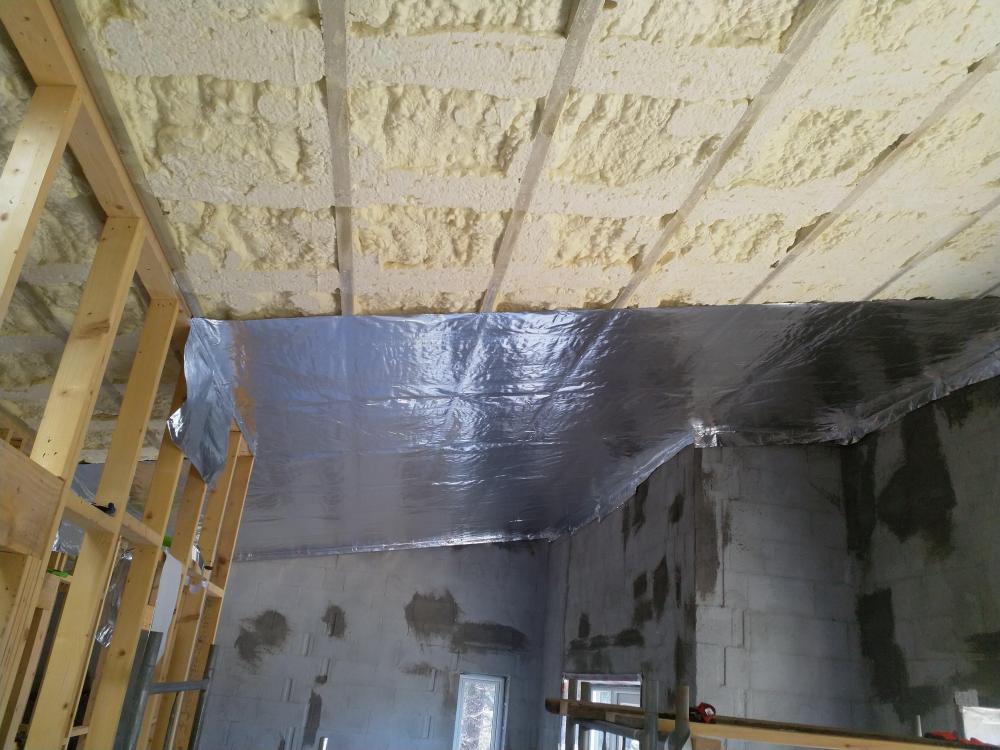
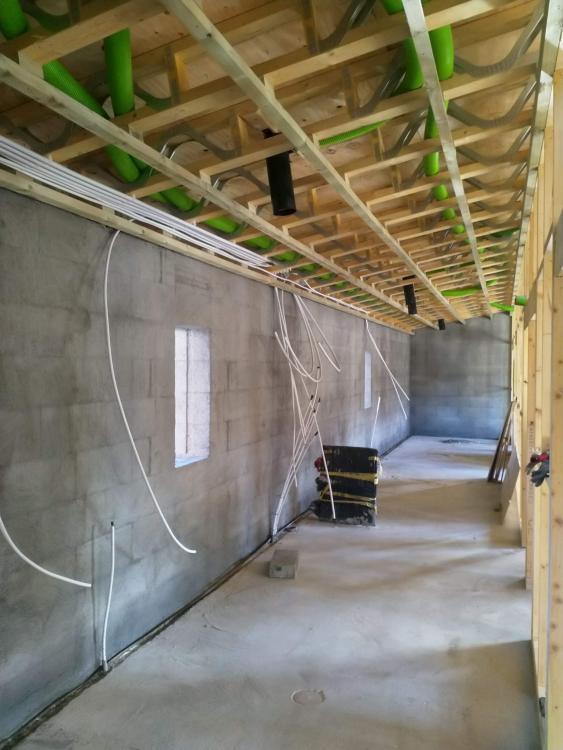
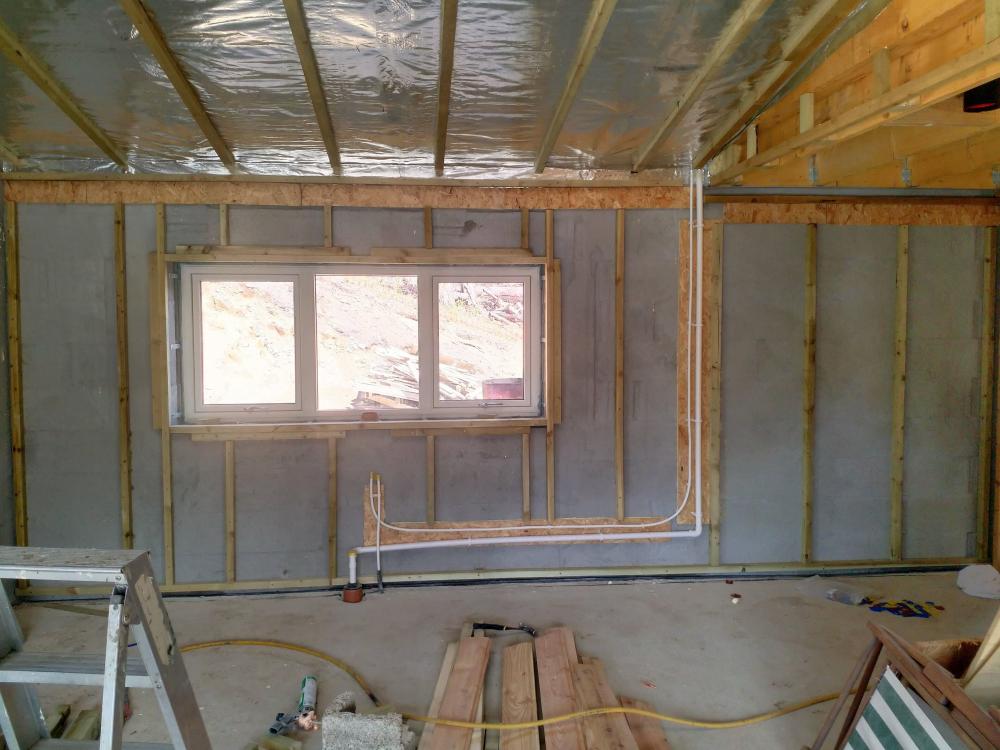
Over is the easiest to do, but if not careful can make roof look a bit clunky. But you still need to insulate at the outside wall to bridge between wall and roof insulation. Between - Any solid insulation such PIR between is a bit of a non starter. How do you go between the metal webs. Blown insulation, tried to cellulose but they wouldn't do it for some reason. My roof is similar, I did counter battens spaced away from rafter 50mm to drop ceiling down 100mm, to give 356mm cavity and spray foamed. Then a reflective vapour barrier and 50mm service cavity then plasterboard. Drape the vapour membrane onto wall and use airtight mastic/glue to stick to wall or tape if a membrane.
-
Eufy do solar powered cameras not sure about Poe? I have their door bell, and door sensors which all work as advertised. Door camera is easy to install, can be battery or normal door bell powered.
-
That's a lot of money. Definitely just leave as is from builder for now. See how it runs. Boiler supports weather compensation out the box. So I would move to this with radiators. You may need to change the odd radiator to get system running a nice low temperature.
-
Maybe a little noisy?
-
Maybe a hole in the heat exchanger or a petrol leak? I had one also. Definitely got a more than 25mpg. But yes things have changed. My beetle has also changed over the years also, owned it for 36 years and 25 years old when I bought it. Now has a space frame and Aprillia RSV 1000cc V twin engine, and doesn't need heating anymore.

-
New build well insulated with upstairs - do you actually need UFH upstairs or radiators? Many have nothing other than the provision to add electric rads if needed. If you have a heat loss 3kW for downstairs and 2kW for upstairs, just size the UFH array downstairs to kick out 5kW. Upstairs heating provision added. Fully compliant with BR and MCS for heat pump install. Put electric heating mats in bathrooms upstairs. Are you just making life difficult?
-
Granted, but coolant flow cooling needs to be done, so just making use of a waste product. PHE instead of water to air HE. Exhaust cooling needs some control, but no different from a VW beetle and air cooled Porsche which used exhaust heat exchangers and blow air through it for vehicle heating. Just blow through exhaust heat exchanger and point the warm air in the direction of the ASHP fan. Just have to be careful you don't mess up the exhaust scavenging effect, by extraction of too much heat.
-
Don't be fooled by advertising. It mostly bull sh** to catch you out. If a house needs 6kW to keep it warm it needs that regardless of heat source. Ripping a new house apart is just expensive and a waste of time and effort. If it's an actual new house they have to install a low temperature radiator system anyway. So check they have are doing so. Ask questions about how it's installed Is S, Y, X or W plan? Or is a combi boiler? What make and model? Post the answers. You are likely to line Wunda's bank account, empty yours and gain a big fat zero on running costs gains
-
MVHR O ring seals - lubricant?
JohnMo replied to Sparrowhawk's topic in Mechanical Ventilation with Heat Recovery (MVHR)
That would work. -
MVHR O ring seals - lubricant?
JohnMo replied to Sparrowhawk's topic in Mechanical Ventilation with Heat Recovery (MVHR)
I just used silicone lube. Similar to the link, but way smaller, that size if you want it to last a few lifetimes. -
Suitable ducting
JohnMo replied to Tommy8884's topic in Mechanical Ventilation with Heat Recovery (MVHR)
For the 150mm Between outside to MVHR unit, and MVHR to manifold/plenums (they are the same thing) use something like Ubbink foam duct (or similar). This is a duct and the required insulation in one product. Leave drains stuff in the ground. Doing drainage stuff. -
Adding a third party inverter (SOLIS) to a SMA system
JohnMo replied to SomeGoodBits's topic in Photovoltaics (PV)
It could be your first inverter is setting a voltage output based on local grid voltage (so local grid plus a bit), the new inverter is adding a bit more. And reaching it's max voltage. I would look at where the new inverter is located and feed wiring on the AC side. Maybe it's too restrictive (need a bigger mm² cable) and the inverter is kicking out a higher than optimal voltage to compensate. Then tripping. When I installed my second array I had to use oversized AC cables to keep voltage within manageable limits. -
(ASHP-based) Hot water tank gets cold surprisingly quick
JohnMo replied to puntloos's topic in Boilers & Hot Water Tanks
Or just heater hotter and have a time window when it's allowed to heat. I operate on two time windows, early morning on cheap rate, early afternoon (only heats if needed) to make most of any solar energy going spare. I found letting heat as it thought was needed (as you are) used way more energy than timed windows. Notice your heating the cylinder 5 times a day. Is that correct? -
I was thinking the opposite direction, where to dump lots of heat energy given off by the generation. 25% of the energy is electric then you have 50+% of heat you could use. So if you have 10kWh of battery to charge, you would have 20kWh of heat energy going free (from engine coolant), so you keep it in a useful temperature range 35 to 80 degs that's about 400L. Or thick screed UFH could also be used to buffer instead of into water. If air cooled you arrange the coolant air to be directed towards an ASHP condenser fan, and let the ASHP turn that low grade heat into useful heat, with a good CoP. If you want to extract the exhaust heat that can be done also, with a heat exchanger or two.
-
Welcome. Would like to challenge the thought that UFH will cost less. With UFH you have greater downwards heat losses when comparing to radiator systems. Even with very good insulation. Is you ground floor insulated? As I noticed the Wunda quote is for a 20mm system. As an overlay system, every floor covering comes up, all skirting are removed, all doors are shortened etc. it isn't a small job. I would really stay with radiators, but make them work well. The best system being a low temperature radiator system. Ideally you would convert the boiler to run priority demand hot water and have weather or load compensation for heating and high temp for cylinder heating. Move away from thinking zones, boilers just don't like it, they run poorly and this applies to UFH and radiator systems.
-
(ASHP-based) Hot water tank gets cold surprisingly quick
JohnMo replied to puntloos's topic in Boilers & Hot Water Tanks
37 is low, so no surprise you get comments. It is also in the optimal growth temp range for legionella. So not a good temperature to store water at. Big cylinder, so not a full turnover of water and storing at 37, wouldn't be my choice. Even with straight water from the cylinder it's a cool shower. If the sensor is half way up the cylinder, assume the temperature control comes from the same sensor? If so you are only heating the upper half of the cylinder, below the sensor could be cold. So your 400L is now only 200L of semi useful water. So a 34 Deg shower is nearly all water from cylinder. The thermocline will just rise so water temp drops pretty quickly at the sensor. -
Those figures sound correct. Run it on gas the emission at tail pipe go down. Running costs should also drop also. Trouble is using or storage of excess heat, to make numbers work well. Big swimming pool sized thermal store. Pull heat out via water source heat pump. CoP of 6 or 7 should be doable.